
Reviewed · WALKING TOURS
Oldest Local Market Walking Tour With Living Goddess Kumari
If you want one unforgettable Kathmandu moment that feels both ancient and human, this short walk to meet Kumari is the reason to go. A living Goddess, set within the city’s everyday market life, turns sightseeing into something more personal.
I like that you get two real Kathmandu layers in just 2 hours: the oldest local market area around Ason, and the monumental, story-filled space of Kathmandu Durbar Square. I also like that the tour is built around an English-speaking guide who helps you understand what you are seeing, including how the Kumari tradition fits into Hindu belief.
One drawback to plan for: this is a walking experience in a central old-city area, and the Durbar Square stop has an entry fee of 1000 Nepali Rupee that is not included.
Key Things You’ll Notice on This 2-Hour Kumari Walk
- Living Goddess Kumari viewing linked to Nepal’s long-running Taleju tradition
- Ason market area for everyday shopping, spices, textiles, and small souvenirs
- Kathmandu Durbar Square for temples, palaces, and courtyard architecture
- Hinduism and Buddhism in one route, not taught as theory but seen in place
- English guidance that turns confusing details into clear meaning
- Santos and other top communicators can make the difference in how much you get out of the visit
Why Kumari and Ason Work So Well Together
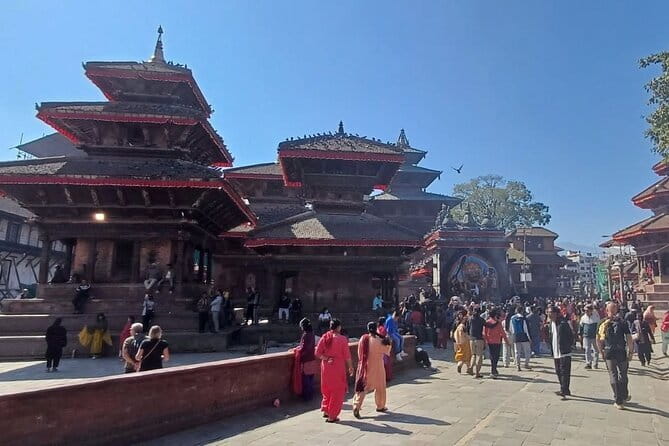
Kathmandu can feel like a lot at once, but this tour gives you a tight focus. You are not trying to cover the whole valley. Instead, you connect the living, breathing religious role of Kumari with the city’s normal market rhythm around Ason.
That contrast is the point. Kumari is not a museum subject. She is a religious role carried out in a specific place, inside a daily flow of visitors and belief. Then you step back into the market lanes where people buy spices and textiles and handle daily errands. That mix helps you understand Kathmandu as lived culture, not only scenic stops.
I also appreciate the time scale. At 2 hours, you can do this even on a busy day, without turning your itinerary into a full-day endurance test. It is short enough to stay alert and respectful, and long enough for your guide to explain what you are looking at instead of rushing past everything.
More Walking Tours in Kathmandu
- Kathmandu: Food and Drink Walking Tour
★ 4.9 · 292 reviews - Kathmandu: Food and Drink Walking Tour
★ 4.9 · 119 reviews - Kathmandu: Guided Walking Tour with Monkey Temple
★ 5.0 · 18 reviews
Starting at Chhaya Devi Complex, Then Getting Your Bearings Fast
You meet at the main gate side of the Chhaya Devi Complex at Thamel. This matters because Thamel is where most visitors orient themselves, so finding the meeting point tends to be simpler. You are also close to central Kathmandu, which keeps the walking portion practical.
In the first moments, your guide’s job is to set context. With an English-speaking tour guide, the goal is not just translation. It is helping you understand the meaning of the places you will pass, so when you reach Durbar Square and the Kumari-related area, the experience lands.
I recommend arriving a few minutes early. Not because you need time to travel, but because you want time to settle your mindset. When a tradition involves a living religious role, being calm and ready makes a difference.
Kathmandu Durbar Square: Where Temples and Courtyards Tell the City’s Story
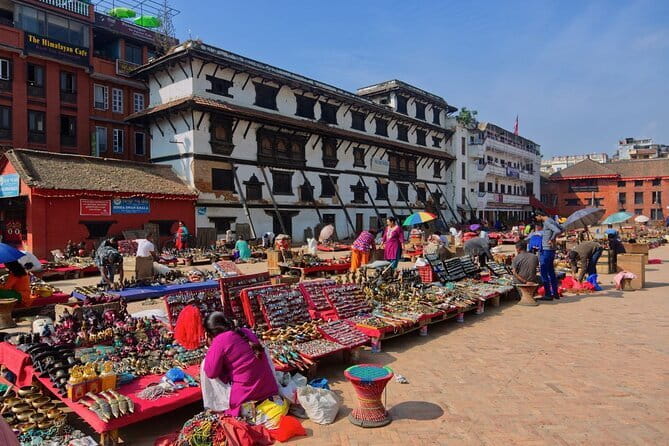
Kathmandu Durbar Square is a historic square at the heart of the city, known for its palaces, temples, and courtyards. This is the kind of place where you quickly notice details only if someone helps you read them.
During your guided time here, you are not just looking at buildings. You are seeing the physical setting of belief and power: stone structures that have carried ceremonies, worship, and community life. The courtyards and temple spaces are also where you can start understanding the blend of Hindu and Buddhist influence in the Kathmandu Valley.
A practical note: you should plan for the Kathmandu Durbar Square entry fee of 1000 Nepali Rupee, since it is not included. Bring cash if you can. Even if you do not pay immediately at the gate, it is smart to have the money ready so you do not spend the middle of the experience hunting for options.
Ason Market: Old Streets, Spices, Textiles, and Everyday Kathmandu
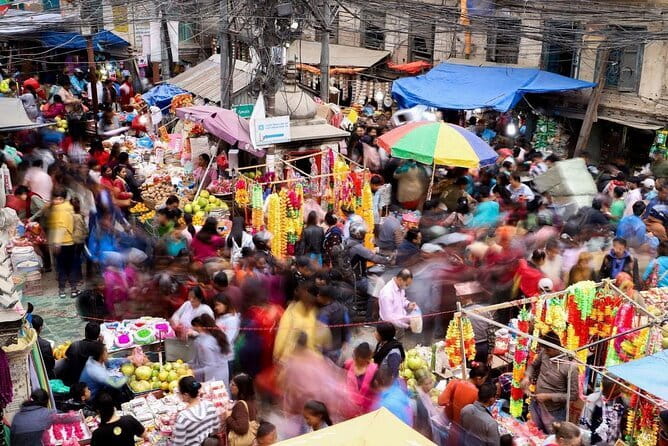
The Ason market area is often described as the oldest local market zone in Kathmandu, centered around the Ason market itself. What I like about including Ason is that it grounds the day. After you see religious tradition in a major historic square, the market reminds you what people are doing every day.
Here, you can browse things like spices, textiles, and souvenirs. The experience is not about buying everything. It is about walking through a place where the city’s economy and culture overlap.
You will also get a better feel for how visitors and locals share space. Market areas naturally attract movement, chatter, and frequent glances from shopkeepers. If you keep your pace steady, let your guide handle the timing, and stay curious without pushing into private spaces, you will feel like you belong for a bit.
If you have limited time in Kathmandu, Ason is a strong use of those hours. It is more than a photo stop, because it is an active market environment.
A different sort of day out of Kathmandu:
- Kathmandu: 7 UNESCO Sites with Lunch
★ 4.8 · 744 reviews - Everest Base Camp Helicopter Tour landing at Everest View Hotel
★ 5.0 · 668 reviews - Kathmandu: Local Women-Led Nepali Cooking & Momo Class
★ 4.9 · 360 reviews - Manaslu Circuit Trek
★ 5.0 · 292 reviews
Witnessing Kumari: What You Are Seeing and Why It Matters
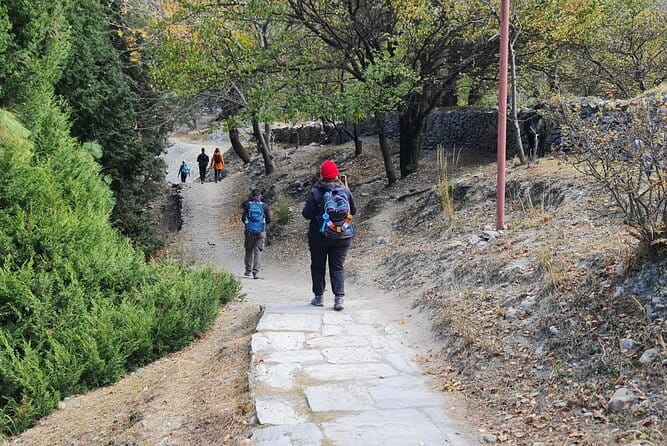
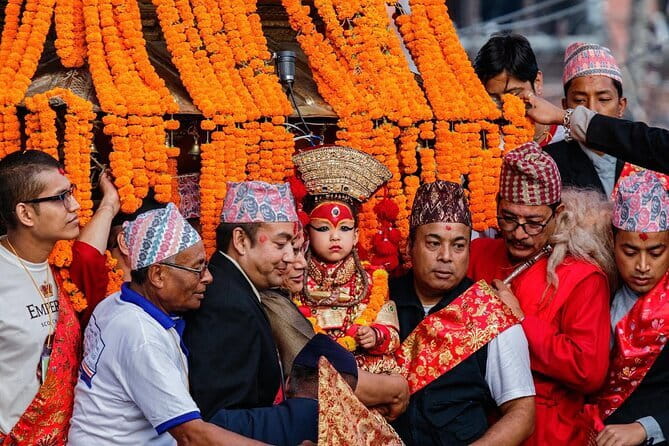
The main event is seeing Kumari, the living Goddess of Kathmandu. In Nepalese culture, Kumari is traditionally a prepubescent girl considered the living embodiment of the goddess Taleju. She resides in the Kumari Ghar, and her role is deeply rooted in tradition and religious beliefs.
What makes this meaningful is that it is not performed like a staged show for tourists. It is an ongoing religious role, handled through specific rituals and a specific physical location. Your guide’s job is crucial here, because they help you understand the logic behind the tradition, so your visit is respectful and informed.
One thing I would strongly suggest: treat the viewing moment as a moment of awareness, not just a sightseeing task. Keep your voice down, follow your guide’s positioning, and watch how others behave. That simple approach helps you avoid the common mistake of acting like you are at a normal attraction.
Also, pay attention to what your guide emphasizes about the role. If you hear how the tradition ties to Taleju and how Kumari’s residence connects to the belief system, your experience becomes far more than a single sighting.
Hinduism and Buddhism on One Walking Route
This tour explicitly connects Hinduism and Buddhism, and you will feel that connection in how the sites are arranged and explained. Kathmandu Durbar Square gives you a strong architectural and religious framework, while the market setting shows how belief lives alongside everyday life.
In plain terms, you are learning by seeing. Instead of reading a paragraph and moving on, you walk through a sequence of sacred and social spaces. That is how the Kathmandu Valley usually makes sense to visitors, because the city does not separate the spiritual from the practical.
If you like cultural context more than trivia, this is the right style of tour. Your guide translates what you see into meaning, including the Kumari tradition and the historic square setting.
Price and Value: Is $39 Worth It for 2 Hours?
At $39 per person for a 2-hour English guided walk, this sits in the practical category. You are paying for three things: a guide who explains what matters, a guided route that saves time and confusion, and included basics like a bottle of mineral water plus government taxes and VAT.
What you should factor in is the Kathmandu Durbar Square entry fee, which is 1000 Nepali Rupee and not included. Once you account for that, you can judge the total better.
To me, the value works best if:
- you want a guided explanation, not a self-guided rush
- you care about understanding Kumari beyond just photos
- you have limited time in Kathmandu and want a concentrated religious and market experience
If you already know a lot about Nepalese religious traditions and you do not want guidance, you could plan a self-guided visit. But if you want meaning and smoother timing, this price is reasonable for what you get.
Guide Quality Makes the Difference, Especially for Kumari
The strongest praise tied to this type of tour usually comes down to the guide. One English tour experience specifically highlighted Santos for excellent communication and being very detailed, and another noted how informative the tour felt.
That matters because Kumari is not something you can fully understand by staring at a figure. You need the cultural and religious framing. A good guide helps you:
- connect Taleju and the Kumari role
- understand why the Kumari Ghar setting is important
- read Kathmandu Durbar Square without feeling lost
If you can, choose this tour when you will have time to ask questions. A small group, if that is how your day runs, makes it easier to get answers. Even if group details are not guaranteed, an attentive guide can still make a big difference in your experience.
What to Bring and How to Act Respectfully
The tour is simple on paper, but you still want to prepare so it feels smooth on the ground.
Bring:
- cash for the 1000 Nepali Rupee Durbar Square entry fee
- a water-friendly approach since bottled mineral water is included
- comfortable walking shoes, because you are moving through old-city streets and squares
Act respectfully:
- follow your guide’s instructions around the Kumari viewing area
- keep your behavior quiet and calm during the religious moment
- be patient if the pace slows near sacred sites
Also, because meals are not included, plan your day so you are not hungry enough to lose focus. If you stop for food right before or after, you will enjoy the experience more.
Who This Tour Suits Best
This is a strong choice if you:
- want a focused 2-hour Kathmandu experience, not a long multi-stop day
- are curious about the living Kumari tradition and how it connects to Taleju and belief
- like mixing sacred sites with normal street life, like Ason market
- prefer English guidance to help you understand Hindu and Buddhist influences
It is also a good fit for first-time visitors because it packs high cultural meaning into an easy time window.
If you hate walking at all, this may feel like too much movement for your comfort. If you prefer a fully flexible self-guided day, you might want to skip a structured walk.
Should You Book This Kumari and Ason Walking Tour?
I think you should book this tour if you want a short, guided way to see Kumari in context, then pair it with Kathmandu Durbar Square and the Ason market atmosphere. The $39 price makes sense for a 2-hour guided experience with mineral water and taxes included, and the biggest learning comes from having an English-speaking guide explain what the places mean.
Skip it only if you want a purely casual sightseeing day with no guidance, or if you do not want to handle an extra 1000 Nepali Rupee entry fee. Otherwise, it is a smart way to spend a limited window in Kathmandu while getting something you cannot easily recreate on your own.
FAQ
How long is the tour?
The tour lasts 2 hours.
Where do we meet?
You meet at the main gate side of Chhaya Devi Complex at Thamel, Kathmandu.
What does the tour cost?
The price is $39 per person.
Is Kathmandu Durbar Square entry included?
No. Kathmandu Durbar Square entry fees are 1000 Nepali Rupee and are not included.
What is included in the tour price?
The tour includes an English speaking tour guide, government taxes and Vats, and a bottle of mineral water.
Are meals included?
No. Meals and beverages are not included.
What language is the tour guide?
The tour guide speaks English.
Is free cancellation available?
Yes, you can cancel up to 24 hours in advance for a full refund.
More Shopping Tours in Kathmandu
- Kathmandu Food & Drink and Shopping Rickshaw Tour
★ 5.0 · 48 reviews - Kathmandu: Food, Drink and Shopping Rickshaw Tour
★ 4.9 · 15 reviews - Kathmandu: Food, Drink and Shopping Rickshaw Tour
★ 4.7 · 7 reviews
More Markets in Kathmandu
- Kathmandu Secret Food Crawl & Local Market Tour
★ 4.7 · 54 reviews - Kathmandu Food Crawl & Market Tour
★ 5.0 · 8 reviews - Half Day Cooking Class in Thamel with Local Market Visit
★ 4.5 · 6 reviews
Latest Kathmandu write-ups
- 16 Days Island Peak Climbing With Everest Base Camp Private Trip★ 5.0 · 3 reviews
- 15 Days Round Annapurna Trek with Poon Hill from Pokhara★ 5.0 · 5 reviews
- Private Nepal round trip including Ghorepani Poonhill trek★ 5.0 · 3 reviews
- Everest Base Camp Trekking 16 Days★ 4.0 · 7 reviews
- 14 Days Luxury Annapurna Base Camp Trek★ 5.0 · 6 reviews
- Everest Base Camp Trek★ 5.0 · 32 reviews
- Everest Base Camp Trek★ 5.0 · 87 reviews
- Everest Base Camp Trek★ 5.0 · 97 reviews
Walking Tours, compared.

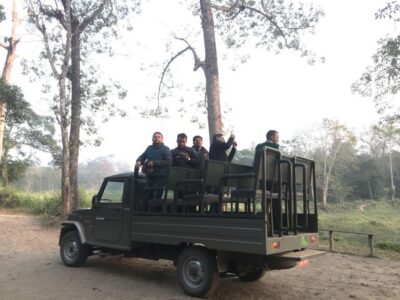
Full-Day Safari Canoeing and Jungle Walk and Jeep
Read our review →
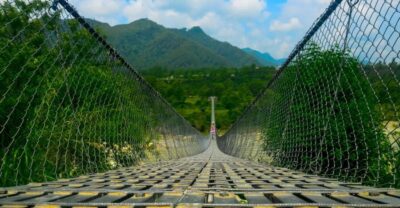
Suspension Bridge Private Tour- 30 Min Village Walk
Read our review →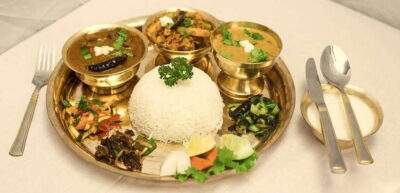
Guided Food/ Drink Tasting walking Tour in Thamel
Read our review →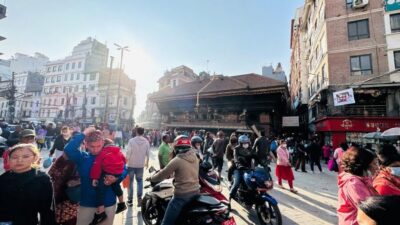
Kathmandu Heritage Walk | Heritage Walk of Kathmandu
Read our review →Browse the lists this tour appears in