
Reviewed · FOOD TOURS
Kathmandu: Guided Delicious Food Tour with 12+ Tastings
This is an easy win if you want a true Kathmandu food intro without spending the day figuring out where to eat. I like that it’s built for variety (12+ tastings) in a short 2.5-hour window, and I also like the small group, max 6 people, so questions do not get lost. One thing to consider: you will be eating a lot, so plan to come hungry and avoid adding a heavy meal right beforehand.
What makes it feel practical, not just promotional, is the way the guide explains what you are tasting. In the guide department, Bibek stands out for patient answers, and you get plenty of context for dishes you might only have seen as menu photos, like Nepali khaja, Gundruk sadeko, and Bhaktapur juju dahu.
Key Things To Know Before You Go
- Small group, maximum 6 guests keeps the pacing friendly and questions answered
- 12+ tastings in about 2.5 hours gives you real variety, not just one meal
- 4 to 5 food stops means you can compare flavors across places and styles
- Bibek-style explanations help you understand what you are eating, not just eat it
- Pickles, fresh juice, and local drinks included so you can keep moving between bites
- Thamel meet-up at Hotel Marshyangdi makes the start easy to find
Why This Kathmandu Food Tour Is Such Good Value
For $5, you are not buying a fancy production. You are buying access to a tight loop of local food, served in a way that helps you actually learn Kathmandu cuisine. The price is low enough that it feels like a shortcut to eating well, without needing to be an expert on Nepali menus before you arrive.
The best value part is the structure. Instead of one long sit-down dinner, you get 4 to 5 stops over roughly 2.5 hours, with 12+ tastings. That matters because Kathmandu food has regional variation, plus different textures and fermentation levels. When you taste side by side, you catch what makes each item distinct. You also avoid the common mistake of ordering one thing and missing half the story.
And yes, alcohol is not included. That keeps the tour focused on food, drinks like fresh juice, and local non-alcohol options. If you want a beer crawl, do that separately.
More Food Tours in Kathmandu:
- Kathmandu Secret Food Crawl & Local Market Tour
★ 4.7 · 54 reviews - Kathmandu Food Crawl & Market Tour
★ 5.0 · 8 reviews - Kathmandu: Local Food Tour | Authentic Street Food & Culture
★ 4.0 · 3 reviews
The Small-Group Setup: Up to 6 People, 4 to 5 Stops
This is a private group experience with a maximum of 6 guests. In practice, that means the guide can slow down when you have questions and can steer you toward the next bite without the usual shuffle of large tours.
You also get transportation included. In a place where traffic and short distances can feel unpredictable, having that handled reduces friction. You spend your energy on tasting, not on negotiating routes.
Time-wise, the tour is short. It is designed for a 2.5-hour window with multiple stops. That is great if you are on a tight schedule. The flip side is that you cannot treat this like a leisurely dinner. You should expect a steady flow of bites, quick explanations, and movement between venues.
Where You Start in Thamel, and How the Tour Flows
You meet in front of Hotel Marshyangdi in Thamel. That is a helpful detail because Thamel is where most first-time visitors base themselves, and it is easier to regroup before and after.
The tour concludes back at the starting point. I like that. When you are done eating, you are not stuck trying to figure out how to get back across town after your stomach is busy doing dumpling math.
The “skip the line” part is handled with a separate entrance. The exact venue is not spelled out here, but the point is clear: you waste less time waiting and more time eating.
What You Actually Taste: 12+ Bites That Build a Kathmandu Picture
The food list is the headline here. You are not just eating one kind of dish. You get a mix of dumplings, snacks, fermented sides, desserts, and drinks. The tasting set includes items like:
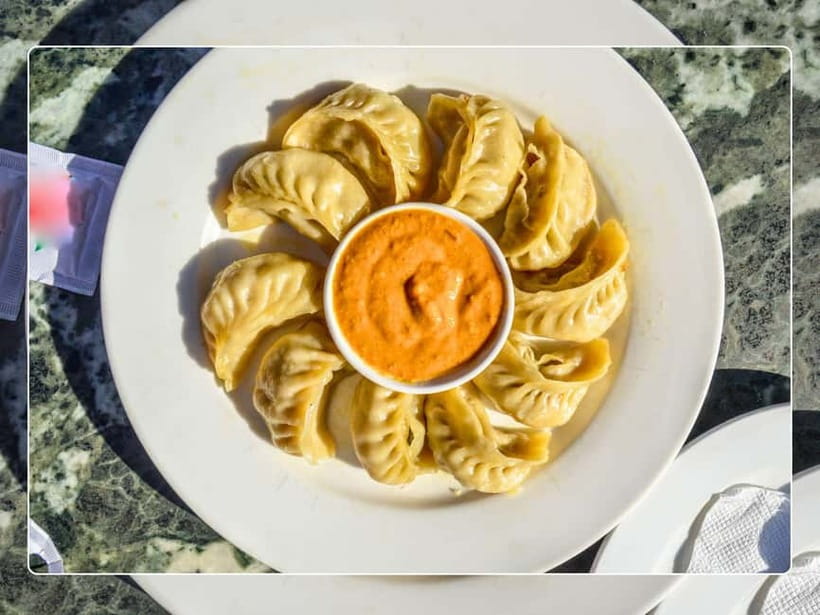
- Nepali momo with local pickles and Thakali-style flavor influences
- Nepali khaja set
- Traditional Bhaktapur juju dahu
- Gundruk sadeko
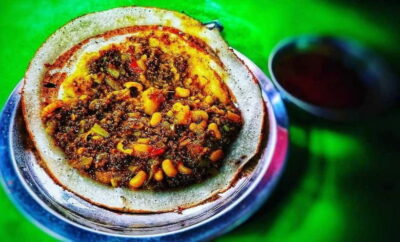
- Chatamari
- Selroti
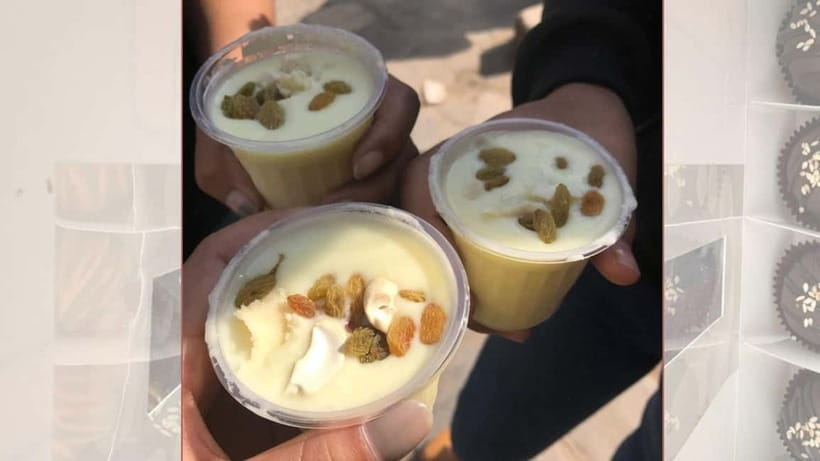
- Lassi
- Bara
- Barfi
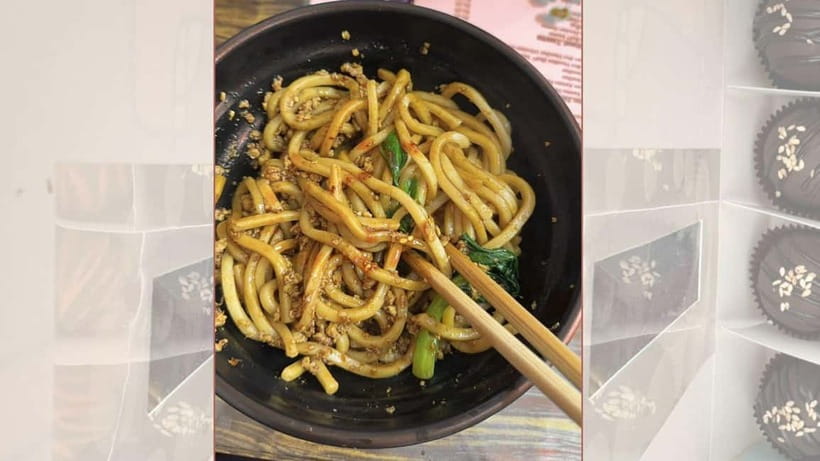
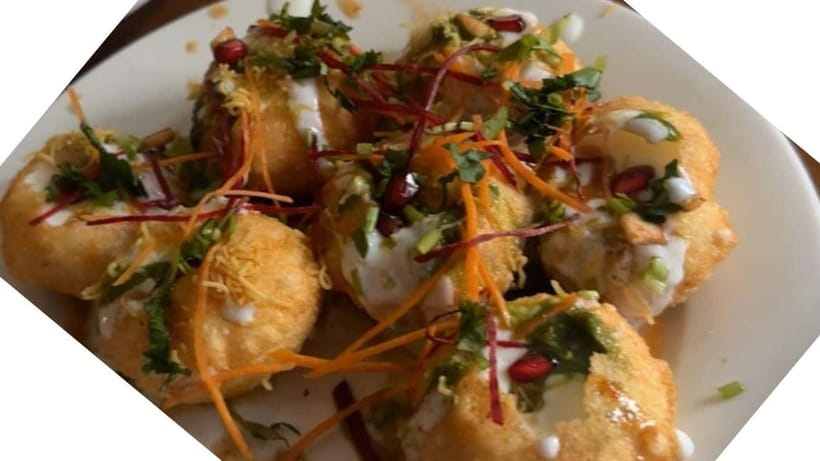
- Plus additional street-food style testing like beans, beaten rice, and even Nepalese pizza
Here is why that matters for you. Kathmandu food can be hard to order blind. If you know that khaja sets often mix savory snacks, and that fermented greens like Gundruk sadeko bring a sour tang you can recognize, then you can go back to restaurants afterward and order smarter. This tour does not only fill your stomach, it gives you a mental map.
Also, the variety helps with decision-making. After tasting several styles, you will know what you personally crave, whether that is crispy snacks, dumpling fillings, or the sweetness of dessert items like barfi and the fried rhythm of selroti.
More to compare around Kathmandu
- Kathmandu: 7 UNESCO Sites with Lunch
★ 4.8 · 744 reviews - Everest Base Camp Helicopter Tour landing at Everest View Hotel
★ 5.0 · 668 reviews - Kathmandu: Local Women-Led Nepali Cooking & Momo Class
★ 4.9 · 360 reviews - Manaslu Circuit Trek
★ 5.0 · 292 reviews
Stop Styles You Can Expect (Without Being Lost in the Details)
The tour hits 4 to 5 high-rated food venues and keeps you moving. One portion is centered around a local restaurant where street-food tasting and regional foods happen. Even if the dishes rotate, the vibe is usually the same: lots of small portions, different textures, and explanations that tie the items together.
From there, you will jump between other spots where different categories show up. For example:
- A stop where dumpling culture dominates, so momo and pickles get the spotlight
- A stop that leans into snack plates and breads, where bara and other fried bites often appear
- A stop where chatamari and similar regional specialties show up, letting you compare “pizza-like” flatbreads versus proper dumpling dough
- Dessert and drink moments, where selroti, lassi, and barfi help you reset your palate
I recommend you treat the tour like a tasting menu you can compare, not like a single meal. Pay attention to how each bite changes your cravings. When you do that, the learning part clicks faster.
Momo, Pickles, and Thakali Notes You Can Use Later
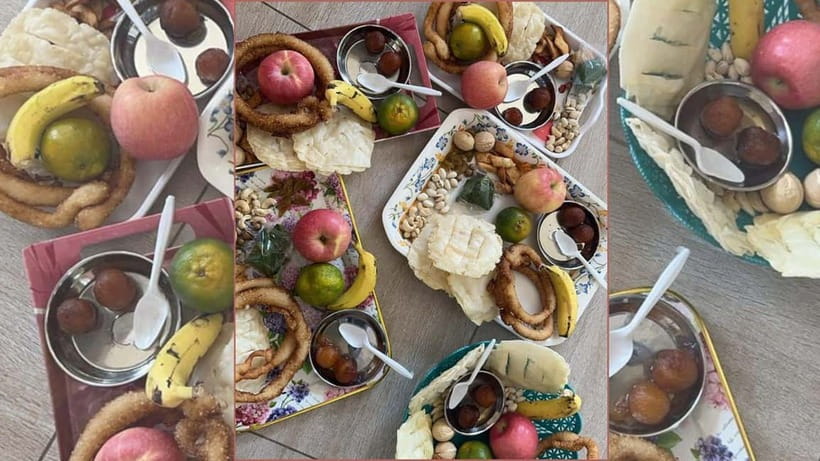
Momo is the obvious anchor. But what makes this more useful is the way it is paired and described. You are tasting momo alongside local pickles, and there are Thakali references in the experience. That combination is a big Kathmandu clue.
Pickles do two jobs. First, they cut through fatty richness and keep the next bite enjoyable. Second, they teach you that Nepalese flavors often balance sour, salty, and savory rather than relying only on heat.
How to use this after the tour: when you go to a momos shop on your own, try ordering the pickle side too. If a menu mentions sour or fermented sides, you are already primed from Gundruk sadeko and pickles on this tour.
Gundruk Sadeko and Juju Dahu: The Flavors That Make Kathmandu Feel Like Kathmandu
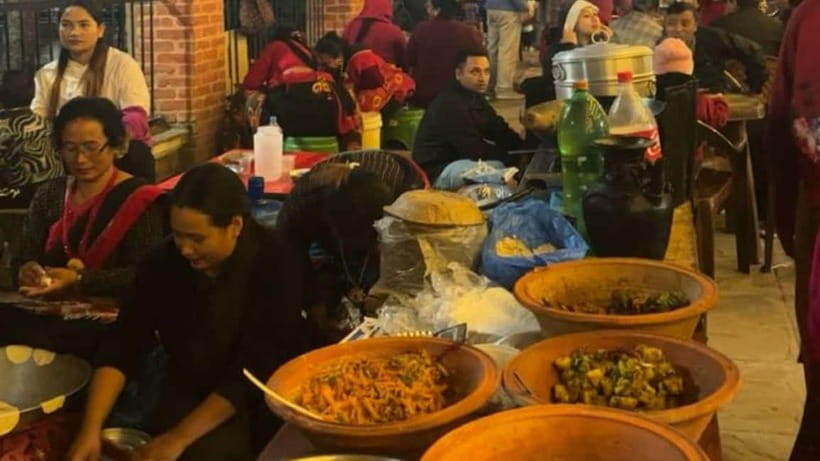
Some of the most memorable tastings here are the ones that are harder to “guess” from Western food logic.
- Gundruk sadeko brings fermented greens into the spotlight. It is tangy and deeply savory.
- Bhaktapur juju dahu is another standout. Bhaktapur specialties carry a distinct identity, and juju dahu is part of that story.
Do not overthink these. Your best move is to taste, then let the guide explain the significance. If you are the type who worries about ordering “weird” food, this tour is actually a safety net. You try first, then decide if it belongs in your future eating plans.
Also, these dishes create contrast. When you switch from fermented greens to fried snacks or sweet desserts, your taste buds recalibrate. That is how you end the tour feeling satisfied, not just stuffed.
Chatamari, Bara, and the Snack-Power Portion of Nepal
Chatamari is one of those items that helps you understand Nepal’s snack culture. It is a regional specialty, and tasting it alongside other bites makes it easier to see what counts as “special” in Kathmandu street food.
Bara is another anchor. You will taste it as part of the testing mix. Bara tends to be hearty and savory, and that matters because it is not just a crunchy side. It is the kind of food that fills you and makes you feel like you had a real meal, even though it is presented as a tasting bite.
If you want a practical approach: during the snack stops, do not only focus on flavor. Notice texture too. Crispy edges, softer interiors, and the way drinks pair with each bite will help you find your favorites later.
And if you hear about beans and beaten rice during your stops, pay attention. Those are classic ingredients in many South Asian cuisines, but they show up here in Nepalese street-food logic, which can surprise you in the best way.
Dessert and Drinks: Selroti, Lassi, and Barfi Moments
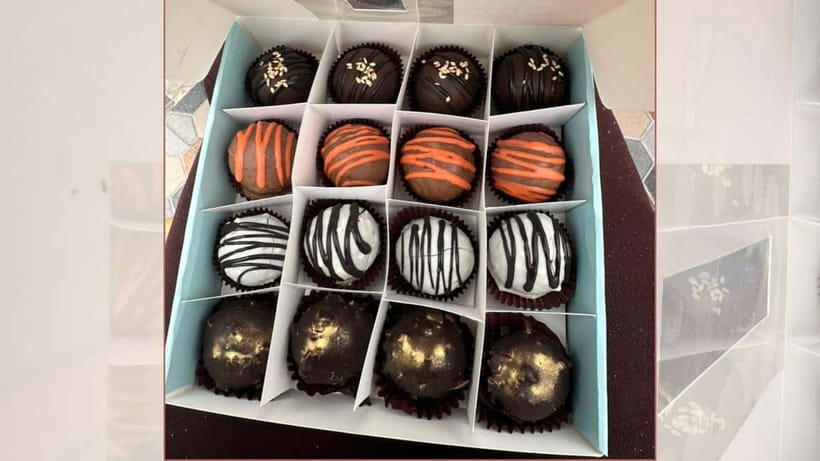
A good food tour makes sure you do not only taste savory. This one includes dessert and drinks as part of the flow.
You get:
- Lassi, a chilled, soothing companion
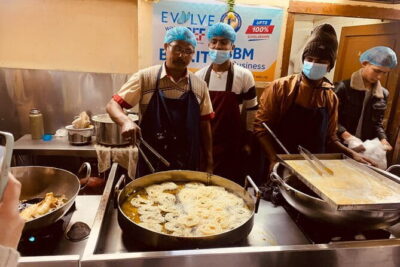
- Selroti, a sweet, fried style ring that is fun to taste fresh
- Barfi, which brings a richer sweetness to the tasting set
Dessert is not just “ending the show.” It resets your palate, especially after tangy and savory items like Gundruk sadeko and pickles. This tour’s drink list also includes local drinks and fresh juice, and that helps you keep hydration up while you are sampling lots of small portions.
Also, alcohol is not included, so if you rely on cocktails to slow down in heat, you might want to plan for that outside the tour.
Communication and Guide Style: Why Bibek’s Hosting Lands
One detail I really appreciate from the experience is how smooth communication is. WhatsApp pickup and coordination is mentioned as working perfectly. That might sound small, but in Thamel, where people are always moving, being able to confirm the meeting point makes a big difference.
The guide experience matters too. Bibek is described as friendly and patient, and he answers questions with knowledge and care. That does more than entertain you. It changes how you eat. When the guide explains what you are tasting, you leave with choices, not just memories.
If you like tours where you can ask practical questions, this setup makes it easier. In a group of up to 6, you get attention.
Transportation and the Real-Life Pacing
You get transportation included, and that makes the pacing easier to handle. On a short tour like this, getting stuck in the wrong place or waiting around can waste the only time window you have.
Because the total duration is 2.5 hours, you should expect a steady rhythm:
- short stops
- repeated tasting portions
- quick context about dishes
- a return to the starting point
I recommend you wear comfortable shoes and keep your schedule flexible for a couple of hours around the tour time. Kathmandu has sudden changes in street conditions, so arriving a little early helps.
Also, with 12+ tastings, you will want to eat light that morning and skip a big breakfast. Dumplings expand like they have a meeting to attend.
Who This Tour Suits Best (and Who Should Rethink It)
This tour fits you if:
- You want an efficient Kathmandu food introduction with real variety
- You like small group tours where you can ask questions
- You want to learn dish identity, like what Gundruk sadeko tastes like and how khaja sets work
- You like tasting desserts and drinks, not just savory bites
You might not love it if:
- You prefer long sit-down meals with slow service
- You want alcohol included (it is not part of what is covered here)
- You hate eating on the move or you have a very sensitive stomach and do not like street-food style items
Should You Book This Kathmandu Food Tour?
I think you should book it if your goal is simple: learn Kathmandu cuisine by tasting a lot of dishes in one short afternoon. The small group size, the 4 to 5 stop format, and the sheer range of foods like momo, khaja, juju dahu, chatamari, selroti, lassi, bara, and barfi make it a smart way to get your bearings fast.
If you are on a budget, this is especially hard to beat. Even without knowing every dish in advance, the tour is built to maximize value per minute.
But if you are already certain you only want one category, like only dumplings, you may not get the same satisfaction. This tour is for people who like variety, learning, and comparing bites.
FAQ
How long is the Kathmandu guided food tour?
The tour duration is 2.5 hours.
How many tastings will I get?
You can expect 12+ tastings, and the experience describes enjoying 15+ tastings across the stops.
How many stops are included?
It includes 4 to 5 food stops during the 2.5-hour experience.
What group size is this tour?
The group is small, with a maximum of 6 guests.
Is the guide available in English?
Yes, the live tour guide speaks English.
Where is the meeting point?
You meet in front of Hotel Marshyangdi, in Thamel.
Does the tour end where it starts?
Yes, the tour concludes back at the starting point.
What food and drinks are included?
You get 12+ tastings of traditional Nepali foods, local Nepali pickles, local drinks, and fresh juice.
Are alcoholic drinks included?
No, alcoholic drinks are not included.
Latest Kathmandu write-ups
- 16 Days Island Peak Climbing With Everest Base Camp Private Trip★ 5.0 · 3 reviews
- 15 Days Round Annapurna Trek with Poon Hill from Pokhara★ 5.0 · 5 reviews
- Private Nepal round trip including Ghorepani Poonhill trek★ 5.0 · 3 reviews
- Everest Base Camp Trekking 16 Days★ 4.0 · 7 reviews
- 14 Days Luxury Annapurna Base Camp Trek★ 5.0 · 6 reviews
- Everest Base Camp Trek★ 5.0 · 32 reviews
- Everest Base Camp Trek★ 5.0 · 87 reviews
- Everest Base Camp Trek★ 5.0 · 97 reviews
Food Tours, compared.
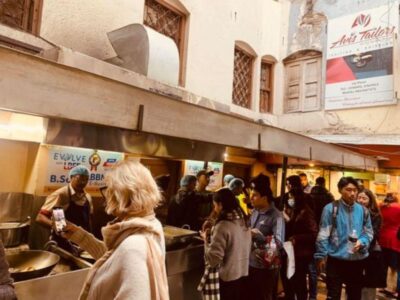
Local Food Tour | Authentic Street Food & Culture
Read our review →Browse the lists this tour appears in