
Reviewed · HISTORICAL TOURS
Kathmandu Heritage Walk | Heritage Walk of Kathmandu
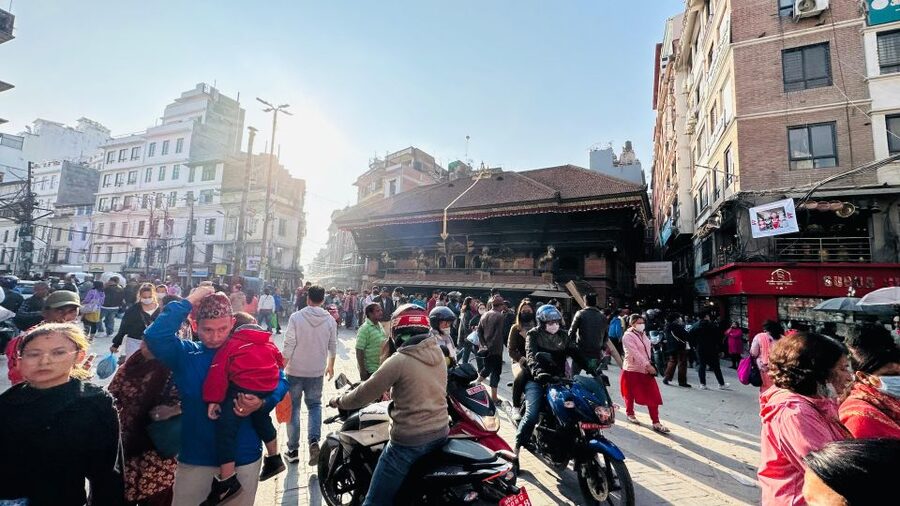
Kathmandu is a city where religion, street life, and commerce all share the same sidewalk. This Kathmandu Heritage Walk is interesting because it focuses on the everyday spiritual and neighborhood places around the center, and it intentionally does not include UNESCO World Heritage sites. In other words, you get local Kathmandu, not the postcard-only version.
I especially love the stop at Shanti Bihar Stupa, because it feels like a pause button in the middle of city noise. I also like how this is a private group walk, so the pace and destination mix can work for real humans, not just tour-bus robots. In the reviews, guides like Martin and Madan are praised for smart pacing and a smooth, efficient day.
One thing to consider: this walk is not for everyone. It is not suitable for wheelchair users, and it is also not a good fit for people over 70 or pregnant travelers. If that includes you, plan differently and pick a more flexible option.
Key highlights you’ll feel right away
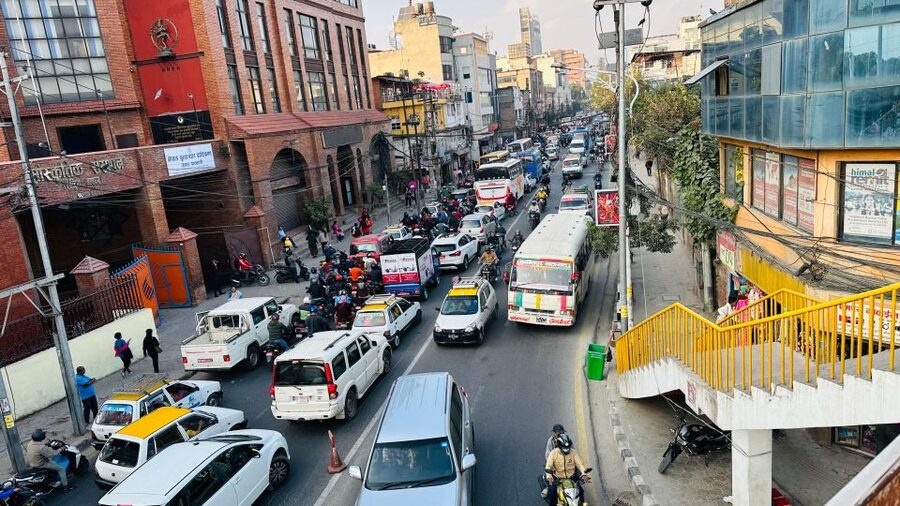
- Thamel meet-up point you can actually find, right at Breakfree Adventures in Thamel, in front of Everest Bank Limited
- Shanti Bihar Stupa gives you a calm reset during a short 3.5-hour route
- Akash Bhairab Temple in Indrachowk brings you into a living, devout atmosphere
- Gold Souq lets you watch local craftsmanship and browse without it feeling like a shopping trap
- Annapurna Temple and the center-city route show how Kathmandu’s religious culture lives close to markets
- A private guide with fast, practical routing, praised for comfort and time efficiency
Why this Kathmandu heritage walk skips UNESCO and stays local
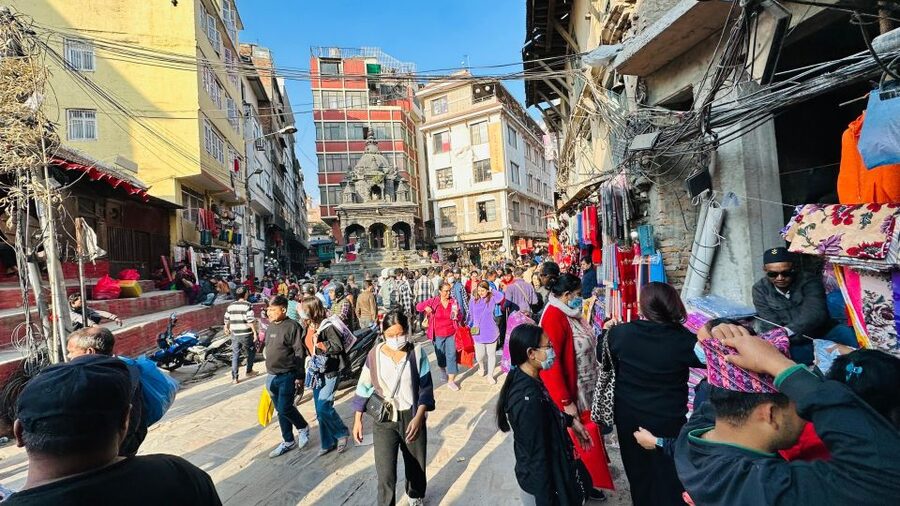
Most first-time Kathmandu tours rush you toward the biggest, most famous heritage hits. This one takes a different angle: you stay in the center and follow a thread of temples, souqs, and street neighborhoods, while leaving UNESCO World Heritage sites out of the mix.
For me, that makes the day more personal. UNESCO sites can be incredible, but they can also feel like you are moving through an attraction. Here, you are moving through Kathmandu as a place where people pray, shop, and chat. You’ll still see serious sacred architecture, but it happens alongside real daily life.
You also get the advantage of a tight time window. At 3.5 hours, you can do this early in your trip to get bearings fast, or on a day when you want culture without a full half-day commitment. Your shoes will get used, but the route is built to keep things flowing.
More Walking Tours in Kathmandu
- Kathmandu: Food and Drink Walking Tour
★ 4.9 · 292 reviews - Kathmandu: Food and Drink Walking Tour
★ 4.9 · 119 reviews - Kathmandu: Guided Walking Tour with Monkey Temple
★ 5.0 · 18 reviews
Meeting in Thamel, then letting the guide do the heavy lifting
You start in Thamel at the Breakfree Adventures entrance, conveniently in front of Everest Bank Limited. That matters more than it sounds. Thamel can be a maze, and having a clear start point means you are not wasting precious energy finding the group.
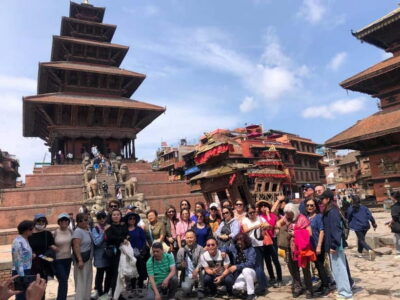
This is a private group walk with a live English guide. The included guide is government certified, and you also get 1000ml mineral water. Those small inclusions help a lot in Kathmandu, where a short walk can turn into a surprisingly warm one.
In the reviews, people highlight guides like Martin and Madan for being time efficient and setting a pace that worked for seniors. That tells me the best part of the experience is not just the list of stops, it is how the guide stitches them together into a smooth route.
Thamel streets first: where Kathmandu tourism meets local routine
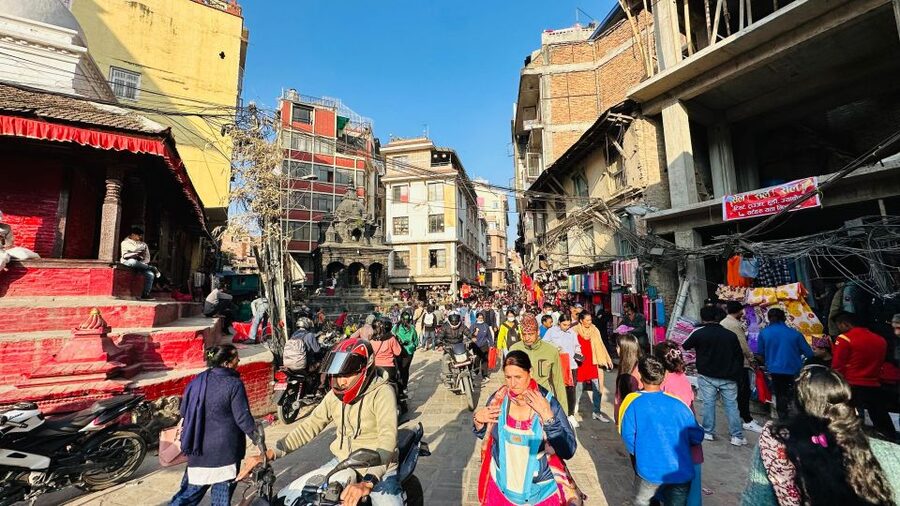
You’ll begin by walking Thamel, the district that locals and visitors both know. It is a natural start because it is packed with shops and places to eat, so it is easy to get your bearings. You can also use this first segment to set your personal pace.
What I like about starting in Thamel is that it gives you context for the rest of the tour. You see how commerce works right next to devotion. Even before the temples, you get a sense of Kathmandu’s rhythm: quick errands, bargaining energy, and people moving with purpose.
Practical tip: wear comfortable shoes. This is a walking tour, and Kathmandu streets do not do soft landings. If you bring an umbrella, you’ll be glad, since sudden weather shifts are common in the region.
Tahiti: a different mood in the middle of the city
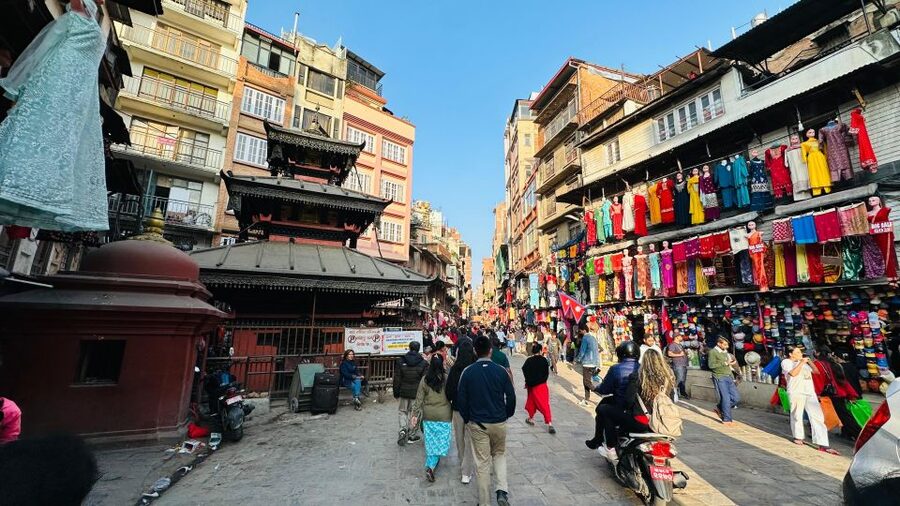
After Thamel, the route heads to Tahiti, described as a place where traditional architecture meets modern charm. That blend is exactly why this stop is useful. Kathmandu isn’t one single look, and you shouldn’t be stuck viewing only one style for the whole day.
In a short walk, Tahiti works like a mood change. You get to shift from the high-energy street vibe of Thamel toward a more neighborhood-feeling area. If you enjoy noticing how architecture and street life mix, this is a good place to slow down for a few minutes and look around.
This is also the kind of stop where your guide can help you see what you would otherwise miss. Even if you are not an architecture expert, you can still notice how different building styles signal different eras of Kathmandu life.
A different sort of day out of Kathmandu:
- Kathmandu: 7 UNESCO Sites with Lunch
★ 4.8 · 744 reviews - Everest Base Camp Helicopter Tour landing at Everest View Hotel
★ 5.0 · 668 reviews - Kathmandu: Local Women-Led Nepali Cooking & Momo Class
★ 4.9 · 360 reviews - Manaslu Circuit Trek
★ 5.0 · 292 reviews
Shanti Bihar Stupa: the calm stop that makes the whole day worth it
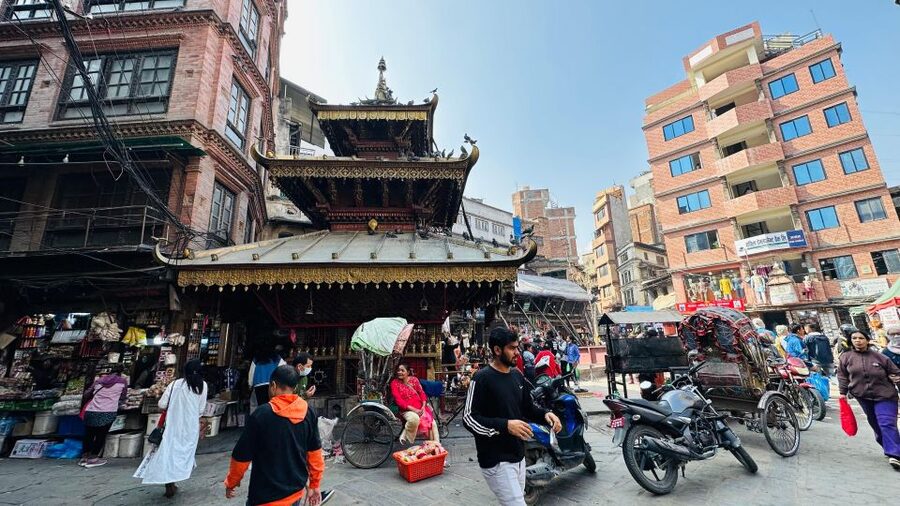
Then you hit Shanti Bihar Stupa, which the tour describes as peaceful and a symbol of peace in the middle of the urban bustle. This is one of those stops that can be hard to explain until you experience it. You go from street noise into a more reflective space.
Why I like it: it gives your day a structure. Without a calm checkpoint, a heritage walk can feel like nonstop movement. Shanti Bihar Stupa breaks the rhythm, so the later temple visits land better.
What to expect here is a quieter, more contemplative atmosphere. You’ll likely notice people slowing down, and you’ll probably want a moment to just stand, observe, and take a breath. If you like to travel with intention, this is a good spot for photos too, as long as you keep it respectful.
Akash Bhairab Temple in Indrachowk: sacred attention in a busy junction
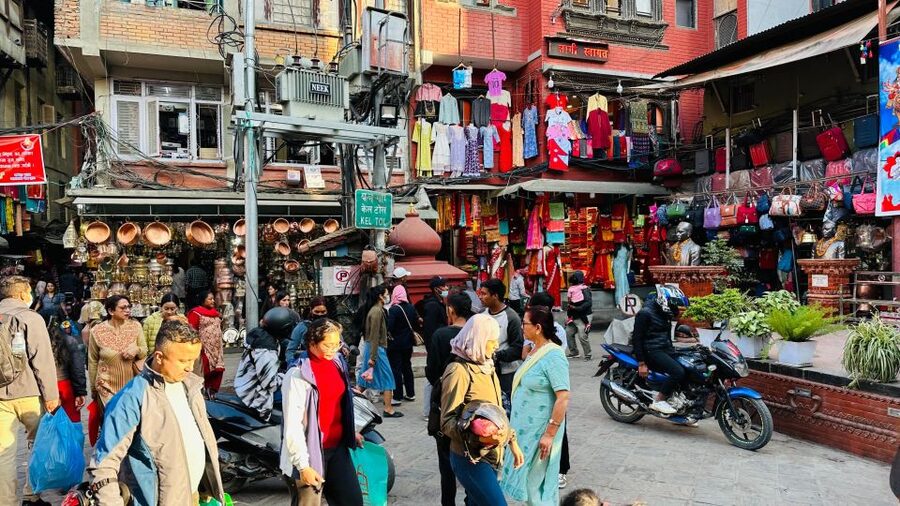
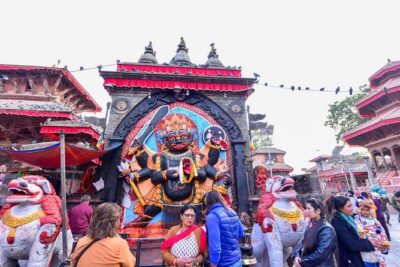
Next up is Akash Bhairab Temple in Indrachowk, described as a historic sacred site with a devout atmosphere around it. Indrachowk matters because it is a busy intersection area, so you see sacred space in the real flow of the city.
Bhairab temples are associated with devotion, and you can feel that devotion in the air even if you do not follow every detail. The key for you is to treat it as a living place, not a photo set. Watch how people behave, then match that energy.
What makes this stop especially valuable on a short tour: you get a strong spiritual moment without needing a long commute. It’s one of the places where your guide’s timing and explanation likely helps you appreciate why the temple is important to the neighborhood.
Gold Souq: craftsmanship and bargaining vibes without losing the plot
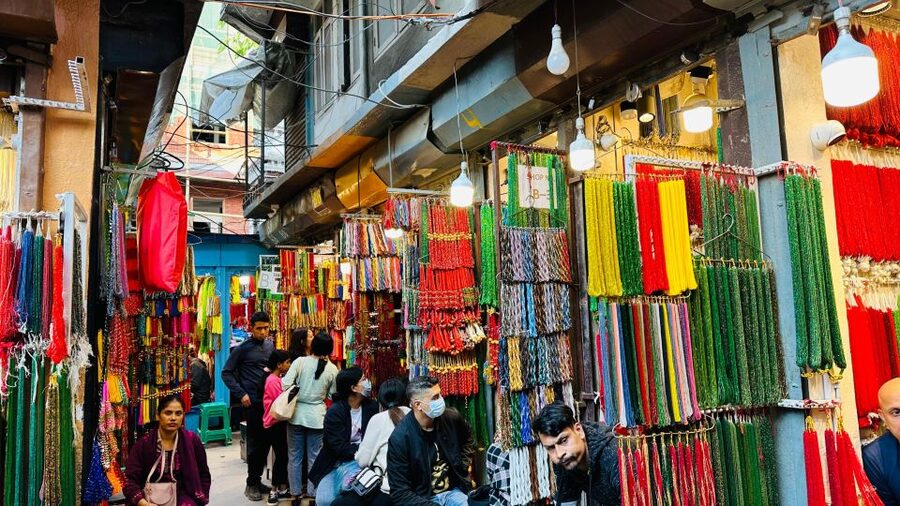
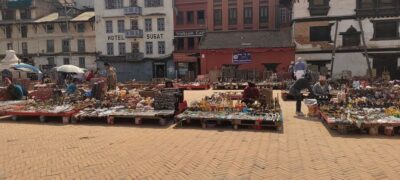
After the temples, you move into Gold Souq, which is all about craftsmanship and exquisite work in Kathmandu. Even if you are not planning to buy jewelry, this stop is useful because it teaches you how the city converts skill into goods.
Gold Souq can also be a culture lesson in how commerce works. You’ll likely see how artisanship connects to identity, and you’ll get a sense of why Kathmandu attracts shoppers beyond pure tourism.
Two practical notes:
- If you do want to shop, keep your spending head on. Souqs can tempt fast.
- If you do not plan to buy, still enjoy the browsing. Your guide can help you understand what you are looking at, and you can avoid feeling like you are in someone else’s store promotion.
Sankata Temple and Mahankal Bhairab: religion that stays close to daily life
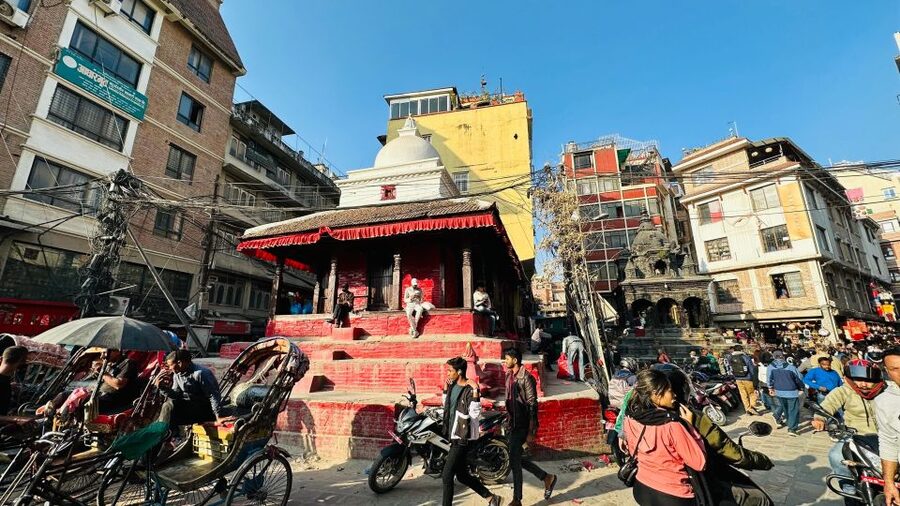
The route continues to Sankata Temple and Mahankal Bhairab, described as culturally significant. This is where the walk earns its heritage title. The sites are not grouped like museum exhibits. They are part of a neighborhood web.
What you can expect is a strong sense of religious life around the temples. You might see people coming and going with purposeful attention. If you travel with curiosity, these stops are where your guide’s explanations help you connect the dots.
Also, think about pace here. On a short 3.5-hour walk, you are balancing walking with brief time in each sacred space. The reviews mention guides setting a comfortable pace, including for seniors. That is exactly what you want from a heritage walk, because it keeps you from feeling rushed in places where you should slow down.
Bhotahiti: local flavor and the kind of street scene you can’t buy
Then comes Bhotahiti, described as a locale full of local flavor. This is a smart inclusion because it shifts the day away from only temples and shopping streets.
A neighborhood stop like this helps you understand Kathmandu beyond the “things to see” list. You see how people live, move, and interact. It’s also the kind of place where you can get a better sense of scale and layout, which helps later when you explore on your own.
Don’t over-plan this part. Treat it as a reset for your eyes and senses. If you need a quick snack, this is typically the kind of area where you can find something nearby, but the tour itself does not include meals or drinks.
Annapurna Temple’s splendor: city-center architecture you can actually reach
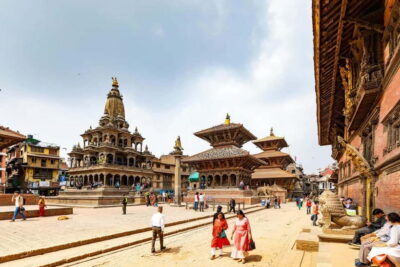
The tour finishes with Annapurna Temple, described as an architectural marvel in the city center. That detail matters because city-center temples often teach you something different than temples on the outskirts. They show how sacred spaces are integrated into the daily fabric of Kathmandu.
When you reach this last major stop, you are probably feeling the rhythm of the walk. Annapurna Temple gives you a strong visual endpoint, so the day doesn’t feel like a string of quick stops.
What to do here: take your time. Even if the walk moves on schedule, this is a place where a few extra minutes can pay off in photos and in how well you remember the experience later.
End in a lively local market, then back to Thamel
After Annapurna Temple, the tour ends with a visit to a lively local market, before returning to Thamel. This closing loop is a practical travel trick. It lets you do something useful with your last hour: look around, pick up a small item, or just watch life in motion.
Then you are back where you started, which makes the day easy to stitch into your schedule. You do not need to solve transport questions right at the end.
One more note: this tour includes water, but it does not include meals and drinks. If you are the type who gets hungry quickly, plan to eat after the tour.
Price and value: $40 for a focused 3.5-hour day
At $40 per person for 3.5 hours, this is priced like a guided, curated walk, not a DIY shuffle. The big value is in the guide and routing.
You get:
- a government certified English speaking guide
- 1000ml mineral water
- service charge included
- a private group setup
Transportation is not included if you need it, and meals and personal expenses are also not included. So you should budget separately for food and any shopping.
Is it worth it? If you want more than a random walk, yes. A good guide saves you from wandering, helps you understand what you are seeing, and keeps the day comfortable. The reviews back that up with praise for guides like Martin and Madan for professional service, good personality, time efficiency, and a pace that works for seniors.
If you are already planning to spend most of your time independently in central Kathmandu, you might decide to skip this and map your own route. But if you want a strong first-day orientation and a set of spiritual stops that you would not easily prioritize on your own, this price is reasonable.
What to bring, and how to dress for temple stops
You’ll want to pack smart for a walking-and-temple route. Bring:
- passport
- comfortable shoes
- umbrella
- camera
- comfortable clothes
- a face mask or protective covering
Even on clear days, Kathmandu weather can shift. An umbrella is one of those small items that saves your mood.
Dress for respect at temples too. Comfortable clothes are mentioned, but still aim for clothing that feels appropriate for sacred spaces. If you are unsure, choose something that covers comfortably without being bulky.
Who this Kathmandu Heritage Walk suits best
This walk fits best if you:
- want a short, guided introduction to central Kathmandu
- enjoy temples and markets more than giant monument photos
- prefer a private group pace
- like having a guide named and trusted by others, like Martin or Madan
It is not suitable for:
- wheelchair users
- pregnant women
- babies under 1 year
- people over 70
- people over 95
If you fall into those categories, you can still enjoy Kathmandu, just choose a different format or a route with more accessibility planning.
Should you book this Kathmandu Heritage Walk?
Book it if you want a guided day that feels local, not checklist tourism. I’d especially recommend it as an early-trip activity because it helps you learn the city’s center through Thamel, temples like Shanti Bihar Stupa and Akash Bhairab Temple, and a finish at a local market.
Skip it if UNESCO World Heritage sites are your main goal, because this route specifically does not include them. Also skip if the walking or restrictions do not work for you.
If you are hoping for a smooth, friendly, well-paced experience, the strong signal here is the guide quality. The reviews highlight Martin and Madan for professional, kind service and efficient timing, plus a pace that works for different comfort levels. That combination is exactly what you want from a short heritage walk.
FAQ
What is the duration of the Kathmandu Heritage Walk?
The tour lasts about 3.5 hours.
Where do you meet for the tour in Thamel?
You start at the Breakfree Adventures entrance in Thamel, located in front of Everest Bank Limited.
What is included in the price?
The tour includes a government certified guide, 1000ml mineral water, and service charge.
Is transportation included?
Transportation is not included. If you need it, you’ll arrange it separately.
Does this tour include UNESCO World Heritage sites?
No. UNESCO World Heritage sites are not included in this exploration.
What should I bring for the tour?
Bring your passport, comfortable shoes and clothes, an umbrella, a camera, and a face mask or protective covering.
More Historical Tours in Kathmandu
- Kathmandu: Private UNESCO World Heritage Site Tour
★ 4.9 · 47 reviews - Private Kathmandu UNESCO World Heritage Sites Tour
★ 4.8 · 28 reviews - Pick 2-Wonders of Kathmandu: A 3-Hour Heritage Hop
★ 5.0 · 22 reviews - UNESCO Five World Heritage Tour in Kathmandu
★ 5.0 · 12 reviews
Latest Kathmandu write-ups
- 16 Days Island Peak Climbing With Everest Base Camp Private Trip★ 5.0 · 3 reviews
- 15 Days Round Annapurna Trek with Poon Hill from Pokhara★ 5.0 · 5 reviews
- Private Nepal round trip including Ghorepani Poonhill trek★ 5.0 · 3 reviews
- Everest Base Camp Trekking 16 Days★ 4.0 · 7 reviews
- Everest Base Camp Trek★ 5.0 · 32 reviews
- Everest Base Camp Trek★ 5.0 · 87 reviews
- 14 Days Luxury Annapurna Base Camp Trek★ 5.0 · 6 reviews
- Everest Base Camp Trek★ 5.0 · 97 reviews
Historical Tours, compared.
Private Kathmandu UNESCO World Heritage Sites Tour
Read our review →
“Explore Kathmandu Rich Heritage: City Highlights Bus Tour”
Read our review →Browse the lists this tour appears in