
Reviewed · DAY TRIPS IN KATHMANDU
Kathmandu introductory tour, a typical day trip in Kathmandu
Kathmandu in a half day is an odd idea, until you do the math. This intro tour strings together four UNESCO-listed highlights that most first-timers want fast: Swayambhunath, Kathmandu Durbar Square, Boudhanath Stupa, and Pashupatinath. It’s also the kind of route where a good guide can turn a long day into a clear storyline, not just a checklist.
I especially like that you get pickup and an air-conditioned car, which matters in Kathmandu when you’re crisscrossing the city and trying to keep your energy. And I like the focus on iconic religious sites, where you can actually watch traditions up close, from temple views to stupa kora and riverbank rituals.
One thing to plan for: entrance tickets, food, and tips are not included, so you’ll want some cash and a bit of flexibility in your schedule once the day starts.
Key things I’d clock before you go
- Air-conditioned comfort for city hops, included in the price
- Four UNESCO stops that give you a fast Kathmandu orientation
- Swayambhunath’s Lungta prayer flags and the monkey-temple vibe
- Boudhanath’s kora loop with prayer wheels you can spin as you walk
- Pashupatinath riverbank viewing of Hindu death rituals (from the left bank)
- Guides who get praised by name, including Siri and Sheree
A 7-hour Kathmandu loop built around UNESCO highlights
If you’re only in Kathmandu for a short time, you need two things: a route that makes sense and a guide who can explain what you’re seeing. This day trip does both, grouping the most famous religious and heritage sites into one pass so you’re not constantly figuring out transport and priorities.
I like that the route is not random. Each stop connects to a different side of Kathmandu spirituality and heritage. You start with a hilltop Buddhist temple, then move to a palace-and-temple complex in the city center, then shift to one of Nepal’s biggest Buddhist stupas, and finish at the country’s most well-known Hindu ritual site on the river.
The practical win is that you’re spending your time looking at Kathmandu, not negotiating your way into and out of traffic. And the guide makes it easier to read the places. Without that context, you can still visit all four, but it’s harder to notice the details that make them meaningful.
More Day Trips in Kathmandu
- Kathmandu: 7 UNESCO Sites Tour in 1 Day (Private Tour)
★ 4.9 · 204 reviews - Day Trip to Bhaktapur and Panauti from Kathmandu
★ 5.0 · 184 reviews - The Most Beautiful 1 Day Experience in Kathmandu Nepal
★ 5.0 · 84 reviews
Pickup at 9:15 and the small logistics that save your day
The tour starts at 9:15 am, and pickup is offered. That’s a big deal in a place where your day can evaporate quickly if you have to start late or find your meeting point on your own.
You’ll also be in a well maintained air-conditioned car, which gives you a breather between stops. On a day that’s roughly 6 to 8 hours, that comfort can be the difference between feeling rushed and feeling like you can actually enjoy each location.
Here’s how I’d prep based on what’s included and what isn’t:
- Entrance tickets are not included, so set aside money for monument entry where required.
- Food and drink are not included, so plan for a break and bring water if you tend to get thirsty on sightseeing days.
- Tips are not included, so keep some cash for the guide if you feel they earn it.
Also, the tour uses a mobile ticket, and you confirm at booking. That helps you avoid last-minute confusion, especially if you’re also trying to sort other parts of your trip.
Stop 1: Swayambhunath Temple, Lungta flags, and the climb from the parking lot
This is the viewpoint start that also feels like an orientation to the valley. Swayambhunath Temple sits high above Kathmandu, overlooking the Kathmandu valley, so you get that “where am I, exactly” perspective early.
You’ll also hear it called the monkey temple because you can see plenty of monkeys around the area. It’s not just a cute name. The presence of monkeys affects how you move around and how you handle your bag and snacks, so it’s smart to be aware from the moment you arrive.
What makes this stop work in a tight itinerary is the mix of scenery and symbols. You’ll be looking at temple structures plus the prayer flags (Lungta) that stand out in photos and in person. Those colorful flags are part of the visual language of Buddhism in Nepal, and your guide can point out what you’re seeing and why it matters.
Time on site is about 30 minutes, so don’t treat it like a half-day hike. You’re there to get the big picture, enjoy the views, and notice a few key details before moving on.
One consideration: there are some steps from the parking lot up to the temple area. If you have mobility issues, this is the stop where you’ll feel it most.
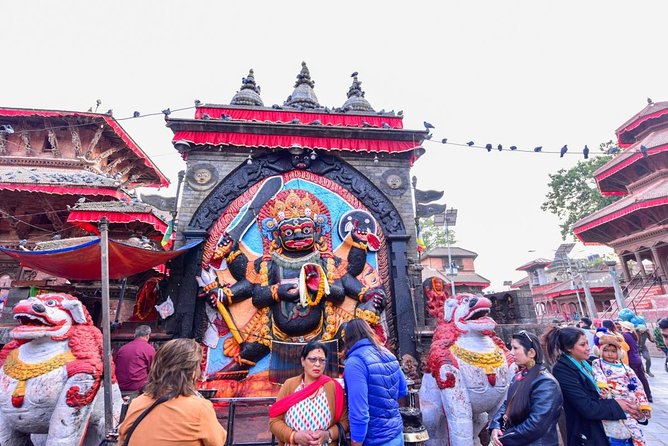
Stop 2: Kathmandu Durbar Square, Taleju’s tallest temple, and Dashain’s sacrificial tradition
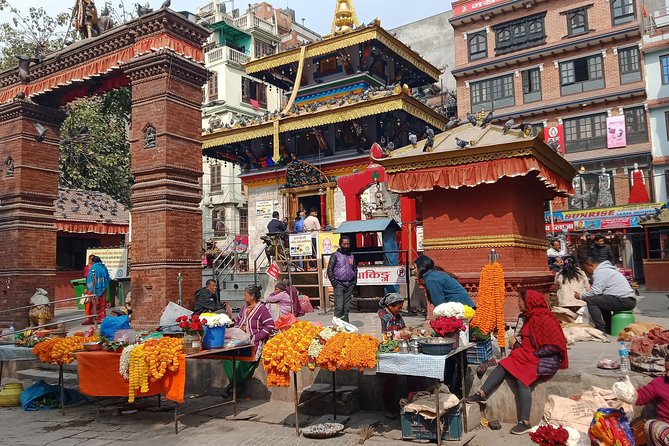
Next up is Kathmandu Durbar Square, the heritage core in the central part of the city. This is UNESCO territory, and it’s famous for its palace complex and a dense cluster of temples dating back to the 16th and 17th century.
I like this stop because it tells a different story than the Buddhist sites. Instead of stupa and kora, you’re surrounded by the architecture of royal power and Hindu devotion.
The highlight your guide will connect for you is the tallest temple dedicated to Taleju, the tutelary deity of the royal family. There’s also a sensitive detail to know: animal sacrifice is still practiced during the biggest Hindu festival of Dashain. If that topic makes you uncomfortable, it’s still worth knowing in advance so you’re not surprised by what’s explained on site.
Your time here is about 1 hour, which is a good length for Durbar Square. It’s long enough to walk the main areas, take photos, and get the meaning behind the major structures, without dragging on so far that you lose focus.
Entrance tickets are not included, so this is one place you should budget extra if the day’s entry fees apply to what you want to see.
More to compare around Kathmandu
- Everest Base Camp Trek – 14 Days
★ 5.0 · 1,499 reviews - Everest Base Camp Trek
★ 5.0 · 842 reviews - Private Kathmandu Sightseeing Tour | UNESCO World Heritage sites
★ 5.0 · 756 reviews - Kathmandu: 7 UNESCO Sites with Lunch
★ 4.8 · 744 reviews
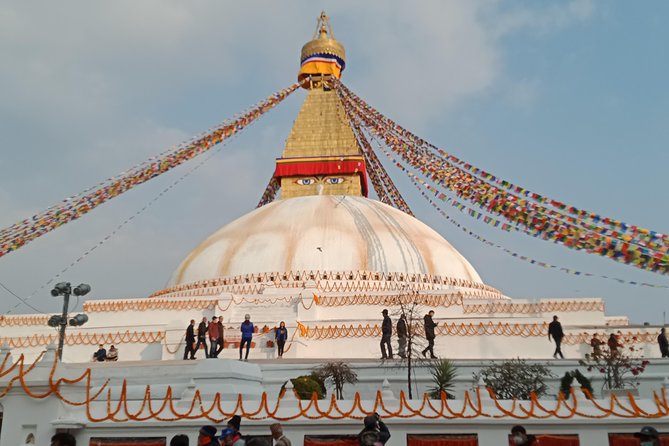
Stop 3: Boudhanath Stupa, kora around the biggest stupa, and shoeless monastery time
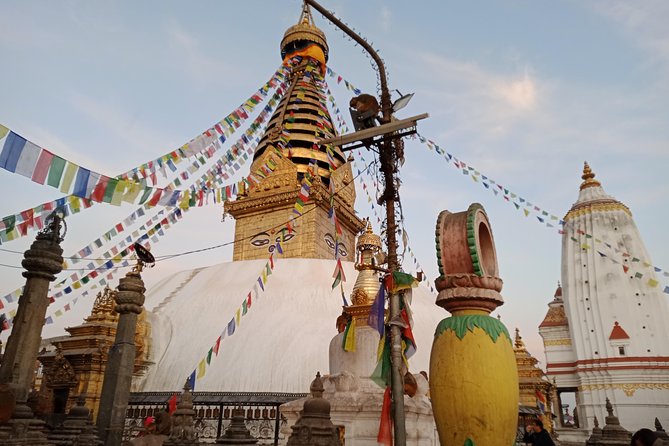
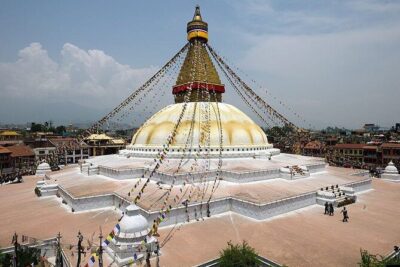
Then you shift to one of the most recognizable Buddhist landmarks in the country: Boudhanath Stupa. It’s described as the biggest stupa in Nepal, and it’s the kind of place where the building is the star.
What you’ll likely do here is the kora, a devotional walk around the stupa. As you move around, you can spin the prayer wheels along the way. This is not just a photo opportunity. It’s a physical way people participate in prayer and rhythm, and it changes how the stupa feels when you’re standing inside the loop instead of looking at it from the outside.
Another useful detail: there are monasteries nearby that open in the afternoon time, and you may enter without shoes if you want to go inside. That’s a practical reason to wear footwear you can manage easily, because you don’t want a shoe ordeal to steal time from the experience.
The stop is about 45 minutes. That’s enough time to do the basics, watch people moving through their routines, and take in the atmosphere of a major pilgrimage landmark without feeling like you need to study architecture all day.
One thing to expect is that Boudhanath is active, with lots of small interactions. Your guide can help you decide where to focus, especially if you’re juggling prayer-wheel time, walking, and any optional monastery entry.
Stop 4: Pashupatinath Temple, riverbank death rituals, and photos near sadhus
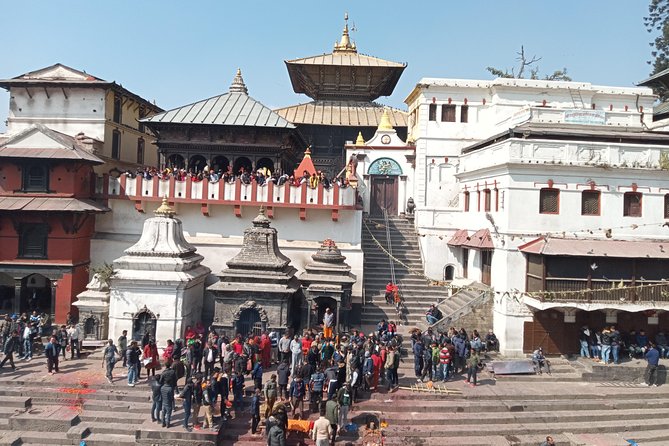
The final stop is Pashupatinath Temple, the main Hindu shrine in Kathmandu for many people. Here’s the one fact that changes your expectations: the main temple is closed for visitors. That doesn’t mean you’re wasting time. It means the experience shifts to what you can see from the permitted areas.
Many people come specifically to observe Hindu death rituals. You can watch the ceremony from the left bank of the river, because the ceremonies are done on the right bank. If you find this topic heavy, you’re not alone. I think the most respectful way to approach it is to keep your pace calm, avoid blocking views, and let the moment be what it is rather than treating it like spectacle.
There’s also a photo detail you should know: you can take a photo with sadhus, but it requires extra payment. This is one of those places where “optional” photos can still affect the vibe. If you do it, do it thoughtfully and be ready to pay, rather than trying to negotiate on the spot.
Time here is about 1 hour, which works because you’re observing a specific scene and still need a bit of buffer for travel back and packing up the day.
Entrance tickets are not included, so check whether any paid viewing areas apply during your visit. Your guide will usually help you understand what costs exist and where you can spend your time most efficiently.
Price and value: why $50 can work if you plan for the extras
At $50 per person for a 6 to 8 hour guided day, this tour has a simple value proposition: you’re paying for an experienced guide and an air-conditioned car, plus a tight route that hits the major Kathmandu highlights.
Whether it’s a bargain depends on two things you control:
- Your time. If you only have one day to see Kathmandu’s big names, paying for a planned route often costs less than paying for transit plus the risk of wasted time.
- Your willingness to handle the “not included” items. Entrance tickets and food are on you, so you’ll want a budget for those add-ons.
I also think the guide quality affects value a lot. In the feedback you get from this operator, the standout praise is about guides such as Siri, who’s noted for friendliness and speaking Spanish well, and Sheree, described as exceptional and well informed. That matters because these sites are easier to enjoy when someone helps you understand what you’re seeing as you go.
So if you’re the kind of traveler who likes your day shaped for you, this pricing can feel fair. If you prefer total independence and you’re comfortable navigating Kathmandu on your own, you might find cheaper ways to visit each spot, but you’ll also spend more time planning.
What the itinerary really feels like, stop to stop
Even though each stop has a stated time window, what you actually feel as a visitor is the flow from one religious context to another.
- Swayambhunath sets the tone with hilltop views, prayer flags, and monkey energy.
- Durbar Square pulls you into royal-and-temple heritage and explains Taleju and Dashain.
- Boudhanath gives you a physical devotional rhythm with kora and prayer wheels.
- Pashupatinath closes the loop with a Hindu ritual-focused ending, where you watch from the correct riverbank and understand what’s accessible.
That rhythm is what I’d call the tour’s hidden value. You’re not just collecting sights. You’re learning how different traditions appear in Kathmandu’s landscape and how visitors participate in them.
And because the car and guide are part of the package, you can focus on being present. You’re not spending the day bouncing between taxi negotiations and unclear directions.
Who should book this Kathmandu intro tour
This one is a good fit if you:
- Want to see the biggest Kathmandu highlights without planning four separate half days.
- Appreciate a guided explanation, especially at sites with major cultural and religious meaning.
- Value comfortable transport on a longer day, and you like having pickup arranged for you.
It’s also a solid choice for couples or small groups because the tour is described as private for your group, even while there are group discount options.
You might want to reconsider if you:
- Have trouble with stairs, since Swayambhunath involves climbing steps.
- Prefer to avoid the emotional weight of seeing Hindu death rituals in any form.
- Don’t want to deal with entry fees, since monument entrance tickets are not included.
Tips that make the day smoother at each key stop
Because this is a “big four” day, small choices help.
At Swayambhunath, I’d keep your belongings secure and expect monkeys around the temple area. It’s better to be calm and prepared than startled.
At Boudhanath, plan for the possibility of entering monasteries where you might go without shoes. That means footwear you can manage quickly helps you keep your momentum.
At Pashupatinath, decide ahead of time how you want to handle the sadhus photo offers. If you’re not interested, you can simply focus on the riverbank views and the ritual setting rather than engaging.
And across the day, remember this tour does not include food and drink. Build in time for water and a simple meal strategy so you don’t start feeling worn out halfway through.
Should you book this Kathmandu introductory tour?
If you’re visiting Kathmandu for a short time and you want a guided, high-value route, I’d book it. The balance of major UNESCO sites, included air-conditioned transport, and the consistent praise for guides like Siri and Sheree is exactly what you want from an intro tour.
Book it if you can budget for the extras, you’re okay with stairs at Swayambhunath, and you’re prepared for the cultural reality of Pashupatinath.
Skip it if you want a relaxed, slow day with no schedule pressure, or if you’d rather explore Pashupatinath’s area at your own pace with more control over what you watch.
FAQ
What is the duration of the Kathmandu introductory day tour?
The tour lasts about 6 to 8 hours.
What time does the tour start, and is pickup included?
The start time is 9:15 am, and pickup is offered.
Are monument entrance tickets included in the price?
No. Monument entrance tickets are not included.
Is food and drink included?
No. Food and drink are not included.
Is there an admission ticket or mobile ticket?
You get a mobile ticket, and confirmation is received at booking.
What is the cancellation policy?
The experience is non-refundable and cannot be changed for any reason.
If you’d like, tell me your travel dates and whether you prefer more walking or a lighter pace, and I’ll suggest how to time breaks and what order to prioritize inside each stop.
Latest Kathmandu write-ups
- Langtang Valley Trek★ 5.0 · 3 reviews
- Langtang Valley Trek from Kathmandu★ 5.0 · 3 reviews
- Khopra Danda Trek★ 5.0 · 3 reviews
- 5 night / 6 days Kathmandu Nagarkot Chitwan Pokhara tour★ 5.0 · 3 reviews
- Nepal Highlights Tour: 5 Nights 6 Days Kathmandu & Pokhara Tour★ 5.0 · 3 reviews
- Kathmandu Valley Private Day Tour★ 5.0 · 3 reviews
- Conquer the Himalayas: The Ultimate 16-Day Annapurna Circuit Trek★ 3.5 · 3 reviews
- Kathmandu Heritage Day Tour★ 5.0 · 3 reviews
Day Trips in Kathmandu, compared.
Short Day Trip Hiking with 1 Hour Spa Massage in Kathmandu
Read our review →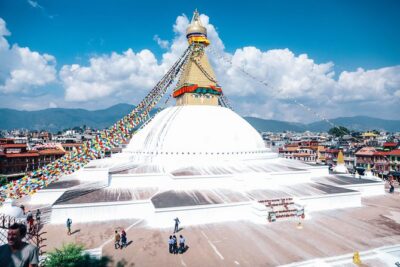
Browse the lists this tour appears in