
Reviewed · LUNCH EXPERIENCES
Kathmandu: Pharping, Dakshinkali and Chobhar Tour with Lunch
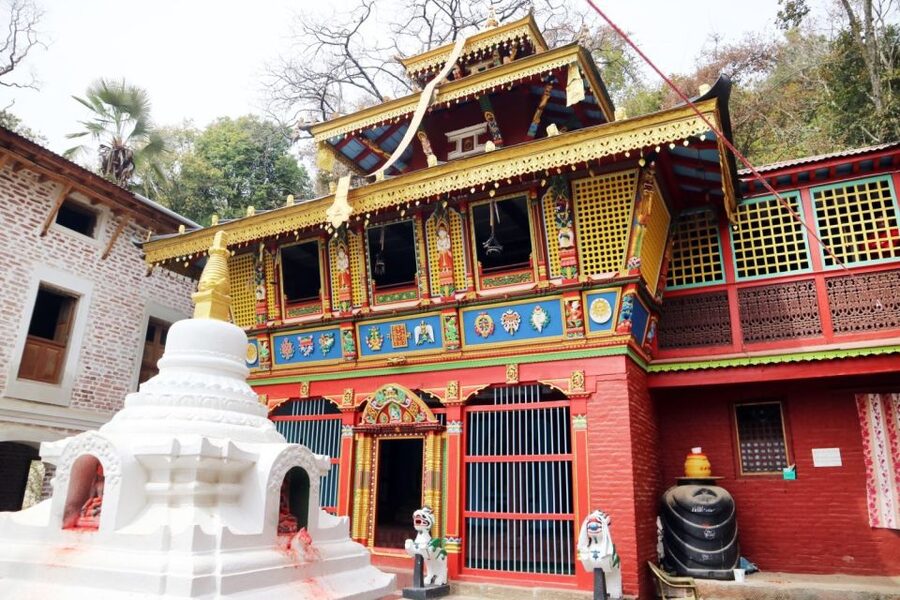
This day trip works because it mixes Nepal’s big spiritual energy with real nature stops, all inside one tight loop. You’ll move from the Asura Cave to major temples in Pharping and Dakshinkali, then end in the fresh air around Taudaha Lake and Chobar Gorge.
I love how the route gives you a side-by-side feel for Buddhist and Hindu worship in the same morning. I also like that the guide is meant to be active and explanatory, not just a driver, and lunch is included so you do not lose half the day hunting for food.
One heads-up: the Dakshinkali temple area can be visually distressing, including mention of a bloody river, and some cave or temple access can be limited depending on conditions. If you want a guaranteed “every stop fully open” tour, you’ll need to stay flexible.
Key highlights to know before you go
- Asura Cave in Pharping, linked to Guru Rinpoche meditation and enlightenment
- Shesnarayan and Gorakhnath temples, with a strong sense of local religious life
- Dakshinkali temple visit outside Kathmandu, a major Kali destination
- Taudaha Lake time for quiet views and bird sanctuary vibes
- Chobar Gorge story tied to Manjushri and the draining of ancient lake water
- Lunch included, so the day stays actually doable
A fast, meaningful Kathmandu day loop: temples, cave, lake, gorge
This is a 6-hour Kathmandu day tour built around one simple idea: you can get a strong taste of the Kathmandu Valley without spending all day in transit. The schedule clusters stops close enough to feel like a route, not a random checklist.
You start in town, then head south to Pharping, a place known for pilgrimage energy. From there, the tour keeps changing textures. One moment you’re walking prayer routes and temple grounds. Next, you’re inside a cave space that feels cooler and more silent. Later it opens up into outdoor nature time near Taudaha Lake and Chobar Gorge.
If you like religious sites that still function as living places of worship, this kind of day trip usually lands well. If you only want photo ops and polished attractions, the raw, sometimes messy reality of temples and hill paths might feel like more of an experience than a product.
More to compare around Kathmandu
- Kathmandu: 7 UNESCO Sites with Lunch
★ 4.8 · 744 reviews - Everest Base Camp Helicopter Tour landing at Everest View Hotel
★ 5.0 · 668 reviews - Kathmandu: Local Women-Led Nepali Cooking & Momo Class
★ 4.9 · 360 reviews
Pharping: Asura Cave and the temple cluster that makes the morning click
Pharping is about an hour from Kathmandu by road, and the mood changes quickly once you’re there. Even before the first major stop, you can feel that this is a pilgrimage zone where people come for devotion, not entertainment.
Asura Cave, above the village
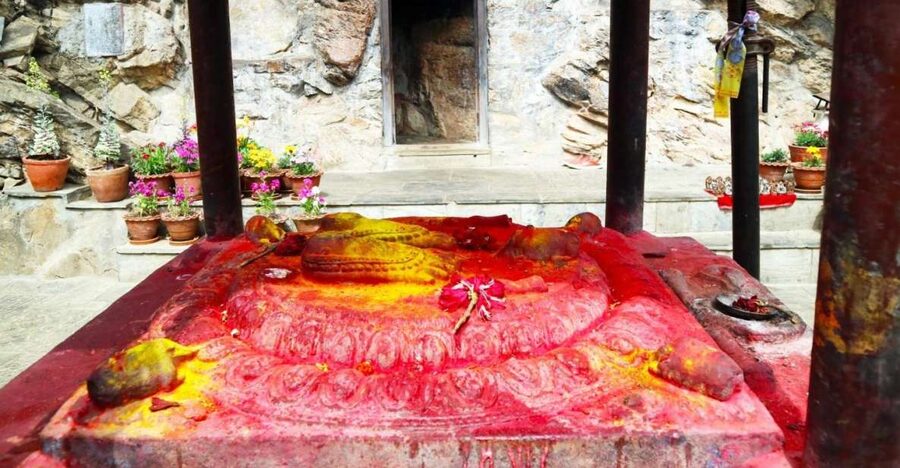
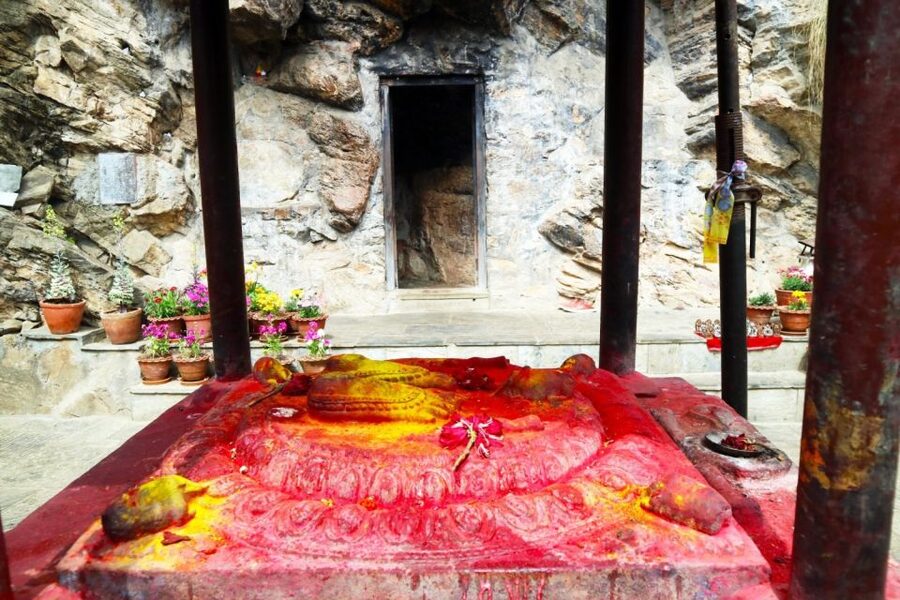
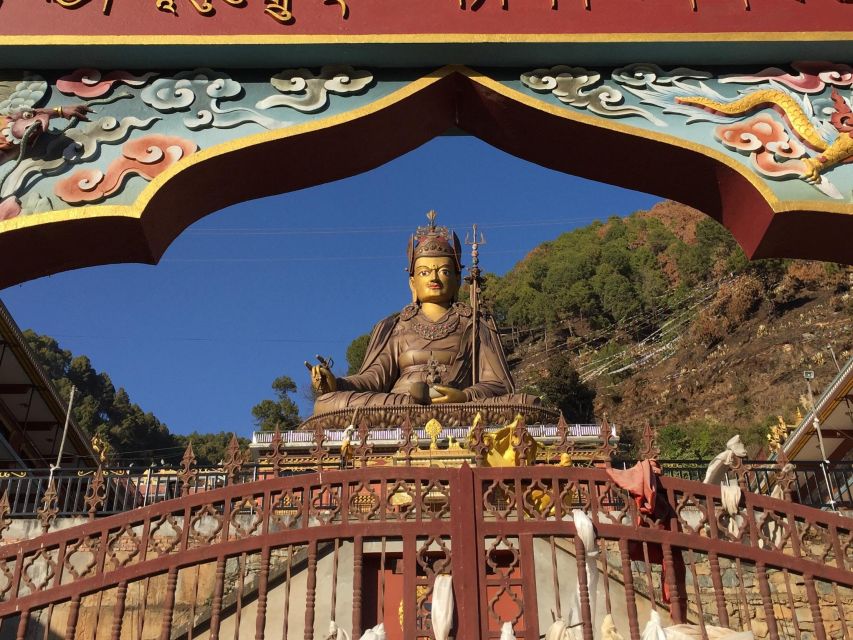
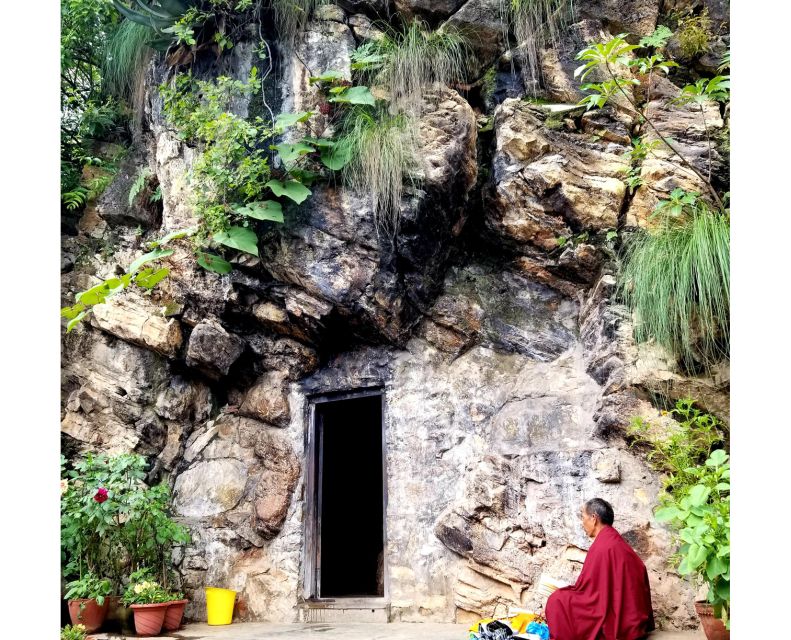
The Asura Cave is the spiritual anchor. It’s described as a sacred place where Guru Rinpoche meditated and attained enlightenment. That story matters, because it explains why the cave is treated with reverence and why you’ll likely see people approaching with a quieter mindset than at a typical sightseeing site.
Practical note: caves can mean uneven footing and cooler air. Bring comfortable shoes, and keep your phone protected if you’re going in areas that can be damp.
Shesnarayan and Gorakhnath temples nearby
Right after the cave, you’ll visit the Shesnarayan Temple complex, one of the four Narayana temples of the Kathmandu Valley. It’s believed to have been built during the reign of Licchavi king Vishnugupta. Then you’ll move to the Gorakhnath Temple, tied to Guru Gorakhnath and the Nath sect.
Why this works as a morning: you’re not just jumping between random buildings. You’re seeing how Buddhist and Hindu traditions share the same geography and how temples can feel very different even when they’re physically close.
Also, the route includes a Vajrayogini temple in the highlights. That means this part of the day isn’t one-note. You’re likely to notice different iconography, different worship styles, and different reasons people come.
A different sort of day out of Kathmandu:
- Manaslu Circuit Trek
★ 5.0 · 292 reviews - Kathmandu: Food and Drink Walking Tour
★ 4.9 · 292 reviews - Kathmandu: Full-Day 7 UNESCO Tour with Lunch – Private/Group
★ 4.9 · 247 reviews - Kathmandu: 7 UNESCO Sites Tour in 1 Day (Private Tour)
★ 4.9 · 204 reviews
A hill climb moment you should plan for
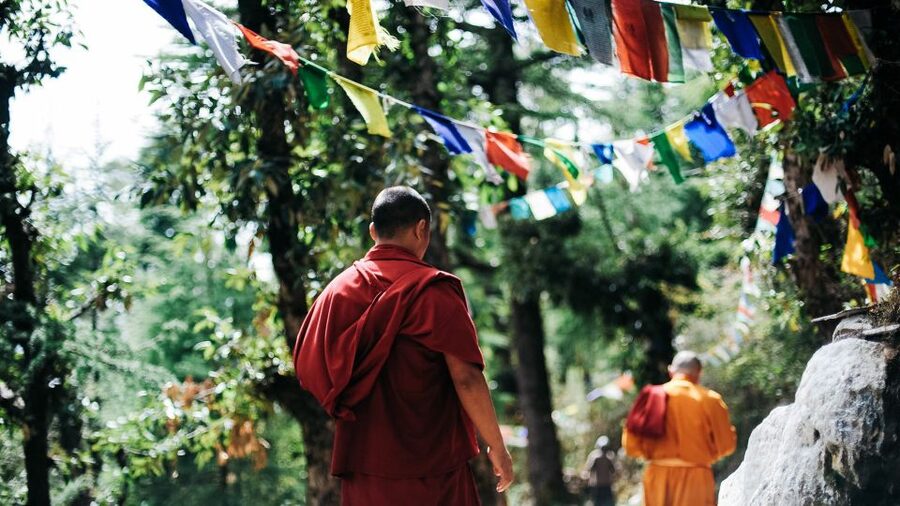
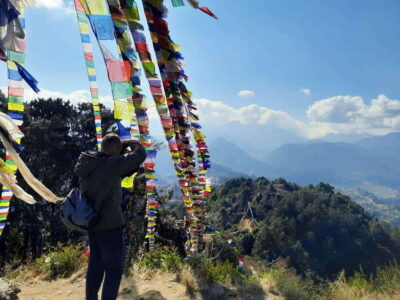
One useful tip from past participants: if there’s an option to climb stairs to reach prayer flags and a viewpoint near the hillside temple area, do it if your body can handle steps. You’ll often get a better sense of the site’s setting, not just its front gate. Just do not treat this like a race. Pace yourself, because later you still have temples and driving.
Dakshinkali: Kali country, and why this stop needs a little emotional readiness
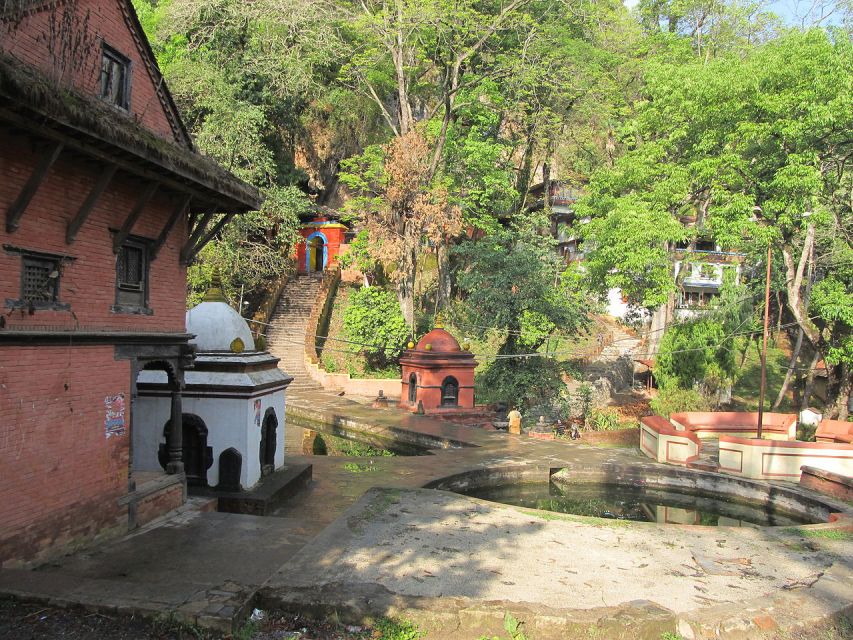
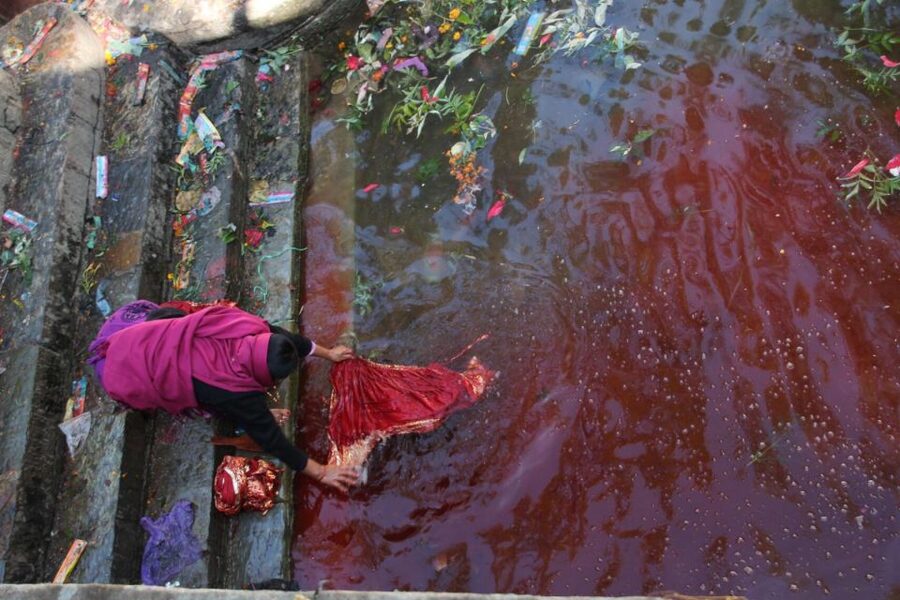
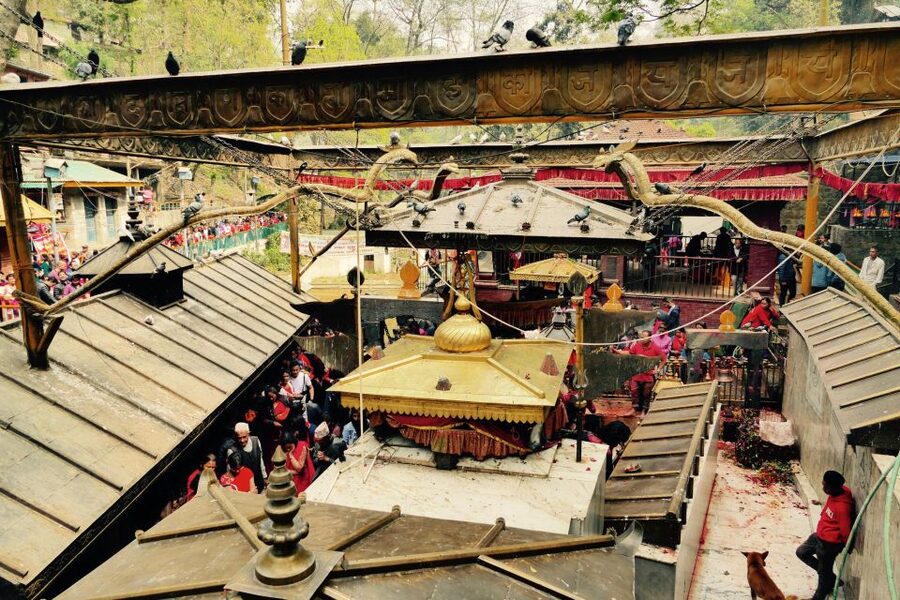
Next comes the Dakshinkali Temple, about 22 kilometers outside Kathmandu and about a kilometer outside Pharping. This is one of Nepal’s major Kali temples, dedicated to Goddess Dakshinkali.
This is the stop where you should prepare mentally. The tour information flags that the bloody river and Dakshinkali temple may be distressing for some visitors. That warning is not small. If you know you get upset by animal offerings, blood-related visuals, or intense ritual imagery, you may want to skip this kind of site in the first place.
If you do go, go with respect. That means quiet behavior, minimal gawking, and following whatever guidance your guide gives on where to stand and when to move. A good guide helps you connect the religious meaning to what you’re seeing, instead of just letting it be shock value.
Practical note: temple areas often mean stairs, crowds, and changing light. Sunglasses and sunscreen are not optional, especially if you’re walking outside between prayer areas.
The lunch break: fuel for a temple and cave day
Lunch is included, which is a big deal on this kind of route. In many day tours, lunch becomes a separate expense that eats time and energy. Here, you can plan the day around food without worrying about where the driver will stop.
The lunch spot can vary, but the common theme is that it’s treated as a real break, not a rushed snack. You’ll want this pause because after lunch you head to Taudaha Lake and then Chobar Gorge, which is where the scenery time matters.
What to do during lunch: hydrate, check your energy, and think about your next stop. If you’re someone who tends to get motion-sick or tired after hills and crowds, the break helps reset you.
Taudaha Lake: a calmer Kathmandu Valley interlude
After Dakshinkali, the tour drives to Taudaha Lake, about a 30-minute ride. This is the largest natural lake in the Kathmandu Valley and it’s also known as a bird sanctuary.
This is a smart pivot in the day. After temple intensity, you get a more open, slower feel. You’re not hunting for a single doorway or statue. Instead, you’re taking in water, air, and the quiet rhythm that comes with a lake environment.
Practical tip: this is where light can be strong and reflections can be bright. Sunglasses help. If it’s sunny, sunscreen matters. If it’s windy, a sun hat helps keep your face comfortable.
And because it’s a sanctuary, keep your distance from any restricted areas. You’re there for views and atmosphere, not to march right up to wildlife zones.
Chobar Gorge and caves: the ancient lake story you can feel
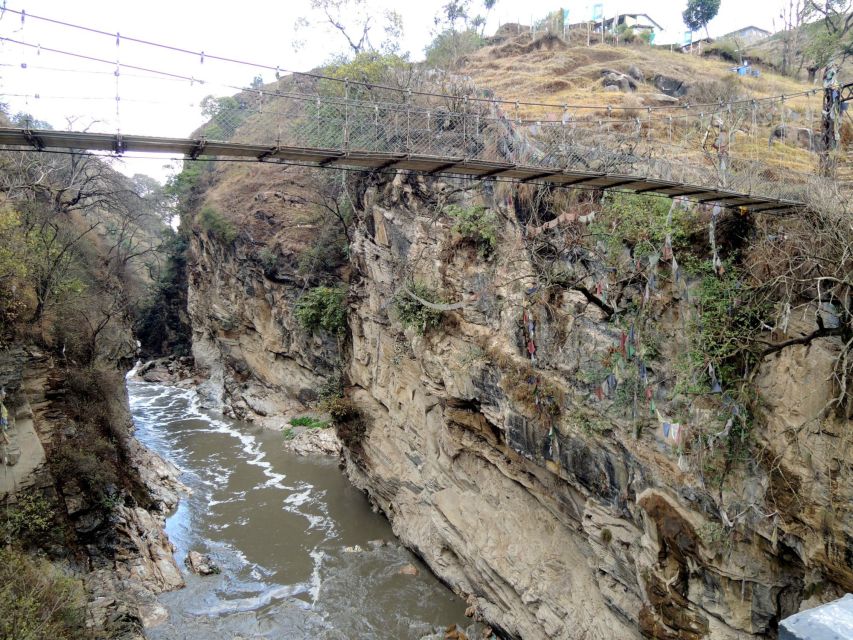
Then you head to Chobar Gorge, the point where water from an ancient lake once escaped, helping drain the area that later became land for the city of Kathmandu.
The story tied to this place is that Manjushri cut a gorge here, allowing the lake’s water to drain off and change the landscape dramatically. Even if you don’t treat myths as literal, the fact that locals have a narrative for the geography tells you something important: these places are not random. They are landmarks with meaning.
Exploring the area
You’ll spend time around Chobar Gorge and the nearby caves. Note that cave access can sometimes be limited. On at least one run, the Chobar cave was not open and the day’s flow changed. Your best move is to expect that the guide may adjust the route on the day to keep things safe and moving.
If a cave or specific monument is closed, the value doesn’t vanish completely. Often you can still get the gorge viewpoint and the geography story, which is the heart of why this stop exists.
How long is enough, and how the 6 hours usually feel
This is designed to run about 6 hours, with pickup in Kathmandu and a return back to Kathmandu after the nature and gorge time. The suggested timing often looks like:
- Late morning arrival at Pharping and Asura Cave
- Short temple visits in the area
- A drive to Dakshinkali and time there
- Lunch around early afternoon
- Taudaha Lake, then Chobar Gorge
- Return to Kathmandu by mid to late afternoon
The key thing to understand is pacing. It’s a packed day, but it’s not a sprint all the way through. You’ll get multiple short walking segments and then bigger moments where you can actually pause.
If your ideal travel day is slow and museum-like, this might feel rushed. If you like structured cultural routes with breathing spaces, it hits a good middle ground.
Price and value: what you get for $83, and when it might feel off
The price is $83 per person, and the value story depends on one thing: whether the day runs smoothly as planned.
Included items that add real value:
- Expert tour guide
- Luxury vehicle
- Hotel pickup and drop-off inside Kathmandu’s city ring road
- Entrance fees
- Lunch
When those pieces come together, $83 can feel fair because you’re paying for a whole package, not just transportation. You’re also paying for interpretation, which is where temple and cave visits usually get better.
When it might feel less fair:
- If a cave or a monument is closed and you end up with reduced access
- If the day’s order changes so much that you lose the intended stops
- If your hotel is outside the ring road and you need to pay extra for pickup
So here’s my practical take: this is a good buy when you’re flexible. It can feel overpriced if you have strict expectations about which indoor spaces you will be able to enter.
Getting picked up in Kathmandu: ring road hotels matter
Pickup and drop-off are included from hotels inside Kathmandu city ring road. If your hotel is outside that ring road, you’ll need to pay an additional charge.
Also, be ready in the hotel lobby about 5 minutes before pickup. Kathmandu traffic can move unpredictably, and you do not want to start your day with a missed car.
What to pack (and what not to bring) for temples and caves
This is one of those days where small comfort issues become big annoyances if you ignore them.
Bring:
- Comfortable shoes (stairs and uneven ground are likely)
- Sunglasses
- Sun hat
- Sunscreen
Do not bring:
- Pets
- Weapons or sharp objects
- Baby strollers
- Smoking in the vehicle
- Alcohol or drugs
- Open-toed shoes
- Alcoholic drinks in the vehicle
- Nudity
These rules are not just formalities. They protect the sites, other visitors, and your own day flow.
Who should skip this tour
This tour is not suitable for:
- People with back problems
- People with heart problems
- Wheelchair users
- People over 220 lbs (100 kg)
- People with kidney problems
- People over 95 years
If you fall into any of those categories, you’ll want to choose a different style of tour with less walking and fewer stair-based stops.
And remember the Dakshinkali note about distressing visuals. If that’s a trigger area for you, treat the warning seriously.
Should you book Kathmandu: Pharping, Dakshinkali and Chobhar Tour with Lunch?
Book it if you want a structured, guided day that mixes Buddhist and Hindu worship with a real outdoor finish. I especially like this for first-time visitors to the Kathmandu area who want a route that makes sense, not a scatter of far-flung sites.
Skip or reconsider if:
- You’re sensitive to intense ritual imagery around Dakshinkali
- You need guaranteed access to every cave and monument
- You do not handle steps, uneven terrain, or longer walking segments well
If you’re the kind of traveler who likes learning why places matter, this tour’s pace and stop selection can deliver a satisfying day. Just go in with flexibility, good shoes, and the right expectations for a pilgrimage zone that still runs on devotion, not tourism.
FAQ
How long is the Kathmandu Pharping and Chobhar tour?
It lasts 6 hours, with pickup in Kathmandu and time at each major stop. The exact timing can vary with traffic and your pace.
Is lunch included, or do I need to find food on my own?
Lunch is included in the tour price.
What sites are included in this 6-hour route?
You’ll visit Asura Cave, Shesnarayan Temple, Gorakhnath Temple, Dakshinkali Temple, Taudaha Lake, and Chobar Gorge (including cave areas).
What’s included in the price?
The tour includes an expert guide, a luxury vehicle, hotel pickup and drop-off within Kathmandu’s ring road, entrance fees, and lunch.
Where do you pick up from in Kathmandu?
Pickup is included only for hotels inside Kathmandu city ring road. If your hotel is outside the ring road, there is an additional charge. You should be ready in your lobby about 5 minutes before pickup.
Do I need to worry about any distressing content?
Yes. The Dakshinkali area, including the bloody river and temple, may be distressing for some visitors.
Latest Kathmandu write-ups
- 16 Days Island Peak Climbing With Everest Base Camp Private Trip★ 5.0 · 3 reviews
- 15 Days Round Annapurna Trek with Poon Hill from Pokhara★ 5.0 · 5 reviews
- Private Nepal round trip including Ghorepani Poonhill trek★ 5.0 · 3 reviews
- Everest Base Camp Trekking 16 Days★ 4.0 · 7 reviews
- 14 Days Luxury Annapurna Base Camp Trek★ 5.0 · 6 reviews
- Everest Base Camp Trek★ 5.0 · 32 reviews
- Everest Base Camp Trek★ 5.0 · 87 reviews
- Everest Base Camp Trek★ 5.0 · 97 reviews
Lunch Experiences, compared.
Browse the lists this tour appears in