Reviewed · TOURS
Life and spirituality tour of Kathmandu
Kathmandu can be overwhelming, but this private day tour keeps it focused on how faith shows up in everyday life. It’s built around Hindu and Buddhist spirituality you can actually see and talk about, not just stare at from a distance.
I especially like the hotel pickup in an air-conditioned private car, so you lose less time to Kathmandu logistics. I also like that the tour is guided by an expert who can explain what you’re seeing at each stop, including guides like Indra and Ripu who are praised for making complex traditions easy to understand.
One consideration: entrance fees are extra, and one of the stops includes open cremation at Pashupatinath, which can be emotionally intense for some people.
Key Things I’d Pay Attention To
- Private car pickup from your hotel so you can move smoothly between heritage areas
- Four major spiritual stops that connect Buddhism and Hinduism through daily rituals
- Clear explanations from guides such as Indra, Ripu, Rabi, and Rudi
- Open cremation viewing at Pashupatinath, so plan for an intense moment
- Boudhanath’s Little Tibet atmosphere, with many Tibetan monasteries and ongoing pilgrimage
- Durbar Square admissions are free, while temple and stupa entrance are not included
A Private Day That Reads Kathmandu Like a Sacred Map
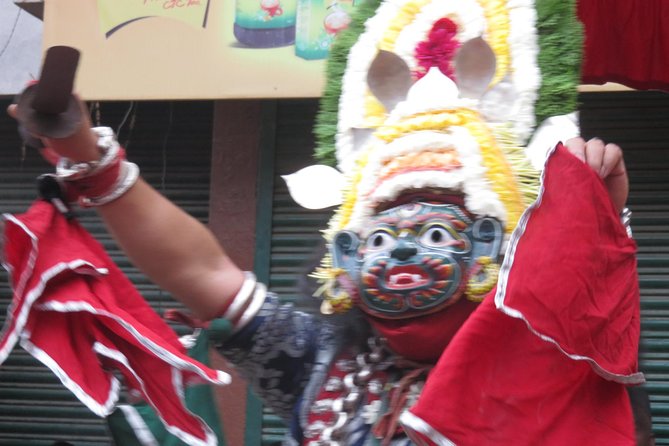
This tour is interesting because it treats Kathmandu as a living spiritual city, not a checklist of famous buildings. You visit the places where people pray, study, consult, and mourn, all in the same day. The theme is simple: Hindu and Buddhist life are not separate stories here, they overlap in how people act and believe.
What makes the experience feel different is the walking component in old Kathmandu. Instead of just parking, you get time around courtyards and historic practice areas where spirituality is part of the setting. That’s where the day stops becoming “sightseeing” and starts becoming observation, then understanding.
The whole route is designed to connect big-name sites with the everyday logic behind them. You see Shiva-related life at Pashupatinath, Buddhist devotion at Boudhanath, and craft and tradition at the Durbar Squares. It’s a balanced mix of heavy meaning and human-scale detail.
More to compare around Kathmandu
- Everest Base Camp Trek – 14 Days
★ 5.0 · 1,499 reviews - Everest Base Camp Trek
★ 5.0 · 842 reviews - Private Kathmandu Sightseeing Tour | UNESCO World Heritage sites
★ 5.0 · 756 reviews
Price and Value: Why $55 Can Feel Like a Deal
The price is $55 per person, and that matters most because you’re getting a private-day format with a guide plus transport. Included in the cost are an air-conditioned vehicle, bottled water, and an expert guide. That’s a practical bundle in Kathmandu, where time and transit can quietly eat your day.
The value gets even better because the walking stops are long enough to matter. You get about 2 hours at each Durbar Square in Kathmandu and Patan, then shorter, focused stops at Pashupatinath and Boudhanath. You’re not rushed through everything at high speed, which is what you want when the goal is meaning, not just photos.
The tradeoff is that entrance fees are extra. The Durbar Squares are listed as free, but Pashupatinath and Boudhanath are not included. So the real cost isn’t just the $55, you should expect to add whatever the site fees are that day.
Hotel Pickup and Timing: A 6 to 8 Hour Day That Uses Its Time
Plan on 6 to 8 hours total. The tour runs from 9:15 AM to 5:15 PM, Monday through Sunday. That timing is helpful because it gives you flexibility for your Kathmandu schedule, whether you arrive early or want a full day of structured orientation.
Pickup is offered, and you can be collected from your hotel in Kathmandu in a private car. For most people, that is the biggest comfort upgrade here. You avoid negotiating rides between sites, and you keep the day calmer for temple walking and crowd moments.
The itinerary timing is also fairly honest. Kathmandu Durbar Square gets about 2 hours, Patan Durbar Square gets about 2 hours, then you get 1 hour at Pashupatinath and 1 hour at Boudhanath. If you’re the type who likes questions mid-walk, the longer blocks at the Durbar Squares are where you’ll benefit most.
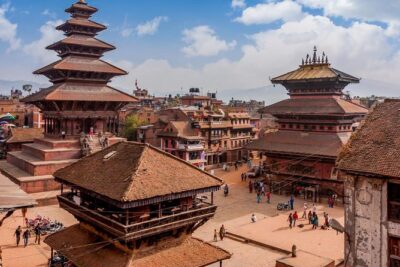
Kathmandu Durbar Square: Courtyards, Vastu, and Living Practice

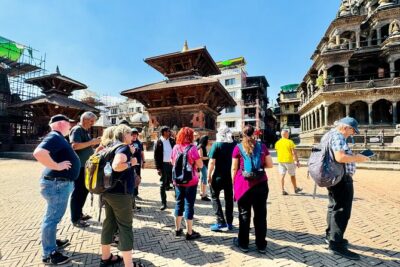
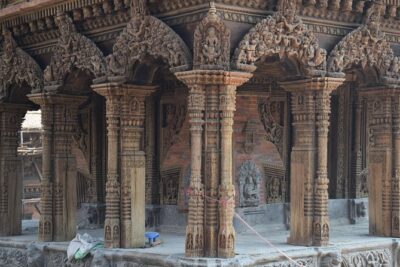
Your day starts at Kathmandu Durbar Square, with walking through old Kathmandu. The focus isn’t only monuments. It’s the “hidden courtyards” idea, where medieval spiritual and cultural practices are shown through the way the spaces are arranged.
You’ll notice the Vastu architecture angle, meaning the layout is part of the spiritual and cultural story. That’s the kind of detail a good guide can translate into plain language. This stop works best if you slow down and let the guide connect what you see with how people used these spaces.
The time here is set at about 2 hours, with admission listed as free. That matters because it lets you spend without feeling like you’re burning through paid minutes. Also, a lot of the value is in the walking itself, not a single “must-see” view.
A practical consideration: walking through historic areas can mean uneven surfaces and crowds. Since the tour is described as wheelchair and stroller accessible, you should still plan for movement pace, but you can expect the route to be set with accessibility in mind.
A different sort of day out of Kathmandu:
- Kathmandu: 7 UNESCO Sites with Lunch
★ 4.8 · 744 reviews - Everest Base Camp Helicopter Tour landing at Everest View Hotel
★ 5.0 · 668 reviews - Half day cooking class in Thamel kathmandu
★ 5.0 · 607 reviews - Everest Base Camp Trekking
★ 5.0 · 485 reviews
Patan Durbar Square: Artisanship and Craft That Traveled
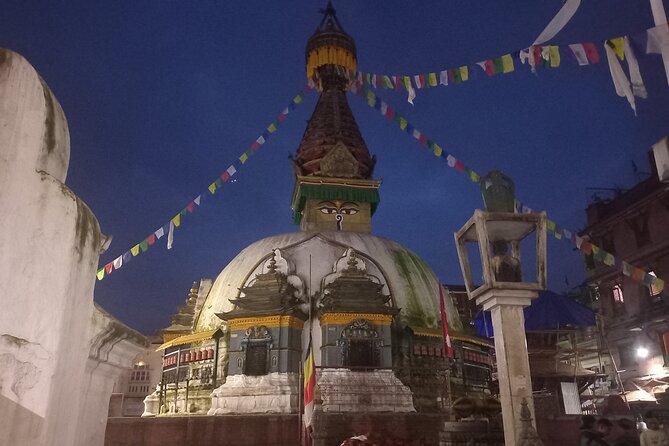
Next you drive to Patan Durbar Square, also known as Lalitpur. This stop is themed around fine art and craft, and the tour explains that many people in Patan still work as artisans. That’s a more grounded way to experience a heritage area, because you’re looking at the connection between tradition and daily work.
The name fits the idea that Patan’s craftsmanship moved beyond Nepal in medieval times. The tour notes that craft from Patan made its way to India, Tibet, and China. Whether you care about trade history or not, it adds context to why certain styles matter here.
You’ll have about 2 hours at Patan, and admission is listed as free. That’s a win for value, and it’s also a smart pacing choice. After Kathmandu Durbar Square, Patan gives you a sense of contrast and continuity, rather than repeating the same kind of visit.
The drawback to consider: if you’re expecting only big temple exteriors, this stop may feel more “worked-in” and less postcard-like. The strength is in understanding how craft and tradition show up through everyday people and their spaces.
Pashupatinath Temple: Hindu Life, Shiva, and Open Cremation
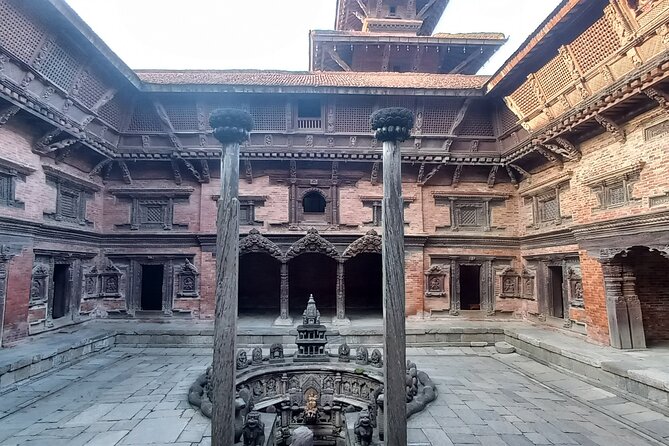
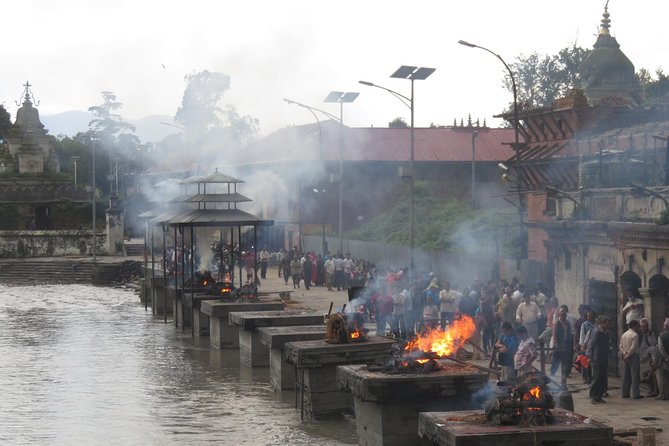
The energy shifts at Pashupatinath Temple. This is where the tour leans hardest into Hindu ways of life connected to Shiva. You’re guided through the temple complex with attention on how people practice, and the tour includes time focused on what you can see beyond the main structures.
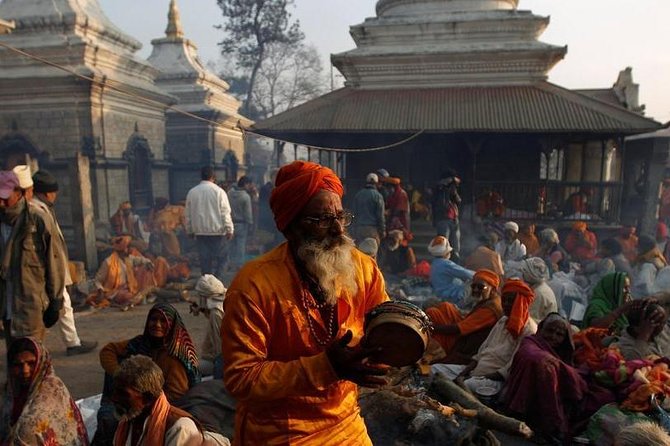
A major feature here is the view of Hindu ascetics, listed as Shadu, plus astrologers and devotees. The tour also specifically notes open cremation viewing. If you’re sensitive to death rituals, you should take this seriously and decide how you want to handle it in advance.
You get about 1 hour, and admission is listed as not included. That means you should budget additional temple entry costs, since this is likely one of the paid stops.
What makes the stop worthwhile is the guide’s interpretation. Multiple guides mentioned in the feedback are praised for explaining complicated concepts with clarity and a calm tone. That matters here, because ritual spaces can be confusing when you’re seeing them quickly. With the right guidance, you’re not just observing, you’re understanding the logic behind what’s happening.
Boudhanath Stupa: Little Tibet, Pilgrims, and Buddhist Rhythm
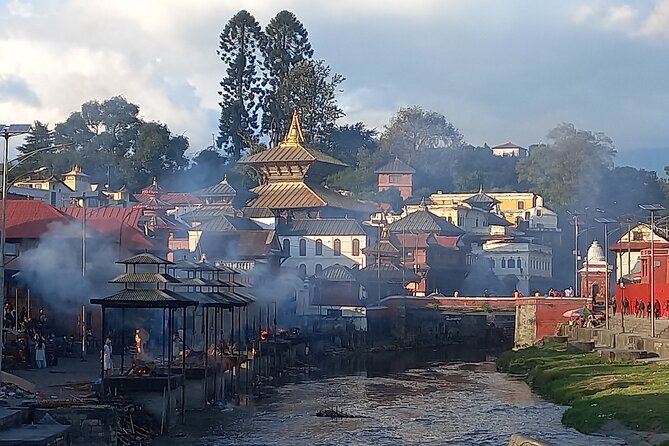
After Pashupatinath, you drive to the Boudhanath area, described as Kathmandu’s Little Tibet. This is one of those places where the spiritual theme becomes visible fast. The tour notes that there are about 60 Tibetan Buddhist monasteries in the area, and that the largest Nepalese stupa draws pilgrims continuously.
You’ll spend about 1 hour here, and admission is listed as not included. Even without focusing on tickets, Boudhanath earns its time because the scene is built for repetition and devotion. People come and return, and the atmosphere is shaped by that steady flow.
The tour frames Boudhanath as a magnet for pilgrims from far-flung Himalayan villages. That adds weight to what you’re seeing: it isn’t just local tourism, it’s part of a wider religious network. If your goal is to understand spirituality as a living system, this stop is one of your strongest moments.
A practical note: you’ll likely feel the crowd energy more here than at some other stops. Go at a human pace, let the guide point out what matters, and don’t stress about seeing everything at once.
Your Guide Matters: Why Names Like Indra and Ripu Keep Coming Up
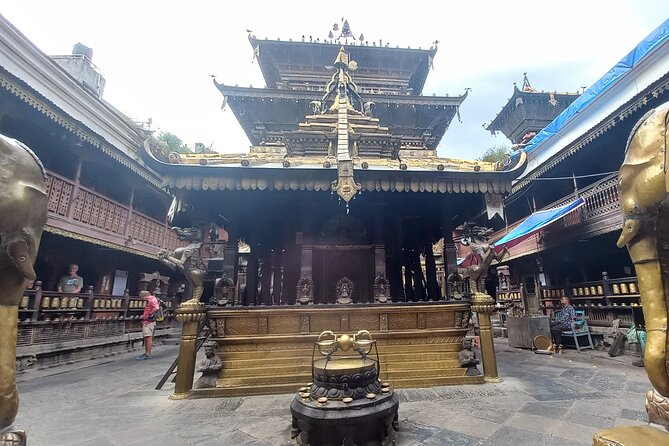
One of the most praised aspects of this tour is the guide. Feedback highlights guides such as Indra, Ripu, Rabi, and Rudi for explaining the relationship between Hindu and Buddhist traditions in ways that make sense.
That’s more than friendly service. It changes how you experience the day. At Pashupatinath and Boudhanath, it’s easy to feel like you’re watching rituals without a translation. When a guide can explain the concepts clearly, you can connect the sights you see with the meaning behind them.
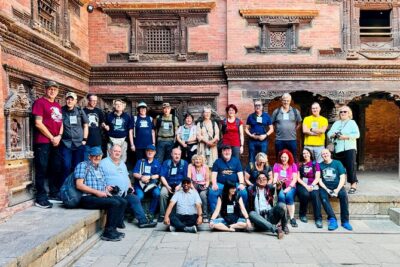
You also get the kind of attention that makes a private tour feel worth it. The style described is friendly, patient, and accommodating, including when schedules have to shift. If you’re someone who likes asking questions, this format is ideal because you can slow down inside the route without feeling like you’re holding up a large group.
What’s Included, What’s Not, and What to Plan For
Included:
- Air-conditioned vehicle
- Bottled water
- Expert guide
- Pickup offered from your Kathmandu hotel
- Private day format, only your group participates
Not included:
- Entrance fees at sites where they apply
- Tips
- Lunch
- All fees and taxes
So you should plan for a few add-ons. The Durbar Squares are listed as free admission, which helps, but Pashupatinath and Boudhanath are not. Also, your day will include walks and temple time, so leaving room in your schedule for lunch is important since it’s not included.
If you care about comfort, remember that water is included, but lunch is not. You’ll be moving for most of the day, so eat before you get hungry.
Comfort, Accessibility, and Temple-Wise Expectations
The tour is specifically described as wheelchair and stroller accessible, which is a big deal for Kathmandu, where not all streets and sites are easy. That said, temple areas can still be uneven and crowded, so I’d pack patience and move slowly at stops.
For temple days, I also recommend you come ready to witness real religious life. At Pashupatinath, the tour explicitly includes open cremation viewing, and the experience is likely to feel more intense than a typical temple visit. If you’d rather keep the day more gentle, you may want to think carefully about whether that moment fits your comfort level.
The upside is that the tour’s focus on daily life makes it feel grounded. You’re not just taking in architecture, you’re learning how spiritual practice shows up in the human schedule.
Should You Book This Life and Spirituality Tour of Kathmandu?
Book it if you want a Kathmandu day that explains more than it shows. The best match is when you’re curious about how Hindu and Buddhist traditions overlap in daily life, and you’re happy to spend time at places like Durbar Squares, then face a powerful ritual moment at Pashupatinath.
Skip it or rethink it if you strongly prefer purely scenic stops and you know open cremation viewing would be too much for you. Also, if entrance fees would surprise you financially, plan ahead since not all major sites are included in the base cost.
If you want the short version: this is a private, guided day with clear pacing, hotel pickup convenience, and a spirituality theme you can actually understand. With a 4.9 rating out of 54 reviews and 98% recommending it, it’s a strong bet for your first or only full day in Kathmandu.
FAQ
How long is the Life and Spirituality tour of Kathmandu?
The tour lasts about 6 to 8 hours.
What’s the price per person?
It costs $55.00 per person.
Is hotel pickup included?
Pickup is offered, and you can be collected from your hotel in Kathmandu.
Is this a private tour?
Yes, it is private, and only your group will participate.
Is the tour wheelchair and stroller accessible?
Yes, it is wheelchair and stroller accessible.
Are entrance fees included in the tour price?
Entrance fees are extra. The Durbar Square admission tickets are listed as free, but Pashupatinath and Boudhanath are listed as not included.
What is included in the price?
The price includes an air-conditioned vehicle, bottled water, and an expert guide.
What isn’t included?
Tips, lunch, and all fees and taxes are not included.
What sites are visited on the tour?
You visit Kathmandu Durbar Square, Patan Durbar Square, Pashupatinath Temple, and Boudhanath Stupa.
What are the operating hours?
The tour is listed as operating Monday to Sunday from 9:15 AM to 5:15 PM.
What is the cancellation policy?
Free cancellation is available. You can cancel up to 24 hours in advance for a full refund. If you cancel less than 24 hours before the experience starts, the amount paid is not refunded.
Latest Kathmandu write-ups
- Langtang Valley Trek★ 5.0 · 3 reviews
- Khopra Danda Trek★ 5.0 · 3 reviews
- Langtang Valley Trek from Kathmandu★ 5.0 · 3 reviews
- 5 night / 6 days Kathmandu Nagarkot Chitwan Pokhara tour★ 5.0 · 3 reviews
- Nepal Highlights Tour: 5 Nights 6 Days Kathmandu & Pokhara Tour★ 5.0 · 3 reviews
- Kathmandu Valley Private Day Tour★ 5.0 · 3 reviews
- Conquer the Himalayas: The Ultimate 16-Day Annapurna Circuit Trek★ 3.5 · 3 reviews
- Kathmandu Heritage Day Tour★ 5.0 · 3 reviews
Tours, compared.
Private Kathmandu Sightseeing Tour | UNESCO World Heritage sites
Read our review →
Everest Base Camp Helicopter Tour landing at Everest View Hotel
Read our review →