Reviewed · KATHMANDU TOURS
Live like Monk: Stay in the Nomobuddha Monastry
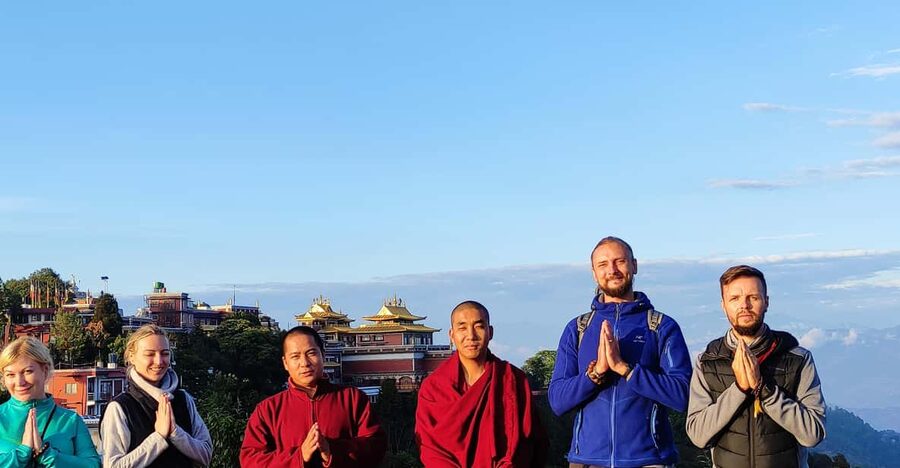
If you’re craving something slower than a standard Nepal sightseeing trip, this stay at Namobuddha Monastery near Dhulikhel is one of the more direct ways to experience Buddhist daily life. I love the monk-led morning and evening sessions, because they set a real rhythm for the whole day. The main thing to consider is that the exact balance of hands-on meditation versus prayer observation can vary by what’s scheduled during your dates.
The good news is the program keeps things small, with a group size capped at 10 and an English guide named Anoj who focuses on explaining what you’re seeing and why it matters. Just come ready for simple living: basic amenities, shared facilities, no alcohol or drugs, and a tone of respectful quiet.
Key things to know before you go
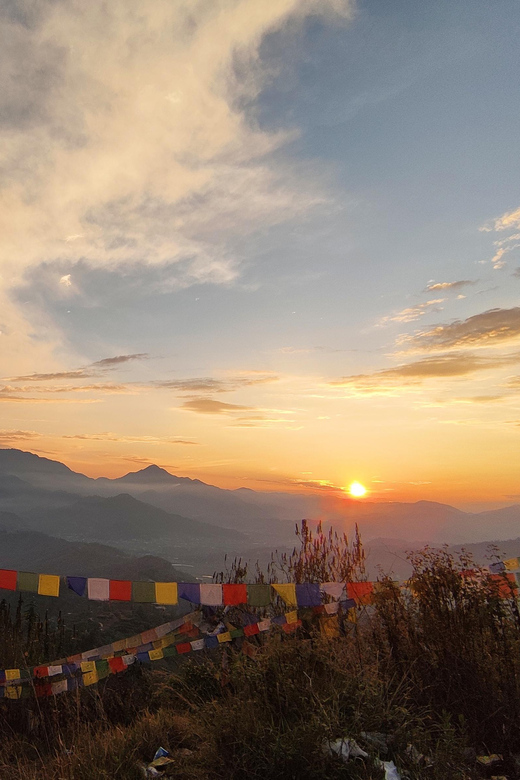
- Monastery routine, not just a visit: you spend 2 nights on site, following the day’s rhythms.
- A meaningful 3-hour hike: Dhulikhel up to Namobuddha helps you shift into “off switch” mode.
- Chanting and mindfulness sessions with resident monks: morning and evening are the anchors.
- Vegetarian meals, including dining near the monks: food is part of the ritual culture here.
- Simple twin-sharing accommodation: plan for basic comfort and shared facilities.
- Expectation check on direct participation: some days may feel more observational if the schedule is focused on prayer (puja).
Namobuddha Monastery: what “live like a monk” actually looks like
This is sold as a monk-style experience, and the heart of it is your daily participation in monastery life. You’re not touring temples from the outside. You’re following a schedule where chanting, meditation, and reflection are the backbone, and meals are eaten in a monastery setting where the spiritual mood is hard to fake.
That said, “live like a monk” can mean different things on different dates. The structure you should expect includes monk-led sessions and participation in monastery rituals and practices. But in practice, you might find that you participate more through listening, guided meditation, or attending prayer (puja) than through long stretches of active chanting yourself. The monastery environment is real, but the level of hands-on involvement can depend on what’s happening in that particular window of time.
For me, the best way to think about it is this: you’re buying time in a place that runs on a slower internal clock. Even if your hands-on participation isn’t the full fantasy version, you still get that calm, disciplined atmosphere for two full nights.
More to compare around Kathmandu
- Kathmandu: 7 UNESCO Sites with Lunch
★ 4.8 · 744 reviews - Everest Base Camp Helicopter Tour landing at Everest View Hotel
★ 5.0 · 668 reviews - Kathmandu: Local Women-Led Nepali Cooking & Momo Class
★ 4.9 · 360 reviews
Getting there the right way: Kathmandu pickups, Dhulikhel, then the 3-hour hike
You’ll start with private transportation from one of three pickup points: Bhaktapur, Kathmandu, or Lalitpur. From there, you head toward Dhulikhel, a hill station about 30 kilometers away. This matters because it gives you a gradual shift from city noise toward countryside quiet, instead of a sudden drop into stillness.
Then comes one of the most worthwhile parts: a scenic hike from Dhulikhel to Namobuddha that takes about 3 hours. This is not just exercise. It’s your buffer day, the moment where you physically slow down and get your bearings before you reach monastery grounds. The route also tends to pass through nature and local village areas, so you don’t arrive feeling like you’ve been dropped into a bubble.
If you’re sensitive to walking pace, take the hike seriously. Wear real hiking shoes, not “I’ll be fine” sneakers. You’ll be grateful for good grip once the trail gets uneven, and you’ll appreciate the quiet more when you’re not thinking about sore feet.
Where you sleep: simple twin-sharing rooms and shared facilities
The program includes 2 night accommodation at Namobuddha Monastery with twin sharing. That’s a key word: shared room means you should plan for close quarters, basic privacy, and the usual tradeoffs of monastery-style lodging.
Expect simplicity. The accommodations are designed to reflect monastic life, so you should not show up expecting a hotel setup. You’ll have access to monastery facilities and amenities, but the overall comfort level is basic, with shared facilities.
This is also where you should manage expectations based on what people reported on similar stays. Some described sleeping very close to the monastery in a guest house rather than strictly inside the monastery buildings. So if “inside the monastery” is a deal-breaker for you, I’d ask your operator or guide Anoj to confirm your exact lodging location before you go.
Either way, the big win is that you’re not commuting to the monastery after sunrise. You’re there. You’ll hear the rhythm of the place, wake to it, and go to sleep with it.
Day 1 at Namobuddha: arrival, rest, and your first contact with the monks
On the first day, you’ll travel from Dhulikhel to the monastery area and check in once you arrive. After that, the schedule gives you a decompression block: rest time plus time to explore the monastery grounds at your own pace.
Then you’ll join the monks for an introductory session that includes meditation and chanting. Even if you don’t catch every detail of the practice, this is the moment you realize this isn’t a staged cultural show. The setting does the work for you. The guide Anoj plays an important role here by explaining what you’re doing and what to look for, so you can connect the spiritual language to the physical routine.
One practical tip: treat your first evening like a training session for attention. Keep your phone away during the group time. The whole point is to start building a different mental habit, not just to attend a performance.
A different sort of day out of Kathmandu:
- Manaslu Circuit Trek
★ 5.0 · 292 reviews - Kathmandu: Food and Drink Walking Tour
★ 4.9 · 292 reviews - Kathmandu: Full-Day 7 UNESCO Tour with Lunch – Private/Group
★ 4.9 · 247 reviews - Kathmandu: 7 UNESCO Sites Tour in 1 Day (Private Tour)
★ 4.9 · 204 reviews
Day 2: morning chanting, guided meditation, and time to reflect
Day two is where the day feels most “monastic” because it starts early. You’ll wake up for a morning chanting session with the monks, followed by a guided meditation to help set your mind for the day.
One detail you should know: schedules can focus on prayer (puja) at set times. Some people reported a prayer session at 6 in the morning and another at 11, and they described the experience as more about watching and attending than doing long stretches of your own chanting. Other days align more closely with the meditation-led participation described in the program. Either way, plan for both listening and guided practice, and don’t assume that you’ll always be actively chanting the entire time.
After that, you get breakfast in the monastery dining hall, then a guided tour of the monastery grounds. This tour is more than “look at that building.” It’s a chance to understand the history, architecture, and significance in Buddhist culture, with Anoj translating the meaning into plain language so it sticks.
Lunch and dinner are also vegetarian and served in a way that supports the mindfulness theme. You’ll notice the food approach is simple. That simplicity makes it easier to slow down while eating, and it keeps the experience coherent with the spiritual tone of the day.
In the afternoon, you’ll have personal reflection time. Depending on what’s happening, you might join monastery activities like gardening or scripture study, or you might simply sit quietly. That open space is valuable. It gives you a chance to process what you heard in the sessions instead of just collecting facts.
Day 3: final morning session, monastery tour again, then back to Kathmandu
Your final morning follows the same core rhythm: chanting and meditation before breakfast. This repetition is part of the value. You’re not cramming. You’re practicing the rhythm long enough that it starts to change how you feel.
After breakfast, you’ll do another guided tour of the monastery grounds. You might think a second tour is redundant, but in this kind of setting it’s often about letting details land with a calmer mind. When you return to the same spaces after a full day of ritual sounds and silence, you notice things you missed earlier.
Then it’s lunch, a final meal in that monastery kitchen style, and private transportation back to Kathmandu. Pick one backpack-friendly change of clothes for the ride home. Hike day and monastery time can be surprisingly grounding, and you’ll probably want to reset yourself comfortably before you re-enter traffic and crowds.
Food and etiquette: vegetarian meals, respectful conduct, and no alcohol
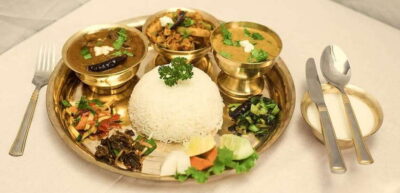
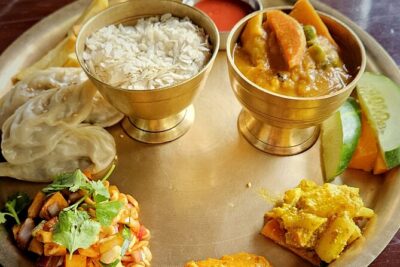
Three vegetarian meals per day are included: breakfast, lunch, and dinner. This is not just a dietary checkbox. In a monastery setting, food is part of the day’s discipline and mindfulness, so you’ll eat at a calmer pace than you might on the street.
It also helps that the meals are described as nutritious and tasty. The big point is that your energy stays steady enough to participate in early sessions and a hike without feeling wrecked.
Etiquette is non-negotiable here. Alcohol and drugs are not allowed, and you’re expected to respect traditions and customs, including a dress code and behavior guidelines. That doesn’t mean you need to be overly formal, but you should treat the monastery as a place of practice, not a photo set.
If you want your experience to feel smooth, pack modest clothing for being around monks and in group settings, and keep your behavior calm and quiet during ritual times. Anoj can guide you on what’s appropriate in plain English, but your best move is to arrive already respectful.
Price and value: is $294 per person fair for 3 days?
At $294 per person for 3 days and 2 nights, you’re paying for several things that add up quickly in Nepal if you book them separately. The program includes private transportation to Dhulikhel and back to Kathmandu, the 3-hour hike from Dhulikhel to Namobuddha, accommodation, a guide with English support, and three vegetarian meals per day.
You’re also getting structured monastery access: monk-led sessions, participation in rituals, and guided tours of the grounds. If this matches the description on your dates, it’s strong value because it combines “getting there” costs with your accommodation and daily spiritual programming.
Where value can wobble is in the match between what you expected and what the monastery schedule provides. When the experience shifts toward prayer observation rather than your own active meditation and chanting, some people felt the program didn’t justify the price. The fix is simple: confirm what’s planned during your specific stay, and be open to the idea that monastic schedules are living routines, not a script.
My practical take: if you want a peaceful overnight spiritual setting with disciplined daily rhythm, the price can feel fair. If you specifically want hands-on chanting for most of the time, you should ask pointed questions before you pay.
The guide matters: Anoj’s role in making this make sense
A big reason this kind of tour works well is the guide. In this case, you’re with a live English tour guide named Anoj. The program credits the guide with providing insights into Buddhist philosophy and monastery life, and that kind of interpretation is crucial because you’ll be surrounded by practices that may feel unfamiliar.
When Anoj is doing a good job, you leave sessions understanding what you just took part in. You also understand the monastery’s context during the ground tours, not just the visible objects. That turns the stay from “I watched something” into “I get why this matters.”
So, if you want to maximize value, ask Anoj practical questions during downtime. Ask what to expect in the morning session, how chanting differs from meditation, and what parts are most important to observe. He’s there to help you get meaning, not just to walk you around.
Who this is best for, and who should think twice
This experience fits best if you want calm structure and a real cultural immersion day-to-day. It’s ideal for people who enjoy early mornings, walking, quiet reflection, and guided explanations. The monastery setting plus vegetarian meals plus monk-led sessions is exactly the kind of package that helps you slow down and pay attention.
It’s less ideal if you’re looking for a high-contact, constantly interactive experience where you’re guaranteed to do hands-on chanting for long hours. Even though the program says daily meditation and chanting sessions, the lived reality can lean more toward attendance at prayer sessions depending on what’s scheduled.
It’s also not the best fit if you need modern comfort. Think basic lodging, shared facilities, and a simple routine shaped by monastery life, not tourist convenience.
Should you book the Namobuddha monk stay?
Book it if you want two nights in a monastery setting where daily rhythm is the main attraction, and you’re comfortable with a simple, respectful stay. It’s also a great choice if you’re the type who enjoys guided context, because Anoj’s explanations help you connect ritual sounds and monastery spaces into something you actually understand.
Skip it or at least confirm details first if your top priority is hands-on chanting and meditation with resident monks every day for long stretches. The biggest risk here is expectation mismatch, so ask what the monk schedule looks like on your exact dates, especially the timing and what participation level is typical.
If you go in with the right mindset, this can be a genuinely calming, grounded way to experience Buddhist practice in Nepal, not just to learn about it.
FAQ
Where is the experience located?
It takes place in Nepal in the Bagmati Zone around Dhulikhel and the Namobuddha Monastery area.
How long is the program?
The program runs for 3 days.
What are the pickup and drop-off locations?
You can be picked up from Bhaktapur, Kathmandu, or Lalitpur, and dropped off in Bhaktapur, Lalitpur, or Kathmandu.
Is there a hike?
Yes. There is a hike from Dhulikhel to Namobuddha that takes about 3 hours.
What’s included with the stay inside the monastery?
You get 2 nights of accommodation in a twin-sharing setup inside the monastery, plus access to monastery facilities and daily meditation and chanting sessions led by resident monks.
What meals are included?
Three vegetarian meals per day are included: breakfast, lunch, and dinner.
What kind of group size is this?
It is a small group limited to 10 participants.
Who guides the experience and what language is used?
A live tour guide provides the tour in English, including throughout-the-tour guidance and expenses covered.
Are there restrictions on alcohol or drugs?
Yes. Alcohol and drugs are not allowed during the experience.
Latest Kathmandu write-ups
- 16 Days Island Peak Climbing With Everest Base Camp Private Trip★ 5.0 · 3 reviews
- Private Nepal round trip including Ghorepani Poonhill trek★ 5.0 · 3 reviews
- Everest Base Camp Trekking 16 Days★ 4.0 · 7 reviews
- 15 Days Round Annapurna Trek with Poon Hill from Pokhara★ 5.0 · 5 reviews
- 14 Days Luxury Annapurna Base Camp Trek★ 5.0 · 6 reviews
- Everest Base Camp Trek★ 5.0 · 32 reviews
- Everest Base Camp Trek★ 5.0 · 87 reviews
- Everest Base Camp Trek★ 5.0 · 97 reviews
Kathmandu Tours, compared.
Everest Base Camp Helicopter Tour landing at Everest View Hotel
Read our review →