Reviewed · KATHMANDU TOURS
Local Living Nepal
This trip is interesting because it treats Nepal like more than a mountain show. You get a loop that mixes Kathmandu Valley temples, small village treks, and then the big wildlife energy of Chitwan National Park.
I especially like the balance here. You’re not just driving from one famous photo spot to the next. You also get real walking days, plus a night at Namo Buddha with a service, and that adds meaning.
One consideration: the pace includes hikes and uneven paths. If you hate getting muddy, or you want everything to be flat and easy, you’ll want to plan carefully for footwear and stamina.
Key highlights worth your attention
- Airport meet-and-transfer on arrival so you start the trip with fewer unknowns
- Temples with atmosphere, including Pashupatinath and Boudhanath, plus a monkey-filled stairway moment
- Day hikes with valley views from Nagarkot toward Dhulikhel, with a moderate route and shrine stops
- An overnight at Namo Buddha, including an evening Buddha service and morning meditation
- Chitwan wildlife and culture time, including early safaris, birdwatching, a village tour, and an elephant breeding center visit
Kathmandu, Treks, and Chitwan: The Nepal mix that actually feels real
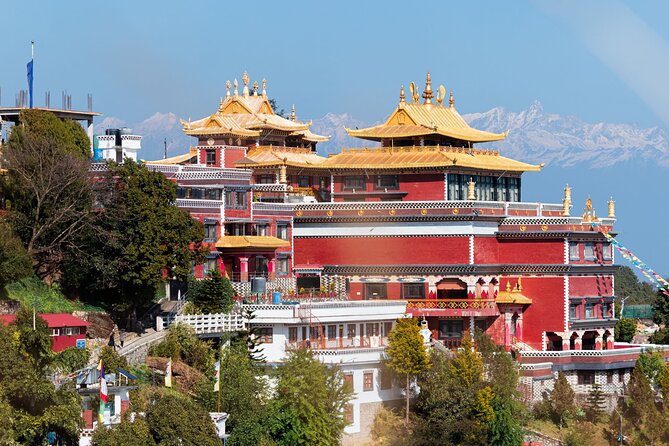
When people think of Nepal, they usually think big peaks. This itinerary gives you that energy, but it also shows the country as it functions day to day: sacred sites where faith is lived, villages where food is cooked in the home, and conservation work where animals are protected.
I like how it builds the story in chapters. Kathmandu opens the spiritual door. Then the trekking days slow the pace and get you close to everyday rural life. Finally, Chitwan shifts the focus to wildlife, with morning timing doing most of the work.
You should also know the trip is designed around comfort where it counts. You have pickups, drivers, and a professional guide. At the same time, the hiking portions mean you’ll be moving, not just looking.
More to compare around Kathmandu
- Everest Base Camp Trek – 14 Days
★ 5.0 · 1,499 reviews - Everest Base Camp Trek
★ 5.0 · 842 reviews - Private Kathmandu Sightseeing Tour | UNESCO World Heritage sites
★ 5.0 · 756 reviews
Arrival in Kathmandu: welcome at the airport, then straight to your hotel
Day 1 is straightforward in the best way. You’re greeted in front of the arrival gate with a display board, then you transfer to your Kathmandu hotel, which takes about 20 minutes to reach the Kathmandu Valley area.
This is a small detail, but it matters. Getting help at the airport reduces stress on arrival day, especially after a long flight. It also sets you up for the next day, when you’ll start temple and city sightseeing.
If you land with timing pressure, keep your first evening flexible. Kathmandu sites can involve walking and stairs, and jet lag makes that harder.
Pashupatinath, Boudhanath, and a sunset that feels like a ritual
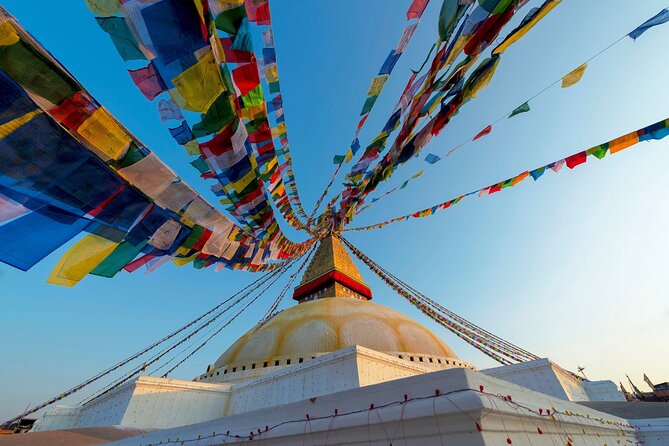
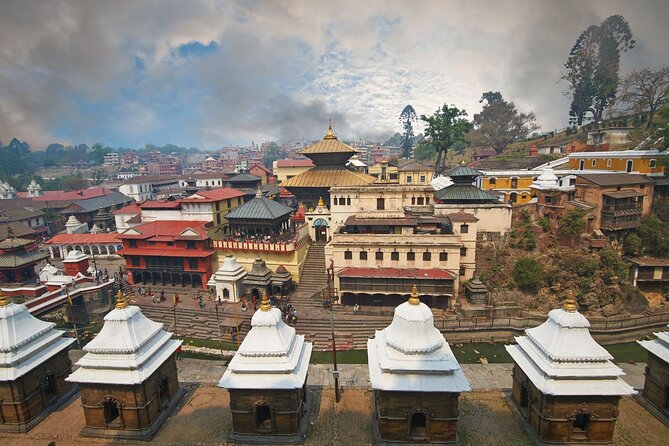
Day 2 is built around the kind of landmarks that change how you see a city. In the afternoon, you visit Pashupatinath, a major Hindu shrine and cremation site on the river bank. In the evening, you go to Boudhanath, an enormous Tibetan Buddhist stupa where the atmosphere is very present and very local.
One detail I really appreciate is the stairway action at Boudhanath. The resident monkeys are part of the experience, so you’ll want to keep an eye on bags, and move calmly around crowds.
You’ll also get a sunset view over the Kathmandu Valley. That timing is smart because the light changes quickly and the city looks best when it softens.
Practical note: wear something respectful for temple areas. Even if you’re not religious, you’ll fit in better if your clothes say you’re visiting, not partying.
Bhaktapur Durbar Square: medieval streets plus artisan craft time
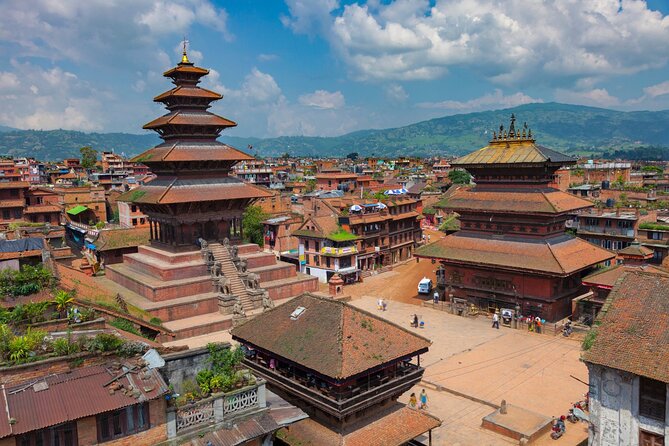
Day 3 takes you to Bhaktapur Durbar Square, an old medieval city and the second royal city in the Kathmandu Valley. The vibe here is dense. Narrow streets and traditional buildings create a sense of walking inside history without needing a lecture.
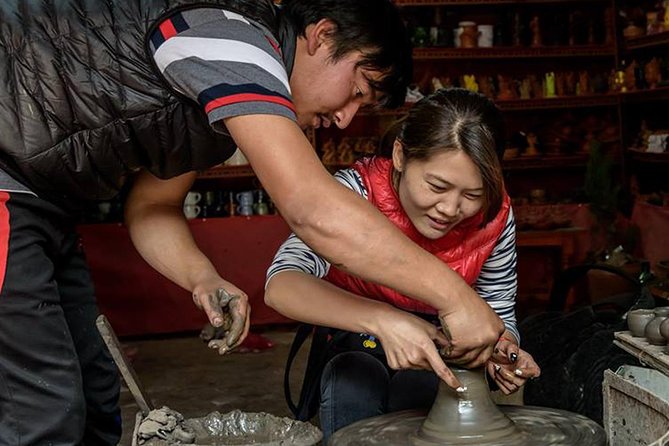
It’s a UNESCO heritage site, and you also get a pottery focus. Bhaktapur is described as a pottery town, so you’ll see artisans making pottery pieces around the pottery square.
If you care about authentic experiences, this is the type of stop that works. You’re not just viewing artifacts, you’re watching craft being made.
A small drawback to consider: Bhaktapur-style Old City walking can be a lot of steps. If you have knee issues, plan for slow breaks and comfortable shoes.
A different sort of day out of Kathmandu:
- Kathmandu: 7 UNESCO Sites with Lunch
★ 4.8 · 744 reviews - Everest Base Camp Helicopter Tour landing at Everest View Hotel
★ 5.0 · 668 reviews - Half day cooking class in Thamel kathmandu
★ 5.0 · 607 reviews - Everest Base Camp Trekking
★ 5.0 · 485 reviews
Nagarkot and a sunset plan: short hike, bigger payoff
Day 4 shifts the mood upward with Nagarkot. The plan includes a small hike toward Sankhu and then a sunset view. That’s the core idea: trade extra museum time for air, views, and a slower pace.
The day’s description also points to Newari culture and UNESCO heritage sites, mentioning impressive gates and the Palace of 55 Windows. Even if you treat those as background context, the point is clear: this day gives you cultural framing plus a view reward.
I like that the sunset is built into the plan instead of being a guess. In mountainous regions, if you miss the timing, you can miss the whole point.
Bring layers. Sunset can feel cold even when the daytime sun is strong.
Nagarkot to Dhulikhel: ridge hiking with valley views and a shrine stop
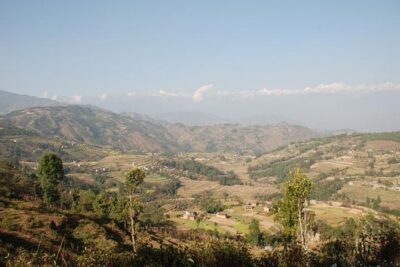
Day 5 is one of the trip’s best “active but not extreme” days. You hike from Nagarkot to Dhulikhel in about five hours. The route is described as a moderate path that descends through factors and connects to ridges with panoramic views.
The itinerary also mentions February conditions. Tracks may be muddy or slippery, so good traction matters more than you think. If you’re traveling in a wet month, pack footwear that handles uneven ground.
There’s also a spiritual stop along the way. You’ll visit the Buddhist shrine of Lokeshwor, also called Nala Karuna Maya, during the trek.
Why this day is valuable: you get both scenery and context. Ridge hiking shows you Nepal’s scale, and shrine stops remind you that mountains and villages share the same cultural map.
Namo Buddha overnight: chortens, evening service, dinner with a monk
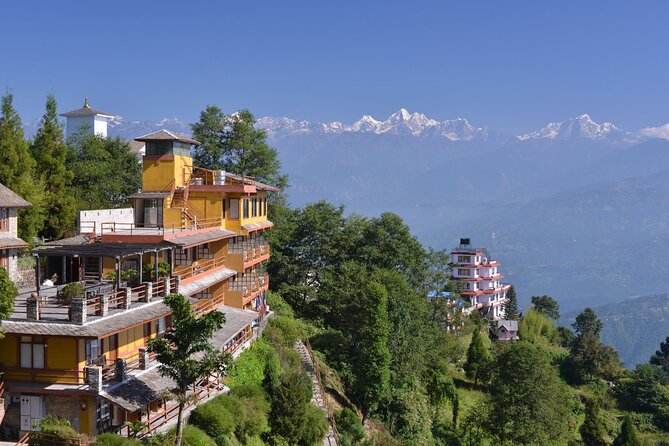
Day 6 takes you to Namo Buddha (Stupa) and does something rare on tours. It’s not only a visit. You stay overnight in the sanctuary and attend an evening service of the Buddha.
The experience is described as including beautiful chortens and monasteries in a Tibetan Buddhist village setting. And one of the best moments in the description is dinner with a monk. That kind of interaction is often the difference between “sightseeing” and “something you carry home.”
In the morning, after returning from your hike, you practice meditation.
A practical consideration: overnight stays in spiritual settings can be quiet and simple. You’re trading hotel luxury for a quieter, more focused kind of travel. If you want hustle and nightlife every night, this portion may feel too calm.
Panauti and the rural living museum: culture class in real life
Day 7 is Panauti, another step deeper into rural Kathmandu Valley life. You explore ancient temples on the trek to a village described as a legend village. Along the way, you stop at a living museum and rural landscapes that feel lived in, not staged.
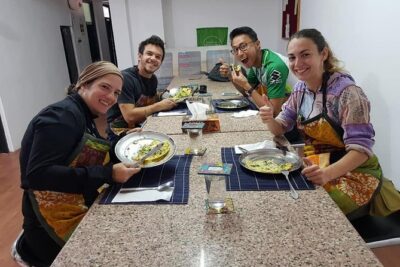
Then you meet a host family who introduces the culture and offers a culinary course. That matters, because food is one of the fastest ways to understand daily life. You’re not just hearing about traditions. You’re learning what people cook and how they think about it.
If you want a souvenir, you’ll likely get a better one from this day: a meal you can recreate and explain.
The only downside is that this day is still a trek. If your hiking endurance is low, you may need to move slower than the group pace.
Chitwan National Park: wildlife time planned for early mornings
Day 8 brings you to Chitwan National Park. It’s described as home to famous Asian wildlife and flora, and you spend a few nights there. It’s also a long day drive to reach, so the itinerary tries to balance travel fatigue with cultural relief.
You’ll stroll through the village in the evening and talk to locals. There’s also a cultural dance during a welcome ceremony, so you don’t feel like you arrived in a cage of safari logistics.
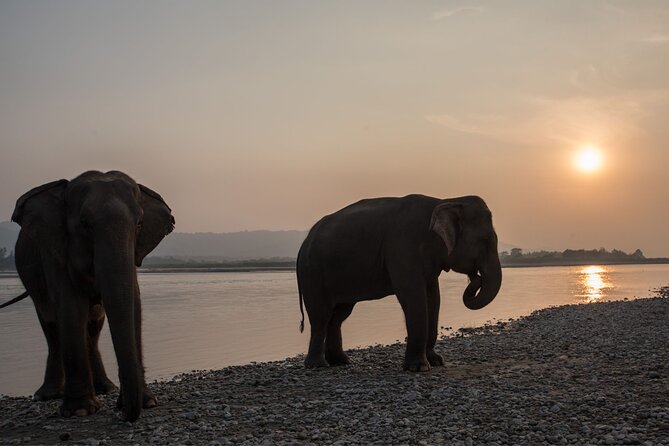
Day 9 is the action day. Chitwan jungle activities include an elephant safari, birdwatching, and a tour of an authentic Indian village. After that, you’ll have a buffet breakfast, and the plan emphasizes early morning as the best time for wildlife adventures.
You may also visit the Elephant breeding center in the afternoon. That’s a conservation-linked stop that can add context beyond just spotting animals.
There’s also mention of a jeep safari around the jungle, which is a smart way to cover ground. And you’ll have cultural performance time at night, including a Tharu dance described as something you should experience.
Important note on elephants: the description states the operator does not endorse elephant rides in many destinations, but it frames the elephant rides in Chitwan as a positive force for preserving the environment. If this topic is sensitive for you, ask your guide what exactly you’ll be doing, before it happens, so you can decide with your own values in mind.
Chitlang stop and viewpoint chances for Annapurna and Everest
Day 10 goes to Chitlang and includes a drive via Daman, described as being on the outskirts of Mumbai. The itinerary then mentions viewing spots for Annapurna and Everest when weather allows.
This section is a little unusual in how it mixes geography references. So here’s my practical advice: confirm with the operator what cities and regions you will actually pass through on your travel dates. You’ll thank yourself when your schedule makes sense day by day.
What you can plan for, based on the description: rhododendron hills and a village feel. The viewpoint portion is the big draw, but it’s weather dependent. When skies are clear, the mountains can be stunning. When clouds roll in, you’ll need to be okay with a reduced view.
If you want controlled expectations, treat this day as a nature break plus a mountain-chance stop, not a guarantee.
Swochandara and Kulekhani: a boat ride plus a quieter Kathmandu Valley edge
Day 11 returns to the Kathmandu Valley area, with an excursion to Swochandara village. The plan includes a short boat ride to Kulekhani as a relaxing stopover, plus time at a human-made lake on the outskirts of Kathmandu.
This is a good “recovery” day. After hikes and safari days, a boat ride and lake time gives your body and brain a break without making you feel like you’re wasting time.
You should still expect some walking around viewpoints and boarding areas. Keep that in mind if your hiking day legs feel heavy.
What you get for $1,200: where the value really comes from
At $1,200 per person for about 12 days, this price can feel steep at first. Here’s how it makes sense if you look at what’s included.
You’re paying for more than transportation. The trip includes:
- accommodation as per the itinerary
- meals as per the itinerary, with breakfasts, lunches, and dinners listed
- national park fees
- a driver/guide and a professional guide
- hotel pickup and drop-off, plus port pickup and drop-off
Those inclusions matter because they reduce decision fatigue. You’re not trying to figure out tickets, park entry, guides, and meal planning while also dealing with altitude and weather.
What’s not included is also clear: excess luggage charges and alcoholic drinks you can purchase. If you bring extra bags, plan for that cost. If you like wine or beer at dinner, budget separately.
Also, this is described as a private tour/activity, meaning only your group participates. Private travel usually costs more, but it can be worth it for flexibility on pace and timing.
Who this Nepal trip suits best, and who should think twice
This is a strong fit if you want a Nepal trip with variety and real local contact. The overview specifically calls out youngsters enjoying family holiday elements, with sacred cows, the living goddess topic, and dreadlocked holy men, plus outdoor sports and trekking options.
You’ll also like it if you enjoy a balance of sacred and wild: temples in Kathmandu Valley, then village treks, then Chitwan wildlife with culture performances.
You might think twice if:
- you dislike hiking or slippery trail conditions
- you want only urban comfort and no overnight in a sanctuary setting
- you feel strongly about how elephants are handled, and you don’t want any uncertainty in what you’ll be participating in
If you’re a family, the structure can work because there are sightseeing blocks and then active blocks. Just be honest with yourself about how much walking your group can handle.
Should you book Local Living Nepal?
My call: you should book if you want a mostly guided, low-stress planning trip that still leaves room for meaningful moments. The combination of Kathmandu temples, Bhaktapur craft sights, ridge hikes, the Namo Buddha overnight experience, and Chitwan morning wildlife time is a compelling arc.
Also, the operator’s reputation in the supplied information emphasizes smooth arrangements and punctual care, with Kumar praised for flawless organization from airport pickup to showing up in the hotel lobby on time. That kind of reliability makes a difference on days when weather changes or the schedule needs flexibility.
Book if you’re okay with mixed terrain and at least a few hours of hiking on multiple days. If you’re aiming for a zero-effort vacation where you never walk more than a short stroll, this probably won’t match your style.
FAQ
Where does the tour start?
The start point is Tribhuvan Airport, Kathmandu, Nepal.
How long is the Local Living Nepal experience?
It is listed as approximately 12 days.
Is hotel pickup and drop-off included?
Yes. Hotel pickup and drop-off are included, and there is also port pickup and drop-off.
Are meals included in the price?
Yes. Meals are included as per the itinerary, with breakfasts, lunches, and dinners listed.
Is this a private tour?
Yes. It is described as a private tour/activity, with only your group participating.
What is included in the cost?
Included items listed are accommodation as per the itinerary, meals as per the itinerary, national park fees, driver/guide, professional guide, and pickup and drop-off services.
What is not included?
Not included are excess luggage charges (where applicable) and alcoholic drinks, which are available to purchase.
Latest Kathmandu write-ups
- Langtang Valley Trek★ 5.0 · 3 reviews
- Khopra Danda Trek★ 5.0 · 3 reviews
- Langtang Valley Trek from Kathmandu★ 5.0 · 3 reviews
- 5 night / 6 days Kathmandu Nagarkot Chitwan Pokhara tour★ 5.0 · 3 reviews
- Nepal Highlights Tour: 5 Nights 6 Days Kathmandu & Pokhara Tour★ 5.0 · 3 reviews
- Kathmandu Valley Private Day Tour★ 5.0 · 3 reviews
- Conquer the Himalayas: The Ultimate 16-Day Annapurna Circuit Trek★ 3.5 · 3 reviews
- Kathmandu Heritage Day Tour★ 5.0 · 3 reviews
Kathmandu Tours, compared.


Private Kathmandu Sightseeing Tour | UNESCO World Heritage sites
Read our review →

Everest Base Camp Helicopter Tour landing at Everest View Hotel
Read our review →