Reviewed · TOURS
Nepal Cultural Highlights Tour in 10 Days
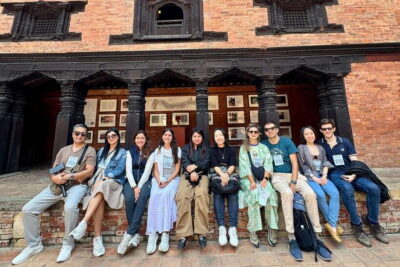
Nepal gets interesting fast when you stop thinking about logistics. This 10-day Cultural Highlights route is built for comfort and simple decision-making: you move between Kathmandu, Chitwan, Pokhara, and Bandipur without spending days figuring out transport. I especially like the small group size and the way the tour keeps you moving so you actually see a lot in a short trip.
The best part for me is that your guide handles the driving and scheduling, so you can focus on what’s in front of you, not what’s next. One consideration: the days with major transfers and early starts mean you should be ready for a few long hours in the car and some mornings that start before you feel fully human.
Key things I’d circle before you go
- Max 10 travelers means you get more personalized attention while still seeing the major highlights.
- Private vehicle transfers connect Kathmandu, Chitwan, Pokhara, and more, so you are not piecing together schedules.
- UNESCO sites included: entrance fees for World Heritage stops are part of the deal.
- Chitwan on the Rapti River gives you canoe time plus bird watching, not just a quick drive-by.
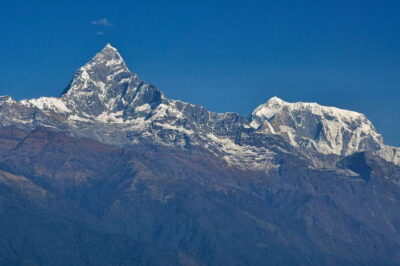
- Sunrise at Sarangkot is the dramatic early-morning payoff with Himalayan views.
- Airport transfer and Thamel hotel pickup make Day 1 feel easy.
A 10-Day Route That Links Kathmandu, Chitwan, Pokhara, and Bandipur
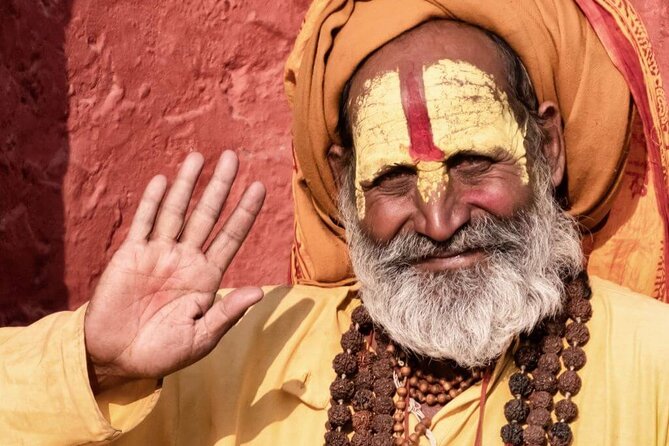
For first-time Nepal trips, the biggest win is avoiding the planning headache. This tour is designed as a loop through three very different worlds: the temples and squares of Kathmandu Valley, the wild side in Chitwan, and the lakeside energy of Pokhara. You also get a final cultural pause in Bandipur before heading back to Kathmandu.
Because it’s a small group limited to 10 people, it feels more like a shared adventure with a plan, not a cattle-herd sightseeing day. And because the tour includes all land transportation by private vehicle, you spend less time waiting around and more time on-site.
Now, a quick reality check on comfort: Nepal road travel takes time, even when it’s efficient. If you dislike long car days, be prepared for a few stretches where the main event is travel plus a scheduled stop or two.
More to compare around Kathmandu
- Kathmandu: 7 UNESCO Sites with Lunch
★ 4.8 · 744 reviews - Everest Base Camp Helicopter Tour landing at Everest View Hotel
★ 5.0 · 668 reviews - Kathmandu: Local Women-Led Nepali Cooking & Momo Class
★ 4.9 · 360 reviews
Kathmandu Valley Day: Thamel Welcome, Durbar Square, and the Stupas Circuit
Day 1 is straightforward and helpful. You land at Kathmandu International Airport, meet your driver outside the terminal, and head to your hotel in Thamel, the classic tourist neighborhood where it’s easy to grab a snack, refill a water bottle, or just get your bearings.
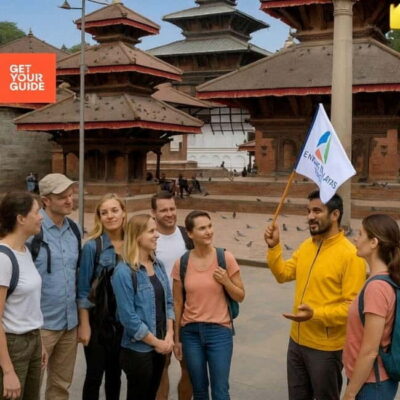
Day 2 is where Kathmandu’s layers start showing. You begin at Kathmandu Durbar Square, a concentrated cluster of old temples and classic Kathmandu architecture. This is not a place to rush. If you like walking slow, noticing carvings, and watching daily life around heritage structures, this stop rewards patience.
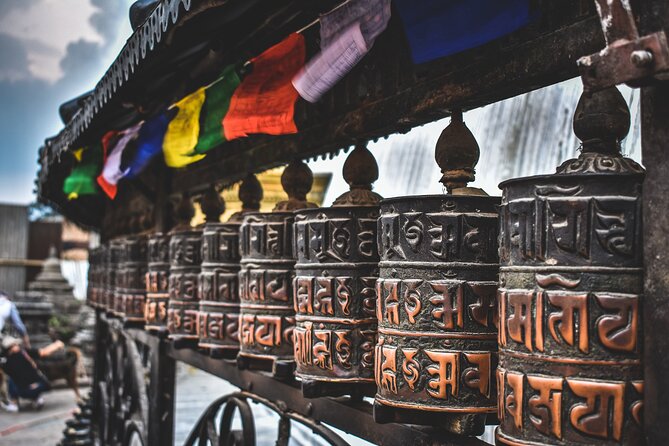
Then comes the stupa run, and it’s a smart way to understand the city. You visit Swayambhunath Stupa, also known as the Monkey Temple, perched on a hilltop. It’s one of those places where you see the city below and feel how highland viewpoints shape the whole Kathmandu Valley experience.
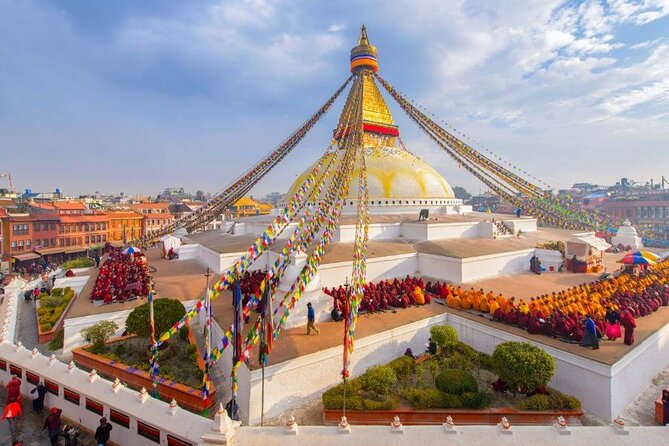
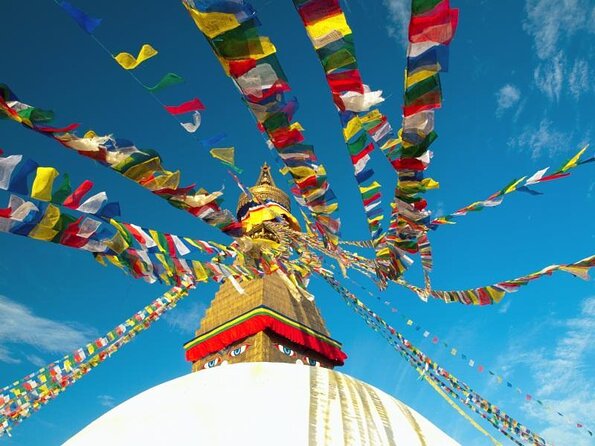
Next up is Boudhanath Stupa, one of the biggest stupas in the world and a UNESCO World Heritage site. The tour includes free time here, and that matters. You can step back, grab lunch at your pace, and watch devotees move through rituals without the pressure of a ticking clock.
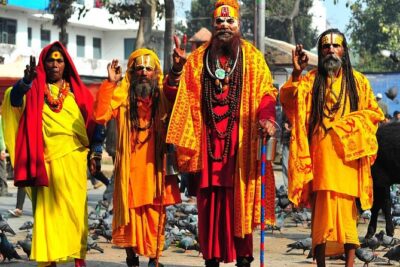
The day closes at Pashupatinath Temple along the Bagmati River. This is an important pilgrimage site for Hindus and, as the itinerary notes, a place where cremation ceremonies take place. If you are sensitive to religious practices you do not fully understand, expect strong visuals and strong atmosphere. The upside is that this is one of Nepal’s most meaningful cultural spaces, and it’s hard to get the same perspective any other way.
Practical note: these heritage sites often mean stairs, uneven paths, and long sightline walking. Comfortable shoes help more than people think.
Patan and Bhaktapur Durbar Squares: Malla-Era Architecture Without the Crowds Anxiety
Day 3 focuses on Kathmandu Valley’s other ancient centers. You start with Patan Durbar Square, another UNESCO World Heritage site. Patan tends to feel calmer than the most famous Kathmandu stops, and it gives you a chance to compare how the same cultural era expressed itself across different cities.
The itinerary includes Krishna Temple within the Patan visit. Even if you are not chasing every religious detail, you’ll likely appreciate the craftsmanship and how these squares work as lived-in spaces, not staged museum halls.
Then you continue to Bhaktapur Durbar Square, described as one of the most preserved medieval city centers from the Malla period. This stop is known for well-preserved local traditions like pottery, which is the kind of detail that makes a heritage site feel real. You are not just looking at buildings. You are watching crafts and routine continuing around them.
If you like history that you can see, not just read, these two days are a strong payoff. The tradeoff is time and stamina. You will be walking through heritage areas, so plan for breaks and water breaks where possible.
Chitwan National Park: Canoeing the Rapti River and Watching Wildlife Up Close
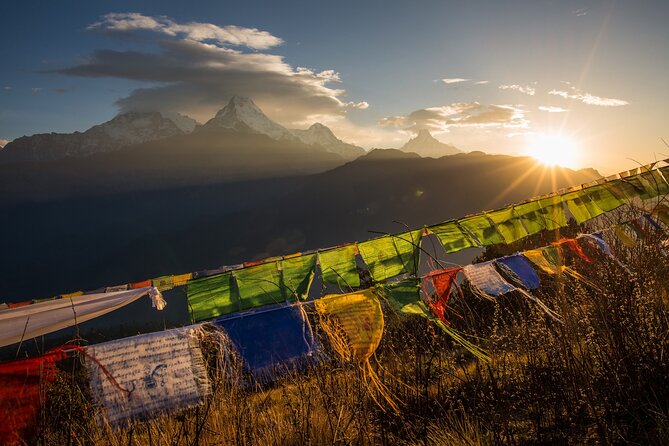
Chitwan National Park starts on Day 4, after a drive of about 160 kilometers from Kathmandu. The long ride is part of the experience, because it shifts you from the city’s temple density toward a landscape where animals matter more than monuments. You arrive with the day’s energy already adjusted, which makes the park feel like a real change, not just another stop.
Day 5 is the wildlife day, and it starts with canoeing on the Rapti River. The itinerary calls out the chance to observe marsh mugger and gharial crocodiles resting by the side of the river. That alone is a memorable, specific reason to choose this tour. You are not guessing about what you will do. You know you’re getting water-based wildlife time.
The rest of the day continues as a park sightseeing block. The itinerary summary does not list every single activity in detail here, but it clearly centers the experience on Chitwan time, not only transit.
Day 6 keeps you in the region for more animal-focused moments with bird watching around the Rapti River bank. The guide explains different species, which is a big help if you do not know what to look for. Bird watching can turn into random bird spotting if you lack context. With a guide’s explanations, you start noticing patterns, behaviors, and calls you would miss alone.
One thing to consider: wildlife days often mean heat, humidity near waterways, and time outdoors. If you have any mobility limits, this is the day-by-day section where you should think ahead about how much standing and walking you can manage.
A different sort of day out of Kathmandu:
- Manaslu Circuit Trek
★ 5.0 · 292 reviews - Kathmandu: Food and Drink Walking Tour
★ 4.9 · 292 reviews - Kathmandu: Full-Day 7 UNESCO Tour with Lunch – Private/Group
★ 4.9 · 247 reviews - Kathmandu: 7 UNESCO Sites Tour in 1 Day (Private Tour)
★ 4.9 · 204 reviews
Pokhara: Sarangkot Sunrise, Devi’s Fall, Gupteshwor Cave, and the World Peace Stupa
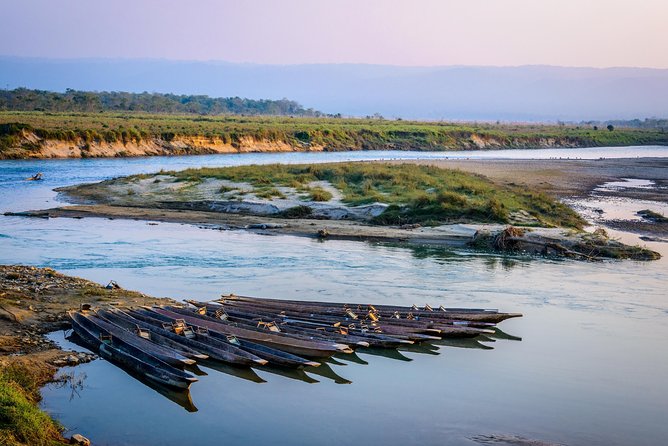
Travel day into Pokhara happens on Day 7 after breakfast. You drive from Lumbini to Pokhara, following the Siddhartha Highway. That highway is described as connecting Terai and mountain regions, so you are getting another big transition in scenery and daily life. The ride is long, about 8 hours, so this is a day where your comfort choices matter, like hydration and a lightweight layer for cooler moments.
Day 8 begins with an early start to Sarangkot for sunrise. This is not a casual viewing stop. The itinerary frames it as the introduction to Himalayan giants, noting 8000+ meter high mountains in view. Even if the visibility is not perfect, the goal here is to catch the mood of early light over the peaks.
After sunrise, you get breakfast, then you head to Devi’s Fall, a well-known waterfall that continues underground, which makes it feel different from the typical cascade. Next is Gupteshwor Cave, across the street from Davis Waterfall, where you can see the waterfall flow from inside the cave area.
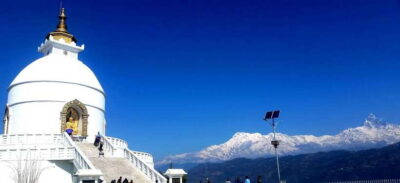
The day wraps with the World Peace Stupa, a white-domed Buddhist monument built by Japanese monks. The stupa sits on a hilltop with views over Phewa Lake, which is a nice closing note after waterfalls and caves. It’s also a good place to slow down, because the day includes a lot of “move, see, move again.”
If you hate rushing, try to keep your own pace during free time. Let the group plan guide timing, but give yourself a few minutes to just look at the water and sky once you reach stupa views.
Bandipur and Back to Kathmandu: A Final Old Town Stop and Airport Transfer
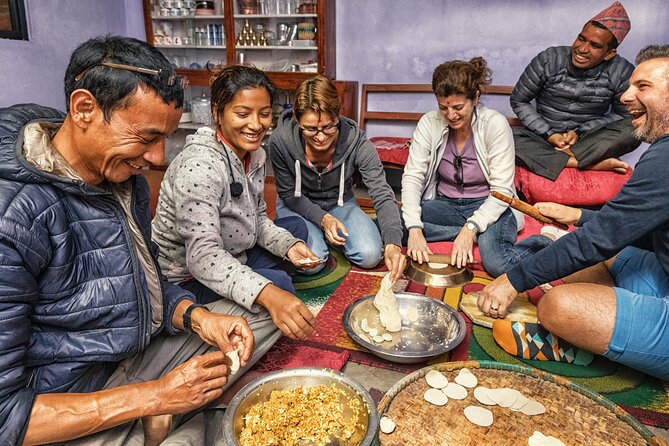
Day 9 brings the return to Kathmandu. The itinerary includes a stop in Bandipur, an old town you explore for about an hour. This is a useful break in the middle of a long travel day, and Bandipur’s role here is simple: you get one last cultural viewpoint before you go back into Kathmandu routine.
Lunch in Bandipur is at your own expense, and then the drive continues for your final night in Kathmandu.
Day 10 is the easy exit. About 3 hours before departure, you are transferred to Kathmandu International Airport for your flight onwards. That timing is practical. It reduces stress and helps you handle airport queues without playing guesswork.
Price and Logistics: Is $1,699 Good Value for What You Get?

At $1,699 for about 10 days, the value question really comes down to what the price covers. In this case, you are not just buying sightseeing. You are buying a package of costs that add up fast in Nepal if you handle them separately.
What you get included:
- Hotels plus all land transportation by private vehicle
- An English-speaking local guide
- Government and local taxes
- World Heritage site entrance fees (where listed)
- Breakfasts and some lunches and dinners (plus drinks not included)
- Transfers like the airport meet on Day 1 and airport transfer on Day 10
What you pay separately:
- Tips for guide and driver
- Travel insurance
- International flights
- Optional upgrades like better rooms
- Donations you might choose to make at temples and monasteries
- Drinks and any extra food not covered by the meal plan
The big value angle for me is the time saved. Your trip includes multiple regions in a short window, and the tour structure is built to avoid you coordinating buses, changing drivers, and hunting down tickets. If you are the kind of traveler who wants to spend energy on sights, not schedules, this kind of package often ends up cheaper than it looks once you add up transportation and entry fees.
The Small-Group Touch: Personalized Attention Without the Private-Guide Price
The “small group limited to 10” part is not just marketing. In practice, it means you can ask questions during heritage stops and actually hear the guide’s explanations, instead of shouting over background noise and trying to keep up. You also tend to have a bit more flexibility in how you move through places like Kathmandu Durbar Square, Bhaktapur, and the stupa areas.
Also, your guide is local and English-speaking, which matters when you want cultural context, not just names and dates. The tour highlights include both religious sites and wildlife activities, so having a guide who can interpret what you’re seeing is a real plus.
One realistic note: group travel still has a schedule. If you love total freedom, you might feel a bit “on rails.” But if you want a smooth, guided loop that hits the key highlights with minimal planning, the group format works.
Who Should Book This Tour, and Who Might Want Another Option
This tour fits best if:
- You are seeing Nepal for the first time and want an efficient route.
- You prefer not to drive yourself or manage multi-city logistics.
- You want heritage highlights plus a wildlife block in Chitwan.
- You like having a guide explain what you’re looking at, from temple architecture to bird species.
It might not fit as well if:
- You want very slow travel with lots of free time for wandering off-script.
- You dislike early starts, like the sunrise outing to Sarangkot.
- You are sensitive to religious ceremonies and strong cultural practices, since Pashupatinath is part of the itinerary.
Should You Book the Nepal Cultural Highlights Tour (10 Days)?
If your goal is a high-hit, low-stress Nepal sampler, this is a strong choice. The combination of Kathmandu Valley UNESCO heritage, Chitwan’s Rapti River wildlife experiences, and Pokhara sunrise views from Sarangkot is a good mix that many travelers struggle to assemble on their own.
Also, the overall rating is excellent, with 4.9 and a strong recommendation rate. That usually signals the company handles the basics well, like timing, transfers, and keeping the group together.
My quick advice: if you can handle long drives and a few early mornings, you will probably love how much you see without doing the planning work yourself.
FAQ
What places does this 10-day Nepal tour include?
It covers Kathmandu (including Thamel and multiple UNESCO heritage sites), Patan and Bhaktapur Durbar Squares, Chitwan National Park, Pokhara (including Sarangkot), and Bandipur, with airport transfers at the start and end.
How many travelers are in the group?
The tour is limited to a maximum of 10 travelers.
Is pickup from the airport included?
Yes. On arrival at Kathmandu International Airport, your driver meets you outside the terminal and transfers you to your hotel in Thamel.
What transportation is included?
All land transportation is included by private vehicle.
Does the tour include hotel stays and a guide?
Yes. Hotel accommodation is included, and you travel with an experienced English-speaking local tour guide.
Are entrance fees included?
Entrance fees for World Heritage Sites are included.
What meals are included?
Breakfast is included (9 breakfasts). The tour also includes 2 lunches and 2 dinners. Drinks and food not specified as included are not included.
What activities are planned in Chitwan?
You’ll go canoeing on the Rapti River, and you’ll have bird watching time around the Rapti River bank.
What’s included in the Pokhara portion?
You’ll visit Sarangkot for sunrise views, see Devi’s Fall, visit Gupteshwor Cave, and end the day at the World Peace Stupa.
Are tips and travel insurance included?
No. Tipping for the guide and driver is not included, and travel insurance is also not included.
Is free cancellation available?
Yes. Free cancellation is available, and you can cancel up to 24 hours in advance for a full refund.
Latest Kathmandu write-ups
- 16 Days Island Peak Climbing With Everest Base Camp Private Trip★ 5.0 · 3 reviews
- 15 Days Round Annapurna Trek with Poon Hill from Pokhara★ 5.0 · 5 reviews
- Private Nepal round trip including Ghorepani Poonhill trek★ 5.0 · 3 reviews
- Everest Base Camp Trekking 16 Days★ 4.0 · 7 reviews
- 14 Days Luxury Annapurna Base Camp Trek★ 5.0 · 6 reviews
- Everest Base Camp Trek★ 5.0 · 32 reviews
- Everest Base Camp Trek★ 5.0 · 87 reviews
- Everest Base Camp Trek★ 5.0 · 97 reviews
Tours, compared.
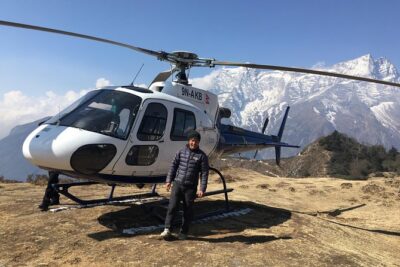
Everest Base Camp Helicopter Tour landing at Everest View Hotel
Read our review →
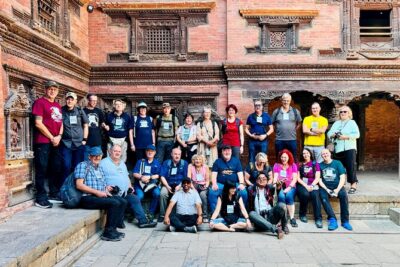
Kathmandu Spiritual Sites: Bodhnath & Pashupatinath Tour
Read our review →