
Reviewed · PASHUPATINATH TEMPLE
Pashupatinath Temple, Hindu Crematorium and Aarati in-depth Tour
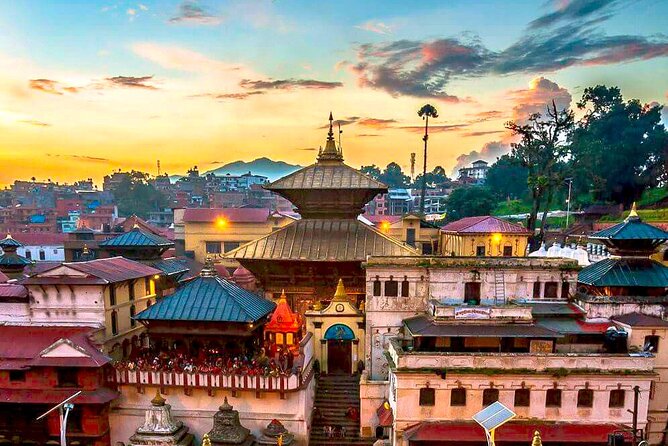
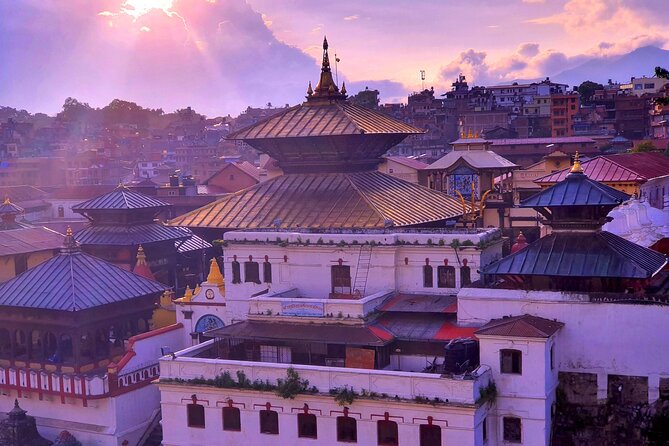
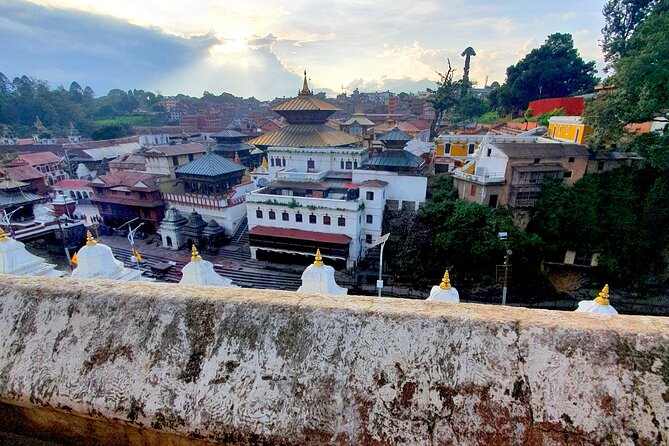
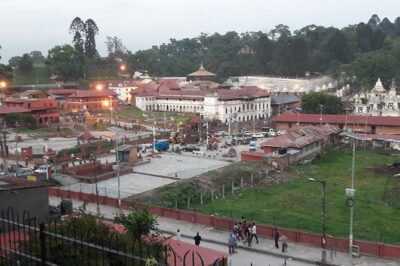
Pashupatinath Temple in Kathmandu is one of those places where you feel history and living faith at the same time, not just as a museum stop. This Pashupatinath Temple, Hindu Crematorium and Aarati tour is interesting because it connects temple rituals, a cremation site, and the evening aarti in one logical route along the Bagmati River.
I especially like the guided interpretation, including explanations supervised by an expert with a PhD in Tangible and Intangible Heritages of Pashupatinath. I also love that you get to watch the ceremonies unfold in real time, from temple grounds to the crematoria area, then finish with Sandhya Aarati as priests perform lamp and incense rituals.
The main drawback is that the crematorium visit can feel heavy. If you are not comfortable with death-related rituals or intense moments, plan your mindset before you go, and keep the tour respectful and slow.
Key highlights you will actually remember
- PhD-level heritage context that explains practices in a logical, scientific way
- Temple walking time that helps you spot details you would miss on your own
- Crematoria stop with live explanation from experts connected to the Pashupati Area Development Trust
- Sandhya Aarati by priests with incense and lamp rituals witnessed alongside local people
- Bagmati River bank aarti experience aimed at Shree Pashupatinath, not a generic performance
Pashupatinath Temple in Kathmandu, where faith has street-level presence
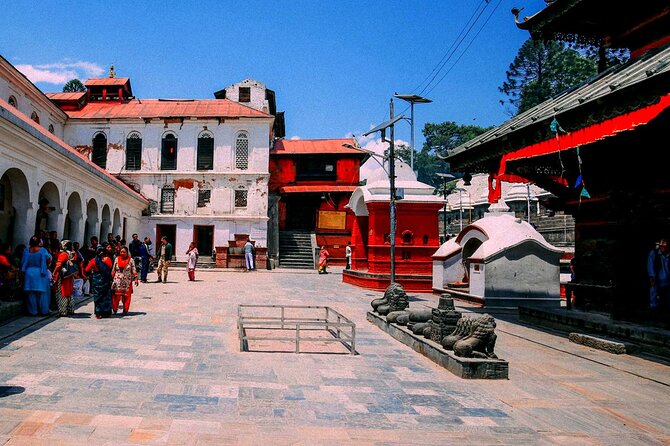
This is not a quiet, hands-off viewing experience. The Pashupatinath complex is active, and the tour route puts you where the symbolism is happening, not just where it is described on a signboard.
I like how the guide approach keeps you grounded. You do not just get stories, you get context for why people do things a certain way, from temple practices to the cremation process and the way evening worship works by the river.
Also, expect your senses to do part of the work. In one guide-led session, I noticed the mix of incense smells and temple sounds, bells especially, which helps the place feel real.
More at Pashupatinath:
- Kathmandu Spiritual Sites: Bodhnath & Pashupatinath Tour
★ 5.0 · 185 reviews - Kathmandu: Pashupatinath Temple Evening Aarati Tour
★ 5.0 · 36 reviews - Kathmandu: Pashupatinath Temple Aarti Night Tour
★ 4.8 · 29 reviews
Timing, pickup, and how this 4 to 5 hour schedule works in real life
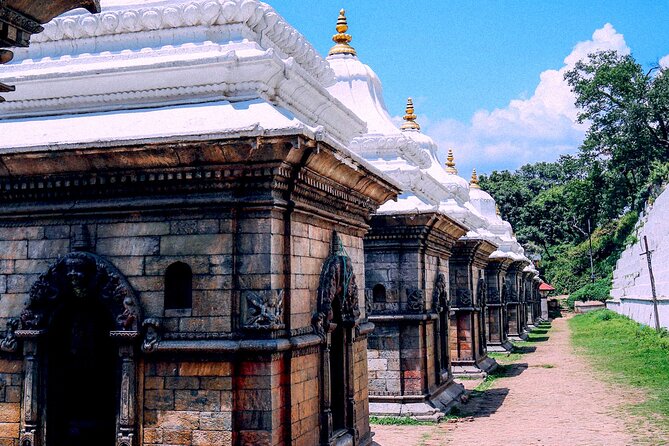
The tour runs about 4 to 5 hours, starting at 2:00 pm. That afternoon start matters because it sets you up to end with Sandhya Aarati, which is the kind of timing that makes the day feel like a complete loop instead of three disconnected stops.
Pickup is offered and you ride in private transportation. The tour is private for your group, so it is easier to ask questions without feeling rushed or shoved into a crowd.
The duration can feel long, and one reviewer noted that 5 hours passed fast. Still, if you dislike long walking sessions or prefer tight schedules, know this is a half-day with sustained attention.
Stop 1: Pashupatinath Temple, finding meaning behind the sights
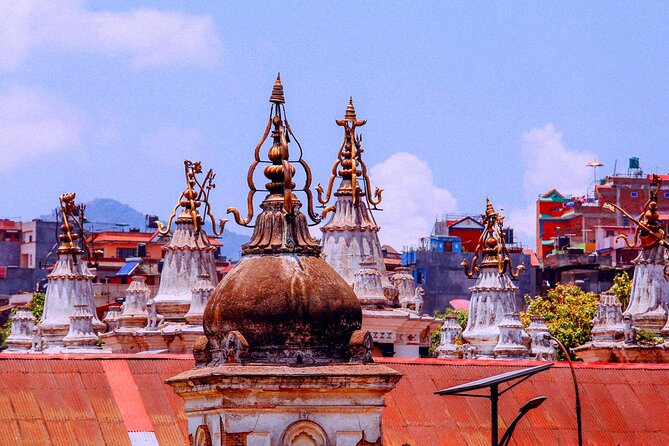
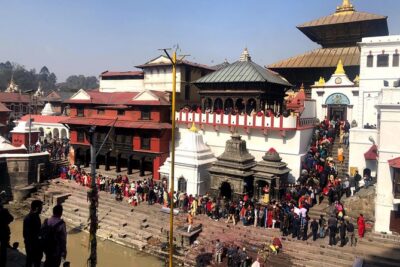
This first phase is about 2 hours, and admission is included. You start at the temple grounds where the oldest layers of Hindu devotion show up through architecture, ritual behavior, and daily movement.
What I like here is the guide’s focus on interpretation. In the best moments, the guide explains mythological values and present-day status of Hinduism in a way that feels organized, not vague. I also appreciate that you get encouraged to look around, including corners and attractions that you might not find if you just wander.
You will likely notice the practical rhythm of the site. People come with intention, priests work with precision, and worship happens in layers: incense, bells, chanting or calls you can hear nearby, and the steady flow of locals moving through the complex.
One thoughtful detail from the experience is that your guide can guide you through less obvious paths inside the temple area. That turns your visit from sightseeing into understanding what different spaces are for.
Small consideration: temple rules are part of any sacred site. You should follow your guide’s cues closely, especially around areas with active worship.
Stop 2: The Hindu crematorium area, explained with care and live context
The second stop is about 1 hour at the crematoria area, and admission is included again. This is the portion that most people remember most clearly because it is not staged. It is a real cultural process, explained with a live scenario style approach by experts connected to the Pashupati Area Development Trust.
Here is why this stop is valuable: you see the cremation site in context of Hindu beliefs about life, death, and sanctity. The guide does not treat it like shock tourism. Instead, you get an explanation that ties the ritual steps to the spiritual reasons people understand them.
From a practical angle, it helps to have guidance here. Without a guide, you might not know what you are looking at, or what is happening at each moment. With guidance, the experience becomes educational rather than confusing.
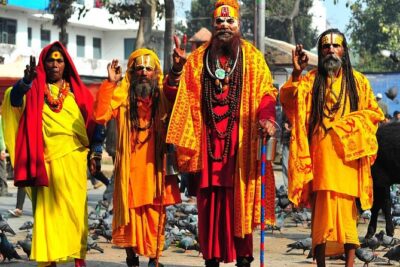
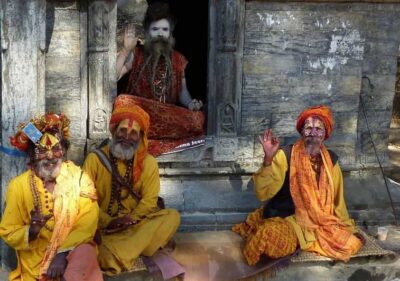
One reviewer described the cremations with the backdrop of holy men, and also mentioned the way animals like bulls and monkeys are part of what you see around the area. That blend of solemnity and everyday life can be jarring, so a good guide’s framing helps you stay respectful while still absorbing what is happening.
Possible drawback: if you are emotionally sensitive about death rituals, this is not the lightest stop. Give yourself permission to take it slowly, ask questions, and step back when you need a breather.
More to compare around Kathmandu
- Everest Base Camp Trek – 14 Days
★ 5.0 · 1,499 reviews - Everest Base Camp Trek
★ 5.0 · 842 reviews - Private Kathmandu Sightseeing Tour | UNESCO World Heritage sites
★ 5.0 · 756 reviews - Kathmandu: 7 UNESCO Sites with Lunch
★ 4.8 · 744 reviews
Stop 3: Ending at Sandhya Aarati on the Bagmati River bank
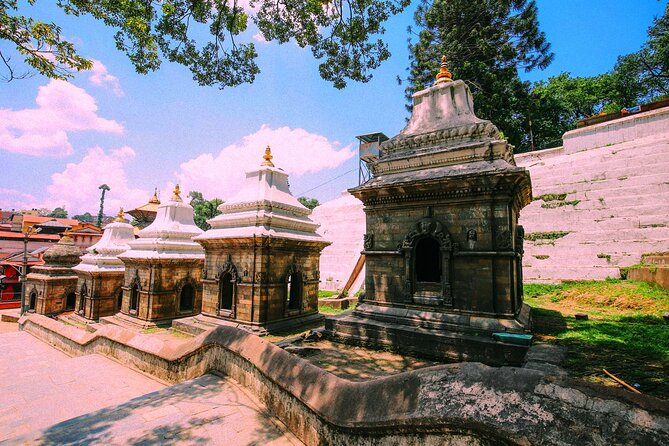
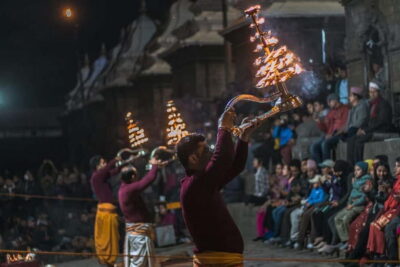
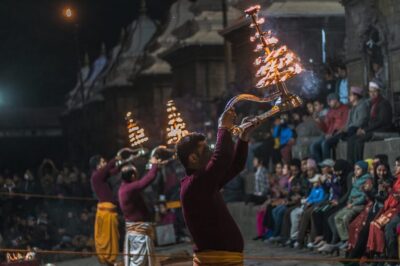
The tour’s final section lasts about 2 hours. This is where the experience shifts from heavy to communal, because Sandhya Aarati is worship performed with lamps and incense in precise priest-led rituals.
Sandhya Aarati is observed by many locals from Kathmandu, so it feels like you are joining something ongoing, not watching a show. I like that the guide keeps you focused on what you are seeing and why it matters, especially how the timing connects the day’s energy to worship at the river.
The Bagmati River bank aarti is a key highlight aimed at Shree Pashupatinath. Even if you are not fluent in the religious vocabulary, you can follow the rhythm: offering, movement, chanting or calls, and the way people gather with devotion.
This ending also makes the full route click. You go from temple meaning to cremation meaning to river-side worship meaning. The symbolism becomes clearer when you experience it in sequence.
Practical note: plan for crowds at the river bank. Your guide’s job is to help you see the important moments without getting in the way.
What you get for $90 per person, and what you still need to budget
The price is $90.00 per person, and it is typically booked about 53 days in advance. That tells me this is a popular slot, so if your dates are fixed, it is smart to lock it in early rather than gamble.
For the money, you get real value that reduces hassle:
- Bottled water
- Private transportation
- All fees and taxes
- Expert guides
- Admission tickets included for the temple and crematoria stops
- Group discounts (if offered for your booking)
- Mobile ticket
- Pickup offered, plus a tour that runs for your group only
What is not included is refreshingly straightforward. You should plan for tips for the guide and driver, and you may want to budget for donations or offerings to sadhus or temples if you choose to participate. If that is not your style, you can treat it as optional.
In my view, the best part of the price is not the logistics. It is the person who can explain what you are seeing. With a guided route that includes cremation and aarti, the context saves you from guessing.
Practical tips so you stay comfortable and respectful
A guided sacred-site visit goes smoother when you show up prepared for the sensory and emotional parts.
Here are the practical things I would do before you go:
- Wear comfortable shoes. You will be walking through a temple complex and around the cremation area and river bank.
- Bring a calm mindset. The crematorium stop is real, not a simplified explanation.
- Stay with your guide’s timing. This tour moves through active ritual areas.
- Use facilities when suggested. A public toilet is available.
- Expect incense and sounds. If you are sensitive to strong smells, know that temple incense is part of the experience.
- Hydrate. Bottled water is included, but still drink.
- Know the area is practical for getting around. It is near public transportation, so logistics are not complicated if you need backup.
If you travel with a service animal, the tour allows service animals, so you can plan without stress there too.
Who this tour is best for, and who should think twice
This tour fits you best if you want more than photos. You should like religious culture, ritual behavior, and the chance to ask questions in a respectful setting.
It also works well if you enjoy “why” questions. The guiding style here aims to connect beliefs to today’s world in a logical and science-adjacent way, not just myth as entertainment.
You might think twice if you:
- Do not handle death rituals well
- Prefer light, purely historical sightseeing
- Want zero exposure to intense scenes
For the right traveler, this becomes a Kathmandu highlight that feels both educational and deeply human.
Should you book this Pashupatinath crematorium and Aarati tour?
I think you should book it if you want a full, guided loop through Pashupatinath Temple, the crematorium area, and Sandhya Aarati on the Bagmati River bank. The mix of expert guidance, included admission, and a tight finish with priest-led aarti makes it a strong value compared to doing these stops separately and trying to understand them on your own.
If you are sensitive, do not avoid the tour blindly, just go in prepared. Tell yourself the crematoria stop is the hardest part, take breaks when needed, and let your guide handle the explanation so you can stay respectful without getting lost.
Also, since it is a popular half-day option booked well in advance, I would not wait until the last minute if your schedule is tight.
FAQ
How long is the Pashupatinath Temple, crematorium and Aarati tour?
The tour runs about 4 to 5 hours.
What time does the tour start in Kathmandu?
The start time is 2:00 pm.
Does the tour include the crematorium and Sandhya Aarati?
Yes. It includes a visit to the Hindu crematoria area, and it ends with Sandhya Aarati (lamp and incense offering) at the temple.
Is admission included in the price?
Yes. Admission tickets are included for the temple and crematoria stops.
What is not included in the $90 price?
Tips for the guide and driver are not included, and donations or offerings to sadhus or temples are also not included.
Can I cancel and get a refund?
Yes. You can cancel for a full refund if you cancel at least 24 hours before the experience starts.
Latest Kathmandu write-ups
- 10 days Annapurna Base Camp Trek★ 5.0 · 5 reviews
- Visit Swayambhunath and Bauddhanath Stupa with Guide★ 5.0 · 5 reviews
- Langtang Trek from Kathmandu 7 Days★ 5.0 · 5 reviews
- 7 Day Kathmandu Pokhara Tour★ 4.5 · 5 reviews
- Island Peak Climbing with Everest Base Camp★ 5.0 · 5 reviews
- Chandragiri Hill Cable Car Tour with Hotel Transfers from Kathmandu★ 4.5 · 5 reviews
- Everest Mountain Flight★ 5.0 · 5 reviews
- Kathmandu city day tour (4 world heritage sites)★ 5.0 · 5 reviews
Pashupatinath Temple, compared.
Pashupatinath Evening Aarati: Few Divinely Hours in Kathmandu
Read our review →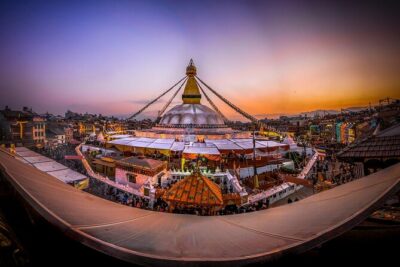
Private Half-Day Tour of Boudhanath and Pashupatinath Temples in Kathmandu
Read our review →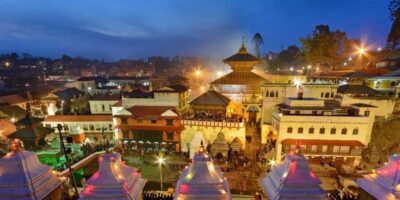
Browse the lists this tour appears in