
Reviewed · POON HILL TREK
Poon Hill Trek
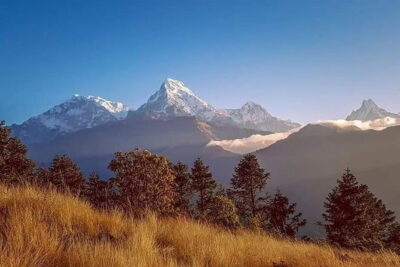
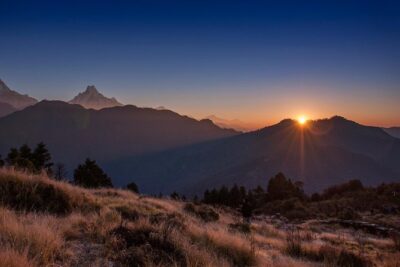
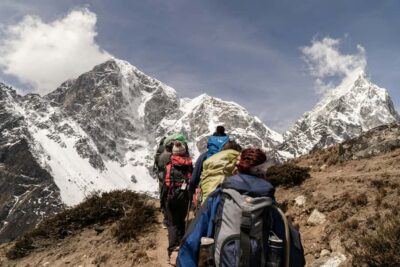
Poon Hill is famous for a reason. You get a front-row sunrise view over the Himalayas, with peaks spread across the horizon and a 360-degree feel in the early light. This route also aims you at serious altitude scenery, including views of Mt Dhulagiri (8167 m) and Mt Annapurna (8091 m).
I like two things about this trip a lot. First, the logistics are handled, so you are not juggling transport between Kathmandu and Pokhara. Second, the trek is guided end-to-end with a licensed English-speaking guide plus porter support, which makes the harder stair days more manageable.
One drawback to plan for: this is not a walk-in-the-park. You will face lots of stairs on the Ulleri side and you need good weather for sunrise views.
Key highlights at a glance
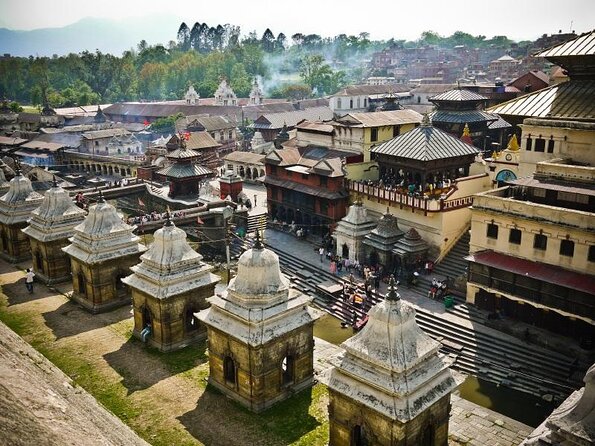
- Poon Hill sunrise panoramas with Dhaulagiri I, Annapurna I, and Manalsu, plus the Kali Gandaki Gorge viewpoints
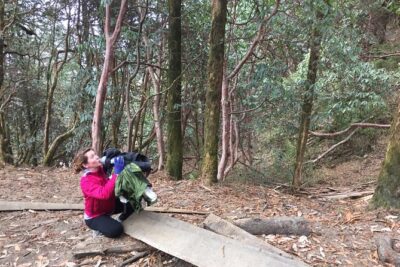
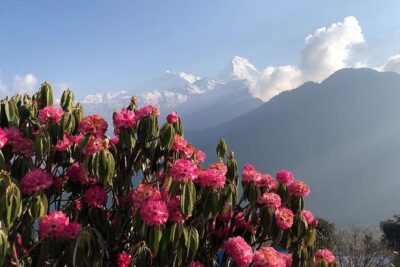
- Ulleri Stairs hiking through magnolia and rhododendron forests, with chances to spot Nepal grey langur monkeys in the trees
- Teahouse style accommodation on trek days, with full-board meals included
- Real crew support with a fluent English-speaking licensed guide and a porter ratio (each 2 guests get 1 porter)
- Permits included for the Annapurna Conservation Area Project
- Private group experience so you trek with just your party, not a mixed crowd
Why Poon Hill Sunrise Hits So Hard
If you like mountains, you already know the basics: Himalaya sunrise equals pink light, dramatic shadows, and camera-ready peaks. What makes Poon Hill special on this trek is the way it puts you where you can take in multiple key elements in one sitting.
Your early morning plan is centered on a wide panorama. From Poon Hill, you are set up for views of three big named peaks: Dhaulagiri I, Annapurna I, and Manalsu. You also get sightlines toward the Kali Gandaki Gorge, including a sense of how steep and dramatic this valley system is. And there is a neat geographic detail in the description: the trans-Himalayan ranges create a visible border area between Nepal and Tibet from the viewpoints you are aiming at.
Another practical plus is that the “big moment” is not buried under a complicated itinerary. You are not spending your whole trip waiting for the payoff. Instead, the sunrise day is built into the middle of the trek rhythm, then you continue walking the same day afterward.
Now, the honest part. Sunrise depends on weather. This experience specifically requires good weather, and if conditions do not cooperate, you will be offered a different date or a full refund. That means you should bring patience and a flexible mindset.
More Ghorepani and Poon Hill departures:
- 4 Days Poon Hill Trek
★ 5.0 · 94 reviews - Ghorepani(Poonhill Trek)
★ 5.0 · 81 reviews - 4-day Poon Hill Trek
★ 5.0 · 74 reviews
Your 7-Day Route: Kathmandu to Pokhara, Then the Trek Loop
This is a 7-day experience on paper, and it really helps to see the shape of it. Think of it as two city transfer days, then four trek days, then one more return day.
Day 1 is all about arrival calm. You get picked up from Kathmandu International Airport, transferred to your hotel, and get a briefing about the trekking. That briefing matters more than people expect, because you will be walking stair-heavy routes and waking up early for sunrise.
Day 2 is a long travel day with views. You drive from Kathmandu to Pokhara, about 8 to 9 hours. Even if you are sleepy, this is time when you can start seeing the mountain range from roads and viewpoints along the way, then also from Pokhara itself.
Day 3 begins the trek. You drive to Hile, which is your trekking starting point. After lunch at the start, you begin walking. This first day is described as very stair-focused, but it is also where you get your first close look at countryside scenes and village life, along with meadows and forest sections.
Day 4 continues with a major climb. This is when the Ulleri Stairs take center stage. After steep ascent through forests of magnolia and rhododendrons, you keep moving through the day’s hiking.
Day 5 is the sunrise centerpiece. You begin early, head to Poon Hill for the panoramic sunrise experience, then return to the lodge for a late breakfast before continuing the trek. You then hike from Ghorepani toward Tadapani, and this stretch is known for lots of up and down, not just one big climb.
Day 6 shifts to descent and relaxation. You trek down to Ghandruk, then you drive to Pokhara. That last drive is the payoff, because it turns a hiking day into a “we are done” feeling quickly.
Day 7 finishes the loop by driving back to Kathmandu.
If you are trying to match this to your vacation schedule, the key is this: you are not only buying four days of walking. You are buying the transport and the coordination that get you from city to trail and back again.
Day-by-Day: What Each Stop Really Feels Like
Day 1, Kathmandu arrival and trekking briefing
You land in Kathmandu, then get picked up and taken to your hotel. The team also gives you a trekking briefing. In practice, this is the part that helps you stop overthinking: what to expect on the trail, how the days are paced, and how the early sunrise day works. It also sets expectations for equipment and effort level since you are dealing with stairs later.
More to compare around Kathmandu
- Everest Base Camp Trek – 14 Days
★ 5.0 · 1,499 reviews - Everest Base Camp Trek
★ 5.0 · 842 reviews - Private Kathmandu Sightseeing Tour | UNESCO World Heritage sites
★ 5.0 · 756 reviews - Kathmandu: 7 UNESCO Sites with Lunch
★ 4.8 · 744 reviews
Day 2, Kathmandu to Pokhara with mountain views
Pokhara is your base before the trekking starts. The drive is long at 8 to 9 hours, so I treat it like a reset day. If you can, plan to arrive, eat well, and rest. You may not feel like taking photos the whole way, but you can still catch glimpses of mountain country from the road and from Pokhara afterward.
Day 3, Hile start and stair-heavy first hiking day
After driving to Hile, you eat lunch and start hiking. This day is described as having a lot of stairs, which is not a dealbreaker, but it changes the way you pace yourself. Instead of focusing on speed, you will focus on cadence: steady steps, short breaks, and keeping your breathing controlled.
The best part of Day 3 is that it is not only stairs. You also pass through countryside and local village areas, with sections that feel like meadows and jungle. For culture-minded hikers, this is where you begin to see how daily life looks along the trail.
Day 4, Ulleri Stairs through magnolia and rhododendrons
Day 4 is the steep climbing day. The route is described as winding through forests of magnolia and rhododendrons. If your timing lines up with flowering season, the sights and scents get a major upgrade.
There is also a small wildlife moment mentioned: you might spot a Nepal grey langur monkey chirping as it moves through the treetops. This is the kind of detail that makes a stair climb feel less repetitive, because your eyes keep moving.
Day 5, Poon Hill sunrise and the Ghorepani to Tadapani slog
This is your early start day, with Poon Hill panoramic views of Dhaulagiri I, Annapurna I, and Manalsu. You also get Kali Gandaki Gorge visuals and the way trans-Himalayan ranges help shape the Nepal and Tibet boundary line from viewpoint angles.
After sunrise, you return to the lodge for a late breakfast, then head back onto the trail. The hike from Ghorepani to Tadapani is described as notoriously hilly, with lots of up-and-down. So yes, you get the big morning payoff, then you keep working your legs in the afternoon.
The good news is that the path is surrounded by dense, flowering forests. That matters on a hard hiking day because scenery helps you keep going.
Day 6, down to Ghandruk, then back to Pokhara
On Day 6, you trek down to Ghandruk and then drive back to Pokhara. That means the day is less about grinding up new altitude and more about steady descent. Descent is still work, especially for knees and calves, but it usually feels like the road to finishing.
Day 7, Pokhara to Kathmandu
You drive back to Kathmandu to end the experience. This is when you can finally get back to a normal day pace, eat city food, and plan your next stop.
What the Team Adds: Guide Care, Porter Support, and Teahouse Rhythm
On paper, the trip includes an English-speaking licensed guide and a porter support setup: each 2 guests get 1 porter. In real terms, that changes your experience on stair-heavy days. You are still hiking, but you are not alone with the weight and logistics.
The included plan also covers accommodation on trek days on a guest house basis, plus full-board meals during trekking days (breakfast, lunch, and dinner). That is a huge stress reducer. When you arrive at a teahouse, you are not trying to figure out where to eat or what is open. You just follow the day’s rhythm.
The crews behind this also come up in a strong way in service stories. Names that show up include Mr Shree Ram and Mr Nabaraj, plus porters like Ashuk. Other guides mentioned in experiences include Sheeram, Bimal, Ashish, and Abishek. Across those stories, the common theme is care and support, including adapting the plan based on weather and on what the group needs.
If you are thinking about value, focus on this: the trekking days are the centerpiece, but the guide and porter team shape whether those days feel smooth or chaotic.
Also included are small but useful extras like a first aid box and a duffle bag if you need it. Seasonal fruits are included if possible, which might sound minor, but it is the kind of touch that can make you remember a trek as a sequence of pleasant moments rather than just effort.
Price and Logistics: Is $450 a Good Deal Here?
At $450 per person, this trek is priced as a full package rather than a barebones hike. You are not only paying for trail time. You are paying for the stuff that usually turns into hidden hassle: airport transfers, city-to-city transport, permit handling, and staff on the ground.
Here is what is covered according to the plan:
- Private transportation, including Kathmandu airport transfer by private vehicle
- Kathmandu to Pokhara tourist bus transfer, and the return Pokhara to Kathmandu tourist bus transfer
- Full-board meals during trekking days
- Guest house basis accommodation during trekking days
- Fully escorted trek with a fluent English-speaking licensed guide
- Porter support (each 2 guests 1 porter)
- Annapurna conservation area permits (Annapurna Conservation Area Project permits)
- First aid box, plus duffle bag if you need it
- Food and accommodation and salary for Nepali trekking staff
- Insurance for the guide and porter
What is not included:
- Nepal entry visa fee (US$40)
- Lunch and dinner in Kathmandu and Pokhara city
- Battery charges, laundry, phone calls, and hot shower during trekking days
- Personal trekking equipment and clothing
- Drinks, bar bills, and other personal nature expenses
- Travel insurance (it is mandatory for emergency coverage)
- Tips for the crew (not compulsory, but expected)
- Any other things not mentioned
So is $450 good value? I would say yes if you want a guided trek where you do not have to arrange the major moving parts yourself. If you are comfortable designing your own transportation, chasing permits, and organizing meals, you might find cheaper. But most people pick a package because the time savings and mental load reduction are worth something.
A smart way to judge this price is to itemize what you would otherwise pay for on your own: transport between Kathmandu and Pokhara, guide fees, porter fees, permits, and the coordination around sunrise timing.
What to Pack and How to Prepare for the Hard Parts
This route includes stair-heavy hiking on the Ulleri side. That means you should prepare for repeated climbs, not one big dramatic push.
I recommend thinking in terms of three needs:
- Foot comfort for stairs and uneven steps
- Warm layers for early mornings (especially on sunrise day)
- Day-to-day essentials for staying hydrated and moving steadily
The tour does not include personal trekking equipment and clothing, so you should plan to bring your own footwear and layers. It also does not include hot showers during the trek, so you should expect basic teahouse hygiene rather than spa-level comfort.
Also plan your energy around early starts. Sunrise day requires you to get going early for the Poon Hill viewpoint, then you will still walk afterward. That is why the included late breakfast and lodge return matters.
If you are hiking with children or first-timers, this trip can still work because it is described as suitable for all types of trekkers and family holiday attendees. But stair-heavy days still test stamina, so pacing and breaks will matter.
Weather, Sunrise, and the Backup Plan
This experience requires good weather. If the sunrise view can’t happen due to poor weather, you will be offered a different date or a full refund.
That is the part I want you to take seriously when booking. If your schedule is extremely tight with no flexibility, make sure you understand you might have to shift dates. On the other hand, the refund option reduces risk if the weather truly derails the trek goals.
Who Should Book This Poon Hill Trek?
This is a good fit if you want:
- A classic Nepal viewpoint trek with sunrise as the headline
- Support from a guide and porter ratio, especially on stairs
- A structured plan that covers transport, permits, and full-board meals during trekking days
- A private group setup, so you do not have to share the experience with unrelated hikers
It also fits solo hikers who want confidence and structure. It can fit families as well, based on how the trek has been organized for families in the past, including trips with young children.
The main reason to reconsider is if stairs and steep climbs are a hard no for your group. The itinerary explicitly includes lots of stairs and steep climbing days.
Should You Book Nepal Trek Hub for Poon Hill?
If your dream is the sunrise panorama over major Himalayan peaks, and you want the trip run like a smooth operation, this package makes sense. I like that the price includes the big logistics you would otherwise have to sort out yourself, plus the comfort details on trek days like full-board meals and guesthouse accommodation.
I would only tell you to skip it if you know your group cannot handle stair-heavy hiking or if you have zero flexibility for weather-based changes. Otherwise, book it, pack for stairs and early starts, and take the sunrise moment seriously. It is the kind of view that makes the effort feel worth it.
FAQ
Where is the meeting point and what time does the experience start?
You meet at Tribhuvan Airport, Kathmandu, Nepal, with a start time of 7:15 am.
Do you get airport pickup in Kathmandu?
Yes. The included plan offers Kathmandu International Airport transfer by private vehicle, and Day 1 includes pickup from the airport plus transfer to your hotel and a trekking briefing.
How many days is the trek, and how long is the full experience?
The itinerary runs for about 7 days total. The trekking itself covers about 4 days, from the Hile start through the descent to Ghandruk, then driving back to Pokhara and returning to Kathmandu.
Are meals included during the trekking days?
Yes. Meals are included on a full board basis during trekking days, with breakfast, lunch, and dinner each day while you are trekking.
Is the Nepal visa fee included?
No. The Nepal entry visa fee is not included and is listed as US$40.
Is travel insurance included?
No. Travel insurance is not included, and it is described as mandatory in case of emergency.
What happens if the weather is bad or I need to cancel?
The experience requires good weather. If it is canceled due to poor weather, you will be offered a different date or a full refund. You can also cancel for free up to 24 hours in advance for a full refund, but cancellations within 24 hours are not refunded.
Latest Kathmandu write-ups
- Langtang Valley Trek★ 5.0 · 3 reviews
- Khopra Danda Trek★ 5.0 · 3 reviews
- Langtang Valley Trek from Kathmandu★ 5.0 · 3 reviews
- 5 night / 6 days Kathmandu Nagarkot Chitwan Pokhara tour★ 5.0 · 3 reviews
- Nepal Highlights Tour: 5 Nights 6 Days Kathmandu & Pokhara Tour★ 5.0 · 3 reviews
- Kathmandu Valley Private Day Tour★ 5.0 · 3 reviews
- Conquer the Himalayas: The Ultimate 16-Day Annapurna Circuit Trek★ 3.5 · 3 reviews
- Kathmandu Heritage Day Tour★ 5.0 · 3 reviews
Poon Hill Trek, compared.
4-Day Ghorepani, Poonhill & Ghandruk Mountain Trek
Read our review →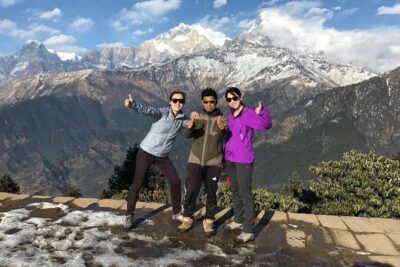
Browse the lists this tour appears in