Reviewed · TOURS
Sabbatical in Nepal: A Mixture of Nature, Culture & Spiritual Experiential Tour
Nepal works best when you mix tones, not just check boxes. This 10-day route strings together Kathmandu Valley UNESCO sites with a Chitwan National Park wildlife finish, plus sacred Lumbini and classic lakes-and-viewpoints days in Pokhara. I really like that it covers major spiritual sites and heritage areas without turning any one day into a slog. I also like that a lot of the money drains up front are handled for you, especially UNESCO entrance fees and the Chitwan park/safari components. The one drawback to consider is pace: you’ll ride a lot in a day, so if you get road-weary, plan for it.
What I enjoy most is how the trip shifts gears. You start in Kathmandu’s old-world temples and squares, then chase morning light over the Himalayas, then step into the Buddha story at Lumbini, and finally end in the Terai with birds, rivers, and possible tiger-adjacent awe from safari time. It is a classic Nepal sampler, but with enough structure to keep it feeling like an experience, not a scramble.
Key Highlights Worth Booking For
- UNESCO site entrance fees included, so your time goes to sights, not ticket lines
- Sarangkot sunrise viewpoint with a short hike, plus Phewa Lake reflections and a lake temple stop
- Lumbini’s Maya Devi Temple paired with other Buddha-context sites like Kudan Stupa and Tilaurakot
- Chitwan wildlife time built around bird watching plus jeep safari or elephant safari options
- Tharu village cultural evening with a ticketed stick dance show included
- A true “from hills to Terai” flow, shifting from Kathmandu to Pokhara to Lumbini to Sauraha
What You’re Really Paying For: Value Over Random Costs
At $2,724.30 per person for about 10 days, this is not a budget crawl. You are paying for organization: an air-conditioned vehicle, a driver and language guide, hotels with breakfast in several key towns, most meals, and paid-entry items that add up fast in Nepal.
Here’s what that means for your actual travel day:
- You do not have to piece together logistics between Kathmandu, Bhaktapur, Pokhara, Lumbini, and Chitwan. Ground transport is included.
- You are not guessing which tickets matter. UNESCO entrance fees are included, plus national park entry and the safari guide and vehicle in Chitwan.
- You are not constantly hunting for meals. Breakfast is included for 9 mornings, with lunch included, and dinners included for 9 evenings. In Chitwan specifically, breakfast, lunch, and dinner are provided during your wildlife and culture time.
One practical note: the tour includes a standard 3-star hotel level in each main stop (Bhaktapur, Pokhara, Lumbini, Chitwan/Sauraha, and then Thamel in Kathmandu after the tour). That matters because you are in multiple cities, and it keeps the trip from feeling like you’re always changing guesthouses and taking chances.
If you like travel structure, this price starts to make sense. If you prefer total freedom, you might resent how much is already locked in. For me, the sweet spot is clear: this is for people who want Nepal’s big scenes, with less friction.
More to compare around Kathmandu
- Everest Base Camp Trek – 14 Days
★ 5.0 · 1,499 reviews - Everest Base Camp Trek
★ 5.0 · 842 reviews - Private Kathmandu Sightseeing Tour | UNESCO World Heritage sites
★ 5.0 · 756 reviews
Kathmandu Valley Heritage Day: Swayambhunath, Durbar Squares, and Living Culture
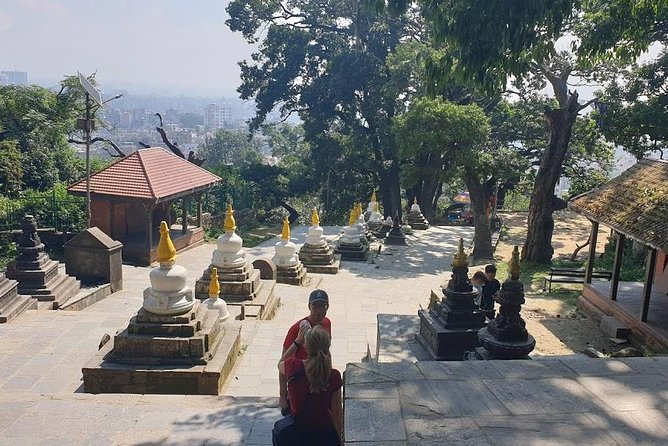
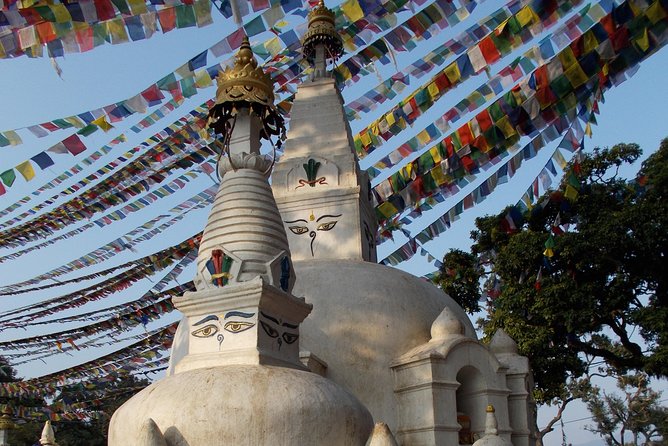
Your first days in the Kathmandu Valley set the tone fast. You start with a classic hill-top view stop at Swayambhunath, also known as the Monkey Temple. This place is popular for a reason. It is a temple complex where prayer moves in layers, literally. You’ll see plenty of religious activity, plus that steady Kathmandu mix of worshippers, pilgrims, and tourists.
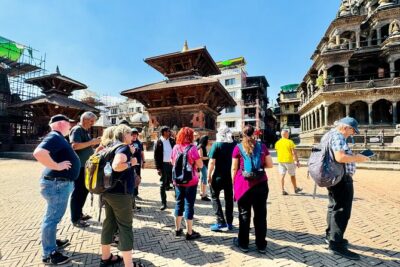
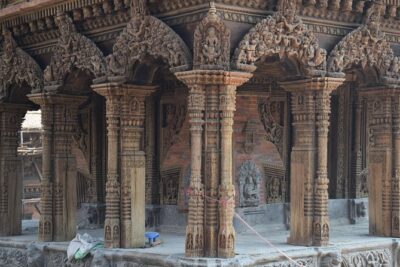
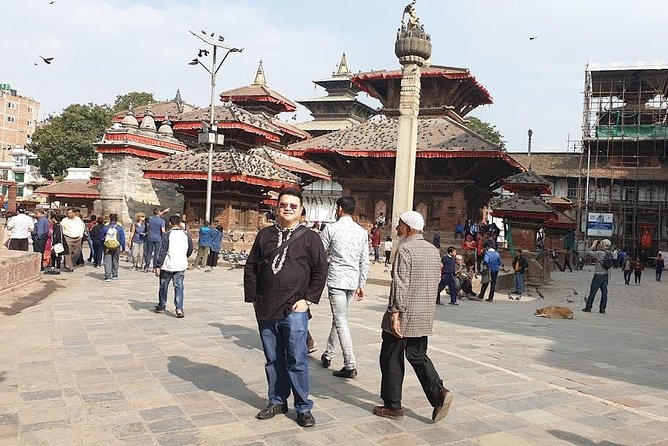
From there, you go to Kathmandu Durbar Square and Hanuman Dhoka, where you can look up at the details and down at the crowds at ground level. This is the kind of stop where you notice architecture and also notice people using space, not just photographing monuments. You’ll have time around the area, including the Kumari ghar (living goddess residence) and the surrounding temples and museum space.
Then comes the wider Valley sweep on the next day: Boudhanath Stupa, Pashupatinath Temple, Patan Durbar Square, and Bhaktapur. I like that the sequence gives you variety in religious styles and artistic language. You move from large-scale stupa devotion at Boudhanath, to intense shrine energy at Pashupatinath (a UNESCO-listed complex), to Newari craft and temple layout at Patan Durbar Square.
A consideration here is crowd intensity. Some major temples can feel busy, especially during big festivals like Maha Shivaratri at Pashupatinath. Even outside peak festivals, expect busier-than-peaceful moments. That’s not a deal-breaker, but it helps you set expectations.
Bhaktapur Crafts and Pottery Square: Old Skills, Real Workshops
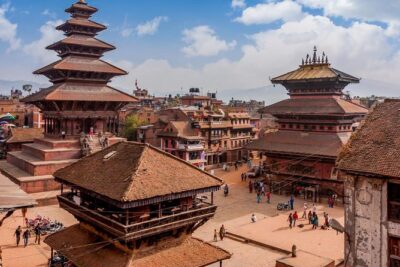
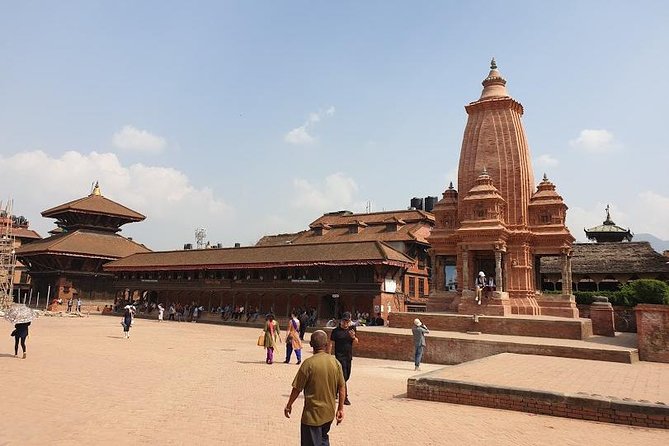
Bhaktapur is where the trip leans into hands-on craft energy. You’ll spend time around the historic area and stop at highlights like the 55 windowed palace and Nyatapola, a five-storied temple.
Then comes the best “actually see it happen” stop: Pottery Square. You’re not just browsing finished souvenirs. You can watch how things are made, including seeing the firing process from behind the shops. It’s one of those places where your brain keeps switching between tourist mode and curiosity mode, because there’s real work going on.
This is also where I think the trip earns its “mix of nature, culture, and spirituality” promise. You’re not only visiting sacred sites. You’re seeing how craft and daily life sit side-by-side in the same city.
Pokhara’s Viewpoints and Water Stops: Sarangkot, Phewa Lake, and Falls
After Kathmandu and Bhaktapur, you head to Pokhara by road, including a drive passing the Trisuli River. Road time in Nepal can feel like part of the experience if you settle in early, because the scenery shifts constantly.
In Pokhara, the schedule focuses on three things:
1) big mountain light
2) calm water
3) geologic weirdness
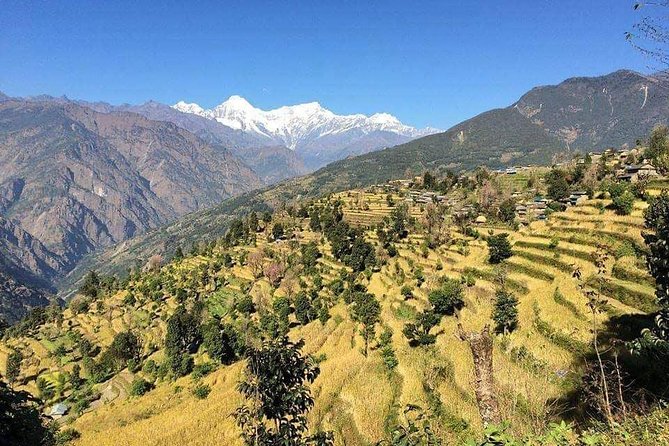
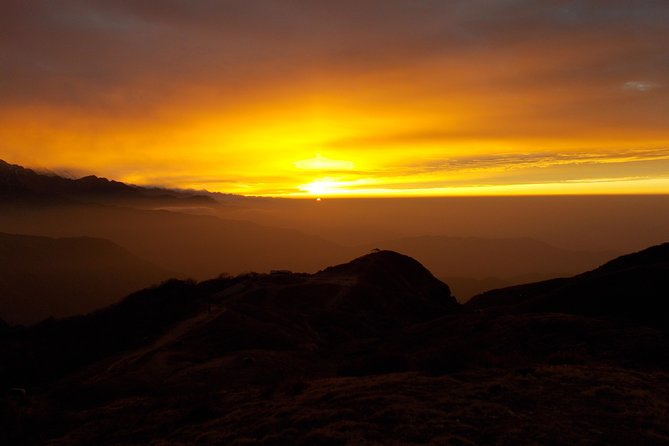
First is Sarangkot, where you go early for a Himalaya sunrise view. The plan includes a short hike after a short drive to the hill. I like this setup because it’s not a full-day climbing project. It’s more like a “good effort for a real payoff” moment. Yes, it means an early start, but it beats chasing views later when haze can win.
After that, you go to Phewa Tal for boating. This is where the trip makes room for a slower tempo. There’s also Tal Barahi Temple in the middle of the lake, and you’ll often catch the postcard idea of mountains reflecting on still water, including peaks like Machhapuchhre and others in the Annapurna and Dhaulagiri ranges.
Then it turns into “only Nepal” time with Devi’s Fall (also called Patale Chango, underworld waterfall) and the adjacent Gupteshwor Mahadev cave. The water passes through a cave space, which gives the whole thing a slightly mysterious, storybook vibe. Even if you don’t understand every geological detail, it’s visually memorable.
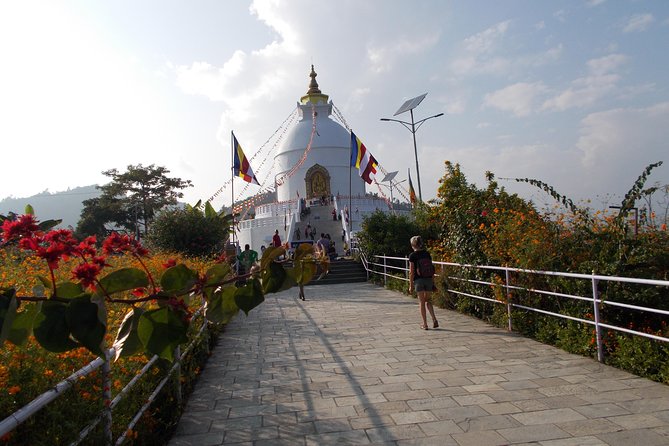
If you still have energy, you also visit the World Peace Stupa, which gives a calmer, wide-angle feel after the busier falls area.
A different sort of day out of Kathmandu:
- Kathmandu: 7 UNESCO Sites with Lunch
★ 4.8 · 744 reviews - Everest Base Camp Helicopter Tour landing at Everest View Hotel
★ 5.0 · 668 reviews - Half day cooking class in Thamel kathmandu
★ 5.0 · 607 reviews - Everest Base Camp Trekking
★ 5.0 · 485 reviews
Lumbini in Full Context: Maya Devi Temple and the Buddha’s Geography
Then you shift from Kathmandu hills and Pokhara’s lakes down toward Lumbini. The route includes a drive via Palpa, described as moving from hilly region into the Terai region. That is a real change in Nepal’s feel, and it matters because your body notices it. The air, the driving, the pace of life, it all shifts.
At Lumbini, your first major stop is Maya Devi Temple, tied directly to the birthplace story of Siddhartha Gautama. You’ll spend a few hours in the UNESCO-area setting, and it’s not just one building. It’s an area with meaning, so the visit feels like being in a living timeline.
You then continue with other Buddha-context sites:
- Kudan Stupa, tied to the belief that this is where Buddha first met his father, King Suddhodhana, after enlightenment.
- Tilaurakot, associated in archaeological thinking with Kapilavastu, where Buddha grew up and later lived with Yasodhara.
I like that these stops make Lumbini feel more than scenic. You get geography for the story, not just a single monument.
A small heads-up: this part of the trip is spiritual in a quiet way. If you want pure adrenaline, it might feel gentler than Pokhara and Chitwan. But that’s the point. It gives your head time to catch up.
Terai Transition to Sauraha: Getting to Chitwan Without the Stress
After Lumbini’s sacred ground, you drive toward Bairahawa for the night, described as the main travel gateway to the Buddhist pilgrim circuit. The next morning brings the move to Sauraha, the village gateway to Chitwan National Park.
This stretch matters because it sets you up for the wildlife day that comes right after. You get rest and lunch on the way into Chitwan, which keeps the safari day from feeling like a battle you have to win.
Also, the tour includes a stop at Siddharthanagar along the way. That’s not a “major landmark” stop in the way Durbar Squares are, but it’s useful as a geographic waypoint and helps connect the story and the travel.
Chitwan Safari and Tharu Culture: Birds, Rivers, and Real Animal Chances
Chitwan is where the itinerary finally cashes in on the nature promise. The schedule sets you up with culture first, then wildlife.
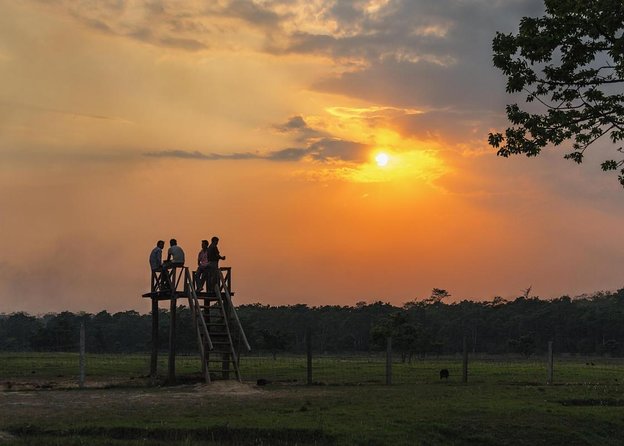
In Sauraha, you do a Chitwan Tharu Village visit focused on close observation of Tharu lifestyle and daily activities. There’s also a riverside sunset view and a Tharu cultural stick dance show in the evening, with the show ticket included. This is one of the best parts of the trip because it adds context. You’re not only visiting a park, you’re meeting people who live near it and carry traditions tied to the natural world.
Then you hit Chitwan National Park early for bird watching. The plan calls out more than 400 migrant local bird species, which is a huge cue for what kind of wildlife experience this is. If you love birds, this part will make you grin.
After breakfast, you do a safari, either jeep safari or elephant safari. A jeep safari is described as the fastest way to explore the wide park area. That phrasing matters if your priority is time in the vehicle rather than a slower pace.
A balanced expectation check: this is a wildlife park, not a zoo guarantee. The included plan gives you the best odds through early timing and established safari methods, but it does not promise a specific animal sighting. Still, the chance of seeing wildlife up close in Chitwan is the whole reason most people come here.
How to Make This Trip Feel Easier: Timing, Comfort, and Guide Support
This tour is private, meaning it’s only your group. That tends to help with flexibility at small moments, like when you linger at a temple detail or want to move at a steady rhythm through a market.
You also get pickup offered, and the meeting point is Thamel Grand Hotel in Kathmandu. After the tour, it ends back at the meeting point or continues based on your flight schedule, so plan your final day in Kathmandu with enough buffer for airport timing.
What you should pack for this kind of trip, based on how the days are built:
- Comfortable walking shoes for temple stairs and the short hill hike at Sarangkot
- Layers, especially if you’re out early for sunrise
- Patience with roads, because multiple days include long drives between cities
One more trust signal: this company is led by Shiva, and at least one past guest credited Shiva with welcoming them warmly and helping shape a longer plan after arrival. It suggests a human side behind the logistics, not just a schedule machine.
And finally, consider your “comfort vs. culture” ratio. Some days are active and some are contemplative. If you like structure but also like breathing room, you’ll get it. If you hate early mornings, sunrise day will be the one you grumble about.
Price and Logistics: Pickup, Private Group, and Included Tickets
Let’s connect the cost to the tangible inclusions:
- Air-conditioned vehicle and ground transport throughout the route
- Driver and language guide
- Hotels with breakfast in Bhaktapur, Pokhara, Lumbini, and Chitwan/Sauraha, plus a standard hotel in Thamel after the tour
- Lunch, plus breakfast and dinner counts listed as included
- Entrance fee of all UNESCO World heritage sightseeing site
- National park entry fee, plus safari guide and vehicle
- Tharu cultural evening show ticket
- All activities including jungle safari in Chitwan
What is not included is straightforward: international flights, travel insurance, and tips for guide and driver, plus any extra expenses not listed.
If you are comparing this price to DIY travel, remember the big difference: the included items prevent cost surprises. Most of the expensive parts are already handled: entry fees, park logistics, and vehicle time between regions.
For who this makes the most sense:
- You want a guided, structured Nepal route with minimal planning
- You want both spirituality and wildlife, not just one theme
- You are comfortable paying for convenience, especially for the Chitwan safari components
Should You Book This Nepal Sabbatical Tour?
I’d book it if you want an easy-to-follow Nepal overview with meaningful stops. This itinerary does a strong job covering Kathmandu Valley heritage, Pokhara viewpoints and water scenery, Lumbini’s Buddha geography, and Chitwan’s wildlife and birding energy, all with entry fees and safari basics included.
I would hesitate if your top priority is total free time, or if you really dislike early mornings and long driving days. This trip is designed to move. It will give you a lot in 10 days, which is great for many people, but it’s still a packed circuit.
If you want a Nepal trip that feels intentional, with paid logistics and major sights already handled, this is a solid choice.
FAQ
What cities are included on this 10-day Nepal tour?
It includes Kathmandu, Bhaktapur, Pokhara, Lumbini, and Chitwan (Sauraha), with the trip ending back in Kathmandu.
Is pickup offered, and where does the tour meet in Kathmandu?
Pickup is offered. The ticket redemption and meeting point is Thamel Grand Hotel in Kathmandu.
How long is the tour?
It runs for 10 days, approximately.
What UNESCO and attraction tickets are included?
Entrance fees for all UNESCO World Heritage sightseeing sites are included.
Is the Chitwan National Park safari included?
Yes. The tour includes Chitwan National Park activities, including the jungle safari, with national park entry fee, safari guide, and safari vehicle included.
Are meals included during the tour?
Breakfast is included for 9 mornings, and lunch is included. Dinners are included for 9 evenings, and Chitwan includes breakfast, lunch, and dinner.
What accommodation level is provided?
The tour includes 3-star standard hotels with breakfast in Bhaktapur, Pokhara, Lumbini, Chitwan (Sauraha), and in Thamel after the tour.
What’s not included in the price?
International flights, travel insurance, tips to guide and driver, and any extra expenses not mentioned as included are not included.
Is this tour private, and what is the cancellation policy?
It is private, meaning only your group participates. Free cancellation is available up to 24 hours in advance for a full refund.
Latest Kathmandu write-ups
- Langtang Valley Trek★ 5.0 · 3 reviews
- Khopra Danda Trek★ 5.0 · 3 reviews
- Langtang Valley Trek from Kathmandu★ 5.0 · 3 reviews
- 5 night / 6 days Kathmandu Nagarkot Chitwan Pokhara tour★ 5.0 · 3 reviews
- Nepal Highlights Tour: 5 Nights 6 Days Kathmandu & Pokhara Tour★ 5.0 · 3 reviews
- Kathmandu Valley Private Day Tour★ 5.0 · 3 reviews
- Conquer the Himalayas: The Ultimate 16-Day Annapurna Circuit Trek★ 3.5 · 3 reviews
- Kathmandu Heritage Day Tour★ 5.0 · 3 reviews
Tours, compared.
Private Kathmandu Sightseeing Tour | UNESCO World Heritage sites
Read our review →
Everest Base Camp Helicopter Tour landing at Everest View Hotel
Read our review →