Reviewed · KATHMANDU TOURS
Spiritual Journey to Kailash Manasarovar 16 Days Overland Trip
Few trips feel this direct, physical, and spiritual at the same time. You travel overland from Nepal into Tibet, reach the high altar of Lake Mansarovar, then walk the Kailash Kora around Mt. Kailash with a team focused on caring for you.
I like that this trip is built around real guidance, not just transport. I’m especially impressed by the repeat praise for the team, including Kashyap and the cooking and porter support, with people saying they felt looked after and motivated on tough moments.
One thing to consider is that altitude and long travel days are part of the deal. You should plan for moderate physical fitness, and remember that some extra costs are not included, like horse and pony options during the Kora and monument entry fees in Kathmandu.
Key highlights you’ll actually feel on the ground
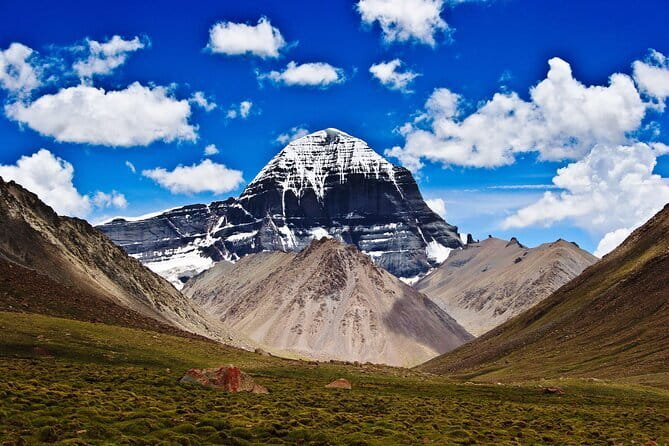
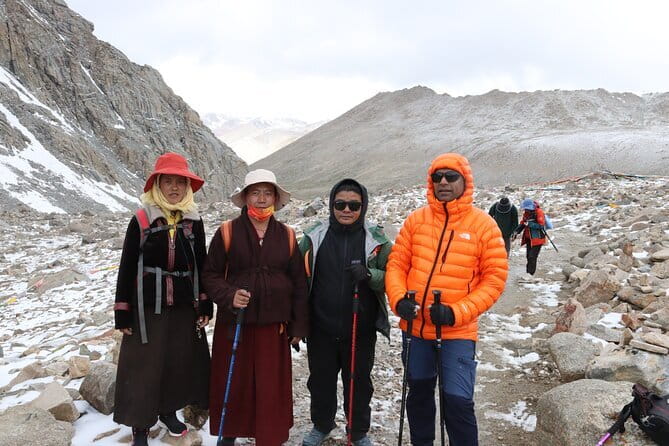
- Kailash Kora with expert support, paced for comfort while still respecting the rugged terrain
- Lake Mansarovar puja on arrival, at one of the highest freshwater pilgrim sites
- Daily health monitoring and an oxygen cylinder option for altitude caution
- Small group size (max 10) plus private transportation for a smoother rhythm
- Kathmandu spiritual warm-up, including Pashupatinath evening aarti
- Team-led care that many people explicitly praise, including Kashyap and the chef and porter crew
Why Mt. Kailash and Mansarovar still feel like a life moment
Mt. Kailash and Lake Mansarovar aren’t just places on a map. They’re part of a long religious tradition where time, breath, and effort all matter. You’ll feel that in how the trip is paced, how you’re guided, and how the spiritual stops are treated with respect.
What makes this itinerary especially compelling is the mix of rituals, travel, and walking. You get Kathmandu’s sacred energy first, then the border crossing and plateau driving, then the lake puja, and finally the Kora segments with real altitude reality.
More to compare around Kathmandu
- Everest Base Camp Trek – 14 Days
★ 5.0 · 1,499 reviews - Everest Base Camp Trek
★ 5.0 · 842 reviews - Private Kathmandu Sightseeing Tour | UNESCO World Heritage sites
★ 5.0 · 756 reviews
The team focus, Kashyap plus chef and porter care
This is one of the strongest selling points, and it shows up again and again in the praise. People highlight the team’s attentiveness, saying the chef, porter, and guide crew stayed on top of needs and helped them feel steady when the journey got demanding.
In practical terms, that matters on a trip like this. You’re dealing with altitude, early starts, road changes, and long days. A calm, organized team reduces the mental load, especially when you’re tired.
Day-by-day flow: Kathmandu starts the spirit before Tibet starts the altitude
Pashupatinath evening aarti on the Bagmati
Your trip begins in Kathmandu with the evening aarti at Pashupatinath Temple, on the Bagmati River. If you care about how religion is lived, not just photographed, this is a great first hit.
The aarti is free with this tour, and it’s timed for that important evening atmosphere when chants, lamps, and devotion fill the riverside air. Dress respectfully and expect it to be crowded near key viewing areas.
A different sort of day out of Kathmandu:
- Kathmandu: 7 UNESCO Sites with Lunch
★ 4.8 · 744 reviews - Everest Base Camp Helicopter Tour landing at Everest View Hotel
★ 5.0 · 668 reviews - Half day cooking class in Thamel kathmandu
★ 5.0 · 607 reviews - Everest Base Camp Trekking
★ 5.0 · 485 reviews
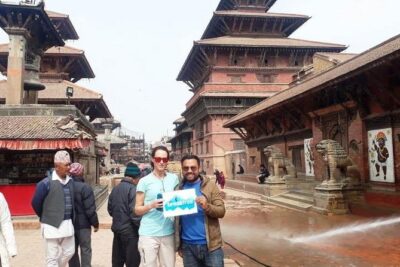
UNESCO stops: Swayambhunath, Boudhanath, Patan Durbar Square
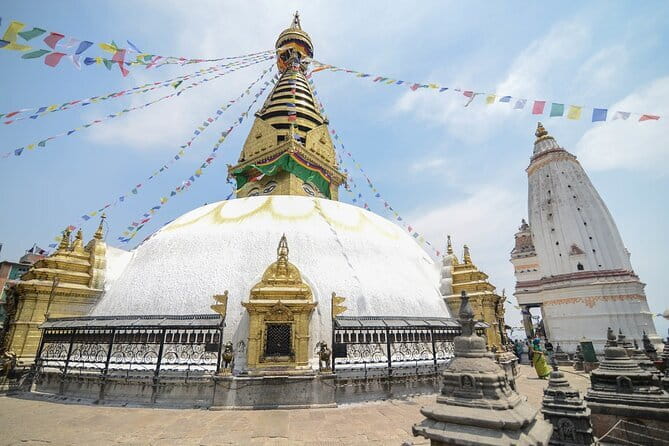
You also get time for classic UNESCO sites around Kathmandu Valley. Swayambhunath (Monkey Temple) gives you temple energy plus big views over the city. Boudhanath Stupa brings a more meditative rhythm, and Patan Durbar Square adds the architecture and royal-era art feel.
If you like easy cultural immersion, this portion is a good warm-up. It’s also a helpful way to build context before you head toward Tibetan spiritual sites.
Bhaktapur’s durbar square and Shiva-focused pilgrimage spots
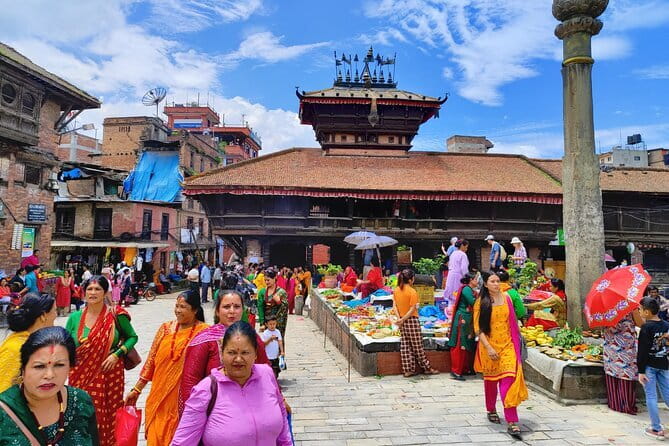
Bhaktapur’s Durbar Square is known for medieval architecture, wooden temples, and landmark sights like the 55-Window Palace area. If you want a slower, more textured feel than central Kathmandu, Bhaktapur is a smart contrast.
You also visit pilgrimage sites connected with Mahadev, including Doleshwor Mahadev, where devotees perform rituals around a lingam. This is less about sightseeing and more about seeing worship practices up close.
Getting your Tibet visa and permit done without chaos
You’ll handle the Tibet visa process while still in Kathmandu. The trip includes help with Tibet visa fees and permit fees, which is huge because this part can be paperwork-heavy.
You should also know the timeline your traveler responsibilities require. Confirmation comes within 48 hours of booking (subject to availability), and you’ll need to send a passport photo within 2 days. Your passport should be valid for at least 6 months.
A practical tip: treat this as a deadline-driven task. If your passport photo timing is sloppy, the trip can stall before it ever reaches the plateau.
Chandragiri Hills plus the pre-border reset
After the visa-related formalities, you drive to Chandragiri Hills. This is not the main spiritual stop of the entire journey, but it works well as a reset day. You’ll stretch your legs, get fresh air, and use the view time to mentally switch from city temples to mountains and altitude.
The admission ticket here is not included, so expect a separate payment. Still, it’s a nice way to “thread the needle” between Kathmandu culture and the Tibet approach.
Crossing into Tibet: Kyirong, then Saga County
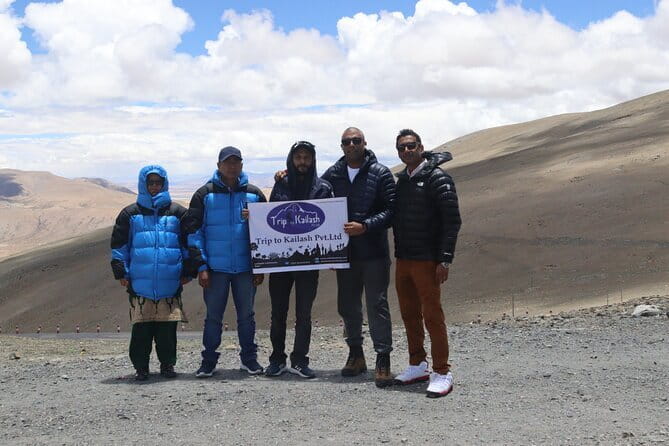
Once you cross the Nepal-Tibet border, the trip shifts from roads you recognize to a wider-open sense of the plateau. You’ll drive to Gyirong Town (Kyirong) first and use that day to acclimatize to altitude.
Then you continue onward to Saga County. This is the stretch where you watch the terrain broaden into wide, high-elevation travel. You may spot nomadic herders and traditional villages along the route, and the long drives start to feel like part of the experience, not just transit.
A reality check you’ll appreciate: overland days can feel long even when the schedule is smooth. Private transportation helps keep the day organized, and the small group size prevents delays from building up.
Lake Mansarovar puja: where the trip turns from travel into ritual
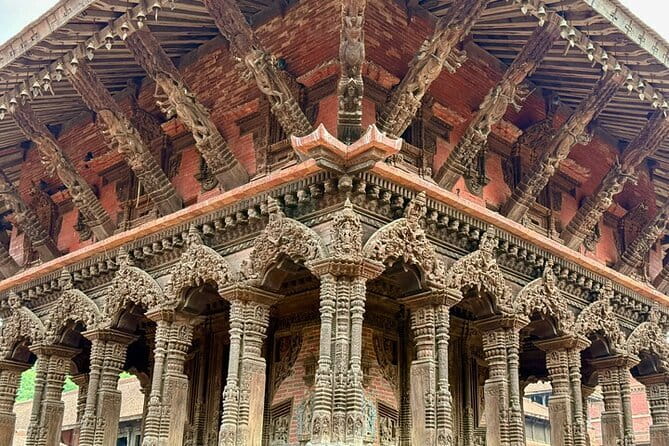
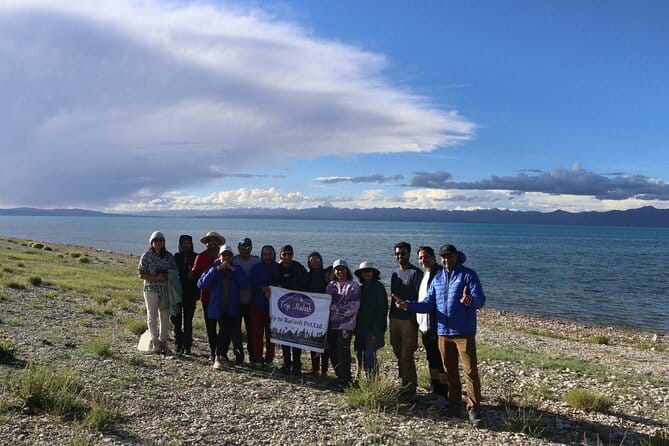
Driving to Lake Mansarovar is one of the emotional anchors. Mansarovar is a sacred pilgrimage site for Hindus and Buddhists, and you arrive at one of the highest freshwater lakes in the world.
The tour includes a spiritual puja on the shores. That turns the lake from a scenic stop into a participation moment. You also get time for the views of Mount Kailash from the lakeside atmosphere, which many people find unforgettable.
This day is listed as shorter than the Kora trek days, but it can still hit hard because altitude tends to affect everyone differently. Take it slow on arrival, sip water, and keep breathing steady.
Darchen and the Kailash Kora: Diraphuk and Zuthulphuk segments
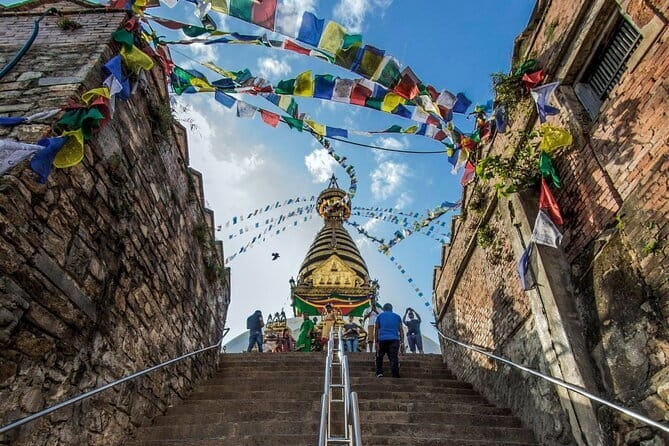
Base camp energy in Darchen
You reach Darchen, the starting point for the Kora circumambulation. It’s where you’ll feel the pilgrim rhythm clearly, because people are preparing for the walk in a way that feels purposeful, not touristy.
From here, you start building the walking mindset. This is a trip where pace matters more than speed.
Day 10: Darchen to Diraphuk
The first Kora leg is a challenging trek through rugged terrain. You’ll get views of Mount Kailash and surrounding Himalayan peaks as you move along.
If you’re planning your expectations, this is where moderate fitness turns into practical endurance. You don’t need to be an athlete, but you do need to be comfortable with sustained walking on uneven ground.
Day 11: Diraphuk to Zuthulphuk via Dolma La Pass
The second day is tougher, because you cross Dolma La Pass, described as the highest point on the trek. That pass crossing is the kind of moment where spiritual meaning and bodily effort overlap.
The tour frames this as spiritual renewal, and I’d treat it that way. Focus on steady breathing, short breaks, and staying calm. If you try to force the pace, altitude usually punishes that choice.
Final leg: Zuthulphuk back to Darchen
The final Kora leg brings you back to Darchen. This is both physical and emotional, because you’re closing the loop you came for.
You’ll want to savor the last stretches and not rush them. It’s common for people to feel a big drop in intensity once the big effort is done, so take time to reflect and keep hydrated.
Horse and pony option is not included
During the Kora, horse and pony fees are not included. If you think you might want that option, plan to budget for it. Your guide team can often help you decide in the moment, but money needs to be ready if you choose it.
Oxygen, health checks, and how the trip handles altitude risk
Altitude is the big variable on this journey. The good news is that the tour includes an oxygen cylinder in case of altitude sickness and provides daily health checkups with blood pressure and blood oxygen monitoring.
That setup doesn’t magically remove risk, but it makes the trip more responsible. It means your team isn’t guessing, and they have a routine for noticing issues early.
My practical advice: take those checkups seriously. If they advise slowing down or adjusting your pace, treat that as support, not as disappointment.
Back on wheels: Saga to Kyirong, then the return to Kathmandu
After completing the Kora, you depart and drive back through Saga County. The drives back can feel surprisingly restorative because you’re shifting from walking effort to road movement and recovery.
Then you return overnight in Gyirong Town (Kyirong) before heading back toward Nepal. Immigration formalities happen at Rasuwa Gadhi border, and then you drive to Kathmandu, listed as about 9 to 11 hours and 265 km.
It’s a long day by any standard. Build in patience and avoid planning anything heavy once you’re back in Kathmandu.
The Kathmandu wrap-up: Shivapuri National Park hiking and airport timing
In Kathmandu, you also include sightseeing and hiking at Shivapuri National Park. This is a smart add-on because it gives you a nature reset without requiring mountain trekking.
Finally, you end after breakfast by departing for Tribhuvan International Airport. The meeting point is Tribhuvan Airport in Kathmandu with a start time of 10:15 am, so you’ll want to plan your arrival or internal transfer accordingly.
Price and value: what you get for $3,999
At $3,999 per person for an approximately 16-day overland trip, you should judge value by risk control and included logistics, not just comfort.
Here’s where the price looks more reasonable:
- Private transportation for a complex route
- Tibet visa fees and permit fees included, which many travelers find stressful to manage
- Accommodation in 3-star hotels in Kathmandu and “best possible” options during the Parikrama stretch
- Full board pure veg meals, with a detailed breakdown of breakfast, lunch, and dinner included
- Daily health checks plus oxygen cylinder for altitude support
- Kathmandu sightseeing and Shivapuri hiking included
- Pick-up offered and a mobile ticket feature for smoother operation
What’s not included, and what you might need to budget:
- Monument entry fees in Kathmandu, roughly around 30 USD
- Horse and pony fees during the Kora
- Personal expenses and tips
My take: this price makes the most sense if you want the hard parts handled. If you’re the type who enjoys managing permits, pacing, and medical contingencies yourself, you might shop around. If you want fewer moving parts, this is built that way.
Fixed departure dates and group size, plan around real constraints
This trip uses fixed departure dates, and in 2024 they’re listed as 12 May, 10 June, 8 July, 11 August, and 9 September. Those dates matter because Tibet permit planning requires lead time.
The tour also notes that you should book at least 20 days in advance so Tibet entry permit processing can happen. If you wait until the last minute, you may run into scheduling limits.
Group size is capped at 10 travelers, which is the kind of number that usually keeps things coordinated on the road and on trek days.
Who should book this Mt. Kailash overland yatra
I think this is a strong match if:
- You want the Kailash Kora experience with a team that stays active and supportive
- You’re comfortable with high altitude realities and want monitoring support
- You prefer small groups over huge buses and scattered meetups
- You value pure veg meals, included logistics, and a structured spiritual flow
You might want to reconsider if you’re looking for a purely comfortable vacation style. The Kora legs include rugged terrain and a high pass, so you should plan for effort.
Also, if you’re traveling with a group above 5 people, the tour says a private tour can be organized. That can be a good option if you want more flexibility while still keeping the care model.
Should you book this Kailash Manasarovar 16-day overland trip?
Book it if you want a trip that handles the big moving parts, from Tibet permits to health monitoring, while keeping the spiritual stops meaningful and not rushed. The most praised aspect in the feedback is the team’s care, including Kashyap and the chef and porter support, and that kind of steadiness matters on a journey like this.
Before you commit, check two things: your readiness for moderate physical fitness at altitude, and your willingness to carry a few extra costs like Kathmandu monument fees and any horse or pony choice during the Kora. If you can say yes to both, this trip is likely to feel like more than travel, it feels like a guided spiritual undertaking with real practical support.
FAQ
Where does the tour start and what time?
The meeting point is Tribhuvan Airport in Kathmandu, Nepal, with a start time of 10:15 am.
Is airport pickup offered?
Yes, pickup is offered.
What is the tour price and duration?
The price is $3,999.00 per person, and the trip duration is 16 days (approx.).
Are Tibet visa and permit fees included?
Yes. Tibet visa fees and permit fees are included.
What kind of physical fitness do I need?
The tour says you should have a moderate physical fitness level.
What medical or altitude support is included?
The tour includes an oxygen cylinder in case of altitude sickness and daily health checkups with blood pressure and blood oxygen monitoring.
What costs are not included during the trip?
Horse and pony fees during Kora are not included, and Kathmandu monument entry fees are roughly 30 USD. Personal expenses and tips are also not included.
Latest Kathmandu write-ups
- Langtang Valley Trek★ 5.0 · 3 reviews
- Khopra Danda Trek★ 5.0 · 3 reviews
- Langtang Valley Trek from Kathmandu★ 5.0 · 3 reviews
- 5 night / 6 days Kathmandu Nagarkot Chitwan Pokhara tour★ 5.0 · 3 reviews
- Nepal Highlights Tour: 5 Nights 6 Days Kathmandu & Pokhara Tour★ 5.0 · 3 reviews
- Kathmandu Valley Private Day Tour★ 5.0 · 3 reviews
- Conquer the Himalayas: The Ultimate 16-Day Annapurna Circuit Trek★ 3.5 · 3 reviews
- Kathmandu Heritage Day Tour★ 5.0 · 3 reviews
Kathmandu Tours, compared.
Private Kathmandu Sightseeing Tour | UNESCO World Heritage sites
Read our review →

Everest Base Camp Helicopter Tour landing at Everest View Hotel
Read our review →