
Reviewed · LANGTANG VALLEY TREK
Trekking in Annapurna/Langtang/Everest/Upper Mustang regions
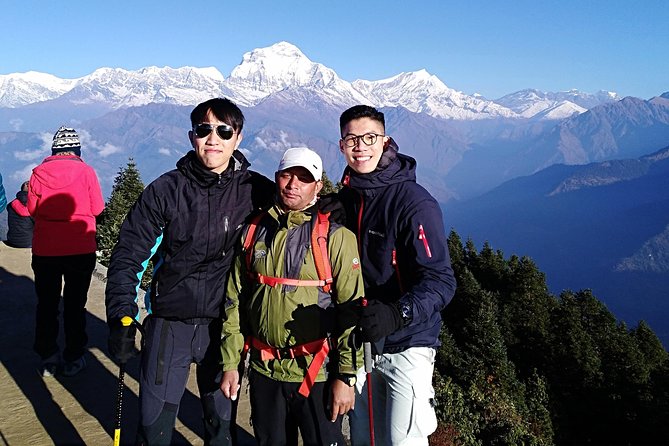
Trekking in the Annapurna or Upper Mustang areas is interesting for one big reason: you get to choose the style of hike, then lean on a guide to handle the details. I like that the experience is built around Pokhara start and finish, so it feels less like you are constantly relocating. You also have Annapurna or Upper Mustang as your route focus, with the option to do a day trek or stretch it into a multi-day plan.
Two things I really like. First, your guide’s food and accommodation are included in the fee, which keeps the budget cleaner. Second, the group cap is up to 15, with a private setup for just your group, so the day tends to feel organized without being crowded. One thing to consider, though: your meals, drinks, and your accommodation during the trek are not included, and you’ll handle those directly with the places you stay or eat.
Key things to know before you go
- Pokhara start and finish keeps logistics simpler than multi-city trip planning
- Annapurna or Upper Mustang routes let you match the hike to your mood and time
- Guide-led planning means the itinerary is shaped with you, not just assigned
- Guide’s lunch, dinner, and accommodation included helps value
- Day treks or multi-day options give real flexibility
- Moderate fitness required helps set expectations so you can enjoy the hike
Pokhara Start and Finish: Why This Trek Runs Smoother
Starting and ending in Pokhara matters more than it sounds. It means you can structure your days around the hike instead of juggling transfers all week. You can also line up an early start without the stress of catching multiple connections.
Another practical win is that pickup is offered. Even if you are already near town, a driver pickup can save you time, especially when you are trying to beat morning weather or crowds. If you prefer doing things low-key, note the experience is listed as near public transportation, so you have options.
Then there’s the small but helpful stuff: a mobile ticket, plus confirmation at booking time. That reduces the back-and-forth you often get with more informal trekking arrangements.
More of the Langtang valley:
- Kathmandu: 6-Day Limitless Langtang Trek
★ 5.0 · 21 reviews - Langtang, Gosaikunda and Helambu Trek
★ 5.0 · 9 reviews - Langtang Gosainkunda Trek
★ 5.0 · 5 reviews
Annapurna vs Upper Mustang: Picking the Right Kind of Trek
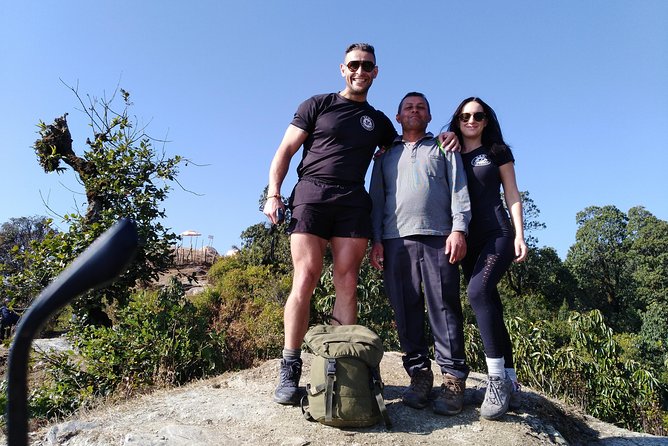
The core choice here is simple: you pick a trek route in either the Annapurnas or Upper Mustang, and your guide arranges the itinerary around that.
Here’s how I’d think about the decision:
- If you want a trek that fits well with a typical Nepal trip rhythm, choose an Annapurna route. The focus is often on mountains plus everyday Nepalese mountain life, with plenty of chances to talk to people along the way.
- If you are drawn to a more distinctive, remote-feeling trekking vibe, choose Upper Mustang. You’ll still have a guide and a plan, but the route choice shifts the flavor of the landscape and villages you experience.
You also get flexibility in how long you want to be out there. Day treks are great when you want a taste and want to be done the same day. Multi-day treks work better when you want slower pacing and more time in the places you pass through.
A Real Guide Makes the Difference: Planning, Communication, and Pace
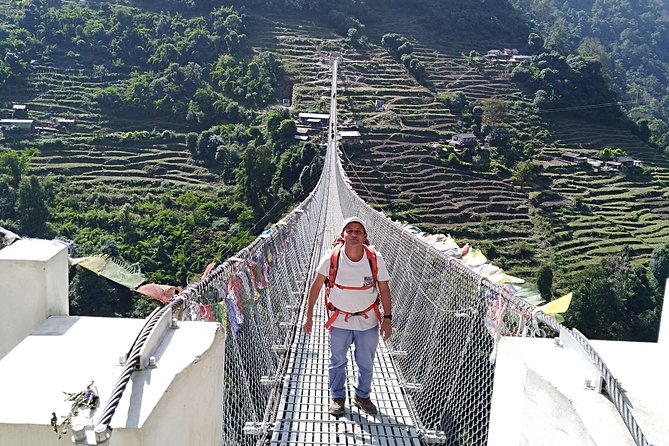
This is a private experience for only your group, up to 15 people. That’s a big deal. With a small group, you are not fighting the slowest person in a big bus tour. Your guide can adjust pace, timing, and stops so the hike matches the energy of your group.
The standout in the feedback pattern is the way the guide communicates ahead of time. In practice, that can mean you get text-based coordination, plus multiple trek options so you can decide with less guessing. Some guides also share photos while you’re choosing, which helps a lot when you are trying to pick between trails.
When you are actually on the trail, the best guidance is not just route-finding. It’s knowing what to look at, what to ask, and how to keep things comfortable. With this setup, you are paying for that local leadership, and it shows in the way hikes are described: scenic viewpoints, time to learn about local life, and a sense that the guide is watching the whole group, not just walking ahead.
What You Can Expect on an Annapurna Day Trek
One of the standard day-trek formats in this style is about 8 hours. The emphasis is on mountain views and experiencing Nepalese mountain life along the way. Entry costs are listed as free for the Annapurna route segment in this example, which is nice when you are budgeting for your day.
You can also expect the guide to shape the route details around what you want. For example, a common style of day hike from this area is to head toward viewpoints like Australian Camp and include passes such as Dhampus. These types of hikes tend to include a mix of scenic stretches plus time moving through areas where you can see how people live up there.
A key practical point: your lunch and dinner during the hike are covered for the guide, not for you. If you want meals handled smoothly, line up your own lunch plan early with the guide. The good news is that your guide can stop off for lunch or dinner with a local restaurant owner if you want, but you pay directly for your food and drinks.
More of Mustang and the Kali Gandaki:
- 2-Day Scenic Mustang Tour: Pokhara to Jomsom, Kagbeni & Muktinath
★ 5.0 · 23 reviews - “Exclusive Round-Trip Transfer: Pokhara to Jomsom & Muktinath”
★ 5.0 · 11 reviews - Jomsom Muktinath Tour by 4WD SUV 2 Days
★ 5.0 · 3 reviews - Upper Mustang Classic Trek with Local guide
★ 5.0 · 15 reviews
Day Trek vs Multi-Day: Choose Based on Your Energy, Not Just Your Calendar
The listing gives you a wide range, from about 2 hours up to 1 day on the short side, plus the option to go multi-day. That flexibility is useful, but it can also tempt you into choosing based only on what you can fit into your schedule.
Here’s a better way to choose:
- Choose a day trek if you want one solid hiking block, you like clear plans, and you want to return to Pokhara the same day to rest.
- Choose multi-day if you want to slow down and you like having time to adapt to weather, trail conditions, and group energy.
Moderate physical fitness is listed as the requirement. That usually means you do not need marathon training, but you should be ready for steady walking, uneven ground, and long stretches on foot. If you can walk for several hours comfortably, you’ll probably enjoy yourself more, because you can focus on the views and the small moments, not just survival-mode footwork.
Price and Value: $40 Per Group, Then Budget the Rest
The price is $40.00 per group, up to 15 people. That sounds almost too small until you read what that covers.
Your fee includes:
- your guide’s lunch and dinner
- your guide’s accommodation
What is not included:
- your lunch, food, and drinks
- your accommodation during the trek
- private transportation (only if you request it)
- your guide’s tip
So what does that mean for value? It means you are paying mostly for the guide support and local coordination. You still need to plan for the real day-to-day costs that come with being on a trek: meals and possibly lodging.
For groups, this is where it gets smart. If you’re traveling with friends or family and splitting costs, the guide fee per person becomes very manageable, especially compared with paying for private guide support in many other parts of Nepal. If you’re a solo traveler, the per-group pricing can still work, but you may find the overall day cost depends more on where you choose to eat and sleep.
My practical advice: before you confirm, ask yourself how you want to handle meals and lodging. If you prefer simple, predictable spending, decide on a day trek. If you want a more complete experience, plan for multi-day costs and be ready to pay for your own accommodation and meals along the route.
Logistics That Matter: Pickup, Group Size, and Weather
This tour is private for your group only, and the group limit is up to 15. That size matters for practical reasons: it makes it easier for the guide to keep everyone together while still moving at a pace that feels reasonable.
Pickup is offered, and that helps especially if you are staying in Pokhara and do not want to spend your morning figuring out transport. The experience is near public transportation too, so you are not locked into only one way of getting to the start.
One more thing that is not optional: good weather. The experience requires it. If it gets canceled due to poor weather, you’ll be offered a different date or receive a full refund.
That’s a clean policy. But I still recommend building your trek into the middle of your time in Nepal, not the last possible day. Even if you have flexibility, you’ll feel better if you have room to adjust.
Who This Trek Suits Best (And Who Might Want to Look Elsewhere)
This is a great fit if:
- you want a guided trekking plan without mapping everything yourself
- you like day hikes but are curious about multi-day options
- you’re traveling as a group and want private, organized support
- you prefer a setup that includes the guide’s core needs, so your main planning is your own meals and lodging
It may be less ideal if:
- you want fully inclusive meals and lodging for every participant
- you hate dealing with any added costs beyond the main fee
- you’re looking for a very specific itinerary that never changes, because your guide is meant to arrange the route and timing with you
Should You Book This Trek from Pokhara?
I think you should book it if your priority is a guided, flexible trek with a solid local coordinator starting and ending in Pokhara. The fee structure is also friendly for groups, because the guide’s meal and accommodation are included, so you’re not paying extra for their side of the trip.
Only book if you’re comfortable handling your own food and trek lodging, or if you’re planning a day trek where those choices are simpler. Also, be honest about your fitness. Moderate fitness is the call here, which usually means you’ll hike, not just stroll.
If that matches your style, you’ll likely enjoy the main payoff: mountain time plus real interaction with Nepalese mountain life, led by a certified guide.
FAQ
Where does the trek start and end?
The treks are designed to begin and end in Pokhara.
Which regions can I choose for my trek?
You can choose routes in the Annapurnas or in Upper Mustang.
Is pickup included?
Pickup is offered.
What does the $40 per group fee include?
Your fee includes the guide’s lunch and dinner and the guide’s accommodation.
What is not included in the price?
Not included are lunch and participants’ food and drinks, participants’ accommodation during the trek, and private transportation if requested. Guide tip is also not included.
What if weather is bad or I need to cancel?
The experience requires good weather. If it’s canceled due to poor weather, you’ll be offered a different date or a full refund. You can cancel up to 24 hours in advance for a full refund.
Latest Pokhara write-ups
- Mardi Himal Trek -5 Day Short Trek From Pokhara★ 5.0 · 8 reviews
- Tandem Paragliding in Pokhara★ 4.8 · 8 reviews
- Pokhara: Peace Pagoda Sunset, Annapurna Mountain Views Tour★ 2.9 · 5 reviews
- Short & Scenic: 2-Day Private POON HILL Trek from Pokhara★ 5.0 · 8 reviews
- Seti George and Thrilling Suspension Bridge Tour at Pokhara★ 4.5 · 3 reviews
- Sarangkot Sunrise over the Himalayas★ 4.8 · 83 reviews
- Pokhara: Sarangkot Sunrise and Private Full Day Tour★ 4.8 · 24 reviews
- From Kathmandu/Pokhara: Private 3-Day Chitwan Safari Tour★ 4.7 · 34 reviews
Langtang Valley Trek, compared.
Browse the lists this tour appears in