
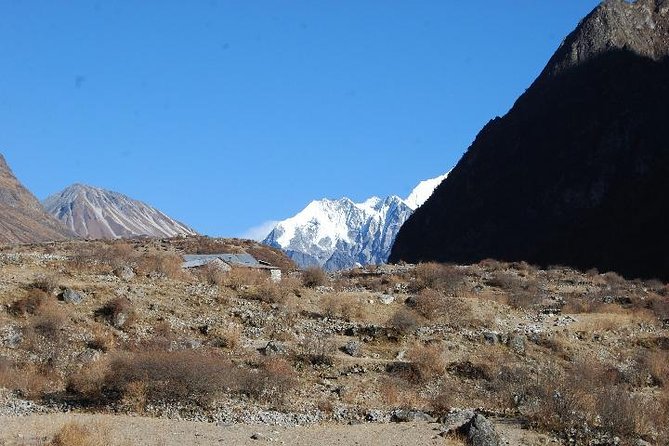
Reviewed · LANGTANG VALLEY TREK
Langtang Valley Trek – 8 days
If you want real Himalayan trekking without a long, exhausting trip, Langtang Valley is a smart choice. You get mountain days that feel classic and calm, with a finish that includes the jaw-drop height of Kyanjin Ri. It is also a sacred area, so the vibe is a little more meaningful than some purely scenic routes.
Two things I really like about this trek are the mix of Tamang hospitality and the way you move through everyday village life. I also love the Kyanjin Gompa stop, because it is not just temples and views. There is a Swiss cheese factory there too, and yes, you can sample the goods.
One consideration: the altitude is no joke. You will be climbing from Syabrubesi up to Kyanjin Gompa, and optional side trips push higher, so you need a steady pace and sensible breathing.
Key things I’d bookmark before you go
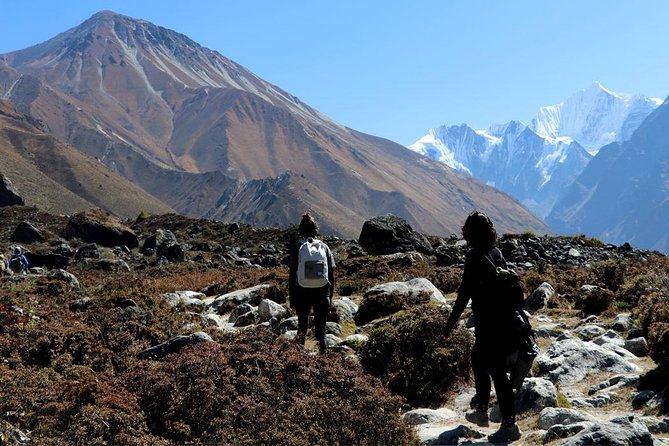
- Short trek, big payoff: Eight days in the Langtang region is enough to feel you truly trekked, not just walked a bit.
- Tamang villages, not just trails: The route threads through Tamang settlements and culture, not only mountain scenery.
- Kyanjin Gompa + monastery time: You get a chance to slow down at the gompa, then chase views up top.
- Side trips for view chasers: Options include Kyanjin Ri (4773m) and Tserko Ri (4985m).
- Forest walking with wildlife potential: Pine, bamboo, and rhododendron forests plus a chance at rare animals.
- Gear and first-aid included: Sleeping bag, down jacket, crampons, plus a first aid kit are part of the package.
Into the mountains from Kathmandu, and why Syabrubesi is the launchpad
Most trekking days start with a dramatic morning, but this one starts with a long Nepal drive. Day one is a bus ride from Kathmandu to Syabrubesi (1420m) that takes about 7 to 8 hours. It is a lot of time in the vehicle, but it also helps you settle into the rhythm of the region without wasting precious trek days.
Syabrubesi is where the “real trek” starts. After you arrive, the town acts like a gear hub, and it also gives you that first dose of rural mountain Nepal. You are not just heading toward altitude, you are entering a different way of living, where trails connect villages and communities.
If you dislike long rides, plan to treat this day like a warm-up, not a full day of activity. Hydrate, eat well, and sleep as early as you can, because the next day is a proper climb.
More of the Langtang valley:
- Langtang Valley Trek
★ 5.0 · 140 reviews - Langtang Valley Trek
★ 5.0 · 61 reviews - Langtang Valley Trek
★ 5.0 · 50 reviews
Lama Hotel to Langtang village, Tamang country on foot
On day two, you trek from Syabrubesi (1420m) to Lama Hotel (2340m) in about 5 to 6 hours. The altitude jump is noticeable, but it is paced across the day in a way that makes the climb manageable if you keep a steady, calm effort. This section is also where the trail starts to feel like a corridor through the hills, not just a one-day push.
Day three is Lama Hotel to Langtang village (3480m), again around 5 to 6 hours. This is the day when the trek starts to feel more cultural and less purely physical. You pass through Tamang villages and small communities, and you see daily routines shaped by altitude, weather, and the seasons.
One of the most valuable parts of this trek is that it is not trying to be a theme park. The sacred character of the region shows up in the way paths, monasteries, and village life fit together. You end this stretch in Langtang village, so you can rest before going higher.
Kyanjin Gompa at 3870m, where the trek slows down
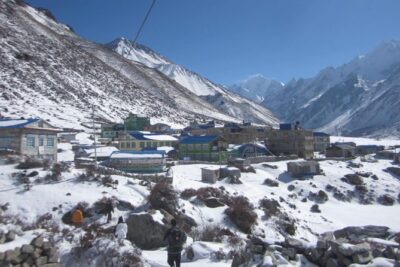
Day four takes you to Kyanjin Gompa (3870m) in about 4 hours, from Langtang village. Even though it is a shorter trekking day on paper, it still matters because Kyanjin Gompa is the base for your big view experiences and exploration.
This is also where you get to experience Kyanjin Gompa in a practical, hands-on way. You will find the monastery, spend time around the area, and take in how the settlement works at this altitude. And then there is that Swiss cheese factory detail. It sounds oddly specific, and that is exactly why it is memorable. It gives the place personality, not just religion and rocks.
If you like to travel with curiosity, this is the day to use it. Ask questions, watch how people move around the gompa, and take your time with the cultural side of the trip. The views are stunning, but the value here is that the trek is also about people.
The valley day: exploring Kyanjin Gompa and Langtang Valley
On day five, you do not just “pass through.” You explore around the Langtang Valley, with time for day hikes and local wandering. This is the flexible day in the best way, because it helps you adjust to how your body feels at altitude.
You can also choose optional viewpoints and hikes, depending on energy, weather, and how you acclimatize. The options named for this area include Langshisa Kharka, Kyanjin Ri (4773m), and Tserko Ri (4985m). Those numbers might look intimidating, but remember, you are not trying to win a race. You are earning views the patient way.
This is also a good day for the kind of slow travel that trekking often steals from you. Sit, look out, snack, then walk again when you are ready. If you rush, the altitude will punish you. If you pace, the day feels more like a mountain conversation.
More to compare around Kathmandu
- Everest Base Camp Trek – 14 Days
★ 5.0 · 1,499 reviews - Everest Base Camp Trek
★ 5.0 · 842 reviews - Private Kathmandu Sightseeing Tour | UNESCO World Heritage sites
★ 5.0 · 756 reviews - Kathmandu: 7 UNESCO Sites with Lunch
★ 4.8 · 744 reviews
Optional summit-style views: Kyanjin Ri and Tserko Ri
Chasing viewpoints is part of what makes this trek feel special. Kyanjin Ri (4773m) is one of the most talked-about goals here, and it is where the experience turns dramatic. You are rewarded with a 360-degree panorama over more than 21 snow-capped peaks.
The other named option is Tserko Ri (4985m). It is higher, so it can feel tougher, but the payoff is the kind of sweeping sky-and-ridge view that makes you understand why people come back to these mountains. If you are unsure which viewpoint to pick, match it to your energy level after day four and your overall altitude comfort.
A practical tip: keep your efforts controlled. Go steady, pause often, and do not force a fast pace to “get it over with.” In this kind of terrain, it is better to arrive slightly early and fresh than arrive exhausted.
Also, expect wind and colder temperatures at these heights. Your included gear (including a down jacket and crampons) helps, but you will still want layers and gloves you are comfortable wearing for long, still moments.
Wildlife and forests: pine, bamboo, and rhododendron in motion
Langtang National Park is the big ecological backdrop for the trek. The park was established in 1976, and it is Nepal’s first protected Himalayan area, which is a fancy way of saying wildlife has room here. That matters for you because the trail is not only about geology and views.
The route passes through pine, bamboo, and rhododendron forests, and that change in vegetation helps the trek feel alive. You walk through different “rooms” of nature instead of one flat-feeling band of trees. And yes, wildlife is a real possibility.
The named animals include red panda, Himalayan tahr, and the Himalayan black bear. Will you see them? No one can promise that. But wildlife density is one of the reasons this trek feels more than scenic hiking. You are moving through habitat, not just walking a postcard path.
Even when you do not spot an animal, the forest atmosphere still adds value. It breaks the monotony and makes the climb feel less like work and more like travel.
The return down to Lama Hotel and onward via Sherpa Gaon
Day six is Kyanjin Gompa back to Lama Hotel (2340m) and it takes about 6 to 7 hours. Going down can be easier than climbing, but it comes with its own annoyances, especially for knees. Take shorter steps, keep your weight stable, and do not rush to “make up time.”
The scenery during the descent has its own mood, too. You will pass the places you climbed through before, but now you see them in reverse. That makes it easier to understand the route like a map you can walk.
Day seven is Lama Hotel to Syabrubesi via Sherpa Gaon, around 5 to 6 hours. This part is useful because it connects the trek back to more human scale village life. Sherpa Gaon gives you another taste of the communities that live near the trails and support trekking life.
Day eight is the home stretch, driving back to Kathmandu by bus. It is a long final day, but it also gives you a sense of completion. After days of thin air and trail focus, you return to the city with full-body fatigue and a clear head.
Price and real value at about $775 per person
At $775.36 per person, the price is not cheap, but it is not random either. What makes it feel like decent value is the package includes the operational stuff that costs time and stress for independent trekking.
You get transportation to and from Tribhuvan Airport, plus two nights in a 2 to 3 star Kathmandu hotel with breakfast. That takes away the headache of planning city nights before and after the mountains.
Then there are the trek-specific value points:
- All trek transportation and local guest house accommodation on the mountain
- Government-authorized experienced guide and porters
- Insurance, food, accommodation, and wages for guides and porters
- Hygienic meals during the trek, with breakfast, lunch, and dinner
- A gear kit: sleeping bag, down jacket, and crampons
- A first aid kit, plus a map of the trek
That is a lot included for one number. The biggest thing you should watch is what is not included, because those costs can quietly add up. Meals in Kathmandu besides breakfast are not included, and shower and electronic charging fees at guest houses during the trek are also not included. Alcoholic drinks, chocolates, tea and coffee are not included either.
Also, plan for tipping. Tips for guide and porter are not included, so set aside money for that.
Finally, one detail I appreciate is the post-trek celebration dinner in Kathmandu. It is a small thing, but it helps mark the end of a hard week in a respectful way.
Group size, pacing, and why your guide matters on this trek
This trek is limited to a maximum of 10 travelers. Smaller groups are usually easier to manage, especially when weather shifts or the pace needs to slow down for altitude. You are not stuck with a chaotic mass of people clogging the trail.
The trekking company also uses government-authorized staff, and that is practical. You get a guide and porters, and that means you are not improvising logistics while your body is working through altitude.
In the provided experience details and feedback, the company leadership and guides are repeatedly described as friendly and helpful. Names that come up include Kishwor and guides like Raz, with porters mentioned like Madan. That is a good sign because on a mountain trek, the difference between stressful and enjoyable often comes down to human support, not just views.
Who should choose Langtang Valley, and who should think twice
This is a moderate fitness trek, and it fits well if you want a Himalayan experience without taking on a massive expedition. The day lengths are generally manageable, though you still hike several hours at a time and you will gain altitude.
It is a good match if you want:
- A classic Himalayan route with less crowd energy than the biggest regions
- Cultural contact with Tamang villages
- The chance to do viewpoint hikes like Kyanjin Ri and Tserko Ri
- Forest walking and wildlife potential, not only bare rock views
You might think twice if:
- You hate long rides. The Kathmandu to Syabrubesi bus day is long.
- You have fragile knees. The return descent needs careful footwork.
- You need consistent hotel-style comfort. Mountain guest houses are basic compared to Kathmandu, and shower and charging can require extra fees.
Also, the trip requires good weather. If weather is poor, you may be offered another date or a full refund.
Should you book this Langtang Valley trek?
If your goal is a meaningful eight days in the Himalaya, I think this trek is a strong yes. Langtang Valley gives you the classic high-mountain feeling, plus Tamang culture and an almost quirky charm at Kyanjin Gompa thanks to that Swiss cheese factory detail. Add the promise of a 360-degree panorama from Kyanjin Ri, and you get a finish that feels worth the effort.
I would book if you are okay with altitude learning, steady pacing, and guest house reality. I would also book if having a guide like Kishwor or someone similarly experienced matters to you, because support makes a big difference once you are above the tree line.
If you want, tell me when you are planning to go and your current fitness level. I can suggest which optional hike you should prioritize, Kyanjin Ri versus Tserko Ri, based on how this trek typically feels on the body.
FAQ
How long is the Langtang Valley Trek?
The trek is 8 days, starting with a drive from Kathmandu to Syabrubesi and ending with a return drive to Kathmandu.
What is the meeting point in Kathmandu?
The start and end point is Breeze Adventure Pvt. Ltd, Thamel Marg, Kathmandu 44600, Nepal.
What hotel and meals are included in Kathmandu?
Two nights in a 2 to 3 star Kathmandu hotel are included with breakfast. Meals in Kathmandu other than breakfast are not included.
What gear is included for the trek?
The package includes a sleeping bag, down jacket, and crampons, plus a first aid kit and a map of the trek.
Are meals included during the trek?
Yes. During the trek you get hygienic meals including breakfast, lunch, and dinner.
What is the maximum group size?
The maximum group size is 10 travelers.
Is the guide and porter service included, and do I need to tip?
A government-authorized experienced guide and porters are included, but tips for the guide and porter are not included.
If you want, tell me your travel month, and I’ll help you plan what to pack for cold mornings and high-altitude viewpoint time.
Latest Kathmandu write-ups
- Visit Swayambhunath and Bauddhanath Stupa with Guide★ 5.0 · 5 reviews
- 10 days Annapurna Base Camp Trek★ 5.0 · 5 reviews
- Langtang Trek from Kathmandu 7 Days★ 5.0 · 5 reviews
- 7 Day Kathmandu Pokhara Tour★ 4.5 · 5 reviews
- Island Peak Climbing with Everest Base Camp★ 5.0 · 5 reviews
- Chandragiri Hill Cable Car Tour with Hotel Transfers from Kathmandu★ 4.5 · 5 reviews
- Everest Mountain Flight★ 5.0 · 5 reviews
- Kathmandu city day tour (4 world heritage sites)★ 5.0 · 5 reviews
Langtang Valley Trek, compared.
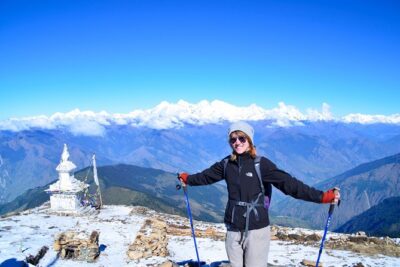
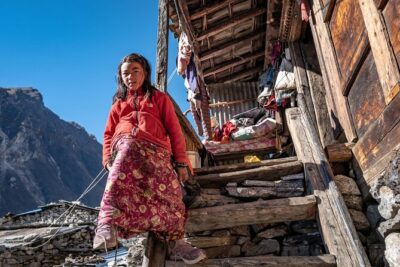
7 Days Langtang Valley Private Trek From Kathmandu
Read our review →
Browse the lists this tour appears in