
Reviewed · LANGTANG VALLEY TREK
Langtang Valley Trekking
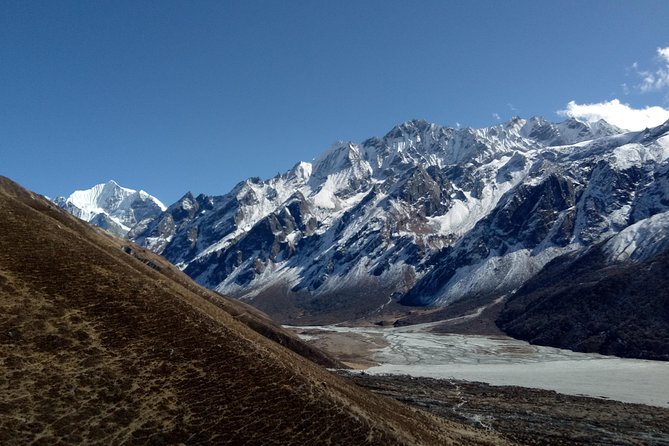
The Langtang Valley Trek is interesting because it mixes big Himalayan scenery with a shorter trekking timeframe than many other Nepal routes. I like that it’s built around Kyanjin Gompa and the Langtang range views, not just “walk and hope.” The main consideration is altitude, especially in the first few hiking days.
I also like the practical setup: meals, permits, and lodge lodging are handled for you, so you spend your energy on the trail. One drawback to plan around is transportation time, since you’ll do long drives, including a day that’s mostly getting back to Kathmandu.
Key highlights
- Kyanjin Gompa views of Langtang Lirung and Gangchempo, plus a full day to enjoy the area
- Day off at Kyanjin Gompa for monastery exploring, a cheese factory stop, and a hike up to Chorkari Ri (5,050m)
- Wildlife and forest walking, with chances to see monkeys and red pandas along the river trail
- A “crucial day” climb via Sindum and Yamphu to a viewpoint over Langtang icefalls
- Guide support you can count on, with several named guides and porters described as friendly, patient, and responsible
Langtang Valley Trek: big mountains without the longest trek schedule
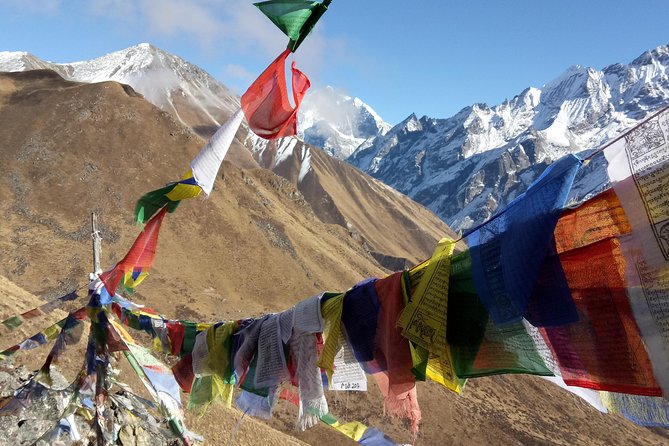
If your dream is Nepal mountains, the Langtang Valley trek is a smart fit. It’s in the Langtang region north of Kathmandu, and it follows rivers and ridgelines through forests, villages, and high viewpoints. You still get that classic trekking rhythm, but in a timeframe that feels more manageable for many people.
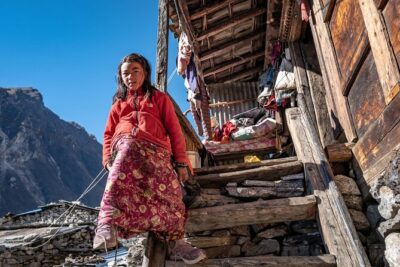
I also like that this route is known for warm, welcoming communities, so you’re not just passing through scenery. You’ll walk through places like Langtang Village and see daily life up close, which makes the trek feel human, not just high-altitude sightseeing.
The biggest “watch it” factor is altitude. Even with a gradual approach, some people reported mild mountain sickness around the Bamboo area on the early section toward Lama Hotel, so going slow and listening to your body matters.
More of the Langtang valley:
- Langtang Valley Trek
★ 5.0 · 140 reviews - Langtang Valley Trek
★ 5.0 · 61 reviews - Langtang Valley Trek
★ 5.0 · 50 reviews
Kathmandu arrival day and the quick Pashupatinath taste
Day 1 is light and useful. After you arrive, you’ll drive into the Kathmandu area and catch a scenic pass with views of Pashupatinath Temple. It’s a short window, about 15 to 20 minutes, but it’s enough to help you orient fast.
This day is also a good time to do small prep tasks: double-check your layers, confirm how you’ll carry a water bottle, and set yourself up for an early start the next morning. If you’re the type who hates feeling rushed, this kind of gentle kickoff helps.
You’re sleeping in Kathmandu tonight, and then you switch gears into trekking-country transport on Day 2. If you arrive tired, this is still a manageable first day.
Kathmandu to Syapru Besi by road: Trishuli Bazaar and rural glimpses
Day 2 is about getting north. You drive out of Kathmandu along the north-western hills, with views of giant Himalayan peaks and occasional glimpses into rural settlement life. The route passes Trishuli Bazaar, and you keep moving through Dhunche before reaching Syapru Besi for the night.
This day is valuable because it sets expectations. Nepal driving is part of the experience, and you’ll get a sense of how the terrain changes as you head away from the city. Also, you start seeing the kinds of valleys and river corridors that your feet will follow later.
A practical consideration: it’s a day of sitting and watching, not hiking. If you get stiff easily, plan a little stretching before meals and don’t over-pack your energy for Day 2.
Syapru Besi to Lama Hotel: rivers, first climbs, and possible wildlife
Day 3 is your first real hiking day, starting from Syapru Besi. You walk across the Bhote Koshi River and then follow the Langtang River. The trek takes around 5 hours to reach Lama Hotel from Syabrubesi, with gradual climbing that continues onward through the day.
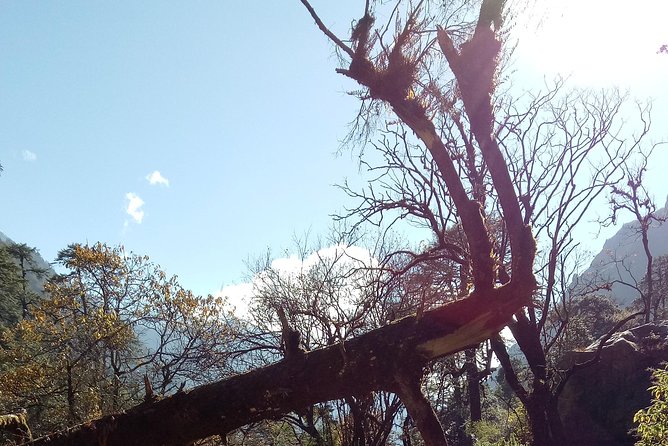
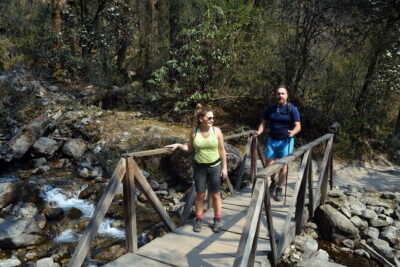
Along the way, you may pass areas like Bamboo and reach Ramche at about 2,400m, staying on the Langtang River corridor. This is the day where the trek often starts to feel “alive,” because you’re moving through wooded areas where locals and trekkers talk about animal sightings.
One specific thing I love here is that the route includes chances to spot wild monkeys and red pandas in forest patches. Even if you don’t see them, the walk is usually calmer and more shaded than the higher, colder segments.
The possible drawback is that Day 3 combines walking time with a bit of altitude gain early. If you’re altitude-sensitive, take it slow after Bamboo, drink steadily, and avoid sprinting for photo stops.
More to compare around Kathmandu
- Everest Base Camp Trek – 14 Days
★ 5.0 · 1,499 reviews - Everest Base Camp Trek
★ 5.0 · 842 reviews - Private Kathmandu Sightseeing Tour | UNESCO World Heritage sites
★ 5.0 · 756 reviews - Kathmandu: 7 UNESCO Sites with Lunch
★ 4.8 · 744 reviews
Rhododendron and pine trails toward Langtang Village and Mundu
Day 4 shifts into softer terrain and colorful vegetation. You follow trail through rhododendron and pine woods, with a pretty stretch of walking described as “pleasant.” You’ll also pass Ghoda Tabela, where the area is known for dense plant life and flowers like foxgloves and red poppies.
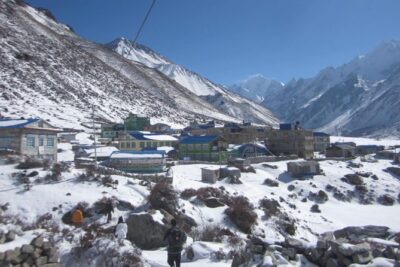
Then you walk past Langtang Village (about 3,455m) and continue toward Mundu for the night. This is a key cultural moment in the trek. You’re not only hiking above the valley, you’re seeing how communities live at altitude and how the trail threads through their world.
I’d suggest using this day for steady pacing and good breathing. Many people find rhododendron-pine days feel more relaxed than the big ascent day, so it’s a great time to settle into your rhythm.
The Yamphu to Kyanjin Gompa “crucial day”: viewpoints and icefalls
Day 5 is the day you’ll remember for the intensity. You start from Langtang Village and head toward Sindum, then continue to Yamphu (3,640m). You traverse the Laja River and then ascend to a viewpoint where you can see icefalls flowing from Langtang Lirung.
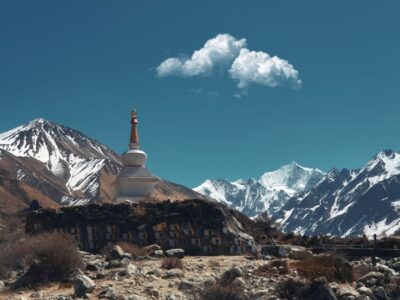
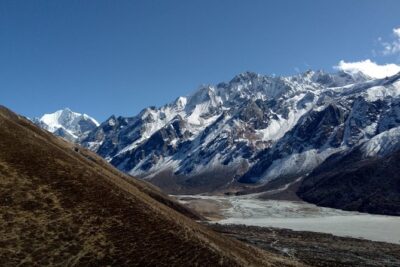
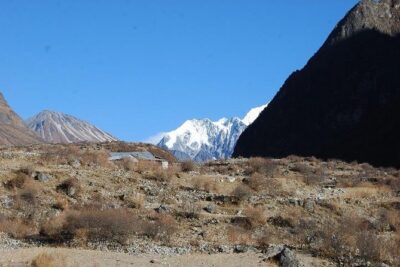
From there you reach Kyanjin Gompa, and the views broaden fast. You get the surrounding peaks and major highlights like Mt. Gangchempo and Mt. Langtang Lirung, with more scenery stretching around the valley.
This “crucial day” matters because it’s where the trek turns from building to payoff. If you’re someone who stresses about whether you’re “doing enough,” this is the day that reassures you: the effort lines up with the payoff.
The drawback is simply the workload. This section has climbing and a higher feel in your breathing. If you feel unwell, don’t try to push through bravely. Tell your guide and adjust pace immediately.
Kyanjin Gompa rest day: monastery, cheese factory, and Chorkari Ri
Day 6 gives you the kind of break that makes a trek safer and more enjoyable. It’s a rest day at Kyanjin Gompa, and you can explore the area. You can visit the monastery, and you’ll also have a cheese factory stop.
I like this layout because it respects altitude reality. Instead of forcing another full climbing day, you get time to recover and still do something meaningful. If you’re curious about local life, this day usually scratches that itch.
Then there’s the optional-but-big outing: a climb toward Chorkari Ri (5,050m) behind Langtang village. From that height you get strong panoramic views of the Langtang Himalayan range, including peaks like Langshisa Ri (6,810m), Langtang Lirung (7,244m), Ganjala peak, and Gyangchempo (6,888m).
Possible consideration: if you’re tired, skip the higher viewpoint push. You’ll still have incredible views from Kyanjin Gompa, and you can spend the day resting, wandering, and letting your legs reset.
Returning from Lama Hotel to Syapru Besi: the quieter, smart mileage day
Day 7 brings you back to Lama Hotel in roughly 6 hours. This return leg often feels different from the outbound hike because you’re not chasing new terrain, you’re managing fatigue.
Day 8 continues the retreat, trekking from Lama Hotel down to Syapru Besi in about 6 hours. Descents can feel easier, but they can also be tough on knees and energy. I’d treat this day like strength training, controlled steps, and good foot placement.
If you found the early days a bit intense, these return days are where you can breathe again. Also, you’ll get a second look at the river and forest sections, which can feel surprisingly beautiful on the way down.
Day 9 and Day 10: long drive back, then airport escort
On Day 9, you drive back to Kathmandu from Syapru Besi in about 7 hours. The rest of the time is basically recovery mode at your Kathmandu hotel. It’s a big time gap where you’ll want to hydrate, eat well, and give your body time to come down from trekking mode.
Day 10 is the end-day. You’ll have breakfast, then an Escape Himalaya representative escorts you to the airport so you can depart with your Langtang memories.
A practical note: after a trek, your body still wants sleep. If you can, plan an easy travel day onward, because even if your legs feel okay, your sleep may be off.
Guides and porters: where the trek’s quality really shows
This tour is guided, and that matters on the Langtang trail. You’ll travel with an experienced, English-speaking trekking guide, plus porters (listed as 1 porter for 2 people). That support structure is a comfort for many hikers because it keeps logistics simple and reduces the load you’re carrying.
What stands out from the guide-related feedback you can learn from is consistency. Named guides include Rabin (with strong communication before the trip), and trekking guides such as Phul Gurung, Veer Gurung, Sandesh, Suk, Bal, Sushil, and others. The common thread is that people describe their guides as patient, responsible, and encouraging when slopes get hard.
Porters also get credit in the feedback, including people describing them as helpful and supportive. When you’re tired, that kind of practical help makes the difference between trudging and enjoying the last hour of the day.
Price and what you get for $750 per person
At $750 per person, this trek can feel like a good value if you want the whole package handled. You’re not only paying for the walk. The trip includes Kathmandu to Syabrubesi and Syabrubesi to Kathmandu by express bus, plus airport or hotel pickup and drop by private vehicle.
You also get permits covered: TIMS and the Langtang National Permit. For many hikers, that’s where “surprise costs” can show up if you plan everything separately.
Meals are included during the trek, listed as 8 breakfasts, 8 lunches, and 7 dinners, plus a cup of tea or coffee. Lodge or tea house accommodation is included for the trekking days too. In Kathmandu, you have 2 nights in 3-star hotel accommodation with a bed and breakfast plan.
So where does the money go? Mostly into the services that reduce your admin stress: guide time, porter support, lodging coordination, and permits. The tradeoff is that you still need to manage your own personal expenses, and Kathmandu meals outside the stated plan are not included.
What’s not included is also important to know. The tour lists a private jeep option for $150 per way between Kathmandu and Syabrubesi, plus tips for your guide, porters, and driver, and personal costs like bar bills, water, and hot water.
What to expect day to day in lodge life and meals
During the trek, you’ll stay in lodge or tea houses. That means warm beds are usually basic rather than fancy, and bathrooms can vary by stop. Still, it’s a working system that keeps you fed and moving.
The food picture is surprisingly decent in the way people describe it, and meals are handled within the package. You’ll have tea or coffee alongside meals, which helps when your body is working hard and your hands feel cold.
One practical tip: keep your expectations flexible. Some days you’ll be hungry early, other days you’ll want smaller meals as altitude changes your appetite. Your guide’s job is to keep the rhythm steady.
Altitude, pace, and your best anti-problems routine
Even when a trek is described as moderate, altitude still has a way of changing plans. The route climbs steadily toward higher points like Kyanjin Gompa, and Day 5 and Day 6 are the heavy hitters.
Here’s what you can do to reduce trouble, based on how this trek is structured:
- Go slow on ascents, especially early, after Bamboo and into the path toward Lama Hotel
- Use the rest day wisely at Kyanjin Gompa. Eat, hydrate, and don’t turn the rest day into a second full push
- Treat viewpoint hikes as optional based on how you feel, because Chorkari Ri is listed at 5,050m and it’s real altitude
If you start feeling off, tell your guide early. Don’t wait for it to get worse. A good guide will adjust your pace and help you make the safest choice.
Who should book this Langtang Valley trek, and who should think twice
This trek fits well if you want a high mountain experience with a shorter overall schedule than many longer routes. You’ll cover river valleys, forests, villages, and high viewpoints without spending weeks on the trail.
It’s also a good choice if you like real culture moments, since you pass places like Langtang Village and have time around Kyanjin Gompa to explore the monastery and local stops.
Think twice if you already know you’re highly sensitive to altitude or if long road days will wreck you. Day 9 is about 7 hours driving, and early trekking still brings altitude pressure.
Also, if you hate the idea of shared tea house lodging, remember this is a trekking-style experience by nature. The package still aims to keep things comfortable, but it’s not a hotel tour.
Should you book the Langtang Valley Trek with this operator?
If you want a well-supported trek, this is the kind of itinerary that’s easier to trust. The combination of meals, permits, lodge lodging, guide experience, and porter support is a strong base, and the service side shows up in the guide names and communication style people reported.
I’d book it if:
- You want Kyanjin Gompa and a rest day with a viewpoint hike
- You like structured logistics so you can focus on walking and taking in views
- You’re okay with moderate trekking and altitude management
I’d consider alternatives if:
- You want a mostly hiking, low-transport trip, because there are long road days
- You prefer to pick your own permits and plan meals yourself, since this package already builds that in
Bottom line: for many hikers, this trek hits a sweet spot between mountain payoff and practical support, and that support can be the difference between surviving a trek and enjoying it.
FAQ
What time does the Langtang Valley Trek start?
The start time is listed as 7:45 am.
Where do we meet for the tour?
The meeting point is Start: Everest Trekking Routes Pvt. Ltd., Timila Marg, Kathmandu 44600, Nepal. The experience ends back at the meeting point.
How long is the trek?
It’s listed as 10 days (approx.).
Is airport pickup and hotel pickup included?
Yes. Airport to hotel and hotel to airport transfers are included, using a private car, van, or bus.
Are meals included during the trek?
Yes. Meals during the trek are included, listed as 8 breakfasts, 8 lunches, and 7 dinners, plus a cup of tea or coffee.
Are trekking permits included?
Yes. The package includes the Langtang National Permit and the TIMS permit.
What kind of accommodation is included on the trek?
You’ll stay in lodge or tea houses during the trekking days.
How do you travel between Kathmandu and Syabrubesi?
Kathmandu to Syabrubesi and Syabrubesi to Kathmandu are included by express bus. A private jeep option is listed as not included at USD 150 per way.
Is there a guide and porter included?
Yes. You get an experienced English-speaking trekking guide and porters, listed as 1 porter for 2 people.
Is free cancellation available?
Yes. You can cancel up to 24 hours in advance for a full refund, and the experience can also be canceled due to poor weather with options like a different date or a full refund.
Latest Kathmandu write-ups
- Visit Swayambhunath and Bauddhanath Stupa with Guide★ 5.0 · 5 reviews
- 10 days Annapurna Base Camp Trek★ 5.0 · 5 reviews
- Langtang Trek from Kathmandu 7 Days★ 5.0 · 5 reviews
- 7 Day Kathmandu Pokhara Tour★ 4.5 · 5 reviews
- Island Peak Climbing with Everest Base Camp★ 5.0 · 5 reviews
- Chandragiri Hill Cable Car Tour with Hotel Transfers from Kathmandu★ 4.5 · 5 reviews
- Everest Mountain Flight★ 5.0 · 5 reviews
- Kathmandu city day tour (4 world heritage sites)★ 5.0 · 5 reviews
Langtang Valley Trek, compared.
7 Days Langtang Valley Private Trek From Kathmandu
Read our review →Browse the lists this tour appears in