
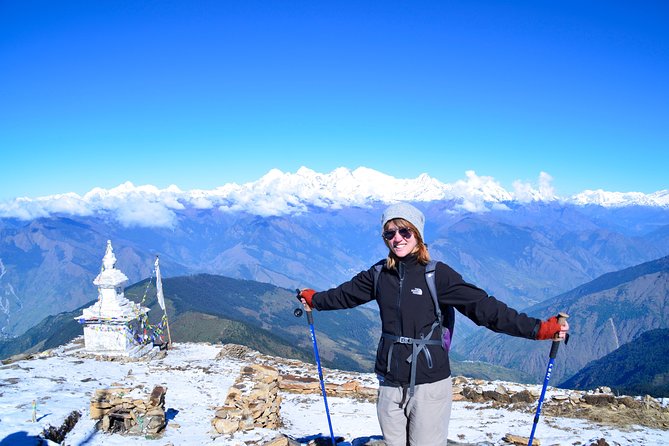
Reviewed · LANGTANG VALLEY TREK
Langtang Valley Trek
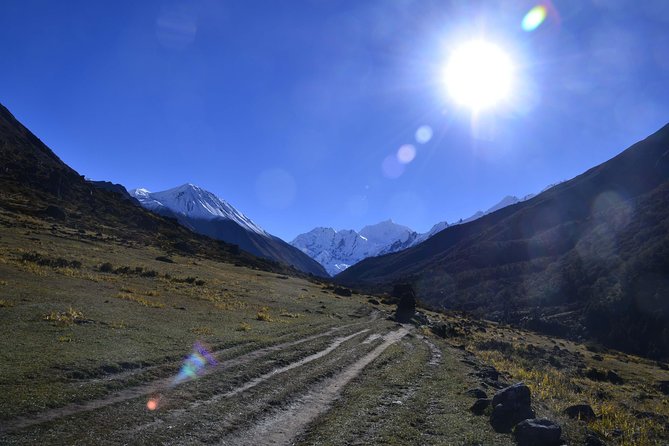
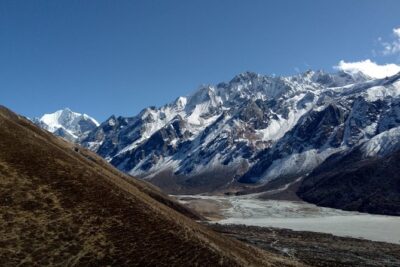
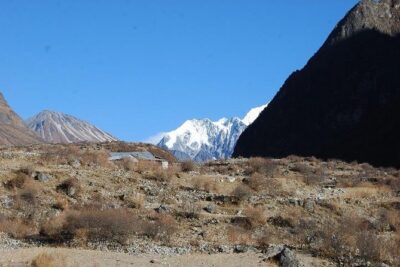
Langtang Valley is interesting because it puts real Himalayan scenery within a realistic reach of Kathmandu, at least by Nepal standards. After a full day of travel and then a steady climb, you get a walk through a glacial basin, with rivers running close and big mountains circling the sky. I especially like the gradual elevation approach, plus the fact that this route stays in the Langtang National Park world of protected wildlife and forests.
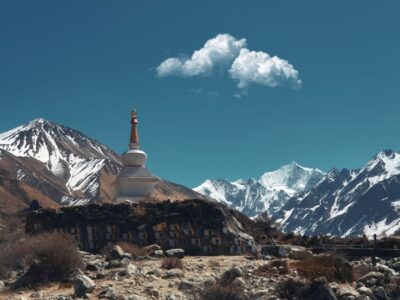
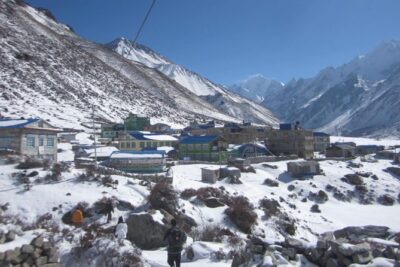
What I like even more is the payoff. You reach viewpoint days tied to the Kyanjin area, with the chance to see Mount Langtang Lirung, Ganesh Himal, Dorje Lakpa, and more in a single panorama. I also like that there’s more than just mountain time, you visit Kyanjin Gompa and spend time in Tamang villages where daily life feels part of the trek.
The main drawback to plan for is altitude. Even if the trail feels “easy” in the walking sense, you still hit high points like Kyanjin Ri (4773 m) and Chorkari Ri (5050 m), and those longer days can feel demanding if you rush or sleep poorly.
Key things I’d pay attention to before you go
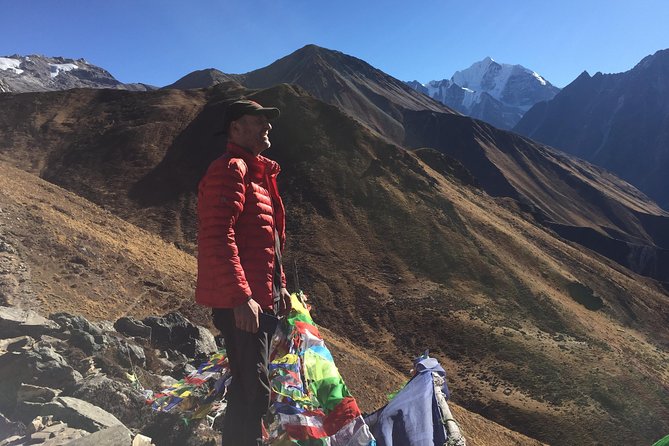
- High viewpoint days: Kyanjin Ri (4773 m) and Chorkari Ri (5050 m) are the moments you’ll remember most.
- Glacial-basin walking: The valley floor route is scenic in a very different way than rocky trails.
- Kyanjin Gompa time: You’re not just ticking off heights, you’re also seeing an ancient Buddhist monastery area.
- Tamang culture along the way: Settlements are part of the journey, not a side note.
- Guide and porter for a small group: The trekking team model keeps things organized, especially for first-time trekkers.
Getting to Langtang from Kathmandu, without wasting days
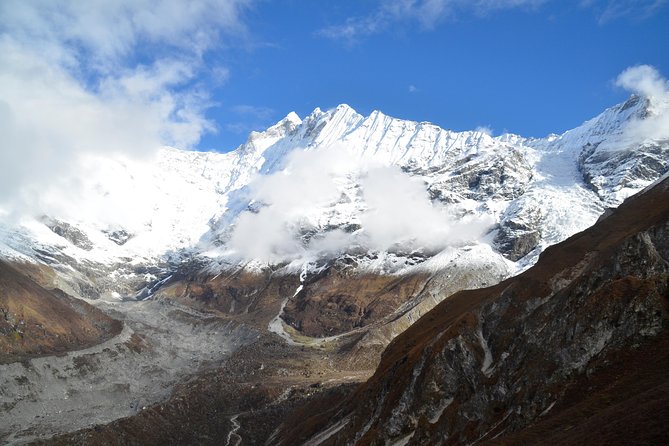
This trek starts in Kathmandu with an airport pickup and drop off by private vehicle. You also get two nights in Kathmandu at a 3-star category hotel with breakfast, which matters because it lets you arrive, sleep well, and sort out the small last-minute things before your trekking body has to work for real.
The next big piece is the long drive to the trailhead. On day 2, you go from Kathmandu to Syabrubensi (1462 m) over about 7 hours. It is a real transfer day, so I recommend you treat it like a travel day, not like a day to “start trekking early in spirit.”
On day 2 you’re also setting the mood. The Langtang Valley region feels remote, but not inaccessible. That balance is why this trek works well for people who want Himalayan scenery without committing to the extreme remoteness of some longer expeditions.
More of the Langtang valley:
- Langtang Valley Trek
★ 5.0 · 140 reviews - Langtang Valley Trek
★ 5.0 · 50 reviews - 8 Days Tour in Langtang Valley Trek
★ 5.0 · 45 reviews
Day-by-day trek flow, where each day earns its place
Day 1: Arrive in Kathmandu
Day 1 is straightforward, arrive at Tribhuvan International Airport Kathmandu. You’re not expected to hike on arrival day, your job is to be ready for the next morning start.
Day 2: Kathmandu to Syabrubensi (about 7 hours)
The drive to Syabrubensi takes you from city time into valley time. Syabrubensi (1462 m) is your first altitude anchor point, and it is low enough to settle your breathing before the gradual climb begins.
A practical note, since the trek includes surface transfer to and from Syabrubensi by public bus, you’ll experience a mix of comfort and local logistics. That’s normal here, and it keeps the package value focused on your trekking days.
More to compare around Kathmandu
- Everest Base Camp Trek – 14 Days
★ 5.0 · 1,499 reviews - Everest Base Camp Trek
★ 5.0 · 842 reviews - Private Kathmandu Sightseeing Tour | UNESCO World Heritage sites
★ 5.0 · 756 reviews - Kathmandu: 7 UNESCO Sites with Lunch
★ 4.8 · 744 reviews
Day 3: Syabrubensi to Lama Hotel (5 hours)
You start hiking with a gradual elevation rhythm, ending at Lama Hotel at 2500 m after about 5 hours. This is a day that helps your legs adjust without throwing you into a steep wall.
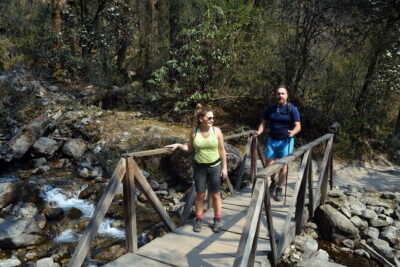
You’ll also start noticing the “rivers gushing by” feel from the overview. That’s one of those small details that actually changes how a trek feels. It adds constant motion, sound, and perspective when the mountains get bigger.
Day 4: Lama Hotel to Langtang Village (about 5 hours)
Today climbs to Langtang Village at 3307 m in roughly 5 hours. This is your gateway toward the higher valley scenes, and you start living closer to the valley’s glacial basin character.
Langtang Village is also where you’ll feel the human side of the trek more clearly. The settlements here are associated with the ethnic Tamang communities, and it becomes easier to see this as a cultural route, not only a nature route.
Day 5: Langtang Village to Kyanjin Ri (4773 m), then to Kyanjin Gompa (about 3798 m)
This is one of the biggest swing days, about 7 to 8 hours total. You go up to Kyanjin Ri at 4773 m, then you return down to Kyanjin Gompa, which sits around 3798 m.
This is where the panoramic claims make sense. The route is designed to put you in position for views of Mount Langtang Lirung (7227 m), Ganesh Himal (7422 m), Dorje Lakpa, and more. When you’re standing high with cold air around you, the peaks feel closer and the distances feel real.
Another practical detail, because you go high and then descend, your legs may feel it the next morning. Plan for steady pacing and don’t chase speed up Kyanjin Ri. Altitude punishes impatient trekking.
Day 6: Kyanjin Gompa exploration and climb Chorkari Ri (5050 m)
Day 6 blends culture and altitude. You spend time exploring Kyanjin Gompa, then you climb onward to Chorkari Ri at 5050 m, taking about 7 hours total.
Kyanjin Gompa is an ancient Buddhist monastery area, and it is a nice change from endless rock and snow. You get a sense of how the valley’s history and spiritual life are tied to the same geography that shapes the trekking route.
Chorkari Ri is your other high-point test. It is not only about willpower, it’s about how you manage your breathing and energy. If you keep your pace controlled, you give yourself the best chance to enjoy the summit views without paying for them later.
Day 7: Kyanjin Gompa area back to Lama Hotel (about 5 to 6 hours)
You drop back to Lama Hotel at 2500 m in 5 to 6 hours. This “down” day matters because it helps your body recover from the higher elevations around Kyanjin Gompa.
This is also an underrated day for morale. After the big heights of days 5 and 6, the return to a lower altitude is like getting your control back.
Day 8: Lama Hotel to Syabrubensi (about 5 to 6 hours)
Day 8 takes you to Syabrubensi (1462 m) in about 5 to 6 hours. You’re moving out of the highest trekking zone and back toward the valley base.
This is a good day to focus on comfort and details. You’re still walking, but the day is no longer about fighting altitude the way the high-point days were.
Day 9: Drive from Syabrubensi to Kathmandu by bus
You finish with a drive back to Kathmandu by bus. This is a long road day, but it closes the loop so you’re not stuck piecing together transportation on your own.
Day 10: Departure
Departure day is your wrap-up. The trek calendar is built so you can leave without having to steal a bunch of extra days off work.
The real challenge: altitude and how this itinerary manages it
Even though the trail is described as easy with gradual elevation, you still climb to serious heights. Kyanjin Ri at 4773 m and Chorkari Ri at 5050 m are where many people feel the biggest slowdown.
What I like about this route is that it builds the climb with time in between. You don’t jump straight into a high pass every day. You also get a back-and-forth rhythm, up to viewpoint territory, then down to Lama Hotel, then down again toward Syabrubensi.
Still, you should take the altitude seriously. “Easy trail” is about steepness and walking feel, not about oxygen levels. If you’re someone who gets winded quickly or you have a history of altitude issues, talk to a travel clinic before you go and plan a slower pace than your ego wants.
People make this trek: guides, porters, and what you’re buying
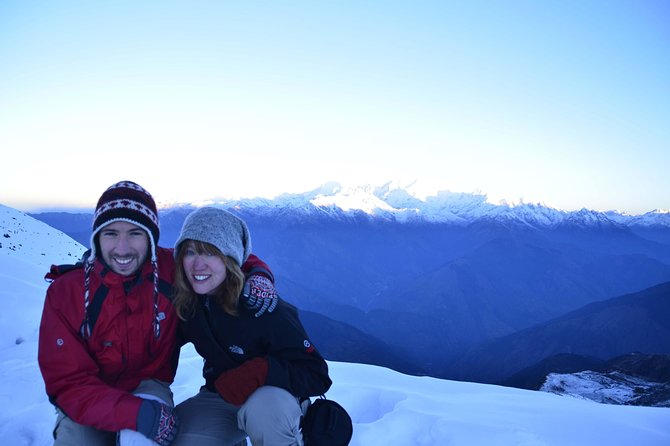
This tour is run by Nepal Hiking Team, with 1 English-speaking guide and porter for the group model of 2 trekkers sharing 1 porter. In plain terms, you’re not just buying a route on paper, you’re buying experienced human logistics.
The feedback signals a pattern of strong communication. The managing director, Ganga, is frequently mentioned for fast responses while you’re planning, plus helpful tailoring when timing or comfort matters. That kind of responsiveness reduces the “unknowns” feeling that can build stress before you even start walking.
You’ll also get a guide who pays attention to pacing and details. Named guides in past experiences include Prajwal, Deepak Dhakal, Navaraj, Surya, and Arun Ji. Porters mentioned include Bhim, Kamal, Sabin, Tulsi, Ganesh, and Shankar. You can treat that as proof of a stable staff culture where guidance and support are central, not a side function.
Practical value of the guide and porter setup:
- You keep your energy for the trail.
- You avoid decision fatigue at turns and daily transitions.
- You get someone who knows the local rhythm, so you’re less likely to get “lost but proud.”
What the $830 buys you, and where the value is actually hiding
At $830 per person for about 10 days, the big question is what you get beyond the view. Here’s the value structure that matters.
You get airport pickup and drop off by private vehicle, plus two nights in Kathmandu at a 3-star hotel with breakfast. Then you get full board meals during the trekking portion, including breakfast, lunch, and dinner with tea/coffee.
During the trek, lodging is based on best available twin sharing lodge to lodge accommodation. That doesn’t mean luxury, but it does mean you are not hunting for beds each night.
You also get trekking permits and government taxes and office service charge. Those costs can be annoying to source on your own, and bundling them into the package saves time.
The included staff costs cover the guide and porter, including salary, equipment, meals, and accommodation for them. That matters because it usually correlates with fewer shortcuts on the operational side.
What you pay extra for:
- Travel insurance
- Nepal entry visa
- Hot showers during the trek (not included)
- Personal trekking equipment
- Tips for trekking staff and driver
- Lunches and dinners in Kathmandu
- Wifi internet during the trek
- Private vehicle for transfer to and from Syabrubensi (surface transfer by public bus is included)
So, is $830 fair? For a guided, permit-backed, full-board trek with hotel support in Kathmandu and a capped group size of up to 15, it stacks up as a solid deal for most independent travelers. If you already have everything covered and you want to self-guide, you might do it cheaper. But for many people, comfort plus logistics equals value.
Lodges, meals, and the food you’ll actually remember
The trek includes full board meals during the walking days, plus tea/coffee. That takes a lot of uncertainty out of daily life. After a long day above 3000 m, you want predictable food and a warm drink waiting.
One local food highlight is yak cheese, listed as a Himalayan delicacy. Even if you’re not a cheese person, it’s the kind of “small” tasting item that makes the trek feel connected to place.
Accommodation is twin sharing in the lodges along the route. If you’re used to private rooms, you should be okay with shared arrangements, because that shared model is part of why your package price can stay reasonable.
Hot showers are not included during the trek. This is one of those things people either plan for calmly or let it get under their skin. Bring the mindset that warm water is a bonus, not a requirement.
The National Park angle: nature protection you can feel
The Langtang National Park is the first Himalayan National Park of Nepal, and that matters because it signals a conservation approach, not just scenery tourism.
The route passes through areas where flora and fauna are protected. In practice, it means you’re more likely to experience the valley as a real ecosystem rather than only a trail corridor. You’re also walking in a region with long-term conservation rules, and having the trek organized with permits helps keep that system funded.
If you care about wildlife, don’t assume guaranteed sightings. But do expect a more intact-feeling environment than you might get on a trail that’s purely informal.
Timing, weather reality, and how to plan your expectations
The tour works only with good weather. That doesn’t mean it’s always perfect, but it does mean the operator is prepared to adjust dates if conditions are unsafe.
High passes and viewpoints make weather a real factor. Cloud can hide the panoramas, and rain can change trail conditions. If you’ve packed for “cool and sunny,” adjust that thinking and plan for changing mountain weather.
If you’re traveling in the monsoon period, you’ll want extra patience and sensible layers. The trek can still be done, but expect wetter conditions and plan for slower walking days when visibility drops.
A note on start times and daily logistics that affect comfort
The start time is listed as 7:15 am. That’s early enough to get steady progress before weather shifts and before the day turns into a slow grind.
You should also expect a maximum group size of 15. A smaller group usually means less crowding at viewpoints and fewer delays when the day runs long due to weather or altitude.
One more practical item, you’re given a duffle bag for the trek, and it needs to be returned. That’s common in organized treks, but it helps to pack efficiently. Keep your daily essentials in your daypack, and use the duffle for the bulk you don’t need every minute.
Should you book the Langtang Valley Trek?
If you want a Himalayan trek that feels accessible from Kathmandu, with real high-altitude viewpoints and Tamang culture built into the route, this is a strong choice. It’s especially good if you appreciate guided logistics, full-board meals, and staff support that makes a first-time trek feel manageable.
I’d skip or rethink if you know you struggle with altitude or you can’t commit to controlled pacing on the high days. Also, if you require hot showers or steady connectivity, the trek setting may frustrate you.
For the right type of traveler, this one hits a nice balance: mountains, monasteries, villages, and a valley you walk through at human speed.
Latest Kathmandu write-ups
- 10 days Annapurna Base Camp Trek★ 5.0 · 5 reviews
- Visit Swayambhunath and Bauddhanath Stupa with Guide★ 5.0 · 5 reviews
- Langtang Trek from Kathmandu 7 Days★ 5.0 · 5 reviews
- 7 Day Kathmandu Pokhara Tour★ 4.5 · 5 reviews
- Island Peak Climbing with Everest Base Camp★ 5.0 · 5 reviews
- Chandragiri Hill Cable Car Tour with Hotel Transfers from Kathmandu★ 4.5 · 5 reviews
- Everest Mountain Flight★ 5.0 · 5 reviews
- Kathmandu city day tour (4 world heritage sites)★ 5.0 · 5 reviews
Langtang Valley Trek, compared.
7 Days Langtang Valley Private Trek From Kathmandu
Read our review →Browse the lists this tour appears in