
Reviewed · LANGTANG VALLEY TREK
Kathmandu: 6-Day Limitless Langtang Trek
What makes this Kathmandu to Langtang trek interesting is how fast it turns into a real Himalayan experience, from forest trails by the river to time in Tamang villages and monasteries, guided by people like Mahesh Aryal or Niraj. I like that it’s a moderate route with big payoff views, including the climb toward Kyanjin Ri.
I love two parts most: the trekking rhythm that feels honest and steady, especially the trek back that follows the Langtang river, and the chance to slow down for Tamang culture in the Kyanjin area, with monasteries and even a cheese factory visit.
The one drawback to plan for is effort and altitude. You might push up to around 4,770 m on a steeper day, and that optional peak outing is not a casual stroll when your legs are already working.
Key things I’d highlight before you go
- Moderate effort with a real high-point, because Kyanjin Ri reaches about 4,770 m
- Tamang village time at Kyanjin Gompa, with monasteries and a cheese factory stop
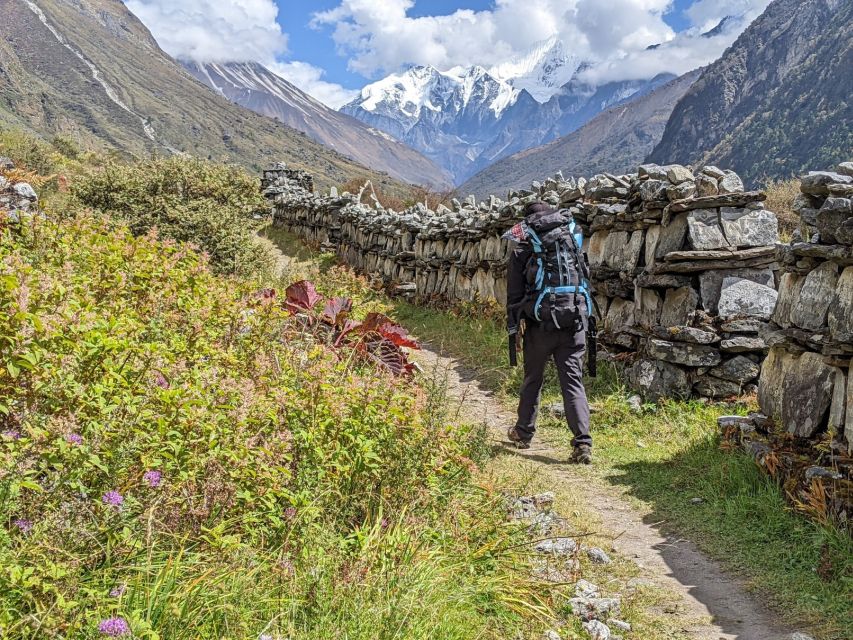
- River-and-forest trekking days, including forest hiking after Syabrubesi
- Guides who run the day smoothly, with English, Hindi, and Nepali support
- Lodge life that can be cozy in cold season, with shared dining areas and warm fires when available
Why Langtang feels like a local Himalayan trek, not a conveyor belt
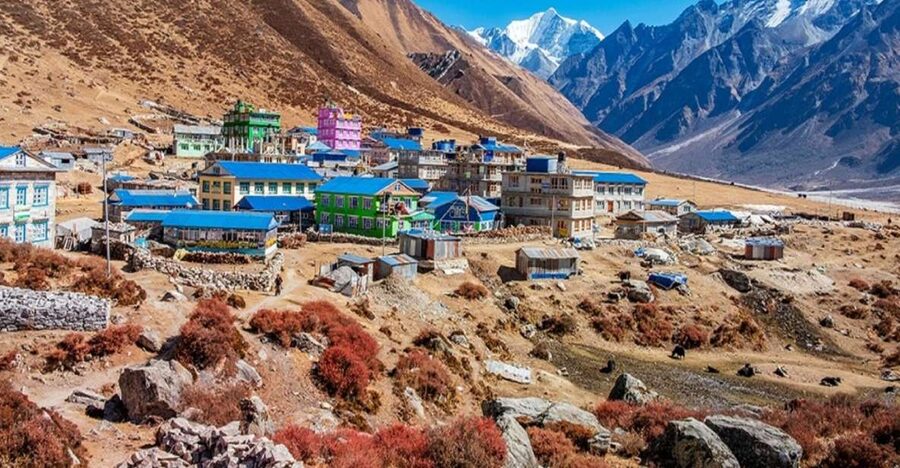
Langtang has a way of feeling quieter than the mega-name treks. This route is designed for nature lovers and first-time trekkers who still want the real deal, without spending days stuck in constant crowds. After Kathmandu, you start working your way toward a valley that changes character as you gain elevation, from forest shade to open views, and then into a more spiritual Tamang setting.
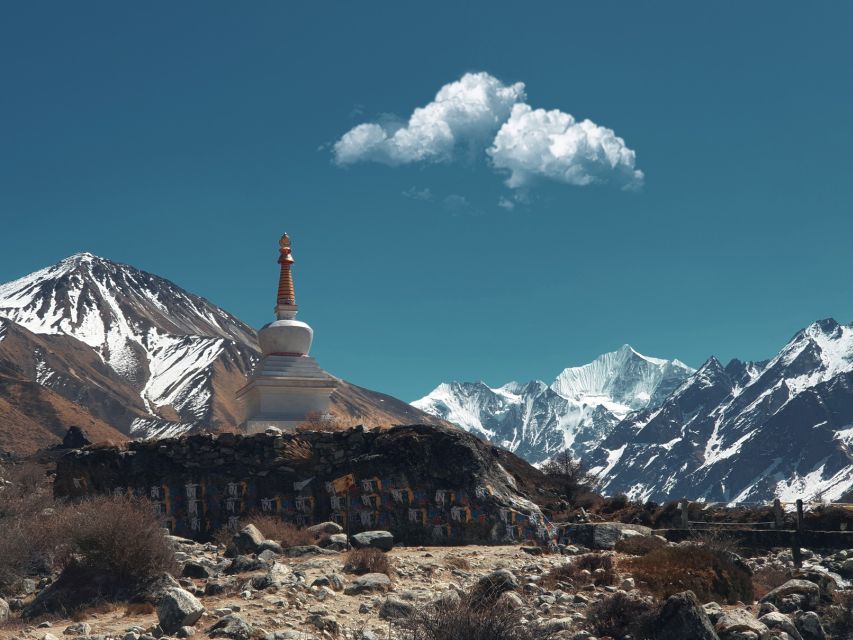
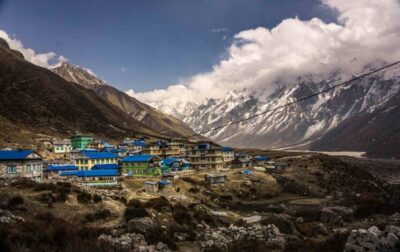
The Tamang community is a huge part of the appeal. In the Kyanjin Gompa area, you do more than walk past buildings. You get time around monasteries, you can visit what’s described as a cheese factory, and you’ll interact with friendly locals. That matters, because it turns the trek into culture, not just cardio.
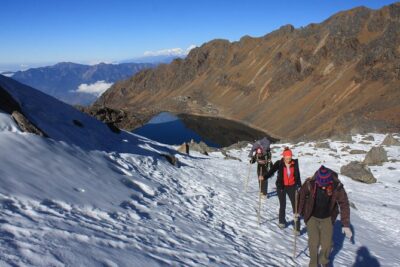
And the mountains are not just background. On clear mornings, the views around Kyanjin Ri and the glacial valley show you how quickly the Himalaya can change the way you think. One minute you’re negotiating trail stones, the next you’re looking at snow-capped peaks that make you forget your phone exists.
More of the Langtang valley:
- Langtang, Gosaikunda and Helambu Trek
★ 5.0 · 9 reviews - Langtang Gosainkunda Trek
★ 5.0 · 5 reviews - Kathmandu: 6 Days Langtang Valley Trek
★ 5.0 · 3 reviews
Price and value: what $181 really buys you
This trek is listed at $181 per person, and the value is strongest when you compare what’s actually included versus what you’d normally pay separately in Nepal.
Here’s what your money is covering:
- Hotel pickup and drop-off in Kathmandu
- A trekking guide who’s English speaking (porters are extra)
- Trekking permits and paperwork, plus the TIMS fee
- Private comfortable accommodation for 5 nights during the trek
- Transportation as per the itinerary on shared transport
- All staff costs (their meals, accommodation, salaries, equipment, insurance, and transport)
If you choose the full package, you also get:
- All meals during the trek (breakfast, lunch, dinner)
What’s not included is also important:
- Travel and rescue insurance (you should plan for this yourself)
- Personal expenses like phone calls, laundry, battery recharge, shower, and drinks
- Soft and hard drinks
- International flights and Nepalese visa fee
- Extra nights in Kathmandu or Pokhara if your timing changes for reasons outside the scheduled plan
Also, a smart note: the listing price is only one piece. The difference between a smooth trek and a stressful one is often gear comfort, water planning, and insurance. So even if $181 looks like a bargain, make sure you’re not quietly adding expensive surprises later.
Before the trail: packing list basics that match the altitude
You’ll be going up to about 4,770 m on the optional peak day, and nights can get cold. So pack with that in mind, not for a mild hike.
Bring:
- A sleeping bag
- Hiking shoes (not just casual sneakers)
- A jacket, plus hat, sunglasses
- Gloves
- Sunscreen
- A flashlight
- Trekking gear layers and a plan for cold evenings
If you’re going in winter, you’ll want warm layers for night temperatures. One trekper specifically called out that January nights get cold and advised taking warm clothes and medication they already need.
One practical tip: your “best gear” for high elevation is usually not the fancy thing. It’s the layers that you can put on quickly when the temperature drops at night, and the shoes that don’t punish your feet on long descents.
Day 1: Kathmandu to Syabrubesi to Pahiro, river forests and an easy start
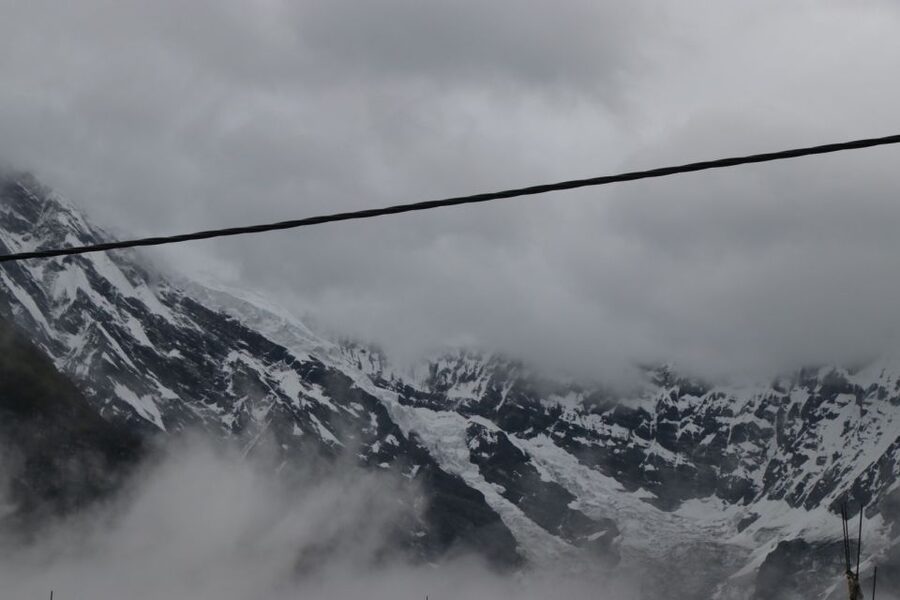
This trek starts with a long road day, then a short trail push. You’ll drive from Kathmandu to Syabrubesi, which is the trailhead area. The road itself takes about 6 hours, and you’ll have 2 hours of trekking after that.
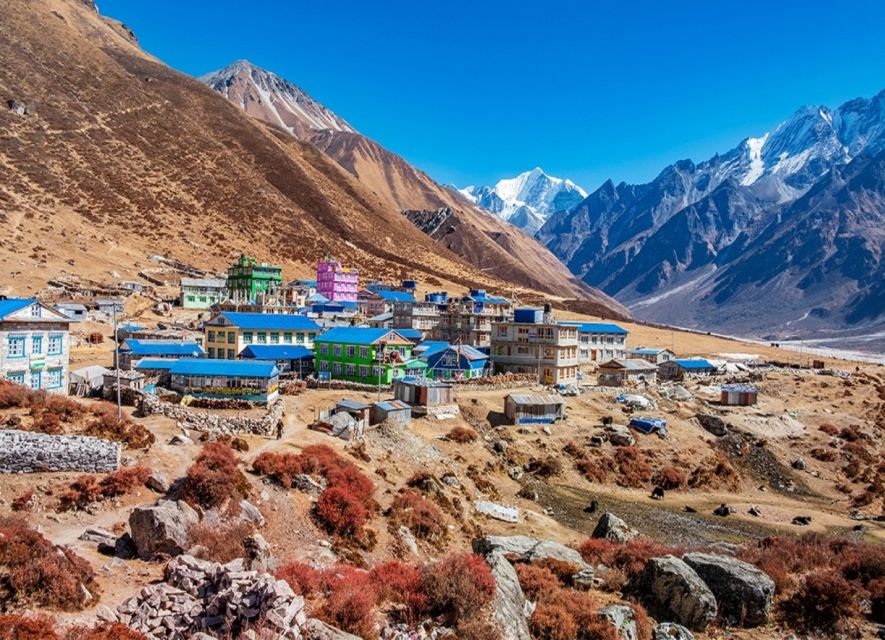
Your first overnight is in Pahiro (1,550 m / 5,085 ft). The walking portion is described as a forest stretch, and you’ll be following the Langtang river.
Why this first day matters: it’s your body’s warm-up. You’re not trying to prove fitness on day one. You’re learning how your legs feel on rocky ground, and how quickly the weather can shift when you’re higher than the city.
If you’re the type who likes structure, day one is a good match because the plan is clear and the trek guide handles logistics, including meals and lodge coordination.
More to compare around Kathmandu
- Kathmandu: 7 UNESCO Sites with Lunch
★ 4.8 · 744 reviews - Everest Base Camp Helicopter Tour landing at Everest View Hotel
★ 5.0 · 668 reviews - Kathmandu: Local Women-Led Nepali Cooking & Momo Class
★ 4.9 · 360 reviews - Manaslu Circuit Trek
★ 5.0 · 292 reviews
Day 2: Pahiro to Ghoda Tabela, a steady climb through green country
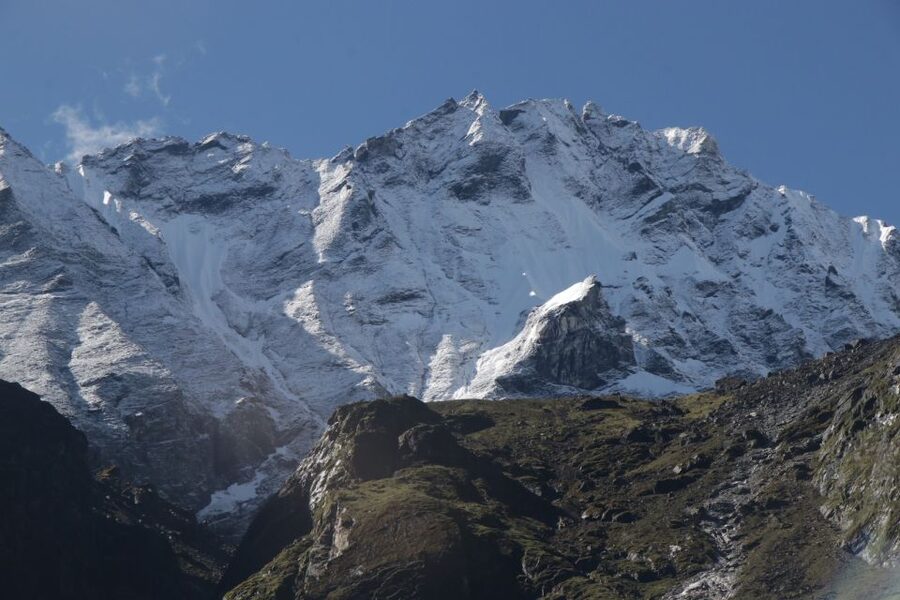
Day two moves you from Pahiro (1,550 m) up to Ghoda Tabela (2,900 m / 9,514 ft). Expect around 6 hours of trekking.
This is the kind of day that makes you appreciate the “moderate” label. It’s not described as technical, but you are climbing. The trail is framed by lush green forests, with villages and cascading waterfalls along the way.
Overnight at Ghoda Tabela puts you in a quieter, higher setting than day one. It also sets you up mentally for the Kyanjin Gompa zone, because you’ll start to notice the trail feels more exposed as altitude increases.
The biggest advice for a day like this is pacing. If you go hard early, you’ll pay for it later. Take steady steps, keep your breathing controlled, and drink water regularly even if you don’t feel thirsty.
Day 3: Ghoda Tabela to Kyanjin Gompa, Tamang life, monasteries, and cheese factory time
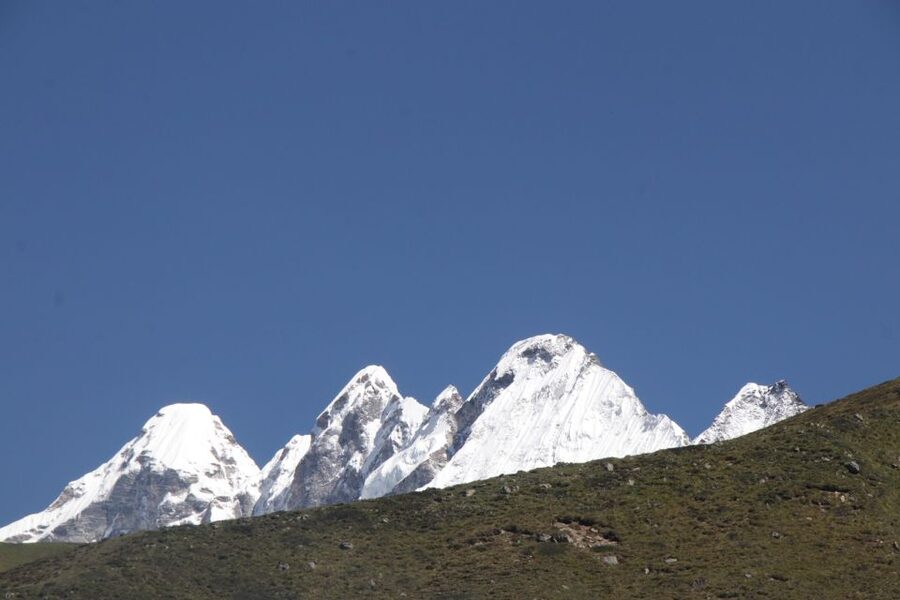
Day three is your jump to Kyanjin Gompa (3,870 m / 12,696 ft). It’s a longer day with about 6 hours of trekking, and it’s where the trip becomes more than scenery.
In the Kyanjin Gompa area, you’re set up for cultural time. The route includes exploring the village area with:
- Monasteries
- A cheese factory
- Time to interact with friendly locals from the Tamang community
This day is special because Kyanjin Gompa has that quiet, spiritual feel that you can’t really get from a photo. You’re also at a height where your breathing changes and you slow down naturally. That slowdown helps you pay attention.
You’ll sleep in Kyanjin Gompa, and that overnight matters. By now, you’re acclimating, and you’re close to the high point of the trek.
Day 4: Kyanjin Gompa to Thangsyap, the optional Kyanjin Ri push for the view
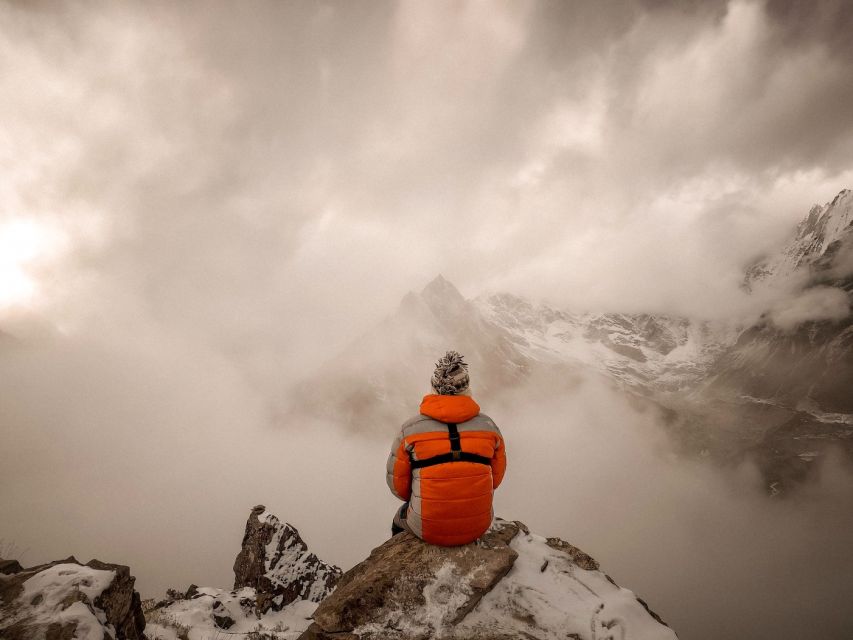
Day four starts at Kyanjin Gompa and ends in Thangsyap (3,200 m / 10,498 ft), after exploring higher ground. The itinerary describes a trek from Langtang Village up toward Kyanjin Ri peak (4,770 m / 15,649 ft), and it’s specifically noted as optional and potentially hard for some people.
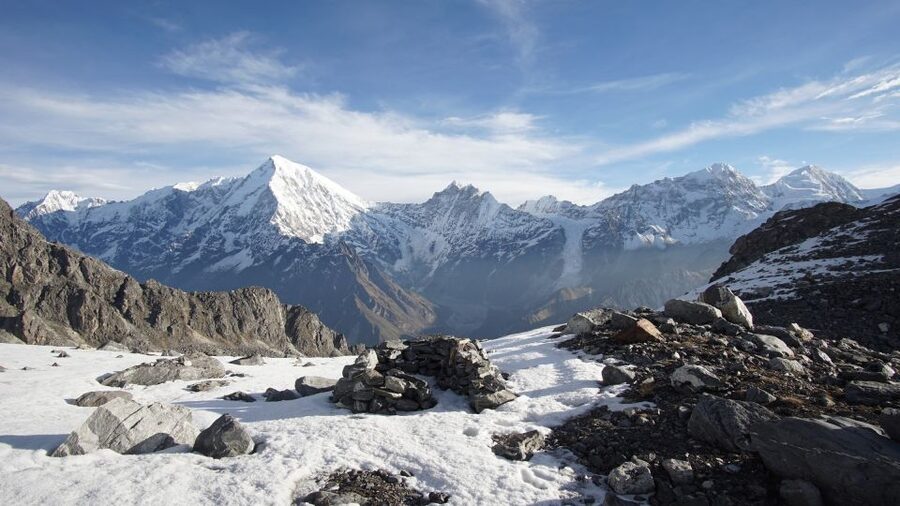
If you do the peak push, expect an uphill and ascent. The reward is the kind of panoramic view that makes the effort feel worth it: snow-capped peaks and a glacial valley feel like they’re stretching in every direction.
Another point: the plan is to return the same way after the peak, and the route emphasizes a spiritual atmosphere on the way back. That’s common on high Himalayan treks, but you’ll feel it more here because the cultural setting is close by.
My practical take: choose the peak based on how you feel that morning, not based on ego. If you’re short of breath in a way that feels unusual, it’s okay to skip the extra altitude. The main trek is still the main event.
Day 5: Thangsyap back to Syabrubesi, descending along the river
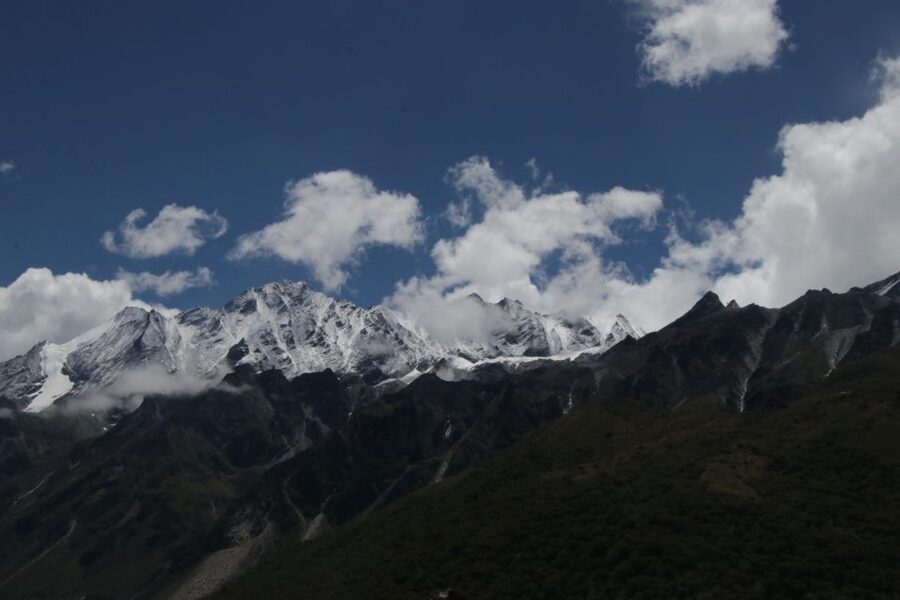
By day five, you’re going back down. You’ll explore the surroundings of Thangsyap, enjoy views of the Langtang range and surrounding Himalayan peaks, and then trek down toward Syabrubesi (1,550 m / 5,085 ft).
The trail is described as descending through the scenic path beside the Langtang river, retracing your steps from earlier days.
Why day five is mentally important: you get relief from the climbing, but your body is still tired. Descents can be hard on knees and shins. Take shorter steps, keep your balance, and use trekking poles if you have them.
Overnight in Syabrubesi sets you up for the last day’s return to Kathmandu.
Day 6: Syabrubesi to Kathmandu, shared bus and final goodbyes
Day six is mostly travel. You’ll be driven back from Syabrubesi to Kathmandu by shared bus, which also means you’ll have some time to decompress.
This is the day you reflect on the trek: fewer hours of physical effort, more time to process the quiet mountain rhythm. It’s a gentle finish, which I appreciate on a trek that already has one optional big day.
Guides make or break your Langtang experience
This kind of trek lives or dies on the guide, because a lot happens beyond the trail itself, like lodge selection, next-day plans, and keeping everyone comfortable at altitude.
The reviews attached to this trip give you a clear pattern: guides are supportive, friendly, and good at making the day feel manageable. I saw names repeatedly, including Niraj, Bipin, Mahesh Aryal, Dipesh, and Ghanshyam.
What stands out from that feedback is how guides handle the human side:
- They check in regularly and help you stay comfortable
- They recap what you did and outline the next day’s plan
- They help with backpacks when trails get steep
- They answer questions about Nepal and the Himalaya, including practical topics like animals and local knowledge
If you’re a first-time trekker, this support can be huge. It helps you understand what to expect each day and keeps you from feeling rushed when your body needs time.
And if you fall in love with it, one trekper extended their trip from 6 days to 8 days, which tells you the route can be flexible if your schedule allows it.
Lodges and meals: full package comfort, plus what you should budget
The itinerary includes private comfortable accommodation for 5 nights and, in the full package option, all meals (breakfast, lunch, dinner) during the trek.
In practical terms, lodges mean you’ll have a warm place to eat and rest, and you’ll be able to meet other trekkers in dining areas. One trekper noted that in cold January conditions, it was possible to sit by a fire in the dining area. That’s the kind of small comfort that makes the day feel easier to handle.
What you still need to plan for:
- Soft and hard drinks are not included
- Bottle or boiled water can be a personal expense
- Phone calls, laundry, bar bills, and battery recharge can add up
- Shower might be available but is listed as a personal expense
If you want good value, make a simple budget for the extras you’ll actually use, and avoid buying random add-ons every day just because they’re there.
How hard is this trek, honestly?
The trek is described as rewarding yet moderate, suitable for families, couples, or solo adventurers. But don’t let the word moderate fool you. One trekper explicitly said the steep path can require readiness for around 8 hours a day.
The hardest part is the optional peak day. Going up toward Kyanjin Ri at 4,770 m is where you’ll feel it most, especially if you go quickly or if you’re not used to altitude.
Also keep in mind night conditions. In January, cold can be real, and you’ll want to be prepared.
A smart strategy is to treat each day as practice for the next one. Hydrate, move at a steady pace, and pack layers so you’re not waiting until you’re cold to fix the problem.
Who should book this Langtang trek
This trek is a strong fit if:
- You want a true Himalayan experience with culture and spirituality, not only mountain views
- You prefer an itinerary that avoids big-name crowds, and you want quieter trekking days
- You’re a first-time trekker who wants a manageable route with clear structure
- You travel as a couple, solo, or in a small group
It’s also built for people who like authenticity. Tamang villages, monasteries, and the cheese factory stop make it more human and less touristic.
It’s not suitable for pregnant women, based on the activity’s stated guidance.
Should you book this 6-day Langtang Valley trek?
If you want a well-run, culturally grounded Himalayan trek that includes real mountain effort plus Tamang village time, this is a smart booking. The price level looks reasonable because permits, guide support, accommodations, and (in the full package) meals are handled for you.
Book it if:
- You’re comfortable with a steep uphill day, even if it’s optional
- You want guided logistics and supportive help from the start
- You’re willing to pack for cold nights and gain altitude responsibly
Skip or rethink if:
- You are worried about the optional Kyanjin Ri effort and don’t want any chance of a steep climb
- You’re counting on insurance or major travel planning to be included, because those are not part of the package
If you’re the type who likes practical travel, clear pacing, and a trek that feels connected to local life, Langtang is an excellent choice.
FAQ
What is the duration of the Langtang Valley trek?
The trek duration is 6 days.
What is the highest altitude on this trek?
The itinerary includes an optional trek up to Kyanjin Ri peak at about 4,770 m (15,649 ft).
What are the main stops on the route?
You’ll travel from Kathmandu to Syabrubesi, then trek to Pahiro, Ghoda Tabela, Kyanjin Gompa, Thangsyap, and back to Syabrubesi before returning to Kathmandu.
What is included in the full package for meals?
In the full package option, all meals are included during the trek, with breakfast, lunch, and dinner.
Do I need a sleeping bag and other cold-weather gear?
Yes. The packing list includes a sleeping bag, jacket, gloves, hat, and sunglasses, because nights can be cold at higher elevations.
Are porters included?
The guide is included, but porter charge is listed as extra. You can also find that porter help is available as an added service.
What languages will the guide speak?
The guide language options are English, Hindi, and Nepali.
Is travel and rescue insurance included?
No. Travel and rescue insurance is listed as not included.
Can I cancel and get a refund?
The activity notes free cancellation, with full refund available if you cancel up to 24 hours in advance.
Latest Kathmandu write-ups
- 16 Days Island Peak Climbing With Everest Base Camp Private Trip★ 5.0 · 3 reviews
- 15 Days Round Annapurna Trek with Poon Hill from Pokhara★ 5.0 · 5 reviews
- Private Nepal round trip including Ghorepani Poonhill trek★ 5.0 · 3 reviews
- Everest Base Camp Trekking 16 Days★ 4.0 · 7 reviews
- Everest Base Camp Trek★ 5.0 · 87 reviews
- 14 Days Luxury Annapurna Base Camp Trek★ 5.0 · 6 reviews
- Everest Base Camp Trek★ 5.0 · 32 reviews
- Everest Base Camp Trek★ 5.0 · 97 reviews
Langtang Valley Trek, compared.
Browse the lists this tour appears in