
Reviewed · ANNAPURNA BASE CAMP TREK
14 Days Annapurna Base Camp Trekking | Best trek for visit Nepal 2020
This 14-day Annapurna Base Camp trek is interesting because it mixes real trekking days with proper sightseeing and setup time in Kathmandu and Pokhara. You are not just thrown onto a mountain schedule from day one, and that matters when you want the trip to feel organized, not frantic.
I love the Kathmandu valley UNESCO sightseeing plus having the trek paperwork handled early, including permits arranged on Day 2. I also like that the trek route is staged in a way that gradually builds you up before the big visibility day at higher elevation.
One drawback to consider: this is a serious physical commitment. The itinerary includes multiple early starts and a lot of up and down climbing over 14 days, so you really should be comfortable with moderate fitness and long trekking days.
Key highlights to know before you go
- Kathmandu UNESCO sites plus practical setup, including permits arranged once your guide joins you
- Poonhill sunrise timing, giving you a clear shot at the Annapurna views early in the trip
- Cultural trail sections, with Magar and Gurung villages like Ulleri, Ghorepani, Chhomrong, and Sinuwa
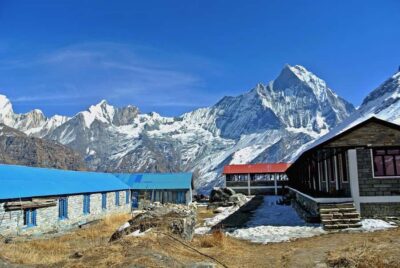
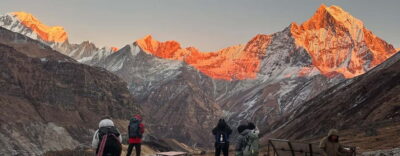
- Annapurna Base Camp as the main event, with a strong viewpoint and close-up mountain scale
- Jhinu hot springs at the end of the descent, a much-needed leg reset after all the downhill
- Included trek gear like sleeping bags and down jackets, plus an English-speaking guide
Kathmandu first, then the mountains: the rhythm that keeps this trip feeling organized
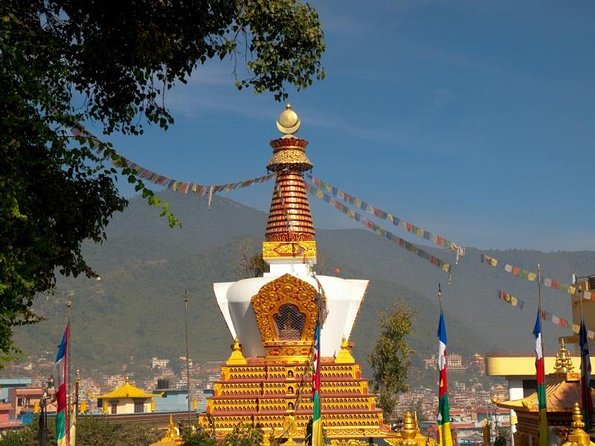
The best part of this Annapurna Base Camp experience is the pacing. Day 1 is arrival plus a welcome dinner, then Day 2 you switch into sightseeing mode with an English-speaking guide. You get driven by private vehicle to major Kathmandu cultural stops, including Pashupatinath, Swayambhunath, and Boudhanath, and you also touch the UNESCO World Heritage tone of the valley (like Kathmandu Durbar Square as referenced in the trip highlights).
If you are the type who hates spending your first day fumbling around for documents, this structure is comforting. On Day 2, while you are sightseeing and eating at authentic Nepali diners, the company arranges the trek permits and documentation you need. That means less scrambling later when you are already tired and focused on packing, hydration, and an early night.
Then the trip pivots to the trek. After Kathmandu, you drive to Pokhara and start the Annapurna region routing over the next days.
More routes into the Annapurna Sanctuary:
- Annapurna Base Camp Trek
★ 5.0 · 111 reviews - Annapurna Base Camp Trek – 10 Days
★ 5.0 · 29 reviews - 13 Days Annapurna Base Camp Trek
★ 5.0 · 13 reviews
Kathmandu valley days: UNESCO sightseeing done the useful way
You might think the Kathmandu part is just a pre-trek warm-up. In practice, it does two jobs.
First, it gives you context. Swayambhunath and the rest are not just stops on a list. They help you understand why Nepal tourism leans so heavily into temples, symbolism, and community life. It is also a great way to shake off travel stiffness before trekking boots go on.
Second, it solves logistics. With the guide joining on Day 2 and trek documents arranged in parallel, you avoid that classic problem where you spend your first days doing admin instead of exploring.
A small but meaningful bonus: you are not stuck in long lines on your own. Private vehicle transfers and guided pacing help you keep your energy for the trek itself.
Pokhara drive and lakeside breaks: your mental reset before Ulleri
On Day 3 you head to Pokhara by tourist bus along Prithvi Highway. The drive covers about 200 kilometers, and you get plenty of window time for green hills, river valleys, and mountain views along the way.
Pokhara is mainly about breathing. You arrive with options such as Phewa Lake, Mahendra Cave, Davis Falls, and a Bat cave visit (if you want it). Even if you do only part of that, the city works well as a buffer between Kathmandu and the trekking rhythm.
This is also where you get your first real taste of how the Annapurna region changes from city life to slower, village-based travel.
Ulleri to Ghorepani: building altitude with village culture, not just “more steps”
Day 4 starts with a private vehicle ride to Nayapul, then you trek toward Ulleri through Birethanti and Tikhedhunga. A suspension bridge and stone stairways lead you up to Ulleri, where you get to experience Magar culture. Overnight in Ulleri, the trail mood is set: you are moving through communities, not just walking in a wilderness bubble.
Day 5 continues the village-to-village style with the trail toward Ghorepani. You pass through Banthanti for lunch, then continue into Ghorepani, another Magar village. The big payoff is that from Ghorepani you can see the Annapurna and Dhaulagiri ranges, which is a big reason so many people time their Annapurna trek around clear mornings.
Also, Ghorepani is where you start thinking about timing. After a night in a higher village, you are ready for the early rise that makes the next day shine.
More to compare around Kathmandu
- Kathmandu: 7 UNESCO Sites with Lunch
★ 4.8 · 744 reviews - Everest Base Camp Helicopter Tour landing at Everest View Hotel
★ 5.0 · 668 reviews - Kathmandu: Local Women-Led Nepali Cooking & Momo Class
★ 4.9 · 360 reviews - Manaslu Circuit Trek
★ 5.0 · 292 reviews
Poonhill sunrise and Tadapani: why this detour is worth it
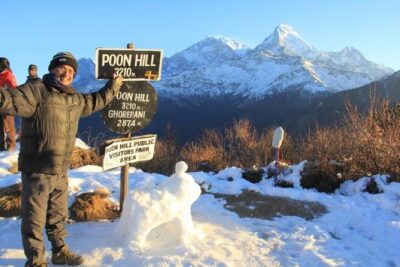
Day 6 is an early morning day, and it is one of the reasons this route feels like more than a straight line to ABC. You go up to Poonhill for sunrise, described as one of the best worldwide viewpoint experiences for watching Himalayas wake up.
Practically, this does two things for your trek day ahead. You get your biggest “wow” moment before breakfast, and you set expectations for the scale you will later see at Annapurna Base Camp.
After the sunrise, you descend back to Ghorepani for breakfast and then trek to Tadapani. Tadapani is a Gurung village with views including Annapurna South (7,219m) and Hiunchuli (6,441m). You can also choose a homestay experience there to learn about Gurung culture, which fits the overall style of the trip, cultural immersion alongside mountain goals.
That mix is a big deal. It helps the trek feel personal, not just athletic.
Chhomrong to Sinuwa to Bamboo: rhododendron forests and the ABC approach
Day 7 takes you to Chhomrong, with a route that drops to Kimrong Khola and then climbs through the forested Modi valley. You pass Gurung settlements like Chulie and Gurjung, stop for lunch at the Gurung village of Talung, then climb staircases into Chhomrong, described as the largest settlement in the valley and known for agriculture.
Chhomrong is a turning point. It is a place where you feel the Annapurna region tightening into a more mountain-focused routine.
Day 8 continues across Chhomrong Khola and up to Sinuwa. After that, the trail moves through rhododendron and oak forests, then down to Bamboo. After lunch at Bamboo, you climb to Himalaya, which is essentially a small group of teahouses and lodges and serves as the last stop area before reaching ABC.
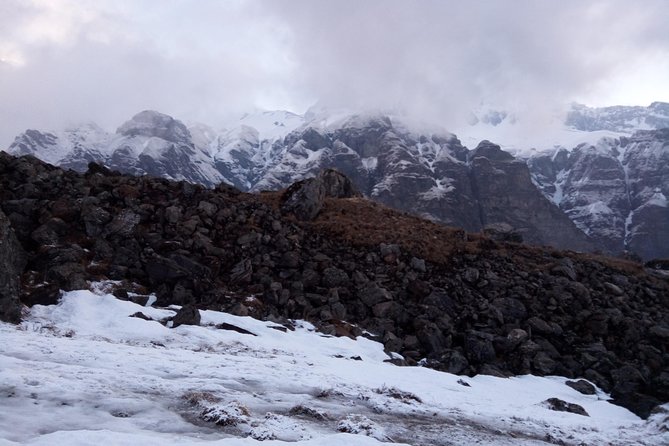
The trip notes that the trail becomes more rugged on this approach, and in some sections you might even spot snow. That is your heads up that ABC is not just “a longer walk,” it is a real high-elevation environment.
Annapurna Base Camp day: Hinku Cave, Machhapuchhre Base Camp, then the main viewpoint
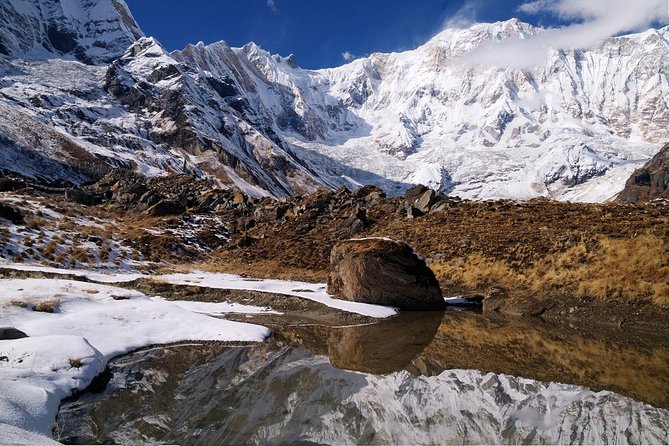
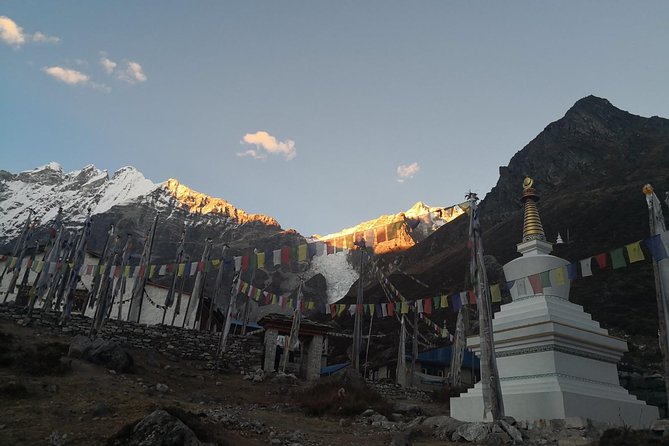
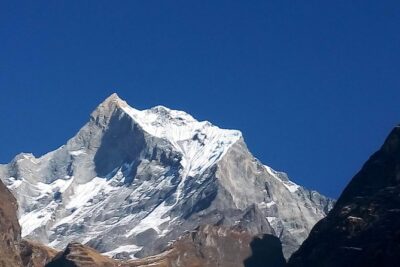
Day 9 is the heart of the entire experience. As you climb higher, vegetation thins and alpine scrub and bushes take over. You explore the Hinku cave on the way, then move toward Machhapuchhre Base Camp, where you can see Machhapuchhre (6,993m) and fellow trekkers.
Then the final push lands at Annapurna Base Camp. The base camp acts as a strong viewpoint for Annapurna, Dhaulagiri, and Manaslu. You also get to interact with campers at the base camp area, which turns ABC from a viewing platform into a living place where people share stories and check conditions.
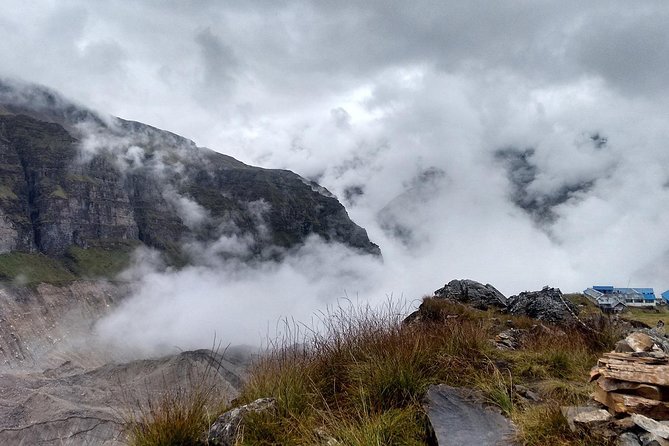
This is also where weather matters most. If skies are clear, you feel the mountain drama. If clouds roll in, you still get the experience, but the mountain scale can feel muted. The good news is the trek is built around early-day viewing windows, like the sunrise timing at Poonhill earlier in the route.
Downhill days to Bamboo: the part that tests your knees and your attitude
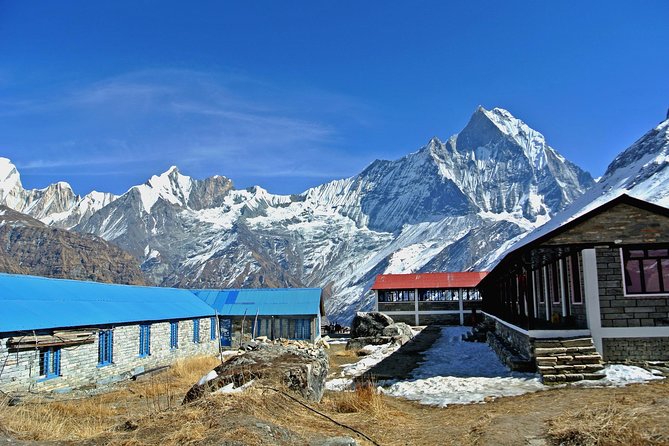
Day 10 is a descent from ABC to Bamboo. The route is mostly downhill and involves lots of down climbing. That means your legs do the real work here, not just your lungs.
Bamboo is described as a small settlement, and the downhill trail gives way to lush vegetation again. The contrast from alpine scrubs back into greener zones is part of the psychological reward of the descent. It signals that you are moving away from the hardest elevation zone and toward recovery.
This day is not glamorous, but it is important. If you pack smart for downhill comfort and take it slow, you will arrive feeling more human for the next hot spring day.
Jhinu Danda and hot springs: your reward after the hard descent
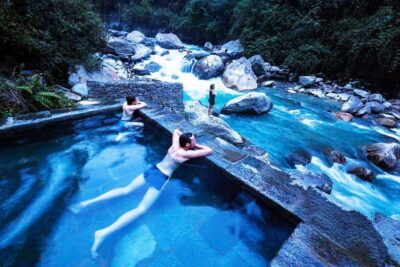
Day 11 shifts from Bamboo to Jhinu Danda. You climb up to Khuldighar where you can see the experimental sheep farm, then descend through rhododendron fields to Sinuwa before climbing steeply to Jhinu. The payoff is the natural hot springs at Jhinu.
This is the kind of reward that actually matters. After days of up climbs and downhill strain, soaking your legs in hot water is a practical reset. It turns the trek’s last tough section into something you can feel in your body, not just celebrate with photos.
Finish in Pokhara, then Kathmandu: sorting yourself out after the mountains
Day 12 brings you back to Pokhara. The trail descends, crosses a river, and gets you back to Birethanti, where you continue trekking/walking back to Nayapul. Your representative meets you at Nayapul and takes you to the hotel in Pokhara.
Day 13 is a drive back to Kathmandu, with a stop on Phewa Lake and the World Peace Pagoda noted for Pokhara sightseeing before you go. The drive is about 6 hours and runs along a typical hilly highway, so it is a winding transition day.
By Day 14, breakfast comes first, then a brief wrap-up with your representative, and finally drop-off at Tribhuvan International Airport for departure.
Price and value for 14 days: what you are really paying for
At $871 per person for about 14 days, the price only makes sense if you look at what is included.
This package covers private transportation, all fees and taxes, and an English-speaking guide. It also includes a first aid kit and provides sleeping bags and down jackets, which is a big practical cost saver for many travelers.
Food is another value lever: breakfast is included 3 times, lunch is included 11 times. That matters on trekking routes where you do not want to guess daily costs or scramble for meals.
What is not included is also clearly stated: travel insurance, Nepal visa fee, and tipping for guide(s), porter(s), and driver(s). If you do not already have insurance, that is the first thing you should handle before you go. And for tips, plan a budget, because it is part of how this type of trekking economy runs.
For me, the best value signal here is the combination of gear included plus private transport plus a guide who is responsible for his expenses. This is not a bare-bones hike. It is a supported trek with fewer day-to-day uncertainties.
Service quality, the human side, and why people keep recommending it
The most praised aspects of this experience are not just “the view at ABC.” They are how you are treated while you are moving, tired, and far from home.
In the feedback I saw from past trekkers, the consistent themes were good service, a caring team, and support that feels personal. Names that come up include guides and coordinators like Saran and Lal, plus trek support staff such as Nilan, Tika, Sam, and porter Bheem. People describe the team as taking care of everyone like family and making the trek feel safe and manageable.
There is also a practical point to those positive comments. When you are trekking in a remote area, the difference between an okay trip and a great one is usually how well problems get handled. One recurring idea is that the team is flexible when itinerary changes happen, so you are not left stuck when conditions shift.
Add in the fact that this is a private tour with only your group participating, and you get a more controlled experience than shared arrangements.
Should you book this Annapurna Base Camp trek?
You should book if you want an Annapurna Base Camp journey that feels supported, with gear provided, a real guide, and a trekking schedule that includes both cultural village walking and major viewpoint days. The structure with Kathmandu and Pokhara helps you arrive prepared and start trekking with permits already handled.
You might skip this option if you know you are not ready for long days of climbing and especially long downhill sections. This trek is achievable for many people, but it is not a gentle stroll.
If you are considering it, do this one smart check before you commit: make sure your fitness level matches a multi-day trek with early starts and down climbing. If that fits, you will likely love the mix of Kathmandu UNESCO sights, Pokhara reset time, and the big mountain payoff at Annapurna Base Camp, plus the hot-spring relief at Jhinu.
FAQ
Where does the trip start, and what time?
The trip starts at Tribhuvan International Airport in Kathmandu, Nepal, with a listed start time of 7:45 am.
Is this tour private?
Yes. It is described as a private tour/activity, meaning only your group will participate.
What trekking gear is included?
The package includes complimentary sleeping bags and down jackets.
Who arranges the trekking permits and documents?
The company arranges the permits and documents required for the trek, and this happens on Day 2 while you are in Kathmandu.
How many meals are included?
Breakfast is included 3 times, and lunch is included 11 times. Dinner is not listed as included.
What is not included in the price?
Travel insurance, Nepal visa fee, and tipping for guide(s), porter(s), and driver(s) are not included.
What fitness level do I need?
Travelers should have a moderate physical fitness level.
Latest Kathmandu write-ups
- 16 Days Island Peak Climbing With Everest Base Camp Private Trip★ 5.0 · 3 reviews
- 15 Days Round Annapurna Trek with Poon Hill from Pokhara★ 5.0 · 5 reviews
- Private Nepal round trip including Ghorepani Poonhill trek★ 5.0 · 3 reviews
- Everest Base Camp Trekking 16 Days★ 4.0 · 7 reviews
- 14 Days Luxury Annapurna Base Camp Trek★ 5.0 · 6 reviews
- Everest Base Camp Trek★ 5.0 · 32 reviews
- Everest Base Camp Trek★ 5.0 · 87 reviews
- Everest Base Camp Trek★ 5.0 · 97 reviews
Annapurna Base Camp Trek, compared.
5 Day Annapurna Base Camp Trek & Natural Hot Spring
Read our review →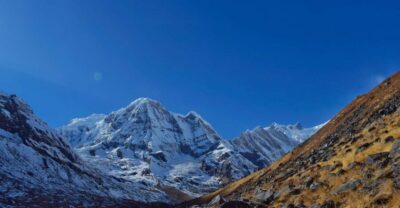
7-Day Annapurna Base Camp Trek & Natural Hot Spring
Read our review →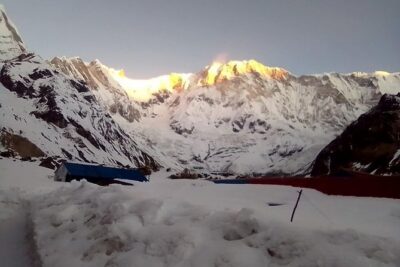
10 Days Annapurna Base Camp Trek from Kathmandu
Read our review →Browse the lists this tour appears in