
Reviewed · MANASLU CIRCUIT TREK
15 Days Manaslu Circuit Trek
The Manaslu Circuit Trek is interesting because it climbs from Nepal’s lower hills into high alpine country above 5,000 meters, while keeping the feeling of a true village-to-village route. You’ll circle Mt. Manaslu (8,163m) and pass through places that feel Tibetan-influenced, even when you are still deep in Nepal. I like the mix here: serious altitude plus real culture and not just postcard stops.
Two things I really like about this trek: the day-by-day pacing is built for acclimatization with a real rest day at Samagaun, and you get a professional local team with the tools to respond if conditions get sketchy. In past groups, guides such as Suresh and Sujan have been singled out for strong English, flexibility, and for telling stories that make the trail feel alive. One possible drawback to consider is the effort level near the top end: one day is long and steep (the Larke La Pass push), and there are rugged sections plus landslide-prone ground on some days.
Key highlights that make this trek worth your time
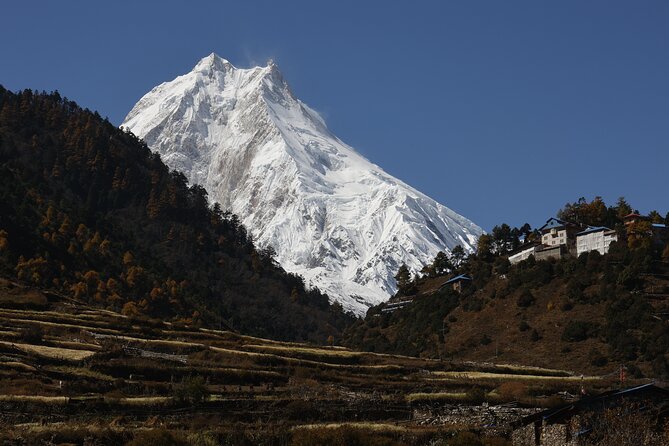
- Larke La Pass day gives you major mountain panoramas across multiple Himalayan peaks, not just Manaslu.
- Gompa visits at Ribung Gompa and Punggyen Gompa add culture and viewpoints in one move.
- Tibetan-leaning villages such as Namrung, Shyala, and Samdo make the region feel distinct.
- Built-in acclimatization with a rest day at Samagaun and lake scenery at Birendra Lake.
- On-trail support includes an English-speaking guide with satellite phone and an oximeter.
- Good group size with a maximum of 14 travelers, which keeps the trip feeling manageable.
Why the Manaslu Circuit feels special above the crowds
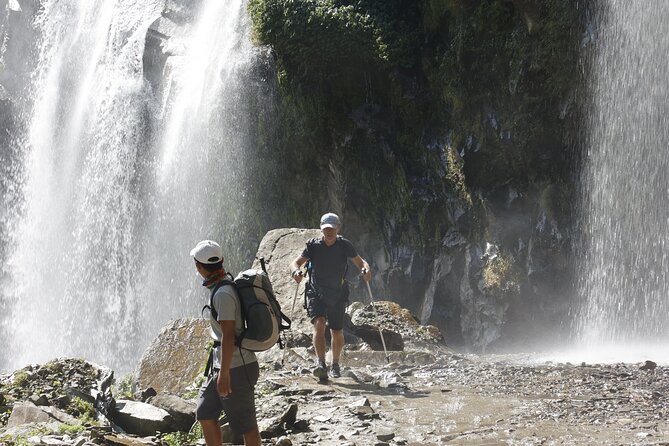
Manaslu Circuit has a reputation for being less packed than some famous Nepal routes. That matters because you can actually slow down at a prayer wall, sit with tea, watch life around a village bend, and not feel like you’re constantly overtaking people.
You also get a classic trekking arc: lower river valleys, then forest and terraced fields, then the high pastures where yaks appear, and finally the pass country. The route stays focused on what you came for: walking, altitude, and mountain views framed by villages and glaciers.
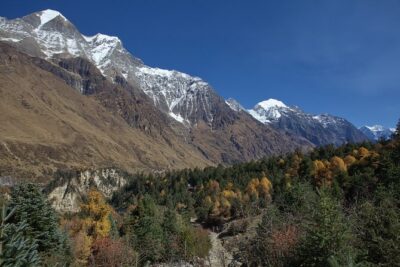
And yes, the scenery is the headline here, but what makes it memorable is the way the trail changes character. One day you’re crossing suspension bridges over a fast river. Another day you’re passing birch and juniper and noticing how the air feels different. By the time you’re near the top, even a short climb feels like it has consequences.
More of the Manaslu Circuit:
- Manaslu Circuit Trek
★ 5.0 · 292 reviews - Manaslu Circuit Trek
★ 5.0 · 184 reviews - Manaslu Circuit Trek:
★ 5.0 · 106 reviews
Price and logistics: what $1,450 includes, and what you’ll fund yourself
At $1,450 per person for about 15 days, this trek is priced like a serious guided Nepal adventure, not a bare-bones DIY plan. The value comes from what’s covered rather than the total number.
What’s included:
- Porters and assistant guides based on group size
- Kathmandu hotel for 3 nights in a 3-star place (breakfast and bed basis)
- Private vehicle transfers on the ground
- Permits and paperwork
- Rescue and evacuation arrangements for emergencies
- A professional English-speaking guide with satellite phone and an oximeter
- Tea and coffee during the trek
- Breakfast (14), lunch (12), and dinner (12) during the trekking portion
What’s not included:
- Meals while you are in Kathmandu beyond what’s covered by the hotel
- Lunch and dinner in Kathmandu (not listed as included)
- Medical evacuation cost if it becomes necessary
- Tips for local staff
- Anything else not listed in the included section
Here’s how I’d think about cost for a trip like this: you’re paying for route planning, permits, safety gear, and the reality of moving through villages with support. That’s especially important when you’re spending time above 5,000 meters and crossing remote terrain.
Kathmandu start: you get a head start, not a scramble
Your trip starts with pickup at Tribhuvan International Airport in Kathmandu. The start time listed is 5:45 am, so plan for an early arrival window or a flight schedule that doesn’t leave you fighting jet lag and traffic at the same time.
Day 1 is straightforward: you get transferred to a hotel, you rest for a few hours, then you meet your guide in the hotel lobby and get a briefing for day 2. Day 2 is mostly about getting ready. You’ll prepare your gear and do the practical checks that make the first trekking days go smoother.
This matters because Manaslu is not the trek where you can casually wing it on day 3. If you pack smart early, you’ll thank yourself later when layers become non-negotiable.
Days 3 to 5: Machhakhola to Jagat, hot springs and rugged river-road walking
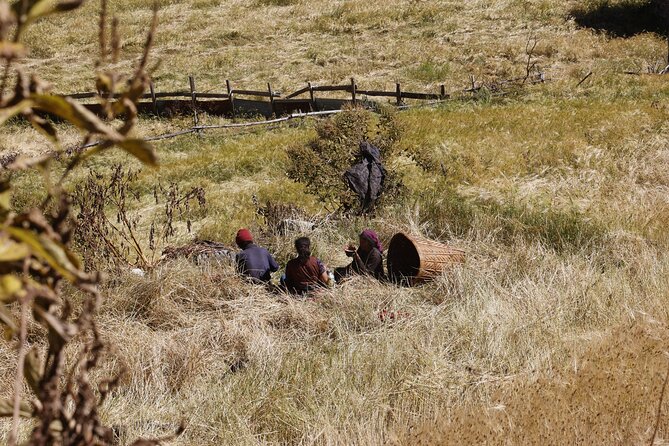
Day 3 starts with a drive from Kathmandu area toward Machhakhola, passing Arughat and Sotikhola. There’s a mix of blacktopped road and a dirt-road stretch beyond Arughat, which sets the tone for the kind of terrain you’ll keep seeing.
You’ll end up in Machhakhola after about 8 hours of travel time. Think of this as your “transition day,” when your legs wake up but you’re still mostly dealing with travel logistics.
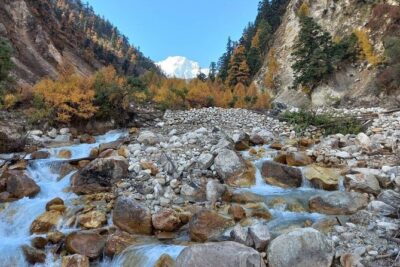
Day 4 is more trekking-forward. After crossing the bridge over Machha Khola, you’ll walk on a rugged vehicle road until Tatopani. The highlight here is the hot spring break at Tatopani. Then the trail ascends, crosses Budhi Gandaki, reaches Dobhan, and continues with a gradual climb through a landslide area to Thulo Dhungga and Yaruphant. You’ll also cross a suspension bridge and reach Jagat.
Day 5 pushes you onward to Deng. You’ll leave Jagat and ascend toward Salleri, then walk on another rugged vehicle road to Sirdibas. You’ll pass Ghatte Khola and cross a long suspension bridge. The route then climbs through Philim, Ekle Bhatti, Nyak Phedi, and through pine and bamboo forests, ending in Dang.
What I like about these first walking days is that they teach you the rhythm. Early on, you understand how “walking time” can include bridges, uneven footing, and the slower pace that comes with trail conditions. A potential drawback is exactly that: rugged ground and landslide-prone sections can make your pace feel unpredictable, so don’t treat the listed hours as a guaranteed “easy hike.”
More to compare around Kathmandu
- Everest Base Camp Trek – 14 Days
★ 5.0 · 1,499 reviews - Everest Base Camp Trek
★ 5.0 · 842 reviews - Private Kathmandu Sightseeing Tour | UNESCO World Heritage sites
★ 5.0 · 756 reviews - Kathmandu: 7 UNESCO Sites with Lunch
★ 4.8 · 744 reviews
Namrung and Shyala: fields, forests, and a strong Tibetan feel
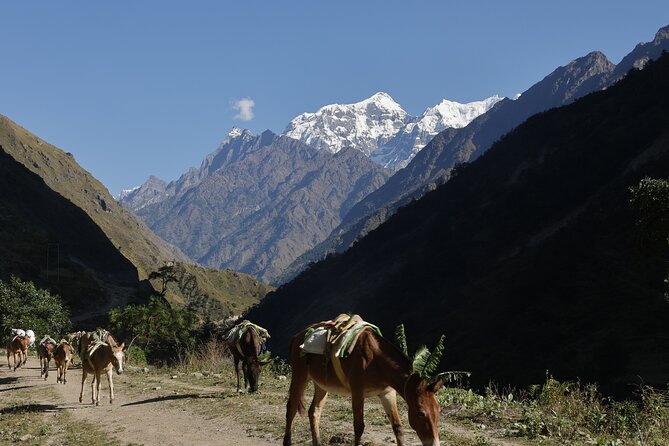
Day 6 takes you to Namrung. The trail starts narrow with relatively flat terrain, plus landslide sections before reaching Ghap. You’ll keep crossing bridges over the Budi Gandaki River and walking alongside cultivated fields. After the last bridge, the path climbs through low alpine forest to Namrung.
Namrung is described as a highland hamlet where the local look and culture resemble Tibet. That’s the kind of detail that makes Manaslu different from a route that only feels like scenery. You’ll feel the region shifting culturally as well as physically.
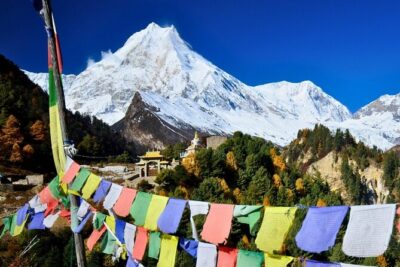
Day 7 continues to Shyala. You’ll trek through Bhanzam and pass ethnic villages such as Lihi, Sho, and Lho. You’ll visit Ribung Gompa in Lho village, perched on a hill with a magnificent view of Manaslu. Then it’s through pine and rhododendron forest to Shyala.
This day is one of the best mixes in the trip: religious site plus forest plus village walking. The possible drawback is that after two solid days, the gompa stop and viewpoints may make you linger, which is great, but it can also add fatigue if you’re the type who wants to do everything at once.
Samagaun plus Birendra Lake: the rest day that earns its keep
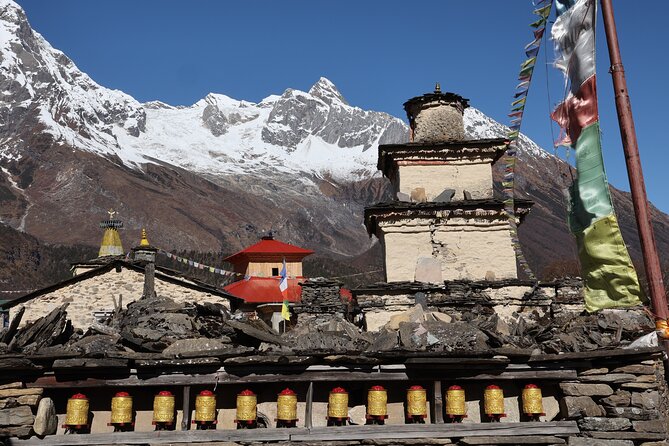
Day 8 moves you to Samagaun after a climb to Punggyen Gompa. From there, you get impressive views of surrounding peaks along with the eastern face of Manaslu. You’ll trek through pastures and cross a river draining from Pung Gyen glacier. Then you descend the same way to rejoin the main trail and reach Samagaun, which is the last largest village in the Manaslu region.
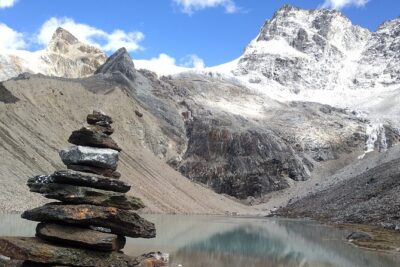
Day 9 is a rest day in Samagaun with an excursion to Birendra Lake for acclimatization. On the way, you might also see wildlife such as Himalayan Thar.
This rest day is not filler. At these altitudes, your body needs time to adjust. A shorter outing keeps the spirits high, while giving you a chance to feel how your breathing is working before the next push toward higher villages.
One caution: “rest day” still means movement, just smarter movement. You’ll want to pace yourself and keep hydration in check.
Samdo and Dharamsala: where the terrain turns more open
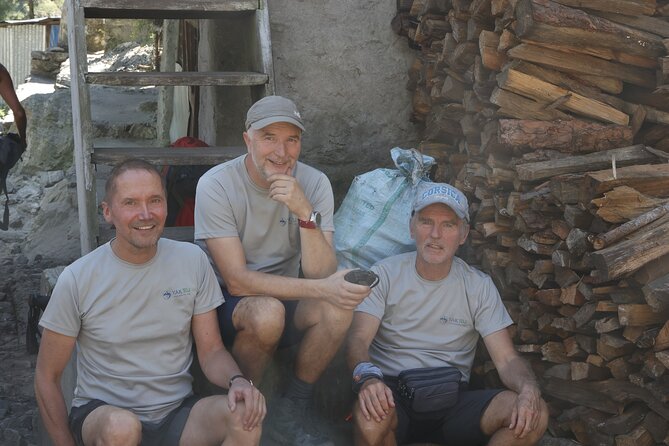
Day 10 takes you to Samdo. You’ll pass forests of birch and juniper, then trek through small villages. You’ll cross a wooden bridge over the Buddhi Gandaki River and reach Samdo, described as a small Tibetan refugee village.
The vibe here tends to be quieter than earlier river-valley days. It’s one of those stops where you can feel the remoteness, and it helps you understand why people come back to this region.
Day 11 continues to Dharamsala. You cross a suspension bridge and ascend gradually through high pasturelands. This is where yaks grazing are part of the scenery. You’ll also get views of Manaslu North, Larkya Peak, and Larkya glacier on the left side of the trail. After crossing rivulets and continuing the ascent, you’ll arrive at Dharmasala.
The main consideration here is weather. As you get higher, clouds can appear fast, and visibility can change. You’ll feel the difference between a good day for photos and a day where you’re walking mostly by trail and instinct. That’s where having an experienced guide really matters.
Larke La Pass: the big day that you plan your whole trek for
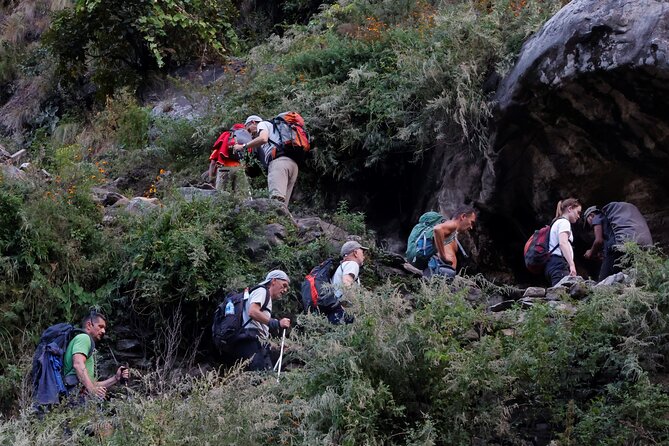
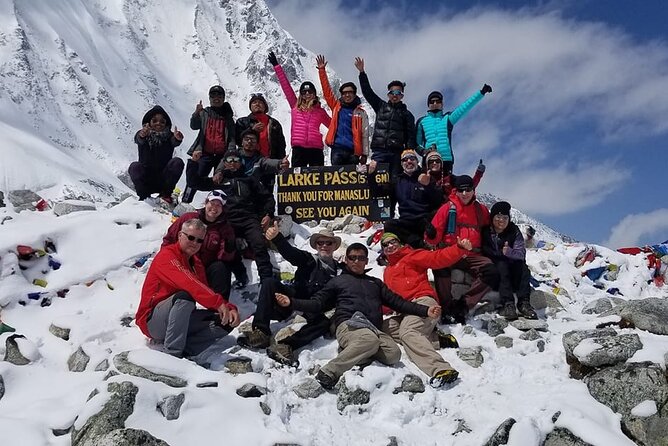
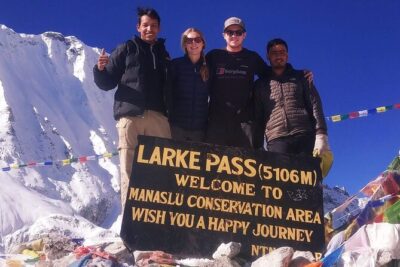
Day 12 is the long and challenging one. You start early after breakfast. You climb to the north side of Larkya glacier, then the trail ascends along a steep path to the top of Larke La Pass.
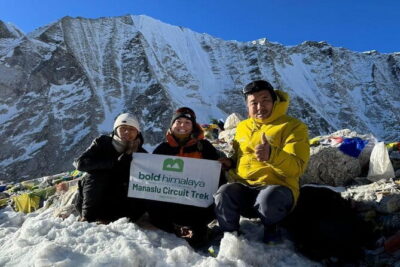
At the pass, you’ll enjoy stunning views across many named peaks including Himlung Himal, Cheo Himal, Kangguru, and the huge Annapurna II, plus additional mountains. After that, you descend to Bimtang.
This is the day where your “moderate fitness” requirement becomes very real. The trek isn’t just about getting over the pass. It’s about doing it safely while your body is already working at altitude and the trail is steep.
Practical tip: bring the mental gear for a slow, steady climb. The fastest way to burn out on a pass day is to go out too hard early, then spend the rest of the morning catching up to your own energy.
Kechakyu Khola to Tilije, then the drive back to Kathmandu
Day 13 starts with passing the Kechakyu Khola Glacier, then trekking through rhododendron forest. Along the way, you’ll see views of Mt. Manaslu again, which is a nice reminder that the circuit is still about the same mountain, even as the trail changes.
You’ll reach Gho village, head toward Tilije, and arrive at Tilije, described as an older typical Gurung village with facilities like hot showers, wifi, and electricity from here onwards.
That little comfort bump is a big deal. After cold mornings and long trekking days, being able to warm up and connect again can feel like a reward you earned through effort.
Day 14 is your return day. You drive back to Kathmandu via Besishahar, then move to your hotel. In the evening, the company organizes a farewell dinner.
The drawback on a return day is that it can feel like a victory lap plus a letdown. You’ll be tired, so don’t expect this to feel like a sightseeing day. Plan for recovery and easy conversations instead.
Day 15: airport drop and the quiet wrap-up
Day 15 finishes with breakfast and an escort to Tribhuvan International Airport for your flight. This is the simple close: you return your trekking gear to normal life, then fly home.
If you’re the type who needs closure, set aside a few minutes at the airport to look back at the whole route mentally. This circuit has enough segments, from forests to pastures to glaciers, that it actually helps to remember it as a sequence, not just a single mountain.
Guides, porters, and the small touches that change the feel of the trek
A Manaslu trek is a team sport. The itinerary is only half the story. The other half is how the group runs day to day: pace, safety calls, meal timing, and whether someone is there to handle the logistics without turning everything into chaos.
Here’s what stands out from past experiences with this trekking setup: strong organization, friendly local guidance, and a guide who stays flexible and present. Guides like Suresh and Sujan have been described as not just leaders, but part of the group, with lots of mountain and culture stories, and the ability to answer questions.
You also have support on safety fundamentals. The guide is equipped with satellite phone and an oximeter, and the trip includes rescue and evacuation arrangements in case of emergency. That doesn’t mean risks vanish, but it does mean you’re not going in blind.
And during the trek, you get tea and coffee, which sounds small until you’re tired, cold, and tempted to make bad decisions based on hunger and fatigue.
Who should book this Manaslu Circuit trek, and who should think twice
This trek suits you best if you want:
- A full circuit feel, with culture and villages alongside the altitude
- A guided experience with permits, meals, and support
- An acclimatization plan that includes an actual rest day
- The willingness to handle a long pass day and some rugged trail conditions
You might think twice if you’re looking for an easy stroll, because the trek includes steep climbs, rugged paths, and a clearly labeled challenging day reaching Larke La Pass. If you’re not comfortable with altitude above 5,000 meters, you should take the fitness note seriously and discuss your situation with the operator before booking.
Also, if you hate group travel, keep in mind the maximum group size is 14. That’s not huge, but it is still a group setting.
Should you book this Manaslu Circuit trek?
I’d say book it if you want a less crowded Nepal trek that still feels professionally run. The value looks solid because you get more than guiding, you get permits, private transfers, a Kathmandu hotel, and most meals during the trek, plus safety equipment and response planning.
If you’re deciding between options, focus on your comfort with the hardest day. Day 12 is the one that shapes the whole itinerary. If you’re ready for a long steep effort and you’ll pace yourself, you’re the right match.
One more decision helper: if you care about Tibetan-influenced villages, gompas on hilltops, and that sense of walking through living mountain communities, this circuit delivers. If you just want views with zero effort, look elsewhere.
FAQ
What is the duration of the Manaslu Circuit Trek?
The itinerary is listed as about 15 days.
Where is the trek start and what time do you meet?
The meeting point is Tribhuvan International Airport in Kathmandu, Nepal, with a start time of 5:45 am.
Is pickup offered in Kathmandu?
Yes. All the ground transfers are included in private vehicles, and pickup is offered.
How many people are in the group at most?
The maximum group size is listed as 14 travelers.
What meals are included during the trek?
Breakfast is included for 14 days, lunch is included for 12 days, and dinner is included for 12 days. Meals while you are in Kathmandu are not included beyond what your Kathmandu hotel provides.
Does the guide have safety equipment?
Yes. The professional English-speaking guide is equipped with a satellite phone and an oximeter. Rescue and evacuation arrangements are included in case of emergency.
Is medical evacuation cost included?
Rescue and evacuation arrangements are included, but the medical evacuation cost is not included.
Latest Kathmandu write-ups
- Langtang Valley Trek★ 5.0 · 3 reviews
- Khopra Danda Trek★ 5.0 · 3 reviews
- Langtang Valley Trek from Kathmandu★ 5.0 · 3 reviews
- 5 night / 6 days Kathmandu Nagarkot Chitwan Pokhara tour★ 5.0 · 3 reviews
- Nepal Highlights Tour: 5 Nights 6 Days Kathmandu & Pokhara Tour★ 5.0 · 3 reviews
- Kathmandu Valley Private Day Tour★ 5.0 · 3 reviews
- Conquer the Himalayas: The Ultimate 16-Day Annapurna Circuit Trek★ 3.5 · 3 reviews
- Kathmandu Heritage Day Tour★ 5.0 · 3 reviews
Manaslu Circuit Trek, compared.
Manaslu Circuit Trek 8th Highest in the World
Read our review →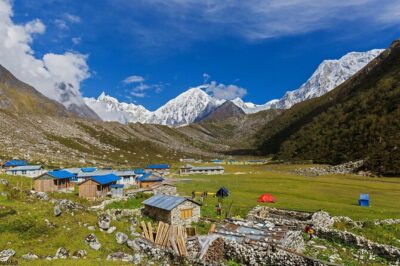
Private 12-Day Manaslu Circuit Trekking in Kathmandu
Read our review →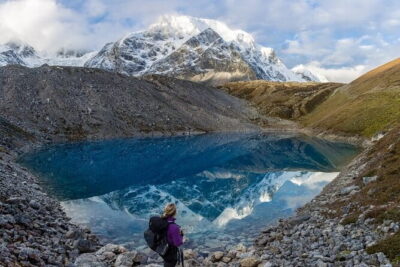
Manaslu Circuit Trek to the Beauty of 8th Highest Mountain
Read our review →Browse the lists this tour appears in