
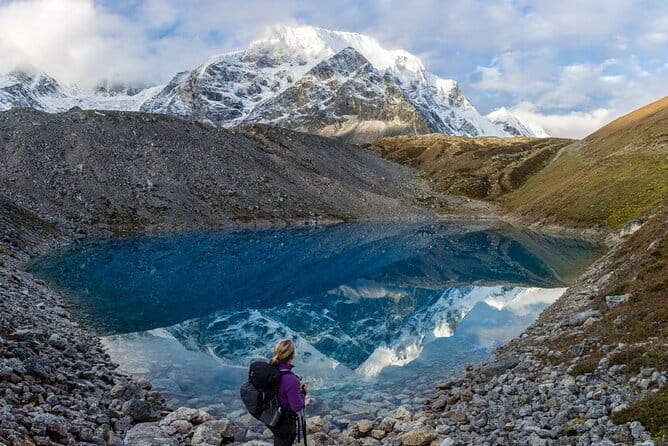
Reviewed · MANASLU CIRCUIT TREK
Dancing in the Manaslu Circuit Trek
Dancing in the Manaslu Circuit is interesting because it mixes big Himalayan hiking with small, human-scale culture in a region that is meant to feel quieter and more controlled. I like the focus on the high moment at Larkya La (5,100 m), not just the downhill photos. I also like that restricted access helps keep the trail feeling personal, with Tibetan-influenced villages, monasteries, and even local music and dance along the way. One drawback to plan for is that this trek depends on weather and good timing around altitude, so you need solid basic fitness and flexibility.
The good news is the support is clear and practical. You get an English-speaking guide, full board meals during the trek, permits and taxes, and private twin-share rooms. Still, remember that a porter is required for the trek and travel insurance and personal expenses are on you.
Key highlights you’ll feel on the trail
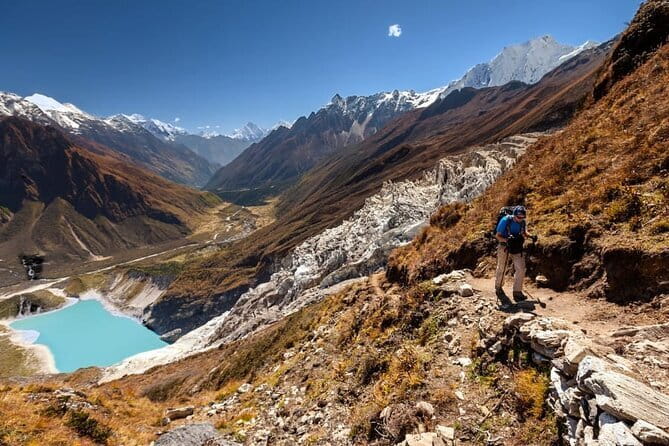
- Larkya La (5,100 m) focus, with views tied to major peaks and frozen-lake scenery
- Restricted-area Manaslu trekking, which helps keep the experience calmer and more local
- Cultural stops with Mani walls and monasteries, including a hike to Pungeyn Gumpa
- Hot springs and big river days early on, starting from the Budhi Gandaki Valley
- Real logistical help, including deluxe bus transfers and a shared jeep on the finish leg
Why this Manaslu Circuit feels quieter and more personal
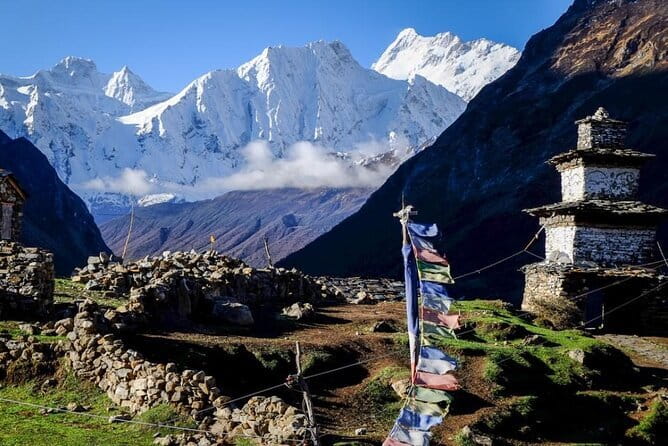
If you are tired of overcrowded routes, Manaslu is a breath of fresh air. The core idea here is not only the circuit around Mount Manaslu, it’s also access. Restricted entry helps limit the number of trekkers, which means you spend more time watching the world instead of dodging foot traffic.
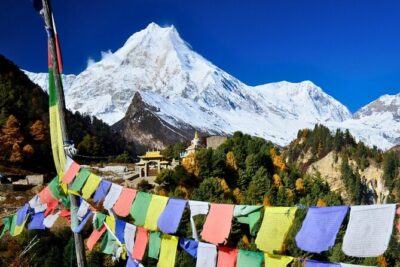
The other reason the trip’s name fits is culture. This trek moves through Tibetan-influenced villages where you’ll see prayer flags and Mani walls, plus quieter moments near monasteries. And because the region keeps a stronger traditional rhythm, you’re more likely to catch local music or dance when the day’s schedule gives you time in village settings.
There’s a practical side, too. Because this is structured with a guide and included meals, you’re not left playing logistics roulette with lodge availability. That matters on a circuit where the “how do we eat tonight?” question can become the whole mood.
More of the Manaslu Circuit:
- Manaslu Circuit Trek
★ 5.0 · 292 reviews - Manaslu Circuit Trek
★ 5.0 · 184 reviews - Manaslu Circuit Trek:
★ 5.0 · 106 reviews
Price and logistics that matter on a 12-day trek
At $1,390 per person for about 12 days, the real question is what you are buying besides the hiking itself. Here, a lot of the cost drivers are covered: three full board meals each day during the trek, permits and government taxes, and transport that would otherwise eat your energy.
Included transport is split into two big pieces:
- Deluxe bus transfer from Kathmandu to Sotikhola (with driving time across rural sections)
- Shared jeep from Dharapani to Besisahar, plus a drive back to Kathmandu
You also get private rooms for twin sharing throughout the trek. That’s not a luxury hotel, but it is a comfort upgrade compared with dorm-style trek travel. Then there’s the support layer: a government-certified guide who speaks English, plus a first aid kit for basic medical needs.
Two cost notes you should keep in mind:
- A porter is required, but porters are not included in the price. You can hire one in Kathmandu or at Sotikhola.
- Travel insurance and personal expenses (phone charging, laundry, bottled water, hot water) are not included.
If you can handle those add-ons and you want a well-run trek without day-to-day planning headaches, the pricing feels closer to “all-in trekking system” than “just a guide and vibes.”
The long ride in: Kathmandu to Sotikhola, then into the valley
Your first day is mostly transit, because the trail begins after you get deep into the lower valleys. You drive from Kathmandu toward Sotikhola and then onward into the trekking starting area, with a possible vehicle change on the way toward Maccha Khola.
On the first trekking day, you’ll walk along the Budhi Gandaki river corridor. This is the stage where you warm up, not where you try to prove fitness. The trail works like a gentle ramp into the rhythm of the circuit: steady walking, pauses for breath, and time to start noticing how the valley changes.
This is also where trekking comfort starts to matter. You’re likely to be carrying a day bag while you rely on the porter arrangement for the heavier load. If you’re serious about enjoying the trek instead of managing fatigue, keep your day bag tight: water, snacks, layers, sunscreen, and the things you truly need while walking.
River days and Tatopani pass-by: Maccha Khola to Jagat
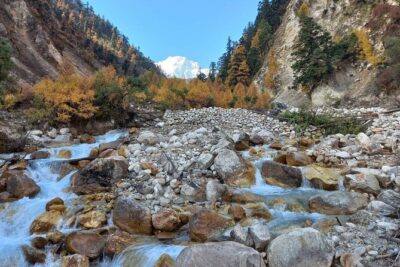
From Maccha Khola, the trek tracks the Budhi Gandaki River. This is one of those sections that makes the circuit feel “real Nepal” rather than a chain of checkpoints. You pass small settlements, see rural hillsides, and get your first taste of trekking infrastructure that feels built for people, not crowds.
A standout moment early is Tatopani, a natural hot spring area. You may not spend hours there, but seeing it as part of the route gives you a sense of how locals use the landscape. Then you continue deeper into the restricted region.
You reach Jagat, known here for its stone houses with a rural look. That matters because Manaslu is not just about peaks. It’s about how people live at these elevations, and how that life changes as you climb.
One small drawback to note: these are long days in the Himalaya, and the early stages can feel stretched if you expect constant “wow” views. Give the valley walking its due. The payoffs come later, especially near Larkya La.
More to compare around Kathmandu
- Everest Base Camp Trek – 14 Days
★ 5.0 · 1,499 reviews - Everest Base Camp Trek
★ 5.0 · 842 reviews - Private Kathmandu Sightseeing Tour | UNESCO World Heritage sites
★ 5.0 · 756 reviews - Kathmandu: 7 UNESCO Sites with Lunch
★ 4.8 · 744 reviews
From Jagat onward: Salleri, Namrung, and Mani wall country
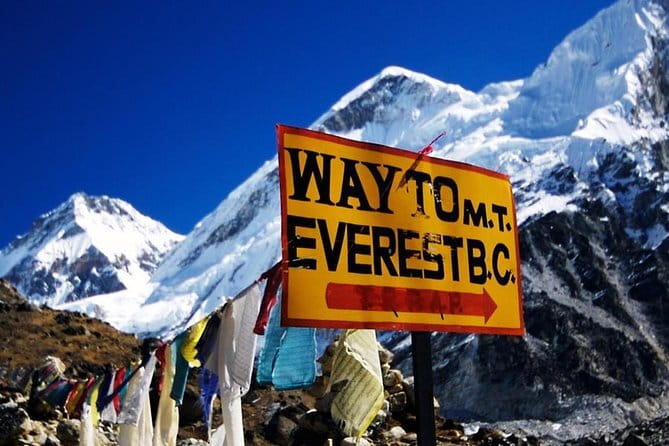
As you move from Jagat toward Salleri and then onward, the trail begins to feel more patterned. You start seeing repeated visual language: stone walls, religious markings, and the way forests and village paths connect.
When you reach the Namrung area, you get a mix of culture and nature. You pass through Prok village, see Mani walls, and trek through forest sections. Even if you are not a hardcore “religious sights” person, Mani walls have a way of making the area feel lived-in. They’re not staged. They’re part of daily movement.
Trek quality at this stage often comes down to pacing. You’ll be tempted to speed up because each day is “progress.” I’d instead aim for steady, conversational hiking. It helps you keep energy for the later altitude push and makes it easier to enjoy small cultural moments without feeling rushed.
Shyala to Samagaun: Pungeyn Gumpa and the slow climb into Manaslu country
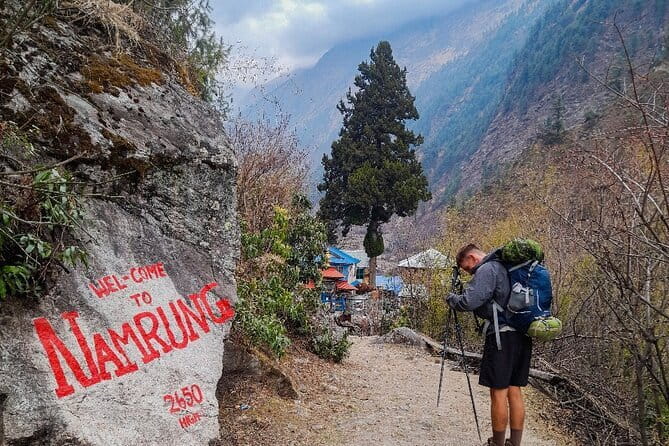
The shift toward Samagaun is where the circuit starts to feel more Himalayan, less valley. You hike from Shyala into Samagaun and then have time to hike to Pungeyn Gumpa.
That gumpa outing is the kind of side hike that changes your perspective. It’s not just extra steps. It’s a chance to see how monasteries anchor the local world when the mountains start taking over your sky view.
Samagaun is also an area where acclimatization becomes part of the story. Even when you are not yet at the big pass, your body begins reacting to altitude. The best strategy is simple: walk slower than you think you need to, drink consistently, and don’t let pride control your pace.
Acclimatization day near Manaslu: Base Camp and Birendra Lake option
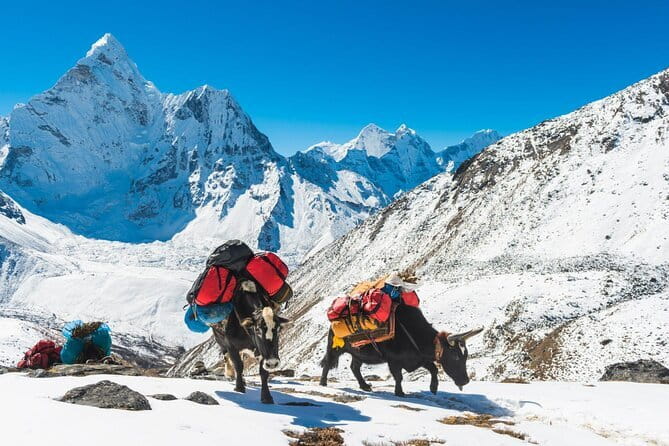
One of the most valuable parts of this plan is the acclimatization day. You get a full day in the Manaslu area, with an optional hike to Manaslu Base Camp and Birendra Lake.
This is where you should be practical. Optional hikes can tempt you into doing more than your body wants. If you feel strong and the weather is good, it can be an unforgettable day. If you feel tired, you’ll still benefit from the rest, because having a buffer matters for the days ahead.
This day also connects back to the “Dancing” theme in a subtle way. When people slow down, culture becomes visible. You’re more likely to notice how communities use prayers flags, where daily routines happen, and how guesthouse life works when the group is not rushing out the door.
From a value standpoint, the acclimatization day is not an extra expense, it’s risk management that improves the whole trek.
Larkya La approach: icy streams, monasteries, and wooden-bridge moments
After acclimatization, you descend toward the Budhi Gandaki River and cross a wooden bridge. Then you witness the Larkya glacier. Even without going full photo-nerd, glacier views give you that unmistakable sense of scale.
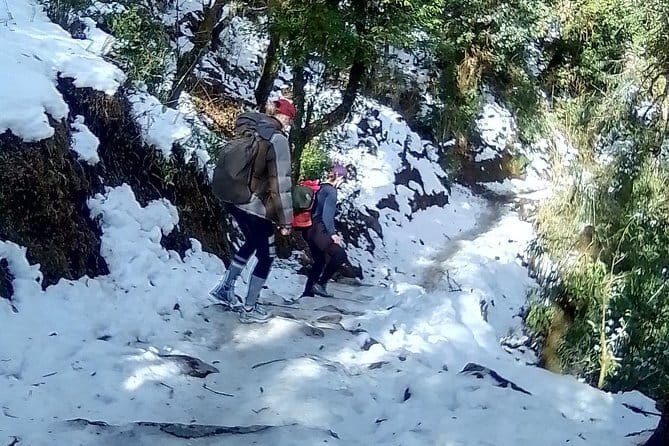
The next days move into colder, rougher terrain. You trek through icy streams, pass through Larke Bazaar, and then ascend toward Dharmasala. You’ll also pass monasteries and Mani walls again, which helps keep the cultural thread going even as the terrain gets serious.
Two things help you enjoy this segment:
- Keep your schedule-focused. On altitude routes, the day’s plan matters more than exploring off-path.
- Expect conditions to change fast. It can be sunny, it can be cold, and it can feel different as you gain height.
There is no way around it, this part is physically demanding. The upside is that it’s also when the “quiet circuit” feeling becomes strongest. Fewer distractions, fewer interruptions, and more time noticing your own breathing as the terrain tightens.
The day you reach Larkya La Pass: Cho Danda, Larkya Peak, and frozen lakes
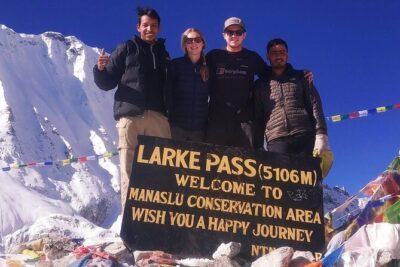
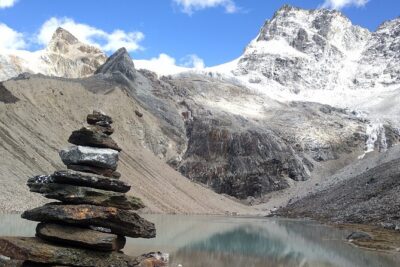
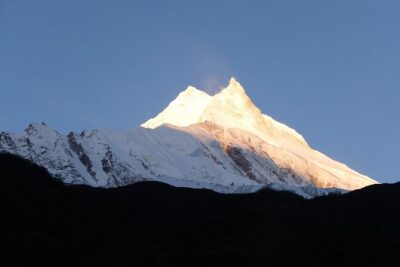
Reaching Larkya La Pass is the headline. The trek description points to views of Cho Danda, Larkya Peak, and four frozen lakes, plus the classic reward feeling you only get after real work.
At this altitude, your biggest limiter might not be legs. It might be breath control. So treat this like a summit day that respects your body:
- Walk slowly and consistently.
- Stop early rather than late.
- Avoid sprinting between photo stops.
Even if you only get a short window of clear views, standing at Larkya La gives you a sense of why this circuit is considered special. It’s not just “another pass.” It’s the moment where the circuit compresses into one view and you see how all the effort connects.
Also, the “dancing” promise is cultural, but this high pass moment is where the trip’s emotional meaning clicks. You’ve moved through villages with prayer flags and monasteries, and now the mountain itself feels like the final teacher.
Down to Dharapani: forests, Dudh Khola, and a calmer landing
After the hard high sections, you descend through lush green forest areas, cross Dudh Khola, and pass through Karche village before reaching Dharapani.
This descent stage is more than a relief day. It helps your body adjust back toward lower elevation, and it lets your mind reset. You’ll likely feel grateful for the switch from icy, technical walking to more forgiving trail grades.
Still, don’t go too fast. Descents can beat up knees and ankles. A steady pace keeps the landing smooth, and you’ll arrive at Dharapani with enough energy to enjoy the final evenings instead of collapsing.
The finish back to Kathmandu: jeep to Besi sahar, then drive home
To close the loop, you take a jeep drive from Dharapani to Besisahar. Then you do a roughly five-hour drive back to Kathmandu.
This is where you’ll appreciate how the transfers are set up. Without that planning, you’d be hunting for transport with tired legs. Here, you get a clear ending, and the trip returns to your meeting point in Kathmandu.
For me, the real value is that the trek doesn’t end on a logistics cliff. After days of moving carefully and steadily, you get a final stretch that is simply travel, not problem-solving.
Guide support, porter reality, and what people praise
A strong trek guide can change your whole experience, not by making it easier, but by making it safer and more meaningful. In this case, the guide is government certified and fluent in English, and that matters when you want to understand the region rather than just get through it.
You’ll also notice the operator has a track record of solid care from the real-life details in guide and porter stories, including names like Bijaya, Krishna, Lakpa, Tenji, and porter Nema. The consistent theme is attention and practical guidance, plus knowledge-sharing about Himalayan life.
One more human detail that often gets tied to a good trek is conversation. Some groups report learning basic Nepali along the route. That kind of small effort makes villages feel less like a “stop” and more like a place you’re actually passing through.
Porters are required on this trek, and you can hire one in Kathmandu or at Sotikhola. Budget for it, and do not under-pack just to avoid the porter. The whole point is to let you hike with less strain so you can enjoy the long, high days.
Finally, there’s a farewell dinner for the completion of the trek. It sounds simple, but it’s a nice ritual ending. You get a moment to feel done, not just “transferred out.”
Who this trek is for, and who should rethink it
This trek fits best if you:
- Want a restricted-access, quieter Manaslu experience rather than a busy circuit
- Care about cultural details like prayer flags, Mani walls, monasteries, and local music and dance moments
- Are comfortable with a 12-day plan and long walking days
- Prefer private twin-share rooms and included meals so you can focus on hiking
You should rethink if:
- You hate altitude travel with limited control over weather and visibility
- You cannot commit to arranging porter support and travel insurance on your own
- You prefer fully flexible schedules with no structure at all
This is moderate physical fitness territory, but don’t mistake “moderate” for “easy.” The circuit includes Larkya La, plus long days in changing terrain. Go in ready to work, and you’ll likely feel proud of the whole line of days.
Should you book Dancing in the Manaslu Circuit Trek?
Yes, if you want a Manaslu Circuit that feels human, culturally grounded, and logistically handled for you. The best value comes from the combination of included permits, full board meals, English guide support, and transport that covers the big road legs. The high point, Larkya La, gives you a true summit-day experience with major peak and frozen-lake views if conditions cooperate.
Skip it, or at least ask tough questions first, if you are not prepared for porter requirements, or if you cannot handle the altitude timing that comes with a restricted, high pass trek. If you’re the type of traveler who enjoys being part of a small, well-run team and paying attention to villages as much as peaks, this one is a strong match.
Latest Kathmandu write-ups
- Private Lobuche East Peak Climb and Mt Everest Base Camp Trekking★ 5.0 · 4 reviews
- Ghorepani Poonhill Trek★ 5.0 · 4 reviews
- Mardi Himal Yoga Trek★ 5.0 · 4 reviews
- Bhaktapur Day Tour with Changu Narayen★ 5.0 · 4 reviews
- Everest Base Camp Helicopter Tour★ 5.0 · 4 reviews
- Annapurna Ghorepani Poon Hill trek from Pokhara short and easy hike in Himalaya★ 5.0 · 4 reviews
- Everest Base Camp trek 13 days★ 5.0 · 4 reviews
- Everest Base Camp+Gokyo Ri★ 5.0 · 4 reviews
Manaslu Circuit Trek, compared.
Manaslu Circuit Trek 8th Highest in the World
Read our review →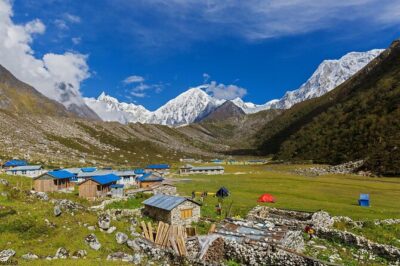
Private 12-Day Manaslu Circuit Trekking in Kathmandu
Read our review →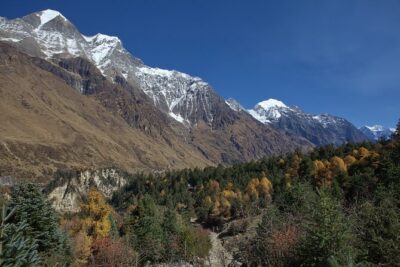
Manaslu Circuit Larkya Pass Trekking 13 days From Kathmandu
Read our review →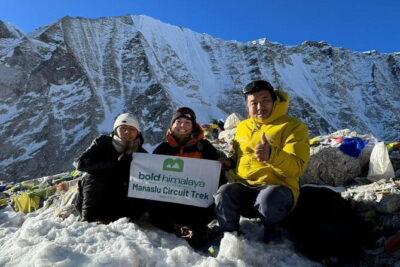
Manaslu Circuit Trek to the Beauty of 8th Highest Mountain
Read our review →Browse the lists this tour appears in