
Reviewed · PRIVATE
20 Days Private Kanchenjunga Circuit Trek
The Kanchenjunga Circuit Trek is interesting because it is remote high-altitude trekking in Eastern Nepal, built around serious altitude and big mountain days in the Kanchenjunga Conservation Area. You get a circuit feel, not just an out-and-back, with stops at both North and South base camps.
I really like that this is set up as a private trek with a guide for most of the journey. You’ll also get to experience both Pangpema (North Base Camp) and the South Base Camp via a classic high-pass approach.
The main drawback is that it is logistically and physically demanding. You’ll spend multiple days riding in and out by road, then move through the mountains on an acclimatization ladder, so you should be ready for long, cold, and sometimes slow days.
Key Highlights You’ll Care About
- Private group only, 19 days of guided trekking with permits included
- Two base camps: Pangpema in the north and the South Base Camp from Cheram
- Built-in acclimatization at Ghunsa and Kangbachen with specific altitude targets
- Remote conservation-area trail feel, from small villages to high camps
- Guides like Narayan and Dil are praised for route mastery and adapting plans for weather and health
- Meals and tea house stays included in the mountains, but drinks are not
Why the Kanchenjunga Circuit Trek Feels Different Than a Typical Everest Side Trip
This trek is not about quick postcard views. It is about settling into Eastern Nepal’s slower rhythm, where you move through tea houses, conservation-area settlements, and high camps that only a dedicated circuit can reach.
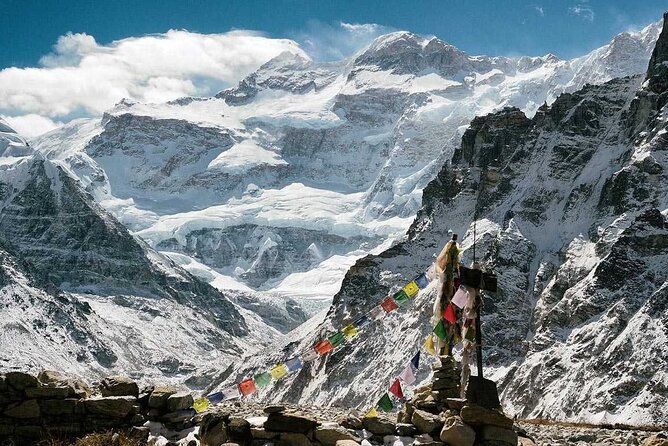
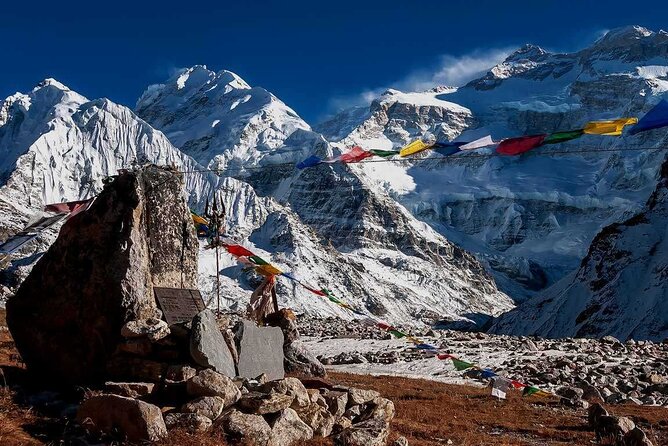
Kanchenjunga itself sits behind everything. The North Base Camp area at Pangpema is about 5,140 meters, and the South Base Camp day comes later from Cheram at around 3,870 meters. That altitude gap is part of the challenge, and it is also what makes the scenery and the feeling of the trek so intense.
I also appreciate the practical way the route is paced. Ghunsa and Kangbachen are used as acclimatization anchors, not filler stops. That matters because this is a long trek where altitude mistakes can snowball.
More Kanchenjunga itineraries:
- Kanchenjunga Circuit Trek 19 Days
★ 5.0 · 9 reviews - Kanchenjunga South Base Camp Trek – 13 Days
★ 5.0 · 6 reviews - Kanchenjunga Circuit Trek
★ 5.0 · 5 reviews
Price and What You’re Actually Paying For
At $2,560 for a roughly 20-day private trek, you are paying for more than a leader carrying a flag. You are buying a full working support system: permits, a guide for 19 days, tea house accommodation during the mountain portion, and most meals.
Here is where the value can feel real:
- Your guide is included for 19 days, which is a long time to have local expertise on your side.
- Tea house accommodation is included for the mountain nights, so you are not constantly doing math on lodging.
- Permits are included, which saves the hassle of figuring paperwork while you are already planning for altitude.
- Breakfast and lunch and dinner are included on the provided counts, so you’re not scrambling for meals when the day gets long.
Your main extra cost bucket is drinks. The trek does not include all hot and cold drinks, which is normal for mountain trekking, but it is worth planning for in your budget. If you like lots of tea, coffee, or bottled water, expect that to add up.
If you want to keep costs under control, go in ready to pay for beverages and small snacks, then lean on included meals to keep your daily spending steady.
Flying Into Nepal’s East, Then Rolling Toward Taplejung
Your trip starts in Kathmandu at Tribhuvan Airport, with a start time listed as 10:15 am. You’ll head for Bhadrapur first, then continue by road toward Ilam and Taplejung.
Day 1 is an afternoon flight from Kathmandu to Bhadrapur (about 45 minutes), followed by a drive of about 5 hours to Ilam. The point of this day is not sightseeing. It is getting your body and brain oriented to the eastern route while you sleep before the longer ground leg.
Day 2 then makes it clear you are entering the trek region. Ilam to Taplejung is roughly 240 km and can take 9 to 12 hours, depending on road conditions and traffic. This is one of the first realities of remote trekking: the schedule can be slower than you expect on the ground.
Day 3 pushes you further in, moving toward Chirwa, a small area with tea houses and lodges that are meant for trekkers. It is a gentle reminder that you are entering a real walking route network, not just an empty mountain corridor.
Getting Deeper: Chirwa, Lelep, Amjilosa, and the Trail Ladder Begins
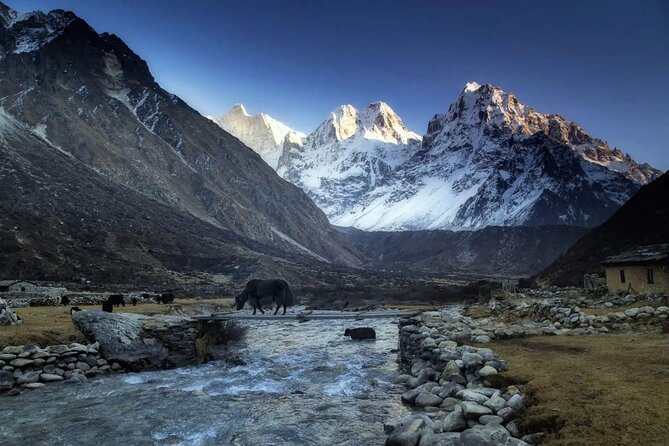
Days 4 and 5 are short enough on paper to feel manageable, but they matter because they put you into the Kanchenjunga Conservation Area rhythm.
From Chirwa to Lelep, you cover about 20 km and it usually takes around 6 to 7 hours. Lelep is the headquarters area for the conservation effort, so it often feels like the transition point where the trek stops being just travel and starts being trekking.
Then you move from Lelep to Amjilosa, about 13 km, also usually around 6 to 7 hours. Amjilosa sits at roughly 2,310 meters. Even before the steep stuff, that altitude shift changes how you feel walking around, how you sleep, and how your appetite works.
Day 6 continues from Amjilosa to Gyabla. Even though exact altitude and distance are not listed for Gyabla here, this segment is part of the circuit’s build-up. You are getting used to the idea that days are measured in progress toward the next village and next altitude band.
The trek then becomes a true trail sequence once you start reaching the acclimatization zone.
More to compare around Kathmandu
- Kathmandu: 7 UNESCO Sites with Lunch
★ 4.8 · 744 reviews - Everest Base Camp Helicopter Tour landing at Everest View Hotel
★ 5.0 · 668 reviews - Kathmandu: Local Women-Led Nepali Cooking & Momo Class
★ 4.9 · 360 reviews - Manaslu Circuit Trek
★ 5.0 · 292 reviews
Ghunsa and Kangbachen: The Two Altitude Steps You Should Not Rush
Ghunsa is where you start understanding how the circuit protects you from altitude problems. Ghunsa sits around 3,475 meters, and it is framed as a place to rest and acclimatize.
Day 7 moves you into Ghunsa. Then Day 8 is your acclimatization day. This is valuable because it breaks the trek into a “go up, adjust, then go up again” pattern instead of a straight climb.
Day 9 pushes to Kangbachen. From Ghunsa, the route follows a trekking trail passing alpine meadows, moraines, and the Ghunsa River. I like the way this description hints at variety in what you see in a single trek day: not just one kind of view, but changes in terrain and river valleys as you walk.
Day 10 brings another acclimatization night. Kangbachen is at about 4,050 meters, so you get a second chance to let your body adjust before the trek reaches higher camps.
This is where having a real guide matters. In past trips run by the provider, guides like Dil have been praised for adjusting plans when weather and individual health conditions change. That same skill is exactly what you want when your body is still learning altitude.
Lhonak to Pangpema North Base Camp: The Moment the Trek Turns Serious
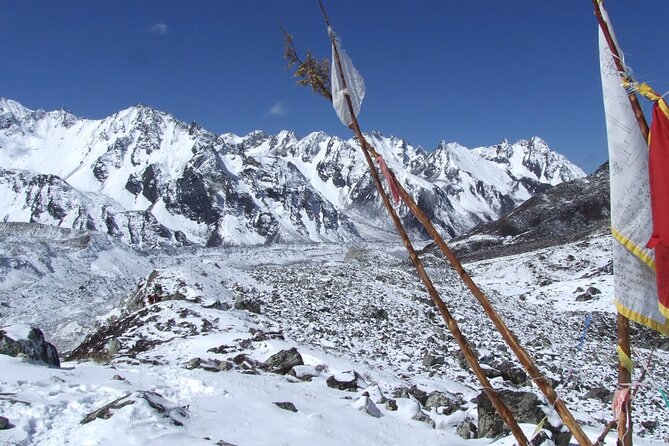
Day 11 takes you to Lhonak, described as an en-route stop with strong mountain and glacier views, plus barren high-altitude terrain. Lhonak is one of those “you’re up there now” stepping stones.
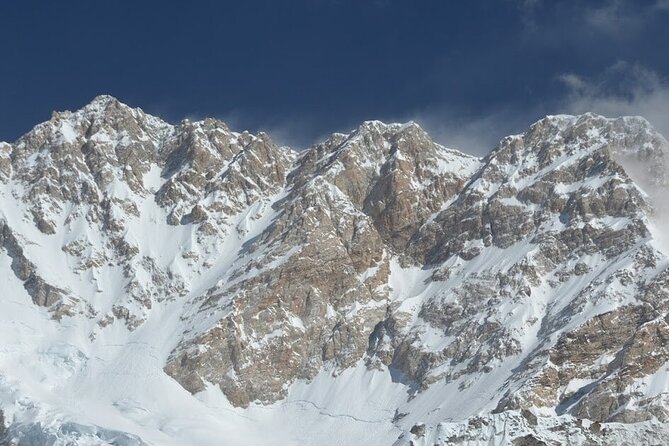
Day 12 is the big north moment: Kanchenjunga North Base Camp, also called Pangpema. It is listed at about 5,140 meters and it offers stunning views of Kanchenjunga’s north face.
This day is not about rushing. It is about being at the right altitude at the right time. The whole circuit feels different once you reach Pangpema, because you can finally see the mountain in a way lower camps never fully show.
Also note the emotional side. North Base Camp days often feel like a climax, because you’ve followed the trail long enough to earn it. If you take acclimatization seriously, this becomes the reward instead of a stress test.
Descend Back to Ghunsa, Then Push Toward Sele Le
After the North Base Camp day, Day 13 has you descend from Lhonak to Ghunsa for an overnight. This is a relief day in the best sense, because descent can restore your breathing and reduce the strain of higher altitude walking.
Day 14 begins the next chapter, with Sele Le as the high campsite. Sele Le is described as a stopover on the route to the south and north base camps via high passes, including Sinion La, Mirgin La, and Sinelapche La.
Even though the daily trail specifics for each pass are not spelled out here, the important thing for your planning is that this part of the circuit is built around high crossing days. This is where weather can matter. It is also where your guide’s judgement on timing becomes a big deal, because turning back or changing pace is sometimes the difference between a tough day and a dangerous one.
Day 15 moves you to Cheram, around 3,870 meters. The travel time listed is about 7 to 8 hours for roughly 10 km from Sele Le.
Cheram matters because it is the base for your South Base Camp day trip.
Cheram to South Base Camp: A Day Trip With High Altitude Payoff
Day 16 is a day trip to Kanchenjunga South Base Camp, then overnight in Cheram. The key idea here is that you are not going to South Base Camp and moving onward immediately. You’re going out for a focused high push, then returning to your established camp.
That structure is a smart way to handle altitude and logistics on a long circuit. It gives you more control over energy, hydration, and how your body feels before you continue the descent.
From there, Day 17 starts your long descent and trail transition. You follow a route described as descending through lush forests along rivers and past small settlements, with Torongding as the next village stop.
Then Day 18 is Yamphudin, described as culturally diverse, with residents from groups such as Limbu, Sherpa, Rai, and Gurung. This is a good reminder that trekking here is not just about altitude. You’re also walking through living communities that shape daily life in the region.
Torongding to Yamphudin, Then Fikal and the Ride Back
Day 17 includes Torongding. Day 18 adds Yamphudin, then Day 19 pushes to Fikal, a small settlement in the Kanchenjunga region. The itinerary notes that you can drive from Yamphudin to Fikal, which suggests that by this stage, the trip is shifting away from pure walking and toward travel legs.
Day 20 is your exit day back toward civilization. You’ll drive from Fikal to Bhadrapur (about 2 hours), then take an afternoon flight back to Kathmandu.
This last day is important for two reasons. First, it helps you end while you still have energy, instead of turning the trek into a final long slog. Second, it keeps your return aligned with airport timing, which reduces stress on the last evening.
Your end point is the Tribhuvan International Airport, and the provider notes a final drop at the departure terminal.
Tea House Trekking: Included Nights, Included Meals, Drinks on You
One of the biggest practical wins here is that tea house accommodation is included for the 19 mountain days. That typically means you are not trying to find lodging in places where options are limited.
Meals are also mostly covered. The package lists dinner for 19, breakfast for 20, and lunch for 19. You still need to be realistic about mountain timing, because you might have to eat early or eat when food is ready, not when you personally feel hungry.
The only clear gap is drinks on the trek. Since hot and cold drinks are not included, you should assume you’ll pay for at least some tea, coffee, and water. If you are picky about beverages or you like warm drinks at night, plan for that.
Dietary needs are addressed too. Vegetarian, vegan, and gluten-free food is available on request. That is a big deal on long treks, because it is hard to manage special diets when you rely on whatever is on the menu at a tea house.
Who This Trek Fits Best (And Who Should Reconsider)
This is for you if you are aiming for a serious, remote trek with both base camps on the circuit, plus the acclimatization structure to support high altitude travel.
It is also a good fit if you want a private setup and a guide who can handle route knowledge and adjustments. The provider’s guides Narayan and Dil are both mentioned as highly professional and experienced, with praise for handling changes due to weather and individual health conditions.
You should reconsider if you are not ready for long travel days by road early on, or if you struggle with altitude climbing and acclimatization. The trek is explicitly described as challenging and requires strong physical fitness.
Should You Book This 20-Day Private Kanchenjunga Circuit Trek?
Book it if you want a high-effort circuit trek that takes you to Pangpema North Base Camp and also supports a South Base Camp day trip from Cheram, with acclimatization built into the schedule.
I’d also say book it if you like structure. The included guide time, permits, and mountain tea house stays remove a lot of uncertainty. Your biggest extra variable is drinks, and that’s manageable with a small budget plan.
Don’t book it if you want a low-stress itinerary. This is remote, long, and altitude-driven. It’s also the kind of trip where your comfort depends on preparation and pacing, not just motivation on day one.
If you are physically ready and you want the real Kanchenjunga circuit experience, this is a strong, value-focused way to do it with a private guide.
FAQ
How long is the Kanchenjunga Circuit Trek?
The trek is listed as about 20 days (approximately), though the experience is described as a challenging remote trek that can run about 20 to 25 days.
Is this a private tour?
Yes. It is a private tour or activity, and only your group participates.
Where does the trek start and end?
It starts at Tribhuvan Airport in Kathmandu, Nepal, and ends at Tribhuvan International Airport in Kathmandu, with a drop to the departure terminal.
What transport is included at the start and end?
You fly from Kathmandu to Bhadrapur in the afternoon on the first day, then travel onward by bus. On the last day, you drive from Fikal to Bhadrapur and fly to Kathmandu in the afternoon.
Are permits and a guide included?
Yes. A guide for 19 days and the required permits for the trek are included.
What about food and dietary restrictions?
Breakfast, lunch, and dinner are included on the listed days. Vegetarian, vegan, and gluten-free food is available on request. Hot and cold drinks are not included on the trek.
Is free cancellation available?
Yes. Free cancellation is offered, with a full refund if you cancel at least 24 hours in advance of the experience start time.
Latest Kathmandu write-ups
- 16 Days Island Peak Climbing With Everest Base Camp Private Trip★ 5.0 · 3 reviews
- 15 Days Round Annapurna Trek with Poon Hill from Pokhara★ 5.0 · 5 reviews
- Private Nepal round trip including Ghorepani Poonhill trek★ 5.0 · 3 reviews
- Everest Base Camp Trekking 16 Days★ 4.0 · 7 reviews
- 14 Days Luxury Annapurna Base Camp Trek★ 5.0 · 6 reviews
- Everest Base Camp Trek★ 5.0 · 32 reviews
- Everest Base Camp Trek★ 5.0 · 87 reviews
- Everest Base Camp Trek★ 5.0 · 97 reviews
Private, compared.
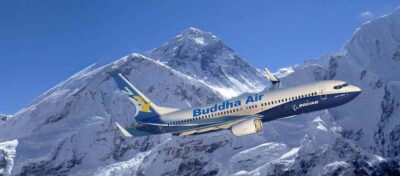
1-Hour Mount Everest Flight with Private Transfer
Read our review →
Browse the lists this tour appears in