
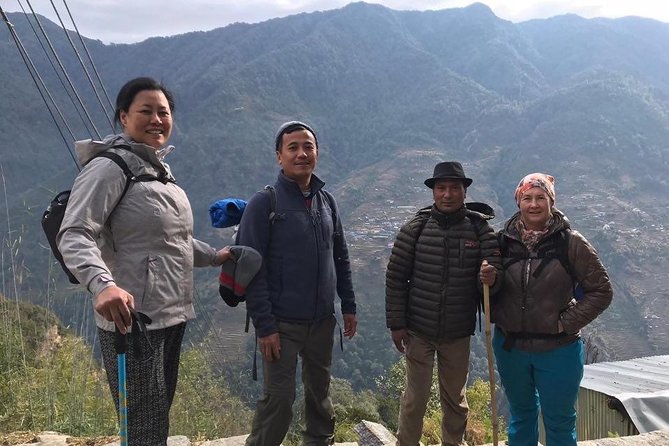
Reviewed · ANNAPURNA BASE CAMP TREK
8 Days Annapurna Base Camp Budget Trek from Kathmandu
If you want the Annapurna Region in a tight, budget-friendly format, this trek is interesting for one simple reason: it’s built around real mountain days, not just a quick photo stop. You’ll travel from Kathmandu to Pokhara, walk through village life and forest paths, then work your way toward a sunrise at Annapurna Base Camp and a return that includes Jhinu’s hot spring. The small-group size also helps the days feel calm and manageable.
What I like most is that the trip takes care of the practical stuff, especially the permits and conservation paperwork, plus lodge stays and an experienced guide. I also like the flow of the route, because it mixes steep moments with quieter sections, and you get a classic “high place, then unwind” rhythm with Pokhara time. One consideration: lunches and dinners during the trek are not included, so you’ll need to budget for daily meals at the tea houses.
Key highlights and what they mean for you
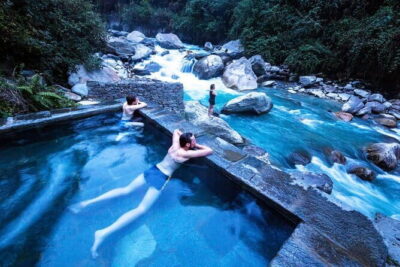
- Hot spring reset at Jhinu: A real chance to soak tired legs in warm water after a steep descent.
- Sunrise timing at Annapurna Base Camp: Early start, but it’s the moment the whole walk points toward.
- Small group size (max 15): Easier pacing and less crowding on narrow trail segments.
- Lodge-based trek with guide support: You focus on walking, the guide handles route, logistics, and local coordination.
- Two big transportation legs by tourist bus: Kathmandu to Pokhara and back are handled for you, so you’re not hunting schedules daily.
- ACAP visitor area stop at Kuldhigar: You’ll pass through a place that ties the trek to local conservation efforts.
Why This Annapurna Base Camp Budget Trek Fits a Real-Life Schedule
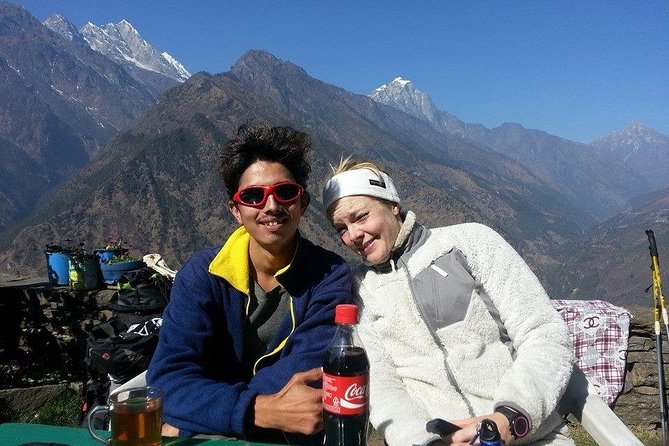
This is an 8-day trek that aims to show you the Annapurna Region without requiring weeks of vacation time. You get a Kathmandu to Pokhara start, a full walking stretch to the base camp area, then an exit route that’s more than just retracing steps. That matters because the return day includes a reward, not just fatigue.
You also get a guide, and that’s a big deal on this kind of route. When you’re tired, the last thing you want is to spend brain power on directions or timing. Here, the structure is clear: you start around 6:45 am, move day by day, and arrive in places where you can sleep in lodges/tea houses.
Budget-wise, the price includes a lot of the behind-the-scenes costs that many do-it-yourself options miss. You pay a set amount for transport, permits, guide services, and your trek lodging, but you still keep some flexibility because lunch and dinner are not included. If you like choosing your meals day by day (and sometimes keeping costs down), that works well.
More routes into the Annapurna Sanctuary:
- Annapurna base camp trek 5 Days
★ 5.0 · 252 reviews - 14-Day Private Annapurna Base Camp Trek
★ 5.0 · 180 reviews - Annapurna Base Camp Trekking
★ 5.0 · 116 reviews
Kathmandu to Pokhara: Get Your Bearings Before You Go Up
Day 1 starts with the Kathmandu to Pokhara drive by tourist bus, about 210 km and roughly 5 to 6 hours. That’s long enough to feel like travel, but not so long that you’re arriving exhausted. In the evening, you get free time around Phewa Lake and the lakeside tourist area, which is perfect for an easy first taste of Nepal’s travel energy.
Why this part is valuable: you’re not walking on Day 1. You’re letting your body adjust, and you can also handle practical needs like cash, snacks for the next morning, or just a relaxed meal. If you arrive already stressed, the trek starts to feel harder than it needs to be.
The hotel stop matters too. You’ll stay at a 3-star hotel in Pokhara (with free breakfast). It’s a simple setup that keeps the overall trek budget reasonable while still giving you a real bed before the days get vertical.
Day 2 to Chhomrong: Siwai Access, Suspension Bridge Views, and a Steady Climb
Day 2 begins with the trek approach, after you take a sharing vehicle to Siwai. The drive is about 3 hours along the snake line road, passing through Naudanda, Nayapul, and Birethanti. Then you start hiking from there toward Chhomrong, and the route gives you that classic Annapurna mix of small farms and trail moments that feel local rather than staged.
The path is described as very picturesque, and you’ll get a memorable crossing early on: a newer long suspension bridge over Kimrong Khola. That bridge is one of those details that makes the day feel like more than just “walking uphill.” It’s a natural checkpoint moment.
From Jhinu Danda, the trek keeps going uphill along terraced farm fields up toward Chhomrong. Chhomrong is also positioned as a viewpoint area on the trail, with sights that can include Annapurna South, Fishtail, Hiunchuli, and Annapurna III depending on visibility. Even if weather shifts, the overall reward is the same: you’re gaining altitude and the air starts changing.
One practical note: this is a 6-hour day of movement. If you’re newer to trekking, treat the first hours as warm-up work, not a race.
Day 3: Sinuwa to Bamboo to Dovan, Forest Steps Along the Modi River
Day 3 is where the trek starts to feel like a journey through zones. You begin with a morning walk downhill to the river, then cross a short bridge before heading up to Sinuwa at 2,330 m. Sinuwa is described as a lonely spot with a few shops and nice lodges, which is exactly the kind of place that helps you reset your pace.
From Sinuwa, you move into cool forested areas, with oaks, rhododendron, and pine referenced along the route. This is good for two reasons: the shade can make the day easier, and the sound changes as you move away from open views into thicker tree cover.
Then you reach Bamboo, a small settlement with around 5 to 6 lodges, surrounded by bamboo trees, and you’ll be walking near the Modi River gorge. After Bamboo, the day continues with a slower climb to Dovan, and you’ll hear the raging Modi River as you hike higher through dense forest.
The day ends at a hotel beneath Huichuli peak, which helps you feel like you’re steadily approaching higher terrain. If you’re the type who likes a day that feels scenic even when you’re not at the highest points, this day is one of the stronger ones.
More to compare around Kathmandu
- Everest Base Camp Trek – 14 Days
★ 5.0 · 1,499 reviews - Everest Base Camp Trek
★ 5.0 · 842 reviews - Private Kathmandu Sightseeing Tour | UNESCO World Heritage sites
★ 5.0 · 756 reviews - Kathmandu: 7 UNESCO Sites with Lunch
★ 4.8 · 744 reviews
Day 4: Hinko Cave, Deurali, Machhapuchhre Base Camp, and the Sanctuary Build-Up
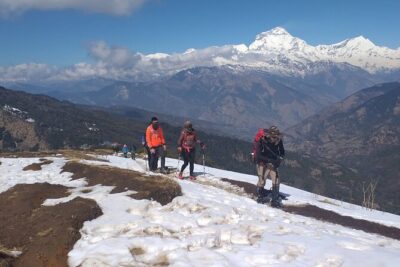
Day 4 is the mountain-day you remember. The trail continues steeply up to Hinko cave, then you deal with a short descend and crossings over parts described as ablation of old avalanches on rocky moraine. That kind of wording is a reminder that this is real mountain terrain, not a park trail.
After that, a short climb brings you to Deurali, and then you leave the gorge area for something more open. The route then heads higher, following the Modi River and moving beyond the tree line, which typically means colder air and more exposure.
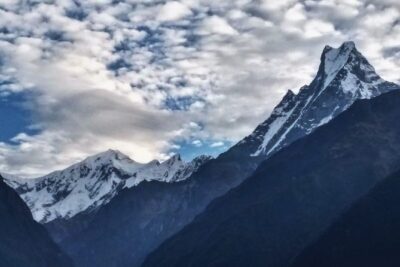
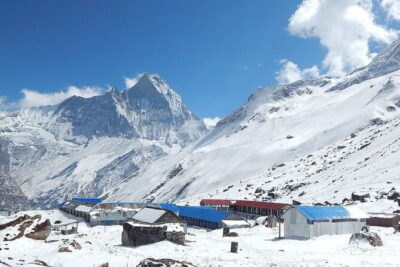
Next comes Machhapuchhre Base Camp at 3,700 m, located beneath the towering north face of Fish Tail Mountain. This is a key altitude landmark in the provided route details, and it helps you mentally track how high the walk has become.
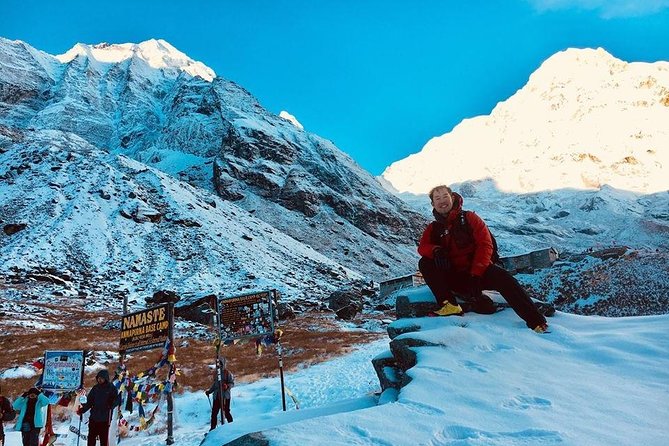
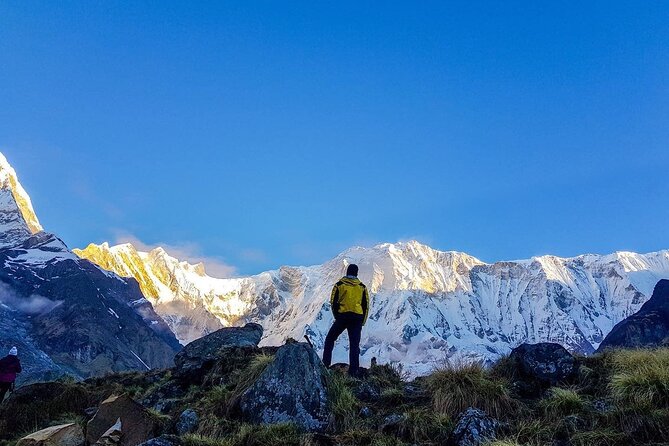
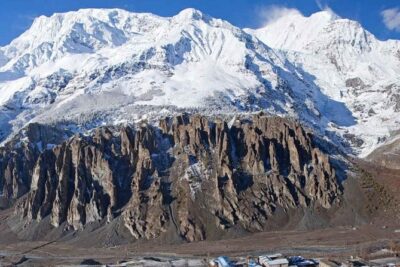
You’ll have lunch at MBC, then you continue into the famous Annapurna Sanctuary toward Annapurna Base Camp. This is where the trek shifts from “beautiful walking day” to “waiting for the view moment.” Even if clouds move in, the sense of arriving in a bowl of mountains is part of the experience.
Day 5: Sunrise at Annapurna Base Camp, Then a Big Drop Back to Bamboo
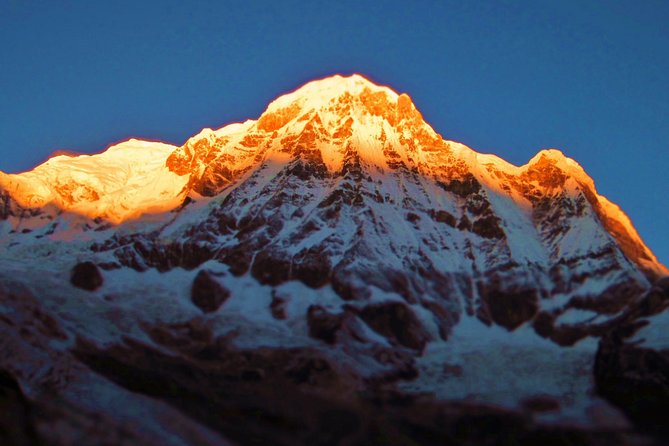
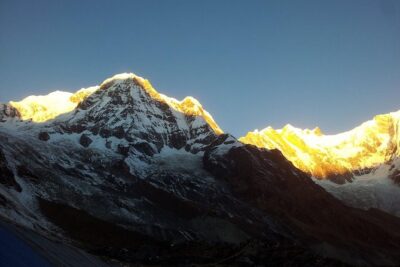
Day 5 starts early with sunrise at Annapurna Base Camp. The plan is breakfast first, then you start descending. This is a smart structure because it gives your body a reason to push for the early start, but you don’t have to turn the day into nonstop suffering.
After that, the descent is planned as a return to Bamboo. The route description notes an elevation drop by about 1,700 m to Modi Khola at Bamboo. That’s the kind of number that helps you understand why Day 5 feels different: you’re still working, but you’re moving toward less altitude stress.
Bamboo is described as having lodges and tea houses in a sense of vastness and solitude. That matters for your comfort because quieter settings can make it easier to eat, rest, and recover. If you’re tired from Day 4 and the early wake-up, Day 5 is your recovery day with scenery.
If you want to get the most out of this day, keep your pace steady and protect your knees. Descents can feel fast in the beginning, but your legs will pay attention later.
Day 6: Kuldhigar, Crossing Back Through Sinuwa, and Jhinu Hot Spring Relief
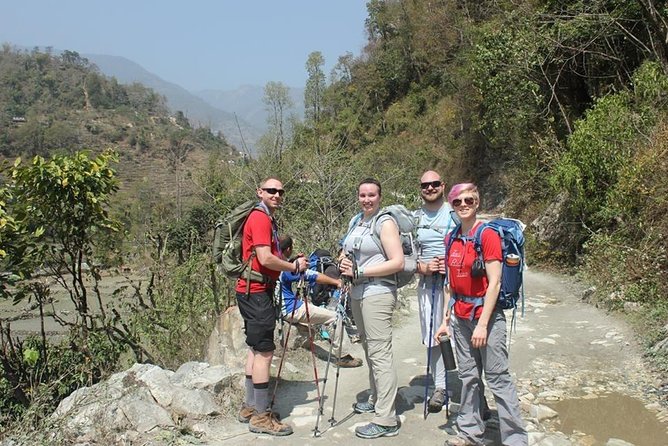
Day 6 shifts from high-mountain intensity to village and community rhythm. From Bamboo, you hike up to Kuldhigar, where the ACAP office and visitor center are located. Even if you don’t do a long visit, passing through a place like this connects your trek to conservation and local management rather than treating the mountains like a backdrop.
Then you hike down to a bridge across the Chhomrong River, passing through Sinuwa again. Crossing back through familiar points helps you feel progress. It’s also where you’ll enter a Gurung village of Chhomrong.
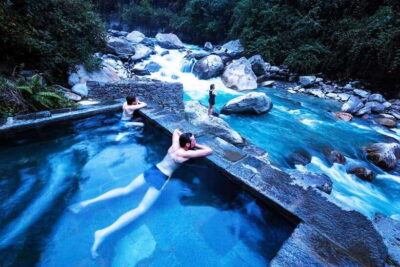
After Chhomrong, you face a steep descent to Jhinu Danda. The hot spring is described as 15 to 20 minutes downhill from Jhinu Danda, and that small extra hike is part of the reward. You can relax your tired muscles by soaking in the hot spring bathing pool, then overnight at a lodge in Jhinu Danda.
This is one of the best parts of the whole trip because it gives you an active recovery option built into the route. After days of walking, warmth in water can feel like you’re resetting rather than just resting.
Day 7: Pokhara Return Day, Nayapul Drive, and a Second Hot Spring Chance
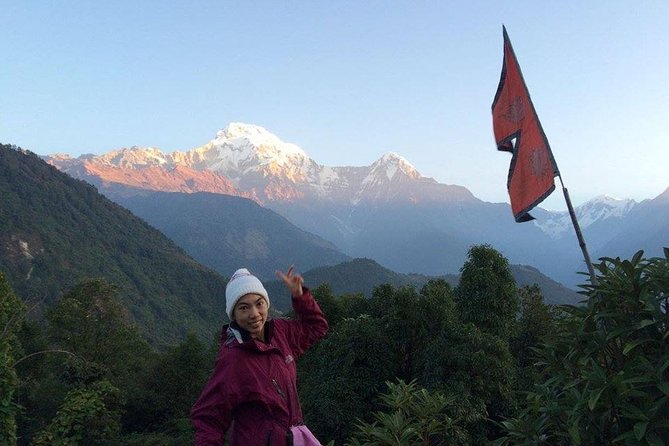
Day 7 is your exit day from the trekking side and your re-entry to Nepal’s lake-city mood. You can go to the hot spring again in the morning, then trek down to Nayapul. After that, the plan is a drive back to Pokhara and an overnight in the city.
The day is listed as 6 hours, which tells you it’s not a full recovery vacation day, but it is a transition. You’ll likely feel tired from the descent work, yet you also get the satisfaction of reaching the trail end and not needing to plan another night in the mountains.
Staying in Pokhara again gives you a chance to eat more normally, rest, and prepare for the final travel day. The hotel you’ll use for the Pokhara night is the Hotel Third Pole (or similar).
Day 8: Back to Kathmandu by Tourist Bus, Finished But Not Empty
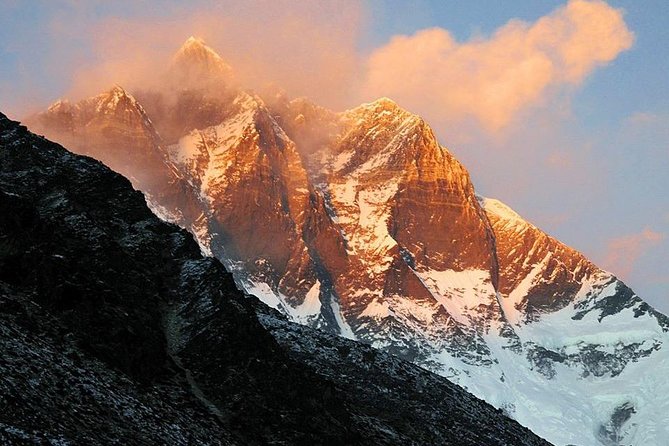
On Day 8 you drive back to Kathmandu by tourist bus, around 6 to 7 hours. This is a straightforward way to end the trek without arranging separate transport. You’ll still feel the trek in your body, but you also won’t have the stress of last-minute logistics.
One thing I like about this kind of finish: it helps you stay in rhythm. You’re not shifting to complex planning right when your legs are ready to fall asleep on a chair.
Price and Value: What Your $853.34 Covers and What You Need to Plan
At $853.34 per person, the value here comes from what’s already included. Your package covers breakfast, your 3-star Pokhara hotel with free breakfast, necessary paper work and conservation entry permits, tourist bus ground transportation Kathmandu to Pokhara and back, all lodge and tea house accommodations during the trek, and an experienced helpful guide.
It also includes the guide’s salary, food, drinks, accommodation, transportation, and insurance for the guide. That means you’re paying for an organized support system rather than just a route.
What’s not included is important: standard meals during the trek (breakfast, lunch, dinner) are not included, though breakfast is covered. That means you’ll be purchasing lunch and dinner each trekking day at the tea houses along the way, plus drinks and any extra snacks.
Gratuities are not mandatory, but expected. If you want the simplest approach, budget a reasonable amount for tips based on service quality and your own comfort with rewarding extra effort.
When you compare this to a purely DIY trek, the main savings is time and decision fatigue. You don’t need to manage permits, lodge selection, or route logistics on your own.
What the Small Group Setup Changes on the Trail
This trek is capped at a maximum of 15 travelers. In practice, that tends to mean better control of pacing and fewer crowding problems on narrower sections. It also makes it easier for your guide to check in with the group and keep everyone aligned with the daily timing.
Pickup is offered, and you’ll receive a mobile ticket. Those details are small, but they matter when you’re traveling across two cities and then moving into the mountains. They reduce the number of moving parts you must manage yourself.
Start time is set for 6:45 am. That early start can feel like a routine, and it helps you reach the key moments of the day while conditions are still workable.
Who This Trek Is For, and Who Should Rethink It
This trip fits travelers with moderate physical fitness who want a structured Annapurna Base Camp experience. It’s also a good match if you like lodge-based trekking, meaning you sleep in simple accommodations and focus on the walking rather than carrying everything.
If you enjoy nature plus people plus real villages, the route hits that balance. You’ll see terraced farm areas, suspension bridge crossings, forests, and a village hot spring stop that feels more restorative than dramatic.
You might want to rethink it if you strongly prefer fully inclusive meals, since lunch and dinner are not included. You may also want a flexibility mindset about mountain conditions, since higher sections and the sanctuary area depend on weather for full visibility.
Should You Book This 8 Days Annapurna Base Camp Trek?
I’d book it if you want a classic Annapurna Base Camp walk with guide support, lodge comfort, and a route that includes both sunrise at base camp and a real recovery stop at Jhinu hot spring. The structure is clear, the included permits and transport reduce stress, and the overall rhythm makes sense for an 8-day window.
I’d pause and plan carefully if you dislike buying lunch and dinner during the trek, or if your idea of a budget trek is one where every meal is covered. In that case, your total cost will rise a bit once you start eating tea house lunches and dinners.
If you’re comfortable budgeting for daily meals and you want an organized, small-group approach to Annapurna, this is the kind of trek that can leave you with mountain memories and a body that still feels good enough to enjoy Pokhara afterward.
FAQ
What is the duration of this Annapurna Base Camp trek?
The trek lasts about 8 days.
Where does the trip start and what time do we begin?
The start time is 6:45 am, and the meeting point is near public transportation.
Is pickup available?
Yes, pickup is offered.
What is the price per person?
The price is $853.34 per person.
What’s included in the package?
Breakfast, a 3-star hotel in Pokhara with free breakfast, conservation entry permits and paperwork, tourist bus ground transportation Kathmandu to Pokhara and back, lodge and tea house accommodations during the trek, and an experienced helpful guide. Government taxes, VAT, and service charge are included too.
What meals are not included during the trek?
Lunch and dinner (standard meals) are not included during the trekking period.
Does the route include a hot spring?
Yes. You’ll visit Jhinu hot spring, which is described as 15 to 20 minutes downhill from Jhinu Danda.
How large is the group?
The maximum group size is 15 travelers.
Latest Kathmandu write-ups
- Langtang Valley Trek★ 5.0 · 3 reviews
- Langtang Valley Trek from Kathmandu★ 5.0 · 3 reviews
- Khopra Danda Trek★ 5.0 · 3 reviews
- 5 night / 6 days Kathmandu Nagarkot Chitwan Pokhara tour★ 5.0 · 3 reviews
- Nepal Highlights Tour: 5 Nights 6 Days Kathmandu & Pokhara Tour★ 5.0 · 3 reviews
- Kathmandu Valley Private Day Tour★ 5.0 · 3 reviews
- Kathmandu Heritage Day Tour★ 5.0 · 3 reviews
- Conquer the Himalayas: The Ultimate 16-Day Annapurna Circuit Trek★ 3.5 · 3 reviews
Annapurna Base Camp Trek, compared.
Browse the lists this tour appears in