
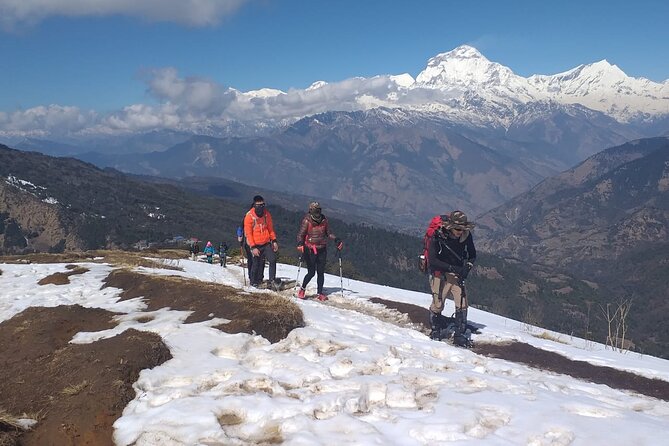
Reviewed · ANNAPURNA BASE CAMP TREK
Annapurna Base Camp Trek 12 Days
Annapurna Base Camp trek has a special pull because you’re moving from busy Kathmandu into small mountain villages, then pushing up toward one big payoff view at the end. This Nepal Nirvana Trails trip is interesting because the route is guided by people who have mapped it hundreds of times, including stops like Poon Hill and Annapurna Base Camp itself, so you spend less time guessing.
What I really like is the focus on classic sunrise moments. You go up for Poon Hill sunrise and also try for dawn at Base Camp when the weather is clear, which is a big part of why people come to the Annapurnas.
One drawback to think about: the trek starts early and keeps a steady hiking rhythm. If you’re not comfortable with early mornings and long days on foot, you’ll want to take a hard look at your fitness, because the itinerary is built to cover ground day after day.
Key things you’ll notice on this Annapurna Base Camp trek
- Route experience that reduces uncertainty: a professional team that knows the route details and keeps plans running smoothly
- Sunrise programming: Poon Hill at dawn plus an attempted dawn at Base Camp
- Permits handled: ACAP, TIMS, and local permits are included, so you avoid last-minute paperwork stress
- Meals and hot drinks on the trail: breakfast, lunch, dinner, plus tea or coffee during trekking days
- Water support: water purification drop/tablets are included (still bring your own bottles)
- Real guide support: guides like Prajil, Bhairas Tamang, and Somnath Tripathi have been praised for being prepared, helpful with pacing, and caring about well-being
Annapurna Base Camp with Nepal Nirvana Trails, what the 12 days really feel like
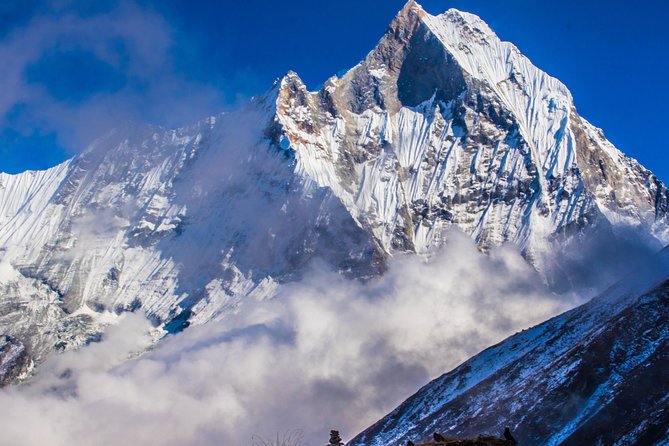
This trek is built around a simple idea: keep logistics under control, so you can focus on walking, views, and the rhythm of mountain life. You start with Kathmandu orientation and airport transfer support. Then you travel to Pokhara and into the trek region with a mix of tourist bus and local/shared transport, depending on the leg.
Once you’re on the trail, the pacing follows the classic Annapurna Base Camp shape. You climb gradually, sleep in village guesthouses, and build toward the highest excitement day, the one where Annapurna Base Camp sits inside the mountain bowl. After that, you retrace your steps through the same general valleys and ridges, with downhills that can feel easier on the legs but still demand attention underfoot.
I also like that the itinerary includes a couple of stops that are more than just checkpoints. The trek leans into views, like the sunrise from Poon Hill and the morning atmosphere at places such as Sinuwa and Chhomrong. That turns the trek from a grind into something more memorable.
More routes into the Annapurna Sanctuary:
- Annapurna base camp trek 5 Days
★ 5.0 · 252 reviews - 14-Day Private Annapurna Base Camp Trek
★ 5.0 · 180 reviews - Annapurna Base Camp Trekking
★ 5.0 · 116 reviews
From Tribhuvan Airport to Kathmandu hotel: day one set-up that matters
Your trip begins at Tribhuvan International Airport in Kathmandu. The listed start time is 6:15 am, and you’ll get met on arrival. From there, the team escorts you to your hotel, and the idea is to rest and prep rather than rush straight into walking.
This half day or so can be more important than people expect. After flights, you want your body hydrated and your gear checked. You also want to confirm you have what you need for early trail mornings, like a headlamp, rain layer, and good socks. Even if you feel fine, that first day is about getting set up so you don’t pay for it later with fatigue.
Kathmandu to the trek start: buses, a shared ride, and why it’s part of the plan
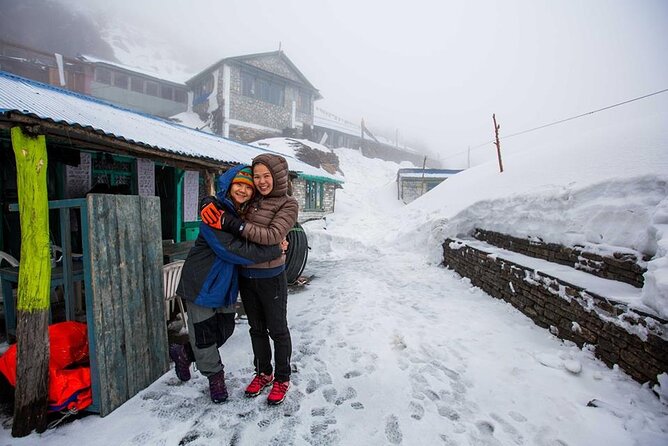
The itinerary has you leaving Kathmandu early on Day 2, with a short walk to the tourist bus station and a bus departure at 7:00 am. You drive to Malekhu, then continue travel. On Day 3, you’ll have breakfast in Pokhara, then get a car or taxi to the bus park. After that, you take a sharing local bus or jeep toward Nayapul, which is a common gateway into the trekking area.
Here’s why this matters for you: the Annapurna region is not a place where you can just roll up to a trailhead whenever you want. Using scheduled ground transport means you’re not stuck figuring out timing, routes, and shared seats on your own.
Also, this setup can be a plus if you’re traveling light. You’ll typically avoid carrying the extra stress of hiring private transport for every leg. On the other hand, shared transport also means some waiting. Pack patience into your day, and you’ll enjoy the overall flow more.
Day 4 start of the mountain rhythm: sunrise views and first village walking
On Day 4, the trek’s vibe shifts. You wake up with local noise around you, then you get breakfast and morning views. This first day on the trail is framed as the morning you’re impressed by sunrise scenery, with Annapurna-related views mentioned in the plan.
The big value here is psychological. Day 4 helps you transition from city mode to mountain mode. Your body learns to move at a slower pace and stop when viewpoints open up, rather than trying to cover ground fast. You’ll likely feel it most in your breathing, and that’s normal.
If you want a strategy: keep your start calm. Save your stronger hiking push for later days when the itinerary asks for steadier climbs.
More to compare around Kathmandu
- Everest Base Camp Trek – 14 Days
★ 5.0 · 1,499 reviews - Everest Base Camp Trek
★ 5.0 · 842 reviews - Private Kathmandu Sightseeing Tour | UNESCO World Heritage sites
★ 5.0 · 756 reviews - Kathmandu: 7 UNESCO Sites with Lunch
★ 4.8 · 744 reviews
Day 5 Poon Hill sunrise: one of the best “stretch your legs” moments
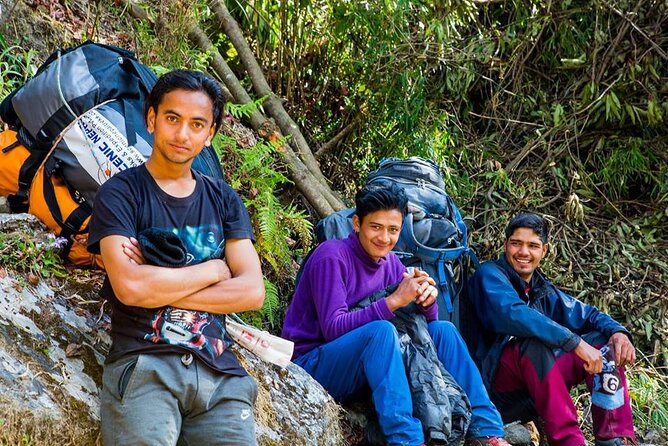
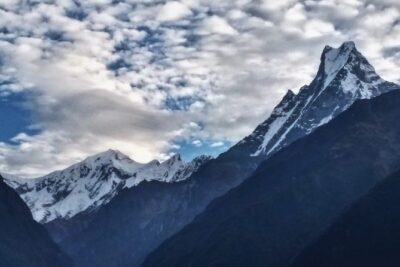
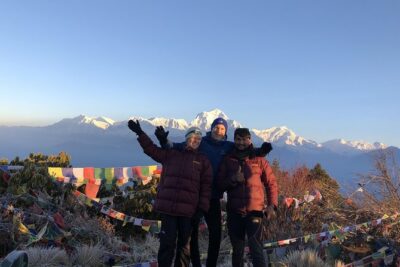
Day 5 is the Poon Hill viewpoint sunrise morning. The plan has you hiking between 45 minutes to 1 hour to reach Poon Hill. It calls out Ghorepani and Poon Hill as a top viewpoint, where you can see multiple Himalaya peaks if the weather cooperates.
This is a good day for two reasons. First, the climb is short compared to the rest of the trek, so you can go in with energy rather than dread. Second, sunrise at Poon Hill is visually rewarding without needing you to be at maximum altitude fitness.
One practical thing: sunrise trekking often means cold hands. You’ll want warm layers that pack small and a hat you can pull down for the early start. And remember, even with clear plans, clouds can show up. You’re going for the experience, not a guarantee.
Days 6 and 7: downhill to Sinuwa, then ascent toward Deurali via Bamboo
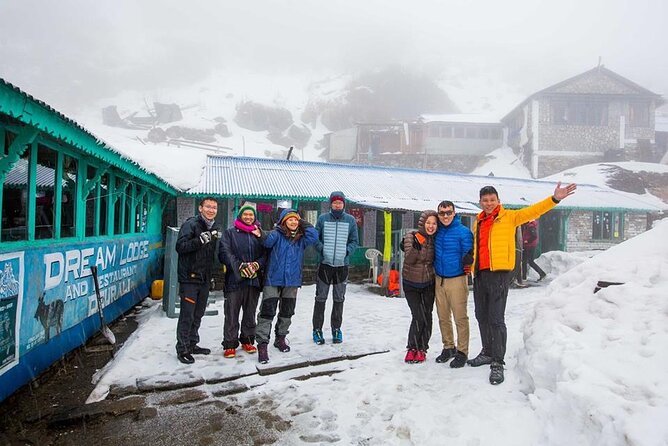
The itinerary’s middle section is where you’ll feel the Annapurna Base Camp trek become real.
On Day 6, the plan describes an easy downhill hike toward Sinuwa, with views referenced around Modi and Chhomrong Khola. It also says you’ll arrive in Chhomrong after that descent segment. That mix matters: you might think downhill is always easy, but steep descents can wear out knees and calves if you rush.
On Day 7, you start with the view atmosphere from Sinuwa. Then you begin the ascent toward Deurali, with the climb taking about one and a half hours to reach Bamboo. The itinerary hints that you come closer to Deurali as you continue.
This is where I think the guide support becomes a real factor, not just a checkbox. In the feedback I saw referenced by the trip team, guides like Bhairas Tamang and Prajil are praised for pace and for looking out for tired trekkers. That matters because a good pace reduces injury risk and makes you less likely to lose steam for the final push.
Day 8: arriving at Annapurna Base Camp, the “why am I here” day
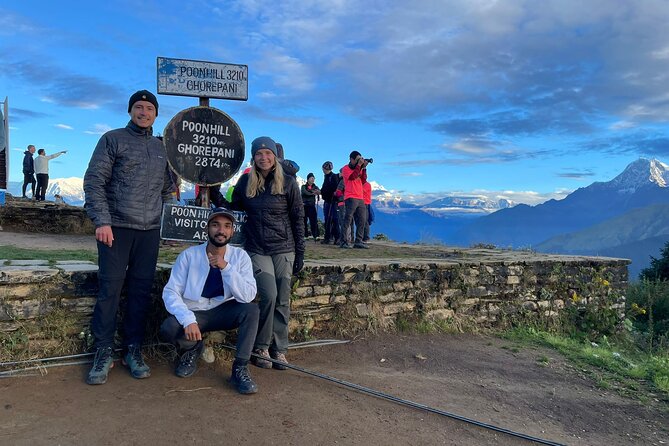
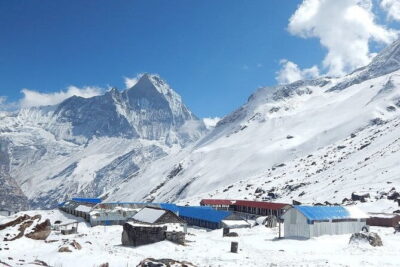
Day 8 is your ultimate destination day: trekking to Annapurna Base Camp, described as a spot surrounded by stunning mountains. The plan specifically mentions passing Machhapuchhre Base Camp on the way.
Even without getting into altitude numbers, Base Camp has a special feel. It’s the day you stop thinking of the trek as walking and start thinking of it as arriving. You’re tired, but the scenery makes the effort click into place.
If you’re the type who gets restless in waiting moments, you’ll still want to slow down here. The itinerary includes breakfast and time to soak in the mountain surrounds. Take advantage of that. It’s one of those moments you remember later more than the miles on the map.
Day 9: Base Camp dawn, then a rugged return to Sinuwa
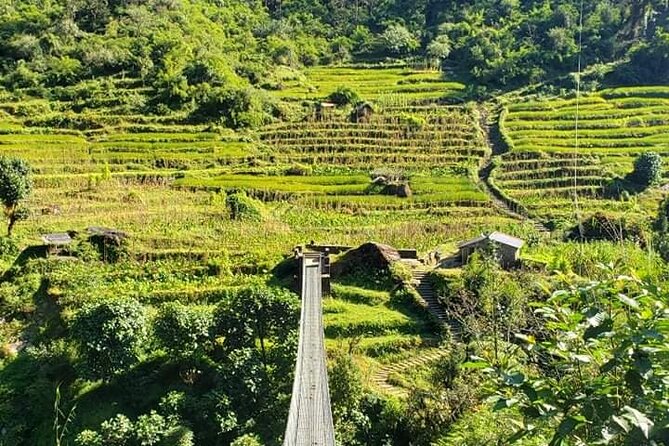
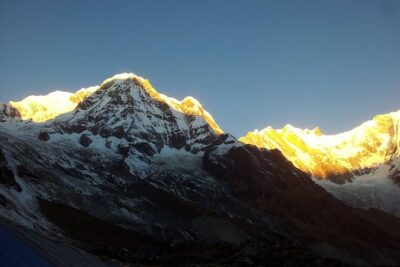
Day 9 begins with an attempt at dawn at Annapurna Base Camp if the weather is clear. That’s a recurring theme on this trek: sunrise whenever the sky allows it. After breakfast, you return via rugged trails and sparsely forested areas back toward Sinuwa.
The return day can be mentally tricky. You’re heading away from the “big destination,” even though you’re still in an amazing environment. This is where I like that the plan includes specific return routing through high hills and quieter areas rather than pretending the trek is always smooth.
Here’s the realistic note: rugged trails mean your footing matters. Trekking poles can help a lot, especially if you’re carrying extra fatigue. And keep your hydration steady, because dry mountain air can trick you into thinking you’re not thirsty.
Day 10: Siwai and Chhomrong recharging, then a calm rhythm shift
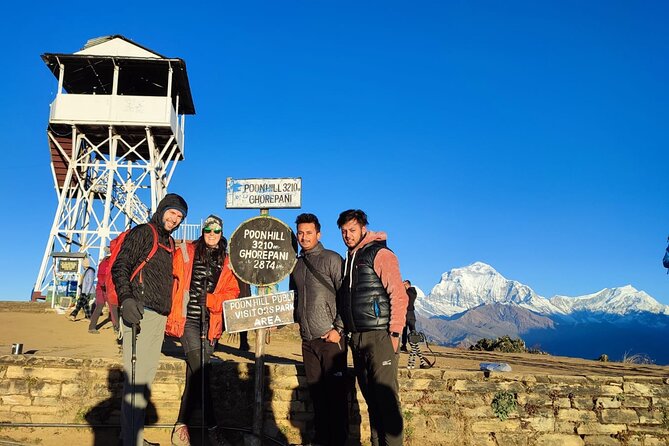
On Day 10, the trek is described as the final day of the adventure hiking about two hours to get to Siwai from Sinuwa. Then you ascend to Chhomrong, taking in mountain vistas, cascades, and farmlands.
This day is important because it’s the bridge between “tough trek mode” and “wrap-up mode.” You may feel emotional energy here too, since you know the trek is near its end. The best way to enjoy it is to stay present, take photos when you actually have time, and avoid sprinting your steps just to reach the next guesthouse.
Day 11 to Day 12: Pokhara lakes to Kathmandu free time, then fly out
On Day 11, you head from the trekking region back to Pokhara, then travel on to Kathmandu. Once you arrive, you get the rest of the day free to relax or do shopping. There’s also a goodbye dinner in the evening.
This is one of those “real life” moments that I think helps. Your body needs down time after days of hiking. Your mind also needs time to process the experience without forcing it into one last rushing day.
On Day 12, the trip ends with drop-off at the airport and your flight onward. It’s a clean close: meet, trek, return, and then you’re on to your next destination.
Price and value: how $800 stacks up when permits, meals, and transport are handled
At $800 per person for about 12 days, the key question is not the headline price, it’s what you get inside that price.
This package includes:
- Airport transfer services for arrival and departure
- Ground transportation between Kathmandu and Pokhara by tourist bus
- 11-night accommodations during the tour
- An experienced guide
- Meals while trekking: breakfast, lunch, dinner plus tea or coffee
- Trek-specific support items: a trekking map and water purification drop/tablets
- Permits and fees: ACAP, TIMS, and local permits
From a value standpoint, the permits and daily meals are the two biggest “hidden costs” people often forget. Permits can be a paperwork hassle if you handle them yourself, and daily food costs on the trail add up fast. Having those handled for you means fewer days spent bargaining over logistics and more days spent walking.
The main costs you should expect outside the price are also clearly listed: visa, travel and health insurance for emergencies, your personal snacks and drinks, and tips for your guide (which is expected).
So for who this is worth it: if you want a guided, supported trek with major planning pieces handled, this pricing feels reasonable. If you’re trying to micromanage costs and you already have your own guide, porter team, and permit workflow lined up, you might compare options. But for most people, reducing stress is part of what you’re paying for.
What’s included on the trail, and what you should plan to pay for
The itinerary is structured with meals that keep you fueled. During trekking time, you get breakfast, lunch, dinner, plus tea and coffee. That’s a real benefit because it means you can eat without constantly making decisions about what costs extra.
You also get trekking map support and water purification tablets or drop. Still, you should bring your own water bottle(s), and you’ll want to pack layers for cold mornings because the plan repeatedly references early starts and chilly conditions.
What’s not included:
- Nepal entry visa
- Travel and health insurance that covers emergency rescues and evacuations
- Lunch and dinner in Kathmandu and Pokhara
- Personal trekking expenses like snacks, beer, coke, juice, extra water, and Wi-Fi
- Trekking porter (optional if you need one)
- Tips for your trek guide
That last item is worth saying plainly: this is one of those parts of trekking culture where tipping is expected. If you want to avoid awkwardness, plan a tip amount in advance.
Guide quality is the real difference maker on a trek like this
The trek is demanding enough that the guide can change how it feels, not just how it runs.
In the names mentioned with praise, guides such as Bhairas Tamang, Prajil, and Somnath Tripathi are described as well prepared and helpful, with a caring approach to group pace. One of the most practical notes from the same theme is that the guide can slow down if someone is tired and keep the whole group safe and together.
That matters because you’re not only hiking a trail. You’re hiking a plan with early starts, cold mornings, and day-to-day fatigue. A guide who pays attention to pacing helps prevent the common mistake: pushing too hard on Day 4 or 5, then struggling on the Base Camp approach.
You’ll also want to lean on your guide for small decisions, like when to stop for views versus when to keep moving, and how to manage energy. If you’re unsure, ask. The trip design includes an experienced guide for this reason.
Packing and fitness: make early starts easy on yourself
The tour notes say travelers should have moderate physical fitness. That’s a good fit for people who can hike several hours with breaks and handle uneven ground. It’s not meant for people who want a fully gentle walking vacation.
Packing wise, early mornings are a constant. Bring warm layers for dawn trips and something waterproof or windproof if you run into mist. Footwear matters. Trekking shoes or sturdy boots with grip will be more useful than fashion sneakers.
Also think about your hydration routine. Even though you’ll get water purification support, you still need to drink enough across the day. The itinerary includes tea or coffee, but that doesn’t replace water.
Who should book this Annapurna Base Camp trek
This is a strong match if you:
- Want a guided trek with permits and major logistics managed
- Like sunrise moments and want them built into the plan
- Prefer not to handle transport decisions across Kathmandu, Pokhara, and trek entry points
- Value meal planning on the trail so you don’t lose time deciding what to eat
It might not be your best fit if you:
- Want a totally flexible schedule where you choose your own stops
- Struggle with early starts and steady hiking days
- Expect the trek to feel easy just because some sections are downhill
Should you book Nepal Nirvana Trails for Annapurna Base Camp?
I’d book this trip if your goal is to hike to Annapurna Base Camp with guidance, structure, and built-in sunrise highlights, without getting buried in permits, meal logistics, and getting from Kathmandu to the trailhead.
The best reason to choose it is the combination of support items that reduce friction: airport transfers, on-the-ground transportation, permits included, daily trekking meals, and a guide who’s been praised for pacing and care. The main reason to pause is the reality of the schedule. This is a trekking itinerary built for moderate fitness, with early starts and long day-after-day movement.
If you show up ready, this trek can feel like a very well run journey toward one of Nepal’s most famous mountain experiences.
FAQ
Where does the Annapurna Base Camp trek start?
It starts at Tribhuvan International Airport in Kathmandu, Nepal.
What is the meeting time in Kathmandu?
The meeting point lists a start time of 6:15 am at Tribhuvan Airport.
How long is the trek?
The tour is listed as 12 days (approx.).
Is airport transfer included?
Yes. Airport transfer services are included for both arrival and departure.
How do you travel between Kathmandu and Pokhara?
Ground transportation from Kathmandu to Pokhara and back is included by tourist bus.
Are meals included during the trek?
Yes. Meals while on the treks are included, with breakfast (11), lunch (8), dinner (8), plus tea or coffee.
Are permits included?
Yes. Permits and fees are included, including ACAP, TIMS, and local permits.
Is water purification provided?
Yes. Trekking map and water purification drop/tablets are included.
Is this a private tour, and is a porter included?
It is described as a private tour/activity, with only your group participating. A trekking porter is not included, but it can be arranged if you need one.
What is not included, and can I get a full refund if plans change?
Not included are your international flights, Nepal entry visa, travel and health insurance covering emergency rescues and evacuations, meals in Kathmandu and Pokhara, personal expenses during trekking (snacks, drinks like beer/coke/juice, Wi-Fi), porter costs if you add one, and tips for the guide. Cancellation is free, and you can cancel up to 24 hours in advance for a full refund.
Latest Kathmandu write-ups
- 10 days Annapurna Base Camp Trek★ 5.0 · 5 reviews
- Visit Swayambhunath and Bauddhanath Stupa with Guide★ 5.0 · 5 reviews
- Langtang Trek from Kathmandu 7 Days★ 5.0 · 5 reviews
- 7 Day Kathmandu Pokhara Tour★ 4.5 · 5 reviews
- Island Peak Climbing with Everest Base Camp★ 5.0 · 5 reviews
- Chandragiri Hill Cable Car Tour with Hotel Transfers from Kathmandu★ 4.5 · 5 reviews
- Everest Mountain Flight★ 5.0 · 5 reviews
- Kathmandu city day tour (4 world heritage sites)★ 5.0 · 5 reviews
Annapurna Base Camp Trek, compared.
Browse the lists this tour appears in