
Reviewed · ANNAPURNA BASE CAMP TREK
Annapurna Base Camp Trek- 12 Days
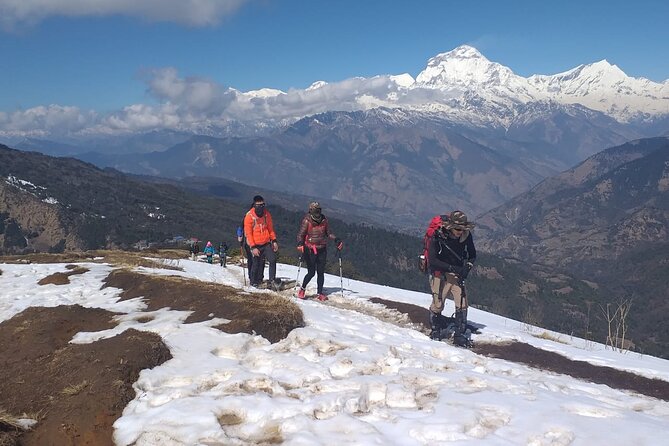
This is the kind of Annapurna trek that grabs your attention fast because it compresses Poonhill sunrise plus Annapurna Base Camp into a short, doable schedule. I like that it also threads in local life along the way, with chances to pass through Gurung, Magar, and Tibetan-influenced communities. I also like the simple rhythm this package builds for you: tea-house stays, guided hiking, and daily meals so you are not managing logistics every day. One consideration: the trek still climbs high, and the Kathmandu to Pokhara flight is an extra cost (about US$120), so your final budget needs a small bump.
I also appreciate the control you get with a small group setup. Your tour is private (only your group), with a maximum of 10 people per booking, and you start early at a 6:15 am meeting time. Expect to do real walking each day, but you will have a licensed, English-speaking guide and a team structure built for trekkers who want to spend their energy on the trail.
Key Highlights You Will Actually Feel
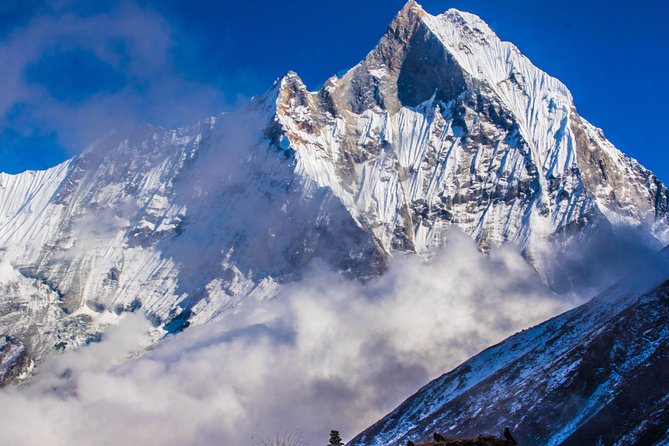
- Poonhill plus Annapurna Base Camp in 12 days without the long time commitment of a full circuit
- Daily meals and good tea-house lodge stays so you can focus on pacing and acclimatization
- Licensed English-speaking guide included, with first aid kit support
- Private group experience with a max of 10 people, from solo up to a small crew
- Staged route from Ulleri to ABC (4130m), then back down to lower Kyumi and Nayapul
- Good value if you budget the add-ons (notably the flight, insurance, and tips)
Why This 12-Day Annapurna and Poonhill Combo Fits Real Schedules
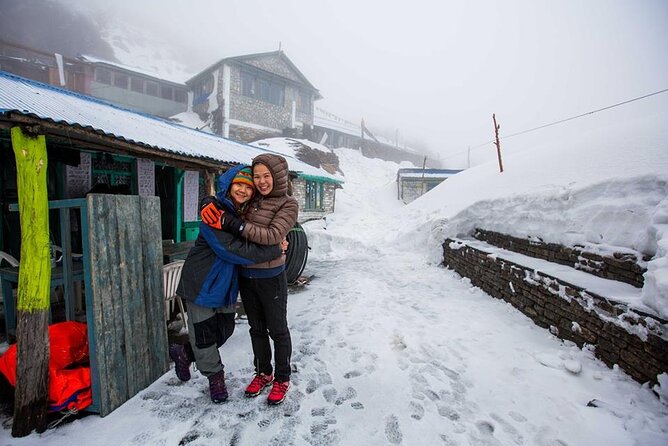
If you have limited time in Nepal but still want the emotional payoff of Annapurna Base Camp, this short package makes sense. You are not just hiking to a dot on a map. You are moving through a region that locals treat like something sacred. Annapurna is tied to local spiritual beliefs, often spoken of as a goddess of harvesting, and you will feel that significance in how communities live around the mountain.
This plan also hits two classic reasons people trek here. First, you get the Poonhill viewpoint experience, which is a big deal because it tends to reward early effort. Second, you reach Annapurna Base Camp, which is the signature goal at 4130m. Doing both within a 12-day window is the key selling point, and it suits hikers who want a full story, not just a taste.
The other thing I like is the cultural flavor. Your route passes through areas associated with Gurung, Magar, and Tibetan communities, so the trek is not only about stone and sky. You will see everyday village life, and you will likely meet hosts running tea houses who depend on trekking traffic to sustain their livelihoods.
A short trek is also a double-edged sword. It can feel efficient, but it means you cannot be casual about pacing. You will be making altitude gains and covering long walking days even if the itinerary is compact.
More routes into the Annapurna Sanctuary:
- Annapurna base camp trek 5 Days
★ 5.0 · 252 reviews - 14-Day Private Annapurna Base Camp Trek
★ 5.0 · 180 reviews - Annapurna Base Camp Trekking
★ 5.0 · 116 reviews
The Route, Day by Day: From Kathmandu Flights to ABC at 4130m
Below is what you should expect in plain terms, including why each day matters.
Day 1: Arrival in Kathmandu
You land in Kathmandu and settle in for the night at a tourist hotel with breakfast included. This day is about getting your bearings, checking your gear, and doing the boring-but-important stuff like hydration and rest.
You also may run into the first time-sensitive task: your booking requires passport details (name, number, expiry, country) for participants. It is best to have that information ready so you are not scrambling later.
Day 2: Kathmandu to Pokhara, then Naya Pul to Ulleri (2050m)
The day starts early, with a Kathmandu-Pokhara flight of about 25 minutes, followed by a drive to Naya Pul and then trekking on foot to Ulleri at 2050m. The trek segment is around 5 to 6 hours, with about 1 hour of driving.
Why it matters: this is your warm-up day. Even though you are not going very high yet, you are trading car fumes for trail time. You also get your first real sense of how often you will stop, breathe, and adjust your pace. With altitude, that pace matters more than speed.
More to compare around Kathmandu
- Everest Base Camp Trek – 14 Days
★ 5.0 · 1,499 reviews - Everest Base Camp Trek
★ 5.0 · 842 reviews - Private Kathmandu Sightseeing Tour | UNESCO World Heritage sites
★ 5.0 · 756 reviews - Kathmandu: 7 UNESCO Sites with Lunch
★ 4.8 · 744 reviews
Day 3: Ulleri to Ghorepani (2750m)
Today is a longer uphill push, about 4 to 5 hours, ending in Ghorepani at 2750m. This is the point where many hikers notice that every step costs a bit more effort than it did on day 2.
Why it matters: Ghorepani sets you up for the next day’s early viewpoint plan. It is also a practical base village area, where tea houses are set up for trekkers to rest and fuel.
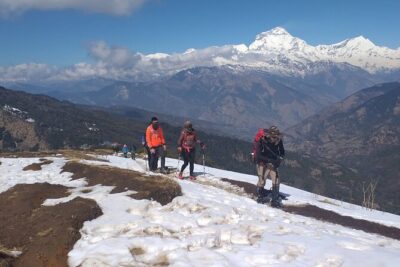
Day 4: Ghorepani to Poonhill and then to Chiule (2700m)
This day is built around moving from Ghorepani to the Poonhill viewpoint, then continuing to Chiule at 2700m. The walking time is listed as about 7 hours.
Why it matters: this is a classic “early effort, then payoff” rhythm. You are spending time on a viewpoint move, and then you still keep walking afterward. A lot of people underestimate the tired legs part, so treat the post-viewpoint section as part of the workout, not an afterthought.
Day 5: Chiule to Sinuwa (2340m)
You drop slightly in altitude to Sinuwa at 2340m, with a walking day of about 7 to 8 hours.
Why it matters: even when the numbers look like a dip, the terrain can still feel demanding. This day gives you a bit of relief from the highest climbs while keeping your body working. It also helps you settle into a steady daily rhythm.
Day 6: Sinuwa to Deurali (3230m)
Today you climb more noticeably, reaching Deurali at 3230m in about 7 hours.
Why it matters: this is one of the turning points. After this, the trek increasingly feels like you are moving toward Annapurna’s high country, not just passing through villages.
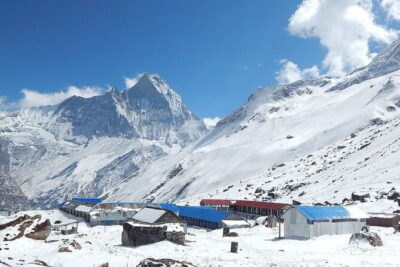
Day 7: Deurali to Annapurna Base Camp (4130m)
This is your big high day. You trek from Deurali up to Annapurna Base Camp at 4130m, taking about 7 to 8 hours.
Why it matters: reaching ABC is the main goal, and the effort level is real. Your route is designed to keep you moving efficiently, but you still need a steady pace and good breathing habits. This is where a guide’s pacing strategy can make a big difference for how you feel when you arrive.
Day 8: ABC back to Sinuwa (2340m)
You go down from 4130m back to Sinuwa at 2340m in about 7 hours.
Why it matters: going down is often easier on your altitude risk, but it can be harder on your knees and ankles. Since the itinerary includes this return, it also gives you a chance to recover emotionally and physically before the final legs.
Day 9: Sinuwa to Kyumi (1340m)
You continue the descent, reaching Kyumi at 1340m, with a listed trek time of about 7 hours.
Why it matters: this is the “closing the loop” day, where the altitude pressure drops and the walk becomes more about endurance than oxygen management.
Day 10: Kyumi to Nayapul, then drive back to Pokhara
You finish the hiking by trekking 4 to 5 hours to Nayapul, then drive back to Pokhara.
Why it matters: this is often when the excitement spikes, because you can finally see the trek wrapping up. You also get your last chance to check in with your guide, confirm any next steps, and enjoy a proper rest before the long ride back to Kathmandu.
Day 11: Drive Pokhara to Kathmandu
You make the drive back to Kathmandu.
Day 12: Final departure
Your itinerary ends with your final departure from Nepal.
Price and Value: What $828 Buys, and What You Must Add
The listed price is US$828.00 per person, for about 12 days. It is not an “only pay for a guide and go suffer” deal. A big chunk of the value is that the essentials are built in.
Included elements that matter for value:
- Sharing hotels in Kathmandu and Pokhara (with breakfast)
- Tea-house lodge stays during the trek
- Daily meals on trekking days: breakfast, lunch, dinner
- An experienced, government licensed English-speaking guide plus his expenses
- Air-conditioned vehicle for included transport segments
- A duffel provided by the company (and it needs to be returned)
- An adventure certificate
- A first aid kit (you are still advised to use your own recommended medicines)
Then there are the add-ons you should expect:
- The Kathmandu to Pokhara flight is not included (about US$120)
- Travel/trekking insurance is not included
- Tips for staff are expected
- Personal expenses like bottled water, hot showers, Wi-Fi, and charging are not included
My take: the price feels most fair for hikers who want a guided, food-included package with less day-to-day decision-making. If you already know you will buy lots of extra comfort items and tips, factor those in early. If you already have travel insurance and are good at controlling personal spending, you will feel the cost is well matched to what is handled for you.
Safety and the Human Team: What the Guide Name Changes Tell You
A trek is only as good as how the team runs daily life at altitude. This package is built around a government licensed, English-speaking guide and a staffed setup that includes porters. You are also given a first aid kit, with medicine guidance to use your own.
The strongest pattern in the information you provided is how often specific guides and team members get credited. Names that came up include Mr. Kumar, KK, and Rajan. You also see Dipendra showing up as a point person who responds quickly and helps shape plans, especially when someone needs a shorter version for limited time.
That matters because a good short trek is not only about reaching a destination. It is about making the daily schedule feel manageable for your group. Based on the details shared, the company emphasizes attentiveness and smooth organization, including helpful coordination when people are solo or when schedules change.
Also note the practical guardrails: a maximum of 10 people per booking, private group style, and a minimum age of 10. That usually means you get a more controlled pace than big public tours, where your day depends on strangers.
Tea Houses, Meals, and How Your Daily Energy Gets Managed
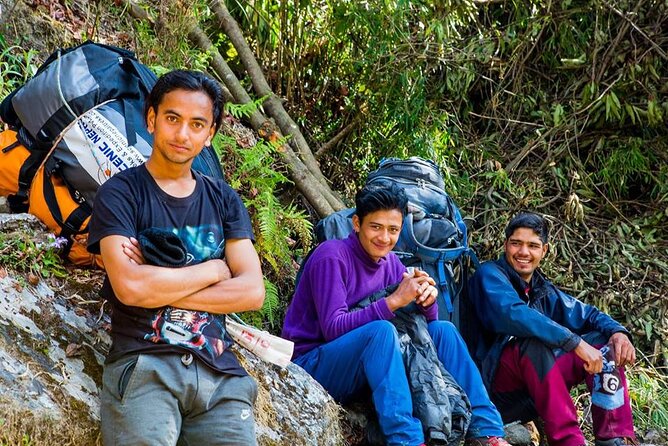
This is not a self-supported hike. Tea-house lodge stays are part of the deal, and breakfast, lunch, and dinner are included during the trekking portion from Pokhara to Pokhara.
Why that matters: when food and sleeping are handled, your main job becomes walking smart. You can time your meals around your route, and you are not gambling on whether a settlement has what you need. It also helps keep your energy consistent on longer days like Deurali to ABC and the post-viewpoint day to Chiule.
One thing to expect: you will still have personal spending costs on top. Bottled drinks, hot showers, Wi-Fi, and phone charging are not included. Tea houses usually offer these, but it is on you to decide what you want to pay for and how often.
A practical tip: plan to treat water as a budget line, not an afterthought. You are trekking at altitude, and staying hydrated is one of the simplest ways to help your body cope.
Altitude Reality Check: A Short Trek Still Clocks High Numbers
This itinerary is short, but it is not low altitude. You will pass through:
- Ulleri (2050m)
- Ghorepani (2750m)
- Deurali (3230m)
- Annapurna Base Camp (4130m)
- Then you descend to Sinuwa (2340m), Kyumi (1340m)
What this means for you: even with a guided plan, you need to accept that your body may feel slower on the ascent. You will get the biggest altitude challenge on the way to ABC, then you get a structured descent.
Fitness requirement is described as moderate physical fitness level. That is a good fit for people who can walk for long stretches, handle steep moments, and keep a steady pace. If you know you struggle with sustained uphill effort, you might still enjoy parts of this trek, but the shortened format could feel intense.
Also: your trek medicine situation is on you. The trip includes a first aid kit, but the guidance says to use your own recommended medicine. If you have altitude medication or personal essentials, bring them.
What to Pack and Plan For (Without Overbuying)
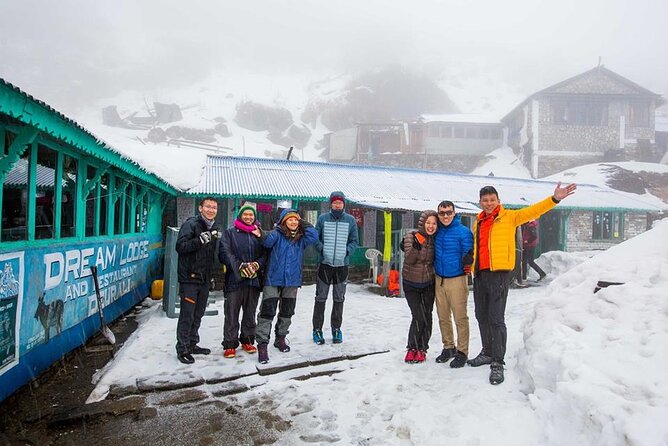
The data does not give a full packing list, but it does tell you what costs are not included and what is handled for you. Use that to pack smarter.
Bring:
- Personal trekking medicines you are used to using
- Sunscreen and sunglasses, since altitude exposure is common on these routes
- A way to handle cold mornings and evenings in tea houses
- Power management plans, since charging is personal expense
Think twice about:
- Overbuying bottled drinks. They are not included, and you can manage hydration with your guide’s plan and your own water strategy
- Planning on frequent hot showers. Hot shower costs are not included
The duffel bag provided by the company is helpful because it centralizes what porters carry. Just remember: you still should keep valuables and essentials close to you where possible, since the duffel is something you must return at the end.
Is This the Right Trek for You?
This trek is a good match if:
- You want both Poonhill and Annapurna Base Camp but do not have weeks
- You prefer a guided, organized structure with daily meals and tea-house lodging
- You like a small group feel and want fewer moving parts
- You can handle 7-hour walking days and one major climb to ABC
It may not be the best fit if:
- You have very limited walking stamina or mobility for long uphill segments
- You are trying to keep costs ultra-minimal, because insurance, tips, and personal expenses can add up
- You expect the trek to feel relaxed on the day you hit 4130m. It is a goal day, not a stroll
Should You Book This Annapurna Base Camp and Poonhill Trek?
If your goal is Annapurna Base Camp and you also want the classic Poonhill viewpoint, this short 12-day package is one of the more logical ways to do it. The value is strong when you count what is included: daily meals, tea-house lodging, a licensed guide, and real transportation support with AC vehicle segments.
Before you book, do a quick reality check:
- Add the flight cost from Kathmandu to Pokhara into your budget
- Plan for insurance and tips
- Be honest about your uphill stamina, especially for the long days leading to ABC
If you can do that math and you enjoy moving day after day with a guide’s support, you will likely come away satisfied, not exhausted in the wrong way.
FAQ
What time do we meet?
The meeting start time is 6:15 am.
Is the Kathmandu to Pokhara flight included?
No. The Kathmandu to Pokhara flight is not included and costs about US$120 extra.
Are meals included during the trek?
Yes. Breakfast, lunch, and dinner are included during the trekking days.
Are hotels included in Kathmandu and Pokhara?
Yes. The package includes sharing tourist good hotels in Kathmandu and Pokhara with breakfast.
Do you provide a guide?
Yes. You get a government licensed English-speaking guide, and the guide’s expenses are included.
Do I need travel or trekking insurance?
Yes. The tour data specifically says you should have good insurance for your trek, and travel or trekking insurance is listed as not included.
How many people can be in a booking?
A maximum of 10 people per booking is stated, and it is a private tour with only your group.
What is the minimum age?
The minimum age is 10 years.
Is cancellation free?
Yes, there is free cancellation. You can cancel up to 24 hours in advance for a full refund. If you cancel less than 24 hours before the experience starts, the amount paid is not refunded.
What info do you need at booking?
You need the participant’s passport name, number, expiry date, and country.
Latest Kathmandu write-ups
- Langtang Valley Trek★ 5.0 · 3 reviews
- Khopra Danda Trek★ 5.0 · 3 reviews
- Langtang Valley Trek from Kathmandu★ 5.0 · 3 reviews
- 5 night / 6 days Kathmandu Nagarkot Chitwan Pokhara tour★ 5.0 · 3 reviews
- Nepal Highlights Tour: 5 Nights 6 Days Kathmandu & Pokhara Tour★ 5.0 · 3 reviews
- Kathmandu Valley Private Day Tour★ 5.0 · 3 reviews
- Conquer the Himalayas: The Ultimate 16-Day Annapurna Circuit Trek★ 3.5 · 3 reviews
- Kathmandu Heritage Day Tour★ 5.0 · 3 reviews
Annapurna Base Camp Trek, compared.
Browse the lists this tour appears in