
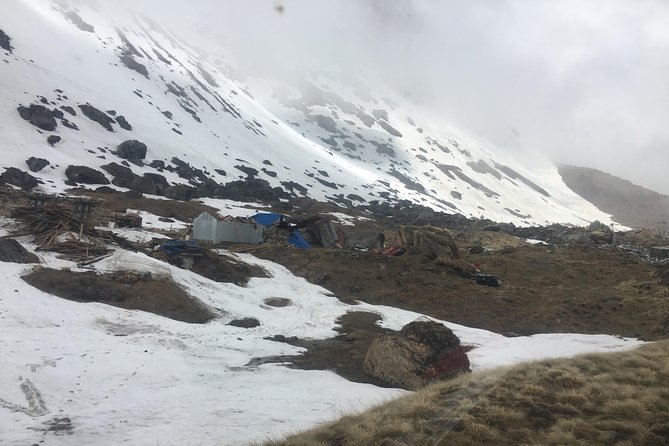
Reviewed · ANNAPURNA BASE CAMP TREK
Annapurna Base Camp Trek form Kathmandu
Annapurna Base Camp is interesting because you get big mountain payoff without needing technical climbing. The route mixes comfy planning (pickup, permits, guide, porter) with days that feel beautifully far from phones and traffic.
I especially like the way this itinerary uses Pokhara as a reset button before and after the mountains. And I like that you travel with an English-speaking trekking guide and a porter set up from the start, so you can focus on pacing and views.
One consideration: you should be ready for long trekking days and altitude, and a couple items are not included, like meals and the Poon Hill sunrise entry fee. If you’re hoping for a relaxed walk, this trek will test you a bit.
Key Highlights You Should Know Before You Go
- Pokhara Lakeside start and finish so you can actually enjoy downtime, not just transit
- English-speaking guide plus porter support to keep logistics easy on the trail
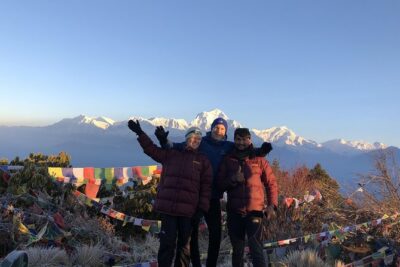
- Early sunrise at Poon Hill for wide Annapurna-range views (with a paid ticket)
- Machhapuchchhre Base Camp and Annapurna Base Camp with two distinct high points
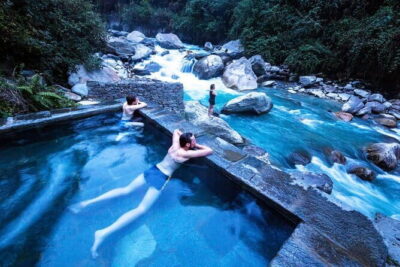
- Jhinu Danda hot spring for a real post-trek reward day
- Permits and TIMS card included so you do not have to scramble paperwork
Annapurna Base Camp From Kathmandu, With Pokhara as Your Breather
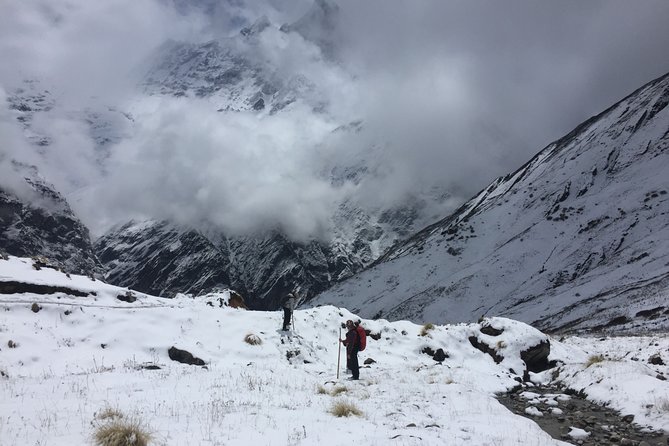
This trek is designed for people who want the classic Annapurna Base Camp experience with the hard parts handled for you. You start in Kathmandu, then you shift into trekking mode with a scenic bus ride to Pokhara, a clear plan for the days on foot, and a return that ends back in Pokhara.
What makes this route feel smart is the pacing. You climb gradually through villages and viewpoints, then you hit the higher camps around the middle to end of the trip. Even if you are experienced, the slow build helps your body adjust, and it helps your mind get into the rhythm.
The itinerary also gives you real time in Pokhara, not just a quick stop. You get a hotel night before the trek and another after, which matters when your legs need recovery and you want good food, hot showers, and a place to watch boats move on the lake.
More routes into the Annapurna Sanctuary:
- Annapurna base camp trek 5 Days
★ 5.0 · 252 reviews - 14-Day Private Annapurna Base Camp Trek
★ 5.0 · 180 reviews - Annapurna Base Camp Trekking
★ 5.0 · 116 reviews
Day 1 in Kathmandu and the Scenic Shift to Pokhara
You begin with pickup from Thamel, then transfer to the bus for the drive to Pokhara. This is one of those days where the goal is simple: get from Kathmandu to lakeside calmly, without turning the first day into a stress-fest.
The bus ride is listed as around 7 hours. You will likely arrive ready to stretch out and get a sense of the new landscape. Once you reach Pokhara Lakeside, you transfer to your hotel in the lakeside area.
Why I like starting this way: you are not rushing directly from city noise into high mountain effort. You get a night to settle, pick up any last-minute trekking essentials, and eat something you actually want. It also helps for anyone who feels altitude anxiety, because Pokhara sits at a lower elevation than the trekking days, giving you an emotional warm-up.
Day 2: Nayapul to Ulleri, Laying the Trail Foundation
Day 2 starts with a drive to Nayapul, about 1 hour 10 minutes. Then the trek begins, listed as about 5 hours to Ulleri.
Ulleri is a classic stop on this region. It is typically where you start feeling that the Annapurna story is not just about a single viewpoint. It is about villages, terraced paths, and the steady grind upward.
This is also the day where you should pay attention to your pace. If you go too fast on day two, you might “feel fine” that evening and still get punished later. Keep your effort steady, hydrate early, and aim for consistent breathing rather than heroic spurts.
Day 3: Ghorepani and the Annapurna Range Views
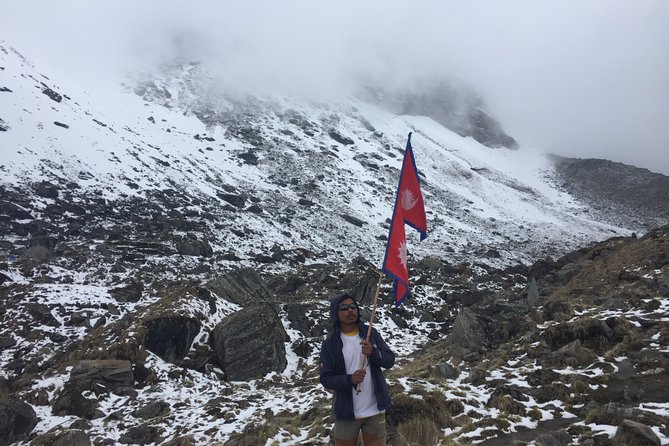
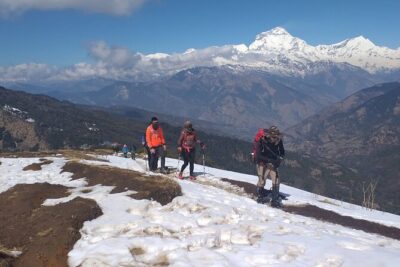
On day 3, you trek to Ghorepani, about 6 hours. This is where the itinerary promises the kind of magic that people travel for: views of the Annapurna mountain ranges.
Ghorepani is a launch point for Poon Hill sunrise, which is on day 4. So day 3 sets you up both physically and mentally. You get used to the rhythm, then you wake up early for the big panorama.
One practical tip for this stretch: plan your layers. Morning starts can feel cool, and midday can warm up fast, especially when you walk in and out of shade. If your clothing system is good, you waste less energy on overheating or cold hands.
More to compare around Kathmandu
- Everest Base Camp Trek – 14 Days
★ 5.0 · 1,499 reviews - Everest Base Camp Trek
★ 5.0 · 842 reviews - Private Kathmandu Sightseeing Tour | UNESCO World Heritage sites
★ 5.0 · 756 reviews - Kathmandu: 7 UNESCO Sites with Lunch
★ 4.8 · 744 reviews
Day 4: Poon Hill Sunrise, Then Tadapani for the Long Trekday
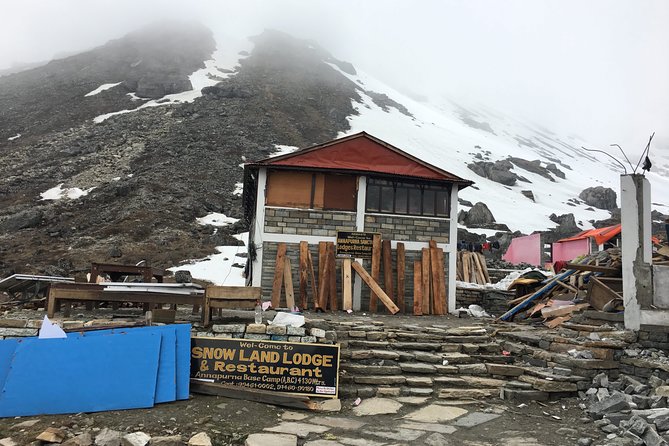
Day 4 is a two-part day. First, early morning hiking to Poon Hill for sunrise views. It’s listed at about 2 hours, and importantly, the Poon Hill admission ticket is not included.
Then you trek to Tadapani, about 6 hours.
This is one of the days you should treat like a schedule, not an afterthought. Sunrise hikes reward preparation: headlamp if needed, warm layer for the pre-dawn chill, and a quick breakfast plan. When you arrive at the viewpoint, you want to be comfortable enough to actually enjoy the view for more than a minute or two.
After sunrise, the vibe shifts to steady trekking. Tadapani is where you get deeper into the rhythm of the trek, with fewer big viewpoint stops and more of the “keep moving” feeling. If you want to take photos, do it without stopping so long you lose your momentum. You are building endurance for the higher days.
Day 5: Chhomrong, a Key Village Step in the Annapurna Story
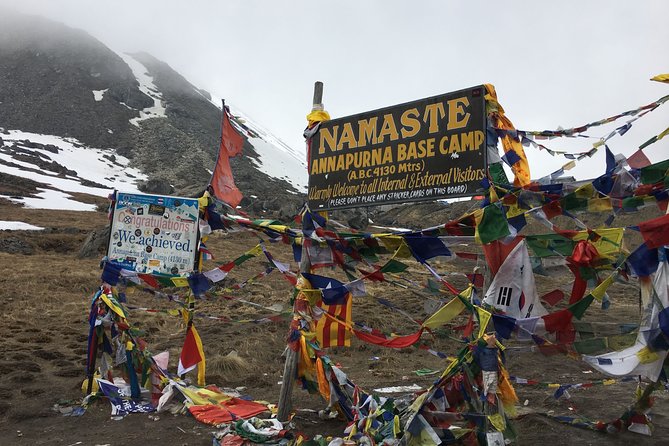
Day 5 brings you to Chhomrong, listed at about 6 hours.
Chhomrong is a meaningful stop on many Annapurna routes because it connects you to the next stage of the climb. You will likely feel like you are entering more rugged terrain. The path tends to feel more serious here, even if it is still manageable.
Why this day matters: you are not just walking for distance. You are walking for altitude, for body adjustment, and for confidence. When you reach a spot like Chhomrong, you have proof that yesterday was real, and today is real too.
Day 6: Dovan and the Slow Climb Toward Deurali
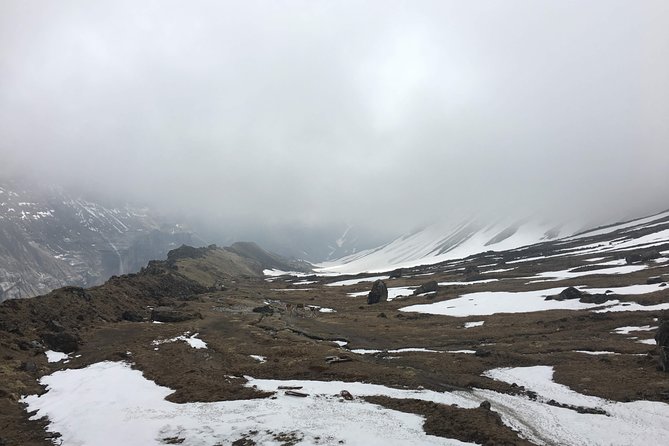
On day 6, you trek to Dovan, around 5 hours.
This stretch is about building. Dovan is not presented as a one-stop photo moment in the itinerary. Instead, it is part of the “you’re in the mountains now” sequence that helps keep your climb gradual.
You will be tempted to compare your day to the highest-view days. Try not to. Some of the best trekking moments are the quieter ones, like walking under thick tree cover, hearing birds, and watching the light shift on the trail. You might not get a giant instant panorama here, but you gain stamina, which becomes your secret advantage for the base camp days.
Day 7: Deurali, Where the Air Feels Different
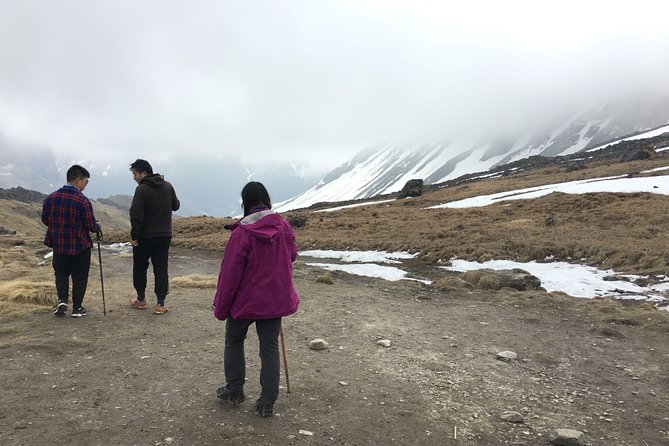
Day 7 takes you to Deurali, about 5 hours.
At this stage of the trek, you should feel altitude more clearly. Even when the walking is not brutal, the air can make your legs work harder. This is where your pacing matters even more.
If you start to feel breathy, do not push through it like a treadmill workout. Slow down. Shorten your stride. Let your breathing catch up. A guided trek is helpful here because you can follow the plan rather than improvising.
Also, sleep can be harder at elevation. Keep your expectations realistic. If you wake up once or twice, that is not a disaster, it’s part of the experience.
Day 8: Machhapuchchhre Base Camp and Annapurna Base Camp in the Same Day
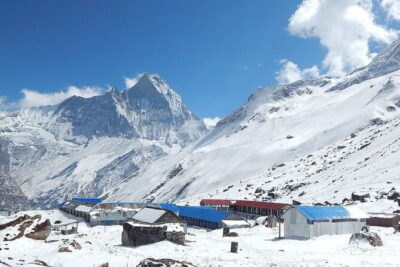
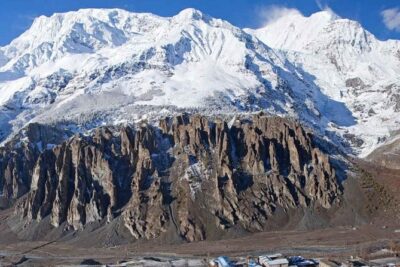
Day 8 is the big summit-energy day, and it has two parts. First you trek to Machchhapuchchhre Base Camp, listed at about 2 hours, at 3770 meters. Then you trek to Annapurna Base Camp, about 2 hours, at 4130 meters.
This is a short walking time on paper, but do not underestimate the altitude effect. A 2-hour segment at higher elevation can feel very different from a 2-hour segment at lower altitude.
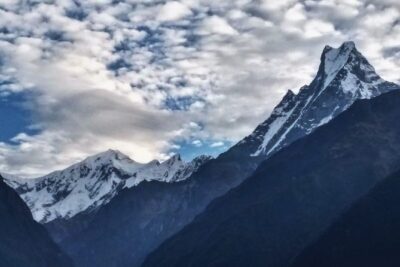
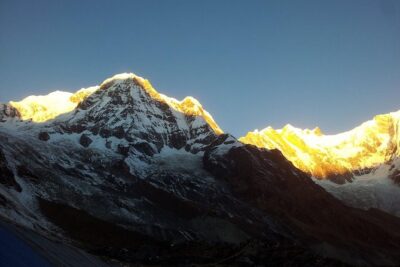
Machhapuchchhre Base Camp matters because it gives you a separate high-point perspective before the main base camp. Then Annapurna Base Camp is the destination, and it is the reason most people book the trek.
The best way to experience these moments is to slow down at the end. Take time when you arrive. Let your body settle. You want to enjoy the scene, not just “arrive, take a photo, leave.”
Day 9: Descend to Bamboo, One of the Better Mental Days
Day 9 is a descent trek to Bamboo, about 6 hours.
After the high days, a descent can feel like relief. It also helps your body. Still, downhill trekking uses different muscles, so your knees and quads might complain.
This day is also psychologically helpful. If you get anxious after a major milestone, this is the day that turns the nervous system back toward steady recovery. Keep your steps controlled, take care on rocky sections, and use the time to refuel both food and energy.
Day 10: Jhinu Danda Hot Spring, a Real Reward
Day 10 takes you to Jhinu Hot spring, about 6 hours. This is where the itinerary gives you something wonderfully non-mountain: a natural hot spring bath.
This is a key value add. Trekking days are long and repetitive. Knowing you have a hot spring waiting makes it easier to keep moving when you’re tired.
Practical advice: plan for comfort. Bring a towel if you have one, and think about how you will dry and warm up after the soak. Even if the hot spring feels great, cold air after your bath can bring you right back to “I need layers.”
Day 11: Nayapul to Pokhara Lakeside, Closing the Loop
On day 11, you trek down to Nayapul for about 6 hours. Then you transfer by private car back to Pokhara, around 1 hour 10 minutes, and finish with a transfer to your hotel in Pokhara.
This closing day can feel like a long one. But it is also satisfying because you can sense the end approaching. The car ride helps you switch from “walking mode” to “celebrate and recover mode.”
Once you’re back in Pokhara Lakeside, you can treat yourself like a human again. Eat well. Drink water. Stretch. And if you have energy, take a slow walk by the lake. You earned it.
Why the Included Services Feel Like Actual Value at $550
At $550 per person, this trek is not just paying for a route. You are paying for a system. Included services matter because trekking is not only physical, it is logistical.
Here is what you get that reduces hassle:
- English-speaking trekking guide: You follow a plan instead of guessing your way through passes, villages, and timing. It also helps with altitude and daily decisions, where small pacing choices matter.
- Porter for luggage: With 2 guests, 1 porter can carry up to 15 kg. For your back and shoulders, that is huge. You can keep your daypack lighter and save energy for walking.
- Permits and TIMS card: Paperwork on your own can turn into an annoying distraction. Including it keeps your start calmer.
- Accommodation in Pokhara and guest houses on the trek: You do not have to hunt rooms day by day.
- Transfers: Kathmandu to Pokhara by tourist bus, plus private vehicle to and from Nayapul. That keeps the start and finish from becoming a last-minute scavenger hunt.
The main thing not included is meals and personal expenses. That is normal for treks, but you should plan for it in your budget so you do not feel surprised mid-trip.
Transport and Group Setup: Private Trip With Real Structure
This is described as a private trip, meaning only your group participates. It also offers pickup and group discounts, plus a mobile ticket.
Private structure is a practical win. You are less likely to get stuck waiting around while other groups shuffle schedules. It also usually makes it easier for your guide to tailor pacing and daily comfort for your group.
One more thing I appreciate: the itinerary includes both hotel style downtime in Pokhara Lakeside and guest houses on the trek. That balance helps you recover in between days rather than sleeping in “whatever is available” mode every night.
Guides, Porters, and the Human Side of Staying Safe
The trekking experience is never just terrain. It is the people who help you keep moving and make smart choices.
In examples from this operator, I’ve seen the kind of support that matters: Shubham is cited for great arrangement, with a guide named Mr. Bisham and porter Aruna described as awesome. That sort of team energy is not a luxury. It’s what helps you feel calm on demanding days.
Even if your names are different, the principle is the same. When you have a guide who communicates well and a porter who handles your load properly, you walk more confidently. That confidence shows in your pace, and your pace affects your altitude tolerance.
What to Pack and How to Prepare Based on This Route
This itinerary is built around steady trekking days, sunrise hiking, and higher elevation walking. So your preparation should match.
- Fitness: the route assumes strong physical fitness. Train for long walks with hills, and practice carrying a pack similar to your daypack.
- Layers: mornings around sunrise and high-altitude evenings can feel cold, even if daytime warms up.
- Your own comfort for hot spring day: you will hit Jhinu Danda, so plan for towel, quick-dry clothing, and a way to change comfortably afterward.
- Budget for meals: meals are not included, and you will eat most days on the trek. Plan how much you want to spend and bring cash if needed.
Most importantly, adopt the “slow and steady wins the view” mindset. This itinerary gives you the route, but your decisions on pacing are what make it feel smooth.
Should You Book This Annapurna Base Camp Trek?
I think you should book it if you want a classic Annapurna Base Camp journey with clear logistics, a guided team, and enough structure to keep you from getting bogged down in planning. The added Pokhara time is a real quality-of-life benefit, not an extra.
Skip or reconsider if you are not ready for a physically demanding trek, or if you want all-inclusive meals and a sunrise viewing that costs nothing extra. Also be honest about altitude. This route climbs to 3770 meters at Machhapuchchhre Base Camp and up to 4130 meters for Annapurna Base Camp, so you need a calm, careful approach.
If you match those conditions, this is a strong value way to do Annapurna Base Camp with the human support that makes the trail feel manageable.
Latest Kathmandu write-ups
- Langtang Valley Trek★ 5.0 · 3 reviews
- Langtang Valley Trek from Kathmandu★ 5.0 · 3 reviews
- Khopra Danda Trek★ 5.0 · 3 reviews
- 5 night / 6 days Kathmandu Nagarkot Chitwan Pokhara tour★ 5.0 · 3 reviews
- Nepal Highlights Tour: 5 Nights 6 Days Kathmandu & Pokhara Tour★ 5.0 · 3 reviews
- Kathmandu Valley Private Day Tour★ 5.0 · 3 reviews
- Conquer the Himalayas: The Ultimate 16-Day Annapurna Circuit Trek★ 3.5 · 3 reviews
- Kathmandu Heritage Day Tour★ 5.0 · 3 reviews
Annapurna Base Camp Trek, compared.
Browse the lists this tour appears in