
Reviewed · ANNAPURNA BASE CAMP TREK
Annapurna Base Camp Trek
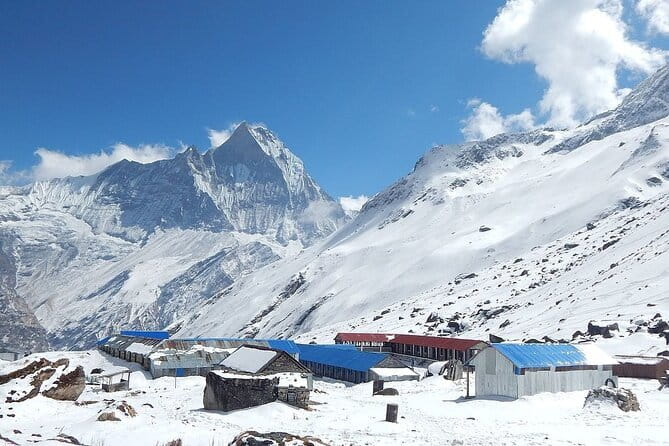
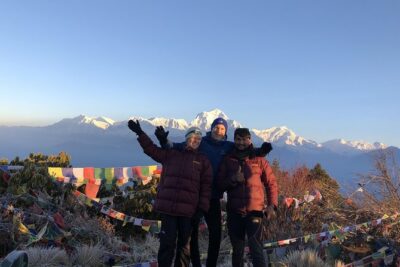
Annapurna Base Camp has a simple pull: you go from busy Kathmandu to high mountain quiet, then you hit that classic base camp altitude where the Annapurna region really feels huge. I like how this trip is built as a sequence of workable days, not random “send it” hiking.
I also love the level of organization baked into the plan, from permits and TIMS to an English-speaking guide and porter support. One thing to consider up front is that this trek needs moderate fitness, and you will be hiking at elevations that can feel demanding for first-timers.
Key things I’d flag before you book
- Staged altitude profile that climbs to Deurali (3,230m) and then to Annapurna Base Camp (4,130m) with a built-in rhythm.
- Tea house accommodation each night on trek, with food and lodging handled by your team.
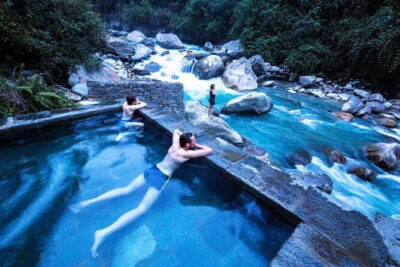
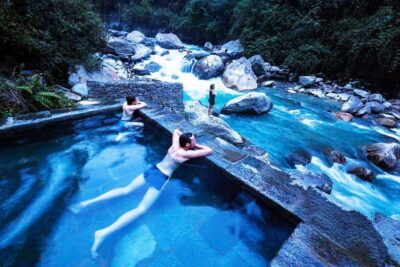
- A hot springs finish at Jhinu Danda, a pleasant reward after the descent.
- Real support on trail with an English-speaking guide and a porter arrangement (1 porter between 2 people, basic).
- Permits and TIMS included, so you are not chasing paperwork mid-trip.
- Nicely padded included breaks like fruit desserts and a Snickers chocolate each person during the trek.
Annapurna Base Camp is the main event, and the route keeps it practical
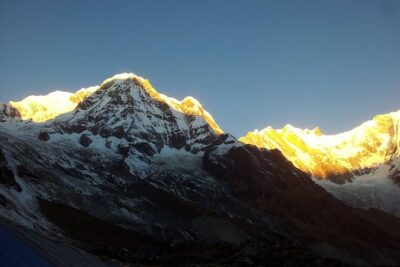
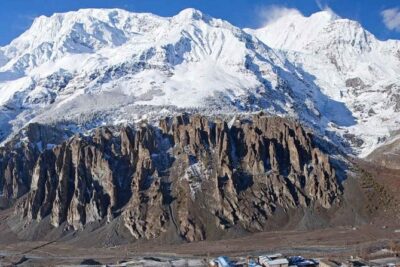
If you’re choosing an Annapurna Base Camp trek, you’re usually chasing one thing: that sense of scale when you reach the base camp area. This itinerary is designed around that goal, with Annapurna Base Camp slotted as the centerpiece at 4,130m.
What I like is that the trip does not treat the trek like a series of identical hikes. You start lower around Pokhara (820m), climb through mid-altitude nights like Deurali (3,230m), then only after that push do you get the big base camp elevation. That pacing matters because it helps you finish the trek feeling like you had a chance, not like you survived a stunt.
Still, keep expectations grounded. Tea houses up high are not luxury hotels, and high altitude will affect your breathing even if you walk at a steady pace. This is why the trip calls out moderate physical fitness as the requirement.
Day 1 and Day 2: Kathmandu setup, then a gentle handoff to the mountains
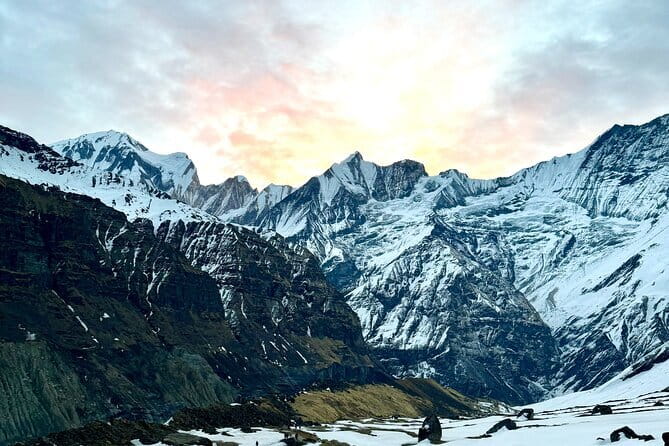
You land in Kathmandu and immediately get transferred to a hotel for preparation and an overnight stay. It’s not a sightseeing-heavy day, and that’s a good thing. You need sleep, not a jam-packed first evening, especially when you’ll be hiking for days after.
On day 2, you take a tourist bus to Pokhara and sleep there. This matters for two reasons. First, Pokhara is your altitude and logistics buffer after Kathmandu. Second, it sets up your trek start cleanly because you’ll connect to Nayapul the next day.
If you like a straightforward transition, this plan fits. It’s also nice that ground transportation is included for the key segments, including Pokhara to Nayapul by private transport (about 1.5 hours).
More routes into the Annapurna Sanctuary:
- Annapurna base camp trek 5 Days
★ 5.0 · 252 reviews - 14-Day Private Annapurna Base Camp Trek
★ 5.0 · 180 reviews - Annapurna Base Camp Trekking
★ 5.0 · 116 reviews
Day 3 to Day 5: Village hikes and the climb toward Deurali
Day 3 takes you from Pokhara to Nayapul, then into the hike to Ghandruk at 1,940m. Ghandruk is the kind of stop that helps you get into “trek mode” quickly, without jumping straight into the steep, high-altitude feeling. You’re already above what you’d experience in Kathmandu, so your body starts adapting.
On day 4, you hike from Ghandruk to Chomrong (2,230m) or Sinuwa. The itinerary gives you either option, which is practical in real life. Some routes and lodging choices can shift based on trail conditions and where tea houses have space, and a plan that allows flexibility is often easier to execute smoothly.
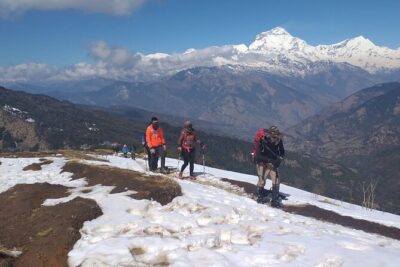
Day 5 is where the trek starts to feel serious: Sinuwa to Deurali (3,230m). This is a major altitude jump compared to the lower village days. The win here is that you’re not trying to go from low elevation straight to base camp. You build up over multiple nights, and Deurali acts as a stepping stone before the top push.
Day 6: Reaching Annapurna Base Camp at 4,130m
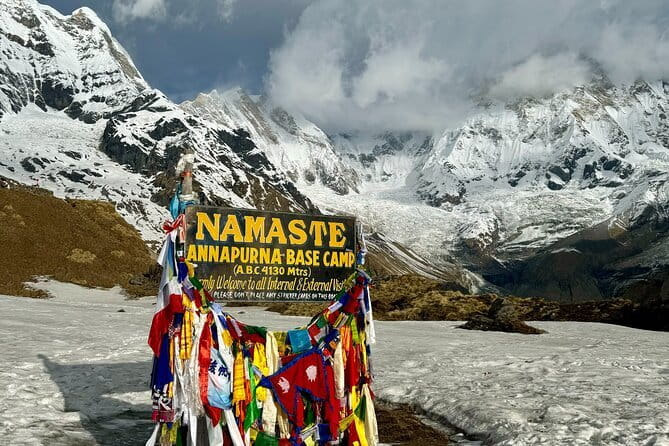
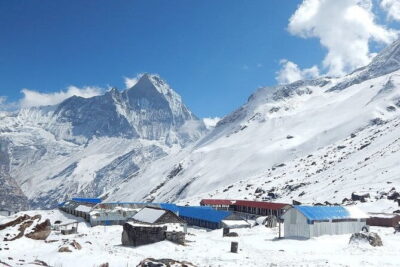
Day 6 is your Annapurna Base Camp day. You’re going from Deurali (3,230m) up to A.B.C (4,130m), and this is the altitude where people typically slow down, breathe differently, and stop caring about time in favor of pace.
Here’s the key thing: this trek is structured for guided pacing. You get an English-speaking guide, plus porter service, and that combination tends to make a big difference at the hardest points. A guide can help you keep a steady rhythm, and a porter can carry your load, which is one less variable when your body is already working hard.
Also note the practical reality of your “comfort” up high. You get tea house accommodation, which means warm meals and a place to sleep, but not the kind of amenities you might expect at sea level. The trip also lists hot water battery charge as not included, so it’s smart to assume that any heated water may cost extra or be limited.
Day 7 to Day 9: The descent, Bamboo, and Jhinu Danda hot spring payoff
After base camp, day 7 brings you down to Bamboo (2,310m). Descent days can feel easier because the air is thinner less often, but they still require good footing and steady effort. I like that the itinerary gives you a proper downshift day rather than rushing straight to Pokhara.
Day 8 is one of the most rewarding days on this plan. You trek from Bamboo to Jhinu Danda (1,780m), and Jhinu Danda is specifically listed for the Hot Spring. That means the day ends with a built-in decompression moment, not just another transfer. After several days of climbing and adjusting, warm water can be a very real recovery tool, even if you keep your expectations sensible and short.
Day 9 finishes the loop by trekking from Jhinu Danda to Nayapul, then transferring to Pokhara overnight. This is the kind of “last push, then relax” structure that helps the whole trip land well. You get movement, then you get down to a real bed in Pokhara.
More to compare around Kathmandu
- Everest Base Camp Trek – 14 Days
★ 5.0 · 1,499 reviews - Everest Base Camp Trek
★ 5.0 · 842 reviews - Private Kathmandu Sightseeing Tour | UNESCO World Heritage sites
★ 5.0 · 756 reviews - Kathmandu: 7 UNESCO Sites with Lunch
★ 4.8 · 744 reviews
Day 10 and Day 11: Back to Kathmandu, then time to breathe
On day 10, you travel from Pokhara to Kathmandu (1,336m) by tourist transport. The goal is simple: you close the trek, then you return to base for departure planning.
Day 11 is departure day from the international airport, or you can add extra days in Kathmandu for relaxation, shopping, or sightseeing. That “or” is worth paying attention to. Even if you don’t add extra nights, it’s helpful to know the plan doesn’t force you into a tight exit schedule.
Also, you start early. The trek meeting time is 6:45 am, and you meet at Serene Himalaya Treks & Expedition, P896+27M, Chaksibari Marg, Kathmandu 44600, Nepal. If you’re prone to morning stress, it’s worth taking that first day seriously.
What support actually looks like: guides, porters, and included basics
One of the strongest themes in the trip feedback is how smooth the experience feels. A well-run trek can be the difference between a tough trip and a tough trip you actually enjoy.
This plan includes an English-speaking guide, plus porter service with a simple structure: 1 porter between 2 persons (basic). In plain terms, you still carry some essentials, but you are not shouldering everything. That can make your base camp day much more manageable.
It also includes the boring-but-important items people often forget: Annapurna conservation area entry permits and TIMS card (Trekkers Information Management System). Paperwork is part of trekking in Nepal, and having it handled helps keep your first days calm.
On the human side, the trek includes small morale boosters. You’ll get snacks like biscuit, Oreo cookie, and peanut, plus fruit desserts like apple or pomegranate. And yes, there’s a Snickers chocolate one each person during the trek. It’s not the kind of detail that changes the mountain, but it does change how you feel halfway through a long day.
Included meals and accommodations: what you’re covered for, day by day
This trek includes tea house accommodation during the trek, with breakfasts, lunches, and dinners counted as follows:
- Breakfast (10)
- Lunch (8)
- Dinner (7)
It also includes:
- Two nights accommodation in Kathmandu with breakfast
- Two nights accommodation in Pokhara with breakfast
- Snacks and fruit desserts during the trek
That meal mix is useful because it reduces decision fatigue. On a trek, searching for food options can become its own chore. Here, you get enough structure that your main focus stays on walking and resting.
Still, the plan is clear about what is not included. It does not include lunch and dinner in Kathmandu and Pokhara, and it does not include things like cold drinks or extra personal purchases. So you’ll still want spending money for those non-trek days.
Price and value: $1,099 for an 11-day guided trek
At $1,099 for about 11 days, you can think of this as a package that covers the hardest logistical pieces. You are paying for:
- hotel nights in Kathmandu and Pokhara,
- ground transport for the key legs,
- tea house lodging on trek,
- guide and porter support,
- permits and TIMS,
- and most meals during the trek itself.
What’s smart about the value here is that your trek cost is not only “walking.” It includes the infrastructure needed to walk safely and consistently in the Annapurna region: permits, an organized schedule, and trained staff support.
What you still need to budget separately is just as important:
- Travel insurance and any emergency evacuation cost (not included)
- Nepal entry visa fee and international airfare
- Personal equipment and a water bottle
- Tips for the guide and porter (tipping is expected)
- hot water battery charge
- donations or other expenses not listed
So my advice is to treat $1,099 as the trek package cost, then add a small buffer for tips, personal items, and any extra comfort purchases you choose on the way.
Who this trek fits best, and who should think twice
This is a private tour, and it’s designed for people with moderate physical fitness. If you can handle daily hiking with an altitude climb, you’ll likely find the pace manageable because the itinerary is staged and supported.
You’ll probably enjoy it most if you want:
- a structured route that keeps moving toward Annapurna Base Camp,
- an English-speaking guide who can help you manage effort,
- porter support so you can hike with less weight,
- tea house lodging that keeps you fed without planning meals from scratch.
Who might think twice? If you want a fully low-altitude walk, or if you’re not comfortable with high elevations near 4,130m, this plan may feel too intense. Also, hot water and extra comfort items can cost extra since hot water battery charge is not included.
Should you book this Annapurna Base Camp trek?
If you want a classic Annapurna Base Camp experience with a plan that runs on rails, this is a strong match. I like that it includes permits and TIMS, covers the key ground transport, and gives you both guide and porter support. It’s the kind of organization that makes the mountain feel possible, even when the trail gets hard.
I’d book it if your priority is reaching base camp without turning your trip into logistics. It’s also a good choice if you appreciate the practical perks, from snacks and fruit desserts to that hot spring finish at Jhinu Danda.
If you already know you need lots of medical or altitude flexibility beyond a standard moderate fitness level, or you hate the idea of tea house simplicity at altitude, then compare to a different style of trek.
FAQ
What is the duration of the Annapurna Base Camp trek?
The trek is listed as 11 days (approx.).
Where does the trek start, and what time do you meet?
The meeting point is Serene Himalaya Treks & Expedition, P896+27M, Chaksibari Marg, Kathmandu 44600, Nepal, with a start time of 6:45 am.
Does this tour include pickup?
Yes. Airport pick up and drop are included, using car/van/bus.
What kind of accommodation do you get during the trek?
You get tea house accommodation during the trek.
Are guide and porter services included?
Yes. The tour includes an English speaking guide and porter service with a porter for every two people (basic).
What meals are included?
During the trek there are breakfast (10), lunch (8), and dinner (7) included. Lunch and dinner in Kathmandu and Pokhara are not included.
What is not included in the price?
Not included: travel insurance, emergency evacuation cost, Nepal entry visa fee, international air fare, personal equipment, water bottle, cold drinks, tips for guide and porter, and things like hot water battery charge and donations.
Do I need to be physically fit?
The trip notes that travelers should have moderate physical fitness level.
What is the cancellation policy?
You can cancel up to 24 hours in advance for a full refund. The experience requires good weather, and if it is canceled due to poor weather, you will be offered a different date or a full refund.
Latest Kathmandu write-ups
- Visit Bhaktapur and Patan Heritage Cities★ 4.0 · 4 reviews
- Chandragiri Hills Private Tour★ 5.0 · 4 reviews
- Nagarjun Hill Day Hike★ 4.0 · 4 reviews
- Lumbini (Birth Place of Lord Buddha) Buddhist Tour from Kathmandu Nepal★ 5.0 · 4 reviews
- Around Manaslu Trek★ 5.0 · 4 reviews
- 14 Days Everest Base Camp Trek★ 5.0 · 4 reviews
- Chandragiri : Majestic Hilltop & Cable Car Views with Lunch★ 4.5 · 4 reviews
- Everest View Trek – 7 Days★ 5.0 · 4 reviews
Annapurna Base Camp Trek, compared.
Browse the lists this tour appears in