
Reviewed · ANNAPURNA BASE CAMP TREK
Annapurna Base Camp Trek
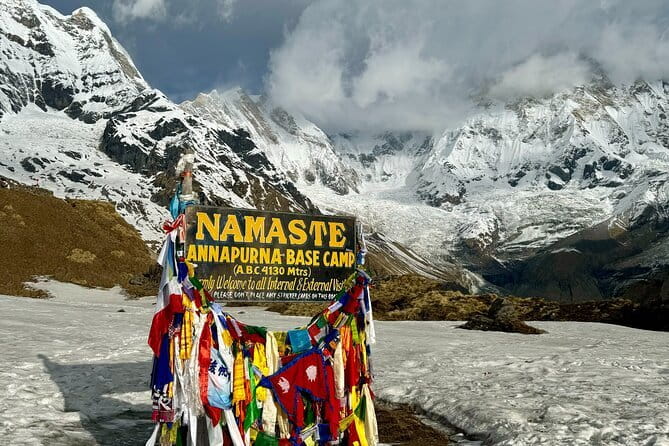
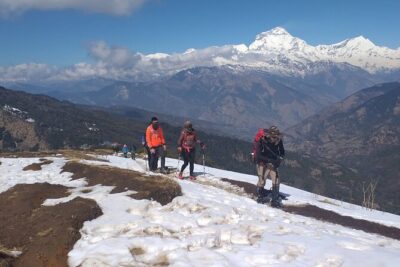
This trek is interesting because it turns a chain of village trails into a real altitude journey, with a finish at Annapurna Base Camp (4,130 m). You get the classic Annapurna feel, rhododendron and bamboo at lower elevations, then a sharper, rockier high-mountain world as you climb.
I really like two things about this trek. First, the human support starts right away, with Suman greeting you at the airport, and guide Shiva plus porter Bishal making the day-to-day parts easier to handle. Second, the route gives you variety you can feel, from Gurung villages and waterfalls to Jhinu Danda hot springs and the big moment at Machhapuchhre Base Camp.
One thing to think about: this is not a stroll. You’ll hike long days on steep sections, and you reach high altitude, so you need a steady pace and patience with the climb.
Key things I’d circle before you go
- Annapurna Base Camp at 4,130 m is the obvious headline, but the buildup is part of the payoff
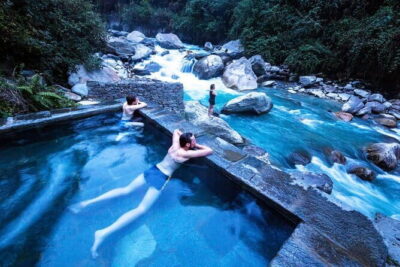
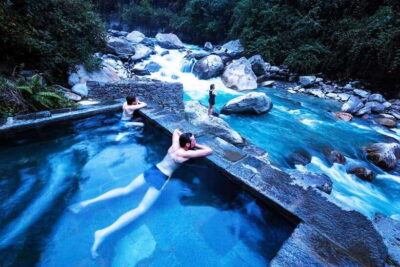
- Jhinu Danda hot springs gives you a soothing break right in the middle of the trek
- Forest-to-rock terrain change (rhododendron, bamboo, then sparser vegetation) keeps the trekking interesting
- Machhapuchhre Base Camp views add another major viewpoint before base camp
- Real team support with a guide plus an assistant guide and a porter (shared load plan)
- Permits included with TIMS and Annapurna Conservation Area fees taken care of
Kathmandu and Pokhara, The Part Before Your Boots Hit the Trail
Your trip starts in Kathmandu with airport pickup. After you clear immigration, you’re driven to your hotel in Thamel, a practical neighborhood where it’s easy to grab anything you forgot before the trek. Hotel Green Horizon is your base for the first night, and that matters because day one is about getting organized, not hiking.
The next step is Pokhara. The plan is framed as a short hop from Kathmandu to Pokhara (listed as a 30-minute flight in the trip overview), and it also includes scenic valley travel in the schedule. Either way, you’re aiming for the same thing: a calmer start, cool air, and that Pokhara rhythm where you can mentally switch from city mode to trekking mode.
By the time you land in Pokhara, you’ll be escorted to your hotel and then have time to check out Lakeside. I like this buffer day because it helps you treat the trek like a process, not just a single event. Also, if you’re the type who gets jittery about altitude, having a low-stress day first helps you settle in.
More routes into the Annapurna Sanctuary:
- Annapurna base camp trek 5 Days
★ 5.0 · 252 reviews - 14-Day Private Annapurna Base Camp Trek
★ 5.0 · 180 reviews - Annapurna Base Camp Trekking
★ 5.0 · 116 reviews
Thamel to Lakeside: A Quick Real-World Reset
Thamel is convenient, and the tour gives you a real reason to stay there: you’re close to transport links, and you’re in the middle of Kathmandu’s tourist infrastructure. That makes pre-trek life easier, like buying small extras or confirming your last details with your guide.
Pokhara is different, and that shift is the point. You get views of the mountains and a cooler climate around the lake. It’s also a good time to hydrate and plan your packing for the trekking days ahead.
Practical tip: keep your most-used items accessible for the trek. Even if everything is organized for you, you will still want a smooth morning routine without digging through bags every time you stop for water.
Naya Pul to Jhinu Danda: Starting With River Trails and a Hot Springs Reward
Day three begins with a drive to Nayapul, the common entry point for Annapurna-region trekking. From here, your first trekking day follows the Modi River corridor, which is a smart way to warm up. You pass small settlements like Chandrakot along the way, and you also get a feel for how trails here are woven into everyday local life.
Your destination is Jhinu Danda, known for natural hot water springs at the base of the ridge. The route is described as involving gradual ascent near the start, then changes in direction and elevation as you work your way along the river and through local paths. You’ll even explore the hot springs once you arrive, which is one of the best mid-trek motivators because it gives your legs a clear reason to feel good again.
One consideration: your first day sets your pace. Don’t treat it like a race just because it’s early. You’re building endurance for later steep climbs, especially as the trail shifts toward higher, rockier terrain.
Chhomrong, Bamboo Forests, Siruwa, and the Steep March to Bamboo
On day four, the hiking starts with terraces and a steep push toward Chhomrong village. You’ll cross and follow waterways, including a river crossing sequence and a climb toward the ridge above the Modi River. This is a day where trekking feels like a series of planned effort blocks: descend a bit, climb again, then settle into the forest rhythm.
Then come the bamboo forest sections and terraced fields. The itinerary has you passing through smaller settlements and reaching Siruwa village, and the day is about progression. Bamboo becomes the theme of your next overnight, and the trail gets more physical near the end.
You’ll also pass through Kuldighar, noted as a former sheep breeding project area. It’s a small detail, but I like it because it reminds you that these trails are not just scenic lines on a map. People have built systems around this land for a long time.
By the time you reach Bamboo Lodge Restaurant and then Bamboo for the overnight, you’ll understand why this trek is often described as a “short trek” but still feels serious. The distance may be shorter than the full Annapurna Base Camp routes some people take, yet the climbs and elevation changes are still very real.
More to compare around Kathmandu
- Everest Base Camp Trek – 14 Days
★ 5.0 · 1,499 reviews - Everest Base Camp Trek
★ 5.0 · 842 reviews - Private Kathmandu Sightseeing Tour | UNESCO World Heritage sites
★ 5.0 · 756 reviews - Kathmandu: 7 UNESCO Sites with Lunch
★ 4.8 · 744 reviews
Dovan to Deurali: Rhododendron and Oak, Then a Rockier World
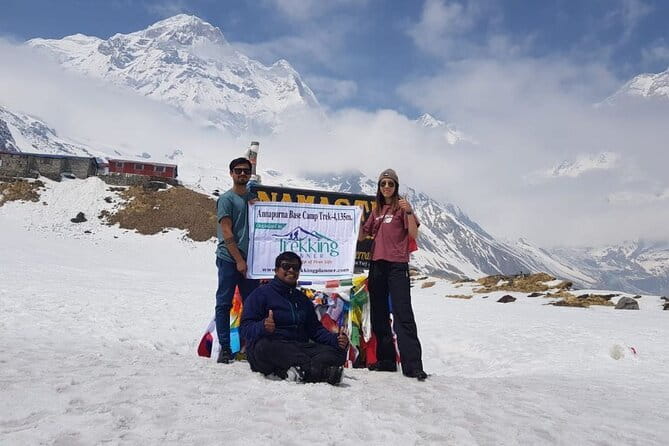
Day five is shorter and intentionally placed before the base camp push. You begin with a stream crossing and then a gradual climb through rhododendron and oak forest. Those forests matter because they tend to be cooler and gentler on your breathing early in the day, compared to the harsher high-altitude sections that come later.
You reach Dovan first, then continue toward Deurali. The route includes steep sections, waterfalls, and a stretch where views open up, including the Modi River below. At Himalaya Hotel you get another waypoint, and the itinerary describes an area where Deurali village becomes visible after you pass by Hinku cave.
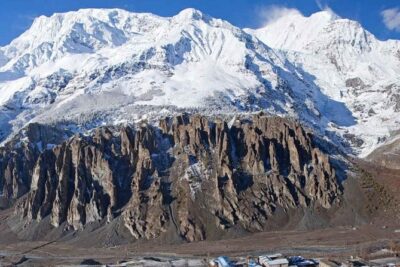
As you get higher, vegetation gets sparser and terrain becomes rockier. That shift is exactly what you want to notice and respect. If you feel your breathing get quicker, slow down, drink water, and keep your steps short. This trek’s design, with gradual changes day by day, gives you a chance to adjust, but you still have to cooperate with your body.
Machhapuchhre Base Camp and Annapurna Base Camp: The Moment You Wait For
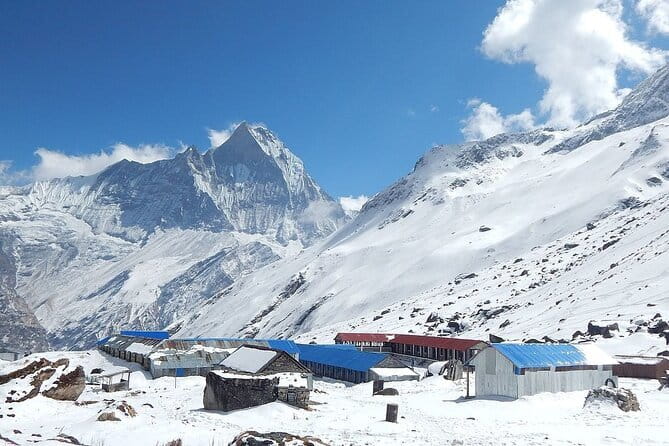
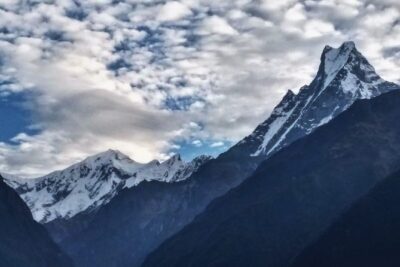
Day six is the big day in the Annapurna region story. You move from lower trails toward Machhapuchhare Base Camp, starting with gentler climbing then turning strenuous as the terrain continues. The itinerary has you passing through Bagar and reaching Machhapuchhre Base Camp, and from there you get views including Fishtail Mountain, along with peaks such as Hiuchuli, Annapurna South, Annapurna I, Annapurna III, Gagapurna, and others listed on the route.
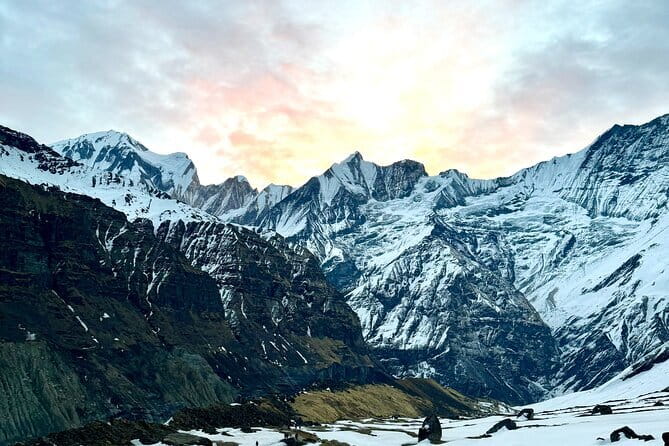
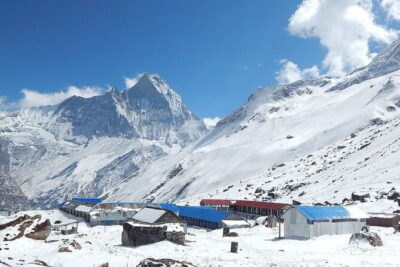
Then you branch off toward Annapurna Base Camp. Vegetation becomes sparse and the path widens, and you turn right toward the base camp itself. Once you arrive, the scenery is the whole point: you get towering Annapurna without anything between you and the view, and you stay overnight at this altitude.
Two practical realities here. First, it will likely feel colder than you expect, especially at night. Second, this is also when you want to be disciplined about layers and hydration, because cold air and dry air can sneak up fast.
If you like photos, this is where you’ll understand why people come back again and again. If you don’t even like photos, you’ll still remember the sound of wind in a high valley and how your brain reacts when the mountains fill every direction.
Sunrise Back Down: Bamboo, the Avalanche-Prone Area, and Why Your Feet Need Recovery
On day seven, you leave the Annapurna foothills and head back toward Bamboo. The itinerary makes it feel easier because it’s more downhill, and you hike alongside the Modi River in lower-elevation forest sections.
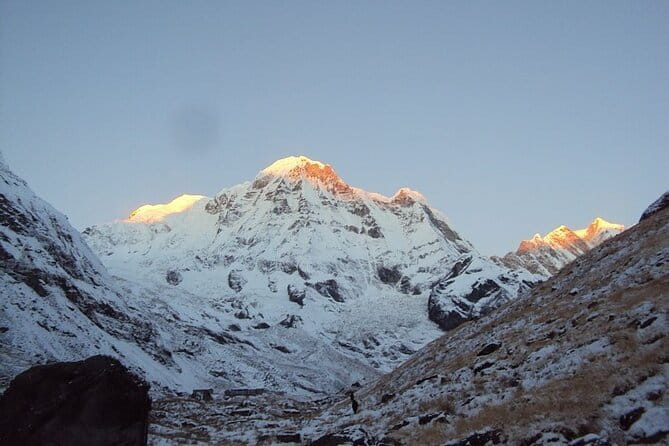
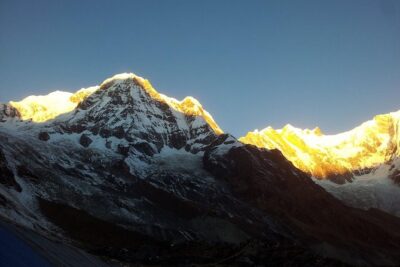
One standout feature of the schedule is sunrise. The plan calls out an exceptionally beautiful sunrise over the Himalayas. It’s one of those moments where you can see why trekking mornings are worth the early starts, even when your legs are still negotiating yesterday.
The route also mentions an area prone to avalanche. That’s not something to panic about, but it is a useful reminder that this is real mountain terrain. Your guide’s job is to keep you on the right path and moving at the right time, and that’s another reason having a professional team matters.
You pass through settlements like Dovan and Deurali, along with rhododendron and bamboo forests, then cross a wooden bridge before reaching Bamboo for the night. This day is about resetting your pace and letting your body recover for the remaining return segments.
Retracing Steps to Jhinu Danda Hot Springs: One More Soak, One More Test of Your Legs
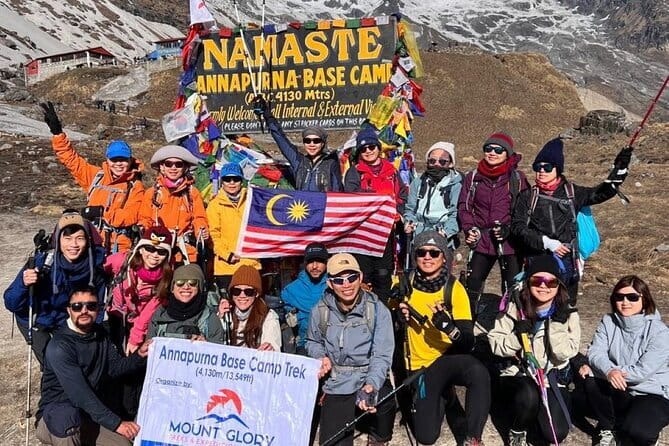
Day eight retraces part of the route and then pushes toward Jhinu Danda hot springs again. The itinerary describes an uphill start to Khuldighar, which hosts a helipad, then continues through a twisting trail to Sinuwa. From there you pass through Tilche and Chhomrong, plus bridges and steep stone steps before reaching Taulung village, which acts like a junction for multiple routes.
Then it’s on to Jhinu Danda. After about an hour, you reach the destination and get time to relax in the natural hot water springs.
This second hot springs stop is one of the best “planned rewards” I know on this style of trek. It gives you a clear moment to stop, warm up, and switch from push mode back to recovery mode. Even if you don’t soak long, just soaking your feet helps you walk more normally later.
Nayapool to Kathmandu: Finishing the Trek and Shifting Back Into City Life
Day nine starts with the downhill trek from Jhinu Danda to the Modi Khola valley via New Bridge. The itinerary emphasizes stone staircases, rivers that wind through the valley, and farms with crops. You’ll see wooden and suspension bridges and traditional houses as you work your way down toward lower elevations, where valley space opens up.
Your physical trekking ends at Nayapool. Then you have the emotional relief of realizing the hard part is done, even if your calves still feel it for a day or two.
Day ten is a scenic drive back from Pokhara to Kathmandu, about 5 to 6 hours, with Himalayan views, hills, terraced fields, and wide valley stretches. Once you arrive, you move to your Kathmandu hotel and can add time for Kathmandu Durbar Square and Thamel for souvenir shopping.
I like this structure because it gives you both closure and something enjoyable to do the same day. It’s also a practical way to keep you from feeling stranded in a city after a trek. You have a plan.
Price and Value: What $906.67 Covers and Why It Can Be Worth It
At $906.67 per person, this trek needs to justify itself, and it does. The price is not just the trail time. It includes airport pickup and drop service, three nights in Kathmandu and two nights in Pokhara. It also covers lodging and all foods during the trek, with breakfast, lunch, and dinner included.
It’s also valuable because permits are handled for you, including TIMS and Annapurna Conservation Area (ACAP) fees. If you’ve ever tried to sort permits and local requirements while traveling independently, you’ll appreciate how much stress that removes.
Support is another big value driver here. You get a professionally trained English-speaking trekking guide, an assistant trekking guide, and a porter with a shared plan of 1 porter for 2 trekkers, with a max load of 30 kg. That makes a real difference if you don’t want to carry everything yourself.
Gear rental is included too, with sleeping bags and a down jacket available for rent. That can save money if you don’t already own cold-weather gear or if you’d rather not haul extra weight on flights.
If you’re thinking like a budget traveler, also notice the smaller “hidden costs” are covered. VAT and company service charge are listed as included, and there’s a farewell dinner. First aid medical box is included as well, which is the sort of thing you’ll never notice until you need it.
What you’ll still need to plan for is pretty normal: Nepal visa fee, international flights, extra baggage charges, meals in Kathmandu and Pokhara outside what’s listed, travel insurance and possible rescue costs, personal expenses, and tips for guides and porters.
Who Should Book This Annapurna Base Camp Short Trek
This trek suits you if you want the Annapurna Base Camp goal without taking on a longer, more complex itinerary. The route is described as a moderate physical fitness level challenge, and the day-by-day structure with gradual changes helps you adjust to altitude while still keeping forward momentum.
I’d also recommend it if you like having things handled. From permits to lodging and meals, you’re not piecing together logistics while your energy is going into hiking.
If you hate early starts, this might feel like work. The schedule calls out a sunrise on day seven. Also, if you dislike steep, rocky sections, you should take altitude seriously because the climb toward Deurali and then toward base camp gets tougher as vegetation thins and terrain changes.
Should you book it?
Book this Annapurna Base Camp short trek if you want a focused, well-supported route that ends at Annapurna Base Camp at 4,130 m, includes hot springs at Jhinu Danda, and gives you professional guiding help from the moment Suman meets you at the airport. It’s also a good choice if you want decent value for money because lodging, meals, permits, and key gear rentals are already built into the price.
Pass or look at another option if you’re hoping for a mostly easy walk. This is a real trekking circuit with steep sections and a high-altitude finish, and you should go in ready to take it slow.
FAQ
How many days is the Annapurna Base Camp short trek?
The trek duration is 11 days approximately.
What altitude do you reach at Annapurna Base Camp?
Annapurna Base Camp is at 4,130 meters above sea level.
Is airport pickup and drop-off included?
Yes. The tour includes airport pickup and drop service.
What trekking permits are included?
TIMS card and Annapurna Conservation Area (ACAP) fees are included.
Are meals and lodging included during the trek?
Yes. All lodging and foods during the trek are included, with breakfast, lunch, and dinner stated as included.
Do you provide trekking gear?
You can rent trekking gear such as sleeping bags and a down jacket as part of the included services.
What is the cancellation policy?
You can cancel for free up to 24 hours in advance of the experience for a full refund. If you cancel less than 24 hours before the start time, the amount paid will not be refunded.
Latest Kathmandu write-ups
- Langtang Valley Trek★ 5.0 · 3 reviews
- Khopra Danda Trek★ 5.0 · 3 reviews
- Langtang Valley Trek from Kathmandu★ 5.0 · 3 reviews
- 5 night / 6 days Kathmandu Nagarkot Chitwan Pokhara tour★ 5.0 · 3 reviews
- Nepal Highlights Tour: 5 Nights 6 Days Kathmandu & Pokhara Tour★ 5.0 · 3 reviews
- Kathmandu Valley Private Day Tour★ 5.0 · 3 reviews
- Conquer the Himalayas: The Ultimate 16-Day Annapurna Circuit Trek★ 3.5 · 3 reviews
- Kathmandu Heritage Day Tour★ 5.0 · 3 reviews
Annapurna Base Camp Trek, compared.
Browse the lists this tour appears in