
Annapurna Base Camp is one of those treks that still feels classic because it mixes big mountain drama with real village life. You’ll start in Kathmandu, then work your way into Gurung settlements, pass through forests, and earn your one-night mountain reward with sunrise and base camp views.
What I like most is the human support and the day-to-day flow. You get a friendly English-speaking guide plus strong, helpful porters, and the itinerary builds in slower moments for weather and comfort. The main drawback to consider is that some costs are not covered, and you’ll also want to pack smart for cold nights and long walking days, since details like battery charging, hot showers, and bottled water are not included.
Key takeaways before you go
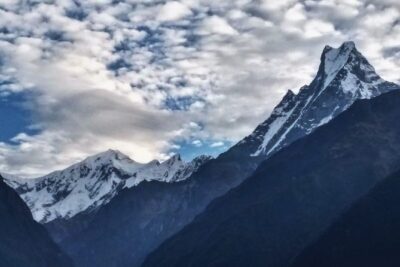
- Gurung culture in Ghandruk with iconic views of Mt. Fishtail and Annapurna South
- A stair-focused route that steadily climbs and descends, with plenty of chances to adjust your pace
- Forest walking that changes by altitude (including bamboo and oat areas) plus river crossings
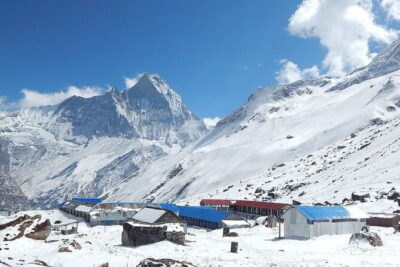
- Sunrise time in the Annapurna region plus a lodge stay that makes base camp feel real
- Logistics that feel organized: flights to Pokhara, private transfers, and return to Kathmandu
- Small groups (max 15) with guide-led structure, not chaos
Why this trek stays on the classic list
If you want one Nepal trek that checks a lot of boxes, Annapurna Base Camp is hard to beat. This route is designed for people who care about more than just the summit photo. You’ll see everyday life in mountain settlements, watch the scenery shift as you gain altitude, and spend enough time outdoors that the trek itself becomes the story.
The second big reason I like it: Annapurna’s viewpoints are built in. You’re not stuck waiting days for one perfect moment. You get dramatic framing of the range, first from village perspectives, then from sunrise mornings, and finally from base camp’s payoff night.
One practical note for your expectations: this is a hiking trek, not a luxury tour. Lodges are basic, trails can be long, and you should be ready to handle cold evenings and early mornings with the right gear.
More routes into the Annapurna Sanctuary:
- Annapurna base camp trek 5 Days
★ 5.0 · 252 reviews - 14-Day Private Annapurna Base Camp Trek
★ 5.0 · 180 reviews - Annapurna Base Camp Trekking
★ 5.0 · 116 reviews
Price and logistics: what $1,250 really covers
At $1,250 per person, the value depends on two things: how much support you want and how many trip headaches you want to avoid. Here, a lot of the work is handled for you. You’re paying for Kathmandu and Pokhara hotel nights, trekking permits (including TIMS cards and trekking permits), organized meals during the trek, and a guide with porters for day-to-day pacing.
You also get trekking gear support that matters on this route: a warm down jacket and sleeping bag, plus walking poles after the trek return to the company. That’s not a small thing if you’re coming from a place where winter gear is not part of your normal packing.
What is not included is also important. Cold drinks, mineral water, hot showers, battery charging, and phone calls are listed as extra. Tips for guide and potters are also not included. So yes, you should budget a bit more on top of the base price, especially for bottled water and power needs.
Day 1 in Kathmandu: settle in, then get briefed
Day 1 starts simply: you arrive at Tribhuvan International Airport, get a warm welcome to your Kathmandu hotel, and receive a briefing. After that, it’s free time, which is exactly what you want before hiking starts.
This is where you should focus on your body and your logistics, not sightseeing marathons. Confirm what time the team expects you to be ready, ask how they want you to manage layers, and make sure you understand what you’re carrying versus what’s in your day pack.
If you’re the type who forgets small things, Day 1 is your best safety net. Grab things like gloves, a hat or cap, lip balm, and sunglasses. High altitude sun can be intense, even when you think the air looks mild.
Flying into the trekking world: Pokhara to Ghandruk
On Day 2, you fly from Kathmandu to Pokhara, then drive to Ghandruk Village. From there, you start by exploring the Gurung culture and the village itself, with mountain views that frame the route you’re about to walk.
Ghandruk is a great first taste of the Annapurna story. You get the sense of a real community, not a theme park. And those views matter because they set the tone for what you’ll see again and again: Mt. Fishtail and Annapurna South, plus Himchuli in the wider sweep.
Even if your legs feel fresh, don’t treat this day as a workout. Think of it as orientation and emotional warming up. You’re about to spend many hours on a trail with lots of stairs and descents.
More to compare around Kathmandu
- Everest Base Camp Trek – 14 Days
★ 5.0 · 1,499 reviews - Everest Base Camp Trek
★ 5.0 · 842 reviews - Private Kathmandu Sightseeing Tour | UNESCO World Heritage sites
★ 5.0 · 756 reviews - Kathmandu: 7 UNESCO Sites with Lunch
★ 4.8 · 744 reviews
The stair reality: Ghandruk to Chhomrong and beyond
Days 3 to 4 are where the trek starts to feel like the trek. The route goes from Ghandruk toward Koth Danda and Gurjung Khola, then climbs to Chhomrong Village. These are long days with gradual climbs and down-and-up segments that build stamina.
Day 3 is described as a combination of gradual climbing and walking down to Gurjung Khola, followed by climbing up to Chhomrong. Expect that pattern: gentle to steady effort, then a payoff view when the trail opens.
Day 4 is the day you respect the steps. You’ll walk down with more than 3,000 steps to Chhomrong Khola, then do steep climbing up to upper Sinuwa. After that you walk through oat and bamboo forest areas, with river crossing time thrown in.
My practical advice here is boring but effective: take small steps and keep your rhythm. You don’t need to win the uphill. Your guide and porters are there for a reason, and the itinerary is designed so you can move at a steady pace while staying warm and hydrated.
Bamboo, river crossings, and the “slow down” days
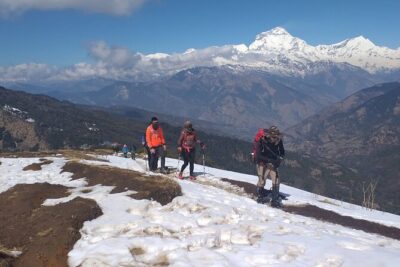
Day 5 adds altitude effort. The trek is noted as a bit long, with a reminder to walk slowly, drink warm water, and keep your body warm. The trail passes through forests and riverside scenery, and you’re also treated to mountain views as you go.
Day 6 shifts to shorter hiking time, around three hours. The itinerary suggests you’ll enjoy being surrounded by the Annapurna range, with blue sky and slow walking, plus possible incredible sunset from your lodge if weather is clear.
This is the kind of day that helps you mentally reset. A shorter trek day also makes it easier to keep your energy for the next early start. If you tend to run out of gas later in the trip, this built-in variation helps a lot.
Sunrise time: getting up early for the right reason
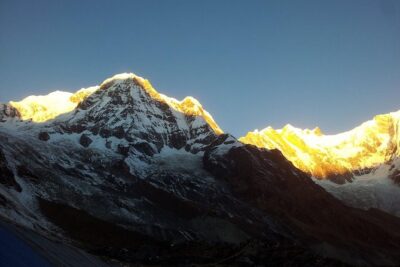
Day 7 is early. You catch the sunrise over the Annapurna range, then have breakfast before trekking back toward Dovan or Bamboo.
Sunrise is one of the best ways to understand these mountains because the light changes fast. You don’t just get a view, you get a quick story about weather, cloud, and shadow. You’ll likely feel chilly at first, then warmed by movement and the thick feeling that you earned something.
Here’s how to make this work for you: keep layers accessible. If your jacket is buried deep, you’ll spend sunrise fiddling with zippers instead of watching the sky. Also, don’t overpack your day bag with heavy extra items. Save weight for what you’ll actually use.
Hot springs near the river and another climb-descend cycle
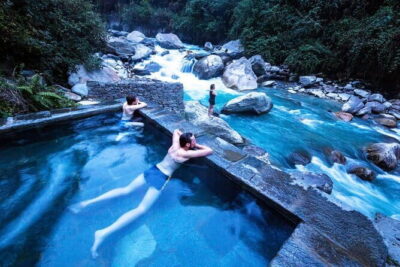
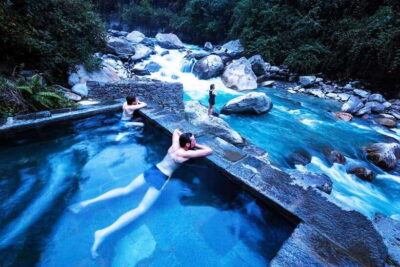
Day 8 continues the pattern: forest walking, exploration of local life, then climbing and descending again. The schedule mentions another climb-descend with around 3,000 steps again, plus the option of hot spring water along the river side, about a 20-minute walk down from your lodge.
This is a good day to think like a long-distance hiker. Treat your hot spring visit as a recovery tool, not a sightseeing stop. If your muscles feel tight, a warm soak can help you feel functional for the next transfer day.
Also, remember you might not have hot showers even when you’re back in bigger towns. The hot springs option is one of those rare comfort moments you can plan around.
The long bridge moment and the return to Pokhara
Day 9 is a contrast day. After breakfast, you walk across a very long and very high suspension bridge, then you move into a drive back to Pokhara. After that, you check into your hotel, have lunch, and get time to explore the Pokhara valley.
That bridge moment usually becomes a memory fast. Even if you’re not afraid of heights, walking a suspension bridge at altitude adds focus. It’s not just a crossing, it’s a test of calm foot placement and steady breathing.
Pokhara is your recharge day. You can eat with more variety, rest your legs, and take in the slower rhythm of the city. This also helps your body handle the flight and transfer back to Kathmandu the next day.
Kathmandu return and a farewell dinner
Day 10 takes you back to Kathmandu with breakfast, a 25-minute flight from Pokhara to Kathmandu, and hotel transfer. You also get a farewell dinner with Nepali culture.
This is a nice close to the trek experience. You’ll be tired, but you’ll also be wired with that post-trek feeling of relief and pride. If you want to remember the trip clearly, use this evening to take your notes, sort photos, and ask your guide questions you didn’t have time for on the trail.
Day 11 is simply last-minute shopping and then time to get to your flight.
What you’ll likely feel each day (and how to survive it)
This trek is built around steady walking, frequent changing scenery, and gradual altitude adjustment through an established route. The itinerary repeatedly mentions warm water, keeping warm, and moving slowly. That’s not a motivational poster, it’s practical advice because cold weather and fatigue can make you feel worse faster if you ignore them.
Here’s what helps most:
- Start mornings with layers ready. Wear less when it’s warm, add when it’s windy or shaded.
- Use warm water when offered. It supports comfort and helps you stay hydrated.
- Move with a rhythm, not speed. The long step sections are easier when you treat them like a cadence.
- Expect basic lodge comforts. Your biggest comfort upgrade will be clothing, not the shower situation.
Also, note the company provides a medical kit bag during the trek. That’s useful for minor issues, and it’s smart to ask what’s in it and how they handle basic care on the trail.
Guides, porters, and why the team matters more than you think
One of the most praised parts of this kind of trek is the feeling that someone is actually watching out for you. This operator uses a friendly English-speaking guide and strong, helpful porters who handle lodging and food coordination. That reduces the stress of figuring things out alone.
In the experience reports tied to this trek, you’ll see names like Mr. Urja and team members such as Assish mentioned with gratitude. There are also references to caring guidance in other Nepal trek contexts with Deepen. The consistent theme in the feedback is that the guide stays encouraging and practical about changing weather and what to wear each day.
That is real value. Weather changes mean your jacket choices matter. If the guide gives advice on daily attire as conditions shift, you’ll save yourself discomfort, not just time.
Lodges and meals: built for calories, not fancy dining
During the trek, you’re provided breakfast, lunch, dinner, tea, and coffee, with regular stops designed around those meals. This matters because on a trek like this, food is not just enjoyment, it’s fuel for your legs and your mind.
You’ll also want to accept that you won’t have the same dining setup as in Kathmandu. The benefit is predictability. You know you’ll be able to warm up, eat, and rest at sensible times without spending hours searching for what’s open.
The itinerary also notes where you’ll spend nights and that you’ll have comfortable lodges along the route. In practice, what that means for your comfort is: keep your system simple, use your sleeping bag, and don’t wait until you feel cold to put on layers.
Gear checklist based on what this route asks for
The trek includes a trekking duffel bag that is waterproof, plus a T-shirt. You’re also given a warm down jacket and sleeping bag, and you receive walking poles after the trek return to the company.
Even with included gear, you should plan your own packing around common high altitude needs listed for this experience:
- Windproof outer jacket and warm down-filled jacket (especially if you’re sensitive to cold)
- Gloves, hat or cap, sunglasses, sunblock, lip balm
- Lightweight trekking shoes and wool or thermal socks
- Thermal undergarments for nights if you run cold, otherwise tracksuit layers can be enough
- Flashlight and spare batteries
I always suggest bringing a day pack rain cover too, even if your weather forecast looks friendly. On mountain routes, you plan for change, not for perfection.
Altitude and safety: respect the basics, not fear
This itinerary repeatedly warns you to walk slowly, drink enough (and warm water), and keep warm. That’s the safety approach that helps most trekkers on classic trails.
What you should not assume is that you’re fully insured for altitude sickness. The included list does not mention mountain high altitude sickness insurance, so make your own plan if that matters to you. If you’re traveling from a region with very low elevation or you have medical concerns, check with your doctor before you go.
Also note the cancellation terms are strict. This experience is listed as non-refundable and cannot be changed for any reason. If your plans have any real chance of shifting, factor that into your decision.
Who this trek is perfect for
This Annapurna Base Camp trek works best for you if:
- You want a classic Nepal trek with both scenery and village life
- You like a structured team setup, guide-led pacing, and porters handling practical coordination
- You can handle long walking days with many steps and uneven terrain
- You’re comfortable with basic lodge stays and the idea that comfort comes from layers
It may not be the best fit if you want a short, easy hike, or if you’re very sensitive to cold nights and early starts and you are not willing to pack for them.
Should you book this Annapurna Base Camp trek?
I’d book it if you want organized support without turning the trek into a logistical nightmare. The mix of trekking permits, guides and porters, meals along the route, and included warm gear makes it simpler to focus on the mountains and your pacing. And the repeated emphasis on sunrise, village views like Ghandruk, and a base camp night is exactly what most people come for.
You should think twice if you have little flexibility, because the experience is non-refundable, and a few comfort expenses are not covered. If you’re comfortable with that, and you bring the right clothing for cold and sun, this trek is one of the best ways to experience the Annapurna region in a way that feels both authentic and well-run.
Latest Kathmandu write-ups
- Langtang Valley Trek★ 5.0 · 3 reviews
- Khopra Danda Trek★ 5.0 · 3 reviews
- Langtang Valley Trek from Kathmandu★ 5.0 · 3 reviews
- 5 night / 6 days Kathmandu Nagarkot Chitwan Pokhara tour★ 5.0 · 3 reviews
- Nepal Highlights Tour: 5 Nights 6 Days Kathmandu & Pokhara Tour★ 5.0 · 3 reviews
- Kathmandu Valley Private Day Tour★ 5.0 · 3 reviews
- Conquer the Himalayas: The Ultimate 16-Day Annapurna Circuit Trek★ 3.5 · 3 reviews
- Kathmandu Heritage Day Tour★ 5.0 · 3 reviews
Annapurna Base Camp Trek, compared.
Browse the lists this tour appears in