
Reviewed · ANNAPURNA BASE CAMP TREK
Annapurna Base Camp Trek
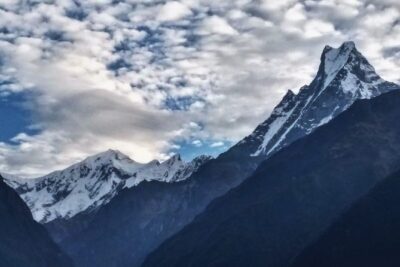
This trek is interesting because it walks you through big altitude change and real ecological shifts, all while putting you right inside the Annapurna Sanctuary. You get a front-row seat to Nepal’s mountain drama, from forest switchbacks to ice-peak views at 4,130m.
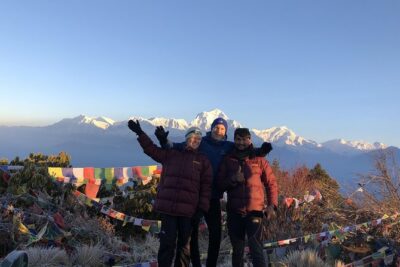
I especially like Poon Hill sunrise views after a short early climb. I also love the way the route layers ecosystems, with bamboo, rhododendron, and then the colder, harsher high-altitude feel. One consideration: you do need moderate fitness, because the days are long and the air gets thinner.
Quick Hits: Why This ABC Trek Works for Most People
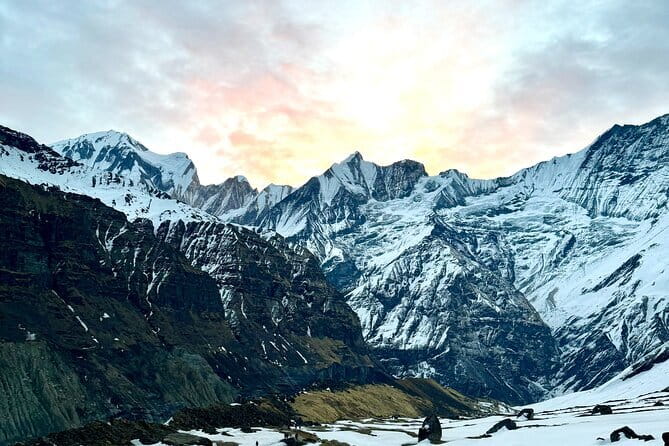
- Poon Hill (3,210m) sunrise payoff with wide views of Annapurnas, Dhaulagiri, and Machhapuchhre
- Annapurna Sanctuary arrival at 4,130m, after passing Hinku Cave and Machhapuchhre Base Camp
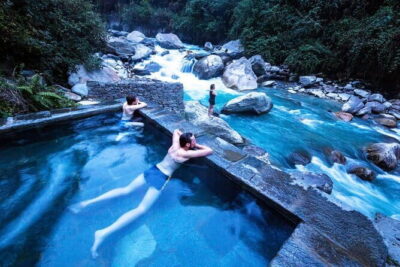
- Jhinu Danda hot springs stop with a short walk to soak sore legs
- Local lodge nights for a more authentic feel, plus twin-share Kathmandu and Pokhara hotels
- Guide support plus permits handled, including first aid medicines carried by the guide
Annapurna Base Camp is a whole mountain story, not just a single viewpoint
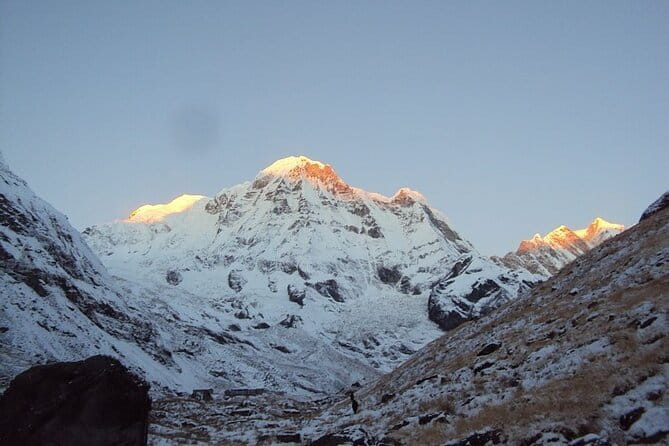
The best ABC treks feel like a slow reveal. You start at road level in Kathmandu, trade that for river valleys and small villages, then keep climbing until the mountains dominate everything you see. On this route, the change is dramatic: dense forest on the lower slopes, then higher, colder stretches where the Annapurna massif and neighboring giants show up more clearly.
You are not only chasing altitude. You are walking through places considered sacred by both Hindus and Buddhists, tied to the Annapurna sanctuary. And that history matters because it helps explain why this area is treated with respect, not treated like a theme park.
More routes into the Annapurna Sanctuary:
- Annapurna base camp trek 5 Days
★ 5.0 · 252 reviews - 14-Day Private Annapurna Base Camp Trek
★ 5.0 · 180 reviews - Annapurna Base Camp Trekking
★ 5.0 · 116 reviews
Price and logistics: what $650 buys you (and what you still need to plan)
At $650 per person for 13 days, the value mostly comes from what is already arranged: airport pickup and drop-off, city hotels, trekking guide, permits and fees, and a bundle of transport.
Here is the practical breakdown of what you get for the price:
- Accommodation: 8 nights in twin-sharing local lodges during the trek, plus 2 nights Kathmandu and 2 nights Pokhara, each with breakfast
- Guide and essentials: one experienced trekking guide, plus first aid medicines carried by the guide
- Permits and fees: trekking permits and entrance fees handled
- Transport: tourist bus for Kathmandu to Pokhara and back, plus private car or van or jeep to and from trekking points
- Food included in specific moments: welcome dinner and farewell dinner are included, plus lunch is provided on the Day 11 Nayapul section
- Extras: an adventure certificate after you finish
Two things to budget separately:
- Meals during the trek are not included, so you’ll want to carry cash and plan for daily tea house style meals
- Tips for your guide are not included
- Porters are available but cost extra, so decide in advance if you want one
If you like having the heavy planning taken care of, this price makes sense. If you prefer controlling every meal and logistics detail yourself, you may find the package a bit structured.
Day 1 to Day 2: landing in Kathmandu, then easing into the Annapurna region via Pokhara
Your trek starts with a smooth landing routine. You meet at Tribhuvan Airport in Kathmandu, with pickup at 6:30am, then you transfer to a hotel. Your trekking guide gives you a brief about the trek and helps you prepare your gear. That matters because gear prep the night before a cold morning climb can save you from panic later.
The next day, you drive from Kathmandu to Pokhara by road, following the Trisuli River with lunch stops along the way. You cross a bridge over the Marshyangdi River and continue west, then check into your Pokhara hotel. If you want an easy reset after a flight day, Pokhara is perfect for that. You’ll have time to relax by Phewa Lake and enjoy boating or simply hang out along the lakeside.
Days 3 to 5: Tikhedhunga and Ghorepani set you up for Poon Hill sunrise
Day 3 climbs you from the Nayapul area into Tikhedhunga. It starts with a drive to Nayapul, then walking through riverside villages like Birethanti, at the confluence of streams, before you start the steady lift toward Tikhedhunga. This is a good “wake up your legs” day. The gradient is manageable, but you’ll feel the work.
Day 4 pushes harder with a famous feature: steep climbing via stone staircases to Ulleri (a Magar village). After that, you move through oak and rhododendron forest toward Banthanti, then onward to Nagethanti before reaching Ghorepani. This is where the trek starts to feel like a living ecosystem. The rhododendron forests are part of why the mid-trek nights at Ghorepani are so atmospheric.
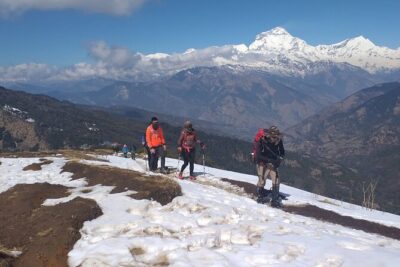
Day 5 is your big view morning. You hike for about 45 minutes to Poon Hill (3,210m). You’re aiming for sunrise, when the high peaks can look sharply defined. From Poon Hill you can get panoramic views including Dhaulagiri, the Annapurnas, Machhapuchhre (Fishtail), and Manaslu, plus views stretching toward the far western region. After those early moments, you climb along a ridge through pine and rhododendron, reach Deurali, then descend toward Banthanti and turn off to Tadapani.
Reality check for this day: sunrise mornings are cold. Plan on layers, even if the afternoon feels warm back in the valley.
More to compare around Kathmandu
- Everest Base Camp Trek – 14 Days
★ 5.0 · 1,499 reviews - Everest Base Camp Trek
★ 5.0 · 842 reviews - Private Kathmandu Sightseeing Tour | UNESCO World Heritage sites
★ 5.0 · 756 reviews - Kathmandu: 7 UNESCO Sites with Lunch
★ 4.8 · 744 reviews
Days 6 to 7: Sinuwa and Deurali, where the trail shifts from lush to high and quiet
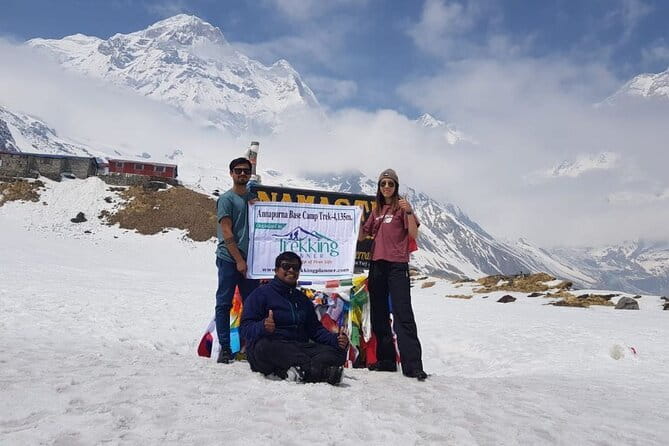
Day 6 drops steeply through rhododendron forest to a Gurung community village, then continues to Sinuwa (2,300m) with a generally easier path afterward. That downhill section can feel deceptive. Your legs still work, just in a different way, and by the end of the day you’ll notice your knees and ankles have opinions.
Day 7 is a route-building day. You descend to Sinuwa Khola, then climb to Khuldighar (2,380m). There’s a forest clearing and then a steeper, rocky bank section that can be a little technical. As you move on, the trail meanders through thickets of bamboo and rhododendron toward Deurali lodge area. This stretch is often when the trek starts to feel more solitary and more about endurance than scenery.
Day 8: the Annapurna Sanctuary day, Hinku Cave, Machhapuchhre Base Camp, then 4,130m views
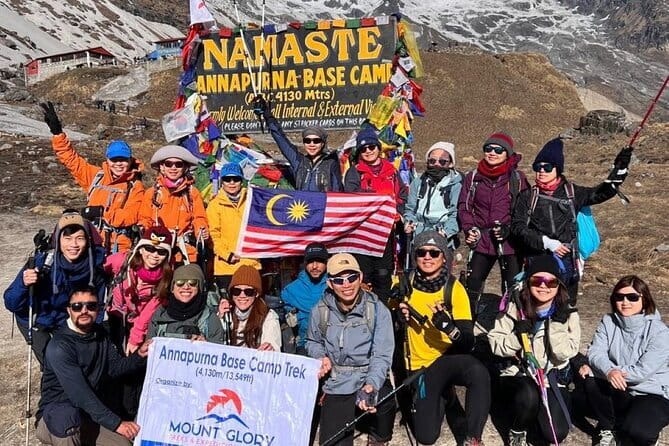
Day 8 is the centerpiece. You climb through the forest and cross Hinku Cave, then pass through Deurali and reach Machhapuchhre Base Camp. A key detail you should know: Machhapuchhre Base Camp is not the same as the summit experience. Summiting Machhapuchhre is not permitted, so you are there for the view, not the climb.
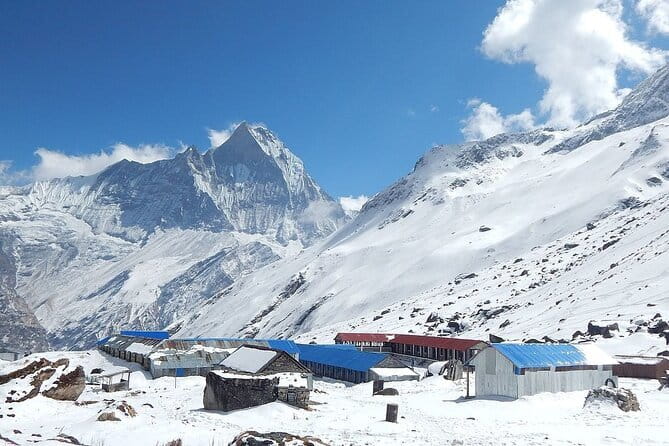
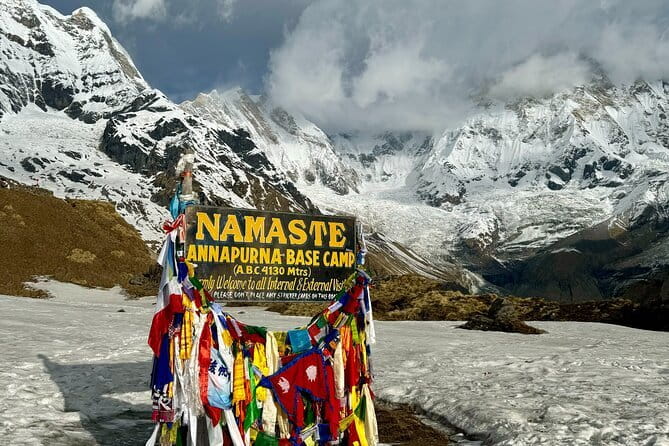
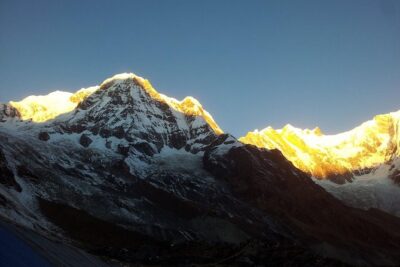
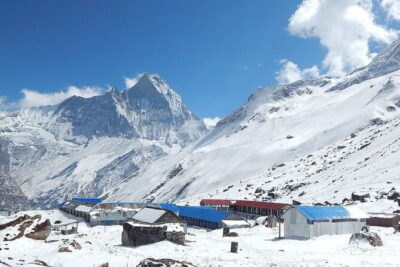
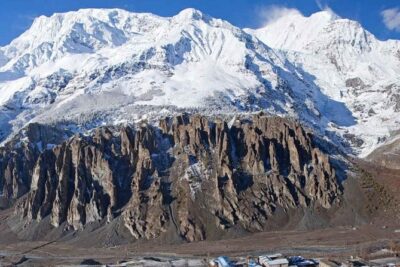
Then the route brings you into the heart of the Annapurna Sanctuary, described here as an area surrounded by icy peaks. After about two more hours beyond the Machhapuchhre Base Camp area, you reach Annapurna Base Camp at 4,130m. This is where the payoff is simple: unobstructed mountain scenery, plus the emotional weight of reaching the “end of the world” feeling this trek is famous for.
Practical tip: at Base Camp altitude, take it slow when you arrive. Drink, eat something easy, and give your body time to adjust before you start sightseeing for hours.
Day 9 to Day 10: retracing, Chhomrong steps, and arriving at Jhinu Danda
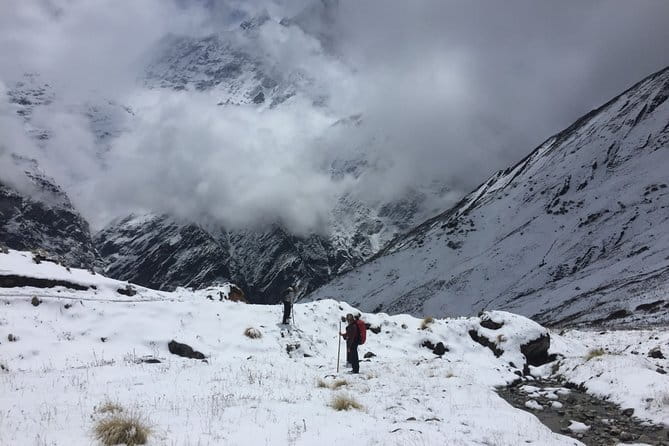
After the big day, Day 9 is a return move. You retrace steps back toward Bamboo, keeping the day downhill in character, with about 6 hours on the trail. This can feel easier than the ascent days, but it still matters. Downhill trekking is where your quads do most of the complaining, so trekking poles can be a big help.
Day 10 is more structured again. You go uphill from Bamboo to Khuldighar, then down to Chhomrong Khola, and climb stone steps up to Chhomrong. From there, you descend to Jhinu Danda, where you spend the night. Jhinu is your “reward me” stop because you get access to hot springs a short walk away, about 15 to 20 minutes downhill. It is one of those simple pleasures that makes the whole trek feel balanced again.
Day 11 to Day 12: Nayapul back to Pokhara, then Kathmandu and a farewell dinner
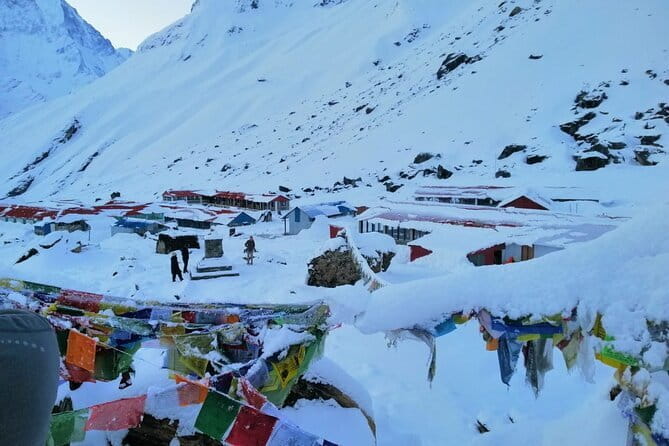
Day 11 shifts gears from trail to road. You walk up to Nayapul and then take a bus ride to Pokhara. The trek toward Nayapul is described as a quieter, enjoyable segment with views of the terrain. Lunch is provided on the way, then you rest briefly before a private vehicle takes you to Pokhara, about a one-hour drive. You spend the night at a Pokhara hotel with bed and breakfast.
Day 12 returns you to Kathmandu by tourist bus. After about a 7 hour ride, you reach the city and can rest or take a walk around Thamel. In the evening you get a farewell dinner at a typical Nepalese restaurant, including a cultural dance performance. That’s a good time to reflect, because your body will feel like you climbed through seasons, not just meters.
Day 13 is clean and simple: you are dropped off at Kathmandu International Airport for your flight home.
Guides, flexibility, and why names matter when choosing a trekking company
The reviews you provided point to a theme I like a lot: the guides are warm, responsive, and practical. Names mentioned include Ganesh, Prakash, Keshab, Buddhi, and Jiban. While you cannot bank on a specific name for your dates, you can use those names as a hint about the kind of leadership this operator aims for.
More importantly, the best ABC trekking experiences tend to happen when your guide handles the unglamorous parts:
- keeping permits and lodge bookings in place
- adjusting pacing based on how your group is feeling
- staying calm when weather or health throws a curveball
If you want peace of mind, ask your organizer before you leave how they handle route changes due to illness or bad conditions. The more straightforward your answers are, the more relaxed your trek will feel.
What I think about the included trek meals, local lodges, and packing for real altitude
This tour includes key meals only at certain times, while meals during the trek are not included. That means your daily food budget is on you, and your choices each day can affect energy and comfort.
For comfort and safety at higher altitude, pack with layers in mind:
- warm top layers for cold mornings and evenings
- a rain layer that actually blocks wind and mist
- a headlamp if you plan to move before sunrise
- basics for dry skin and hydration reminders
Since you are staying in twin-sharing local lodges, plan for simple comforts, not hotel luxury. The trade-off is that it feels like the trek runs through communities, not beside them.
Who should book Annapurna Base Camp on this schedule, and who should rethink
This plan suits you if:
- you have moderate fitness and you are comfortable with long hiking days
- you want an organized experience with permits and lodging handled
- you like a mix of big views and forest trail time
- you want the hot springs moment at Jhinu Danda
You might want to rethink if:
- you hate cold sunrise starts and uphill days, even if they are manageable
- you want all meals included and you do not want to manage daily meal choices and costs
- you have very little tolerance for long travel segments, since you spend two days moving between cities and trekking points
Should you book this Annapurna Base Camp Trek?
If your goal is a well-paced, structured trek that takes care of the big admin work, I’d put this on your shortlist. The value is strongest when you appreciate: guide-led logistics, lodge nights, permits, and the classic ABC sequence from Poon Hill to Annapurna Sanctuary to Jhinu hot springs.
Before you book, do two quick checks with the operator:
- Confirm what meals you are expected to pay for during the trek and how the lunch stops work on travel days
- Ask whether they will be able to adjust the trek day plan if someone is unwell or conditions worsen
If you want a trek that feels organized without feeling robotic, Annapurna Base Camp with this style of support can be a very solid choice.
FAQ
How long is the Annapurna Base Camp trek?
The trip is listed as 13 days (approx.).
Where does the trip start, and what time is pickup?
The meeting point is Tribhuvan Airport, Kathmandu, Nepal, with a start time of 6:30am.
What is included in the price?
Included items are airport pick-up and drop-off, welcome dinner with cultural dance performance, 8 nights twin-sharing local lodges on the trek, 2 nights Kathmandu hotel with breakfast, 2 nights Pokhara hotel with breakfast, an experienced trekking guide, long-range tourist bus transport Kathmandu to Pokhara and back, private vehicle transport from and to trekking points, first aid medicines carried by the guide, essential trekking permits and entrance fees, and an adventure certificate after completion.
Are trekking permits included?
Yes. The price includes all essential trekking permits and entrance fees.
Are meals included during the trek?
No. Meals during the trek are not included. The tour includes dinner, welcome dinner, and some meal items like breakfast on hotel nights, plus lunch is provided on the Nayapul section.
Is there a vegetarian meal option?
Yes. A vegetarian option is available, and you should advise the operator when booking.
Do I need a porter?
Porters are available for an additional price, so they are not included by default.
Is this tour private or shared?
This is listed as a private tour/activity, so only your group participates.
What fitness level do I need?
The tour states that travelers should have a moderate physical fitness level.
What is the cancellation policy?
Free cancellation is allowed if you cancel up to 24 hours in advance of the experience start time for a full refund. If you cancel less than 24 hours before, the amount is not refunded.
Latest Kathmandu write-ups
- Langtang Valley Trek★ 5.0 · 3 reviews
- Khopra Danda Trek★ 5.0 · 3 reviews
- Langtang Valley Trek from Kathmandu★ 5.0 · 3 reviews
- 5 night / 6 days Kathmandu Nagarkot Chitwan Pokhara tour★ 5.0 · 3 reviews
- Nepal Highlights Tour: 5 Nights 6 Days Kathmandu & Pokhara Tour★ 5.0 · 3 reviews
- Kathmandu Valley Private Day Tour★ 5.0 · 3 reviews
- Conquer the Himalayas: The Ultimate 16-Day Annapurna Circuit Trek★ 3.5 · 3 reviews
- Kathmandu Heritage Day Tour★ 5.0 · 3 reviews
Annapurna Base Camp Trek, compared.
Browse the lists this tour appears in