
Reviewed · ANNAPURNA BASE CAMP TREK
14-Day Private Annapurna Base Camp Trek
A private trek to Annapurna Base Camp is interesting because it mixes real mountain travel with a lot of day-to-day support. I like how this version removes the stress of logistics with airport pickup and drop-off plus the return ride back to Kathmandu. I also like the practical touch of gear included, like a down jacket and sleeping bag, so you do not have to pack heavy cold-weather items for Nepal.
The main consideration is altitude and walking time. You go above 4,000m, and several days are long by hiking standards, so you will want moderate fitness and patience. Guides such as Deepak Dhakal and Pabin are specifically called out for keeping the pace organized, but your body still needs time to adapt, especially on the push toward Annapurna Base Camp.
Key highlights that matter in real life
- Private group experience, so you are not squeezed into someone else’s pace
- Meals on the trek with menu choice, meaning you avoid the daily decision fatigue
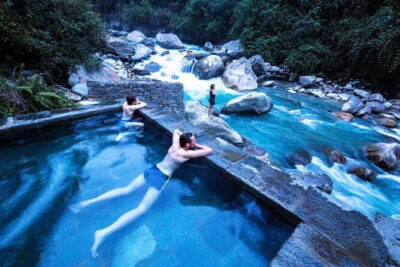
- Jhin u Danda hot spring after the descent, a simple reward that really helps
- Oximeter included with first aid kit, a useful safety tool at altitude
- Duffle bag, maps, down jacket, sleeping bag provided, less hassle, fewer gear headaches
Kathmandu to Pokhara, then into the Annapurna foothills
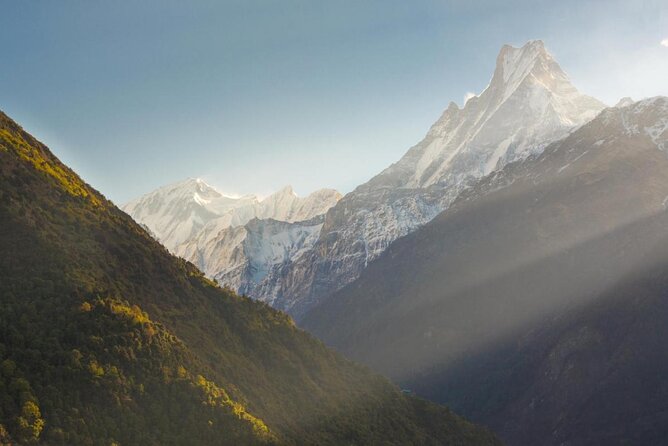
Your trek starts in Kathmandu at Tribhuvan International Airport, with a private car for pickup. That matters more than it sounds. After travel, it is nice to go straight to the right place, rather than spending your first hours bargaining for rides or hunting down paperwork.
Day two takes you from Kathmandu to Pokhara by tourist bus, about 6 to 7 hours. Pokhara sits at roughly 910m, so you are not in the high altitude yet, but you are in trekking country. This is the day to do small but important things: charge your phone, sort your cash, and make sure your trekking shoes are properly broken in. If you are prone to blisters, do not wait. Fix it before the mountains start.
In Pokhara, you stay in a 3-star category hotel in a twin room. That is one of the more comfortable parts of the whole trip, since you are not sharing a lodge room with several strangers.
More routes into the Annapurna Sanctuary:
- Annapurna base camp trek 5 Days
★ 5.0 · 252 reviews - Annapurna Base Camp Trekking
★ 5.0 · 116 reviews - Annapurna Base Camp Trek
★ 5.0 · 111 reviews
The first hiking days to Ghorepani and Poonhill
From Pokhara, you walk into the hills toward Tikhe Dhunga (about 1,495m). The first real trekking day is shorter than what comes later, roughly 9km and about 4 hours. You will still feel it, but it is the kind of day that lets you get your rhythm.
Then comes Day four, from Tikhe Dhunga to Ghorepani (around 2,850m). This is one of the first big effort days, about 13km and roughly 7 hours. Expect steady uphill and then some uneven segments. It is not technical hiking, but your legs will notice the mileage.
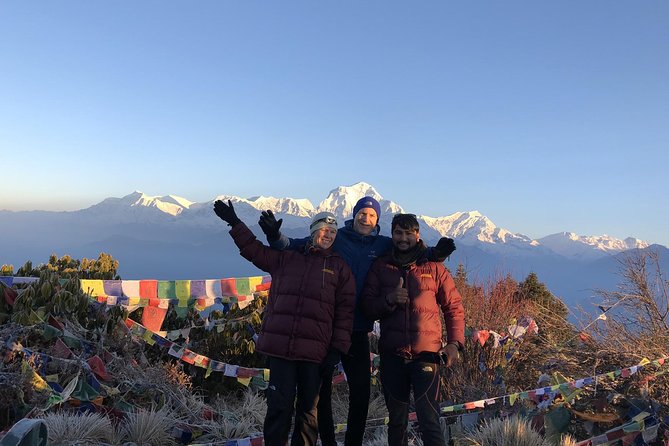
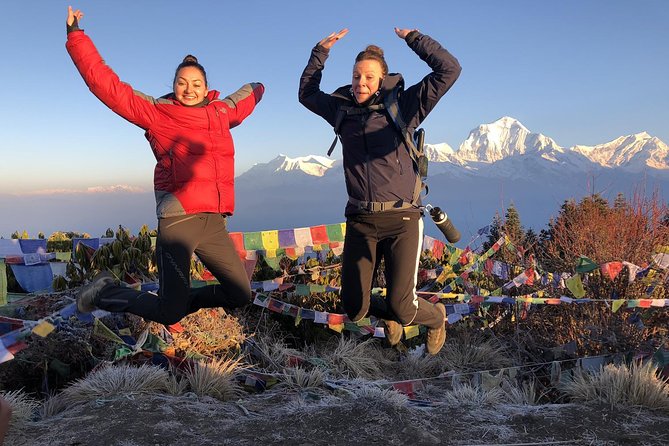
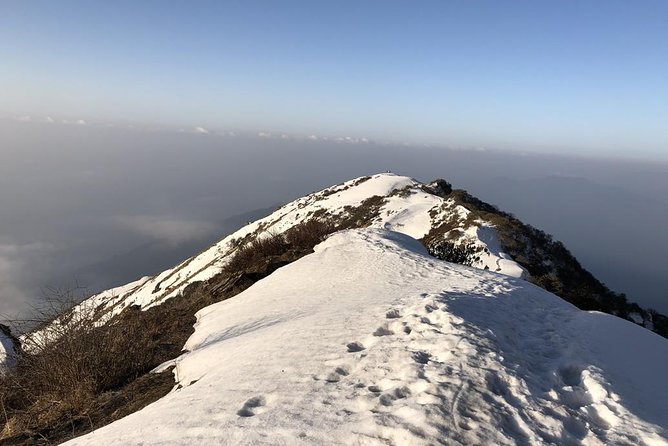
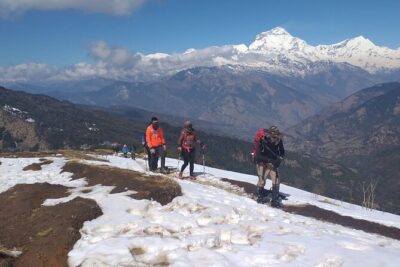
Day five includes the hike up to Poonhill, then continuing on to Tadapani (around 2,500m). The Poonhill moment is famous for a reason: you get a classic sunrise and viewpoint payoff before the next trekking segment. After that, you still hike, around 9km and 6 to 7 hours. So think of Poonhill as a short, intense hit of scenery, followed by a normal walking day.
Practical note: if you want the sunrise, set your alarm and dress warm. Mornings here can be cold even if the afternoon feels mild.
Chhomrong to Dovan, a calmer middle with big views
Day six takes you from Tadapani to Chhomrong village (about 2,020m), around 8.5km and about 5 hours. Chhomrong is a key village on many routes, because the scenery gets more dramatic and the walking starts to feel more like a long journey than a series of climbs.
Day seven runs from Chhomrong to Dovan (about 2,600m), roughly 9km and 5 hours. This is often where the trek starts to feel like a routine. You get used to lodge stops, consistent meal breaks, and the steady cadence of walking with your guide.
One reason I like this middle stretch on a supported trek is that it gives you mental recovery time. The trail is still work, but it is not the hardest day of the whole week. If your body is feeling stiff, you can adjust your pace without ruining the schedule.
Deurali and the long approach toward 4,230m
Day eight goes from Dovan to Deurali (about 3,200m), around 7.8km and about 4 hours. On paper, that sounds easier, and it often is in distance, but the altitude makes even short days feel heavier. When you reach higher camps, breathing changes and recovery slows down.
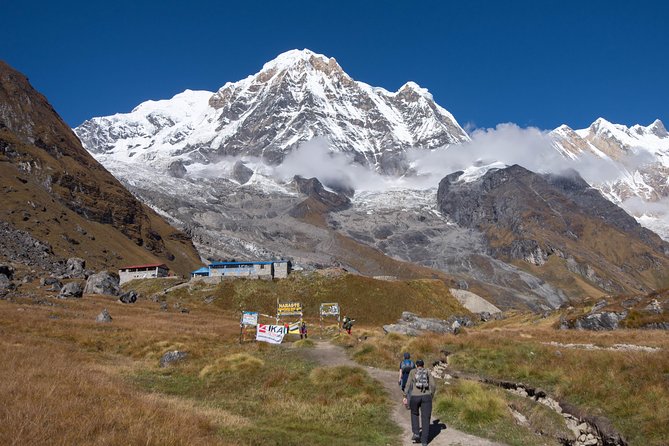
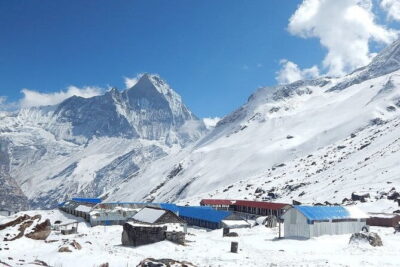
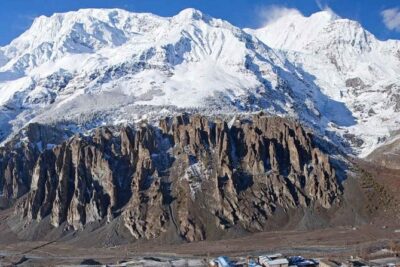
Day nine is the big one: Deurali to Annapurna Base Camp via Machhapuchhre Base Camp, about 8km and roughly 5 to 6 hours. You are going up to approximately 4,230m. This is the moment you came for, and you will feel it in your legs and your lungs.
A smart feature here is the included first aid medical kit with oximeter to monitor oxygen level and heartbeat. No tool replaces good pacing, but it can help your guide make cautious decisions if someone is struggling.
What to expect on summit day style trekking like this: you will likely go slower than you planned, and that is normal. If you push hard early, you pay later. A steady climb with frequent breaks is the way to arrive feeling proud, not wrecked.
More to compare around Kathmandu
- Everest Base Camp Trek – 14 Days
★ 5.0 · 1,499 reviews - Everest Base Camp Trek
★ 5.0 · 842 reviews - Private Kathmandu Sightseeing Tour | UNESCO World Heritage sites
★ 5.0 · 756 reviews - Kathmandu: 7 UNESCO Sites with Lunch
★ 4.8 · 744 reviews
The Base Camp day, then the return to lower altitude
After reaching Annapurna Base Camp, you start the return the next morning. Day ten goes from Annapurna Base Camp to Bamboo (about 2,310m), around 18km and about 7 hours. This is a long downhill day. It is also how altitude trekking stays manageable: you drop height so your body can recover.
Downhill can be tougher than uphill on your knees. If your legs feel shaky, shorten your stride and take your time. Your guide can help with pacing and break planning, especially if you are not used to long descents.
Day eleven returns from Bamboo to Jhinu Danda hot spring (about 1,780m), roughly 12km and about 6 hours. This is a satisfying day because you know there is a specific reward waiting.
Jhinu Danda hot spring is not just a tourist stop. It is one of those simple treatments that helps you unwind after days of walking. After pushing to 4,230m and then doing a long descent, soaking your sore legs is a very real quality-of-life upgrade.
Kathmandu and Pokhara wrap-up, plus one private group moment
Day twelve takes you back from Jhinu Danda to Pokhara. Day thirteen goes Pokhara to Kathmandu, so you can rest before your final day.
Day fourteen is the farewell, and your trek officially ends. If you are like most people, you will spend part of this last day processing the trip. Annapurna Base Camp trekking changes your sense of time. Even the return days feel slower than you expect.
One extra plus in this private setup is the promise of a private activity restricted to your group. The exact activity is not listed here, but the idea is clear: you are not stuck sharing attention and space with a larger crowd.
Why this private setup feels less stressful than most ABC treks
This trek is marketed as inclusive, and you feel that in the daily friction points. You get:
- Airport pickup and drop-off by private car
- Hotel nights in Kathmandu and Pokhara in twin rooms
- Lodge/teahouse stays on the trek
- Meals on the trek with menu choice
- An experienced guide and a porter for every two trekkers
- Permits handled, plus a request for 3 passport size photographs
That last part is worth your attention. Trek permits are not glamorous, but they are required, and getting them right saves you trouble. The same goes for having staff organization for equipment use, maps, and planning.
In the guides and porters you might meet along this trek, there is a consistent theme in the way people describe the experience: thoughtful support and calm organization. People mention guides such as Arjun, Bibek, Krishnan, Netra, Suraj, and Bhim, and porters including Bashu and Pradip, plus others. Even when names differ, the pattern is the same: someone who stays on top of small details so you can focus on walking, water, and pacing.
Lodges, shared rooms, and how to make rest actually work
On the trek, lodge stays are included, with a shared-room setup: typically 4 or 5 people sharing a room at the lodge/teahouse level. In Kathmandu and Pokhara, you get a twin room at a 3-star hotel.
Shared rooms are common on ABC-style routes, but here the practical thing is planning for sleep quality. Bring your patience and treat it like part of the adventure. If you need quiet to sleep, consider earplugs and a light sleep mask. The goal is not perfect comfort, it is enough rest so you can walk the next day.
Also remember: drinking water and other drinks are not included. You will be budgeting for hydration along the way, and how you manage water matters at altitude. Stick to what your guide advises for safe drinking, even if it means paying a bit more.
Gear included, but you still need to pack smart
This trek supplies several core items: duffle bag, trek map, down jacket, and sleeping bag use. That is a huge advantage if you arrive in Nepal with limited luggage space. It also means less chance you show up with the wrong warmth level for cold nights near higher camps.
What is not included is your personal trekking equipment. So plan on packing your own base layer clothing, hiking boots, socks, and personal items you know you need. If you are unsure what counts as personal trekking equipment for your situation, you should ask before departure.
A small but important included item is the trip achievement certificate upon request. It is not the reason to go, but it is a nice physical reminder after you return.
Price and logistics: is $1,090 good value for Annapurna Base Camp?
At $1,090 per person, the value depends on what you would otherwise pay to piece everything together yourself.
Included costs that usually add up quickly:
- Airport private car pickup and drop-off
- Kathmandu and Pokhara hotel nights in a twin room category
- Breakfast, lunch, and dinner during the trek
- Ground transport: Kathmandu to Pokhara and Pokhara back by tourist bus
- Guide and porter support (porter between 2 trekkers)
- Trek permits (with the required photos)
- Equipment support like down jacket and sleeping bag use
- Insurance for staff, accidental insurance, government taxes and service charges
- First aid kit with oximeter
What is not included, and you will need to plan for it:
- Your Nepal visa fee
- Travel insurance for outdoor activities in Nepal, which is listed as compulsory
- Personal trekking equipment
- Drinks and water on the trail
- Tips for trekking staff and driver
- The private vehicle and airfare, if you are not already in the right transport flow
If you are flying in and want a structured trek with fewer moving parts, this price can feel fair. If you already have insurance, gear, and you enjoy arranging everything yourself, you might not need some of the inclusions. But for most people, the biggest benefit is not money saved. It is time saved, planning saved, and day-to-day stress reduced.
Fitness, altitude, and what to do if you feel it
This experience asks for moderate physical fitness. The reason is simple: you have multiple long walking days plus altitude effects, even on days that are shorter by distance.
You reach around 4,230m at Annapurna Base Camp, and you also spend time around other high points like Deurali and Machhapuchhre Base Camp. That means headaches, nausea, and fatigue can happen, even for people who are fit.
The safety net here is the included medical kit with oximeter monitoring oxygen and heartbeat. Also, because you have a guide, you should not try to outsmart altitude. Let pacing be part of the plan.
If you are worried about stamina, focus on consistency rather than speed. You do not need to be the fastest hiker. You need to be steady enough to keep walking each day.
Cancellation and weather, the real-world part
This trek requires good weather. If conditions cause cancellation due to weather, you are offered another date or a full refund. There is also free cancellation up to 24 hours in advance for a full refund, with changes less than 24 hours before start not accepted.
It is wise to book with some flexibility in your overall Nepal schedule, so a weather shift does not crush your plans.
Should you book this private Annapurna Base Camp trek?
Book it if you want an organized, supportive ABC trek where someone else handles permits, equipment basics, and daily logistics. I think it is especially appealing if you do not want to bring heavy cold-weather gear, or if you prefer a calm pace with a guide and porter team.
Skip it if you want a totally independent trek with full self-planning, or if shared lodge rooms will drive you crazy. Also be honest with yourself about altitude. Even with good support, you still need to walk smart and listen to how your body responds.
If your goal is to reach Annapurna Base Camp with fewer hassles and a clear trail rhythm, this private setup fits that goal well. And when your day ends at Jhinu Danda hot spring, you will understand why the recovery part is included in the plan, not treated as an afterthought.
FAQ
What is the duration of the trek?
The trek is listed as 14 days, approximately.
Does the tour include hotel stays in Kathmandu and Pokhara?
Yes. You get accommodation in Kathmandu and Pokhara (twin room) at a 3-star category hotel.
Are meals included on the trek?
Breakfast, lunch, and dinner are included during the trek. In Kathmandu and Pokhara, lunches and dinners are not included, and you can choose from a menu during trekking meals.
What trekking gear is provided?
The tour includes a duffle bag, trek map, down jacket, and sleeping bag use. Personal trekking equipment is not included.
How are lodge rooms handled during the trek?
Lodge/teahouse rooms are shared, with 4 to 5 people sharing a room.
What is included for safety and permits?
A first aid medical kit is included with an oximeter to monitor oxygen level and heartbeat. Trek permits are included, and you are asked to bring 3 passport size photographs.
Latest Kathmandu write-ups
- 10 days Annapurna Base Camp Trek★ 5.0 · 5 reviews
- Visit Swayambhunath and Bauddhanath Stupa with Guide★ 5.0 · 5 reviews
- Langtang Trek from Kathmandu 7 Days★ 5.0 · 5 reviews
- 7 Day Kathmandu Pokhara Tour★ 4.5 · 5 reviews
- Island Peak Climbing with Everest Base Camp★ 5.0 · 5 reviews
- Chandragiri Hill Cable Car Tour with Hotel Transfers from Kathmandu★ 4.5 · 5 reviews
- Everest Mountain Flight★ 5.0 · 5 reviews
- Kathmandu city day tour (4 world heritage sites)★ 5.0 · 5 reviews
Annapurna Base Camp Trek, compared.
Browse the lists this tour appears in