
Reviewed · ANNAPURNA BASE CAMP TREK
Annapurna base camp -9 days
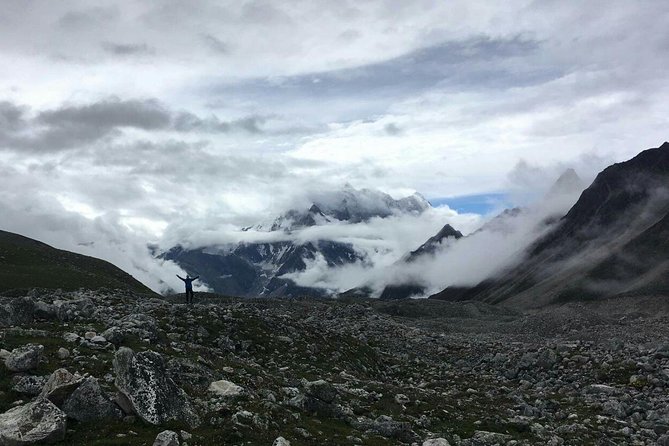
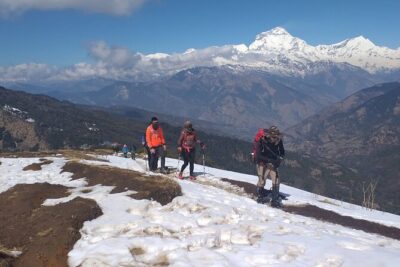
Annapurna Base Camp is one of those treks where every day has a payoff. You start with viewpoint time near Poon Hill, then you work through Gurung and Magar villages, and finally you reach the Annapurna Sanctuary, where big mountain views are the point. I like that this route is paced for actual hiking days, not just a checklist. I also like the human side here, the emphasis on an experienced guide and helpful porters, like Sona and Binod, who’ve been praised for keeping things smooth. One consideration: you still need moderate physical fitness, because several days involve uphill and downhill trail work, and altitude is part of the deal.
A big plus for planning is that the package covers a lot of the boring essentials. You get a licensed English-speaking trekking guide, required permits and paperwork, a first aid kit carried by the guide, and planned accommodations for 9 nights plus all meals during the trek. Your budget does need one extra line item though, since porter service is listed separately at $220 per person, and tips are not included.
If you’re after a classic Annapurna experience with real village culture and practical support, this fits well. You’ll also get a cultural welcome or farewell dinner in Kathmandu, and you’ll be issued a down jacket and sleeping bag that you return after the trek. Just remember day 1 is mostly setup, and the trekking rhythm gets going right after your early start.
Key Things to Know Before You Go
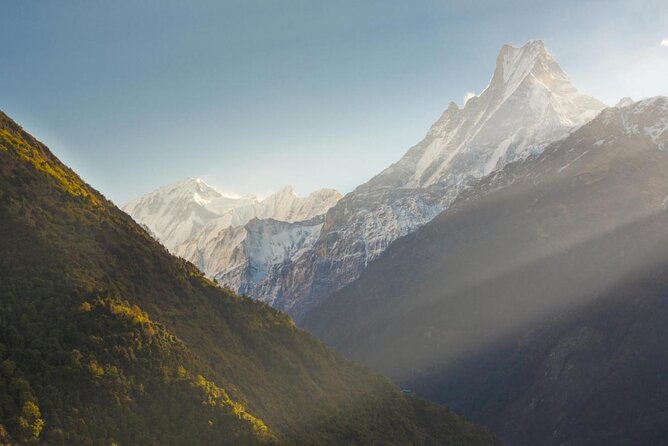
- Gurung and Magar village trekking: You pass through culturally rich communities, not just stone and switchbacks.
- Viewpoint moments built in: Poon Hill starts the trip right, and there’s an early wake-up sunrise day in the sanctuary area.
- Sanctuary day is the signature: You leave vegetation behind and step into the Annapurna Sanctuary’s high, stark feeling.
- Special rules near Machhapuchhare Base Camp: No meat or fish is allowed in that sacred area.
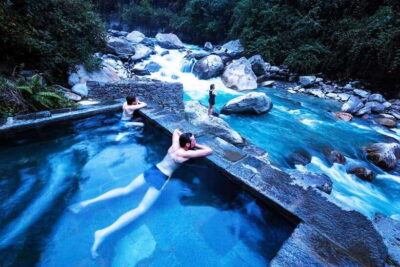
- Jhinu hot springs finish with relief: After hiking, you have the option to visit the natural hot springs at Jhinu.
- Support staff matters: Past groups named guides like Shiva, Sona, and Binod, plus porters like Řãhül, Rajendra, and Bikash, for being helpful and good at keeping people comfortable.
Poon Hill to the Annapurna Sanctuary: How This Route Feels Balanced
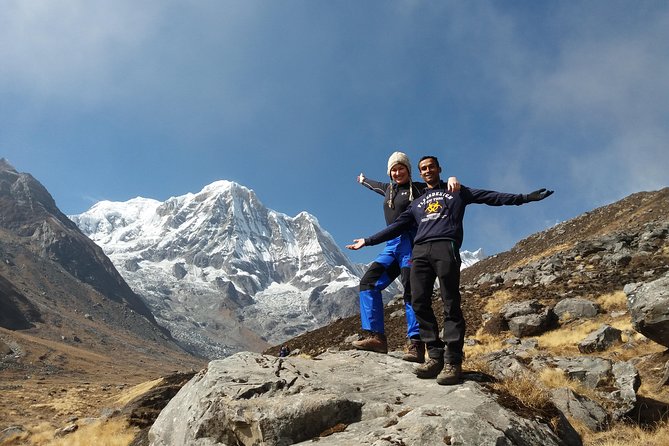
This 9-day plan is built around a simple goal: get you to Annapurna Base Camp without turning the trip into nonstop suffering. You’ll spend multiple days moving through forests and terraced farmland, then gradually shift into higher, colder country. That progression helps your body adjust while you rack up the big scenery days.
What you’re aiming for is a mix of three things:
- Culture on the way up: Gurung and Magar villages show up day after day, with simple trail life and local rhythm.
- Forest-to-alpine change: Oak forest, rhododendron forest, and then the “less vegetation” feel as you reach the sanctuary.
- Multiple viewpoint hits: Poon Hill is a warm-up act, and the sanctuary sunrise is a true highlight.
And yes, wildlife is part of the Annapurna story too. The region’s described as a naturalist’s paradise, with animals like snow leopards and blue sheep in upper areas, plus birds such as the Impeyan and blood pheasant. You can’t bank on sightings, but it’s the right place to keep an eye on the ridges and tree lines.
More routes into the Annapurna Sanctuary:
- Annapurna base camp trek 5 Days
★ 5.0 · 252 reviews - 14-Day Private Annapurna Base Camp Trek
★ 5.0 · 180 reviews - Annapurna Base Camp Trekking
★ 5.0 · 116 reviews
Getting Started in Kathmandu: Pickup, Timing, and Your First Dinner
Your trip is based in Kathmandu, and the meeting point is Tribhuwan Airport. The listed start time is 6:30 am, and you’ll have airport pickup and drop services in a private vehicle.
Day 1 is mainly about getting you set up, even if your trekking momentum may not feel fully “on” yet. The package also mentions that the package only starts on the second day of arrival, so day 1 often reads like orientation, hotel transfer, and getting your documents and schedule sorted. Either way, you’re not left to figure it out alone.
One nice touch that’s easy to miss until you’re tired is the complimentary welcome or farewell dinner in Kathmandu at a cultural restaurant. After days of stairs and cold air, that kind of planned meal beats the guessing game of finding a good place at the end of the trip.
Day 1 and Day 2: Poon Hill Viewpoints and the Dhampus Start
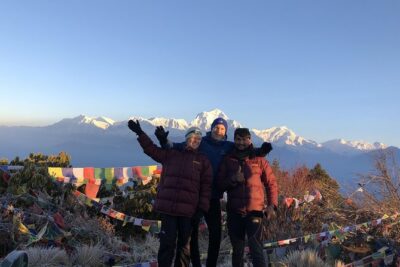
Day 1 includes Poon Hill, with an admission ticket included. Poon Hill is typically the kind of viewpoint that makes you understand why people come back to the Annapurnas again and again. It’s also a good first taste because it’s scenery-forward without asking you to already be fully “trek fit.”
Day 2 begins with transport that sets you up for hiking. You drive to Phedi from Pokhara, then start trekking to Dhampus, which is described as a pleasant Gurung village. This is your early cultural immersion day: local houses, everyday village trail life, and big views of Himchuli, Annapurna South, and Mt Fishtail (Machhapuchchre).
Why this day matters: it’s where you learn how your guide reads the trail pace. The route is not just “go up, go down.” It’s about settling your rhythm on a day where the scenery reward is immediate.
Day 3: Oak Forest Steps Toward Landrung and Jhinudanda
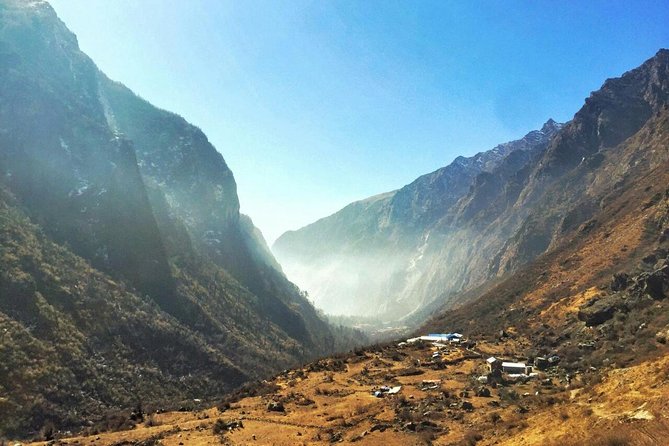
On Day 3, the trail goes down to Landrung through oak forest and terraced fields. Landrung is described as a charming village of Gurung, Magar, and Brahmins. That mix matters because you’re not just walking past pretty scenery. You’re walking through communities that have lived with these mountains for generations.
From there, your path moves down again toward Jhinudanda. This kind of “down first” day can feel counterintuitive if you’re mentally preparing for steep ascent. But it’s part of why the route feels balanced, you get practice on changing elevations without jumping straight into the most brutal sections.
A practical caution: whenever a day includes a lot of elevation work, your knees become the story. Your guide’s job is to manage that with pace and rest stops, and in guides like Binod’s case, people have praised their ability to adjust the experience to match travel needs.
More to compare around Kathmandu
- Everest Base Camp Trek – 14 Days
★ 5.0 · 1,499 reviews - Everest Base Camp Trek
★ 5.0 · 842 reviews - Private Kathmandu Sightseeing Tour | UNESCO World Heritage sites
★ 5.0 · 756 reviews - Kathmandu: 7 UNESCO Sites with Lunch
★ 4.8 · 744 reviews
Day 4: Rhododendron Forests and the Seti Gandaki Area
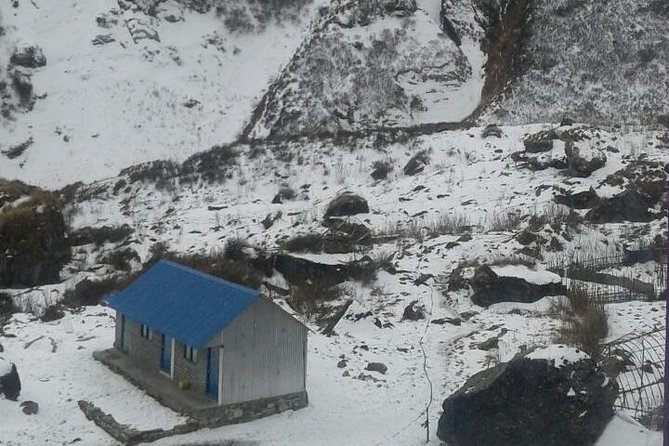
Day 4 starts with the Seti Gandaki (Seti River) area. You cross a bridge, then hike up to Sinuwa Danda. The trail then transverses thick rhododendron forest taking you to Khuldighar, followed by long, vertical stone steps.
This is a classic Annapurna “trail feel” day. Rhododendron forest brings shade and shade-to-bright transitions, and stone steps make your legs work in a very specific way. It’s not just about stamina, it’s about foot placement and steady breathing.
If you’re the kind of traveler who likes a plan but also appreciates flexibility, this is where a good guide earns their keep. The route has multiple trail segments that can be slowed down or speeded up, and that control helps avoid the feeling of being rushed.
Day 5: Machhapuchhare Base Camp and the Sacred No Meat Rule
Day 5 reaches Machhapuchhare Base Camp. The description highlights a gradual ascent following the Madi River, through a sacred valley. Here’s one rule that’s not “tour flavor,” it’s religious practice: no meat or fish is allowed in this area.
Along the trail, you continue past bamboo areas and into a more high-country mindset. The practical takeaway for you is that Day 5 has a strong “transition” vibe, less about village life and more about entering zones where the sanctuary feel starts building.
In terms of trip satisfaction, this day tends to hit because it’s a checkpoint. You’re not at the final goal yet, but you’re closer than you think, and the environment starts changing in ways you can feel.
Day 6: Annapurna Base Camp Trek, the Sanctuary Signature
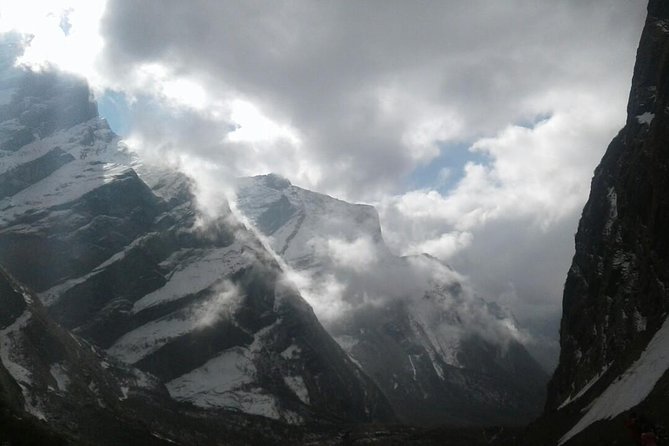
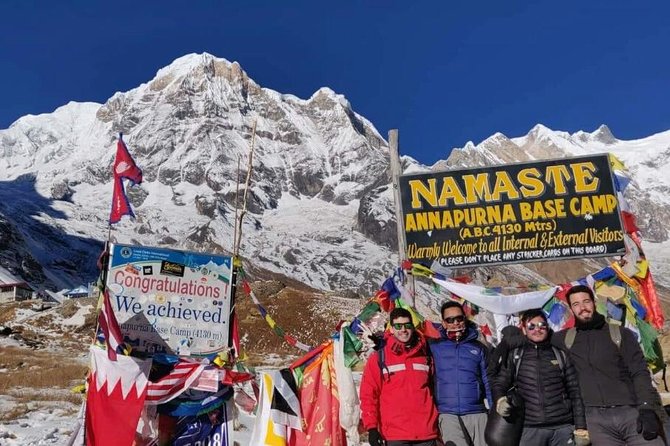
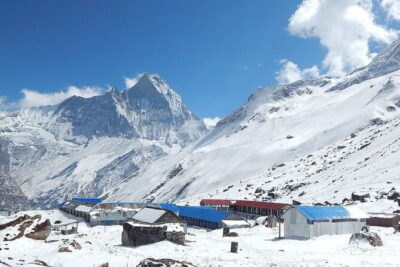
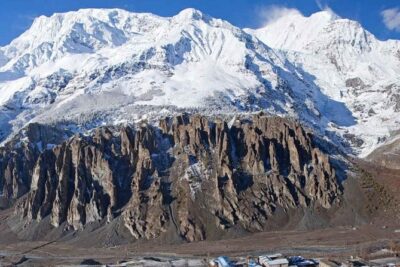
Day 6 is the headline. After leaving Machhapuchhre Base Camp, you enter the Annapurna Sanctuary, described as a desert wilderness with pristine natural beauty. The big idea is that you lose the dense vegetation and your senses focus on rocks, snow lines (when visible), and the scale of the mountains around you.
This is also the day most people remember because it’s the moment the trek stops being a “walk to a point” and becomes a “you are inside the mountain world” feeling.
What I like about this day in particular: it’s not presented as a chaotic scramble. The duration listed is about 5 hours, which signals a day designed to get you there without turning it into a forced march. Your guide can manage altitude pacing here, and the route choice supports that.
Day 7: Sunrise Wake-Up, Descent to Bamboo Hut
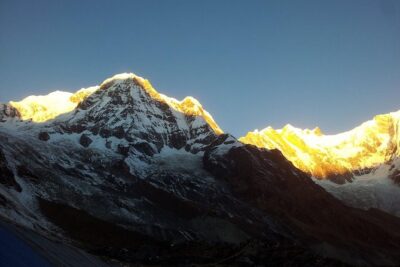
Day 7 begins with an early wake-up call so you can see sunrise views of the Annapurna Sanctuary. That’s one of the most practical inclusions in any ABC plan, because sunrise is when lighting makes peaks look crisp and dramatic. If you’re tired, sunrise can be hard. But having the call organized means you’re not stuck guessing when to get up.
After sunrise, you begin your descent, following the Modi Khola River to Bamboo Hut. This is a “reset day” for your legs, because descent feels good in the moment, then can be tough on quads later. The value of having a guide is that they can steer the pace and help you keep your steps controlled.
Day 8: Sinewa, Chomrong Khola, and Jhinu Hot Springs Relief
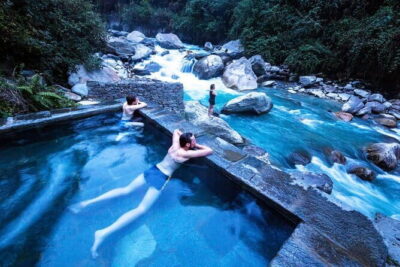
Day 8 is listed as a mix of up and down. You start with an uphill trek to Sinewa, then descend to meet the Chomrong Khola River. There’s another ascent to Chomrong, and then the day ends with a final descent to Jhinu, where you can visit the natural hot springs.
That hot springs option is more than a cute finish. After trekking days, warm water is one of the few ways to make your body feel human again. And in past experiences shared with this program, guides have been credited for making time for hot springs as part of adjusting the itinerary when plans change.
If you’re carrying any fatigue, this is where you’ll appreciate not just the destination, but the recovery.
Day 9: Easy Descent to Nayapul, Then Back to Pokhara
Your final trekking day is an easy descent to the banks of the Modi Khola River, then on to Nayapul. After that, you take a private car for about a 1.5 hour drive back to Pokhara, and the program includes your transfer onward.
Day 9 matters because it’s your clean exit from the trail system. You stop the altitude exposure and return to easier logistics. The ride out also means you’re not left coordinating transport yourself after a long week on your feet.
Price and Logistics: What You Pay for, and What Still Costs Extra
The price listed is $693.34 per person for this 9-day experience. For value, focus on what’s inside the package.
Included items:
- Airport pickup and drop in a private vehicle
- Kathmandu to Pokhara and back transportation by tourist bus (with optional flights extra cost)
- Licensed English-speaking trekking guide
- Food, accommodation, and insurance of the guide during the trip
- All required permits and paperwork
- First aid medical kit carried by the guide
- Welcome or farewell dinner in Kathmandu
- Down jacket and sleeping bag returnable after trek completion
- 9 nights accommodation
- Breakfast (9), lunch (9), dinner (9)
Not included items you should plan for:
- International airfare
- Visa charges
- Your travel and medical insurance
- Personal expenses (shopping, bar bills, hot shower, phone, laundry, snacks)
- Food and accommodation in Kathmandu
- Emergency expenses such as chartered helicopter
- Tips for guides and porters
- Porter: $220.00 per person
Here’s the honest way to think about it: you’re paying for guided structure and the “in-country scaffolding.” The porter fee is separate, and so is your personal insurance and Kathmandu lodging. If you’re trying to keep total cost low, you can treat the porter as a key decision point. If you want an easier trek and are bringing more gear than you want to carry, the porter fee becomes part of how you buy yourself comfort.
Guides and Porters: The Human Factor That Shows Up in Reviews
This trek is successful because the mountains do not care about your schedule. Good leadership does.
In feedback connected with this operator, names came up again and again. Owner Shiva has been credited for organizing well and showing value in the hike. Guides like Sona and Binod have been praised for being helpful, accommodating, and able to adjust details when travel plans shift. Porters like Řãhül, Rajendra, and Bikash were specifically described as making the trek easier and more comfortable, with a lot of good attitude.
One very practical benefit you can take from that: when flights or timelines change, an operator that can tailor the plan is less stressful. In past experiences, guides have adjusted the itinerary to match travel constraints, including staying a night at hot springs when the schedule allowed.
If you like your adventure to feel friendly and organized, this is where the value shows.
What Your Daily Life Looks Like on the Trail
Even without getting lost in guesswork about the exact lodge setup, you can plan for a steady rhythm. You have planned accommodations for 9 nights, and meals are covered for breakfast, lunch, and dinner throughout the trekking period.
The route is designed for day-by-day movement with rest built in. Some days are explicitly described as gradual ascent, others as long steps, and some as forest traverses. That matters because it tells you what to expect physically: you’re not dealing with only flat walking, you’re dealing with changing trail surfaces and elevation.
Also, note that food choices can be affected by local rules. The Machhapuchhare Base Camp area includes a clear rule about no meat or fish, which can shape what’s available there.
Who This Trek Suits Best (And Who Should Reconsider)
This 9-day ABC plan is a strong fit if:
- you want a classic Annapurna itinerary that mixes viewpoints, villages, and the sanctuary
- you prefer having a licensed English-speaking guide handling permits and logistics
- you like the idea of traveling with a structure that includes meals and accommodations
- you want the option of Jhinu hot springs as a recovery reward
It may be less ideal if:
- you hate early mornings, since the sanctuary sunrise includes an early wake-up call
- you are not comfortable with moderate fitness levels, since the route includes uphill and downhill days
- you’re trying to travel ultra-budget with no extra fees beyond the listed price, because porter service, tips, and your own insurance still apply
Should You Book This Annapurna Base Camp -9 Days Trek?
If you want a guided ABC trek that takes care of the big logistics, this is a good option to consider. The included package is thick on value items: permits, meals, accommodations, guide support, and even the down jacket and sleeping bag return. Plus, past guidance is repeatedly described as flexible and genuinely helpful, with named guides and porters showing up in the stories.
My call: book it if you’re aiming for an organized classic trekking experience with strong mountain payoff, and you’re comfortable budgeting for the porter and your own travel insurance. If you’re the type who wants full independence and zero extra fees, look closely at what’s not included before you commit.
FAQ
What time does the tour start, and where do we meet?
The meeting point is Tribhuwan Airport in Kathmandu, Nepal, with a start time listed as 6:30 am.
Is airport pickup included?
Yes. The package includes airport pickup and drop services in a private vehicle.
How do we travel between Kathmandu and Pokhara?
You’ll use a tourist bus from Kathmandu to Pokhara and back to Kathmandu. Flights are optional with extra costs.
What trekking support is included?
You get a licensed English-speaking trekking guide. The guide also carries a first aid medical kit, and the package includes transportation, food, accommodation, and insurance for the guide during the trip.
Are permits and paperwork included?
Yes. All required permits and paperworks are included.
What meals are included during the trek?
Breakfast, lunch, and dinner are included for 9 days, listed as breakfast (9), lunch (9), and dinner (9).
What gear is provided for the trek?
The package provides a down jacket and sleeping bag that are returnable after trek completion.
How much does a porter cost?
Porter service is not included, and the porter fee is listed at $220.00 per person. Tips for porters are also not included.
Is there free cancellation?
Yes, free cancellation is offered. You can cancel up to 24 hours in advance of the experience for a full refund.
Latest Kathmandu write-ups
- Langtang Valley Trek★ 5.0 · 3 reviews
- Khopra Danda Trek★ 5.0 · 3 reviews
- Langtang Valley Trek from Kathmandu★ 5.0 · 3 reviews
- 5 night / 6 days Kathmandu Nagarkot Chitwan Pokhara tour★ 5.0 · 3 reviews
- Nepal Highlights Tour: 5 Nights 6 Days Kathmandu & Pokhara Tour★ 5.0 · 3 reviews
- Kathmandu Valley Private Day Tour★ 5.0 · 3 reviews
- Conquer the Himalayas: The Ultimate 16-Day Annapurna Circuit Trek★ 3.5 · 3 reviews
- Kathmandu Heritage Day Tour★ 5.0 · 3 reviews
Annapurna Base Camp Trek, compared.
Browse the lists this tour appears in