
Reviewed · ANNAPURNA BASE CAMP TREK
Annapurna base camp trek
Annapurna Base Camp trek is one of the most interesting routes in Nepal because it mixes big Himalayan scenery with everyday village life, starting from Pokhara and ending at Annapurna Base Camp (4,130m). You also get the classic warm-up hike to Poon Hill for sunrise views, which sets the tone for the whole journey.
What I like most is how the trekking feels supported without turning it into a bus ride. I love that your guide and porter stay patient with your pace, especially on the days when steep climbs and altitude ask for a slower rhythm.
One thing to think about before you book: this is moderate walking over many days, and the altitude means you should take fitness and acclimatization seriously. If you plan to go in October, you’ll want extra flexibility, since conditions can be less predictable than you might expect.
Key Things I’d Target on This Annapurna Trek
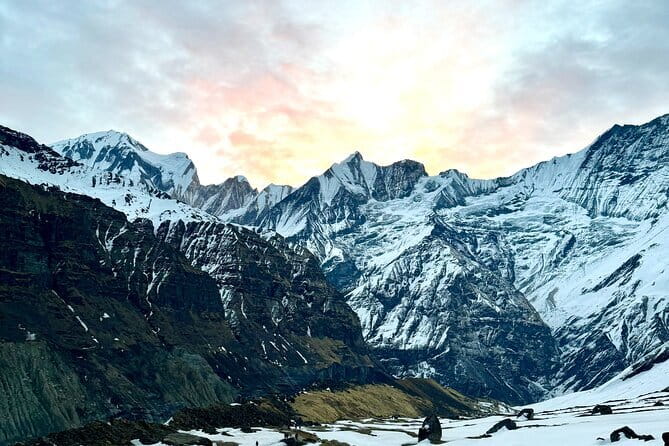
Poon Hill sunrise hike (3210m): A pre-trek highlight that gives you early payoff before you even reach the main route.
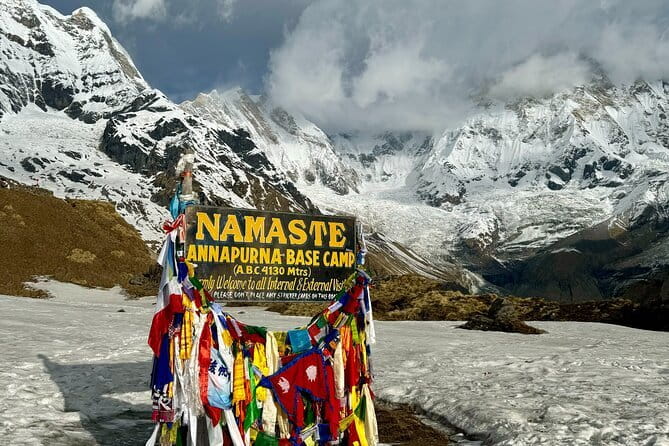
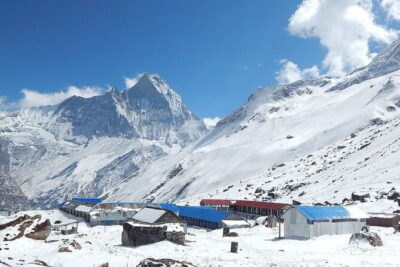
Annapurna Base Camp at 4,130m: The big viewpoint day, with strong sightlines toward Annapurna and neighboring peaks.
Guiding that keeps you steady: The best feedback I see is about patient guidance and porter support that keeps the trip comfortable.
Cultural village days in the Gurung and Magar world: You’ll spend time with Hindu and Buddhist lifestyle, housing styles, and local hospitality.
Machhapuchhre Base Camp as a bonus: A rewarding add-on if you want even more time under the mountain’s shadow.
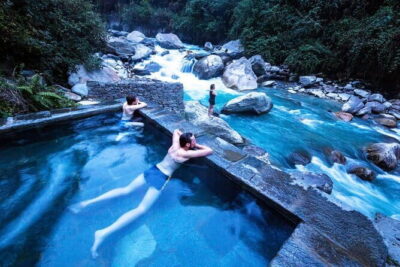
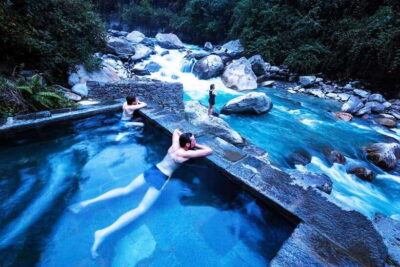
Recovery stop at Jhinu hot springs: Hot water near Jhinu helps your muscles feel human again.
Pokhara First, Trek Later: Lake Views and Real Warm-Up Time
Most Annapurna Base Camp trips start with Kathmandu, but this one funnels you into Pokhara right away. Pokhara is the place where you can switch from city pace to trekking pace, since there are caves, lakes, eateries, and plenty to do between walks. It also makes sense as a staging area, because your trek actually begins when you head out from Nayapul, about a two-hour drive from the lake city.
What I like about this approach is the timing. You get a buffer day where you can adjust your sleep, check your gear, and set expectations for the rhythm of the trek. Then, once you start walking, you are not trying to do everything on day one.
On the practical side, your package includes hotel pickup and drop-off. That matters because Nepal logistics can get complicated fast once you add taxis, timing, and luggage. Having a driver/guide on your first transfers helps you get your bearings fast.
More routes into the Annapurna Sanctuary:
- Annapurna base camp trek 5 Days
★ 5.0 · 252 reviews - 14-Day Private Annapurna Base Camp Trek
★ 5.0 · 180 reviews - Annapurna Base Camp Trekking
★ 5.0 · 116 reviews
From Nayapul to Poon Hill (3210m): The Sunrise Hike That Sets Expectations
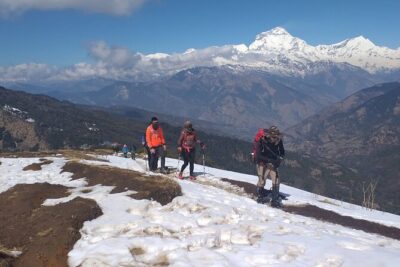
Your trekking work starts from Nayapul and then heads toward the Poon Hill area. Poon Hill is listed at 3,210m, but what you’re really chasing is the morning view, because the sunrise experience is the point. It’s also the segment that teaches you how this trek will feel: steady climbs, changing temperatures, and forest trails that make the effort feel more interesting than grindy.
The trail through the lower elevations gives you a taste of the region’s variety. You’ll walk among woods that include rhododendron, fig, bamboo, juniper, and other plants. That mix matters because it keeps the walk visually interesting and gives you natural rest points as you move uphill.
I also like that this segment works as a confidence builder. You see how your body reacts to altitude before you fully commit to the higher country. If you have never trekked before, this part of the plan helps you avoid the classic mistake of going too hard too early.
Through the Himalayan Belt: Culture Days in Gurung and Magar Country
Once you move beyond the initial Poon Hill phase, the trek shifts into what people come here for: the higher Himalayan belt and the communities living under it. You’ll encounter Tibetan-origin people, and you’ll also spend time in cultural villages linked to Gurung and Magar communities.
This is where the trek becomes more than scenery. You’re not just walking through the mountains, you’re walking through daily life. The route highlights unique housing styles and everyday hospitality, with local cuisines and a sense of community that feels very different from big tourist circuits.
One useful way to think about these village stops is this: they give you structured breaks. You can eat, reset, and pace yourself without turning every stop into a time pressure. That’s especially valuable when altitude makes you feel slower than you expected.
Dress code also matters here, even if you’re mostly hiking. Your trip includes visits to places of worship and selected museums, and the rule is clear: no shorts or sleeveless tops, and knees and shoulders must be covered for both men and women. If you break that rule, you can get refused entry, so bring a light layer that actually covers you.
Annapurna Base Camp at 4,130m: Views, Weather, and the Best Photo Spots
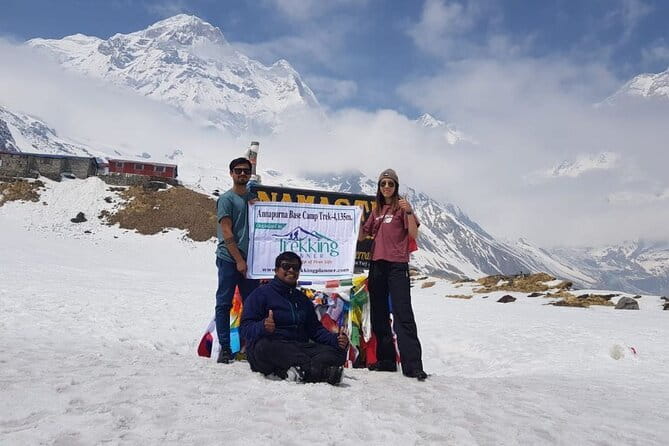
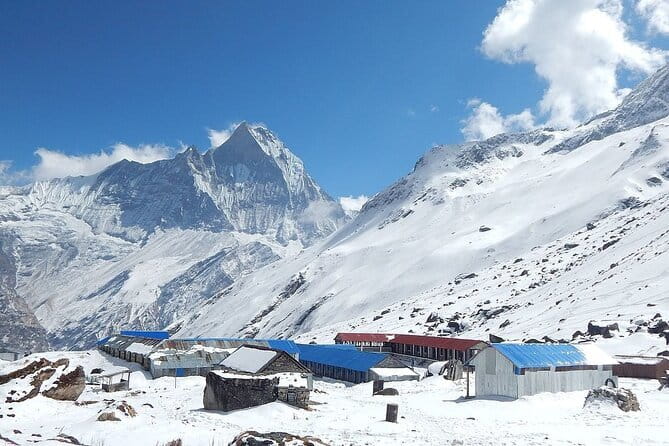
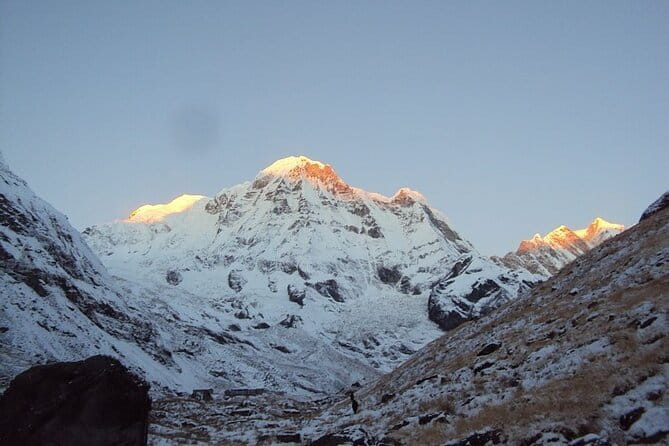
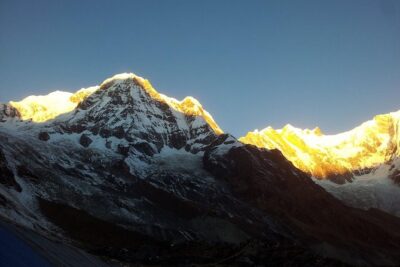
The heart of the trek is reaching Annapurna Base Camp at 4,130m. This is the moment where the effort stops feeling abstract. You finally get a closer, more direct sense of the Annapurna massif and the neighboring mountains that frame the region.
The sightlines you’re aiming for include Machhapuchhre, Dhaulagiri, and the Annapurna series. You may also catch views toward Neelgiri and Himchuli depending on cloud cover and the day. The plan encourages you to take as many pictures as possible while you’re there, and I agree, because weather can turn quickly in the Himalayas and you might not get the same clarity again soon.
Another practical tip: spend more time than you think you need at base camp. Even if you feel cold, tired, or a bit short of breath, it’s worth slowing down. At that altitude, even small movements feel bigger, and the best views often arrive in bursts between clouds.
This is also the part where mindset helps. The trek is rated easy to moderate in difficulty language, but that doesn’t mean it’s effortless. You’ll still be working your lungs and legs. If you treat it like a steady hike instead of a race, you’ll enjoy the day more.
More to compare around Kathmandu
- Everest Base Camp Trek – 14 Days
★ 5.0 · 1,499 reviews - Everest Base Camp Trek
★ 5.0 · 842 reviews - Private Kathmandu Sightseeing Tour | UNESCO World Heritage sites
★ 5.0 · 756 reviews - Kathmandu: 7 UNESCO Sites with Lunch
★ 4.8 · 744 reviews
Machhapuchhre Base Camp and Jhinu Hot Springs: Two Ways to Make the Route Feel Complete
Some versions of this trek include a bonus stop at Machhapuchhre Base Camp. Even without extra hype, this add-on makes sense because it keeps you closer to the iconic peak as you continue deeper into the route. If you want more time in the mountains and you feel good physically, it’s a strong option.
After the higher days, the trek also includes a recovery moment: hot water natural springs near Jhinu. This is one of the most sensible ideas on any trek plan, because your legs are not just tired, they are stressed. Hot springs help you loosen up and recover between the final trekking legs.
I think it’s smart that the route includes this kind of recovery rather than only pushing you downward. It helps you finish the trek feeling like you got your time and effort back.
Walking Hours, Fitness Level, and Seasonal Reality Checks
This trek is described as moderate physical fitness with a moderate amount of walking. One review note puts typical daily walking around 5 to 6 hours, and the trek is often described as easy to moderate. In plain terms, that means you should expect a lot of steady time on your feet, not technical climbing.
Your biggest challenge will likely be how your body handles altitude, not how hard the trail looks on a map. Plan to move slower than you feel you should. If you keep a steady pace, the days feel manageable instead of punishing.
Season matters too. If you’re thinking about October, be ready for changing conditions and the possibility of sharing the route with many other trekkers. The same logic applies to colder seasons in general. One experience shared that winter trekking can be uncomfortable for warmth-loving people, so pack layers you trust and don’t rely on luck.
If you want a trek that works well for teens, this route has shown it can fit. An example from the past involved a 14-year-old and a 12-year-old in early April, which tells me the trip can work for younger trekkers when they train a bit and you keep days realistic.
Price and Value: Why $999 Makes Sense for This Kind of Trek
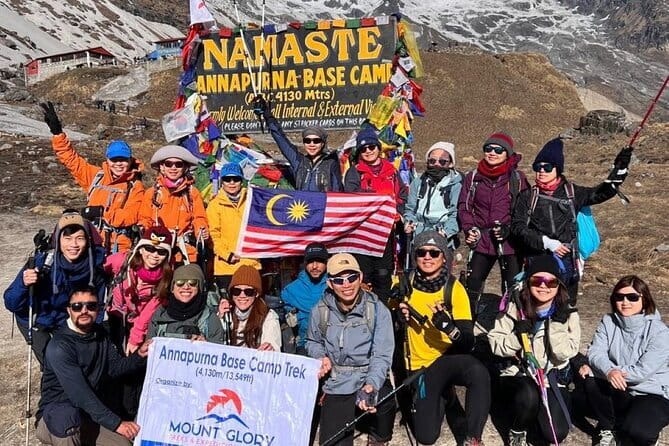
At $999 per person, you’re not paying for just a name. You’re buying a package that includes real logistics plus basic sustenance planning. The trip includes accommodation as per itinerary, entrance fees, breakfast, and a driver/guide. Hotel pickup and drop-off are included too, which saves you money and headaches right at the start and end.
Here’s what that means for value: the price helps you avoid the most time-consuming part of trekking planning, which is coordinating transport, timing, and entry fees while you’re already tired from travel. It also means you can focus on training, pacing, and enjoying the route instead of constant problem solving.
What’s not included is important to budget for. Food and drinks are not included, and alcoholic drinks are available for purchase with a minimum age requirement of 18. So you should plan on paying for your meals along the way, plus drinks, snacks, and any personal gear you forgot.
If you’re the type who already likes to manage details yourself, you might wonder if the package fee is worth it. For most people, it is, because the guide and driver reduce risk at the exact moments when things can go sideways. For a trek, reducing stress is not a luxury, it’s part of the experience.
Small Group Size, Real Rules, and How to Stay Comfortable
Your group size is capped at 15 travelers, which is a good sign for how the trek will feel. Smaller groups generally mean fewer coordination headaches and more attention when you need it. It also tends to make the cultural village stops less chaotic, which helps you actually connect instead of just passing through.
The trip uses a mobile ticket, and confirmation is received at booking time. That gives you less uncertainty, and in trekking, uncertainty is expensive because it steals time from your training and packing.
One more rule you should take seriously is the dress code at worship sites and selected museums. Bring clothing that covers knees and shoulders. If you forget, you might end up stuck outside when you want to be inside learning and looking around.
For comfort, remember that this is a trek with multiple days of walking. Even if the itinerary is not technically hard, your body will still want good shoes, warm layers, and rest. This is not the kind of trip where you can wing it with just one outfit and hope.
Should You Book This Annapurna Base Camp Trek?
I’d book this trek if you want a classic Annapurna experience with strong structure, human support, and room to enjoy the journey. The biggest reasons are the natural rhythm of the route, the built-in sunrise moment at Poon Hill, and the recovery stop at Jhinu hot springs. Add optional time toward Machhapuchhre Base Camp, and you get a trek that feels complete without turning into a marathon.
I wouldn’t book it if you dislike walking multiple hours every day or if you are not ready for altitude to affect your pace. If you’re going in October, go in with flexibility, because conditions can change and the trail can be busier than quieter months.
If you’re on the fence, do this simple test: are you willing to slow down and take your time at altitude? If yes, you’re the right kind of traveler for Annapurna Base Camp.
FAQ
Where does this tour start in Kathmandu?
It starts at the TIA Domestic Terminal parking lot in Kathmandu, Nepal.
How long is the Annapurna Base Camp trek?
The duration is listed as about 15 days. There are also references to shorter options such as 7 days and 14 days.
What is the maximum group size?
The trek has a maximum of 15 travelers.
What is included in the price?
Accommodation as per itinerary, entrance fees, breakfast, a driver/guide, and hotel pickup and drop-off are included.
Are food and drinks included?
Food and drinks are not included, though alcohol can be purchased separately with a minimum age of 18.
What dress code rules apply?
For places of worship and selected museums, you must cover knees and shoulders. No shorts or sleeveless tops are allowed for both men and women.
Is free cancellation available?
Yes. You can cancel up to 24 hours in advance for a full refund, and cancellations within 24 hours of the start time are not refunded.
Latest Kathmandu write-ups
- Langtang Valley Trek★ 5.0 · 3 reviews
- Khopra Danda Trek★ 5.0 · 3 reviews
- Langtang Valley Trek from Kathmandu★ 5.0 · 3 reviews
- 5 night / 6 days Kathmandu Nagarkot Chitwan Pokhara tour★ 5.0 · 3 reviews
- Nepal Highlights Tour: 5 Nights 6 Days Kathmandu & Pokhara Tour★ 5.0 · 3 reviews
- Kathmandu Valley Private Day Tour★ 5.0 · 3 reviews
- Conquer the Himalayas: The Ultimate 16-Day Annapurna Circuit Trek★ 3.5 · 3 reviews
- Kathmandu Heritage Day Tour★ 5.0 · 3 reviews
Annapurna Base Camp Trek, compared.
Browse the lists this tour appears in