
Reviewed · MANASLU CIRCUIT TREK
Around Manaslu Trek
Manaslu is one of Nepal’s big, honest trekking circuits, and this one is built around a proper high-mountain test, Larkya La Pass (5,116m), plus the less-trodden feel of the Manaslu Conservation Area. It’s also a route where you keep switching cultures and landscapes, from temples and museums in Gorkha to gompas, mani walls, raging river valleys, and rhododendron slopes.
Two things I especially like about this trip are how much ground logistics are handled for you, including Kathmandu sightseeing and private vehicle transfers, and how the program uses a highly experienced guide to keep the trail organized and the day-by-day rhythm sane. The operator behind it, Hom, shows up again and again in past client feedback for getting the setup right.
One consideration: you’re climbing to very high altitude, and the trek runs on simple lodge life with breakfast included but lunches and dinners extra, plus no mention of hot showers. If you’re hoping for comfortable, fully catered days, you’ll want to plan your budget and gear for basic trekking realities.
Key points to know before you go
- Larkya La Pass is the headline challenge, with glacier-valley walking and long, scenic mountain viewing
- The trek threads through Manaslu Conservation Area and finishes as you touch into the Annapurna Conservation Area project zone
- You get Kathmandu Valley sightseeing (Monkey Temple, Pasupatinath, Boudhanath, Durbar Square) plus two hotel nights before the trek
- Multiple river crossings and suspension bridges along Budhi Gandaki, with dramatic ups and downs
- Lodging is twin-sharing lodge style, so expect basic rooms and plan for cold nights
- Permits and paperwork are included, and you’ll need three passport-size photos
Why Larkya La makes this Manaslu circuit feel real
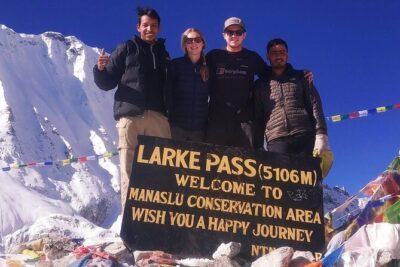
The Manaslu Circuit Trek is not about a neat line on a map. It’s about earning your views. In this itinerary, that payoff centers on the Larkya La Pass at 5,116 meters, plus the glacier-valley approaches that come with it. You’ll spend the days around the pass walking terrain that feels harsher than the lower valley trails, where weather and pacing matter.
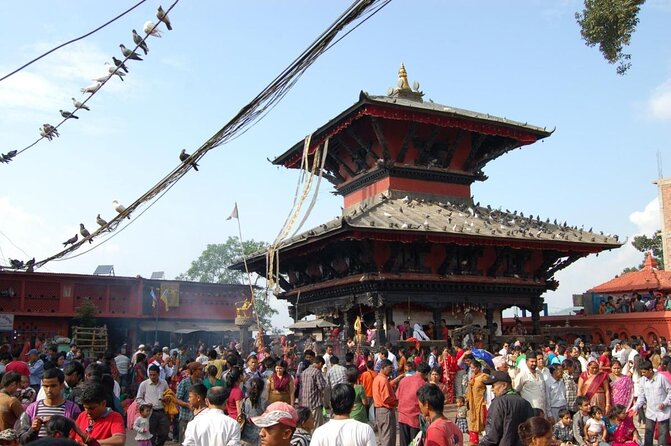
A lot of trekking brochures talk about mountains. This trek also keeps you close to the human and spiritual side of the Himalaya. You’ll see a mix of Buddhist and Hindu culture, including gompas along the Budhi Gandaki corridor and stops tied to local religious sites in Gorkha.
The other big reason to care is that you are moving through conservation-zone hiking, not just a standard highway of trekkers. The route description points to protected wildlife, wild flowers, and rhododendron forests. Even if you’re not chasing spotting rare animals, conservation areas tend to feel quieter, more grounded, and more about the trail than Instagram angles.
More of the Manaslu Circuit:
- Manaslu Circuit Trek
★ 5.0 · 292 reviews - Manaslu Circuit Trek
★ 5.0 · 184 reviews - Manaslu Circuit Trek:
★ 5.0 · 106 reviews
Price and value: what $1,840 buys you, and what it doesn’t
At $1,840 per person for roughly 14 days, the key value is that you’re buying a lot of the hard parts: transport, permits, an experienced guide, and lodging structure. The price includes private ground transportation following the itinerary, two nights in Kathmandu at a 3-star hotel with breakfast, and twin-sharing lodge accommodation during the trek.
You also get the paperwork load carried for you. The package includes all necessary paperwork and special permits, with the requirement that you bring three passport-size photos. Taxes and office service charges are included too, which reduces the annoying feeling of paying random extras at the last minute.
Where you’ll need to budget on your own is also clearly stated. Drinks (water, tea, coffee), bar bills, and extra snacks are not included. Lunch and dinner during the trek are not included, and hot showers are not included either. Personal expenses, laundry, phone calls, and tipping are also on you, along with personal trekking equipment and personal travel insurance.
So, is it good value? For a circuit that involves permits, a dedicated guide, and a full Kathmandu-to-trail transfer plan, yes, the price looks built for real operation, not just marketing. If you travel light on snacks and drink minimal extras, it can stay reasonable. If you want full meals plus lots of paid add-ons every day, you’ll feel the gap fast.
Kathmandu warm-up: temples, hotel nights, and a smoother start
Before you earn high-altitude air, you get a Kathmandu buffer that matters. Two nights in Kathmandu at a 3-star hotel with breakfast helps you adjust, sleep well, and not rush your body right after arrival. Then there’s a set Kathmandu Valley sightseeing block: Monkey Temple, Pasupatinath Temple, Boudhanath, and Durbar Square.
This isn’t just box-ticking. Those sites give you quick context for the spiritual overlap you’ll see later on the trail: Hindu devotion, Buddhist practice, and the everyday mix of faith that’s part of Nepal life. You’ll also get that first taste of how Nepalis move through places with meaning, not just scenery.
On the trekking side, Day 1 includes a long drive out of Kathmandu. You head toward Dhading Bensi, then continue on a rougher road to reach Soti Khola, with the whole drive taking about 7 to 8 hours. That’s a long day before trekking even begins, so I like that this trip still keeps you moving from the start, instead of turning the first day into a vague waiting game.
One note: the itinerary mentions admission ticket included for Day 1’s stop at Gorakha Nath Temple in Gorkha. If you’re the type who likes small cultural stops that actually matter, that’s a plus.
The Budhi Gandaki corridor: villages, bridges, and that constant river energy
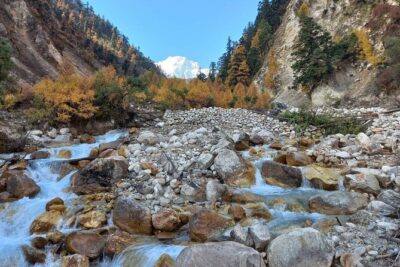
Once the trek starts, it gets physical right away, in a way that feels typical for the Manaslu route: trail segments climb, descend, and repeatedly cross Budhi Gandaki. The description gives you a clear sense of what you’re walking through, including rocky trail sections, waterfalls, suspension bridges, and steep side-hill moves.
On the early days, you’ll be moving through different vegetation zones. Day 2 starts in a Sal forest region, then climbs above rapids on Budhi Gandaki, and keeps threading through rocky paths and waterfalls. You pass through settlements including Labubesi, then work toward Maccha Khola via a suspension bridge and round-shaped stone crossings. It’s a lot for one day, but it’s also where the trip becomes memorable fast, because the scenery keeps changing under your feet.
Day 3 continues with more bridge work and a stone-stair climb to Tharo Bharyang, after crossing Tharo Khola and Yaru Khola on suspension bridges. You’ll reach Jagat. This section matters because it teaches you the rhythm you’ll need later: steady uphill effort, careful footing, and accepting that the river is your constant companion.
Day 4 adds bamboo forests and village pacing. After crossing to Deng Khola, you’ll reach the village of Deng for overnight. Even with official-stop mentions in the itinerary, the walking description stays consistent: valley travel, crossings, then a clear end point each day.
Day 5 is where the trek leans into the “Manaslu feel.” You’ll cross Budhi Gandaki multiple times again, and the trail follows upstream through dense forest. There are large numbers of gompas on this route, and you’ll experience a sense of the river’s power as the trail moves toward a narrow gorge where it thunders downhill. Then comes a steep climb toward Namrung.
If you like trekking that feels alive, not staged, these early days deliver. The only downside is that you need good footwear confidence and you can’t rush the river crossings. If you’re prone to sore knees, plan your pacing so you don’t spend every day fighting steep descents.
More to compare around Kathmandu
- Everest Base Camp Trek – 14 Days
★ 5.0 · 1,499 reviews - Everest Base Camp Trek
★ 5.0 · 842 reviews - Private Kathmandu Sightseeing Tour | UNESCO World Heritage sites
★ 5.0 · 756 reviews - Kathmandu: 7 UNESCO Sites with Lunch
★ 4.8 · 744 reviews
Gompas and big views: Lho, Ribung Gompa, and the move toward Samagaon
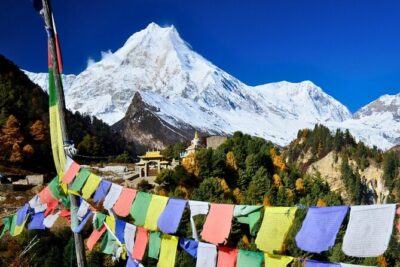
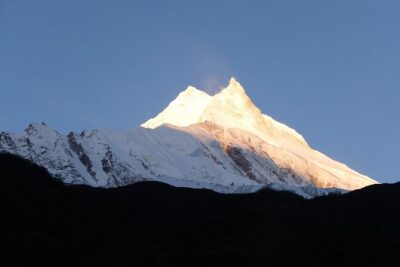
As you progress, you start getting more frequent glimpses of the main massif. Day 6 centers on the route through Lho village, with “extraordinary views” of Mount Manaslu and a visit to the Ribung Gompa. That combination is exactly why circuits like this are worth it. The gompa gives you the cultural anchor, and Manaslu views make the effort feel meaningful.
Then Day 7 shifts into higher, broader mountain sightlines. You’ll leave Lho and cross past areas where you can see Himal Chuli, Peak 29, and other high mountains, with glaciers and snow summits on the horizon. The itinerary notes the journey stretching toward Ganesh Himal, ending in Samagaon.
This is the kind of stretch where you’ll likely slow down without being told. When you’re surrounded by bigger peaks, you start walking less on autopilot and more like you’re actually looking. That matters for altitude too, because slow, calm movement is your friend.
Also, the trip is designed to keep you in the Manaslu zone, with restricted-area trekking and then a later connection into the Annapurna Conservation Area project zone. You won’t just be changing geography, you’ll be changing the feel of the mountain trail itself.
Day 8 is listed with another official stop, but the itinerary description isn’t detailed here. Practically, I treat days like this as a “keep your body ready” day. Hydrate, eat your calories, and don’t waste the day on risky side goals.
Samdo route and the mani walls lead-up to Larkya La
Day 9 is one of the most important transitions. You descend toward Budhi Gandaki, which turns north, and follow it to bridges and sideways trail sections. A leftward trail leads toward Manaslu base camp, though your route keeps you focused on the Larkya La approach.
The itinerary highlights mani walls as the valley widens, and then you drop across a shelf for a crossing over a wooden bridge. After that, you climb steeply between river forks to reach Samdo.
This is a big day, but it also sets up why Larkya La feels like a milestone. Mani walls aren’t just decoration. On trails like this, they create a psychological guidepost. You’re seeing markers of local spirituality, and you’re also getting a clear sense you’re moving deeper into the high, more demanding section.
Day 10 continues into the northward glacier-valley direction, described as a relatively short climb to the Larkya or Dharamsala glacier valley. You’ll enjoy views of Larkya Peak and Cho Danda. This is the stage where I’d focus on calm effort. You’re going up into harsher conditions, and you want your legs and lungs to cooperate.
Day 11 then takes you across moraines of the mountain glacier, with a gradual ascent that turns steeper toward the pass end. The view list gets big: Cheo Himal, Himlung Himal, Kangguru, and Annapurna Mountain II. Finally, you reach Bimtang.
If you’re new to high passes, treat this part as a lesson in controlled exertion. You’re not sprinting for photos. You’re conserving energy for a day that depends on weather and pacing.
Tilije to Syange: rhododendron slopes, forests, and a softer landing
After Bimtang, the trail starts to ease into lower-elevation woodland. Day 12 is about walking roughly 4 to 5 hours to reach Tilije, with a focus on scenic rhododendron forests and green fields before a steep climb. The itinerary also includes an official stop at the District Police Office, Lamjung, which signals you’re in the administrative transition toward the next zone.
Day 13 follows the trail toward Chyamje, crossing Marshyangdi Khola. You descend from rhododendron and pine forests to reach Syange. This is where many trekkers feel the psychological shift. The mountains are still there, but the stress changes from “I must survive the pass approach” to “I can manage this slope and enjoy the forest.”
Day 14 is a long return day, but the trekking part is comparatively short. You cover only about 800 meters to Besi Sahar, then return to Kathmandu. It also includes a stop at Manakamana Temple. I like this kind of finishing sequence because it doesn’t feel like a cliffhanger. You get a quick taste of a major cultural site and then you transition back toward city life.
Guides and the operator side: why Hom and the team matter
The best trekking experiences are usually won in the background. Here, the operator behind the tour gets strong credit for setup and organization. Past feedback highlights Hom, and multiple mentions praise the way arrangements were handled in advance, including guides waiting at the right time and getting transport and lodging lined up smoothly.
Guides named in past feedback include Nabin and Promod Pangeni. I can’t promise you’ll get either person, but the point is important: the program clearly leans on experienced, attentive guiding rather than leaving you to figure out connections yourself.
If you’re the type who hates chaos, this matters. Trekking is stressful enough without administrative stress. A guide who keeps you moving, manages your day timing, and handles the practicalities like permits and paperwork is not a luxury. It’s part of what makes a 14-day circuit feel doable.
Who should book this Manaslu circuit, and who should reconsider
This trek suits you best if you want the real Manaslu circuit experience: high pass crossing, glacier views, and a steady stream of river, forest, and cultural stops. It’s also a strong fit if you can handle long travel days and don’t expect full meal service every day. The itinerary is structured for moderate physical fitness, and you’ll be walking in multiple stages that often run around 5 to 7 hours.
You might reconsider if you:
- expect lunch and dinner to be included every day, since those are not included
- need hot showers, since they’re not included
- struggle with altitude challenges, since the trek includes 5,116m pass terrain and high mountain conditions around glacier valleys
- want fully private, hotel-style comfort each night, because it’s twin-sharing lodge trekking accommodation
If you’re traveling with a parent, a friend, or as a solo trekker, the trip being private (only your group participates) can be a nice advantage. It means the pace is usually more flexible for your group, especially compared with big mixed groups on crowded trails.
Should you book this Around Manaslu Trek?
If you want a Manaslu trek that’s built around the Larkya La Pass challenge, includes the key conservation-zone experience, and handles the big logistics for you from Kathmandu, I think it’s a solid choice. The price makes more sense when you look at what’s included: private transport, Kathmandu temple sightseeing, two Kathmandu hotel nights, permits and paperwork, and an experienced guide.
Before you commit, do two things. First, pencil in your budget for lunch and dinner, drinks, and any extra snacks. Second, pack and plan for lodge trekking reality, cold nights, and careful footing for river crossings.
If that matches your style, book it. This is the kind of circuit where the work and the views feel like they belong together.
FAQ
How long is the Manaslu trek?
The trek is listed as 14 days (approx.).
Where does the tour start and end?
It starts in Kathmandu, Nepal, and ends with travel back to Kathmandu after finishing near Besi Sahar on the last day.
Is pickup offered?
Yes, pickup is offered.
What is included in the price?
The price includes private ground transportation as per the itinerary, Kathmandu Valley sightseeing (Monkey Temple, Pasupapati Temple, Boudhanath, Durbar Square), two nights in a 3-star Kathmandu hotel with breakfast, twin-sharing lodge accommodation during the trek, a highly experienced guide, local taxes and office service charges, and special permits with the needed paperwork. It also includes a farewell dinner before departure.
What is not included?
Not included are drinks (water, tea, coffee, bar bills), extra guide, hot shower, snacks and other personal purchases, personal expenses like phone calls and laundry, donations and tips for guides and porters, personal trekking equipment, emergency helicopter arrangement (paid by insurance), personal travel insurance, and lunch and dinner during the trek.
Do I need to bring passport photos?
Yes. You should bring 3 passport-size photographs for the paperwork.
What is the main high pass on this route?
The main challenge is Larkya La Pass at 5,116 meters.
What fitness level do I need?
The tour says travelers should have moderate physical fitness.
Is the tour private?
Yes. It is a private tour/activity, and only your group participates.
What happens if weather is poor?
The experience requires good weather. If it’s canceled due to poor weather, you’ll be offered a different date or a full refund. Cancellation is free if you cancel up to 24 hours in advance.
Latest Kathmandu write-ups
- Annapurna Base Camp Trek★ 5.0 · 4 reviews
- Visit Bhaktapur and Patan Heritage Cities★ 4.0 · 4 reviews
- Lumbini (Birth Place of Lord Buddha) Buddhist Tour from Kathmandu Nepal★ 5.0 · 4 reviews
- Chandragiri Hills Private Tour★ 5.0 · 4 reviews
- Nagarjun Hill Day Hike★ 4.0 · 4 reviews
- 14 Days Everest Base Camp Trek★ 5.0 · 4 reviews
- Chandragiri : Majestic Hilltop & Cable Car Views with Lunch★ 4.5 · 4 reviews
- Everest View Trek – 7 Days★ 5.0 · 4 reviews
Manaslu Circuit Trek, compared.
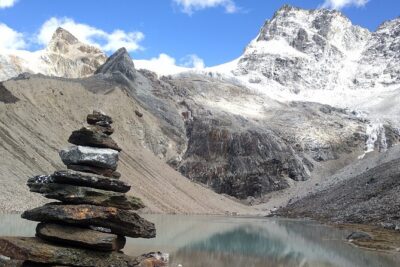
Manaslu Circuit Trek 8th Highest in the World
Read our review →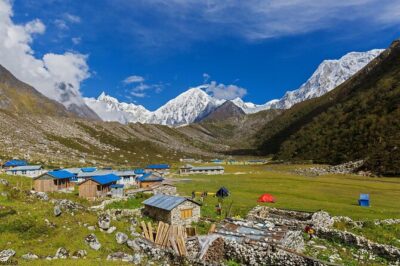
Private 12-Day Manaslu Circuit Trekking in Kathmandu
Read our review →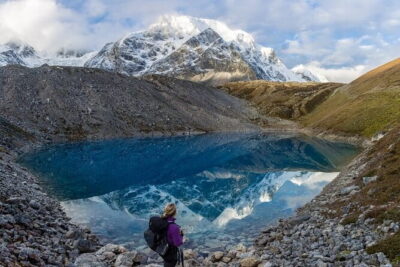
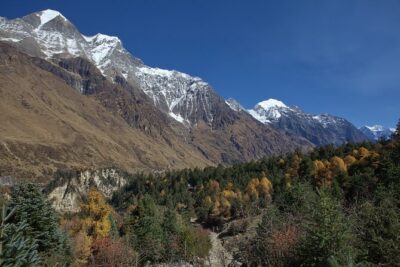
Manaslu Circuit Larkya Pass Trekking 13 days From Kathmandu
Read our review →Browse the lists this tour appears in