
Reviewed · THAMEL
Cook and Eat: Cooking Class in Kathmandu near Thamel
A cooking class in Kathmandu near Thamel is interesting because you learn Nepali food the way locals do, not just how it looks on a menu. You start with tea or coffee, choose what you want to cook, then you shop for ingredients and actually work in the kitchen.
I especially like that you can pick three dishes from a menu, so you control what you eat and what skills you take home. I also like the small-group vibe, where a chef and helper guide you step by step, and you can be hands-on without feeling lost. A possible drawback: you should be comfortable with a true cooking session, meaning you will be cutting and preparing, not just watching politely from the side.
Key Highlights You Should Know
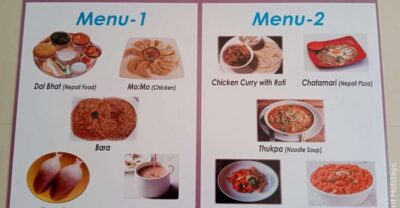
- Choose any 3 dishes from the menu, including favorites like momos
- Tea or coffee on arrival and again before you leave
- Market visit with a guide to find ingredients you will use
- Chef-led cooking with support from an instructor and helper
- Small group size (up to 15), which keeps attention more personal
- You eat what you cook as part of the class
Why Cook in Kathmandu Near Thamel Instead of Just Eating Out
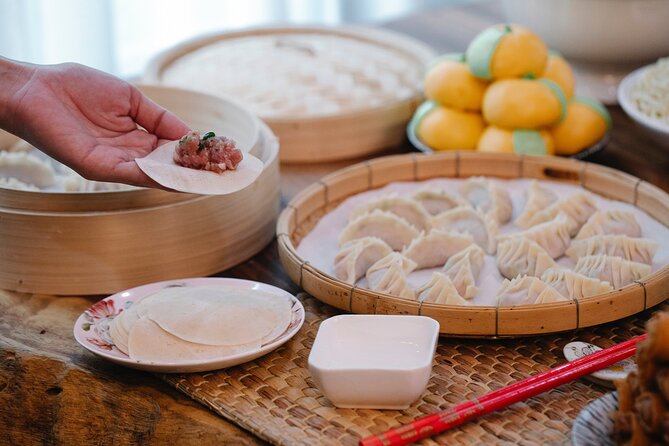
If you’re already in Thamel, it’s easy to fill your days with restaurants. But a cooking class gives you something restaurants usually can’t: the process. You see how spices get used, how dough and filling behave, and how timing matters when several things are happening at once.
This class is also a good fit for your first days in Kathmandu. The kitchen setting is familiar enough to feel comfortable, and the instructions help you build a basic mental map of Nepali staples. You’ll likely recognize the dishes when you spot them later, and you’ll understand what you’re tasting instead of guessing.
Finally, the location is practical. You meet at Shepherd Holidays on Yapikhya Marg, which is close enough to Thamel that you won’t spend your whole day commuting.
More Cooking Classes in Kathmandu
- Half day cooking class in Thamel kathmandu
★ 5.0 · 607 reviews - Kathmandu: Local Women-Led Nepali Cooking & Momo Class
★ 4.9 · 360 reviews - Local Women Lead Nepali Cooking Class
★ 5.0 · 125 reviews
The 3-Hour Flow: Tea, Market, Cook, Eat, and Head Back
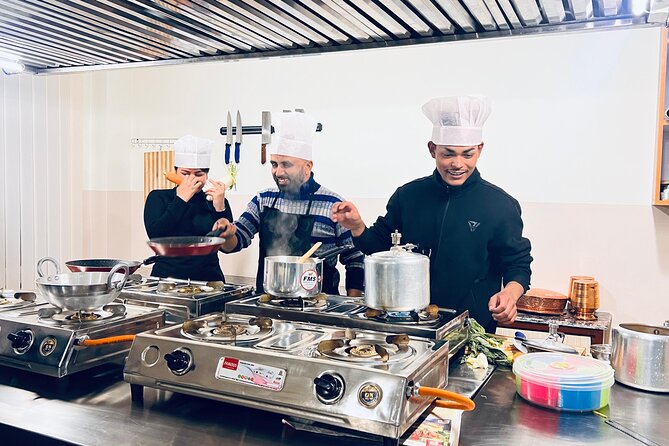
The schedule runs about 3 hours, and it moves in clear stages. First, you get a welcome cup of tea or coffee and a staff introduction. Then you choose three cuisines or dishes from the menu and head out with a guide to a local market to pick up ingredients.
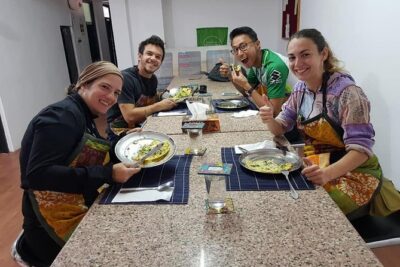
Back in the kitchen, you start cutting and preparing. Cooking begins with the chef, and you work through the full process rather than just assembling one component. When everything is done, you serve and savor the dishes you prepared.
You also get one more tea or coffee before departing, and the activity ends back at the meeting point. That last part matters. You’re not dropped somewhere far away after your meal, so you can keep your day moving.
One practical note: pick-up and drop-off by private vehicle is available only for an extra charge. If you don’t want to deal with taxis or walking, ask ahead.
Choose Your 3 Dishes, Including Momos and Other Crowd Favorites
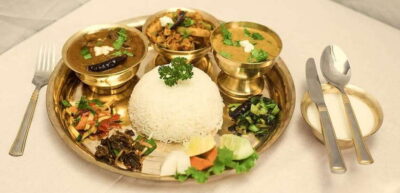
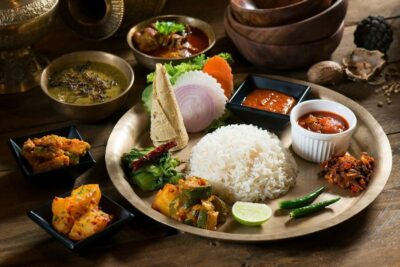
The best part of the format is that you get control over what you cook. You choose any three items from the menu, which means you can focus on what you actually want to eat. If you love dumplings, you can go for momos. If you want something comforting and filling, dal Bhat is a great anchor dish.
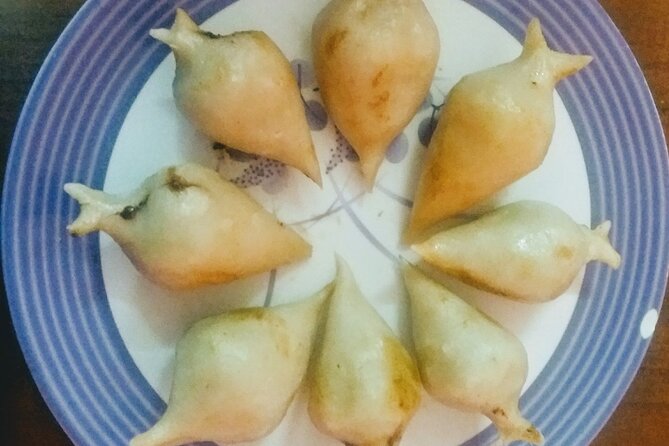
In at least one recent session, the class went with Thukpa, dal Bhat, and yomari, with Chef Vikram and Kamal leading the food steps. That mix shows the range you can expect: noodle soup comfort food, a staple rice and lentil plate, and a sweet steamed treat.
When you’re picking your three dishes, think in pairs. Pick one dish that teaches technique with dough, like momos, and one dish that teaches a flavor foundation, like dal Bhat style cooking. Then add a third dish that matches your mood: soup, noodles, or a sweet option.
Also, remember you’re cooking in a group. Choosing dishes that share similar prep steps can make the class feel smoother, especially if you want to be very hands-on.
Market Visit in Kathmandu: What You Learn Before You Cook
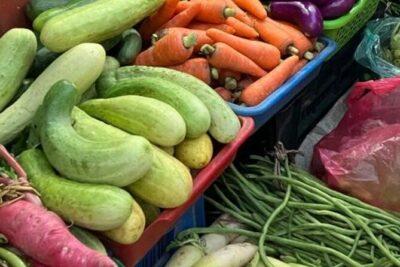
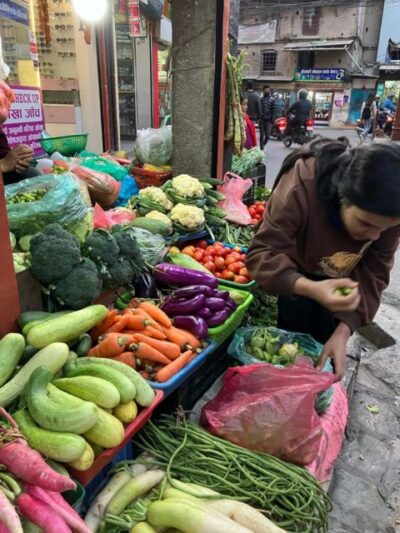
You don’t just hear about ingredients. You actually go to a local market with a guide to select what you will cook with. This is one of the parts that makes the class more valuable than a typical cooking demo.
On a market visit, you pick up two kinds of knowledge. First is practical: you learn what forms ingredients come in, like spice blends, fresh produce, and pantry staples. Second is sensory: you’ll notice how different smells and textures signal the role each ingredient plays.
Even if your goal is simply to eat well, the market time changes your cooking mindset. Back in the kitchen, you’re not working from a vague list. You’re working from ingredients you picked out with the guide, so you understand why that ingredient is there.
One caution, since the class requires good weather: if it’s wet or miserable outside, you may have a less enjoyable market walk. The good news is that the rest of the experience still centers on the cooking and eating.
More that starts in Thamel:
- Best Nepali Cooking Class in Thamel with Local Market Trip
★ 5.0 · 26 reviews - Kathmandu: Wood Carving Workshop with Local Artisan (Thamel)
★ 4.9 · 17 reviews - Private Pickup from Tribhuvan Airport to Thamel
★ 5.0 · 12 reviews - Half Day Cooking Class in Thamel with Local Market Visit
★ 4.5 · 6 reviews
Chef Vikram and Kamal: Hands-On Cooking Without Feeling Lost
In the kitchen, you start cutting and preparing ingredients, then the chef leads cooking from start to finish. In one review, Chef Vikram and Kamal ran the session in a professional environment, and the chef explained everything in excellent English. That combination, clear guidance plus skill, is exactly what you want in a class where you’re actively learning.
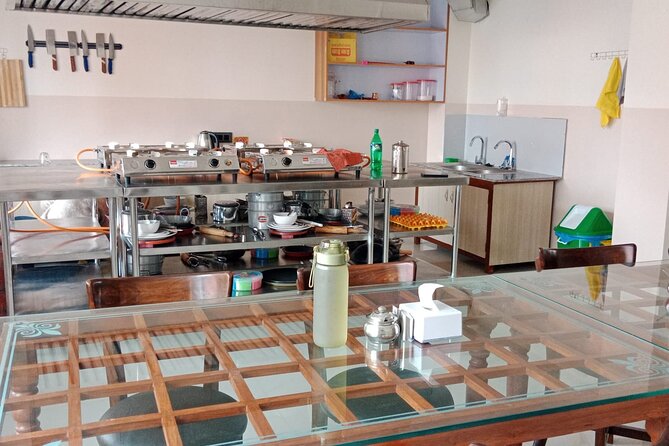
The setup includes instructors and helpers, plus all equipment and ingredients needed. So you don’t need to bring pans or worry about missing tools. Your job is mainly to show up and follow along.
Another useful detail from the experience: the class supports different comfort levels. You can choose to be more hands-on or more involved, and the instruction keeps pace. If you’re nervous, you can watch at first, then jump in once you feel steady. If you love cooking, you’ll likely appreciate the chance to do real prep work instead of just holding a spoon for photos.
Tip for you: ask quick questions as you go. If you’re unsure about a texture, ask what you’re aiming for, not just what step comes next. That turns random cooking into skills you can repeat later.
And yes, you should expect your hands to get messy. That’s part of the deal, and it’s also why the class works.
Serving and Savoring: Eating Like You Actually Made It
This class doesn’t end when the cooking ends. You serve and eat what you prepared, and that matters more than it sounds.
When you taste your own food, you notice details you would miss eating out. For example, dumplings or noodle dishes often depend on subtle balance, like how filling is portioned, how dough is handled, or how long ingredients cook. Dal Bhat type meals also teach you how lentils and rice work together as a system, not as separate plates.
You also get food and drink that were prepared during the class. That means your meal isn’t just an add-on. It’s included because it completes the lesson.
About drinks: the tour information says beverages are not included, while the class includes tea or coffee at set points and the drinks prepared during class. So if you want soda, bottled water, or anything extra, you may need to pay for it separately. Plan for that so you’re not surprised when you want an extra beverage.
Price and Value: Is $24 Worth It?
At $24 per person for about 3 hours, this is the kind of activity that usually offers good value, especially if you’re comparing it to Kathmandu restaurant dinners plus a guided food experience.
Here’s why the price feels fair based on what you get:
- Ingredients and equipment are included, so you’re not paying for supplies on top of the tuition
- Food and drink from the class are included, so you’re getting a meal, not a snack
- You get instruction plus a helper, which matters for safety and learning when you’re handling food
- The class size is capped at 15 travelers, which typically means more attention than a mega-group activity
You also get flexibility from choosing three dishes. That lets you match the class to your taste budget. If you pick dishes you truly like, you don’t end up feeling like you paid to cook something you don’t care about.
One value check for you: decide your priorities before you book. If you want a fun meal with minimal effort, a restaurant may be cheaper. If you want skills, context, and a full hands-on session, the price lines up well.
What to Bring (and What to Ask) for a Smoother Class
The good news is that the class provides ingredients, equipment, instructor support, and the meal. That reduces what you need to pack.
Still, you should plan for a cooking environment:
- Wear clothes you don’t mind getting a little flour or spice on
- Tie back long hair
- Bring basic personal items you normally use in hot places, like sunscreen and a small towel, if you get sweaty easily
- If you have allergies or dietary needs, you should mention it when booking or at confirmation, because you’re choosing dishes and working with ingredients
You may also want to ask which dishes are easiest for beginners if you’re unsure. Since the class lets you pick any three dishes, it helps to know which options work best with your skill level and time in the kitchen.
From the experience, the team includes clear guidance, and in one case a manager made sure the participant got back to their hotel. While you shouldn’t count on extra help without asking, it’s a sign the team takes coordination seriously.
Who This Class Is Best For
This is a smart choice if you want Nepali food without guessing. If you’re the type who gets curious about how things are made, you’ll enjoy the step-by-step cooking and the market ingredient context.
It also works well if you’re traveling with friends or small groups. The class runs with a maximum of 15 people, and recent groups have been small enough to feel friendly and manageable.
If you want a family style meal and don’t care about learning, you might find it more work than you expected. But if you like learning by doing, this class is exactly that. You’re not just eating, you’re producing.
Should You Book This Cooking Class in Kathmandu?
My take: book it if you want a hands-on, guided introduction to Nepali cooking that ends with you eating your own dishes. The combination of a market visit, chef-led preparation, and included meal makes it more than a one-time food stop.
Book with extra care if you hate messes or prefer fully passive activities. Cooking involves cutting and prepping, and you will be in the kitchen environment for most of the session.
One final decision tip for you: when choosing your three dishes, pick at least one that you can easily recognize in Kathmandu later. If you can later spot momos, dal Bhat, Thukpa, or yomari and say, I know what’s happening here, the class has done its job.
FAQ
What dishes can I choose during the class?
You can choose any three items from the menu to cook.
How long is the cooking class?
The class runs for about 3 hours.
Where does the class start and end?
You start at Shepherd Holidays, Yapikhya Marg, Kathmandu 44600, Nepal, and the activity ends back at the same meeting point.
Is pick-up or drop-off included?
Pick up and drop off by private vehicle is not included, but it is available for an extra charge.
What’s included in the price?
The class includes ingredients and all equipment, an instructor and helper, and the food and drink prepared during the class.
Are beverages included?
Food and drink prepared during the class are included, but beverages are listed as not included, so extra drinks may cost extra.
Is the instruction in English?
One recent review specifically noted the chef explained everything in excellent English, so you may find instruction is delivered clearly.
What if the weather is bad?
The experience requires good weather. If it is canceled due to poor weather, you will be offered a different date or a full refund.
Is there free cancellation?
Yes, you can cancel for a full refund up to 24 hours before the experience’s start time.
Latest Kathmandu write-ups
- Langtang Valley Trek★ 5.0 · 3 reviews
- Khopra Danda Trek★ 5.0 · 3 reviews
- Langtang Valley Trek from Kathmandu★ 5.0 · 3 reviews
- 5 night / 6 days Kathmandu Nagarkot Chitwan Pokhara tour★ 5.0 · 3 reviews
- Nepal Highlights Tour: 5 Nights 6 Days Kathmandu & Pokhara Tour★ 5.0 · 3 reviews
- Kathmandu Valley Private Day Tour★ 5.0 · 3 reviews
- Conquer the Himalayas: The Ultimate 16-Day Annapurna Circuit Trek★ 3.5 · 3 reviews
- Kathmandu Heritage Day Tour★ 5.0 · 3 reviews
Thamel, compared.
Best Nepali Cooking Class in Thamel with Local Market Trip
Read our review →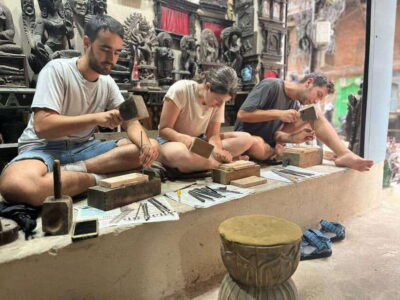

Browse the lists this tour appears in