Reviewed · PRIVATE
Private Half Day Tour in Kathmandu
This half-day Kathmandu Valley tour is a smart way to see major UNESCO sites without losing a whole day to logistics. You get two iconic stops in about 3 hours, plus a guide who can explain what you are actually looking at, not just point and move.
I love how the experience is guided by a real Kathmandu expert, with standout comments about guides like Nilakantha Acharya (and also Kamal, Kumar in other tours). I also love the pacing, because it gives you enough time at Kathmandu Durbar Square for carvings and palace courtyards, and enough time at Swayambhunath for the big stupa and the 360-degree view over the valley.
One consideration: monument entrance fees are not included, and the listed total is $20 per person on top of the tour price. If you hate surprise add-ons, budget for that before you go, and plan on skipping food unless you want to pay for snacks yourself.
Quick hits you should know
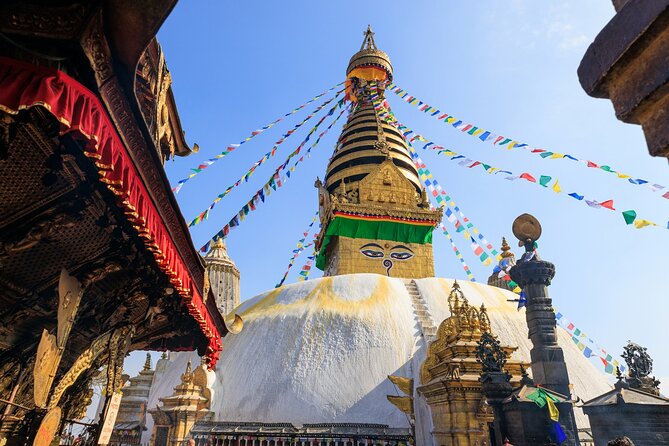
- UNESCO focus: You visit two of the five major UNESCO World Heritage Sites in Kathmandu Valley.
- Driver plus guide: Air-conditioned vehicle with pickup, plus an experienced local guide.
- Two classic pairings: This sample route includes Kathmandu Durbar Square and Swayambhunath.
- Meaningful viewing: You are not just looking at temples, you learn what they represent for Buddhists and Hindus.
- Great photo moments: Swayambhunath offers sweeping valley views, and guides will help with photos.
- Extra cost for entry: Entrance fees are separate, listed at $20 per person.
A 3-Hour Kathmandu Valley Hit That Still Feels Human
Kathmandu Valley can swallow time fast. Traffic, finding parking, and figuring out which lane goes where can turn a quick plan into a long day. This tour keeps things tight and practical, with a total of about 3 hours and a private setup where you and your group set the pace.
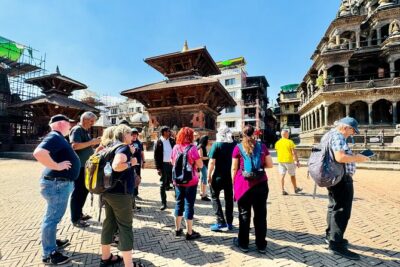
The format matters. You are not blending into a big crowd and hoping the group leader notices the detail you care about. It is private, with pickup offered and an air-conditioned vehicle doing the “get us there safely” part of the work.
You also get a guide who can translate the sites into everyday meaning. At Kathmandu Durbar Square, that means understanding how Newari craftsmen shaped the facades. At Swayambhunath, it means sorting out the Buddhist and Hindu layers and why the hilltop matters to multiple communities.
More to compare around Kathmandu
- Everest Base Camp Trek – 14 Days
★ 5.0 · 1,499 reviews - Everest Base Camp Trek
★ 5.0 · 842 reviews - Private Kathmandu Sightseeing Tour | UNESCO World Heritage sites
★ 5.0 · 756 reviews
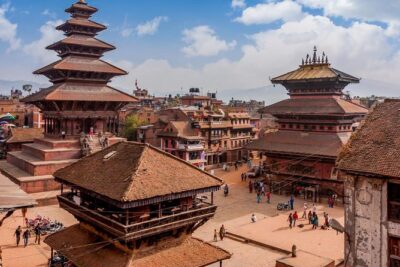
Kathmandu Durbar Square: Newari Carvings Inside a Royal Courtyard
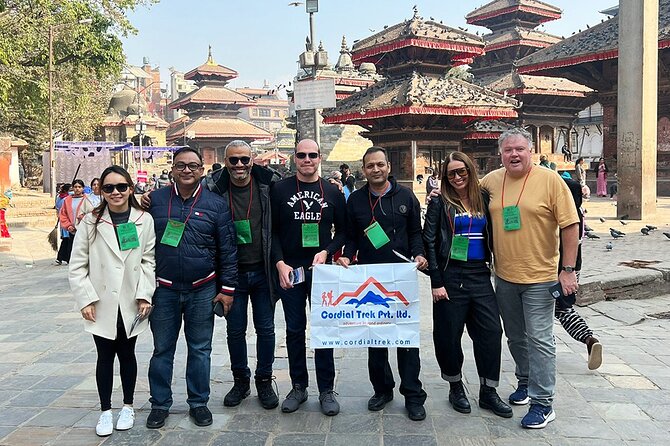
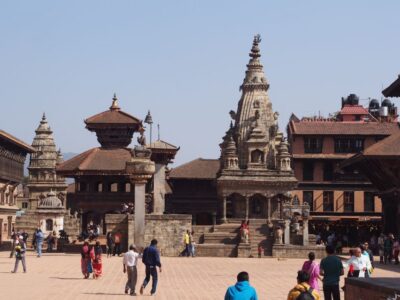
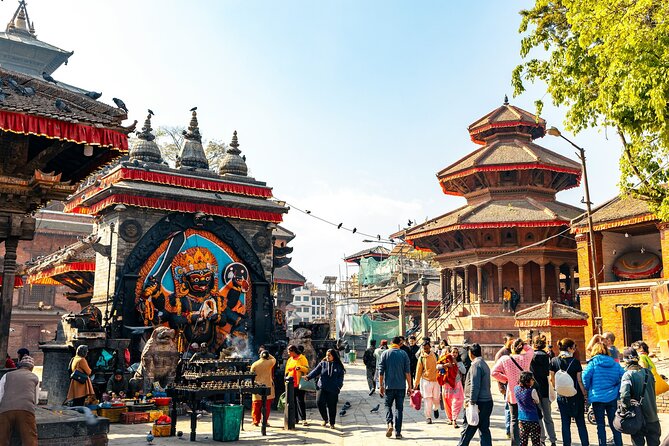
Kathmandu Durbar Square is one of the Durbar Squares in the valley, meaning it was tied to royal palace complexes. Construction began centuries ago, with the major structures added over later periods. What you see today is a blend of temple work, palace courtyards, and architecture connected to different dynasties.
Here is what I would expect you to focus on at a good pace:
- The outer complex with 16th-century temples associated with the Malla kings.
- The carved facades that show Newari architecture at its finest.
- The central palace-courtyard area, shaped by both the Malla and Shah periods.
The biggest reason this stop works on a half-day is that you can “read” the place as you walk. With a guide like Nilakantha Acharya, the carvings are not just decoration. They connect to how the square functioned, who built what, and why certain spaces mattered.
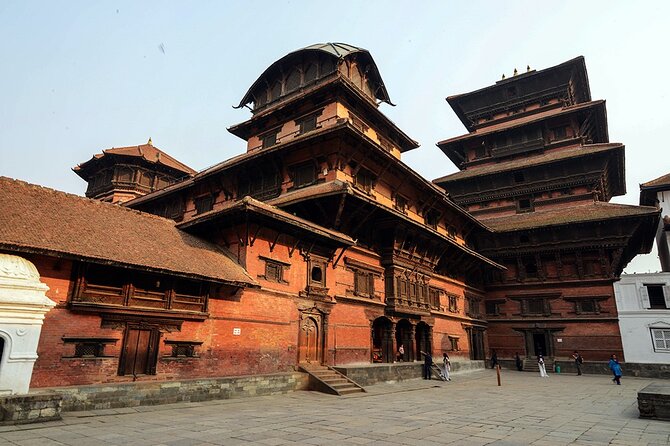
You also get time for the major highlights rather than sprinting through. Nautale Durbar is one of those anchors, described as a nine-story palace built by Prithvi Narayan Shah. Even if you do not memorize the full story of every structure, it helps to understand what the buildings are, and how they were meant to be seen together.
A realistic drawback at Durbar Square
This is a complex historic site. If your group wants very specific answers and you do not hear them right away, you may need to ask again or rephrase. In a private setting, the guide can usually adjust, but you will get better results if your questions are clear and pointed.
Swayambhunath (Monkey Temple): The Stupa, the Names, and the View
Swayambhunath is the kind of place that rewards stopping and looking up. The headline is a large stupa called the Mahachaitya, sitting on a hill that turns the whole experience into a vertical walk through sacred space.
What I really like here is how the site is explained through multiple cultural lenses:
- The Tibetan name for Swayambhunath connects to the idea of sublime trees, referencing the varieties of trees found on the hill.
- The Nepali Newar traditions include a name explanation tied to self-sprung, meaning Swayambhu in origin stories.
- For Buddhist Newars, it is described as central in myth and daily religious practice.
- For Tibetans and followers of Tibetan Buddhism, it is second only to Boudha.
- It is also referred to through Hindu naming traditions.
So you end up with more than a view. You end up with context for why people care about this hilltop, and why it is visited again and again.
Then there is the practical pay-off: Swayambhunath offers a 360-degree view of the Kathmandu Valley. This is one of the places where your guide’s timing matters, because you want to be at the viewpoints when you can actually see the valley clearly.
A different sort of day out of Kathmandu:
- Kathmandu: 7 UNESCO Sites with Lunch
★ 4.8 · 744 reviews - Everest Base Camp Helicopter Tour landing at Everest View Hotel
★ 5.0 · 668 reviews - Half day cooking class in Thamel kathmandu
★ 5.0 · 607 reviews - Everest Base Camp Trekking
★ 5.0 · 485 reviews
What to watch for during your time here
This stop is not just a “look at the stupa” moment. The best half-day version is when you slow down enough to notice details while keeping an eye on the overall time. Plan for a mix of learning and photos, and you will leave feeling like you understood why the temple complex is a big deal, not just that you walked around it.
Private Pickup and Air-Conditioned Comfort in Kathmandu Traffic
Kathmandu is not known for stress-free car rides, so the inclusion of an air-conditioned vehicle is a real comfort upgrade. You also get pickup offered, which matters when you are trying to conserve energy for the temples, courtyards, and viewpoints.
Because it is a private activity, you are not dealing with the chaos of coordinating where everyone stands for photos. Your guide can also tailor your focus. Some groups reported that the guide matched what they wanted to see and even took plenty of pictures, which is helpful if you want souvenirs without constantly handing your camera to strangers.
There is one more practical benefit: a tour like this is easier to fit into your schedule when you do not want to spend your only free half-day managing multiple taxis. The tour is designed for a quick, structured window, and that structure usually beats “winging it” if you are short on time.
How the guide can change your experience
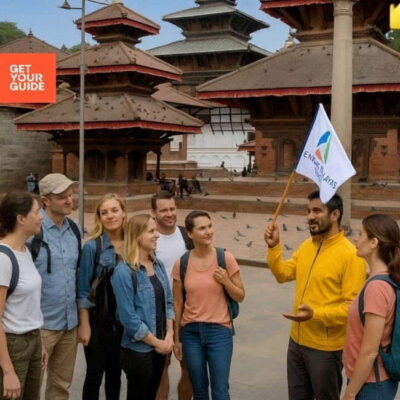
The guide is the difference between seeing temples and understanding them. You will hear detailed explanations at both Durbar Square and Swayambhunath, and the best tours are the ones where you feel comfortable asking questions.
Based on the range of guides named in real experiences, you might get Nilakantha Acharya, Kamal, or Kumar. The common thread is that people valued the explanations and the patience.
Price and Value: What $40 Covers, Plus the $20 Entrance Fees
Let’s talk money in a way that helps you plan. The tour price is $40 per person, and the duration is around 3 hours with:
- an air-conditioned vehicle
- an experienced tour guide
- pickup offered
- a private format with only your group
- a mobile ticket
That combination is good value if you want two major sites without spending your time solving transport and site-order puzzles. In cities with traffic and complex layouts, paying for a guide and vehicle can actually be cheaper than the hidden costs of taxis, wrong turns, and lost hours.
Now for the part that can surprise people: monument entrance fees are not included. The listed cost is $20 per person. That means your all-in budget is closer to $60 per person before food and drinks.
Food is on you
Food and drinks are not included. That does not make the tour worse, it just means you should plan a snack or a meal before or after. Since you are at religious sites, it can also be nicer to have water ready so you can stay comfortable during pauses for photos and viewing.
Which UNESCO Stops Are On the Menu, and How to Choose
This tour has options that rotate through Kathmandu Valley UNESCO sites. You select from itineraries that visit two of the five:
- Kathmandu Durbar Square
- Swayambhunath (Monkey Temple)
- Patan Durbar Square
- Pashupatinath Temple
- Boudhanath Stupa
In the specific route described here, the pair is Kathmandu Durbar Square and Swayambhunath. That combination works well if you want both a palace-courtyard heritage experience and a hilltop stupa view with strong Buddhist and Hindu connections.
If your priorities are different, you can choose other combinations. For example, if you want a different kind of “old city” feel, Patan Durbar Square is another strong palace-courtyard option. If you want a major pilgrimage temple tied closely to Hindu devotion, Pashupatinath Temple is one of the choices. And if you prefer a large stupa atmosphere and a slower sacred vibe, Boudhanath Stupa is the other classic pairing option.
My quick decision rule
If you have limited time and want a mix of architecture, religion, and views, the Kathmandu Durbar Square plus Swayambhunath pairing is an easy win. If you already planned for those elsewhere, pick the combination that covers what you are missing, not what you think you should do.
Timing, Comfort, and How to Make the Most of 1.5 Hours Per Stop
This tour keeps it to about 1 hour 30 minutes at each stop. That is enough to see the key parts without feeling like you are trapped in a museum route.
For comfort, think about two needs:
- You will be walking around active sacred sites, including areas where you pause for viewpoints and photos.
- You will want to ask questions and still stay on schedule.
If you want photos, Swayambhunath is the place to plan for them. The hilltop is where the 360-degree view happens, so build in time to stop and frame shots. Guides who take photos for you can be a big help here, especially if you do not travel with someone who loves being the photographer.
What to bring (nothing fancy)
Wear comfortable shoes and bring a light layer. Kathmandu weather can shift, and religious sites often mean more standing around than you expect. Also bring cash for snacks or any extra costs you know you will have, since food and drinks are not included.
Who This Half-Day Kathmandu Tour Fits Best
This is a good match if you:
- have only a short window and want to hit major UNESCO sites
- prefer private guiding rather than navigating on your own
- want context, not just a checklist of places
It is also designed so that most travelers can participate, and it is near public transportation, which can make it easier to connect before or after. The pickup helps if you do not want to do the mental map work while you are already tired.
If you like learning from a guide, this tour is especially rewarding. People consistently valued how the guide explained history and meaning at both Durbar Square and the Monkey Temple.
The main “not for everyone” type is the traveler who wants total freedom to wander with no structure and no extra spending. With separate entrance fees and a set half-day rhythm, you need to be okay with a guided plan and a little budgeting.
Should You Book This UNESCO Half-Day Kathmandu Valley Tour?
If you want the best odds of seeing two top UNESCO sites without wasting time, I think this is worth booking. The private format, guide-led explanations, and air-conditioned pickup make the experience feel efficient without being rushed.
Do it if your priority is a clear “see and understand” day, especially with a guide like Nilakantha Acharya. Just budget for the $20 per person entrance fees and remember food is on you.
If you hate added costs or want more than two stops, you may feel shortchanged. But if you are trying to make Kathmandu Valley fit into a tight schedule, this half-day plan is one of the easier ways to get real value fast.
FAQ
How long is the private half-day tour?
The tour runs for about 3 hours total.
Which UNESCO World Heritage Sites can the tour include?
You can choose itineraries that visit two of the five UNESCO sites: Kathmandu Durbar Square, Swayambhunath (Monkey Temple), Patan Durbar Square, Pashupatinath Temple, or Boudhanath Stupa.
What is included in the tour price?
The included items are an air-conditioned vehicle, an experienced tour guide, and a 3-hour city tour.
Are monument entrance fees included?
No. Monument entrance fees are listed as $20.00 per person, and they are not included in the tour price.
Does the tour offer pickup?
Yes, pickup is offered.
Is this tour private or shared?
It is private, meaning only your group participates.
Is free cancellation available?
Yes. You can cancel for a full refund up to 24 hours in advance of the experience start time.
Latest Kathmandu write-ups
- Langtang Valley Trek★ 5.0 · 3 reviews
- Khopra Danda Trek★ 5.0 · 3 reviews
- Langtang Valley Trek from Kathmandu★ 5.0 · 3 reviews
- 5 night / 6 days Kathmandu Nagarkot Chitwan Pokhara tour★ 5.0 · 3 reviews
- Nepal Highlights Tour: 5 Nights 6 Days Kathmandu & Pokhara Tour★ 5.0 · 3 reviews
- Kathmandu Valley Private Day Tour★ 5.0 · 3 reviews
- Conquer the Himalayas: The Ultimate 16-Day Annapurna Circuit Trek★ 3.5 · 3 reviews
- Kathmandu Heritage Day Tour★ 5.0 · 3 reviews
Private, compared.
Private Kathmandu Sightseeing Tour | UNESCO World Heritage sites
Read our review →