
Reviewed · TIBETAN SETTLEMENT VISITS
Full Day Tibetan Cultural Tour
This is interesting because you are not just looking at Tibetan culture in a museum style way, you are getting close to daily life in the Pokhara area. With Mr. Thupten Gyatso, a Tibetan guide rooted in the region, the day is built around conversations, not quick photo stops. You’ll see how faith, craft, and traditional medicine fit together in real community spaces.
I love two things most. First, you get to ask questions during real encounters, like speaking with a Tibetan doctor who includes pulse reading in the consultation. Second, the day has hands-on food moments, from butter tea to making tsampa, plus time for group prayer chanting in a monastery setting.
One possible drawback: it is a long, packed day at 8 hours, and you’ll do a fair amount of walking and moving between sites. If you prefer slow and quiet sightseeing, you might find the schedule a bit full.
Key highlights you should know before you go
- Two Tibetan refugee settlements near Pokhara, so you can compare how traditions are kept alive
- Monastery life with interaction, including afternoon group prayer chanting and time to talk with a monk
- Carpet workshop to showroom flow, starting with hand-making and ending with finished pieces
- Tibetan traditional medicine session, including a doctor consultation with pulse reading
- Food you actually eat, like Tibetan momos and thenthuk, plus butter tea and tsampa
- Small group setup (up to 8 people), which makes questions easier and the pace more human
Tibetan culture in Pokhara that you can question, not just watch
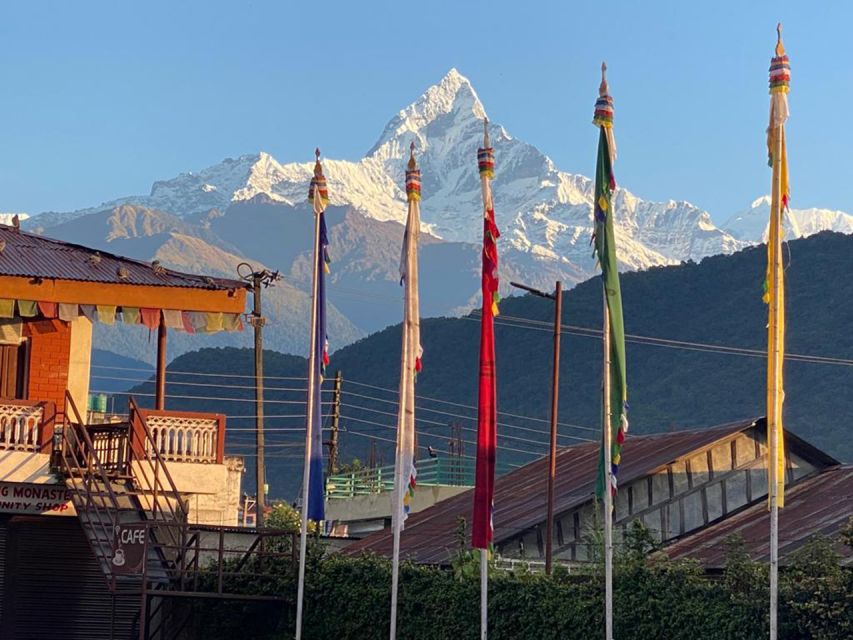
In Pokhara, you can fill a day with views and viewpoints. This tour points you somewhere more personal: Tibetan communities in the Western Region of Nepal, where culture is carried daily, not only performed for tourists. It is a full-day outing, 8 hours long, with a small group size capped at 8, so the guide can answer questions instead of rushing you along.
The real differentiator is that Mr. Thupten Gyatso does more than explain. He helps you connect symbols to daily meaning, links history to present life, and makes space for interaction with people who live the culture. That matters because Tibetan culture is visual, spiritual, and practical at the same time, and you only get that whole picture when you can ask what something means to someone who uses it every day.
More Full-Day Tours in Pokhara
- Full-Day Tibetan Cultural Tour to Tibetan Settlements Pokhara
★ 5.0 · 184 reviews - Pokhara: Full-Day Sharing Bus Tour on 7 Iconic Destination
★ 4.1 · 179 reviews - Pokhara: Full-Day Private Tour on 7 Iconic Destination
★ 4.8 · 108 reviews
Getting started from Lakeside and how the day is paced
Pickup is included if you stay around the Lakeside area in Pokhara. If your hotel is outside Lakeside, there is an extra transportation fee that depends on your location. Plan to be ready for a morning start so you can fit the full sequence without sprinting.
The day is structured into a few longer blocks, which helps. You get time to walk and settle in at the two settlement areas, and you have shorter focused stops for the monastery institute and the carpet work and viewing. Because it is small group and English speaking, you should also expect more back-and-forth, like you can keep asking follow-up questions.
One more practical note: the tour is not suitable for wheelchair users, and it also says children under 2 are not accepted. If you are traveling with anyone who needs extra mobility support, plan accordingly.
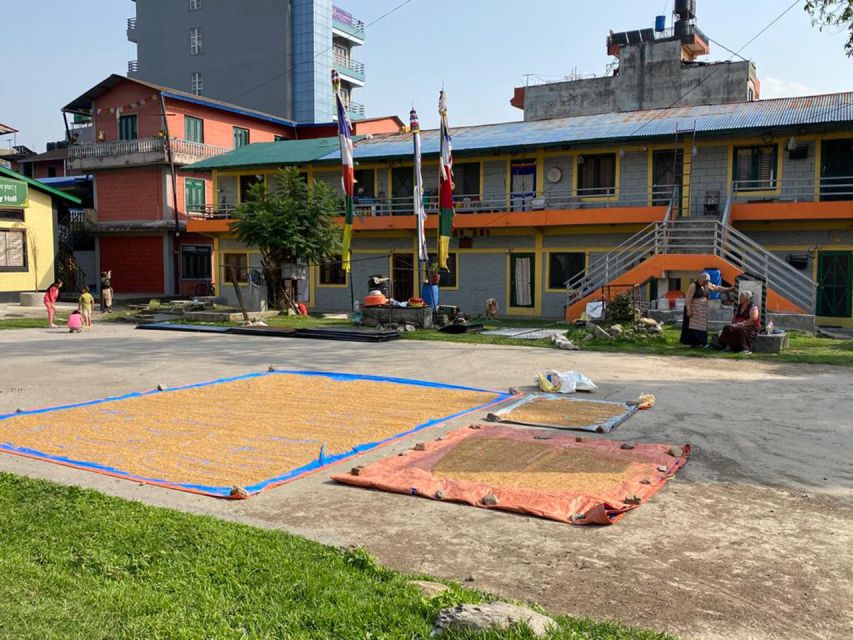
First Tibetan settlement: Tashiling, tea, food tasting, and identity in daily routine
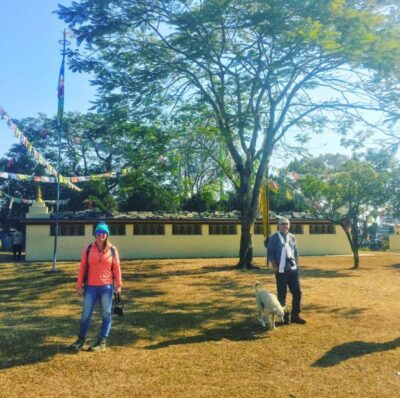
The day’s first major stop is Tashiling Tibetan settlement. You start with a photo stop and a scenic drive with views en route, then you move into a guided walk and sightseeing. This portion is built for orientation, so you can see how communities are organized and how daily routines shape community life.
What I think makes this stop valuable is the mix of context and texture. You’re not only shown buildings. You’re introduced to the “how” of living traditions, from what people do during the day to how hospitality shows up in the form of tea and casual food tasting.
In practical terms, budget energy for some walking and standing. The payoff is that you get an early sense of continuity, how language and Buddhist traditions are maintained in Nepal, not just remembered.
Monastery stop at Pema Ts’al Sakya Monastic Institute and the meaning of symbols
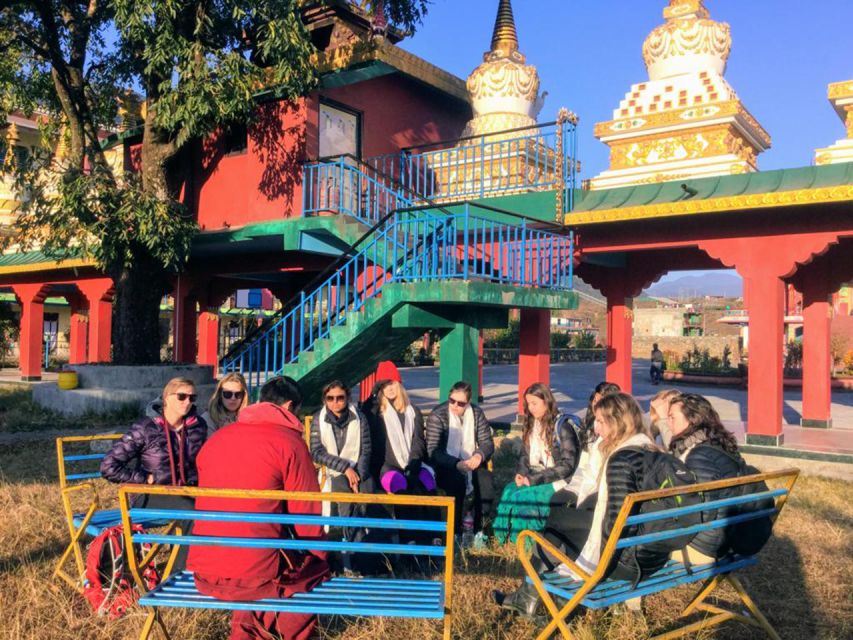
Next comes Pema Ts’al Sakya Monastic Institute, a shorter stop around 1 hour, with photo opportunities and guided touring. Even with the shorter timing, the tone shifts toward spirituality and structure.
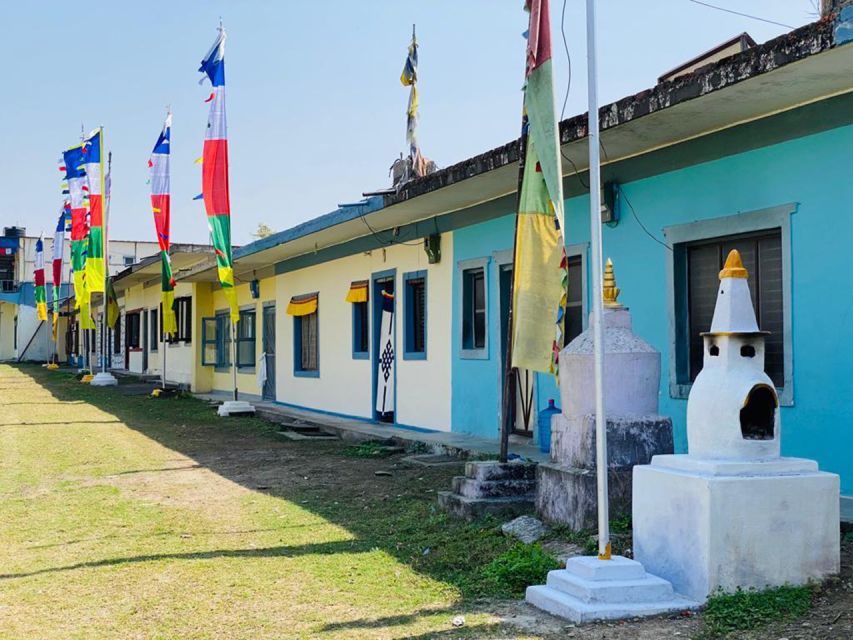
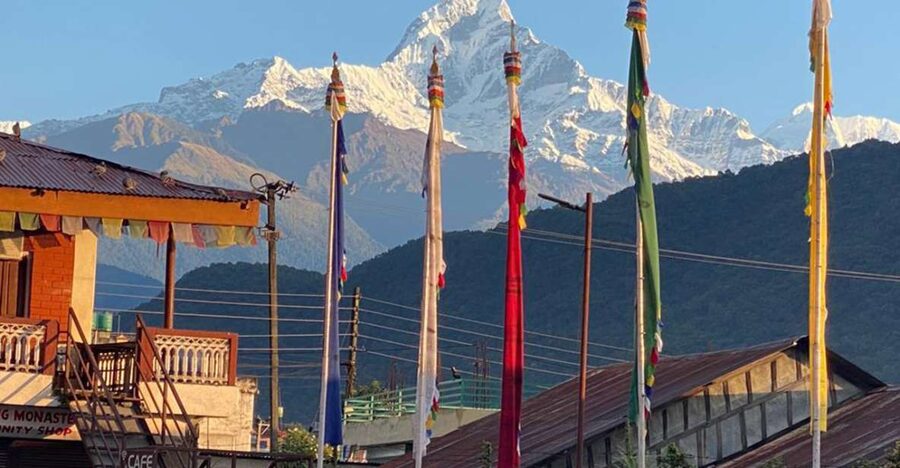
This is where the day starts teaching you a Tibetan “visual language.” You’ll learn meanings of Buddhist signs and symbols used in everyday life, like prayer wheels, prayer flags, and stupas. If those items felt decorative to you before, the goal here is to connect them to practice and belief. Symbols matter more when you understand what they represent and how they guide behavior.
Keep your questions ready. If you’ve ever wondered why something is shaped a certain way, or what the colors or placement signal, this is the moment to ask. A big part of the tour’s value is how much time the guide gives to explanation during real encounters.
More Historical Tours in Pokhara
- Afternoon Tibetan cultural tour
★ 5.0 · 41 reviews - Half day Tibetan cultural tour
★ 5.0 · 4 reviews
Hemja refugee camp: tea, brunch snacks, and a second settlement perspective
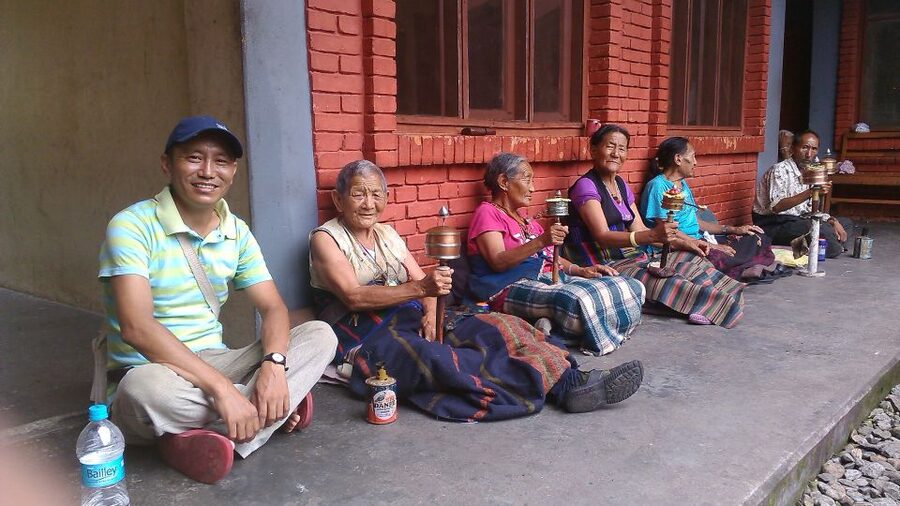
After that, you head to Tibeten Refugee Camp Hemja for about 2.5 hours. Expect a photo stop, tea, brunch or snacks, guided touring, plus time for walking and local food tasting. This is your second settlement, and that is key.
Seeing two different communities gives you a more honest picture. Tibetan refugees in Nepal share core cultural and religious identity, but day-to-day life can still look different based on community history, space, and how generations organize learning, work, and worship. Comparing two settlements helps you avoid a “one place equals everything” mindset.
This stop also tends to be emotionally memorable in a quiet way. You’re not watching a script. You’re seeing how people keep routines going, how people host visitors, and how faith and community support show up through ordinary moments like tea and snacks.
Carpet workshop and the hand-made craft you can actually watch
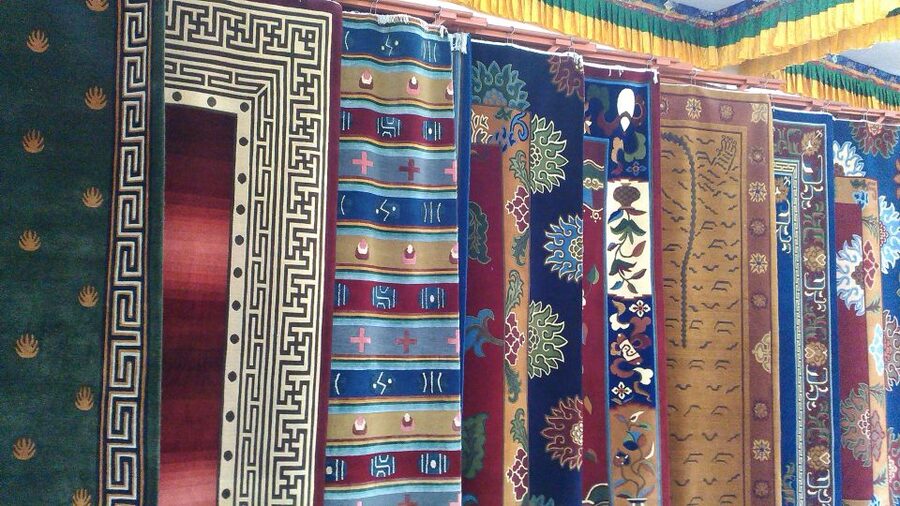
If you like crafts, this is one of the strongest parts of the day. You’ll visit a carpet workshop to see how Tibetan carpets are made by hand. Then later you’ll go to a carpet showroom to explore different designs and colors.
The workshop portion is important because it moves carpet from “pretty object” to “process you can respect.” You learn the sequence of work and the skill involved, and you get a chance to connect design with meaning and identity. Carpet design can look purely aesthetic if you are not told anything. With a guided walk through the making, you start noticing why patterns and color choices matter.
A practical tip: if you’re shopping, don’t make decisions instantly. After seeing the hand-making process and then walking around the showroom, you’ll be in a better position to spot quality and understand what is being offered. If you are not shopping, the workshop is still worth it because you’ll come away understanding how labor becomes art.
Meeting Tibetan traditional medicine: doctor consultation and pulse reading
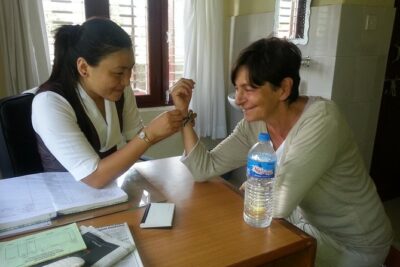
Another major highlight is a visit to a Tibetan medical center and a consultation with a Tibetan doctor. The consultation includes pulse reading. If you’re interested, you can purchase medicines separately, but those purchases are not included.
This part of the day is genuinely educational because Tibetan medicine is not presented like a novelty. It is offered as a living system with its own diagnostic method. Pulse reading is especially interesting because it shows how practitioners pay attention in a very direct, tactile way. Even if you don’t fully grasp the medical logic, you’ll walk away with a clearer understanding of how the system thinks and how diagnosis leads to treatment choices.
If you have health questions, keep them respectful and simple. The goal is learning, and your doctor consultation is part conversation, part observation.
Lunch, momos, and thenthuk, plus tea at a local family home
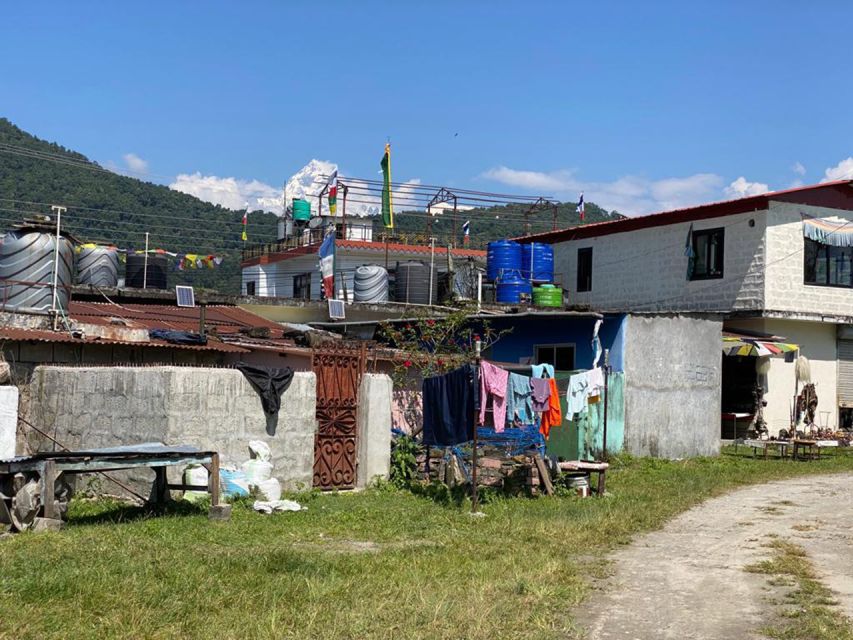
Food is not an afterthought on this tour. You’ll have an afternoon lunch with Tibetan food at a local Tibetan restaurant, with vegetarian and non-vegetarian options available. Based on what you can expect from the menu style, you may find Tibetan momos and thenthuk, a nourishing soup made with freshly kneaded dough plus meat and vegetables.
After lunch, you’ll get a traditional afternoon tea at a local Tibetan family home. This is where salted butter tea and tsampa usually enter the story, along with Tibetan bread and options like honey, butter, and peanut butter. It’s both delicious and instructive, because the guide can explain what these foods mean in daily life, not only how they taste.
Two practical notes:
- Butter tea can be strong if you are not used to it, but it is also a great way to taste a core staple.
- If you have dietary restrictions, tell the guide ahead of time so restaurant choices can match what’s available.
Buddhist monastery prayer chanting: instruments, vibration, and how ritual feels
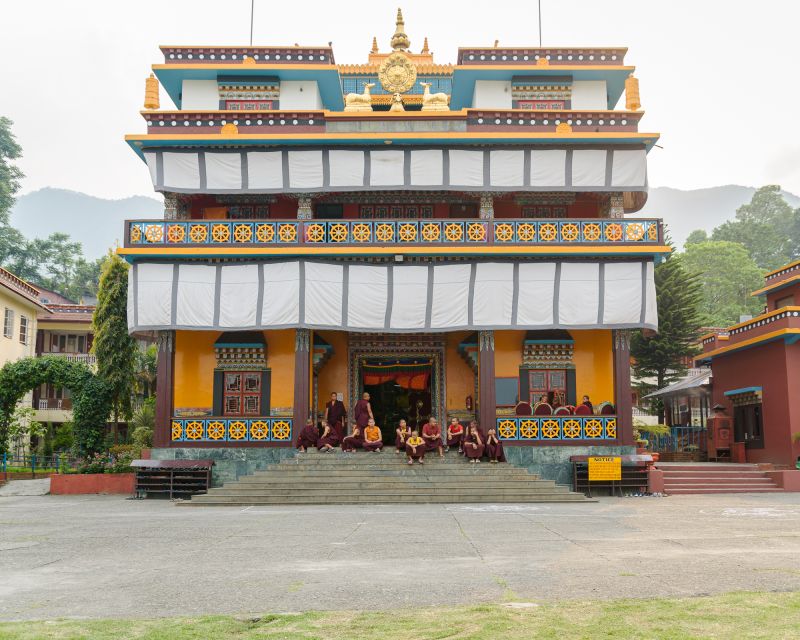
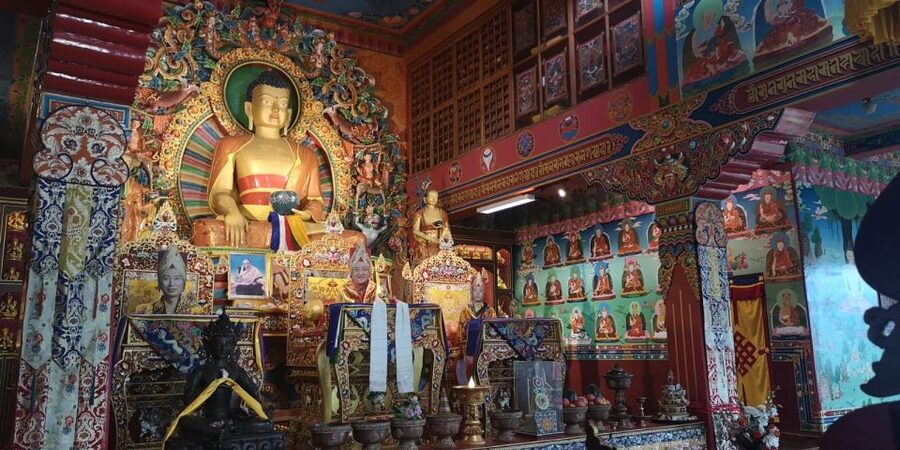
Later in the day, you’ll visit a monastery and attend afternoon group prayer chanting. You’ll learn about monks’ lives and the significance of Buddhist symbols in daily practice. Then you’ll listen to the sound of different instruments used during the ceremony, and you’ll be close enough to feel how the chanting moves through the space.
This is one of those experiences that is hard to reduce to words, which is exactly why it works. Watching ceremony from a distance can feel like a performance. Being part of the group time changes the feeling. You hear rhythm, breath, and call-and-response patterns more clearly.
If you have a moment of quiet self-check, do it here. Turn off the urge to film constantly and just listen. This is where the day’s spiritual side becomes real.
Time with a monk and what monastic life actually involves
You’ll also have conversation time with a Buddhist monk. You may even meet a young monk to learn more about monastic lifestyle, studies, and daily activities.
This is where the small group setup helps again. With a bigger tour crowd, interactions become brief. Here, you can ask more than one question and follow the thread of the answer. The tour is designed so you leave with more than facts about Buddhism. You learn how daily study and practice shape life inside monastic walls.
How to judge the value of an $82, full-day tour
At $82 per person for an 8-hour cultural day, the value comes from the combination of access and variety. You’re paying for a licensed-feeling guided experience with:
- transportation pickup and drop-off around Lakeside
- entry to Tibetan settlement spaces and monastery areas
- a carpet workshop plus showroom time
- a Tibetan medical center consultation with pulse reading
- Tibetan lunch and tea experiences
If you tried to stitch this together on your own in Pokhara, you’d likely spend a lot more time coordinating and still struggle to arrange meaningful conversations. The guide’s role is not just translating language. It is translating context, which is what makes visits like the doctor consultation and prayer chanting actually connect to your understanding.
Who this tour suits best
This tour fits you best if you want cultural education with real human contact. You’ll likely enjoy it if you:
- like asking questions and learning from explanations
- want a balanced mix of religion, craft, medicine, and food
- prefer small group tours where the guide can respond to your interests
- are curious about Tibetan life in exile communities near Pokhara
Who might want a different day
Skip this tour if you dislike structured itineraries, because the day is packed. Also consider a different option if walking is hard for you, since wheelchair access is not supported. If you travel with very small kids, the age limit of under 2 means you’ll need another plan.
Should you book the Tibetan Cultural Tour near Pokhara?
Yes, I’d book it if you want more than sightseeing. The strongest reason is the access: monastery prayer chanting, conversations with a monk, and a Tibetan doctor consultation with pulse reading, plus a carpet-making workshop and authentic Tibetan meals.
I would not book it if you’re looking for open-ended freedom or a light, slow afternoon. This is a teaching day. It rewards curiosity, good listening, and an attitude of respectful questions.
If you’re staying around Lakeside, you’ll also appreciate the included pickup and drop-off, and the small group size makes it feel personal instead of rushed. For $82, you’re paying for a rare mix of places and people in one organized day, with Mr. Thupten Gyatso doing the heavy lifting of clarity and connection.
FAQ
What is the duration of the Tibetan Cultural Tour from Pokhara?
The tour lasts 8 hours.
Where does pickup happen?
Pickup is included for guests staying around Pokhara Lakeside. If your hotel is outside Lakeside, there is an additional transportation fee depending on your hotel location.
What is included in the tour price?
The tour includes an English live guide, visits to two Tibetan refugee settlements, a Tibetan carpet workshop and showroom visit, a visit to a Tibetan medical center with a doctor consultation (including pulse reading), Tibetan lunch and afternoon tea, plus monastery visits with prayer chanting and conversation time.
How large is the group?
The group is limited to 8 participants.
Is the tour available for wheelchair users?
No, the tour is not suitable for wheelchair users.
What food can I expect during the day?
You’ll have Tibetan lunch at a local Tibetan restaurant, and you can expect Tibetan momos and thenthuk. You’ll also taste salted butter tea, tsampa, and Tibetan bread with options like honey, butter, and peanut butter.
More Visits to the Tibetan Settlements in Pokhara
- Pokhara: Private Half-Day Tour and Tibetan Culture Tour
★ 3.8 · 14 reviews
Latest Pokhara write-ups
- Mardi Himal Trek -5 Day Short Trek From Pokhara★ 5.0 · 8 reviews
- Tandem Paragliding in Pokhara★ 4.8 · 8 reviews
- Pokhara: Peace Pagoda Sunset, Annapurna Mountain Views Tour★ 2.9 · 5 reviews
- Short & Scenic: 2-Day Private POON HILL Trek from Pokhara★ 5.0 · 8 reviews
- Seti George and Thrilling Suspension Bridge Tour at Pokhara★ 4.5 · 3 reviews
- Sarangkot Sunrise over the Himalayas★ 4.8 · 83 reviews
- Pokhara: Sarangkot Sunrise and Private Full Day Tour★ 4.8 · 24 reviews
- From Kathmandu/Pokhara: Private 3-Day Chitwan Safari Tour★ 4.7 · 34 reviews
Tibetan Settlement Visits, compared.
Full-Day Tibetan Cultural Tour to Tibetan Settlements Pokhara
Read our review →
Browse the lists this tour appears in