
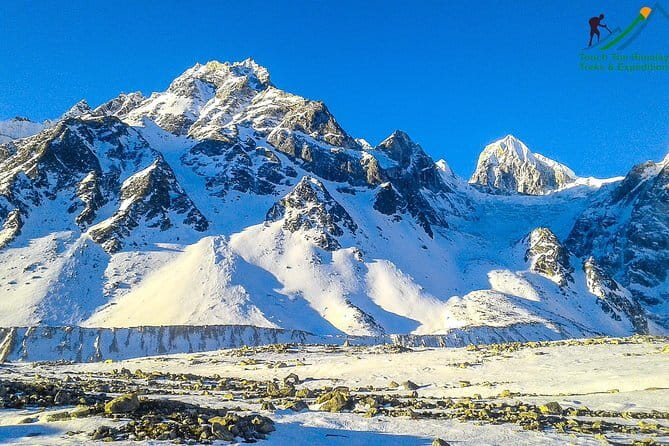
Reviewed · MANASLU CIRCUIT TREK
Manaslu, Nar Phu and Annapurna Three Passes Trek
If you want a trek that stacks big scenery, real village life, and high passes in one long run, this route is built for you. You get Manaslu, then the Tibetan-flavored detour into Tsum Valley and Nar Phu, and finally the classic Annapurna Three Passes finish. It is a lot of days, but it is also a lot of variety.
I especially like how the start is handled, with a Kathmandu briefing plus sightseeing at Kathmandu Durbar Square and Swayambhunath so you are not just thrown into the mountains. I also love the pacing around altitude: you spend time at Sama/Samdo, then hit Larkya La, later work up to Kang La and Thorung La with proper trekking days in between.
One consideration: this is high-altitude trekking, with three major passes (Larkya La 5,160 m, Kang La 5,306 m, Thorung La 5,416 m). If you rush your acclimatization or you get sick early, the schedule will feel unforgiving.
Key things that make this trek worth your attention
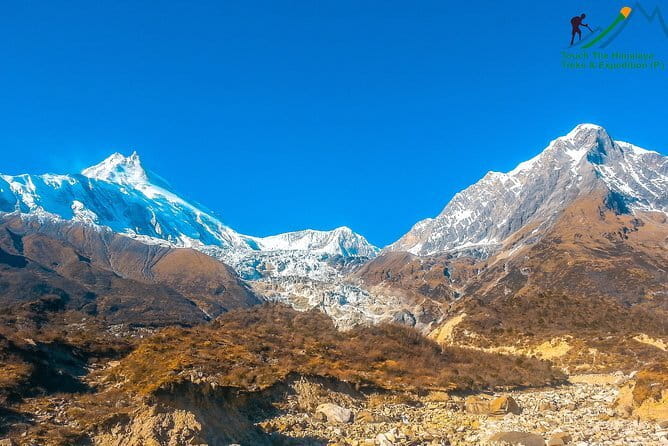
- Three high passes, one continuous story, with the Annapurna side finishing at Muktinath and down toward Jomsom
- Tsum Valley and Nar Phu culture, with gompas, mani walls, and places tied to Tibetan Buddhist life
- Tilicho Lake detour, including an early start from Tilicho Base Camp for Nepal’s highest lake
- Acclimatization time in Samagaon and Samdo, plus slower climbing days before the passes
- Staffing and support structure, including a local Manaslu guide, porters, and a rescue setup
- Operator planning that stays on track, including smooth handling even when timing gets tight (based on past client experiences with Touch The Himalaya)
Why this route works: Manaslu plus Nar Phu into the Annapurna Three Passes
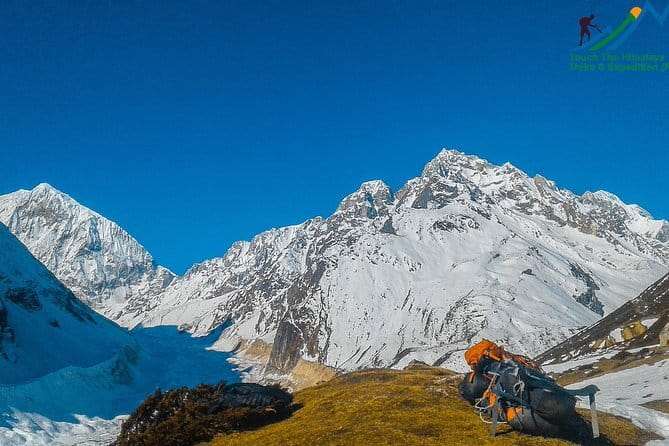
The appeal here is that you are not doing one “typical circuit.” You are doing a long, logical mash-up of the Manaslu region, the restricted-feeling spiritual corners of Nar Phu and Tsum, and then the big altitude day ladder of the Three Passes. The payoff is that each section feels like a new place, not just a repeat of the same valley views.
Manaslu is known for serious mountains and a sense of remoteness. Tsum adds something different: monasteries, prayer wheels, and those stone walls covered in mani inscriptions that make you slow down and look. Nar Phu then keeps the spiritual and rural tone, but with a more rugged, drier feel as you move further north and east of the main Annapurna routes.
Then, once you are deep into the Annapurna world, the itinerary leans into altitude management. You do not just jump from village trekking into a high pass. You build toward it, and you get time to recover as you drop and move west.
More of the Manaslu Circuit:
- Manaslu Circuit Trek
★ 5.0 · 292 reviews - Manaslu Circuit Trek
★ 5.0 · 184 reviews - Manaslu Circuit Trek:
★ 5.0 · 106 reviews
Kathmandu kickoff: hotel nights, a trek briefing, and temple time
Your trek begins with a smooth landing routine. After arrival at Tribhuvan International Airport, a representative meets you and transfers you to a hotel in Kathmandu. You get a couple of nights in the city in tourist-standard hotels, with twin share arrangements.
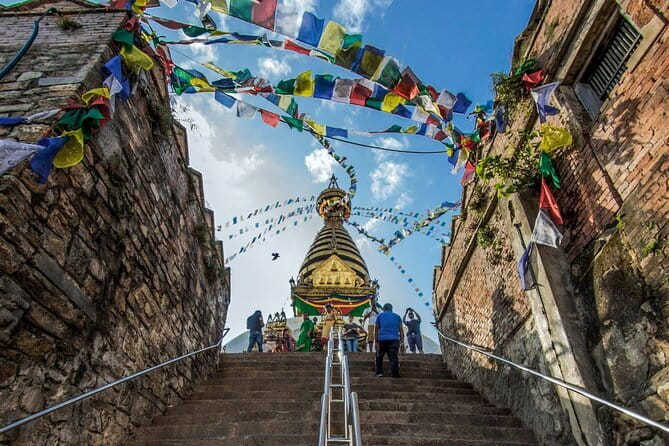
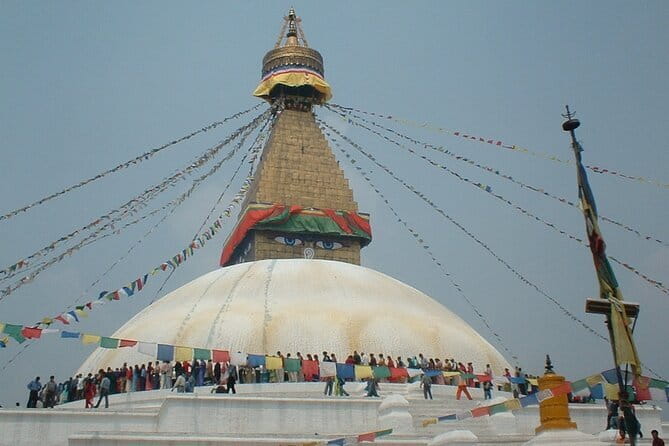
Day two is practical prep plus culture. You will get a trek briefing at the operator office, then a guided sightseeing loop that hits Kathmandu Durbar Square and Swayambhunath, also called the Monkey Temple. The temple visit is not just scenic. It helps you understand the cultural backstory you will be walking through for weeks, especially once you start seeing Buddhist practice in the mountain villages.
A small but real tip: Kathmandu air can be dusty, and you will be carrying a lot of stuff later. Use this day to sort your pack, set aside items you want easy access to, and confirm that you have the right layers for cold mornings. If you leave that until the first trekking day, you will feel it.
First trail days to Arughat and beyond: from river roads to real trekking rhythm
To reach the trek proper, you take a bus from Kathmandu down to Arughat, which serves as the Manaslu trek starting point. After checking in at a hotel there, you start walking the next day from the low river corridors.
The early days follow the classic rhythm of Nepal long trekking: you start in the warmer lower valleys, you cross bridges, you climb gradually, and you get your legs used to uneven footing. Stops include Soti Khola, Machhakhola, and Jagat, with time to notice waterfalls and stone paved footpaths as you move along the Budhi Gandaki river system.
There is also a good chance of early mountain sightings once the weather cooperates. On the lower trail, the team flags that you may catch early views of Ganesh Himal and see wildlife like monkeys. Even if the view comes and goes, those first ridgelines tell you what kind of mountains you are signing up for.
When you finally reach Jagat, you transition toward the more established restricted trekking feel as the route continues beyond earlier areas. This matters because it changes what you see: less highway style, more genuine “walk-in” village life.
Tsum Valley section: Chumling, Mu Gompa, and the Tibetan Buddhist feel
One of my favorite parts of this trek is the way it funnels you into Tsum Valley, known for Tibetan culture and spiritual sites. You move through Philim, then into Lokpa, and keep heading toward Chumling.
Chumling is a high-value day because you are not only trekking. You are visiting gompas and taking in views from a place that sits south of the Shingri Himal. The details matter here. You get mani walls, prayer-wheel energy, and the kind of village quiet that makes you listen instead of just photograph.
If you choose to camp at Chumling, you gain even more time in the atmosphere. If you do not, you continue on toward Chhokan Paro, where the trek notes that the area forms the biggest settlement in the valley. That helps you plan mentally: some days feel remote, and some days feel like the valley’s social hub.
Later, you head toward Mu Gompa, traveling through smaller villages and mani inscriptions. The stop includes a visit to the Milarepa Cave, plus a look at ceremonies and chortens, which is exactly the kind of cultural stop that gives meaning to the physical effort. This is also a camera day. Light can be tricky, but the spiritual sites are worth it.
One practical caution: because Tsum has many religious sites, you will likely spend a bit more time at checkpoints, gompas, and viewpoint pauses. Build your mindset around slower walking time, not just distance.
More to compare around Kathmandu
- Everest Base Camp Trek – 14 Days
★ 5.0 · 1,499 reviews - Everest Base Camp Trek
★ 5.0 · 842 reviews - Private Kathmandu Sightseeing Tour | UNESCO World Heritage sites
★ 5.0 · 756 reviews - Kathmandu: 7 UNESCO Sites with Lunch
★ 4.8 · 744 reviews
Entering the Manaslu world: Lho, Samagaon, Samdo, and smart acclimatization
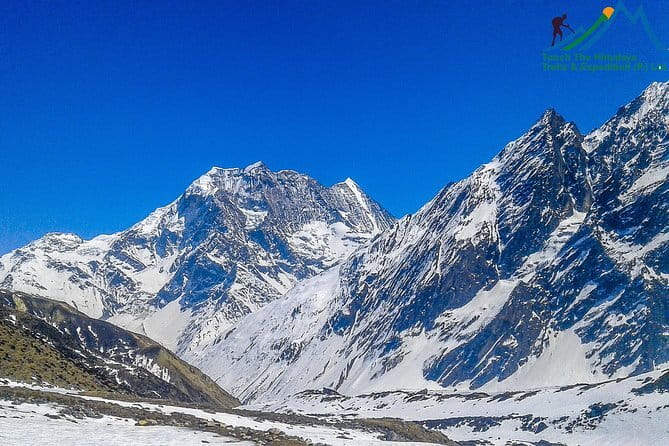
After the Tsum section, the trek settles into the Manaslu base area. You pass through Ghap, Namrung, and then into Lho and Samagaun (Sama/Ryo).
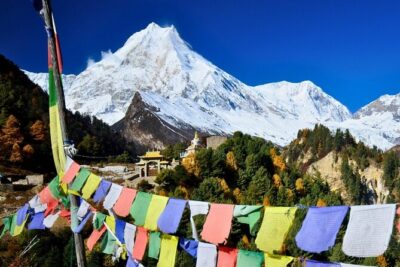
The day you reach Lho is often memorable because you can see Mount Manaslu come into view, and you start to feel the scale change. From there, the itinerary uses a very sensible pattern: shorter walks plus viewpoint stops.
At Shyala, you take in a 360-degree Himalayan panorama, then continue to Samagaon. The acclimatization day in this zone is especially valuable. You have options like hiking around Birendra Lake and Manaslu Base Camp, or going up to Pungen Gumpa. Even if you only do one option, you are giving your body time to adjust while still staying active.
Then you go higher to Samdo and later to Dharmasala (Larkya La Phedi). Samdo is described as a well-known Tibetan refugee camp, which adds another layer to your experience. It is not only scenery. It is also people and history in a mountain setting.
A tip I take seriously for these days: keep your pace slow. “Slow” here means breathing-controlled and not rushing because the group is moving. Altitude is not a place to prove fitness.
Larkya La to Dharapani: crossing 5,160 m and dropping into the Annapurna mix
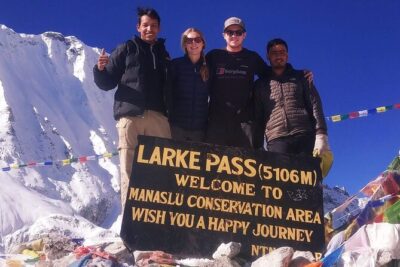
You will face your first big pass soon, Larkya La at 5,160 m. The crossing starts early, with a gradual trail uphill. Once you reach the top, you take a break to enjoy views, then the day turns into a long descent.
The descent goes to Bhimtang, then later to Gho and onward to Dharapani. This is where trekking strategy matters. When you are tired, descents can hurt your knees fast. Keep your steps small. Take the time to plant your foot. Your legs do the work, your pride does not.
The route notes a possible sunrise view from teahouse areas if you wake early. That is a real motivator on days like this. Early morning in the Himalaya can feel like stepping into cold clarity, but you need a warm layer because mornings can bite.
After Dharapani, the trek begins moving toward the Annapurna side, including pine forests and villages. You pass areas like Chame, then reach Koto where you can restock supplies. That matters because Koto is described as one of the last places to get goods before some longer stretches.
Nar Khola toward Phu: waterfalls, monasteries, and a spiritual north
From the Manaslu side, you continue westward and also shift north along the Nar Khola river. You reach a waterfall at Singenge Dharmasala, then pass through Meta and continue toward Phu.
The Phu section is one of the most “different” parts of the trek. Phugaon/Phu is portrayed as a spiritual place with chortens, mani prayer wheels, and an old stupa. It is the kind of place where your trekking becomes part sightseeing, part quiet observation.
You also get acclimatization with an optional hike to Himlung Base Camp and then back to Phu. Even if the hiking is not technically hard, the point is altitude familiarity and body adjustment.
There is also a wildlife possibility in these regions. The trek notes that you might spot elusive snow leopards along blue sheep herds, though you should never plan your day around a guaranteed sighting. What you can plan is the camera time. You will be grateful for it later.
Kang La and the hard push toward Tilicho Lake
Next comes Kang La at 5,306 m. You start by heading out toward Kang Phedi, crossing the pass, and then descending toward Nawal (Ngawal). This is a day that will test your ability to keep moving steadily rather than sprinting up.
After Kang La, you travel down toward Braga, pass through Manang, and then reach Khangsar. Manang is a larger town and a place to refill supplies, which is a practical relief when you have been trekking through smaller villages.
Then the itinerary pushes into the Tilicho area. You reach Tilicho Base Camp via a trail that follows the Marshyangdi River and stays focused on the “one big goal” vibe. You then wake early and hike toward Tilicho Lake, described as Nepal’s highest lake.
The lake day is straightforward but not easy: an early start around 6 am, about a few hours of gradual uphill hiking to the lake, time at the viewpoint, then return to base camp and continue onward via the northern trail toward Siri Kharka. That means you are not only visiting the lake, you are also transitioning to the next leg of the Three Passes approach.
This is one of those days where you should treat rest like part of the schedule. Drink water, keep food regular, and do not waste energy on unnecessary detours.
Thorung La finale: Yak Kharka to High Camp to Muktinath
The final major pass is Thorung La at 5,416 m, and you set up for it carefully. You move from Tilicho area toward Yak Kharka, including a noted drinking water station at Yak Kharka, which is worth remembering if you like to fill bottles and keep things simple.
Then comes the build-up day toward the pass. You trek to Thorung Phedi and continue to Thorung High Camp, staying there for the night. This is where the trek notes lots of blue sheep, with a chance to spot snow leopards if luck is on your side. Again, do not plan on it, but it helps to know what kinds of animals you might see around high-altitude ridges.
The next morning you leave early, around 4 to 4:30 am, cross Thorung La, and descend toward Muktinath. After the pass, the terrain can feel stark and dry as you move into the Muktinath zone.
Muktinath adds cultural spice. The name is tied to the Hindu god of salvation, and the temple is described as having 180 healing and purifying water taps. You can also arrange horse riding there if you want a break from walking. Even if you do not, it is good to know options exist.
From Muktinath, you continue down to the lower part of the route via jeep or pitch road to Kagbeni, then on to Jomsom. Jomsom is an easy decompression point after the hard pass day.
A bonus here is the small-town visuals. The trek notes that Kagbeni and Jomsom are known for apple orchards and give good photo opportunities. The contrast after barren high points can feel like relief.
Ending days: Jomsom to Pokhara, then back to Kathmandu
Your final stretch includes a transfer to Pokhara. You can either fly, which takes about 25 minutes, or drive which takes about half a day. I like the flight option here because it gives you time in Pokhara to decompress, rather than feeling like your last day is just a long road day.
Pokhara is described as having lots to do and sightsee, and even with limited time, you can usually find something easy near the water and viewpoint areas. You then transfer back to Kathmandu by the provided route plan, with a hotel stay and free time.
You get one more hotel check-in day in Kathmandu, with the rest of the day at leisure. It is your buffer day. Use it for laundry, recharging devices, and grabbing a final meal that does not taste like teahouse.
Price and logistics: what the $2,426.67 buys you, and what you still need to plan
This trek is priced at about $2,426.67 per person for roughly 34 days, and that long duration matters for value. In a long trek, logistics cost real money: permits, guides, staff, vehicles, and the slow rhythm of village accommodations add up fast.
Here’s what you can count on as included:
- Airport pickup and drop-off in Kathmandu
- Two nights in Kathmandu in tourist-standard hotels
- Kathmandu to Soti Khola transfer by bus
- Return transport from Dharapani to Besisahar by jeep, then from Besisahar to Kathmandu or Pokhara by bus
- Permits, including TIMS, ACAP/MCAP, plus restricted permits for Tsum Valley, Manaslu, and Naar Phu
- A local Manaslu guide, plus staffing with porters and an assistance guide based on group size
- Rescue arrangements and a basic first-aid kit with the trekking guide
- An achievement certificate
- Welcome and farewell dinner depending on your timing
Here’s the part you must clarify before you fall in love with the idea: the data says meal and accommodation will be provided if required (cost will be added additionally), and it also says mountain meals and accommodations can be arranged by the company per the package agreement. So for budgeting, you should confirm whether your package includes mountain lodging and meals or if you will pay them separately.
Also not included:
- International airfare and visa fee
- Personal insurance and emergency evacuation coverage
- Tips for guide and porter
- Drinks, wifi, charging, hot shower, and personal gear
My rule of thumb: if a long trek has high passes, you should treat insurance as non-negotiable. And if mountain meals are not clearly included, ask in writing what you are paying for each village night and each meal plan.
Who should book this trek, and who should skip it
This is best for you if you:
- Have moderate physical fitness and can handle long days on uneven terrain
- Want a trek that blends culture plus altitude, not just summiting passes
- Prefer a guided structure with a clear staffing model (guide, porters, support, rescue setup)
- Like the idea of seeing a Himalayan route that spans multiple trekking cultures, from Tibetan monasteries to Hindu pilgrimage sites at Muktinath
You might want to reconsider if:
- You are new to high altitude, or you tend to feel sick when you climb
- Your schedule only allows for “light walking” days, because this route includes long trekking segments and major pass crossings
- You dislike early starts, since Larkya La, Tilicho Lake, and Thorung La all involve getting up early
If you book, I’d also ask who your local guide is and how group pacing is set. You will cross three major passes. The best group is the one that moves consistently, not the one that rushes.
Should you book this trek with Touch The Himalaya?
If you want a long, well-run trekking experience that connects Manaslu, Nar Phu, Tsum Valley, Tilicho Lake, and Thorung La into one continuous journey, this is a strong fit. I like that the plan includes permits, staffing ratios, and rescue arrangements, plus a city start with real sightseeing, not just a transfer and go-go-go.
My final checklist before you book:
- Confirm whether mountain meals and lodging are included in your exact package price.
- Make sure you are comfortable with three altitude passes and the early starts.
- Plan your budget for insurance, tips, and personal essentials beyond the base trek staff support.
If those boxes match your style, then yes, I would book this trek. It is long, it is serious, and it gives you the kind of variety that makes you feel like you walked through multiple parts of Nepal in one shot.
FAQ
How long is the trek?
It runs about 34 days.
Where does the trek start?
The trekking starts with a transfer to Arughat, which is the Manaslu trek starting point.
Are airport pickups included?
Yes. The package includes airport pick up and drop off in Kathmandu by car, jeep, Hiace, or bus, depending on group size.
What permits are included?
The included permits list includes TIMS, ACAP/MCAP permits, and restricted special permits for Tsum Valley, Manaslu, and Naarphu.
Which high passes are crossed?
You cross three passes: Larkya La (5,160 m), Kang La (5,306 m), and Thorung La (5,416 m).
Do you include Kathmandu sightseeing?
Yes. There is a guided sightseeing tour that includes Kathmandu Durbar Square and Swayambhunath, with a trek briefing also included earlier that day.
Is the tour private?
Yes. It is a private tour/activity, and only your group participates.
How many porters and guides are provided?
The plan states each two clients share one porter, and each five trekkers have one assistance guide, plus an expert Manaslu local guide.
Is food and lodging included during the mountain trek?
The package information says meal and accommodation will be provided if required, and it also notes that mountain meals and accommodations can be arranged by the company per the package agreement. You should confirm what is included in your specific booking.
Can I fly from Jomsom to Pokhara?
Yes. The transfer option includes a flight that takes about 25 minutes, or you can drive which takes about half a day.
FAQ
What is the cancellation policy?
Free cancellation is available. You can cancel up to 24 hours in advance of the experience’s start time for a full refund.
Is service animal access allowed?
Service animals are allowed.
Is there guidance on fitness level?
The trek notes you should have moderate physical fitness. It also highlights the need to be prepared for three high altitude passes.
Is there support for emergencies?
Rescue arrangements are included, and a basic first-aid kit is carried by the trekking guide.
What’s included for Kathmandu accommodation?
You get beginning two nights stay on arrival in Kathmandu in tourist standard hotel on a twin share basis.
Latest Kathmandu write-ups
- Langtang Valley Trek★ 5.0 · 3 reviews
- Khopra Danda Trek★ 5.0 · 3 reviews
- Langtang Valley Trek from Kathmandu★ 5.0 · 3 reviews
- 5 night / 6 days Kathmandu Nagarkot Chitwan Pokhara tour★ 5.0 · 3 reviews
- Nepal Highlights Tour: 5 Nights 6 Days Kathmandu & Pokhara Tour★ 5.0 · 3 reviews
- Kathmandu Valley Private Day Tour★ 5.0 · 3 reviews
- Conquer the Himalayas: The Ultimate 16-Day Annapurna Circuit Trek★ 3.5 · 3 reviews
- Kathmandu Heritage Day Tour★ 5.0 · 3 reviews
Manaslu Circuit Trek, compared.
Manaslu Circuit Trek 8th Highest in the World
Read our review →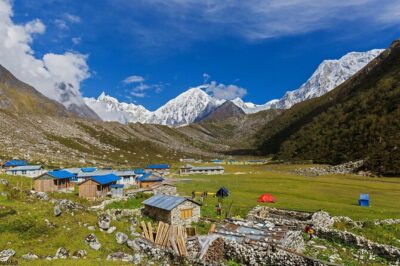
Private 12-Day Manaslu Circuit Trekking in Kathmandu
Read our review →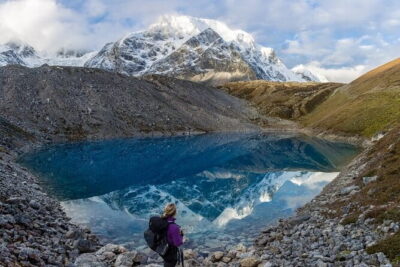
Manaslu Circuit Trek to the Beauty of 8th Highest Mountain
Read our review →Browse the lists this tour appears in