
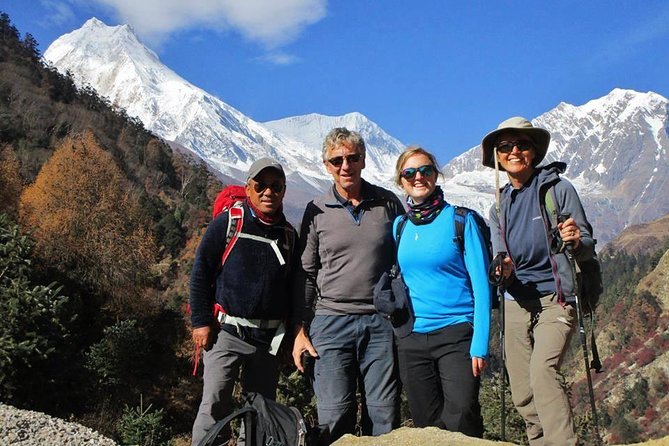
Reviewed · MANASLU CIRCUIT TREK
Manaslu Circuit Trekking – 17 Days
What makes this trek interesting is the mix of high, cold stamina tests and then a big sensory drop down into warmer valleys. The key moment is the Larkya La crossing around 5,215 m, described as on snow, so you get that real Himalayan feel of effort plus reward.
I like that the trip is set up to keep you moving without constantly making logistics calls. Two things I’d especially flag for you are the included lodge meal plan during the trek and the fact you travel with an English speaking Sherpa guide who is government trained, with a license holder in the team.
One possible drawback is simple: you need a strong fitness base, and weather matters a lot here. If conditions turn, you may face schedule pressure or diversions, so keep flexibility in your travel dates.
Key things to know before you go
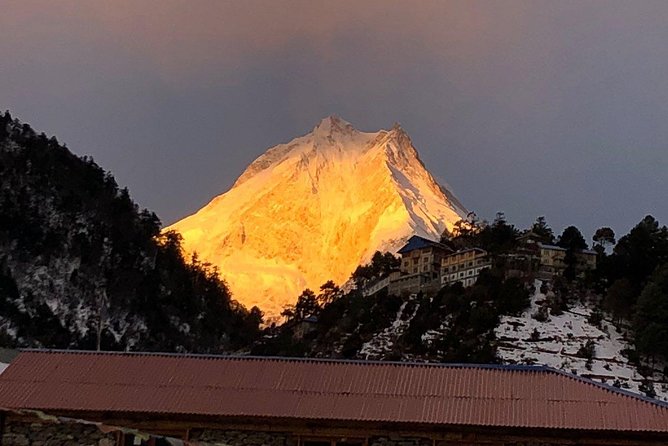
- Larkya La at about 5,215 m: cold, long day, and snow conditions are part of the plan.
- Meals and lodging are mostly handled: 13 trek nights in local lodges with breakfast, lunch, and dinner included.
- Acclimatization is built in: there’s a dedicated day at Sama Gaon around 3,541 m before the higher push.
- Permits are included: you’re covered for TIMS plus required special permit fees.
- You move between very different climates: alpine air, then a descent into warmer zones with ferns, bamboo, waterfalls, and blue-green lakes.
Manaslu Circuit Treks at 5,215 m, then down into warmer valleys
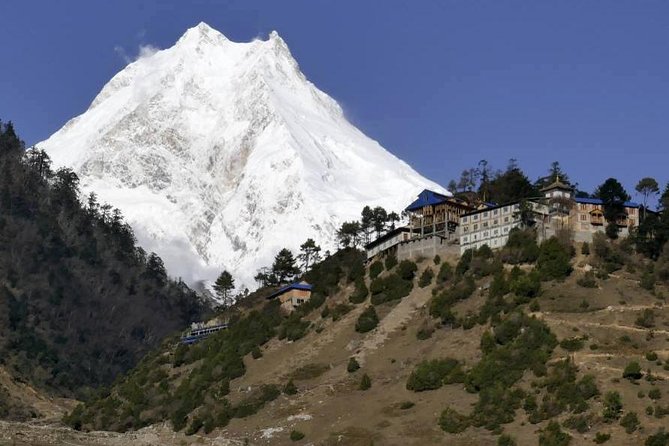
The Manaslu Circuit is a classic Nepal trek, but it feels more like a full journey than a single mountain walk. You’re going from Kathmandu’s around 1,300 m start point into villages that quickly get serious about altitude, then you hit the big col crossing and finally drop into noticeably different terrain as the air warms.
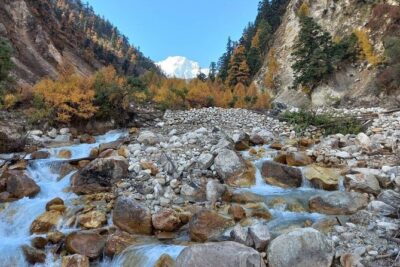
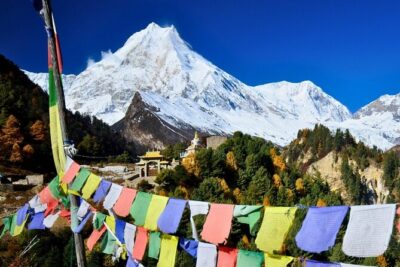
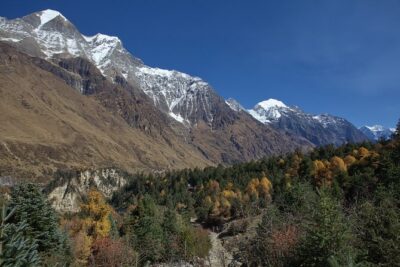
The scenery described for this route is exactly the kind of contrast that makes people talk about Nepal after they return. You get major peaks towering around you as you climb, then the descent shifts into zones with ferns, bamboo, waterfalls, and blue-green lakes with white beaches along the lower stretches you reach after Larkya La.
This trek also nudges you into the Nepal that most short trips miss, culturally and ecologically. You’re trekking through a route that later connects with the popular Annapurna Circuit trail, so you’ll share the mountain corridor with other hikers for a portion of the journey, but your main arc is still shaped by Manaslu’s character.
More of the Manaslu Circuit:
- Manaslu Circuit Trek
★ 5.0 · 292 reviews - Manaslu Circuit Trek
★ 5.0 · 184 reviews - Manaslu Circuit Trek:
★ 5.0 · 106 reviews
Price and value: what $1,600 covers in real trekking terms
At $1,600 per person for 17 days, the price is not cheap. The good news is it’s not just you and a map. It includes a lot of the cost drivers that usually add up fast on your own.
Here’s the core value picture:
- Local lodge nights and meals during the trek: you get 13 nights in lodges, with breakfast, lunch, and dinner included. That matters because at higher elevations, meal costs and availability can get annoying.
- Guide and supporting team: an English speaking Sherpa guide is included, and if you’re more than four trekkers you’ll also have a Sherpa assistant. Porters are included on a one porter for two trekkers basis.
- Permits and documentation: the trip includes the special permit fee plus TIMS permits and other required official documentation.
- Staff logistics: trek staff costs include salary, insurance, equipment, food, and accommodation. You’re paying for the behind-the-scenes work, not just the view.
- Energy supplies: snacks like Snickers, Mars, and Bounty are provided on the trek.
- First aid kit: you’re not trekking completely empty-handed on the medical side.
What’s not included is also important for budgeting. You’ll pay for your personal travel insurance, your Nepal entry visa fee, and city meals after you’re back down. Beverages are also on you, plus customary tips for guide, porters, and driver.
If you like to travel with structure, this pricing can feel reasonable because it bundles the most expensive parts of the trek, especially guide time, permits, porter support, and meal plans.
Kathmandu days: arrival, prep day, and how to set up for altitude
Your trip begins in Kathmandu, with arrival on Day 1 at around 1,300 m. Day 2 is a preparation day in the city, which is more than a nice break, it’s time to get your gear right and your body ready for the climb.
During this time, I’d treat it like your job before the real work. Check that your layers are practical for cold mornings and warmer afternoons, and make sure you have what you need for water and basic trail comfort. If you’re the type who plans poorly and then panics halfway up a mountain, this prep day is your chance to fix that.
Kathmandu accommodation is included for 3 nights on a bed and breakfast plan. That gives you a stable base before the drive out to the trailhead.
Also, you meet at Thamel in Kathmandu. If you’ve never used Thamel as a starting point, it’s basically the hub where you can sort last-minute needs without turning your day into a scavenger hunt.
Soti Khola to Deng: the foothill start and the slow tightening of the legs
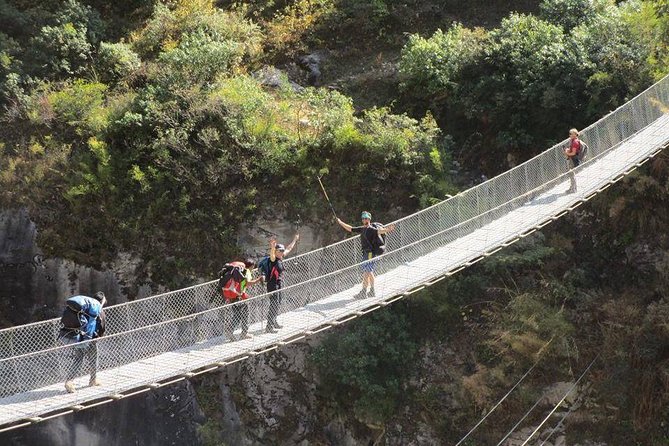
After the Kathmandu prep day, you drive to Soti Khola on Day 3, via Arughat, which takes about 8 to 9 hours for roughly 145 km. You start low, around 710 m, then trek up to Machha Khola on Day 4 at about 900 m.
This early part of the trek is where you decide how you’ll walk for the next two weeks. Distances like 15 km on Day 4 might sound manageable, but altitude starts to creep in even when the climbs feel gentle. Your goal here is steady effort, not hero speed.
Day 5 takes you from Machha Khola to Jagat around 1,340 m. Day 6 pushes to Deng near 1,860 m, with long-ish days around 6 to 7 hours. Deng at 1,860 m is where you start noticing that your breathing is the real pace setter, not your legs.
Even if the days are long, this is where you build rhythm with your guide and team. With English speaking Sherpa leadership and porter support, you can focus on walking and staying warm rather than wrestling logistics.
More to compare around Kathmandu
- Everest Base Camp Trek – 14 Days
★ 5.0 · 1,499 reviews - Everest Base Camp Trek
★ 5.0 · 842 reviews - Private Kathmandu Sightseeing Tour | UNESCO World Heritage sites
★ 5.0 · 756 reviews - Kathmandu: 7 UNESCO Sites with Lunch
★ 4.8 · 744 reviews
Namrung to Sama Gaon: where the trek starts asking for patience
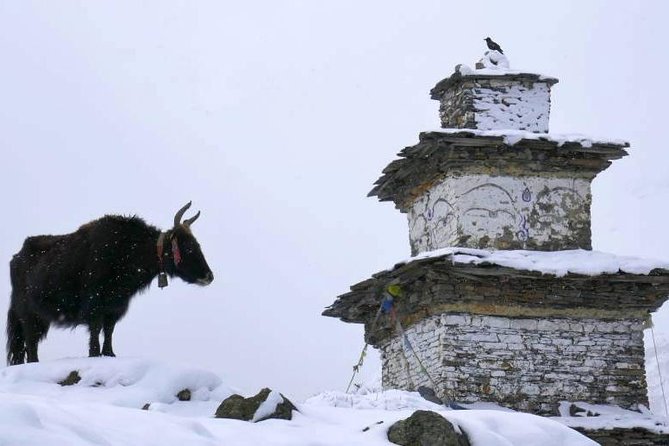
On Day 7, you climb to Namrung around 2,630 m, then Day 8 goes to Lho at about 3,200 m. This section is a big altitude jump on paper, and in real life it means you slow down. That’s not a failure. It’s how you keep the trek fun.
Day 9 is Sama Gaon at about 3,541 m. Then Day 10 is an acclimatization day at the same altitude. That stop is a big deal. You’re not just adding a rest day, you’re giving your body time to adjust before you go higher.
I like that the plan respects acclimatization instead of rushing you toward the highest point. If you’ve ever felt the symptoms of high altitude, you’ll appreciate how much easier it is to enjoy the scenery when you’re not fighting your own breathing.
Even though the trek spends time in villages, the real payoff is the mounting presence of big peaks around you as altitude increases. The route is described as having major peaks towering on all sides, which is exactly what makes this middle section feel like you’re stepping into a different world.
Samdo to Larkya Phedi: the high camp setup before Larkya La
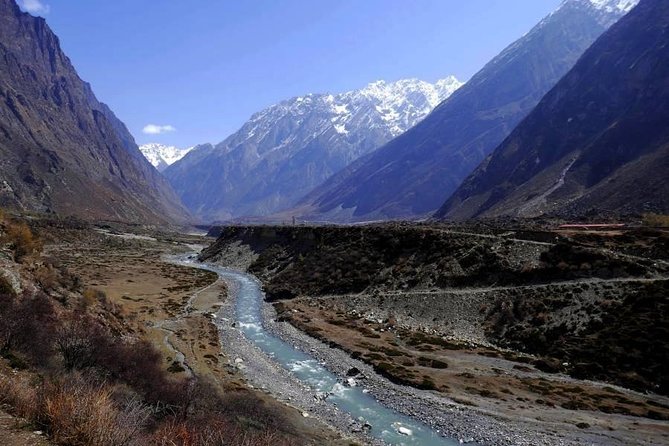
Day 11 takes you to Samdo around 3,872 m in about 4 to 5 hours. Day 12 moves you to Larkya Phedi around 4,500 m, which typically takes 4 to 5 hours for about 7 km.
This is the staging phase for Larkya La. The higher you go, the more you’ll want a calm plan for the next day. You’ll want to be warm, fueled, and mentally ready for a long push and cold conditions.
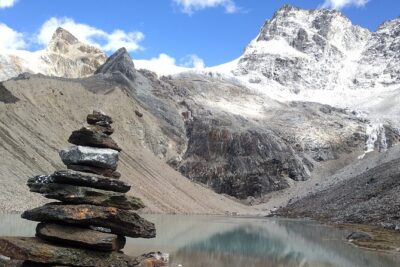
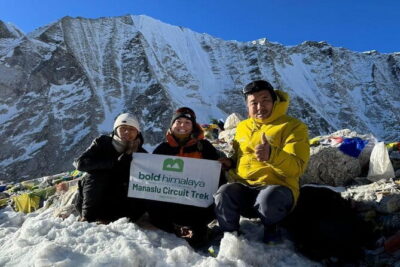
Remember, the crossing itself is described as Larke La pass around 5,213 m on snow, a stamina test. That means the day after Larkya Phedi is not a short little hike. It’s a big mountain day.
It also helps that your trip includes first aid medicine kit support and energy snacks on the trek. I can’t promise what your body will need, but getting small, simple fuel into you matters on summit style days.
Larkya La crossing day: 5,215 m on snow and a massive descent to Bhimphedi
Day 13 is the centerpiece. You cross Larkya La at about 5,215 m, then descend to Bhimphedi around 3,590 m. The day is described as 10 to 12 hours and about 24 km.
That’s the kind of schedule that can tempt people into going too fast early. Don’t. At altitude, speed is oxygen. You’re aiming for steady breathing and careful footing, especially because snow conditions are part of the expectation on the pass.
The reward is not only the summit view. The plan describes a dramatic transition as you descend from alpine into tropical areas. That means the scenery shifts from stark and high to something lush, with ferns, bamboo, waterfalls, and blue-green lakes with white beaches referenced as part of the experience.
Also, plan for a long day that may feel bigger than the distances suggest. After the pass, you’re still hiking for hours. This is where having porters for group loads and a guide who keeps you on the safest, most realistic pace really matters.
One more reality check. There’s enough evidence from past experiences on this kind of route that landslides can happen after rain, leading to diversions and uncertainty. The trip is described as requiring good weather, so I’d treat flexibility as part of the job, not a bonus.
From Gho to Tal: Marsyangdi River valley and meeting the Annapurna trail
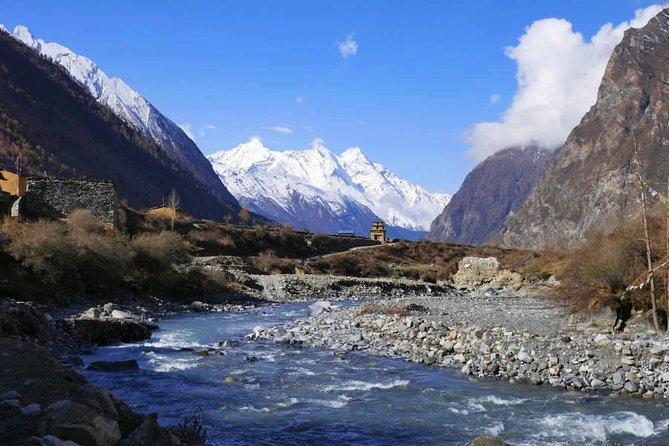
Day 14 drops you to Gho around 2,515 m for about 6 to 7 hours. Day 15 continues down to Tal around 1,700 m for about 5 to 6 hours.
By now, you’ve already paid the big price of elevation. What you get in return is the sense of moving through different Nepal ecosystems. The route description says you reach the heavily forested valley of the Marsyangdi River after the alpine-to-tropical shift, and then you meet up with the popular Annapurna Circuit trail.
That connection matters in a practical way. It’s where you’re more likely to see other trekkers enjoying views of the Annapurna range. It also means you’ll feel part of a larger trekking corridor for a stretch, which can be comforting when you want easy conversation and shared trail rhythm.
You’ll likely also appreciate that the later days are mostly about staying steady rather than pushing to a new high point. The altitude is still there, but the plan’s big climbing work is already done.
Return drive to Kathmandu via Besisahar, then a calm Day 17
Day 16 is the long drive back to Kathmandu via Besisahar. It’s about 8 to 9 hours for roughly 220 km.
Day 17 is a happy departure. You end back at the meeting point in Thamel, Kathmandu.
After a trek like this, I like having a buffer before any major travel moves. Even if Day 17 is set aside for departure, your body may still be adjusting. Prioritize rest, hydrate, and don’t plan day-long sightseeing right away unless you know you bounce back fast.
Guide, Sherpa support, and group setup that actually helps
The trek includes an English speaking Sherpa guide who is a government trained, license holder. If your group is over four trekkers, you also have a Sherpa guide assistant, which can make a difference for pace control and smoother trail decisions.
Porters work on a one porter for two trekkers basis. That support is not just about comfort. It reduces strain on your body over many hours and helps you keep energy for the big crossing day.
The trip’s quality also shows in how people talk about their care. Names that come up include Ngima and Jangbu, including extra help when someone got sick. That kind of support is exactly what you want in mountain travel, because illness or weakness changes the whole rhythm of a trek.
If you like a private set up, this is also described as private, only your group participates. That usually means fewer awkward pace mismatches and fewer waits in crowded lodge situations.
Weather, fitness, and what to pack for Larkya La conditions
The experience requires strong physical fitness. That’s not generic marketing language. The plan includes a pass around 5,215 m, snow conditions, and long days like the 10 to 12 hour Larkya La crossing.
The experience also requires good weather. In practice, that means you should expect at least some variability. Even if the itinerary is set, trail conditions can shift after rain and landslides on mountain routes, which can lead to diversions and uncertainty.
As for what to pack, think cold and wet. You’ll want warm layers, rain protection, and traction-friendly footwear for snow or icy sections on the pass. You’ll also want a way to keep water going and a basic first aid comfort kit even though a first aid medicine kit is included.
Finally, pace yourself. The plan includes a dedicated acclimatization day at Sama Gaon around 3,541 m. Use it. Don’t treat it like an extra travel day you can ignore.
Should you book the 17-day Manaslu Circuit trek?
Book it if you want a classic Nepal trek with real high-altitude work, strong logistical support, and fewer decisions for you to make day to day. You get meaningful structure: permits, guides, lodge meal plan, porter support, and key transfers handled. The big draw is the Larkya La crossing followed by a dramatic shift into warmer, more lush terrain around the Marsyangdi River.
Skip it or choose a different plan if you aren’t confident in your fitness for long days and cold conditions at altitude. This route is not a casual hike, and it runs on good weather.
Also, if you hate uncertainty, understand that mountain weather and trail hazards can change plans. Flexibility is part of trekking the high Himalaya, and this route asks for it.
If you’re comfortable with that reality, this Manaslu Circuit trek can be one of the most memorable two-week plus journeys you do in Nepal, because it gives you the full arc, high pass challenge, and then the lush reward on the way down.
FAQ
What is the highest point on the trek?
The highest point listed is Larkya La pass at about 5,215 m. The route describes snow conditions at the pass.
Are meals and lodging included?
Yes. During the trek, you get 13 nights in local lodges with breakfast, lunch, and dinner included. You also get 3 nights in Kathmandu on a bed and breakfast plan.
What permits are included?
The price includes the special permit fee, TIMS permits, and all required permits or official documentation.
Is there an acclimatization day?
Yes. Day 10 is an acclimatization day at Sama Gaon around 3,541 m.
What transfers are included, and can they be upgraded?
Kathmandu to Soti Khola is included by local bus, with an upgrade to a private jeep available for a total of $210. Tal to Besi Shar to Kathmandu is included by local bus, with an upgrade to private jeep and car for a total of $280.
Do I need travel insurance?
Yes. Personal travel insurance is not included, so you’ll need to arrange it yourself.
What if the trek is canceled due to weather?
The experience requires good weather. If it’s canceled due to poor weather, you’ll be offered a different date or a full refund. The experience is also non-refundable and cannot be changed for any reason if you cancel.
Latest Kathmandu write-ups
- Langtang Valley Trek★ 5.0 · 3 reviews
- Khopra Danda Trek★ 5.0 · 3 reviews
- Langtang Valley Trek from Kathmandu★ 5.0 · 3 reviews
- 5 night / 6 days Kathmandu Nagarkot Chitwan Pokhara tour★ 5.0 · 3 reviews
- Nepal Highlights Tour: 5 Nights 6 Days Kathmandu & Pokhara Tour★ 5.0 · 3 reviews
- Kathmandu Valley Private Day Tour★ 5.0 · 3 reviews
- Kathmandu Heritage Day Tour★ 5.0 · 3 reviews
- Conquer the Himalayas: The Ultimate 16-Day Annapurna Circuit Trek★ 3.5 · 3 reviews
Manaslu Circuit Trek, compared.
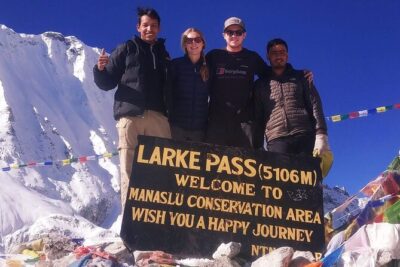
Manaslu Circuit Trek 8th Highest in the World
Read our review →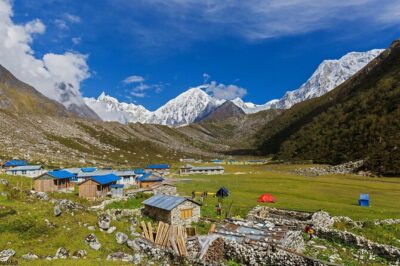
Private 12-Day Manaslu Circuit Trekking in Kathmandu
Read our review →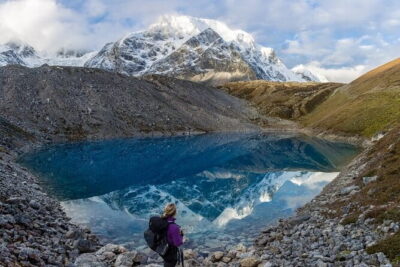
Manaslu Circuit Trek to the Beauty of 8th Highest Mountain
Read our review →Browse the lists this tour appears in