
Reviewed · MARDI HIMAL TREK
Mardi Himal Trek
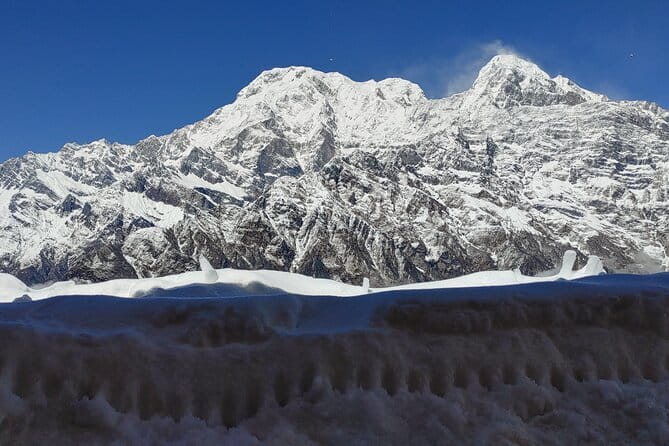
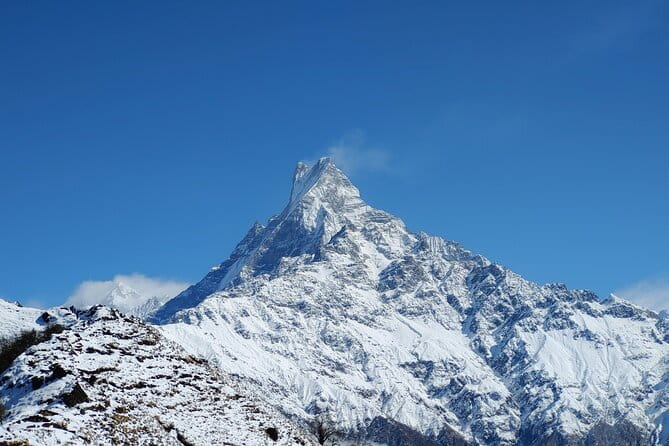
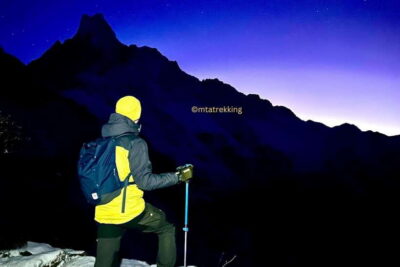
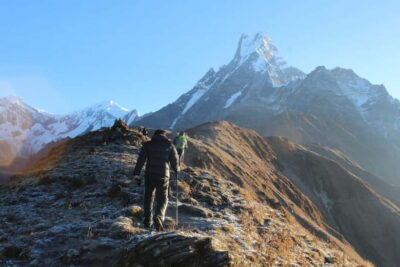
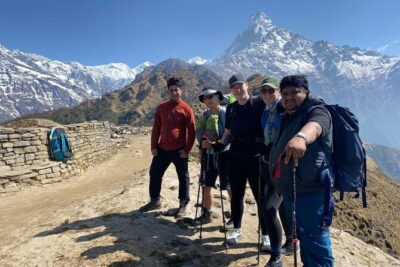
Mardi Himal trek is interesting because it is a shorter, newer-feeling route in the Annapurna region that still manages to feel quiet. You spend days moving through rhododendron forests, then the terrain abruptly changes into steep, rugged high country with standout views of Mardi Himal and nearby peaks like Machapuchhre.
What I love most is the way the trail keeps shifting, first shaded forest paths and then open mountain viewpoints. I also like the human side, the fact that the guidance is friendly and hands-on, including real named support like Bashu Dev Bagale, with help from pickup through drop-off.
The one drawback to plan around is weather and altitude reality. This experience needs good weather, and you should have moderate physical fitness since you will be hiking up and down in a high mountain area.
Key highlights worth knowing before you go
- A shorter Annapurna route that still feels off the usual trekking beat
- Rhododendron forest walking, then a fast shift into rugged high-country scenery
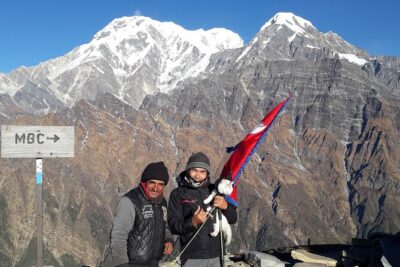
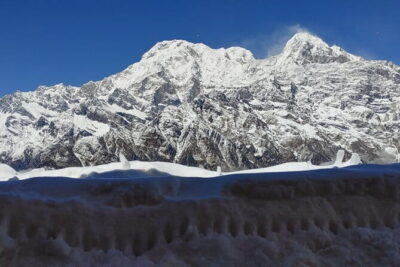
- Views of Mardi Himal, Machapuchhre, Hiunchuli, and Annapurna South during the climb and on outlooks
- Private group setup, so pacing and questions do not get lost in a larger crowd
- Meals included during trekking (breakfast, lunch, and dinner), plus private transport
Why Mardi Himal feels like a smart alternative in the Annapurnas
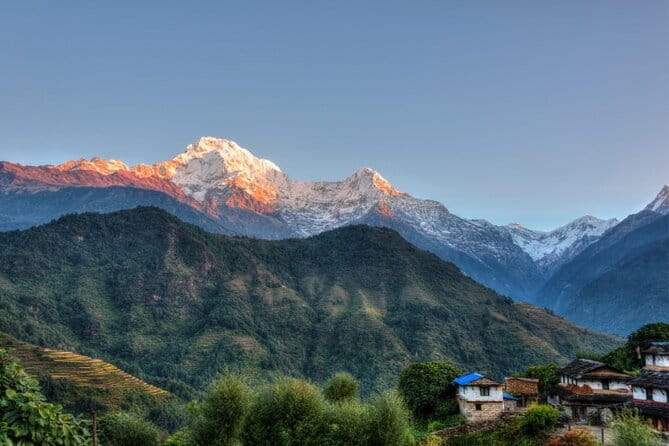
If you are craving Annapurna scenery but do not want the long, crowded grind of the big-name routes, Mardi Himal is built for you. It is a short trek on a route that many people still do not reach, which helps the days feel calmer and more personal. You are walking through smaller paths and side valleys rather than only along the most famous corridors.
Another reason this trek clicks is the rhythm. You do not just chase one dramatic view. The route layers experiences: forests, farms, rivers, and local settlements before the scenery turns high and severe. That mix matters if you want trekking that feels like a journey, not just a checklist of photo stops.
And yes, you will still get the mountain moments. The payoff comes when the forest ends and the mountains start owning the horizon, with big sightlines toward Mardi Himal, Machapuchhre, Hiunchuli, and Annapurna South. Those views are the reward for all the uphill effort, and the change in scenery makes them feel extra earned.
More on the Mardi Himal ridge:
- Mardi Himal Trek
★ 5.0 · 41 reviews - Mardi Himal Trek Nepal
★ 5.0 · 29 reviews - Mardi Himal Trek – 8 Days | Hidden Gem of the Annapurnas
★ 5.0 · 19 reviews
The big terrain change, from forests to high country at around 3,310 m
A defining feature of Mardi Himal is the way the trail transforms. Early on, you move along winding paths through deep rhododendron forest. Think shaded walking with a lot of plant life and a gentle sense of enclosure. Then, when you climb out of that forest at around 3,310 m, the world changes quickly.
After that transition, the trek becomes more rugged and exposed. You will see rugged mountain forms instead of leafy hills. Your steps feel more like high-altitude trekking, and the air tends to feel different. This kind of shift is not just scenery, it also changes how you should move. You will likely need to slow down, drink more consistently, and protect yourself from sun and wind.
If you love trails where the environment evolves as you gain altitude, this is one of the better routes for that. You get the forest atmosphere first, then you get the high-mountain payoff without needing weeks to reach it.
What a typical day feels like on this route
You are looking at a 10-day trek on a private basis, and the overall pattern is pretty clear from the route description. Days tend to include a mix of steady walking, elevation gain, and breaks where the views start opening up.
Here is how the experience usually lands in your legs and your head:
- Morning walking often begins early, with the trip starting at 7:15 am at your scheduled pickup point.
- You spend time in local settlements and terraced farms, so the trek is not only about rocks and altitude.
- You walk alongside sparkling rivers and through hidden valleys, which adds variety to what you see between climbs.
- You end up with regular opportunities for mountain outlooks, especially as you rise above the forest line.
There is also a chance of wildlife on forest sections since wild animals and jungle safari are part of what is included in the overall experience concept. You do not need to treat it like a wildlife documentary, but it is smart to stay alert, keep your space, and avoid doing anything that could startle animals.
Base camp vibes near Mardi Peak and Machapuchhre foothills
The trek’s main goal is Mardi Himal Base Camp, located at the foothills of Mardi Peak, with dramatic proximity to Machapuchhre. That matters because foothills settings feel different than summit push settings. You are not necessarily fighting the harshest high-point conditions, but you are still in the mountain neighborhood.
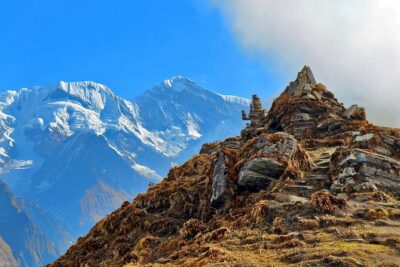
This is where the trek earns its name. You reach a zone where the terrain is unmistakably high, and the views tend to become the center of the day. Expect rugged surroundings and clear sightlines to the peaks listed earlier, including Mardi Himal and Machapuchhre.
One practical note: even if you are not going to the absolute highest points, base-camp altitude still asks for respect. Bring warm layers, plan for cool evenings, and treat any sudden weather change as real. This experience requires good weather, and if conditions are poor, the trek can be altered based on safety.
More to compare around Kathmandu
- Everest Base Camp Trek – 14 Days
★ 5.0 · 1,499 reviews - Everest Base Camp Trek
★ 5.0 · 842 reviews - Private Kathmandu Sightseeing Tour | UNESCO World Heritage sites
★ 5.0 · 756 reviews - Kathmandu: 7 UNESCO Sites with Lunch
★ 4.8 · 744 reviews
Food, water, and the stuff that saves you money
This trek is set up with food included. You get three meals during the trekking days: breakfast, lunch, and dinner. That is a big value because it removes one of the most common budget surprises on treks. You can plan your daily cost without constantly guessing what meals will cost at the next stop.
What is not included is bottled water. If you want to tap water, you need to buy mineral water instead, so build that into your budgeting. Bottled water can add up, especially if you are drinking more than usual at altitude.
Also, snacks are not included. The listing language says unlimited food is not included, so do not assume you can rely on free snack refills. If you like trail snacks, plan to pack or buy some yourself.
One more item I want you to watch closely: the package lists snorkeling equipment as included. Mardi Himal is a trekking route, not a typical snorkeling setting, so the safest move is to confirm with Adventure Blossom Treks and Expedition how and when that equipment is used, or if it is included simply because of how the package is structured. That small check can prevent confusion later.
Transportation and the comfort of a private setup
This is a private tour/activity, meaning only your group participates. That may sound like a small detail, but on a trek it changes how the trip runs. You are more likely to get pacing that fits your group, and it is easier to ask questions without needing to wait for the next person in line.
Private transportation is included too. Reviews also mention pickup and drop-off connected to Pokhara, with guidance from pickup at Pokhara through to drop-off at Pokhara after the trek. Even if your exact pickup point is different, the key idea is the same: you are not stuck self-navigating major legs of the trip.
Your meeting time is 7:15 am, and you get a confirmation at booking time. The package also uses a mobile ticket, which is handy when you are managing many moving pieces in Nepal.
Guides, pace, and why friendly help matters on altitude hikes
In the best trek teams, the guide is not just logistics. They help you read the day. They keep you moving at a safe pace and make sure you notice the practical things early: how your body is responding, when to slow down, and how to handle small problems before they become big ones.
Bashu Dev Bagale is one named guide who has been praised for friendly, helpful behavior and for staying engaged from the pickup point to the drop-off point. That kind of continuity matters. If the same team supports you through the whole experience, you waste less energy figuring things out and more energy actually trekking.
Also, the trip includes private group participation, so you can usually expect more direct attention. That makes a difference when you are trekking with family or when you just want someone reliable in your corner.
Price and value: what $1,080 per person really buys you
At $1,080.00 per person, the main question is not only cost, it is what is covered versus what you must handle on your own. Here is what the package includes that reduces your day-to-day expenses:
- Breakfast, lunch, and dinner during the trekking days
- Use of snorkeling equipment (listed as included, worth confirming use)
- Private transportation
- Pickup offered and a private group setup
- Mobile ticket and confirmation at booking time
What you still need to pay for or plan around:
- Bottled water (not included)
- Snacks (unlimited food is noted as not included)
- Anything personal you need for comfort and safety
So the value is strongest if you prefer having most core basics handled. If you like buying your own meals, traveling ultra-light, or you already have local arrangements nailed down, you might consider alternatives. But if you want a guided trek where meals and main transport are organized, this price can feel fair.
The value also depends on your date and weather. Since this experience requires good weather, you are paying for a setup designed around safe trekking. If weather forces changes, the policy allows for different dates or a full refund, but cancellations are generally non-refundable in other situations. Plan with weather flexibility in mind.
Packing tips that match the route, not generic trekking advice
You do not need to overpack, but you do need the right pieces. Mardi Himal includes forest sections, then higher, more exposed walking. That means you will want layers for temperature swings and protection from sun.
Here is a practical packing checklist based on what this trek involves:
- Warm layers for high elevations and cool evenings
- A rain layer or weather shell since the trek depends on good weather
- Sun protection for the open higher terrain
- Good hiking shoes with grip for rugged high-country sections
- Water and hydration planning, plus a budget for bottled water
- Snacks you like, since snacks are not included
If you are sensitive to cold, pack extra warmth for evenings. Even when trekking in daylight, temperature drop at altitude can be quick.
Weather, safety, and the reality check on altitude trekking
This experience requires good weather. That does not mean it is only sunny and perfect. It means operations are dependent on conditions being safe enough for trekking.
Your best move is to build your schedule with realistic expectations. Keep some flexibility, because delays and adjustments can happen when weather is not cooperating. The experience provider states that if it is canceled due to poor weather, you will be offered a different date or a full refund, but outside of that you should treat cancellations as non-refundable.
Also, keep in mind the fitness level guidance. You are asked to have moderate physical fitness. That is a wide range, so honestly assess your current hiking ability. If you are currently not comfortable with sustained uphill walking, use the time before your trek to build stamina.
Who Mardi Himal suits best
This trek is a good match if you want:
- Off-the-beaten-track trekking in the Annapurna region
- A route with variety: forests, terraced farms, rivers, valleys, and local settlement life
- Mountain views without a huge time commitment
- A private group experience with supportive guidance
It might not be ideal if you hate early starts or if you are looking for fully flat hiking. You are gaining altitude, and you will feel it, especially as you climb out of the forest around 3,310 m and enter rugged high terrain.
It also suits families and mixed groups who want dependable service. One example included a family trip where the service was described as very nice and smooth.
Should you book Mardi Himal with Adventure Blossom Treks?
I think you should book if you want an Annapurna trek that feels quieter and more varied, and you value having meals and key logistics handled. The mix of rhododendron forest walking, fast terrain change into high mountain scenery, and the goal near Mardi Peak and Machapuchhre foothills makes the trek feel complete even though it is shorter than many classic Annapurna adventures.
Book with extra care if you are strict about refunds and cannot shift travel dates, since the experience is non-refundable if you cancel or ask for changes for any reason. Also, double-check how the snorkeling equipment fits your day plan, so you do not end up with confusion at the start.
If you are the kind of person who likes real walking days, actual village life, and big mountain moments earned the slow way, Mardi Himal is a strong choice.
FAQ
How long is the Mardi Himal trek?
It is listed as 10 days approximately.
What is the meeting start time?
The start time is 7:15 am.
Is pickup included?
Pickup is offered, and private transportation is included.
What meals are included during the trek?
Breakfast, lunch, and dinner are included during the trekking days, with three meals per day across the trek period.
Are snacks included?
No. Unlimited food is listed as not included, so you should plan for snacks separately.
Is bottled water included?
No. Bottled water is not included.
Is the tour private?
Yes. It is a private tour or activity, so only your group participates.
What fitness level is required?
You should have moderate physical fitness.
Is this experience weather dependent?
Yes. It requires good weather. If it is canceled due to poor weather, you will be offered a different date or a full refund.
Is snorkeling equipment included?
Yes. Use of snorkeling equipment is listed as included. It is a good idea to confirm when it is used for your dates.
Latest Kathmandu write-ups
- Langtang Valley Trek★ 5.0 · 3 reviews
- Langtang Valley Trek from Kathmandu★ 5.0 · 3 reviews
- Khopra Danda Trek★ 5.0 · 3 reviews
- 5 night / 6 days Kathmandu Nagarkot Chitwan Pokhara tour★ 5.0 · 3 reviews
- Nepal Highlights Tour: 5 Nights 6 Days Kathmandu & Pokhara Tour★ 5.0 · 3 reviews
- Kathmandu Valley Private Day Tour★ 5.0 · 3 reviews
- Kathmandu Heritage Day Tour★ 5.0 · 3 reviews
- Conquer the Himalayas: The Ultimate 16-Day Annapurna Circuit Trek★ 3.5 · 3 reviews
Mardi Himal Trek, compared.
Mardi Himal Trek – 8 Days | Hidden Gem of the Annapurnas
Read our review →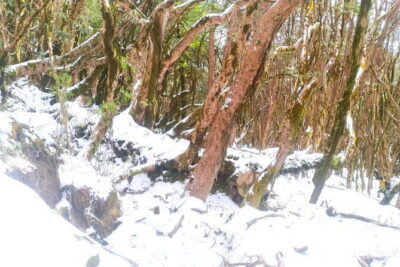
Browse the lists this tour appears in