
Reviewed · MARDI HIMAL TREK
Mardi Himal Trek
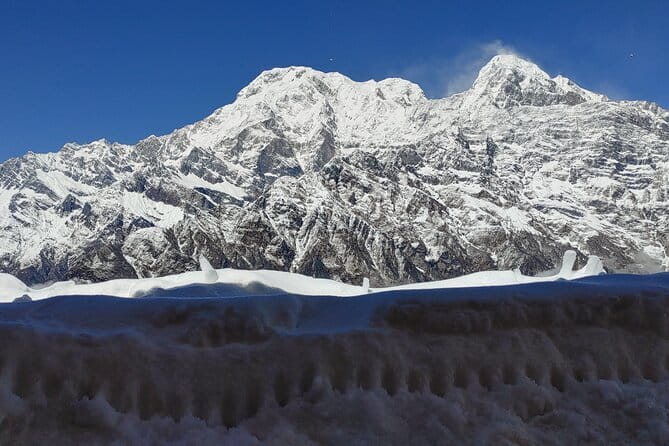
Mardi Himal is interesting because it runs just south of the famous Annapurna Base Camp corridor, yet it often feels calmer and quieter. I love the quieter trek and the up-close mountain views you get as the trail climbs. The one drawback to plan around is weather, since clouds and snow can change what you can see.
I also like the way this trek is built for real humans on a real schedule, with a licensed English-speaking guide and a porter for two clients taking the edge off the load. People repeatedly highlight how safe and well looked after they felt with guides such as Ishwor, Rajan, Deepak Neupane, Krish, and Ram, plus support from sherpa team members like Suka and Bizal.
Key things I would pay attention to before you go
- A quieter Annapurna-adjacent option: designed to avoid the heavy foot traffic you see on the most popular routes
- Jungle mornings, ridge afternoons: oak, maple, and rhododendron forest early, then open grassy high country
- Camp names map to your effort: Forest Camp, Low Camp, High Camp, and the upper view area are the real milestones
- Warm gear support: down jacket and sleeping bag are provided for the trek (and returned at the end)
- Small groups with real logistics: max 15 travelers, twin-share or dorm style lodging on the trail, plus meal planning
Why Mardi Himal Feels Different From the Big Annapurna Trails
The Annapurna region is famous for a reason, but that fame comes with company. Mardi Himal takes a different track of effort, including a forested approach through the quiet stretch near the Annapurna foothills. If you like trekking where you can actually hear your own steps, this route is built for you.
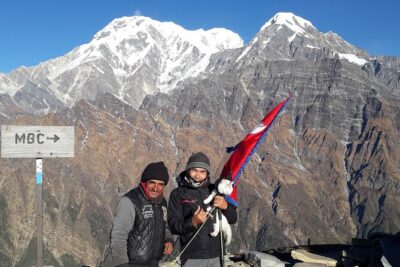
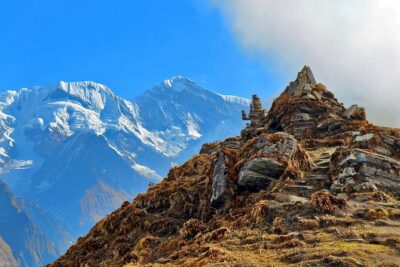
You also get a classic Annapurna reward loop. Start in gentler walking through trees. Then the trail gradually lifts you above the tree line and onto grassy ridges. As you go higher, the mountains stop being background scenery and start feeling close enough to point at with your hand. That is the emotional hook of Mardi Himal, and it is why people talk about the views like a highlight, not a bonus.
More on the Mardi Himal ridge:
- Mardi Himal Trek
★ 5.0 · 41 reviews - Mardi Himal Trek Nepal
★ 5.0 · 29 reviews - Mardi Himal Trek – 8 Days | Hidden Gem of the Annapurnas
★ 5.0 · 19 reviews
Price and Logistics: What $821.34 Covers and What You Still Pay
The stated price is $821.34 per person for about 10 days. The key value is not just transport. It is the fact that most of the annoying parts are handled for you: hotels before and after, trekking staff, permits, and the core trekking meals.
Here is what you should expect to be covered:
- Airport transfers in Kathmandu
- Hotels in Kathmandu and Pokhara (three-star) for 2 nights each
- Ground transport between Kathmandu and Pokhara by tourist bus, plus vehicles for the trek route segments
- Licensed English-speaking guide
- Guesthouse lodging during the trek, in twin-share and dormitory rooms
- 1 porter for two clients
- Trekking permits
- Down jacket and sleeping bag for the trek (return required)
- Breakfast and some lunches and dinners during the trek period
- A small extra you do not get to ignore: your own duffel/kit bag and sun hat
What is not included is also important because it affects the final real-world cost:
- Travel insurance (especially for emergency high-altitude rescue and evacuation)
- Nepal entry visa
- Lunch and dinner in Kathmandu and Pokhara
- Alcohol and drinks
- Personal trekking equipment
- Tips for guide and driver, since tipping is expected
One item in the included list may confuse you at first: airfare from Kathmandu to Lukla and back. Your walking route starts via Kande in the itinerary you were given, so the exact way that flight component fits your departure date may vary. My practical advice: ask your operator to confirm the exact flights and routing for your specific dates before you pay the last balance.
Day 1 in Kathmandu: Arrival, Ace the Himalaya Meet-Up, and the Paperwork That Matters
You land at Tribhuvan International Airport, and an airport representative meets you with an Ace the Himalaya signboard outside. You then transfer to your Kathmandu hotel in a private tourist vehicle.
Before you even lace up your boots, you get a pre-trek meeting. This is where they introduce your trek leader or guide and where you should ask anything that has been nagging at you. You will also receive a trek duffel bag and cap, and you are expected to bring:
- Your passport
- Three copies of passport-size photos
- A readable copy of your travel insurance policy
- You will sign a legally binding trip form and a non-liability disclaimer
It sounds intense, but the upside is simple. You are not guessing. You know who your guide is, you know your responsibilities, and you know what documents they need.
Day 2: Pokhara by Road, Rivers Rolling By, and a Soft Start
The drive from Kathmandu to Pokhara is about 6 to 7 hours for roughly 200 km. You will ride early on a tourist bus, and the route is part of the experience. You get views of flora, fauna, changing demographics, mountain ranges, and river energy along the way, including the Trishuli and Marshyangdi Rivers.
Why this matters for you: Pokhara is a practical staging point. You sleep in a real hotel, you eat real meals, and you take a day to mentally transition from city life to trail life. Then the next morning, the trek actually begins.
More to compare around Kathmandu
- Everest Base Camp Trek – 14 Days
★ 5.0 · 1,499 reviews - Everest Base Camp Trek
★ 5.0 · 842 reviews - Private Kathmandu Sightseeing Tour | UNESCO World Heritage sites
★ 5.0 · 756 reviews - Kathmandu: 7 UNESCO Sites with Lunch
★ 4.8 · 744 reviews
Day 3: Kande to Australian Camp, First Big Peak Fix, and the Feel of the Trail
On day three, you take a jeep up to Kande, about an hour. Then you start walking uphill on a trail that heads toward Australian Base Camp, often referred to as Australian Camp.
The walking time listed for this portion is about 3 hours, which is a smart intro. You ease into elevation gradually instead of throwing yourself into the steepest work immediately.
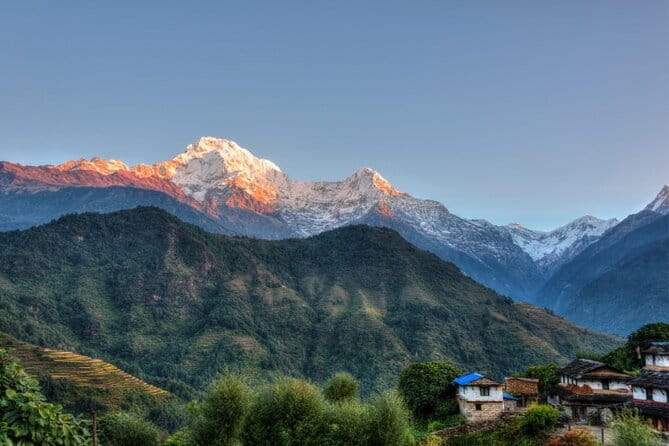
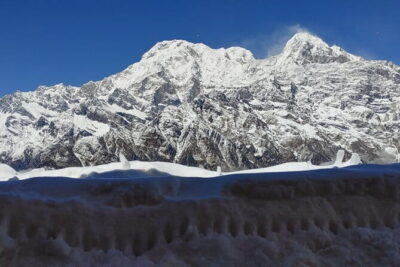
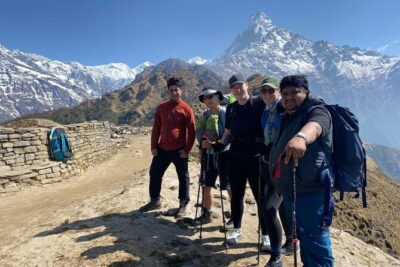
Australian Camp is especially rewarding on a clear day. You can get an unobstructed look at the Himalaya scenes across the Annapurna range, Machhapuchhre, the Manaslu range, and the green hills around you. Even if clouds move in, you still get the sense that the mountains are the main character here.
Day 4 to Forest Camp: A Quiet Jungle Day That Sets Up Your Higher Climb
This is the day where Mardi Himal shifts from village trails into a more enclosed, forested mood. After breakfast you walk toward Forest Camp, about 6 to 7 hours.
The trail profile matters:
- It is slightly downhill from Base Camp to Pothana at around 1950 m
- Then it ascends again toward Deurali at around 2100 m
- A signboard directs you right toward Forest Camp
Once you hit that forest corridor, you are surrounded by trees like oak, maple, and rhododendron. This is a day that many people enjoy because it feels calmer and less exposed than the ridge sections. You spend more time walking through shade, and less time dealing with wide-open wind.
The practical downside? Forest days can be slower underfoot if the trail is damp. Wear sturdy footwear and expect to move carefully, not fast.
Day 5 to Low Camp: Out of the Trees, Onto a Ridge, and Up Close Annapurna South
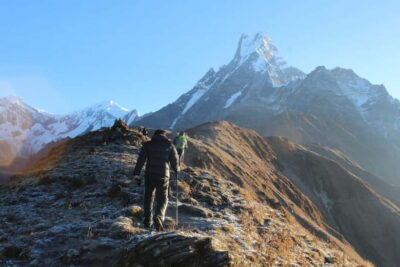
After the forest, day five is your turning point. You walk a steep climb for a few hours, then you come out onto a grassy ridge. Sometimes that ridge holds snow, so you are not just watching scenery, you are managing conditions.
You reach Low Camp after about 6 to 7 hours. In the afternoon, the routine is simple and useful: tea, a bit of acclimatizing, and time to take in up-close views of Annapurna South and Mt. Machhapuchhre.
This is where the trek starts to feel physical in a good way. You are not only gaining altitude, you are gaining perspective. The mountains look like they are leaning in closer as you walk.
Day 6 to High Camp: Sunrise Views and the Cold Shift Above Tree Line
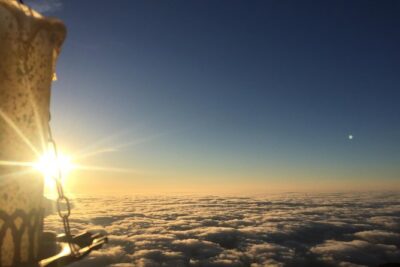
Day six starts early so you can catch sunrise over the mountain wall. After breakfast, you head onto trekking trails that climb through the grassy ridges. In winter, these ridges can be full of snow, so you should plan for colder air and sharper temperature swings.
The big change is that you walk above the tree line. The itinerary calls out that temperatures reduce along the path. For you, that means layers are not optional, and your pace should be controlled. The goal is steady effort, not hero mode.
You reach High Camp after about 4 to 5 hours. At that altitude, the view becomes more three-dimensional. Peaks gain shape. Shadows become crisp. This is also a great day to do the basics well: hydrate, eat on schedule, and protect your hands and face when the wind picks up.
Day 7 to the Upper Viewpoint and Mardi Himal Base Camp: the Prize Sightline
This is your marquee day for views. You wake up early again, then walk a few hours to the upper viewpoint or Mardi Himal Base Camp.
From there, the panorama is the point:
- You can clearly see the Annapurna Sanctuary
- You get panoramic views of the south face of Mt. Annapurna
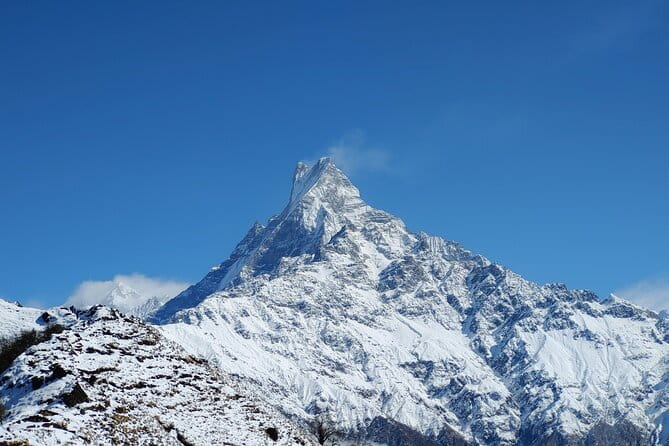
- You also see Himchuli and Machhapuchhre (Mt Fishtail)
After spending a few hours up there, you return to High Camp for breakfast. Then you head back down toward Low Camp. The descent time listed is about 2 hours.
Why I like this structure for you: it gives you a real chance to slow down at the top. It is not a quick photo stop. You have time to sit, take in the view, and feel that calm satisfaction that comes from actually earning the lookout.
Day 8: Descent to Sidhing, Lunch Break, and 4WD Back to Pokhara
The last trekking day starts with a descent to Sidhing village. The walk is about 5 hours, with a sharp change in elevation compared to your recent climbs.
You stop for lunch in Sidhing. Then you ride back to Pokhara by 4WD jeep. This mix is smart. You get the satisfaction of finishing on foot, but you also get your legs a break.
By the time you arrive in Pokhara, you can switch from survival brain to celebration brain. The trek is done, and you are back to the comfortable rhythm of meals and sleep that do not come with a headlamp.
Day 9: Kathmandu Return by Bus and a Farewell Dinner With Culture
On day nine you travel from Pokhara back to Kathmandu by tourist bus, about 7 hours. You enjoy the last glimpses of the Himalayas during the drive.
When you arrive, a representative transfers you back to your hotel. In the evening, you get a farewell dinner at a traditional Nepalese restaurant with cultural performances.
Even if you are not a fan of organized events, do not skip this one. It is your soft landing. Trekking gear off. Story time on.
Day 10: Airport Drop-Off and the Last Goodbyes
Your trip ends at Tribhuvan International Airport. An airport representative drops you off for your departure flight from Nepal.
At this stage, the hardest part is usually deciding what to do with all the photos you took and how to keep your legs from turning into stiff furniture.
What the Trek Is Like Day to Day: Pace, Effort, and Real Expectations
This trek is not described as extremely technical. The walking is typically in the 5 to 6 hour range most days, with some days longer and more uphill than others. You will climb repeatedly, and you will do enough altitude work that you need to take the slow route seriously.
The biggest effort comes from:
- steep sections near the base camp approach
- the ridge walking with possible snow conditions
- the above-tree-line cold on the way to High Camp
On the plus side, your daily structure is consistent. You know when breaks happen. You know you will have lodging at planned stops like Forest Camp, Low Camp, and High Camp. And you have staff support.
The guides and support team seem to be a major reason people feel good about this trip. Names that show up often in the field include Ishwor, Ramesh, Rajan, Deepak Neupane, Krish, Ram, plus sherpa support like Suka and Bizal. The thread is the same: thoughtful care, a pace that feels manageable, and a real sense of safety.
If this is your first trek, you are in good hands with a team that sets a comfortable rhythm and keeps you informed as you go.
Who Should Book Mardi Himal (and Who Should Pause)
This trek is a strong fit if you want:
- a quieter Annapurna experience compared to the busiest classic routes
- a mix of forest trekking and high alpine viewpoints
- a guided trip where permits and logistics are handled
- a moderate level of fitness, since you should expect steady climbing and longer walk days
It is less ideal if:
- you cannot tolerate cold conditions above tree line
- you are not flexible about weather-driven visibility changes
- you are expecting a fully independent, do-it-yourself hike
Also note that service animals are allowed, and the group size is kept to a maximum of 15 travelers. Twin-share and dormitory options keep costs controlled, so if you need a private room every night, ask about your specific room assignment options ahead of time.
Should You Book This Trek With Ace the Himalaya?
Yes, if you want a well-organized Nepal trek that focuses on the actual walking and the views, with enough structure to keep stress low. The best sign is the staff support pattern, with guides like Ishwor, Rajan, Deepak Neupane, Krish, and Ram paired with porter support, and that consistent emphasis on feeling safe and cared for.
I would book it with confidence if you like being on trails that do not feel crowded, and if you are ready for the ridge and cold portions of the climb. Just do one thing before you commit: confirm the flight routing detail since the package includes Kathmandu to Lukla airfare even though your walking start is via Kande. That one check prevents surprises.
If you want a mountain trek where the peaks feel close and the effort feels worth it, Mardi Himal is a smart choice.
FAQ
What is the start time for this trek?
The experience start time is 8:00 am.
Where does the trek start and end?
It starts at Tribhuvan International Airport in Kathmandu, Nepal, and it ends back at the same meeting point.
How long is the Mardi Himal Trek?
The duration is 10 days, approximate.
Is pickup offered?
Yes. Airport transfers are included, and you are met at Tribhuvan International Airport in Kathmandu.
What kind of accommodation is included?
In Kathmandu and Pokhara you stay in twin-share or double rooms in three-star hotels for 2 nights each. During the trek you stay in guesthouses in twin-share and dormitory rooms for 5 nights.
Are meals included?
Yes. Breakfast is included 9 times, and dinner is included 6 times and lunch is included 6 times. Lunch and dinner in Kathmandu and Pokhara are not included.
Do I need a travel insurance policy?
Travel insurance is not included in the price. You are also asked to bring a readable copy of your travel insurance policy to the pre-trek meeting.
What trekking gear is provided?
A down jacket and sleeping bag are provided for the trek and returned afterward. You also receive a duffel bag and sun hat that you keep.
How many people are in a group?
The group size has a maximum of 15 travelers.
What is not included in the price?
Not included items are Nepal entry visa, international airfare, travel insurance, lunch and dinner in Kathmandu and Pokhara, alcoholic and non-alcoholic drinks, personal trekking equipment, and tips for guide and driver.
Latest Kathmandu write-ups
- Langtang Valley Trek★ 5.0 · 3 reviews
- Khopra Danda Trek★ 5.0 · 3 reviews
- Langtang Valley Trek from Kathmandu★ 5.0 · 3 reviews
- 5 night / 6 days Kathmandu Nagarkot Chitwan Pokhara tour★ 5.0 · 3 reviews
- Nepal Highlights Tour: 5 Nights 6 Days Kathmandu & Pokhara Tour★ 5.0 · 3 reviews
- Kathmandu Valley Private Day Tour★ 5.0 · 3 reviews
- Conquer the Himalayas: The Ultimate 16-Day Annapurna Circuit Trek★ 3.5 · 3 reviews
- Kathmandu Heritage Day Tour★ 5.0 · 3 reviews
Mardi Himal Trek, compared.
Mardi Himal Trek – 8 Days | Hidden Gem of the Annapurnas
Read our review →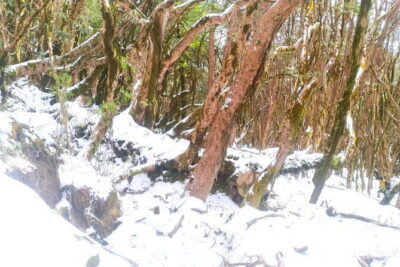
Browse the lists this tour appears in