
Reviewed · MARDI HIMAL TREK
Mardi Himal Base Camp Trek -9 Days
This trek is interesting because it gives you a classic Annapurna region feel, but with a calmer route that stays on the east side of the Annapurna range and brings you close to Machhapuchhre and Mardi Himal views. You start in Kathmandu, add a Pokhara buffer, then walk up through forests into higher alpine terrain for a real base camp payoff at around 4,450 meters.
I like two things most. First, you get mountain views in layers, from early glimpses of Machhapuchhre and Annapurna South through the big day at Mardi Himal Base Camp. Second, the trip is run with a friendly guide and a practical porter setup, including a 1 porter for 2 clients ratio, plus meals at the right times so you are not stuck guessing logistics.
One drawback to consider: the final push to base camp and the steep descents afterward can feel demanding, especially if your fitness is only moderate. The good news is the route is short enough that you can focus on pacing, not weeks of time on your feet.
Key things I’d put on your radar
- Forest to alpine progression with rhododendron and oak early, then thinner vegetation higher up
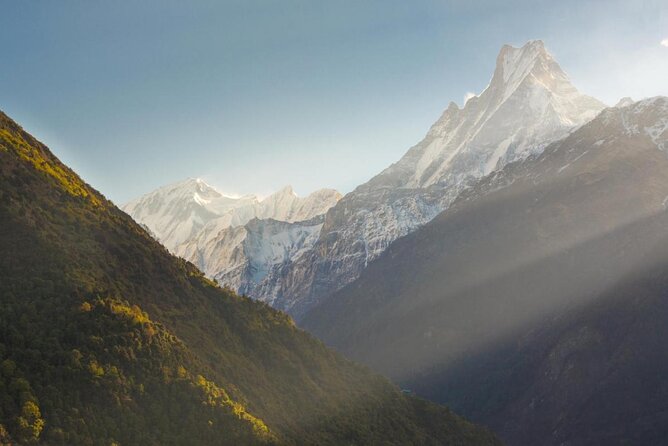
- Machhapuchhre views that show up repeatedly, including from higher camps toward base camp
- Base camp payoff at 4,450 meters with close views of Annapurna South, Machhapuchhre, and Annapurna I
- A supported walking rhythm using lodges and tea houses, plus pre arranged meals
- Gurung village finish in Siding where the culture shift makes the trek feel complete
- Operator attention to care that shows up in how groups describe guides like Prakash, Lakpa, Badri, and Ang Gombu Sherpa
Why Mardi Himal Feels Like the Annapurna Special, Without the Huge Detour
If you want Annapurna mountains but do not want a huge time commitment, Mardi Himal fits. It is often described as an easy trek that still feels adventurous, and that matches what the route planning tells you: you are not out there for a long, multi week slog. In about nine days you can go from Pokhara lowlands into serious mountain altitude, then return through villages.
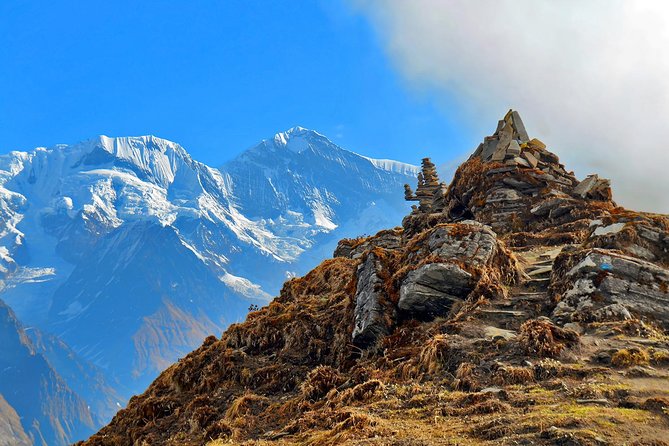
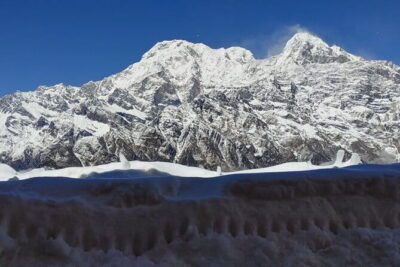
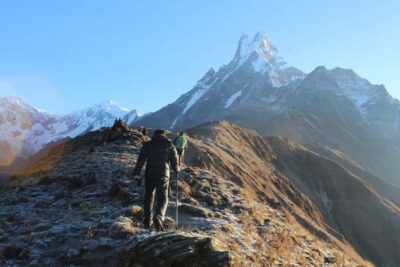
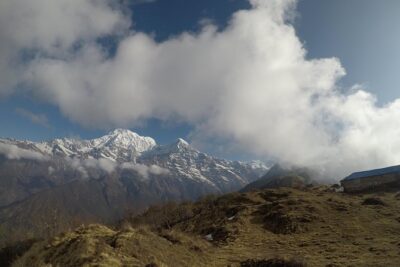
What makes the experience genuinely satisfying is the view sequence. You are not waiting until the last day for everything. Early walking passes through forest country, where Machhapuchhre and Annapurna South can peek out on clear moments. Then the scenery sharpens as you climb, with High Camp setting up the final steep route toward base camp. When you reach Mardi Himal Base Camp, you are looking at a cluster of big names: Annapurna South (7,219 m), Machhapuchhre (6,997 m), and Annapurna I (8,091 m).
The finish matters too. After the high point, you come down toward Siding village and get a shift back to everyday Nepal life. One of the best perks of this trek is that it ends in a way that feels more human than just returning to a road.
More on the Mardi Himal ridge:
- Mardi Himal Trek
★ 5.0 · 41 reviews - Mardi Himal Trek Nepal
★ 5.0 · 29 reviews - Mardi Himal Trek – 8 Days | Hidden Gem of the Annapurnas
★ 5.0 · 19 reviews
Price and Value, What 900 Per Person Actually Buys You
At $900 per person, this trek is not trying to be the cheapest way into the Annapurna region. It is priced like a service packed trip. The value is not only in the guide. It is in the package coverage that removes a lot of stress.
Here is what you are paying for that matters on the ground:
- Airport pickup and hotel transfers in Kathmandu
- Four hotel nights total: two nights in Kathmandu and two in Pokhara, both three star, with breakfast
- Full trekking meals: breakfast, lunch, dinner provided during the trek
- Guide plus porter support, with a porter for every two clients
- Permit handling, including TIMS and ACAP paper work
- Lodge and tea house accommodations during the trek
- Medical first aid kit included
- A duffle bag service that you get back after the trek
- A farewell dinner with cultural performance in Nepalese restaurant setting
If you have ever planned your own trekking route, you know how expensive it can get in time and phone calls. Here, you trade that effort for organization, plus you get someone local to manage the day to day pace.
The big thing to remember: what is not included is the Nepal visa fee, travel and rescue insurance, and most personal expenses. Tips for the guide and porter are also extra. So your true total depends on your insurance choice and how much you buy along the way for water, charging, laundry, or shower access.
The Kathmandu to Pokhara Start, and Why Those Drives Matter
Most of the stress in Nepal treks shows up before you ever lace your boots. This program gives you a clean ramp up.
Day one is straightforward: you land at Tribhuvan International Airport (TIA), meet a company representative, and transfer to your hotel in Kathmandu. Day two brings the drive to Pokhara, about 6 to 7 hours and roughly 200 kilometers. The route passes green countryside, terraced fields, and river valleys, with mountains appearing when the weather cooperates.
Then, you take the trek to the hills with a shorter connection: the next morning you are transported up to Kande area. You trek from there to Pitam Deurali. That first walking day is not designed to break you. It is designed to get your body into the rhythm. It typically takes 3 to 4 hours over about 5.6 kilometers, rising gradually through forest and clearings.
Two practical reasons those transfers are valuable:
- You lose less time trying to figure out buses and meeting points on your own.
- You avoid starting the trek too low. Pokhara altitude is already higher than Kathmandu, and Kande gives you a better start point before the climb really builds.
Walking from Pitam Deurali to Forest Camp, Forest Work That Pays Off
After the drive to Kande (about 1,750 meters), the trek begins toward Pitam Deurali at around 2,100 meters. This is a great first day because you are not thrown into full steepness right away. You walk about 5.6 kilometers in 3 to 4 hours, and the trail generally climbs through dense forests with occasional openings that show mountain views.
On day four you go from Pitam Deurali to Forest Camp at around 2,500 meters. This leg is longer, about 6.4 kilometers and 5 to 6 hours. Expect a steady climb through rhododendron and oak forests, plus quieter trail moments where you can hear your own steps.
The view timing here is important. At Forest Camp level, clearings can show Machhapuchhre and Annapurna South. That does two good things for you as a trek beginner or moderate trekker. It gives you confidence early, and it also helps you learn what direction the big peaks lie so you are not surprised later.
One reality check: forest trails can mean more mud and slipperiness if the weather has been wet. You might find it easier to keep a steady pace if you pack traction friendly hiking shoes and take short breaks, not long stops.
More to compare around Kathmandu
- Everest Base Camp Trek – 14 Days
★ 5.0 · 1,499 reviews - Everest Base Camp Trek
★ 5.0 · 842 reviews - Private Kathmandu Sightseeing Tour | UNESCO World Heritage sites
★ 5.0 · 756 reviews - Kathmandu: 7 UNESCO Sites with Lunch
★ 4.8 · 744 reviews
High Camp to Mardi Himal Base Camp, the Day You Train for in Your Mind
This part is where the trek turns from scenic hiking into an actual high mountain effort.
You climb from Forest Camp to High Camp to about 3,600 meters, around 7.2 kilometers and 5 to 6 hours. Early on you are still in forest, then vegetation thins into more rugged alpine terrain. This is where you start feeling altitude more. Even if the trek is considered manageable, this is still a real climb.
What keeps this day rewarding is that the views keep feeding you. You are likely to get moments where Machhapuchhre and Mardi Himal come into focus, plus panoramas of the larger Annapurna system. The route to High Camp sets you up for a steeper shorter run to base camp the next day.
Then comes day six to Mardi Himal Base Camp at about 4,450 meters. It is only about 4 kilometers one way, and 3 to 4 hours, but the trail climbs steeply over rugged ground. You transition from grassy alpine meadows to rockier sections near the snowline area.
This is also the day many people remember most because the views land right in front of you. From base camp, you are looking at Annapurna South, Machhapuchhre, and Annapurna I. It is the kind of view where you can stand for a while, keep checking the clouds, and still feel like you got your money’s worth.
The Descent to Siding Village and the Gurung Culture Shift
After base camp, you descend rather than try for more altitude. The route goes down toward Badal Danda at around 3,200 meters, then continues to Siding village at around 1,600 meters. Day seven typically takes 4 to 5 hours over about 7 kilometers, mostly downhill.
This descent is not only about legs. It is about the feeling change. You go from higher alpine terrain into forest and then into terraced fields and village paths. The trail becomes more social and less exposed. You can reset your breathing and enjoy the walk rather than fight it.
The culture finish is one of the reasons people like this trek. Siding village is part of the Gurung community, and the experience ends with a chance to see local daily life and lifestyle. The trek package frames this as a cultural experience, not just a hike.
Practical tip: plan your knee management. Downhill days can make the trek feel longer than it is. Trek poles can help, and pacing matters more than speed.
Lodges, Meals, and the Comfort Level You Should Expect
During the trek you stay in lodges and tea houses. That means real beds are not guaranteed like a hotel, but it also means you will not be carrying camping gear. The program includes lunch, dinner, and breakfast during the trek, which is a huge deal for trekkers who hate meal planning under pressure.
At higher elevations, tea houses can get colder. Your biggest comfort levers are your sleep system and your layers, not fancy equipment.
Vegetarian food is available, and you can request that when booking. If you have specific dietary needs, you should tell the operator ahead of time so the kitchen can plan. One of the reasons this matters: trekking days are built around meals, so you want your food plan to work smoothly.
Also, think ahead about what is personal expense. The trip does not include things like battery charging, showers, extra porters, and bottle or boiled water. That is all normal on trekking routes, but you should have a budget.
Guides, Porters, and the Kind of Care That Shows Up in Real Reviews
This operator gets praise for service and for the human tone of the trek. That shows in how multiple groups describe their guides and porters with specifics.
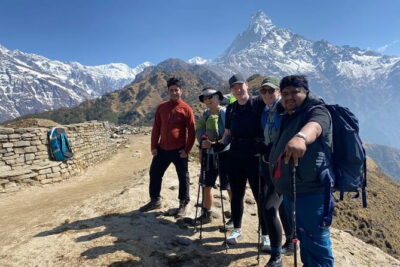
Some names that come up include Prakash as a Mardi Himal guide, described as skilled and funny, with the kind of patience you really notice if you are not in peak shape. Other guide names mentioned include Lakpa, Badri, and Ang Gombu Sherpa, described as knowledgeable and helpful. The common theme is simple: people felt looked after, not just processed.
The porter ratio helps too. A 1 porter for 2 clients setup means you are less likely to arrive exhausted because you carried everything. You can focus on your own pace and your own breathing.
One more service detail I like is that the operator handles paperwork and permits. TIMS and ACAP permit management is included, and you get all necessary paper work handled for you. That removes a common headache, especially if you are short on time or not comfortable dealing with offices.
Weather, Best Timing, and What to Plan For
The trek can be done in different seasons, and you can find stories about success even in monsoon season. That does not mean you should expect perfect conditions year round. Rain and cloud can reduce views, increase muddy trail risk, and make the higher sections feel colder.
If you want the clearest views, you want stable weather. Even then, mountain weather changes fast. The smart strategy is to treat views like a gift you can catch in windows, not a guarantee.
Here is what you can control for weather:
- Keep layers for cold nights in tea houses
- Bring rain protection for wet trail days
- Expect that some days will be more about walking through clouds than photographing peaks
The good part is that the trek still works even when the views are partly hidden. Forest sections stay beautiful, and you get a full day by day experience from cultural villages to high alpine terrain.
What to Pack and How to Pace Yourself for This Specific Route
Because the route jumps from about 822 meters in Pokhara up to base camp near 4,450 meters, your packing has to focus on temperature changes and trail practicality.
Pack for:
- Layering, with a warm layer for higher camps
- Rain protection
- Solid hiking shoes with grip for forest mud and rocky higher ground
- A comfortable daypack for water and snacks
For pacing, the itinerary pattern tells you what matters. You climb steadily day by day, with a key high effort on the way to High Camp and then a short but steep push on base camp day. That means you should avoid sprinting early. Save your legs for the climbs that matter.
Also, drink and eat on schedule. The trek includes meals, so you can match your energy to the walking plan rather than guessing.
Should You Book This Mardi Himal Base Camp Trek?
I would book this trek if you want a short Annapurna region experience with a strong balance of mountain views and cultural finish. The route is approachable enough for moderate fitness, and it is supported with guide and porter help plus lodge stays and meals. At $900 per person, you are paying for convenience, paperwork, and a care style that matches what many people say they appreciated most.
I would think twice if you know you struggle with steep climbs or downhill knee pain. The base camp day is steep, and the descent to Siding Village is long on your legs. If that part scares you, you might still enjoy the trek, but you should talk to the operator about your fitness level first and plan to move slow.
If you like practical structure, friendly guidance, and big Himalayan views without spending weeks on the trail, this one deserves a spot on your shortlist.
FAQ
Where does the trek start and what time do you meet?
The meeting point is Tribhuvan International Airport in Kathmandu. Start time is 7:00 am, and the tour ends back at the meeting point.
How do you travel between Kathmandu and Pokhara?
You travel from Kathmandu to Pokhara and from Pokhara back to Kathmandu by tourist bus. You also get private vehicle transfers for certain legs, including Pokhara to Kande and Siding to Pokhara.
What permits are included?
The trip includes the TIMS permit and ACAP permit, and the operator handles the required paper work.
What kind of accommodation is provided during the trek?
During the trek, you stay in lodges and tea houses.
Are meals included?
Yes. Lunch, dinner, and breakfast are included during the trek, plus breakfast is included with hotel stays in Kathmandu and Pokhara.
Is there a vegetarian option?
Yes. A vegetarian option is available, and you should advise the operator when booking.
Are guide and porter services included?
Yes. An experienced guide is included, and porters are included with a ratio of 1 porter for 2 clients. Tips for the guide and porter are not included.
Is travel insurance included, and what is not included besides tips?
Travel and rescue insurance is not included. Personal expenses such as phone calls, laundry, bar bills, battery recharge, bottle or boiled water, shower, and extra porters are also not included.
Latest Kathmandu write-ups
- 10 days Annapurna Base Camp Trek★ 5.0 · 5 reviews
- Visit Swayambhunath and Bauddhanath Stupa with Guide★ 5.0 · 5 reviews
- Langtang Trek from Kathmandu 7 Days★ 5.0 · 5 reviews
- 7 Day Kathmandu Pokhara Tour★ 4.5 · 5 reviews
- Island Peak Climbing with Everest Base Camp★ 5.0 · 5 reviews
- Chandragiri Hill Cable Car Tour with Hotel Transfers from Kathmandu★ 4.5 · 5 reviews
- Everest Mountain Flight★ 5.0 · 5 reviews
- Kathmandu city day tour (4 world heritage sites)★ 5.0 · 5 reviews
Mardi Himal Trek, compared.

Mardi Himal Trek – 8 Days | Hidden Gem of the Annapurnas
Read our review →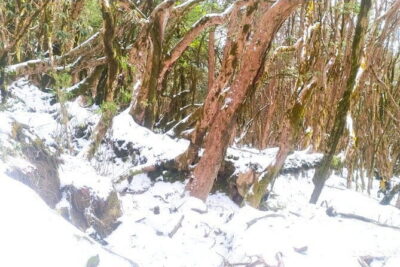
Browse the lists this tour appears in