
Reviewed · MARDI HIMAL TREK
Mardi Himal
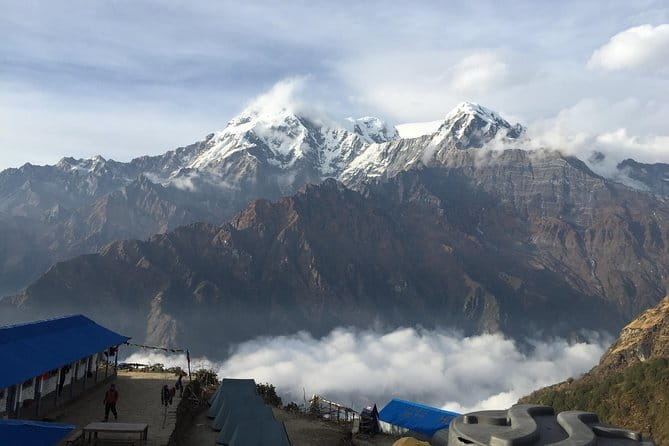
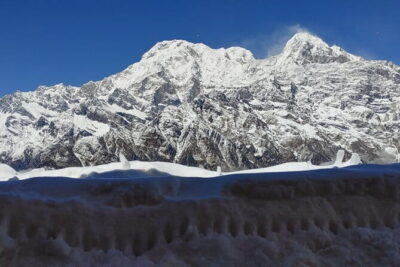
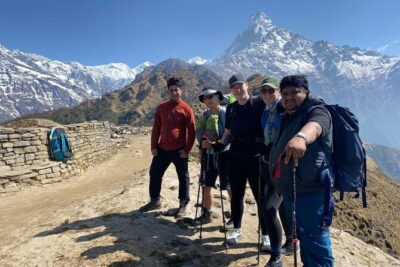
Mardi Himal is interesting because it gives you a classic Annapurna-region feeling, without needing weeks of trekking. You start in the Pokhara area, then climb through villages and forests until you’re in high country looking straight at Mardi Himal, Machhapuchhre, Annapurna South, and Hiunchuli.
What I like most is the way the route keeps changing. One day you’re walking past traditional settlements like Dhampus and Pothana, and the next you’re on ridges where the air feels sharper and the views get serious. I also really like that the trip is structured around tea house nights and a gradual push upward, so you can keep moving without the hike turning into a forced march.
One possible drawback to plan for: you do need above-moderate fitness, and weather matters. The trek asks a lot of your legs at altitude, and if conditions are poor, the experience can be canceled for weather reasons.
Key things to know before you go
- Pokhara intro transfer: you drive from Kathmandu to Pokhara (about 7 hours), then later drive back to Kathmandu after the trek.
- Village-to-ridge progression: Dhampus, Pothana, Deurali, then Forest Camp and High Camp, so your scenery changes fast.
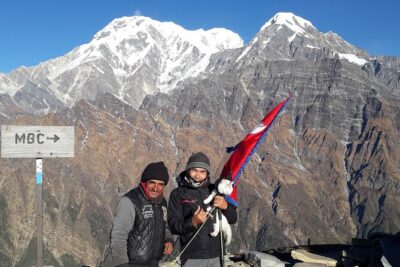
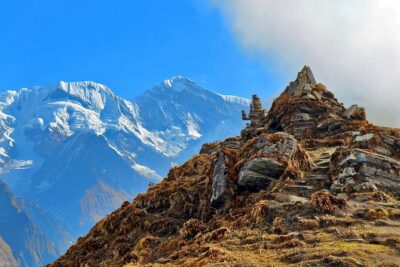
- Ridgeline viewpoints: Badal Danda for panoramic snow-Himalaya views, plus Upper View Point for sunrise and mountain views.
- Base camp option on Day 5: you can keep going toward Mardi Himal Base Camp (4500m), or turn back earlier like many people do on that day.
- Guides are a selling point: Himalayan Wander Walkers is praised for guides such as Dawa, Wangdu, and Karsang, with help for planning, permits, and on-trail confidence.
Entering Mardi Himal Country: From Thamel to the Annapurna Region
You start in Kathmandu, meeting in the Thamel area at the address point listed for the tour. The plan includes pickup, plus a transfer to the bus station and then the long drive to Pokhara. Expect a full travel chunk on Day 1, about 7 hours of driving time.
This matters more than you might think. By the time you reach Pokhara, you’ll be ready to switch from traffic and buildings to trekking time. And since the Mardi Himal trek is short compared with bigger Annapurna routes, those early hours help set the pace for the rest of the week.
After Pokhara, the itinerary immediately starts you on the uphill rhythm: you go toward Phedi and then start trekking through Dhampus and onward. In other words, this is not a “sit and watch the scenery for a day” kind of trek. You’re hiking from the start, with breaks at villages and camps.
More on the Mardi Himal ridge:
- Mardi Himal Trek
★ 5.0 · 41 reviews - Mardi Himal Trek Nepal
★ 5.0 · 29 reviews - Mardi Himal Trek – 8 Days | Hidden Gem of the Annapurnas
★ 5.0 · 19 reviews
Dhampus and Deurali: The First Real Climb (and Where Permits Fit In)
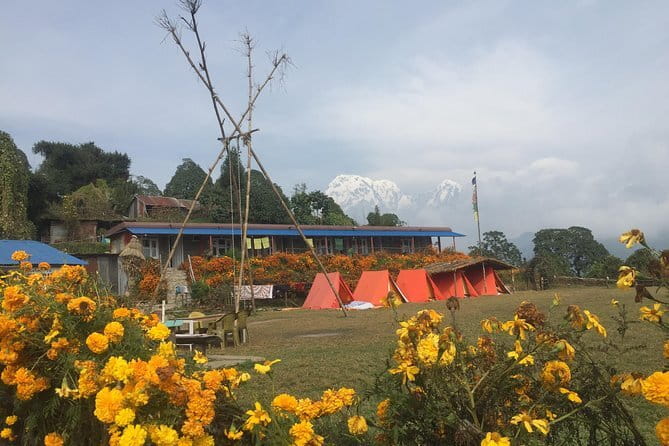
Day 2 is your entry day on foot. You break for breakfast, then drive to Phedi and start trekking toward Deurali, passing through Dhampus and Pothana. The trek is described as a good trail that climbs gradually at first. That’s a nice setup because you’ll want your body to warm up before the day starts getting more serious.
A practical moment on this day is lunch in Dhampus village, where the trekking permit check post is located. You’ll be able to plan your day around that stop, eat properly, and get the administrative task out of the way without derailing your hiking flow.
The walking described for Day 2 is about 5 hours, and you overnight at a tea house in Deurali. This is a good place to settle in, because it keeps the altitude gain reasonable while still moving you toward the high-country camps.
The bigger reason this early segment feels valuable is cultural. Dhampus and Pothana are not just “random stops.” You’re moving through communities that still feel local and lived-in, with day-to-day village life close to the trail.
Forest Camp to Low Camp: Jungle Footprints and Camp Logistics
On Day 3, you head toward the Forest Camp area, with a key turning point. In Deurali, there’s a right turn signposted for Forest Camp. The route goes through jungle, with a section that dips steeply and then slowly regains height as you’re back on the ridge.
This day is about learning the feel of the trail. Even when the climb is not constant, the terrain can trick you. One part drops faster than you expect, then you regain height later. That’s why a steady pace works best here, not hero speed.
You reach Forest Camp (2600m) after about 4 hours of trekking, and the plan notes there are 6 to 7 lodges there. Having more than one lodge option usually means fewer “everything is full” problems, and it gives you a better chance to pick a room based on view or comfort.
After lunch at Forest Camp, you continue about 2 hours to Low Camp, where you overnight at a tea house. This is a smart pacing choice in the plan. You’re not jumping from Deurali straight to high altitude. You’re stepping up camp by camp.
Badal Danda, High Camp, and Sunset: When the Trails Get Rewarding
Day 4 leans into the big-view side of Mardi Himal. You start after breakfast and hike about 1.5 hours to Badal Danda. From there, you get excellent panoramic views of the snow Himalaya.
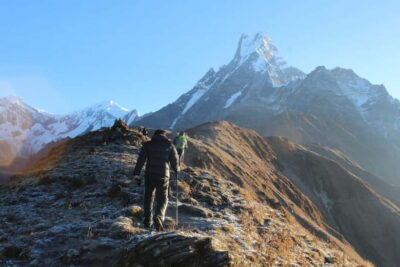
Then the hike shifts into a slower gear. The itinerary mentions hiking gently while you enjoy mountain views from the ridges, which is exactly what you want on a day that ends at a higher camp. You then go directly to High Camp for lunch.
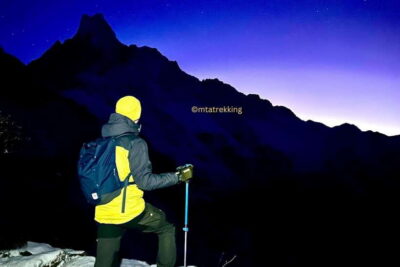
Even better, the plan includes a sunset view in the evening. That’s the moment when high-country trekking stops being about effort and starts being about reward. If you’ve been climbing with heavy legs, sunset is the payout.
Day 4’s listed trekking time is about 5 hours, and you overnight at a tea house at High Camp. This is also a good day to keep your expectations realistic: you may feel tired even when the hiking is described as gentle. Altitude does that. The fix is simple, slow steps and good hydration.
More to compare around Kathmandu
- Everest Base Camp Trek – 14 Days
★ 5.0 · 1,499 reviews - Everest Base Camp Trek
★ 5.0 · 842 reviews - Private Kathmandu Sightseeing Tour | UNESCO World Heritage sites
★ 5.0 · 756 reviews - Kathmandu: 7 UNESCO Sites with Lunch
★ 4.8 · 744 reviews
Upper View Point and Mardi Himal Base Camp: The Day You Decide Your Limit
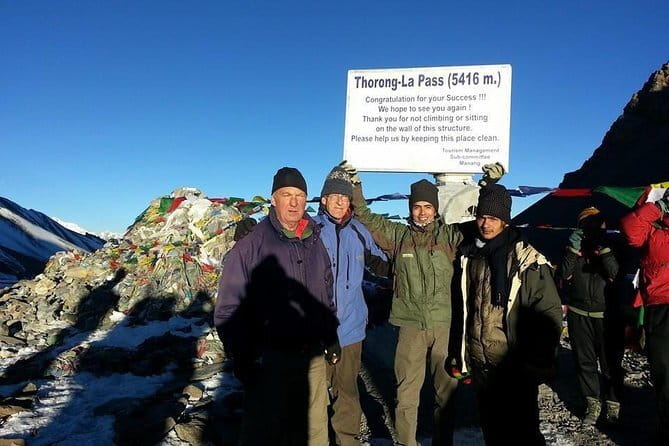
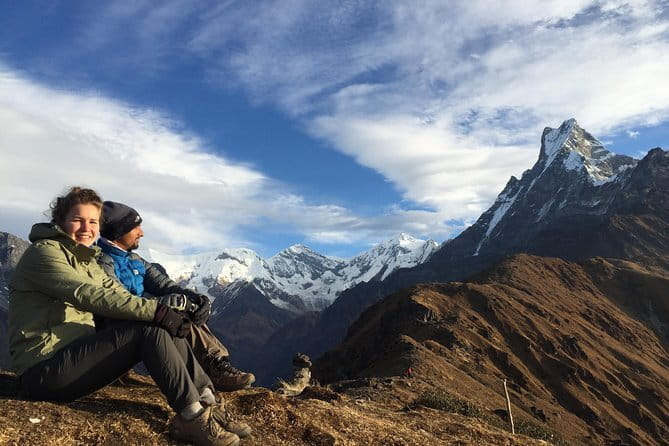
Day 5 is the decision day. The plan says it’s possible to continue trekking along the ridge for another 3 to 4 hours to Mardi Himal Base Camp (4500m). Before base camp, you reach Upper View Point, and the itinerary specifically calls out sunrise and mountain views there.
This is one of the best ways to handle a high-altitude day. Upper View Point is positioned so that you still get major views even if you turn back earlier. The plan even notes that many trekkers return from Upper View Point because the views are similar to those from base camp.
Here’s how to think about that choice:
- If you’re feeling strong and comfortable above 4000m, pushing on to base camp can feel worth it.
- If you feel winded or your pace slows, turning back earlier is not a failure. It’s smart trekking.
After your morning and breakfast, you then trek to Rest Camp for about 3 hours, overnight at a tea house. This sequence keeps the day from becoming one long grind. You see the big views, then you come down to a more manageable walking day.
If you care about photos, this is your best day for them. Sunrise plus high ridge angles are hard to beat, especially with views that include Machhapuchhre and the Annapurna massif.
Kalimati Descent to Pokhara: Easier Hiking, Better Letting Go
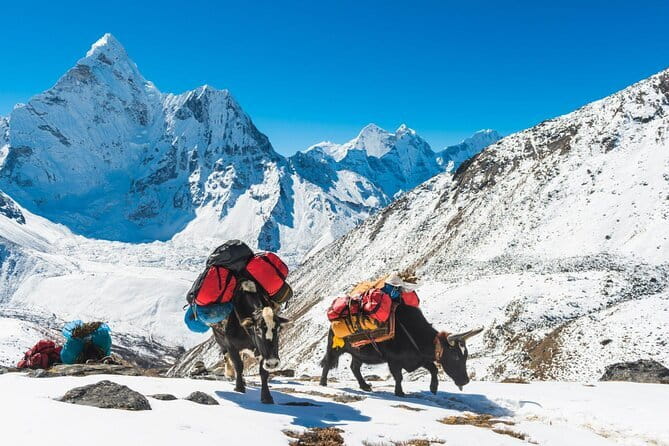
Day 6 is a “relaxed” recovery day on paper, and it usually feels like that in real life. After breakfast, you trek gently through forest shade via Forest Camp, then follow a different route down until before terraced fields.
You reach Kalimati, stop for lunch at a hotel with beautiful views, and then drive to Pokhara, about 2 hours.
This day is important because it closes the loop. After days of camps and altitude, you finally get back into a lower, more village-like environment. The route down also gives your body a chance to reset, even if your knees still feel every step.
Also, getting lunch with views matters. It’s the moment when you can eat something without thinking about the next hour of climbing.
The Return Drive to Kathmandu: One More Long Day, Then Home
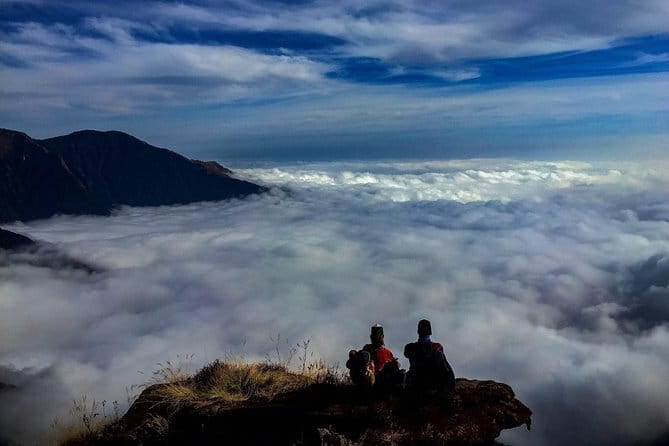
Day 7 is about transport. You drive from Pokhara to Kathmandu by tourist bus, around 6 to 7 hours over roughly 200 km, starting at 7:30 am. Then your accommodation for the last night is set with a B and B plan.
This final travel day is the part people underestimate. Even if the trek itself went well, you’ll still want to plan for a long day in the vehicle. Bring something to keep yourself comfortable and plan for a slower pace on arrival.
The upside is you’re not ending with more hiking. You get the satisfaction of finishing the trail and then transitioning back to normal life.
Price and Logistics: Is $693.34 a Good Deal Here?
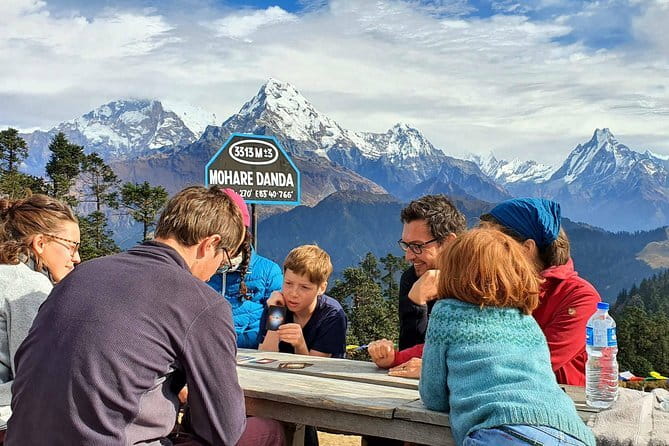
At $693.34 per person for an approximately 7-day private trek, the value comes from what’s handled for you and what’s included.
From what’s listed:
- You get pickup offered from the Kathmandu side, and you have an air-conditioned vehicle for transfers.
- All fees and taxes are included.
- You receive breakfast (6).
- You’re traveling with a private group, so it’s only your group.
From the company’s reputation, you also get strong support from guides like Dawa, Wangdu, and Karsang, especially around planning and permits. That kind of help is not glamorous, but it removes stress. You can focus on walking and adjusting at altitude instead of wondering what document comes next.
One reason this price can feel fair is that Mardi Himal is a shorter trek than many Annapurna routes, so you’re paying for fewer days of guiding and logistics. The itinerary also builds in practical breaks, like tea house overnights and meal stops, rather than pretending you’ll run on pure ambition.
My one caution on value: what matters most to your total cost is what else you’ll need beyond the listed inclusions. The tour notes what’s included, and it also notes that some expenses are not included. Before you go, make sure you budget for items that are not explicitly listed, so you’re not surprised late in the week.
Guides You Can Trust on Ridgelines: Dawa, Wangdu, and Karsang
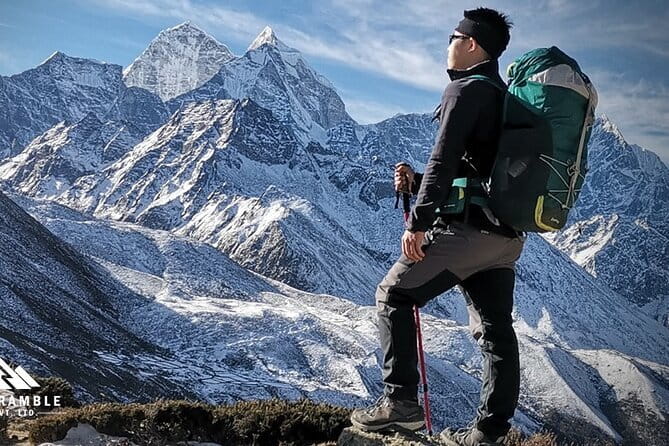
One of the most praised parts of this trek is the guide experience. In the feedback you can see a pattern: guides are friendly, helpful, and focused on planning and safety. Names that come up include Dawa and Karsang, with Wangdu also mentioned as excellent for handling the trek smoothly.
What I’d take from that as a traveler is simple: having a guide who can manage details and guide your pacing is worth a lot on a trek like Mardi Himal. The route includes ridges, forest sections, steep drops, and high viewpoints. When you’re tired, good guidance helps you make better decisions.
Also, the itinerary includes moments tied to trekking permits, like the check post at Dhampus village. Guides who manage permits well take a lot of pressure off your shoulders.
If you like knowing you’re in good hands before a steep climb, this kind of guided support is a big part of why people recommend this operator.
Who Should Choose Mardi Himal, and Who Should Rethink It
This trek fits best if:
- You have moderate to above-moderate fitness.
- You enjoy switching scenery quickly, from village paths to forest sections to ridge walking.
- You’re happy with a tea house trekking style, not a luxury hotel trip.
- You want serious mountain views but in a shorter time window than many other Annapurna-area treks.
You might rethink it if:
- You’re not comfortable with altitude. The plan includes camping areas up around 4500m, like Mardi Himal Base Camp.
- You hate long travel days. You’ll have a big Kathmandu-Pokhara transfer day, then another long return drive.
- Weather sensitivity is a problem for you. The experience requires good weather and can be canceled due to poor conditions.
Should You Book This Mardi Himal Trek?
Yes, if you want a compact trek with big-view payoff, and you value having a guide who handles planning details well. I like that the itinerary is paced with tea house stops and includes built-in viewpoint moments like Badal Danda and Upper View Point.
It’s especially a good fit if you like the idea of seeing traditional communities early in the trek, then watching the environment change until it turns into high, ridge-level terrain with major Himalayan views.
One last practical thought: pack for cold mornings at high altitude and be ready for a day where you may need to choose between base camp and turning back earlier for the views. If you can handle that flexible mindset, Mardi Himal will treat you well.
FAQ
How long is the Mardi Himal trek?
The experience is listed as 7 days approximately.
Where does the trek start and end?
It starts at Thamel, Kathmandu 44600, Nepal, and ends back at the same meeting point.
Is pickup offered?
Yes, pickup is offered, and the plan includes pickup from your Kathmandu hotel to help you reach the bus station before the drive to Pokhara.
Do I need good weather for the trek?
Yes. The experience requires good weather, and if it is canceled due to poor weather, you will be offered a different date or a full refund.
Is this a private tour?
Yes. It is a private tour or activity, and only your group participates.
What’s included in the price?
The listed inclusions are an air-conditioned vehicle, all fees and taxes, and breakfast for 6 days. You also receive mobile ticket support.
Can I cancel and get a full refund?
Yes, you can cancel for a full refund if you cancel at least 24 hours in advance of the experience’s start time. If you cancel less than 24 hours before the start time, the amount paid is not refunded.
Latest Kathmandu write-ups
- Langtang Valley Trek★ 5.0 · 3 reviews
- Khopra Danda Trek★ 5.0 · 3 reviews
- Langtang Valley Trek from Kathmandu★ 5.0 · 3 reviews
- 5 night / 6 days Kathmandu Nagarkot Chitwan Pokhara tour★ 5.0 · 3 reviews
- Nepal Highlights Tour: 5 Nights 6 Days Kathmandu & Pokhara Tour★ 5.0 · 3 reviews
- Kathmandu Valley Private Day Tour★ 5.0 · 3 reviews
- Conquer the Himalayas: The Ultimate 16-Day Annapurna Circuit Trek★ 3.5 · 3 reviews
- Kathmandu Heritage Day Tour★ 5.0 · 3 reviews
Mardi Himal Trek, compared.

Mardi Himal Trek – 8 Days | Hidden Gem of the Annapurnas
Read our review →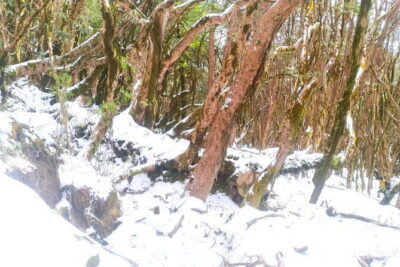
Browse the lists this tour appears in