
Manaslu Circuit Trekking is interesting because it hits that sweet spot of big-mountain effort without the heavy crowds you may see elsewhere in Nepal. You’ll walk through Budhi Gandaki valley villages with Tibetan-influenced culture, then work your way toward the high pass at Larkya La, where the views can feel almost unfair.
I like how this trip keeps you moving with teahouse comfort and real meal support, plus all the important logistics like permits and overland transport are handled for you. One thing to consider is that you do need strong fitness, because the days leading into the pass include steep climbs, big suspension bridge crossings, and some exposed trail sections.
Key things I’d zero in on before you go
- Smaller group size (max 12), so you’re not swallowed by a big herd
- Gov-licensed guide support, which matters a lot on a remote circuit
- Permits and overland transport included, so you spend less time coordinating
- Tea house lodging with 3 meals per day, which simplifies daily planning
- Borrowable trekking gear, including down jackets, sleeping bags, and hiking poles (if needed)
- A high-pass finale at Larkya La, followed by a long descent into Bimthang
Price and logistics: what the $1,499 is buying you
$1,499 per person is not cheap, but it can be good value for a trek like the Manaslu Circuit because so much of the “hard to DIY” work is already inside the package. You’re covered for permits, an experienced guide, and the main overland legs by public bus, plus the trek side stays in tea houses with three meals a day.
What you should expect to pay extra for is also pretty normal for Nepal trekking. Insurance and rescue coverage are not included, and you’ll still have personal expenses like phone use, battery recharges, laundry, bottle or boiled water, and shower fees if they exist at your stop.
One detail I like: the operator keeps the group tight, max 12 travelers, and uses a mobile ticket. That tends to reduce chaos on the ground, especially when you’re bouncing between transport and trail days.
More of the Manaslu Circuit:
- Manaslu Circuit Trek
★ 5.0 · 292 reviews - Manaslu Circuit Trek
★ 5.0 · 184 reviews - Manaslu Circuit Trek:
★ 5.0 · 106 reviews
Entering the Budhi Gandaki valley from Kathmandu
You start at Adventure Bound Bahati Pokhari in Kathmandu, with airport pickup included. Then comes a practical piece of planning that many trekkers forget: getting from Kathmandu to Machha Khola. You’ll transfer to the bus station, then take a public bus to Machha Khola, with an option to use a Jeep instead for an added cost.
That first overland day is not your hardest day on paper, but it sets the tone. Road construction around the Kathmandu valley can make things bumpy, so go in expecting slow stretches and frequent stops. If you’re prone to motion sickness, plan ahead.
Days 1 to 4: from Machha Khola into Jagat, then toward Deng and Namrung
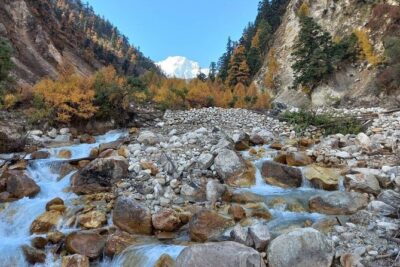
After breakfast, your trekking begins and the valley starts to narrow fast. You move into Khorlabesi, where you can grab coffee from local coffee trees growing right in the village. It’s a small moment, but it’s the kind of thing that makes a remote trek feel real, not scripted.
You’ll pass through Dovan and climb to Yaruphant for some dramatic views over the Budhi Gandaki. Later on, you’ll follow a cliff-hugging walkway and cross suspension bridges, including the kind that makes you slow down and look carefully at your footing.
When you reach Jagat for the night, you’re settling into the rhythm of the circuit. This is where the tea house system works best: you hike during daylight, then recover with warm meals and a simple bed while the valley cools.
On the next day you cross a lengthy suspension bridge and drop closer to river level on an exposed trail. You’ll pass Saleri, continue uphill toward Siridibas and Philim, then descend again before reaching what’s claimed to be Nepal’s longest suspension bridge. From there, you climb steeply to Deng.
Day 4 adds more “tight gorge, waterfalls, and steep effort.” You’ll start with an ascent, then take in wild grasses and a narrow view corridor of the Budhi Gandaki below. After passing waterfalls and climbing to Ekle Bhatti, you descend steeply to a suspension bridge and keep working your way closer to Manaslu. The day ends at Namrung, after a village archway moment and a final bridge crossing.
Practical note: the suspension bridges are not just photo stops. They’re also good training for pacing. Take them steady, keep your spacing, and don’t rush just because you’re eager to reach the next village.
Days 5 to 7: landslide ground to Lho, and Samagaon’s Tibetan trading-post feel
Day 5 starts with a checkout, then early walking and a climb to Bihi Phedi. A key thing on this circuit is that trail conditions can change, and this day includes a section destroyed by a landslide. You’ll cross carefully, which is one of the biggest reasons having a guide matters. It’s not about fear, it’s about choosing the safest line when footing and surfaces are unpredictable.
After that, you’ll see forests of blue pine, oak, and rhododendron. The route repeatedly crosses the river, so expect your sense of “altitude progress” to be less linear than it feels. Then you’ll hit a relentless uphill climb before descending into Lho.
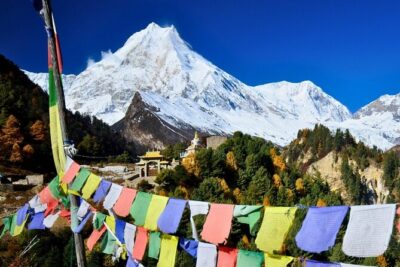
Lho is a special transition point. The area around Lho can deliver strong views of Manaslu’s twin peaks, and you may even notice your timing relative to the famous summit cloud. Even if the cloud hides the peak at first, don’t assume it’s gone forever. Clouds in these valleys move fast.
You’ll keep going past Lihi and into Sho, known for old traditional houses and people still in traditional clothing. Then you’ll move through oak forests, pass Shyala, and stroll into Samagaon, an ancient Tibetan trading post with a centuries-old Gompa.
That’s where Day 7 becomes a true gift: a rest day in Samagaon. Instead of stacking more altitude and fatigue, you get a chance to breathe, take short walks if you feel good, and adjust your recovery before the high pass push.
If you’re doing this trek as your big “Nepal moment,” the rest day is the part you’ll remember later. It’s not lazy. It’s smart.
More to compare around Kathmandu
- Everest Base Camp Trek – 14 Days
★ 5.0 · 1,499 reviews - Everest Base Camp Trek
★ 5.0 · 842 reviews - Private Kathmandu Sightseeing Tour | UNESCO World Heritage sites
★ 5.0 · 756 reviews - Kathmandu: 7 UNESCO Sites with Lunch
★ 4.8 · 744 reviews
Days 8 to 10: Samdo winds, Larke Phedi, and the Larkya La pass
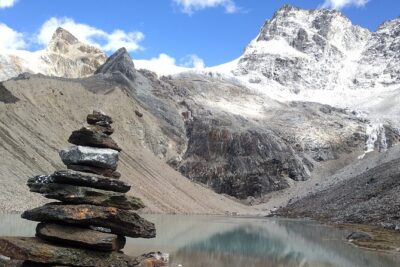
On Day 8, you get a lighter walking day. You’ll pass the remnants of the east Manaslu glacier moraine and then move on a mostly flat valley trail with the Budhi Gandaki becoming smaller. This is a good day for steady breathing, careful hydration, and sorting your layers.
Later, you’ll cross a bridge and do a short, steep ascent to a chorten marking Samdo. Samdo sits at a confluence of valleys and can be windy because of air flow from the Tibetan Plateau. If it feels like the weather is rushing at you, that’s not your imagination.
You also may have the option of afternoon hikes if you still have energy. On this kind of trek, I treat those extra short hikes like bonus exercise, not a requirement. Move if you feel good, but keep your legs for the pass.
Day 9 takes you to Larke Phedi, which functions like a staging point for the high crossing. You’re not at the pass yet, but you’re close enough that your body starts thinking about it overnight.
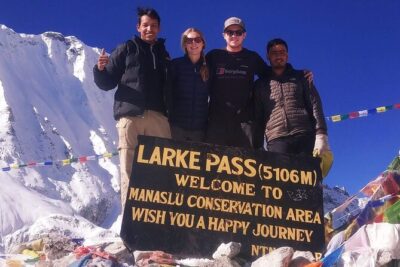
Then comes Day 10, the main event: a slow-going ascent to Larkya La at the top of the high pass. The pacing matters more than speed here. Once you reach the pass, you’ll enjoy the views of your successful effort, then switch gears to a long descent.
That descent ends at Bimthang, described as a meadow with some of the best views on the entire trek. After spending time with steep climbs and thin air, seeing open space can feel like a reward.
Days 11 to 12: Dharapani to Besishar, then back to Kathmandu or Pokhara
After breakfast, your final mountain day shifts back to transport. You take a Jeep or bus from Dharapani to Besishar, which takes about 4 to 5 hours, and spend your last night at Besishar.
The last day finishes with final breakfast on the trail and then transport back to Kathmandu or Pokhara, depending on your preference. You’ll overnight in a hotel, which is a nice reality check after tea house trekking.
This post-trek phase matters. Your body will be tired, and you’ll want a real bed and a warm meal where you don’t have to think about trail timing. Plan to move slower than you think you should.
Tea houses, meals, and gear: what feels included on the ground
This trek includes tea house accommodations during the trekking days, plus three meals per day on the trail. That’s a big deal in the Himalaya, because it means you’re not rationing energy by skipping meals or hunting snacks at every stop.
The package also includes practical trekking support gear. You can borrow down jackets, hiking poles, and sleeping bags if needed. That reduces the cost burden of hauling winter-grade gear for a single trip. It also helps if you’re traveling light and don’t want to fill luggage with bulky items.
Still, pack with the high pass in mind. Even if you borrow warmth, bring layers that you already know fit you well, and bring gloves and something for your head. Cold doesn’t care that it’s your first high-altitude trek.
Also, remember that tea house comforts vary by village. You can expect simple rooms and basic facilities rather than hotel style. The value here is that your route and daily schedule are set up so you spend your energy on the trek, not on logistics.
Guides in the Manaslu Circuit: safe, calm, and often the reason people call it a highlight
The trip includes a government-licensed experienced guide and a first aid medical kit. On a route like Manaslu, that support shows up in small ways that add up: pacing, route choices on sketchy sections, and help when weather or trail conditions shift.
From what I’ve seen on similar Nepal trekking experiences, the best guides do two things well. First, they keep you moving at a sustainable rate. Second, they make you feel safe without turning the day into a lecture. The names you may be matched with can include Raman, Raj, Santosh, Suresh, or CK Gurung, and each gets described as friendly, attentive, and helpful on strenuous days.
One other detail I appreciate is flexibility. Several people talk about guides adapting to needs, taking time to explain things, and guiding in an individual way. That can matter if you’re coming in at a different fitness level, or if you want to slow down for photos without feeling like you’re holding the group hostage.
Who this trek is for, and who should think twice
This trek suits you if you want a high-pass Himalayan circuit with Tibetan-influenced culture, fewer crowds, and the kind of scenery that comes from walking through real villages rather than just viewpoint stops. You’ll also like it if you value safety and planning, because permits and transport are taken care of, and your guide helps you stay on track.
You should think twice if you’re not ready for big climbs, long days on uneven steps, and a high pass effort at Larkya La. Strong physical fitness is explicitly recommended. This is not a stroll, even though the trek has some easier valley days.
If you’re traveling as a small group and appreciate not being lost or guessing, max 12 travelers can feel like a sweet spot. You get companionship without losing your quiet moments.
Should you book this Manaslu Circuit trek?
I’d book it if you want a well-organized Manaslu Circuit that removes the main stress points. The value comes from combining permits, guide support, tea house meals, and borrowed gear into one plan, so you can focus on the walk.
I’d also book it if Larkya La is on your wish list, but you want help managing the practical parts of getting there, day after day. The suspension bridges, gorge trails, Samdo winds, and that long descent to Bimthang are all easier to handle when someone local is steering.
Skip this and look elsewhere if you’re unsure about your fitness or you want a trip with lots of free time and flexible hiking choices. This route is paced, and it expects you to show up ready.
FAQ
Is airport pickup included for this trek?
Yes. Airport pickup is included as part of the experience.
Are meals included during the trek?
Yes. You get three meals per day (breakfast, lunch, dinner) during the trekking days.
Where do you stay while trekking?
You’ll stay in tea houses during the trek, and you’ll also have hotel nights in Kathmandu and at the end of the trek, depending on timing.
What’s included for permits and transport?
All required permits are included, and overland transport and permits are included as part of the package. Public bus tickets are included for Kathmandu to Machha Khola and from Dharapani back to Kathmandu or Pokhara.
Can I borrow trekking gear?
Yes. Down jackets, hiking poles, and sleeping bags can be borrowed if needed.
How big is the group?
The maximum group size is 12 travelers.
What happens if I cancel this experience?
This experience is non-refundable and cannot be changed for any reason. If you cancel or ask for an amendment, the amount you paid will not be refunded.
Latest Kathmandu write-ups
- Langtang Valley Trek★ 5.0 · 3 reviews
- Khopra Danda Trek★ 5.0 · 3 reviews
- Langtang Valley Trek from Kathmandu★ 5.0 · 3 reviews
- 5 night / 6 days Kathmandu Nagarkot Chitwan Pokhara tour★ 5.0 · 3 reviews
- Nepal Highlights Tour: 5 Nights 6 Days Kathmandu & Pokhara Tour★ 5.0 · 3 reviews
- Kathmandu Valley Private Day Tour★ 5.0 · 3 reviews
- Conquer the Himalayas: The Ultimate 16-Day Annapurna Circuit Trek★ 3.5 · 3 reviews
- Kathmandu Heritage Day Tour★ 5.0 · 3 reviews
Manaslu Circuit Trek, compared.
Manaslu Circuit Trek 8th Highest in the World
Read our review →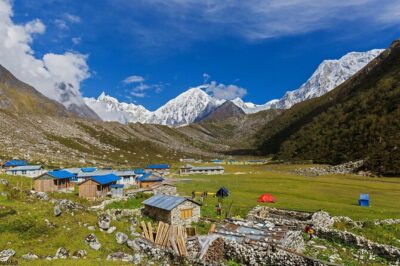
Private 12-Day Manaslu Circuit Trekking in Kathmandu
Read our review →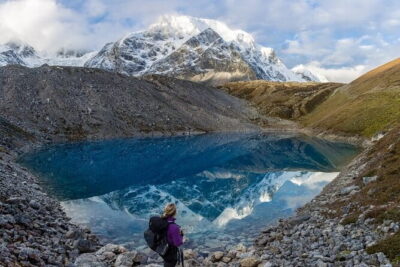
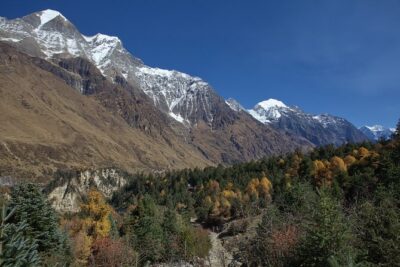
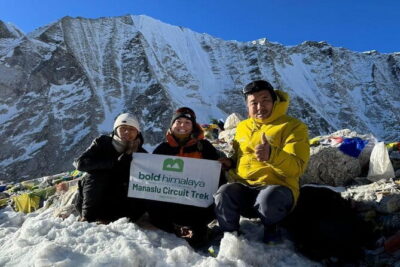
Manaslu Circuit Trek to the Beauty of 8th Highest Mountain
Read our review →Browse the lists this tour appears in