
Reviewed · PASHUPATINATH TEMPLE
Kathmandu: 3 hours night Pashupatinath Aarti Tour
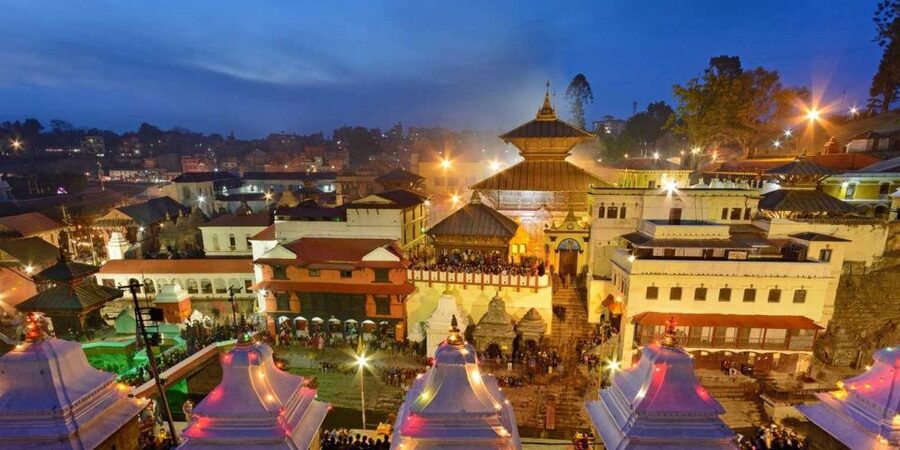
Pashupatinath at night is one of those places where faith and architecture meet face to face. You’ll visit the UNESCO temple complex on both sides of the Bagmati River, then watch the special evening atmosphere connected with the Hindu aarti. I like that it’s built for real-life schedules, with hotel pickup making it simple to start and finish in one block of time.
Two things I’d count on: a licensed English-speaking guide to help you understand what you’re seeing, and the chance to experience the temple grounds in a guided, structured way rather than wandering. If you’re lucky, you may also get a guide who can answer questions clearly, like one guide named Bisham, who was noted for being available and helpful when timing got thrown off.
One consideration: service timing can be unpredictable. In at least one case, pickup ran about an hour late due to circumstances in Kathmandu, and the person ended up going on their own because they could not reach the agency quickly. If you hate waiting, build in a little buffer and stay flexible.
Key Highlights You Should Care About
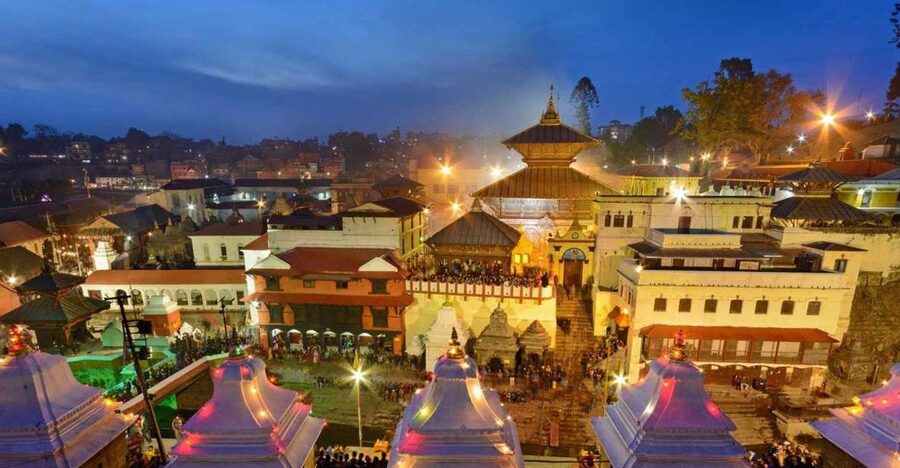
- Night atmosphere at Pashupatinath: you’re there when the site feels most alive and devotional.
- Guided entry to a major Shiva pilgrimage site: not just photos, you get context for what you’re looking at.
- Arya Ghat cremation area on the Bagmati River: an important part of the complex, tied to Hindu beliefs.
- Pagoda-style temple details: including the golden roof and silver door details you can spot during your visit.
- Pickup convenience from Thamel or the temple: fewer logistics headaches before your evening starts.
- Good value for a short tour: transport, guide, and entry ticket are part of the price.
Pashupatinath at Night: Why This Specific Timing Works
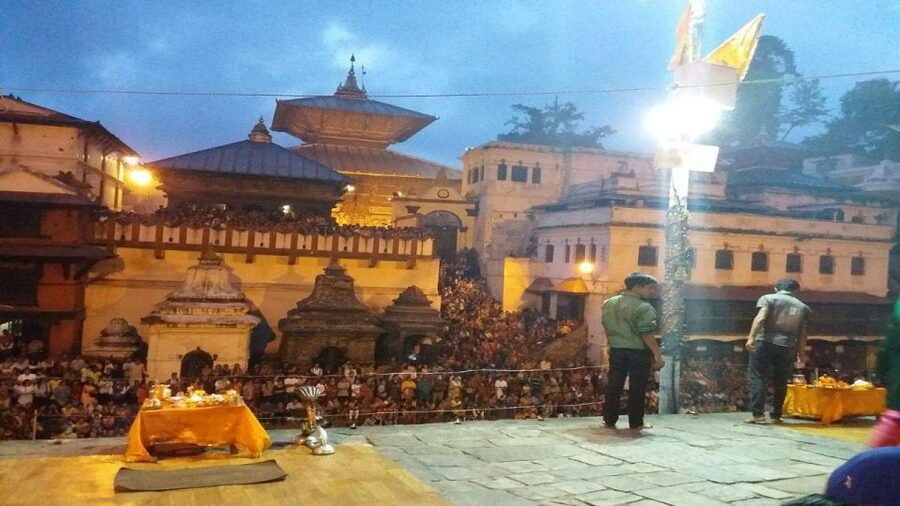
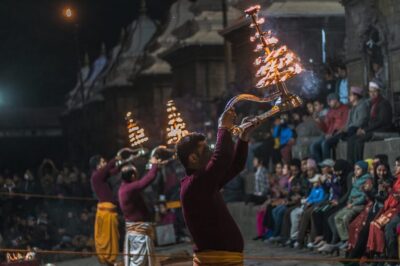
If you only ever picture temples as daytime sightseeing stops, Pashupatinath will gently correct that idea. At night, the mood shifts. Chanting and ritual movement are easier to follow, and you can read the space better because your attention is pulled toward the ceremonies and the people participating.
The temple complex is dedicated to Lord Pashupatinath, an incarnation of Shiva, and it’s considered one of Hinduism’s most important pilgrimage destinations. The site spreads along the Bagmati River, so your experience isn’t locked into a single courtyard. Instead, you move through a whole sacred zone with shrines, ashrams, and riverbank ritual areas.
You should also know what makes this place feel unusual for a first-time visitor: the complex includes Arya Ghat, the cremation area on the riverbank. That means you’re not only looking at religious architecture, you’re also seeing a core part of Hindu funerary practice in a very public way. For most people, that’s the most memorable, emotionally heavy part of the tour.
More at Pashupatinath:
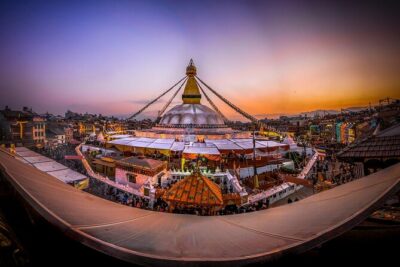
- Kathmandu Spiritual Sites: Bodhnath & Pashupatinath Tour
★ 5.0 · 185 reviews - Kathmandu: Pashupatinath Temple Evening Aarati Tour
★ 5.0 · 36 reviews - Kathmandu: Pashupatinath Temple Aarti Night Tour
★ 4.8 · 29 reviews
Getting Picked Up in Kathmandu Without Wasting Your Evening
This tour is designed around a simple plan: pickup, drive to Pashupatinath, guided time on-site, then drop-off back to your hotel area. You’ll have two pickup options, Thamel and Pashupatinath Temple, and two drop-off options with the same locations. For many visitors, that pairing matters because Thamel is where a lot of hotels cluster, and it keeps the night from turning into a long taxi hunt.
Transportation is included, so you’re paying for a driver plus the practical route between your hotel area and the temple zone. That’s a real value point in Kathmandu, where travel times can vary depending on traffic and local conditions. Also, with a guide, you’re not improvising your way through entrance points and timing.
One more practical note: you’ll want to bring a passport or ID card, plus cash. That’s usually about site or entry checks, and it helps you avoid slowing down right when you’re trying to enjoy the ceremony.
The Guided Temple Walk: What You Will Actually See
Your guided time is about 2.5 hours at Pashupatinath, with a licensed guide and an entry ticket included. During that time, you’ll get a structured view of the complex rather than just standing at the most obvious photo angles.
The main temple is pagoda-style with a golden roof, and it has intricately detailed silver door elements that you can often spot from the right viewpoints as you move through the area. Even if you don’t know temple architecture, the design is easy to interpret once someone explains the purpose of the different structures and where people tend to gather.
A key part of the guide’s value is what they help you notice. This is a Shiva site, so you’ll likely see how symbols and devotional practices connect to Lord Pashupatinath. You should also expect some explanation of why this complex draws so many pilgrims, including during big annual moments like Maha Shivaratri, when devotees travel from across Nepal and neighboring countries.
Arya Ghat and the Bagmati River: The Most Important Part of the Complex
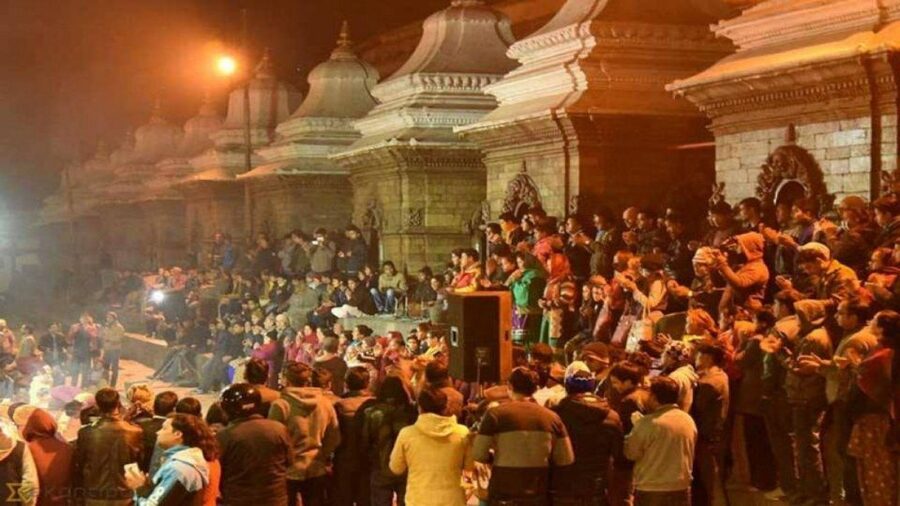
One highlight in this experience is cremation, specifically the cremation site known as Arya Ghat. This is on the Bagmati Riverbank and is widely treated as an important place in Hindu cremations. The belief tied to cremation here is that the deceased soul can attain moksha, liberation from the cycle of rebirth.
For visitors, this section can be intense. You’ll be in the same sacred space where Hindu funerary rites take place, which can feel confronting if you’re expecting a purely sightseeing experience. If you’re sensitive to death-related rituals, go in with awareness rather than trying to force yourself not to feel anything.
At the same time, this is also where Pashupatinath stops being abstract. You’re not hearing about beliefs from a lecture. You’re watching a sacred practice take place in a location that’s integrated into daily religious life. That’s why this tour is often most “real” when you’re witnessing the riverbank atmosphere and understanding how the cremation area fits into the larger sacred complex.
Tip for your mindset: treat your time here with calm attention. Don’t rush, don’t joke, and don’t try to turn someone else’s grief into a spectacle. Let the guide set your pace.
More to compare around Kathmandu
- Kathmandu: 7 UNESCO Sites with Lunch
★ 4.8 · 744 reviews - Everest Base Camp Helicopter Tour landing at Everest View Hotel
★ 5.0 · 668 reviews - Kathmandu: Local Women-Led Nepali Cooking & Momo Class
★ 4.9 · 360 reviews - Manaslu Circuit Trek
★ 5.0 · 292 reviews
The Night Aarti Experience: Ritual, Sound, and Focus
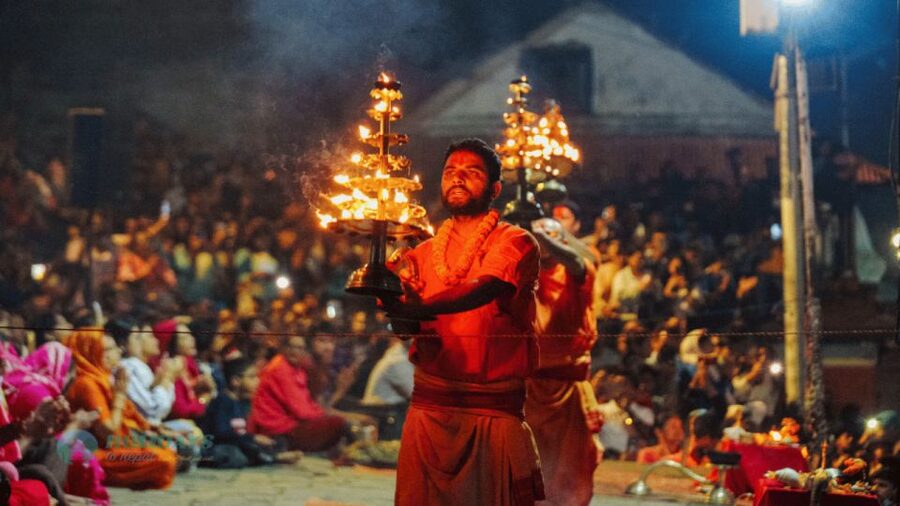
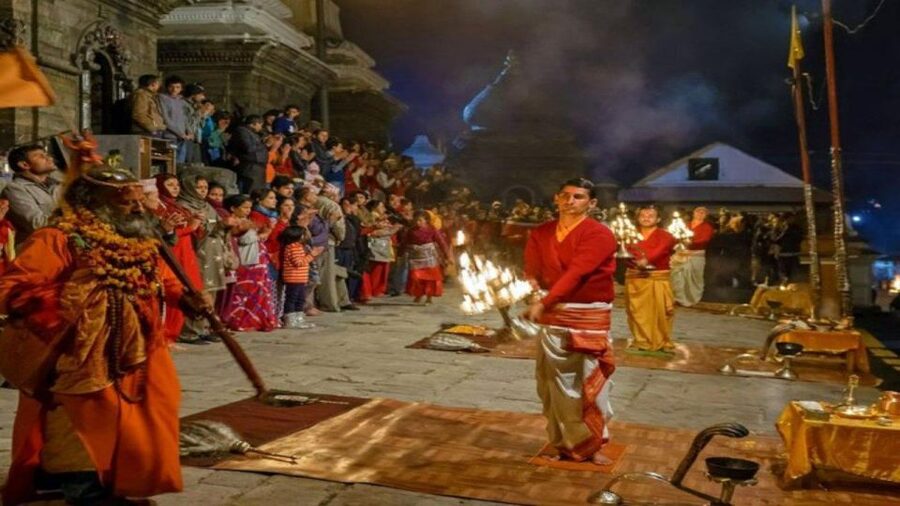
Because the experience is specifically a night Pashupatinath aarti tour, you can expect the program to center on the devotional atmosphere around the aarti ceremony. The plan includes time to see the special aarati ceremony during your visit, which is the moment that pulls many visitors in from the start.
Even without getting technical, aarti is about rhythm: lights, chants, offerings, and the way people gather. Night makes it easier to see how the ritual unfolds in sequence, and you can also hear the devotional soundscape more clearly as groups respond together. It’s not just a performance for tourists, it’s part of living worship.
Your guide helps you make sense of what you’re seeing so you’re not just watching movement. That context matters because Pashupatinath is enormous, and without a guide it’s easy to feel lost in the crowd. With a guide, you get a clearer sense of which areas are most meaningful for the ceremony.
How the 3 Hours Really Play Out (With Pickup and Timing)
The tour duration is 3 hours, and the guided temple visit is about 2.5 hours. That means a chunk of your evening is on-site, and the rest is travel time plus the handoff for pickup and drop-off.
That format works well for first-time visitors who want a major cultural highlight without committing to a half-day tour. You’ll get enough time to see multiple parts of the complex, including the temple area and the cremation area. You’ll also have time to experience the aarti atmosphere rather than sprinting through it.
Still, keep your expectations grounded. This is a real-world Kathmandu experience, and timing can be disrupted. In one documented situation, a guide’s arrival was delayed by about 1.5 hours because of a strike in Kathmandu, but the guide was still available and ready to clarify questions once things settled. That’s the kind of scenario where a good guide makes the difference between frustration and a worthwhile experience.
If you’re booking this, I’d plan your day so you’re not rushing from another timed commitment right before. Give yourself a little room to absorb traffic, crowds, and any operational hiccups.
Price and Value: Is $35 Worth It Here?
The price is $35 per person for a 3-hour tour. For that money, you’re getting several things bundled together: hotel pickup and drop-off, transportation to and from Pashupatinath, a licensed English-speaking guide, entry ticket, and all taxes.
What makes this feel like real value is the inclusion of transport and entry, because those are exactly the items that add cost and time when you try to do it on your own. Also, Pashupatinath is not a quick “walk in and out” kind of site. Without guidance, you can end up spending more time figuring things out than seeing the parts that matter.
What’s not included is also important: food and drinks are not part of the price. So if you get hungry before or after, you’ll need to plan around that on your own.
One more value note: a guide who can answer questions in a straightforward way can upgrade your visit a lot. If you’re the type who likes to understand what you’re seeing, you’ll probably get your money’s worth quickly.
What to Bring, What Not to Do, and How to Stay Smooth
You should bring:
- Passport or ID card
- Comfortable clothes
- Cash
You should avoid:
- Drones
- Alcohol and drugs
- Non-folding wheelchairs (the site has rules around what types are allowed)
If you’re using a wheelchair, the experience states it’s wheelchair accessible, but note the restriction about non-folding wheelchairs. If you need mobility support, it’s worth confirming what type of chair you have before you go, so you do not arrive at the wrong kind of equipment.
Dress code isn’t specified in detail, but comfortable clothes are a safe plan because you’ll be walking and standing in a large sacred area. Also, bring a calm attitude. When you visit a working religious site at night, you want to blend in, not take over.
Who This Night Aarti Tour Fits Best
This tour makes the most sense if you want:
- A guided visit to a major Hindu pilgrimage site in Kathmandu
- A short, concentrated experience focused on night devotional atmosphere
- Context for what you’re seeing, especially around Lord Shiva and the cremation area at Arya Ghat
It’s also a good pick for people staying in or near Thamel, since pickup and drop-off are available there. If you’re traveling with limited time and you still want one top Kathmandu cultural highlight, this format is hard to beat.
I’d think twice if you dislike public religious rituals involving death. The cremation area is part of the experience, and you’ll be present in that reality. If that’s emotionally difficult for you, you may want a temple-focused alternative instead.
Should You Book This Kathmandu Night Aarti Tour?
Book it if you’re excited by the idea of seeing Pashupatinath as a living pilgrimage site, not just a photo stop. I think this works especially well when you want a guide to help you read the complex, understand the Shiva connection, and experience the aarti atmosphere in a way you can actually follow.
Skip it or plan more carefully if you’re strongly schedule-sensitive. While some disruptions are outside anyone’s control, timing issues can happen, and at least one prior booking involved a late pickup with no quick resolution.
If you do book, my best advice is simple:
- Arrive early to your pickup area and stay flexible.
- Bring your ID and cash.
- Go in with respect, especially if you’re heading to the Arya Ghat cremation portion.
FAQ
How long is the Kathmandu Pashupatinath night aarti tour?
It runs for about 3 hours total.
How much does the tour cost?
The price is $35 per person.
Where can I be picked up from?
Pickup is available from either Thamel or Pashupatinath Temple.
How long is the guided visit at Pashupatinath?
You get about 2.5 hours for the visit and guided tour.
What is included in the price?
Hotel pickup and drop-off, transportation to and from Pashupatinath Temple, a licensed English speaking guide, entry ticket, and all taxes.
Is food and drinks included?
No, food and drinks are not included.
What languages does the guide speak?
The guide is available in Hindi, English, and Nepali.
What should I bring?
Bring your passport or ID card, comfortable clothes, and cash.
Are there any restrictions on what I can bring?
Drones are not allowed, alcohol and drugs are not allowed, and non-folding wheelchairs are not allowed.
What is the cancellation policy?
You can cancel up to 24 hours in advance for a full refund, and there is also a reserve now and pay later option mentioned for flexibility.
Latest Kathmandu write-ups
- 16 Days Island Peak Climbing With Everest Base Camp Private Trip★ 5.0 · 3 reviews
- 15 Days Round Annapurna Trek with Poon Hill from Pokhara★ 5.0 · 5 reviews
- Private Nepal round trip including Ghorepani Poonhill trek★ 5.0 · 3 reviews
- Everest Base Camp Trekking 16 Days★ 4.0 · 7 reviews
- 14 Days Luxury Annapurna Base Camp Trek★ 5.0 · 6 reviews
- Everest Base Camp Trek★ 5.0 · 32 reviews
- Everest Base Camp Trek★ 5.0 · 87 reviews
- Everest Base Camp Trek★ 5.0 · 97 reviews
Pashupatinath Temple, compared.
Kathmandu Spiritual Sites: Bodhnath & Pashupatinath Tour
Read our review →
PashupatiNath and BoudhaNath – Private/Small Group
Read our review →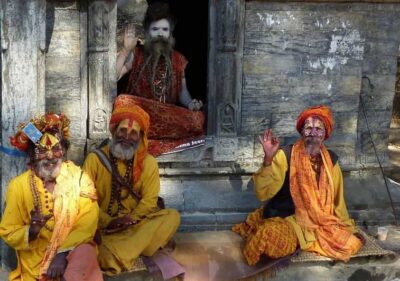
Pashupatinath: Evening tour of temple and Aarati ceremony
Read our review →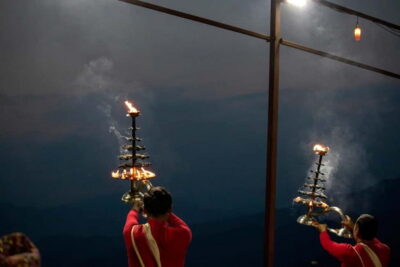
Browse the lists this tour appears in