
Reviewed · MANASLU CIRCUIT TREK
Tsum Valley and Manaslu Trek
Tsum Valley, often called the Hidden Valley, is the kind of place that feels off the main tourist circuit, even once you are deep in Nepal. Here you walk through Tibetan-influenced villages, gompas, chortens, and long mani walls, with the added twist that the region was restricted until 2008.
Two things I really like: the chance to see everyday Tibetan Buddhist village life up close, including schools and monasteries, and the fact that the trek is run with a small group (max 15), so the experience feels human rather than rushed. I also love how the route links Tsum Valley to the Manaslu Circuit, so you get both rare culture and big mountain drama.
One consideration: you are not doing a walk in the park. You’ll be making altitude passes like Larkya La, and you should expect cold, big effort days, plus no hot shower during the trek.
Key highlights worth paying attention to
- Restricted-until-2008 Tsum Valley: fewer crowds, more quiet villages, and a Tibetan-influenced way of life
- Gompas, caves, and monastery visits: Mu Gompa, Rachen Gompa, and a chance to see monks and nuns living their routines
- A real culture stop, not just photos: Chumling school (Tsum community school project) and local village interactions
- Tatopani hot spring reset: a natural hot spring stop to ease sore muscles after early walking
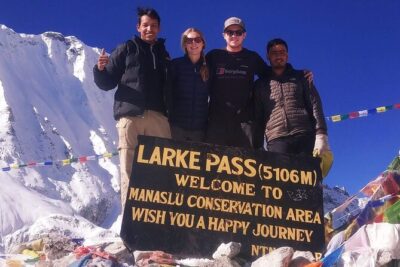
- The Larkya La day: close views of Manaslu and prayer flags, with a slippery, careful summit approach
- Small-group support: one guide plus a porter (1 porter for 2 people), with gear and permits handled
Why this trek matters: Tsum Valley culture plus Manaslu’s big mountains
What makes this trek special is the pairing. Most treks in Nepal give you one main story, mountains or culture. This one gives you both, in two chapters.
Tsum Valley is on the northern side of Manaslu, near the Nepal-Tibet border. It has a distinct Tibetan population and a Buddhist rhythm that feels separate from the rest of Nepal. Even the family customs can surprise you, like polyandry in the way brothers may share a single wife. You’re not just passing through scenery, you’re walking between monasteries, hamlets, and everyday livelihoods.
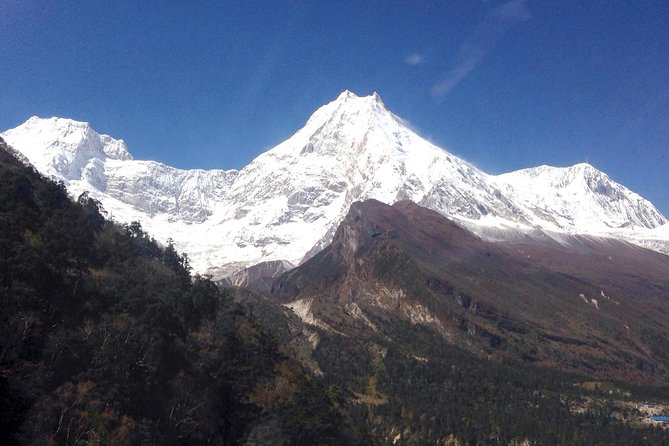
Then the route shifts onto the Manaslu Circuit, where the terrain tightens and the mountain scale gets louder. You go from quiet valley trails and stone walls to forested ridges and pass country, with Manaslu showing up in stages, then up close.
More of the Manaslu Circuit:
- Manaslu Circuit Trek
★ 5.0 · 292 reviews - Manaslu Circuit Trek
★ 5.0 · 184 reviews - Manaslu Circuit Trek:
★ 5.0 · 106 reviews
Day 1 to 2: Kathmandu warm-up, plus a smooth start to the trek
You land at Tribhuvan International Airport and head to a hotel in Thamel, close to the action but not so central that you feel trapped. Expect a welcome setup first, then a real chance to eat well on your first night. The tour includes a welcome dinner with Nepali food, which is a good way to settle your stomach before trekking.
On the second day, you handle your permits and documents, then you still get cultural time in Kathmandu. The stops are practical and varied: Kathmandu Durbar Square (Basantapur), the Hanuman Dhoka area, temples and shrines, then Swayambhunath for sweeping city views. You also go to Pashupatinath on the edge of the city, known for Lord Shiva worship.
This matters because it keeps your first two days from feeling like pure paperwork. You’ll still get orientation in the city, and you’ll feel less like you are arriving cold.
Early walking: Kathmandu to the river corridor, toward Macha Khola and Jagat
The trekking portion starts after a drive. You go toward Macha Khola, with the early stretch on paved roads, then a rougher segment as you head deeper. That mix is normal in Nepal, but it helps to know you’ll be dealing with uneven roads before your first serious hiking day.
You then follow a gorge along the river system, with repeated climbs and descents and several crossings. A standout here is the stop at Tatopani, a natural hot spring. If your legs feel grumpy after day one or day two of walking, this is the built-in “reset” moment.
You finish the day in Jagat. It’s also where the trek’s administrative reality shows up: you have to show trekking permits at a check post, because the area beyond Jagat is restricted. That’s not a hassle so much as part of the Tsum story, since access controls helped keep the valley less exposed.
Entering Tsum Valley for real: Salleri, Siridibas, Lokpa, and the permit checkpoint
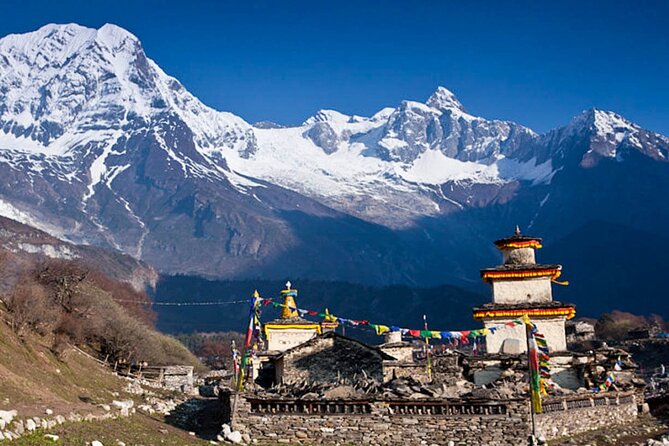
Once you cross into the restricted Tsum Valley region, the vibe changes fast. The trek describes untouched isolation and less beaten paths. Translation: fewer people, more quiet villages, and a sense that your presence is being watched, not celebrated.
You cross the Dudh Pokhari Khola and walk through villages like Salleri and Siridibas. Then you reach a Budhi Gandaki River bridge and continue onward. You’ll encounter another checkpoint where you show your permits again. From there, the route heads toward Lokpa, a village positioned between Budhi Gandaki and Siyar Khola.
Lokpa is a good example of why this trek earns its reputation. You’re not just collecting views. You’re seeing how people live when the valley is harder to reach. You’ll likely find the details in daily life more interesting than the dramatic mountain backdrops.
More to compare around Kathmandu
- Everest Base Camp Trek – 14 Days
★ 5.0 · 1,499 reviews - Everest Base Camp Trek
★ 5.0 · 842 reviews - Private Kathmandu Sightseeing Tour | UNESCO World Heritage sites
★ 5.0 · 756 reviews - Kathmandu: 7 UNESCO Sites with Lunch
★ 4.8 · 744 reviews
Chumling and the school day: village rhythm, Buddhist culture, and real interactions
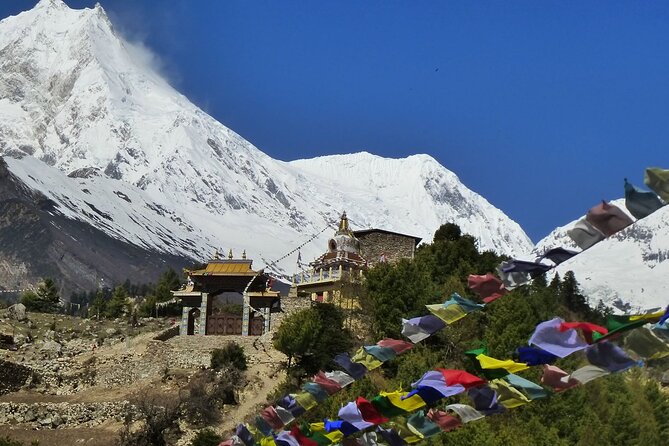
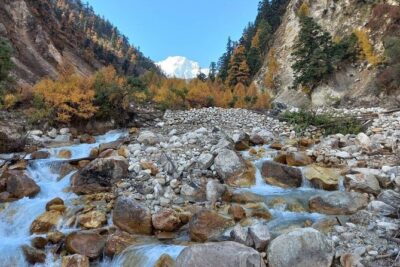
One of the most meaningful days is the trek toward Chumling. The route goes along Siyar Kola, passing through forest and crossing local khola lines, then gradually ascending into the village.
Chumling is where the Tibetan Buddhist presence becomes more than scenery. You’re described Tibetan Buddhist communities following their way of life, and you also get a view of the Ganesh Himal range in the east of the village. The big win here is the connection to people and institutions, including the Chumling school (Tsum community school project).
If you care about doing more than “see and leave,” this is your day. It’s one of the places where culture has a purpose you can feel.
Mu Gompa and Rachen Gompa: monasteries with names and living practice
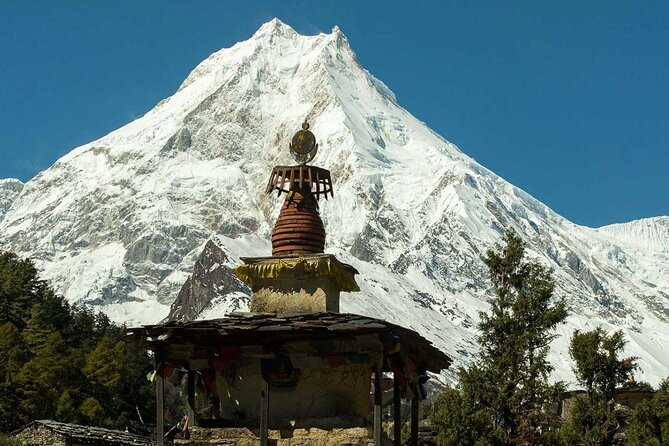
As the trek presses deeper into Tsum Valley, it turns more spiritual and more specific.
Mu Gompa is highlighted as a monastery and the highest point in the valley, established by Drupa Rinpoche, a Bhutanese Lama who meditated in nearby caves. The tour notes that you’ll see monks meditating and praying. For me, this kind of detail is exactly what makes a trip memorable: you are not just told a place is holy, you see how prayer and routine work in practice.
After that, you move on toward Bursi and visit Rachen Gompa, described as one of the oldest monasteries in the area. There’s also a nunnery where nuns reside, plus lodging for travelers. Even if you keep your expectations realistic, the chance to understand how monasteries run, and how men and women religious communities live in the same region, adds weight to the Tsum Valley story.
Back to the trail, then out of Tsum: Deng and the Manaslu Circuit switch
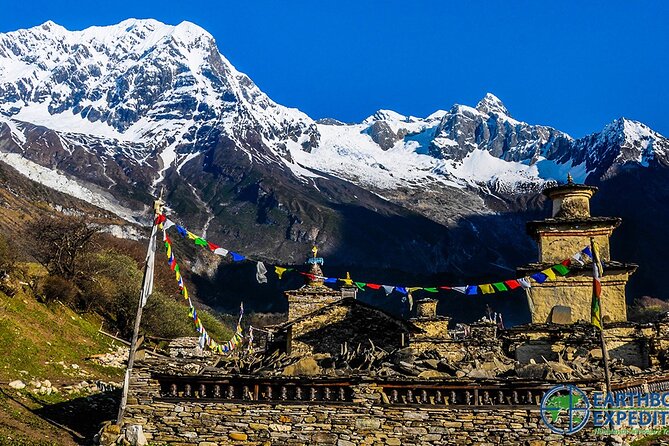
Leaving Tsum Valley is a real transition day. You descend from Chumling toward Deng, cross a bridge over Budhi Gandaki, and then join the Manaslu Circuit.
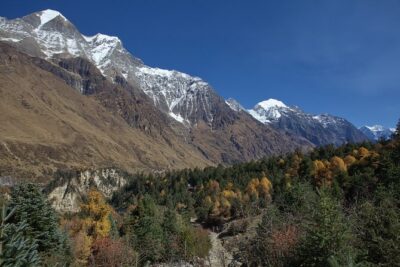
Once you connect to the Manaslu route, you start seeing more of the classic circuit variety: Buddhist stone arches, then a move into Shringi Khola valley with lush forest and quieter settlements. You arrive at Ghap, known for mani walls on the south side of the river, then continue to Namrung through rhododendron and fir forest.
Namrung is a useful overnight because it positions you well for the next set of big cultural and mountain viewpoints in the Samagaon area.
Sama village and the rest day: Sherpa culture and close Manaslu views
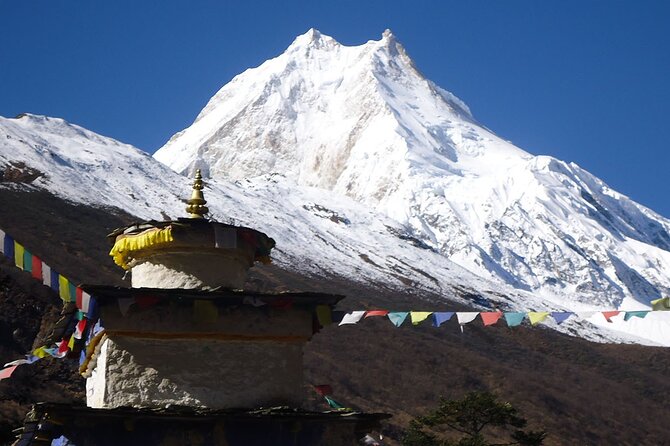
In the Samagaon stretch, the trek turns scenic in a “full scope” way. You pass through Lihi, which is described as having stupas and barley terraces. Then you walk through villages like Sho and Lho, then Shyala, then reach Sama.
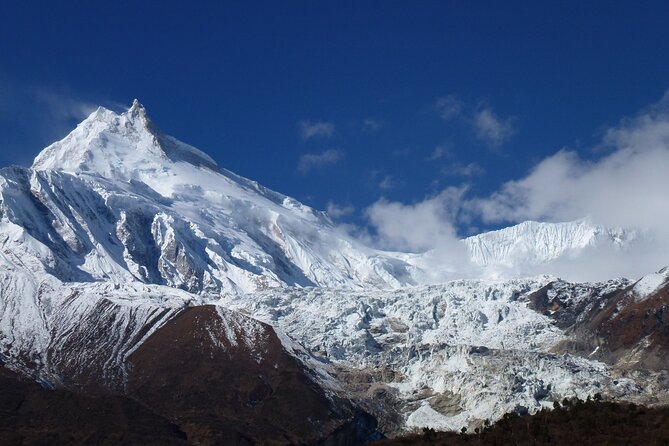
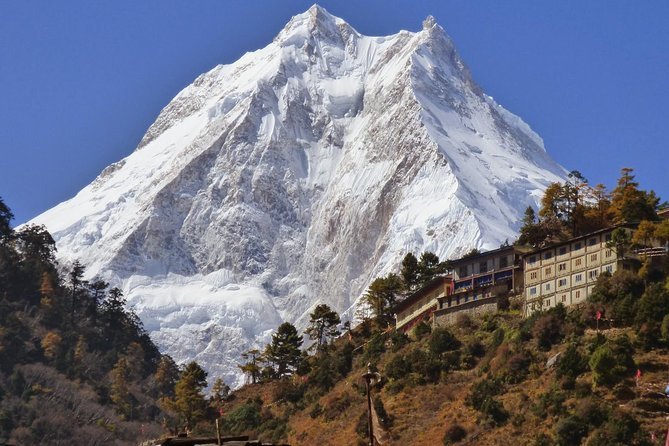
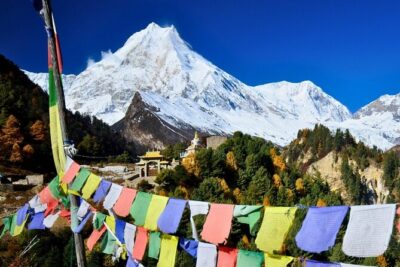
Sama is where Manaslu begins to feel close. The route description points out Ribung Gompa and the views of Himal Chuli and Ngadi Chuli, with Manaslu’s snow-capped shape straight ahead.
Then you get a rest day in Sama. This is not just padding. The tour specifically includes time to interact with Sherpas and learn their traditions, plus a chance to explore mani walls with Buddhist texts. You can also visit Pungyen Gompa, described as ancient and offering amazing glacier views.
If you’re the type who wants to understand the people behind the mountains, not only the rocks, this rest day is a smart feature.
Toward Samdo: juniper and birch forests, border country feel
After Sama, you trek to Samdo. The route includes a descent to the Budhi Gandaki River and a bridge crossing, plus a move along trail closer to the Tibetan border.
One of the practical details here is the type of forest: juniper and birch. That matters because it changes the feel of the day, and it signals you’re moving into a different ecological zone. You also pass stone and village mani walls and work through short segments that eventually reach Samdo, described as about a four-hour push after reaching Kermo Kharka and a wooden bridge.
Samdo is often where you start feeling the trek tighten: less village comfort, more mountain intensity, and more “watch the sky” time.
Larkya La pass day: careful steps, prayer flags, and Manaslu up close
The Larkya La segment is the headline effort day. You start by climbing toward the pass, and the route notes terraced fields, old mani walls, and stone arches, plus a juniper forest section with Larkya Glacier views.
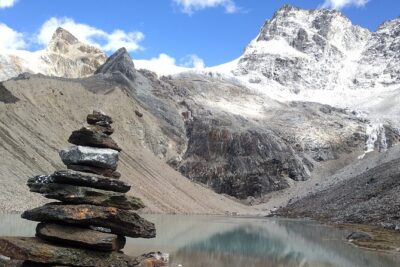
The pass approach then gets steeper near a gorge, with a final climb to Larkya Phedi, where you stay overnight. The next day is the real summit push: you follow a moraine ridge, head toward a small lake, and gradually ascend across slopes where prayer flags appear near Larkya La.
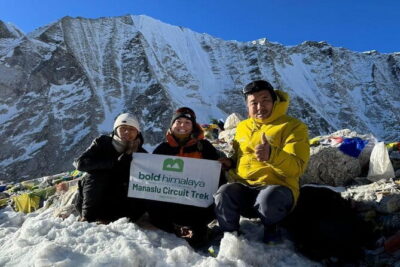
The tour calls out slipperiness and asks you to be extra careful. That’s not just a warning, it’s a reminder that pass country is about footwork and patience, not bravado. From the summit, you get one of the best views on the entire trek, including close views of Mt. Manaslu. Then you descend to grassy moraine, a meadow, and eventually reach Bimthang.
If you have limited hiking stamina, this is still manageable with the right pace, but you need to take the “careful steps” part seriously.
From Bimthang to Tilje: Karcha La, fig trees, and the long fade back down
After Bimthang, the next stage continues the pass-to-pass rhythm, but at a smaller, more rounded scale.
You walk through paddy fields, head toward the small Karcha La pass, and then descend through fig trees and rhododendron forests to Tilje. Tilje is where you overnight at a guesthouse.
This section matters because it keeps you in the trekking mindset while the pressure of the biggest pass eases. You still get altitude work, but the day-to-day walking feels more like steady movement than full-on summit drama.
Logistics that actually help: permits, guide and porter, and what you do not need to buy
This trek includes a lot of the “don’t make me think about it” pieces.
You get special trekking permits for Manaslu and Tsum Valley, plus Annapurna and Manaslu conservation fees. You also get down jacket and sleeping bag use during the trek, along with a duffle bag for carrying. That can save you real money and packing hassle, especially if you’re arriving from abroad.
On staff, you get one highly experienced, helpful guide and a porter. The porter setup is 1 porter for 2 people, plus the guide and porter’s food, accommodation, salary, equipment, and accidental insurance are included for staff. From the trip feedback I’ve seen, the guide support is a major reason people feel calm even when days get tough. Names that show up include Mahendra and Kisna as guides, with a porter named Ratskumar called out for support and attentiveness.
Also: Kathmandu nights are covered for three nights in a 3-star category hotel with breakfast. That’s a practical buffer before you start sleeping in lodge settings.
Price and value: what $1,495 buys you, and what to plan for
At $1,495 per person for about 21 days, the headline price looks high until you break it down. What you’re paying for is not just guiding. You’re paying for permits, conservation fees, ground transportation by private vehicle including airport transfers, and trekking gear use (down jacket and sleeping bag). You’re also paying for a staffed trekking system that includes a guide and porter, not an on-your-own adventure.
That value gets even better if you don’t want to chase equipment rentals, permit processes, or messy logistics in Nepal.
What you should plan to pay separately:
- Lunch and dinner are not clearly included as part of the listed inclusions, so budget for meals on the trail.
- Cold drinks, snacks, and water are personal expenses.
- Hot shower during the trek is not included.
- Travel insurance and international airfare are not included.
- Personal trekking equipment is not included, even though a sleeping bag and down jacket are provided.
Comfort reality check: lodge nights, gear support, and cold-weather readiness
Lodges during the trek are described as best available twin sharing lodge accommodation. That’s good, but it also means you should expect simple comforts, not hotel life.
The trek provides a sleeping bag and down jacket for trekking, which is a big deal because it lowers what you have to pack and wear in cold conditions. Still, you’ll want to bring the rest of your personal trekking gear since personal equipment is not included.
Also, expect no hot shower during the trek. That can sound minor until you’re doing long days on dusty trails. Pack hygiene habits you actually follow, and you’ll enjoy the trip more.
Who should book this, and who should rethink it
This is a great match if you want:
- Rare Tsum Valley culture, including monasteries and village life
- A manageable group size (max 15) with guided support
- The mountain payoff of the Manaslu Circuit, including Larkya La views
It might not fit if:
- You dislike cold pass days or steep, slippery footing.
- You want guaranteed comforts like hot showers and a fully catered dining plan.
Fitness-wise, the tour asks for moderate physical fitness. If you train a bit and you hike regularly, you’re on the right track.
Should you book this Tsum Valley and Manaslu trek?
I’d book it if you’re excited by the idea of walking in restricted Tsum Valley culture, not only collecting trekking photos, and you also want the real Manaslu Circuit payoff. The included permits, sleeping bag, down jacket, and the guide-plus-porter structure are the kind of value that makes a complicated route feel doable.
If your main goal is comfort and minimal exertion, you may prefer a shorter Nepal trek. But if you want an honest mix of Buddhist village life and serious mountain scenery, this is a strong choice.
FAQ
What is the duration of the Tsum Valley and Manaslu trek?
The trek runs about 21 days.
Where does the tour start in Nepal?
It starts in Kathmandu. You are picked up, and you are driven to a hotel in Thamel.
What is included in the trip price?
Included items cover private ground transportation and airport transfers, three nights in a 3-star Kathmandu hotel with breakfast, lodge-to-lodge accommodation during the trek (twin sharing), a guide and porter (with staff food, accommodation, salary, equipment, and accidental insurance), special trekking permits and conservation fees, down jacket and sleeping bag use, a duffle bag, and a trekking map plus trip achievement certificate.
Are meals like lunch and dinner included?
Breakfast is included. Lunch and dinner are not clearly listed as included in the provided information, so plan to budget for meals during trekking.
How many people are in the group?
The maximum group size is 15 travelers.
Is hot shower available during the trek?
Hot shower during the trek is not included.
What trekking gear do I need to bring?
The down jacket and sleeping bag are provided for trekking, but personal trekking equipment is not included, so you should bring what you need for footwear, layers, and personal use.
Do I need a visa for Nepal?
Yes. The information says you can obtain a Nepal entry visa on arrival at Tribhuvan International Airport. It’s described as a multiple-entry tourist visa, and you should bring 2 passport-size photos.
What is the start time?
The start time is listed as 7:00 am.
Can I cancel and get a refund?
Yes. Free cancellation is listed up to 24 hours in advance of the experience start time for a full refund.
Latest Kathmandu write-ups
- Langtang Valley Trek★ 5.0 · 3 reviews
- Khopra Danda Trek★ 5.0 · 3 reviews
- Langtang Valley Trek from Kathmandu★ 5.0 · 3 reviews
- 5 night / 6 days Kathmandu Nagarkot Chitwan Pokhara tour★ 5.0 · 3 reviews
- Nepal Highlights Tour: 5 Nights 6 Days Kathmandu & Pokhara Tour★ 5.0 · 3 reviews
- Kathmandu Valley Private Day Tour★ 5.0 · 3 reviews
- Conquer the Himalayas: The Ultimate 16-Day Annapurna Circuit Trek★ 3.5 · 3 reviews
- Kathmandu Heritage Day Tour★ 5.0 · 3 reviews
Manaslu Circuit Trek, compared.
Manaslu Circuit Trek 8th Highest in the World
Read our review →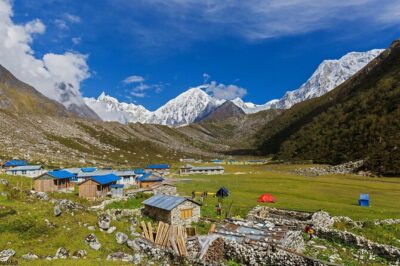
Private 12-Day Manaslu Circuit Trekking in Kathmandu
Read our review →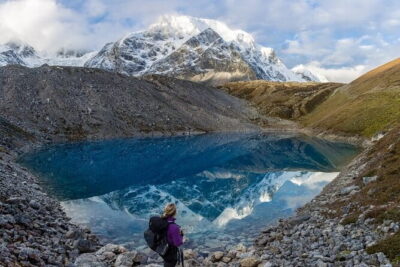
Manaslu Circuit Trek to the Beauty of 8th Highest Mountain
Read our review →Browse the lists this tour appears in