
Reviewed · PASHUPATINATH TEMPLE
Kathmandu: Pashupatinath Aarati & Cremation Evening Tour
Pashupatinath at night is the kind of Kathmandu experience that feels both ancient and up close. The Bagmati River setting, the chanting, and the flame-lit Pashupatinath Aarti turn a famous landmark into something you can actually understand. You also get to witness a solemn open-air cremation scene, which is part of why this UNESCO site matters.
I especially like that the tour pairs the big visuals with practical guidance from a professional English-speaking guide. In feedback, guides such as Santosh are praised for giving clear, respectful context so you know how to behave without guessing. I also like the door-to-door feel, private transport, and bottled water, so you are not juggling taxis while everything is happening after dusk.
The main drawback to consider is emotional weight. This is not a casual sightseeing stop, and the cremation viewing is intense. It is also not suitable for wheelchair users, and you will need modest dress plus comfortable shoes for the riverside temple area.
Quick hits before you go
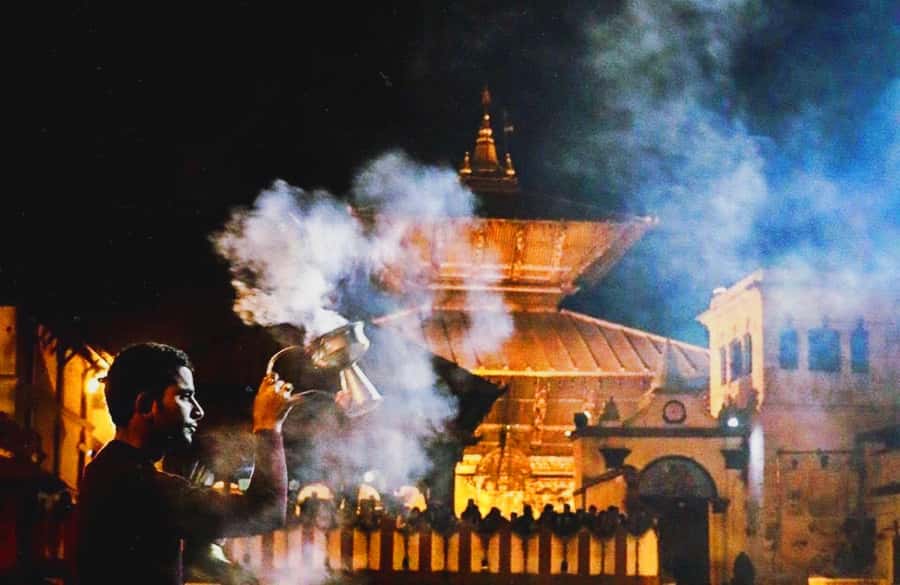
- Evening Aarti with oil lamps: you get the night atmosphere the temple is known for, when lamps and chanting take over.
- Open-air cremation viewing: you are in the right place to understand the ritual, not just snap photos.
- English guidance that keeps you respectful: Santosh is specifically called out for cultural guidance.
- Private hotel-to-temple transport: easier logistics when crowds and darkness can be a factor.
- UNESCO setting on the Bagmati River: a local guide helps you connect the spiritual practices to the site.
- Simple but useful inclusions: entrance fees and bottled water, plus a camera-friendly setup where flash is not allowed.
Pashupatinath at night, and why the Bagmati River scene hits different
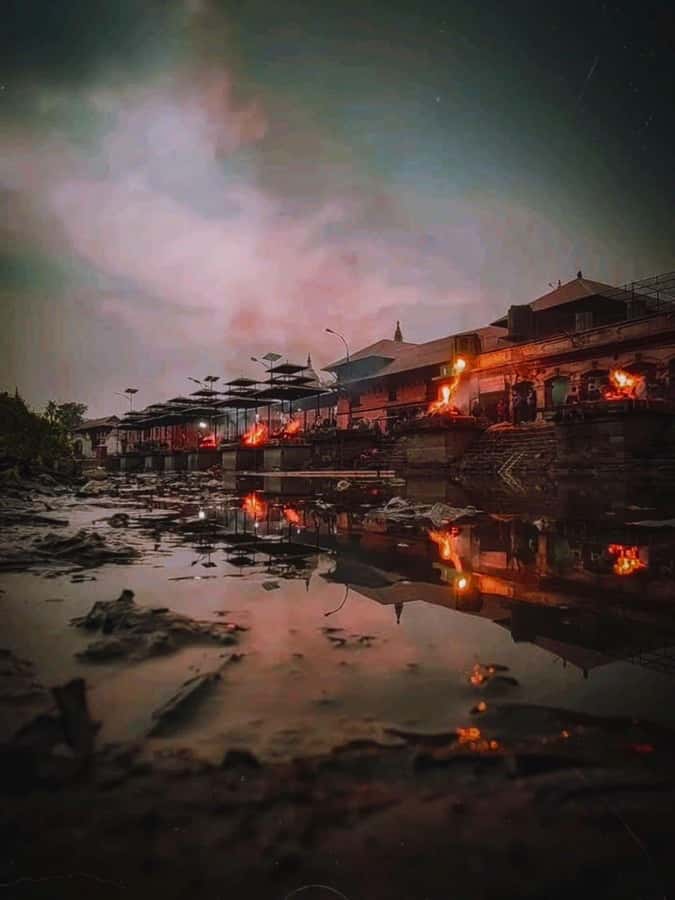
Pashupatinath is one of Kathmandu’s most famous spiritual destinations for a reason. It sits on the banks of the Bagmati River, where Hindu cremation and funeral rites have long been performed. When evening arrives, the riverfront becomes a stage for ritual, with priests, lamps, incense, and the rhythm of chants filling the air.
That matters because this tour is built around the part of the day when the temple feels most alive. If you go in daylight, you can see the structure and carvings. At night, you understand the pace and purpose of the ceremonies. The flickering diyas, the procession-like flow, and the focus on devotion create a setting that feels more like a working place of worship than a monument.
You should also go in with the right mindset. This is a sacred space. You are there to observe respectfully, learn what you can, and follow site rules like modest clothing and no flash photography.
More at Pashupatinath:
- Kathmandu Spiritual Sites: Bodhnath & Pashupatinath Tour
★ 5.0 · 185 reviews - Kathmandu: Pashupatinath Temple Evening Aarati Tour
★ 5.0 · 36 reviews - Kathmandu: Pashupatinath Temple Aarti Night Tour
★ 4.8 · 29 reviews
What $43 per person really buys you in Kathmandu
At $43 per person, the value comes from the mix of logistics plus access. You are not just paying for someone to point at a building. You get private round-trip transportation, a professional English-speaking guide, entrance fees, and bottled water.
In practical terms, that reduces the two big travel headaches in Kathmandu: finding the right route and coordinating timing. Evening ceremonies have less room for delays. If you are dealing with traffic, language barriers, or uncertain entry points, it is easy to waste precious time when you could be watching the Aarti.
You will still want to budget for personal expenses. Souvenirs and extra snacks are not included. Meals are not included either, but dinner can be arranged on request, which is helpful if you prefer a smoother evening plan.
Overall, if you want a structured night visit without the stress of negotiating transport and entry, this price is positioned as a fair package.
Getting there: private transport plus a clear meet-up plan
The best thing about this tour logistics is that it is designed for real life. You have private transport from your hotel to the temple area, and you also have a guide contact method once you reach the site. After arrival at Pashupatinath Temple, the guide contacts you via Nepali phone number or WhatsApp. If you need it, you can wait near the main gate.
This kind of meet-up plan matters more than it sounds. At night, landmark navigation can be harder. Having a guide reach out to you directly means you are less likely to lose time searching around the entrance area. It also helps you follow the correct flow once you are in the right place.
Once the experience ends, it finishes back at the meeting point. With private transport included, the practical takeaway is that you are not stuck figuring out your way back through the dark.
The Pashupatinath Aarti by oil lamps: what to watch for
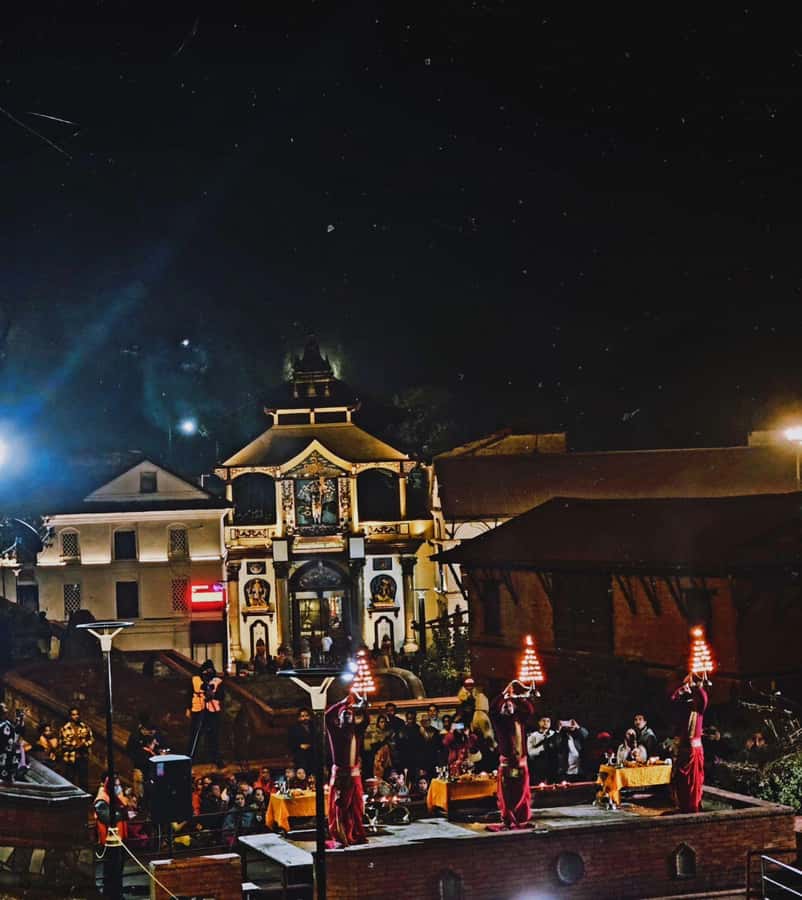
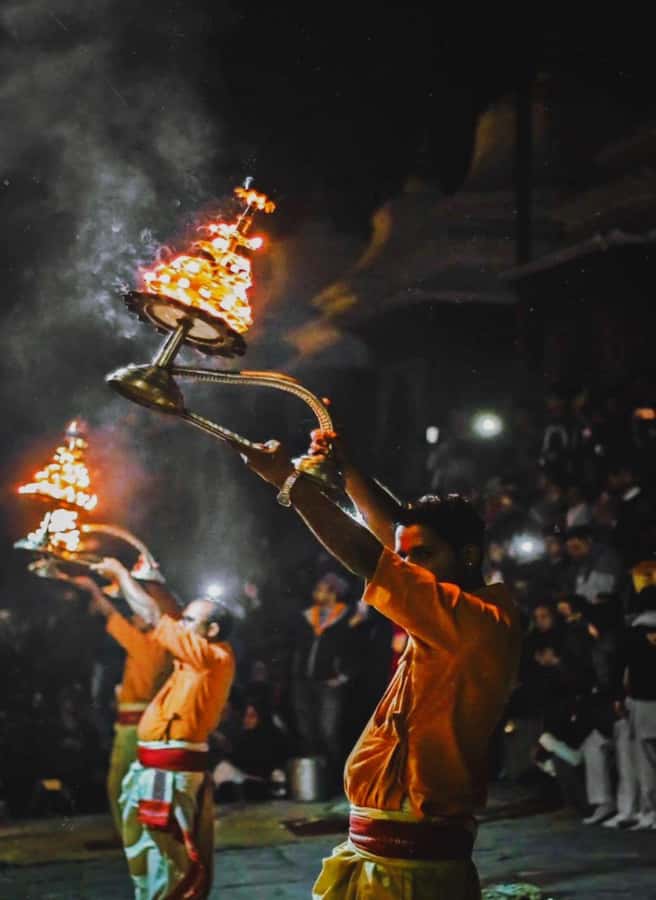
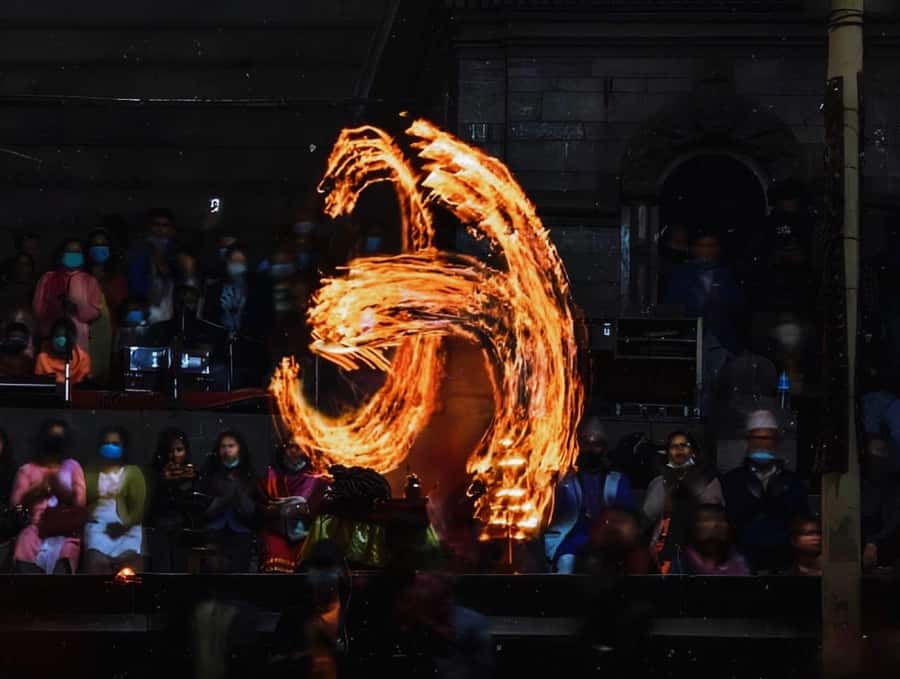
The headline moment here is the evening/night Pashupatinath Aarti. This is the ceremony where priests perform ritual worship with flames, chanting, and offerings. As dusk falls, the lamps and fire-like glow take over the scene and the atmosphere changes fast.
Here is how I’d tell you to focus your attention so you actually get value from being there:
- Watch the rhythm of the chanting and the coordinated movement of the priests. It is not random pageantry.
- Look for the role of the diyas (oil lamps) and incense. The scent and smoke shape what the space feels like.
- Follow your guide’s cues on where to stand and when to step aside for the ritual flow.
Your guide is there to explain the temple’s history and religious importance. That means you are not just watching shapes and flames. You are connecting the actions to why they matter at Pashupatinath.
Also note the rules. Flash photography is not allowed, and smoking is not allowed. If you want good photos, rely on steady handling, natural light from lamps, and what your guide says about the best angles. No flash keeps the ritual dignified and protects other visitors who came to observe.
More to compare around Kathmandu
- Kathmandu: 7 UNESCO Sites with Lunch
★ 4.8 · 744 reviews - Everest Base Camp Helicopter Tour landing at Everest View Hotel
★ 5.0 · 668 reviews - Kathmandu: Local Women-Led Nepali Cooking & Momo Class
★ 4.9 · 360 reviews - Manaslu Circuit Trek
★ 5.0 · 292 reviews
Open-air cremation viewing: respectful observation, not a photo stunt
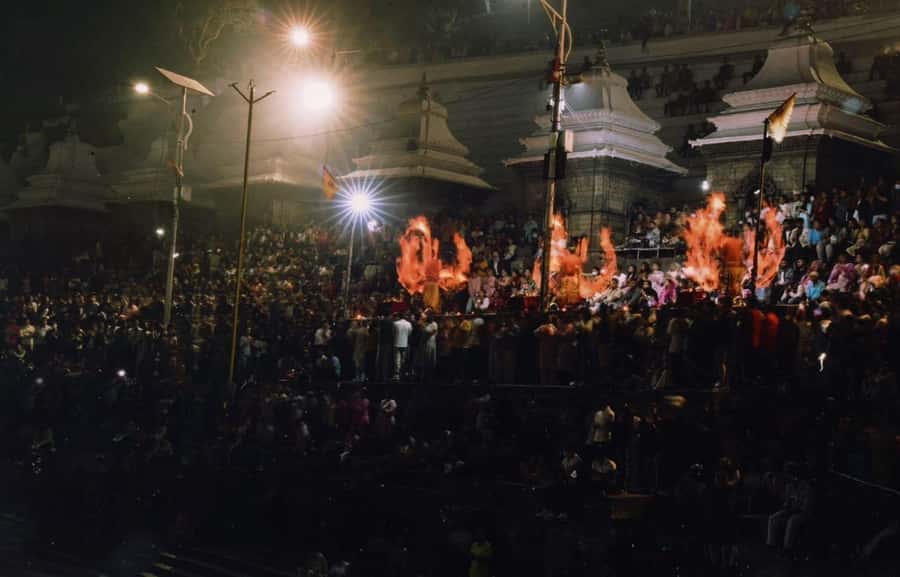
The most serious part of this tour is the open-air human cremation scene in the evening. It is part of how Pashupatinath functions as a living religious center, not just a temple complex.
A cremation scene is not something you treat like a spectacle. The value of going with a guide is that you learn how to behave in a way that respects the families, priests, and sacred space. In feedback, guides like Santosh are singled out for guidance that helps you show respect and avoid common mistakes.
What should you expect, practically?
- The setting is open-air and active, so you should plan for close viewing depending on space.
- You will be witnessing a ritual with strong cultural and religious meaning.
- The mood will be intense. Even if you are curious, you need patience and self-control with cameras and body language.
Photography can be tricky. Since flash is prohibited, do not rely on the flash mode on your phone. Also, be ready for moments when you should lower the camera and simply observe. This is one of those experiences where learning how to watch quietly is part of the point.
If this topic is too much for you emotionally, it is okay to skip this tour and choose a lighter option in Kathmandu. But if you want the real spiritual side of the Bagmati River ceremonies, this is where you come to see it.
The UNESCO temple complex: what your guide helps you connect
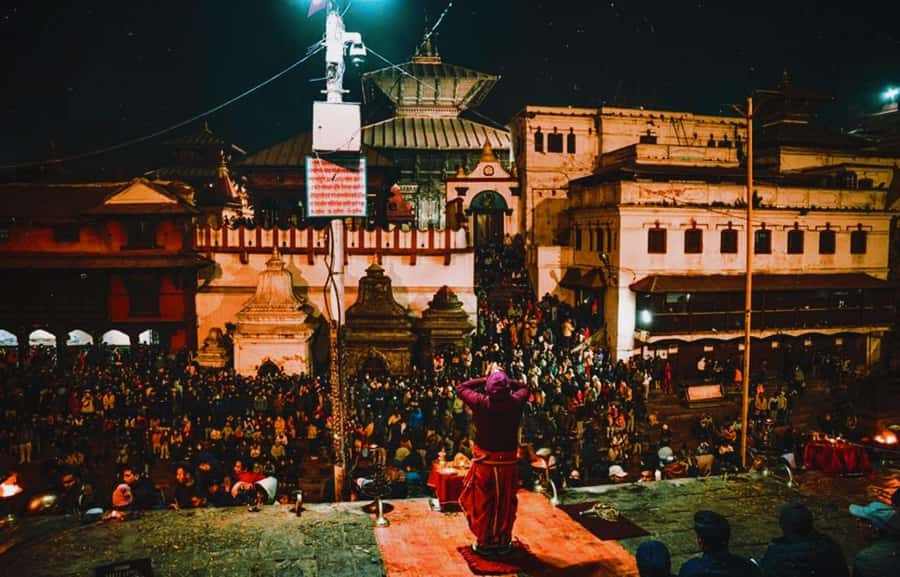
Pashupatinath is recognized globally, and your guide ties the place together with explanations about its religious importance and historical context. The temple’s golden roof, intricate carvings, and silver doors are the obvious visual attractions, but the guide’s job is to translate those details into meaning.
This part is valuable because it helps you avoid the usual problem with big religious sites. Without guidance, you may see the architecture and miss the logic of the rituals. With a local guide, you can understand why certain areas matter, how daily practices fit into the larger tradition, and what the site represents to Hindu worship.
You are also on the banks of the Bagmati River, which is not just scenery. For the people who come here, the river is part of the ritual pathway. That is why the evening timing matters so much.
Practical comfort tips: shoes, warmth, and dress code that actually helps
This tour has rules for a reason. To enter respectfully, you need modest clothing that covers shoulders and knees. That is not a minor suggestion. If your outfit is too short or too revealing, you may not feel comfortable around other worshippers, and you could run into entry issues.
You should also dress for the evening outdoors. Bring warm clothing and plan for cooler night air near the river. Comfortable shoes matter because you will be moving and standing for periods. This is not the kind of experience where flip-flops cut it.
Camera tips:
- Camera is recommended.
- Flash photography is not allowed.
- Expect that lamp light will create strong contrast, so take your shots steadily and do not block sight lines.
A small tip that makes a big difference: keep your camera strap short and ready. The ritual moves, priests change positions, and the best moments can last only seconds.
Who this Kathmandu evening tour suits best, and who should skip it
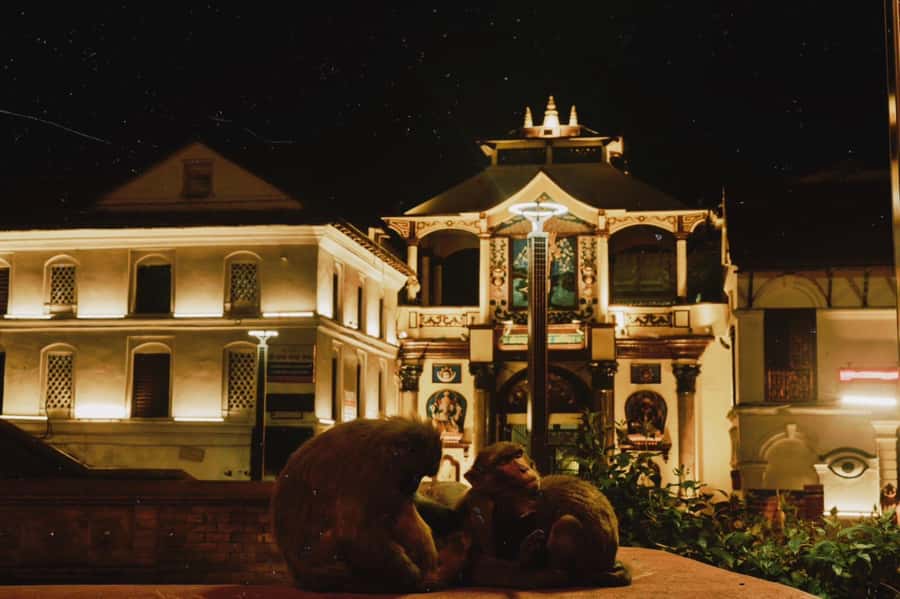
This tour fits best if you want a spiritual and cultural experience in Kathmandu that goes beyond photo stops. It is ideal for people who like learning how rituals work and who are comfortable observing solemn ceremonies.
It is also a good match if you prefer a guide-led visit. The guide is there to explain history and religious importance, and the cultural guidance helps you behave appropriately, including during the intense cremation viewing.
You should skip or choose something else if:
- You have mobility impairments. Wheelchair access is limited due to the ancient structure.
- You are looking for light, carefree sightseeing.
- You are strongly opposed to viewing cremation ceremonies, even from a respectful distance.
If you are sensitive to emotional scenes, think carefully. This is not a soft-focus experience.
Price, value, and real-world expectations
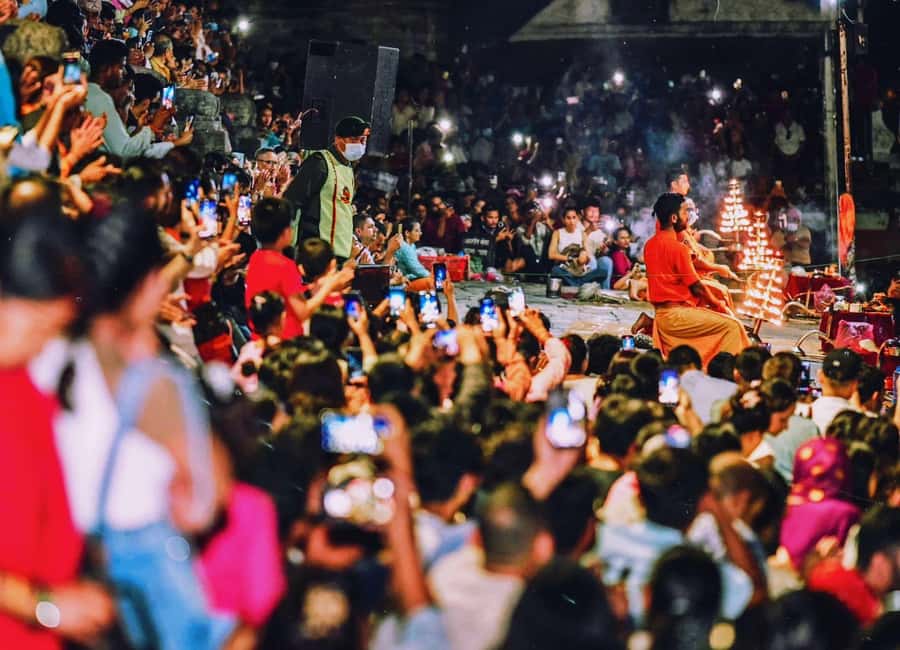
Let’s talk straight about what you are paying for. A $43 per person tour is not just the ceremony view. It is the combination of private transport, entrance fees, bottled water, and an English-speaking guide who can help you understand what you are seeing.
For me, the best value is in the guide part. Places like Pashupatinath can feel chaotic if you are trying to figure things out alone. With guidance, you spend more time watching the meaningful moments and less time worrying about where to stand or what to do.
The key expectation shift is this: the tour is not designed to be a quick highlight reel. It is designed to put you in the correct place for evening rituals, and it asks you to participate with attention and respect.
Booking advice: should you do the Pashupatinath Aarti and cremation evening tour?
I’d book this tour if you meet all three of these conditions:
- You want an evening experience at Pashupatinath that includes the Aarti and the open-air cremation scene.
- You appreciate guidance, cultural context, and clear behavioral expectations.
- You are willing to handle an emotionally serious, sacred setting with patience.
I would skip it if you only want temple photos, or if you know the cremation viewing would be too distressing for you. In that case, your money will be better spent elsewhere in Kathmandu.
One last practical suggestion: pack light layers, wear long pants if you can (knee coverage matters), and keep your camera ready but respectful. If you do that, you will get the real benefit of this evening tour: understanding why Pashupatinath is not just famous, it is active.
FAQ
What is included in the Kathmandu Pashupatinath Aarti and cremation evening tour?
The tour includes private round-trip transportation, a professional English-speaking guide, entrance fees to Pashupatinath Temple, and bottled water.
Where do I meet the guide?
You meet the guide upon your arrival at Pashupatinath Temple. The guide will contact you via your Nepali phone number or WhatsApp, and you can wait near the main gate if needed.
What should I wear for the tour?
You need modest clothing that covers your shoulders and knees out of respect for the sacred space.
Are cameras allowed, and can I use flash photography?
A camera is recommended, but flash photography is not allowed.
Is this tour suitable for wheelchair users or people with mobility impairments?
No. Wheelchair access is limited due to the ancient structure, and the tour is not suitable for wheelchair users or people with mobility impairments.
Can I cancel and get a full refund?
Yes. You can cancel up to 24 hours in advance for a full refund.
Latest Kathmandu write-ups
- 16 Days Island Peak Climbing With Everest Base Camp Private Trip★ 5.0 · 3 reviews
- 15 Days Round Annapurna Trek with Poon Hill from Pokhara★ 5.0 · 5 reviews
- Private Nepal round trip including Ghorepani Poonhill trek★ 5.0 · 3 reviews
- Everest Base Camp Trekking 16 Days★ 4.0 · 7 reviews
- 14 Days Luxury Annapurna Base Camp Trek★ 5.0 · 6 reviews
- Everest Base Camp Trek★ 5.0 · 32 reviews
- Everest Base Camp Trek★ 5.0 · 87 reviews
- Everest Base Camp Trek★ 5.0 · 97 reviews
Pashupatinath Temple, compared.
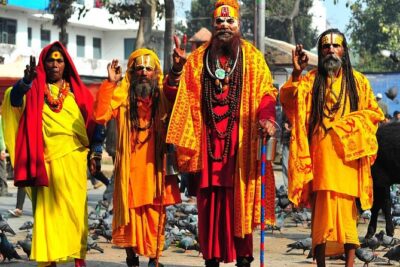
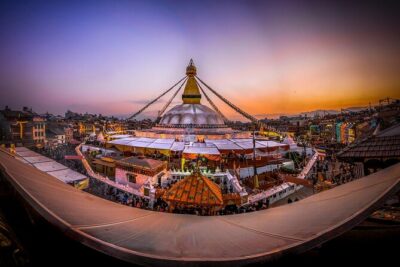
Kathmandu Spiritual Sites: Bodhnath & Pashupatinath Tour
Read our review →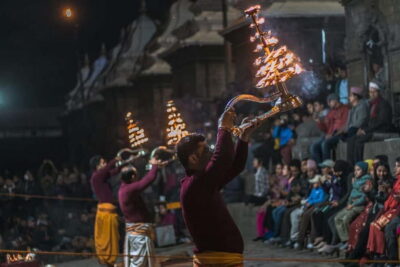
PashupatiNath and BoudhaNath – Private/Small Group
Read our review →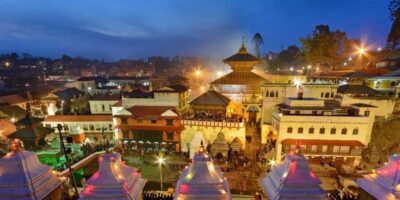
Pashupatinath: Evening tour of temple and Aarati ceremony
Read our review →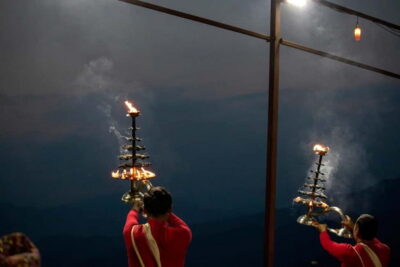
Browse the lists this tour appears in