
Reviewed · PASHUPATINATH TEMPLE
Kathmandu: Pashupatinath Aarati & Cremation Evening Tour
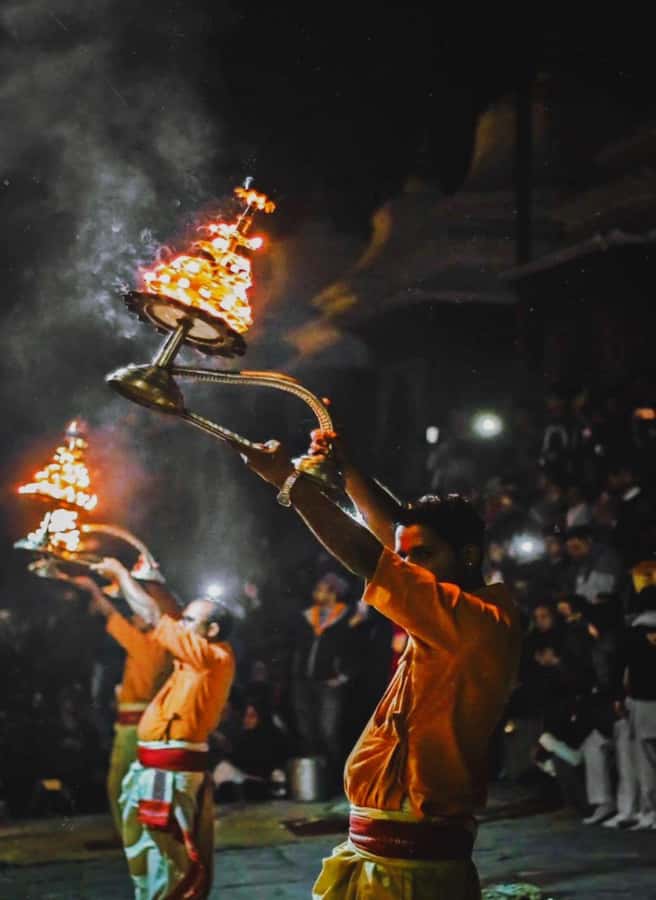
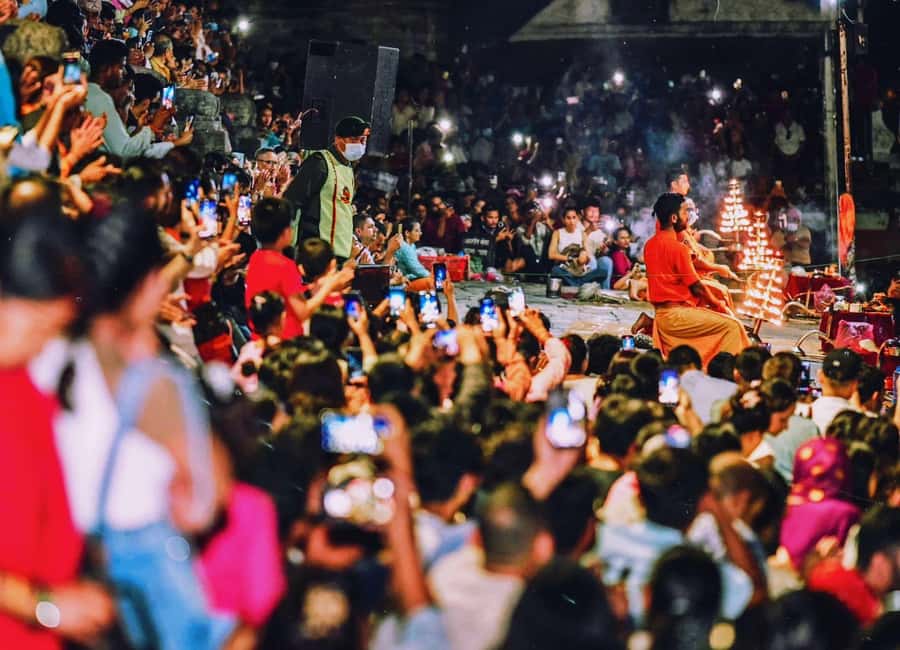
Few places in Kathmandu feel as visually intense and spiritually grounded as Pashupatinath after dark. As night settles, the Bagmati Riverfront becomes the backdrop for chanting priests, glowing lamps, and the stark reality of open-air cremation rites.
I love how the timing is built around the evening Aarti and the way a local guide helps you understand what you are seeing. I also like the private, door-to-door ride with an English-speaking guide (in past tours, Santosh has been praised for the clear guidance), plus entrance fees and bottled water. The main drawback is emotional, the cremation part is not light viewing, and the temple rules (modest dress, no flash) mean you need to come prepared.
Key things that make this tour worth your evening
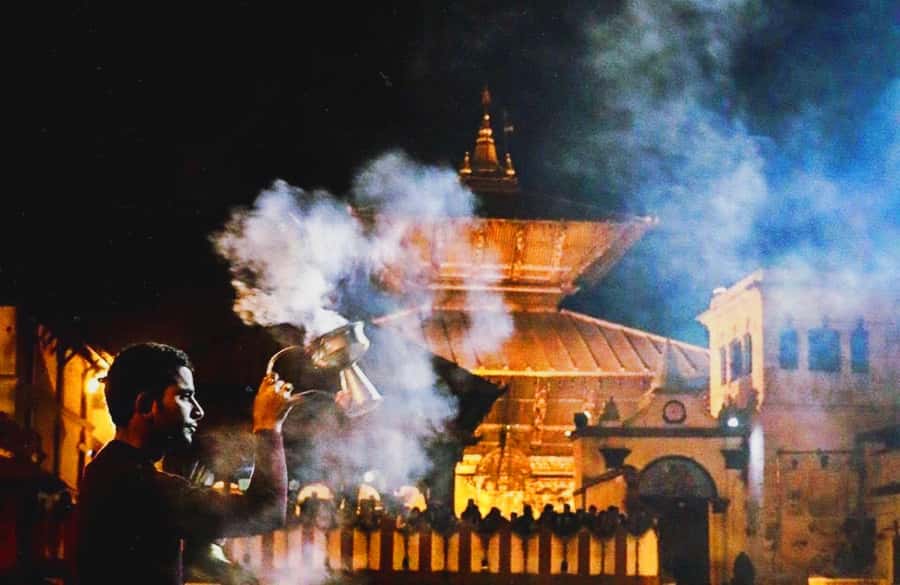
- Evening Aarti viewing: You go when the lamps, chants, and night atmosphere turn the temple into a different experience than daytime.
- Open-air cremation rites: You will see cremation activity outdoors, which can be moving and a bit difficult to handle.
- A guide who teaches etiquette: With English guidance from people like Santosh, you learn how to behave respectfully instead of guessing.
- Private hotel pickup and drop-off: You avoid haggling, map-checking, and the stress of getting there after dark.
- Temple area plus nearby culture time: Expect sightseeing time, a photo stop, a look from an aerial view, an arts and crafts market visit, and a traditional dance show.
- Practical visitor rules in advance: Modest clothing (shoulders and knees covered) and no flash photography help you plan quickly.
Why the Pashupatinath night Aarti hour feels different
Pashupatinath Temple sits on the Bagmati River, and it is a major Hindu religious site with UNESCO recognition. Daytime visits are impressive, but the evening adds a full sensory layer. The air carries incense, priests chant in rhythm, and diyas (oil lamps) flicker as the ceremony builds.
What you get from this kind of night-focused tour is not just photos. It is context. A professional English-speaking guide explains the temple’s significance and helps you connect what you see to why it matters to worshippers. When you understand the purpose of the ritual, the whole scene makes more sense, even if it is unfamiliar to you.
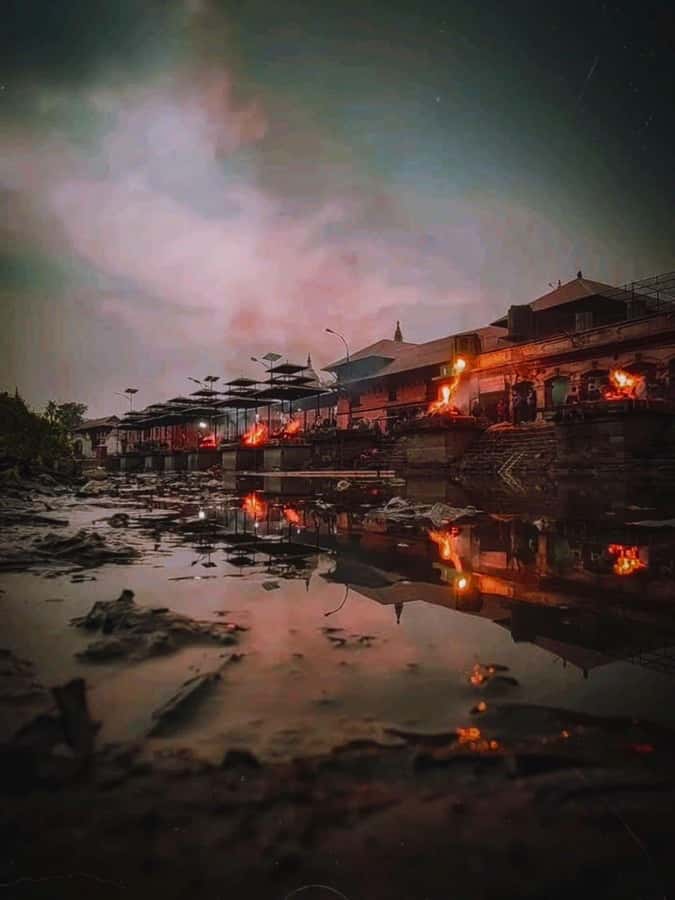
The other reason this tour hits is that it includes the next part of life, death rites. The open-air cremation viewing is part of the evening setting at Pashupatinath. That can be confronting, but it is also part of why this site feels real and not staged.
More at Pashupatinath:
- Kathmandu Spiritual Sites: Bodhnath & Pashupatinath Tour
★ 5.0 · 185 reviews - Kathmandu: Pashupatinath Temple Evening Aarati Tour
★ 5.0 · 36 reviews - Kathmandu: Pashupatinath Temple Aarti Night Tour
★ 4.8 · 29 reviews
Getting to the temple: private pickup that saves your night
Kathmandu traffic and street layouts can turn an evening plan into a hassle. This tour solves that with private round-trip transportation from your hotel. You ride in a comfortable vehicle, and the idea is to make the trip smooth so you can focus on the ceremony timing.
There is also a practical detail that matters in Kathmandu. If your hotel is on a narrow or inaccessible street, the pickup may happen from the nearest reachable location. The team will tell you the exact pickup spot in advance, so make sure your phone is reachable around the scheduled time. I like this approach because it reduces the usual stress of trying to locate a driver in the dark.
You also get bottled water, which sounds small, but in a 3-hour window you will appreciate it.
The evening start at Pashupatinath: photos, a guided walk, and free time
When you arrive at the temple area, your time is intentionally structured. You get a break and a photo stop, then you move into a visit and guided portion. That guided time is where your guide helps you connect details, such as the temple’s ornate setting, its golden roof look, and the kinds of carvings and architectural features that make Pashupatinath so distinctive.
After the guided period, there is free time. This matters because it lets you pace yourself. Some people want to stay close to the action for the Aarti, while others prefer to step back, observe quietly, or take in the riverfront setting. You also get sightseeing time and self-guided wandering as part of the flow.
There is even time for a possible aerial view stop and a look at an arts and crafts market. That gives you a chance to balance the intensity of the main religious ritual with something more everyday, like handmade souvenirs and local craftsmanship.
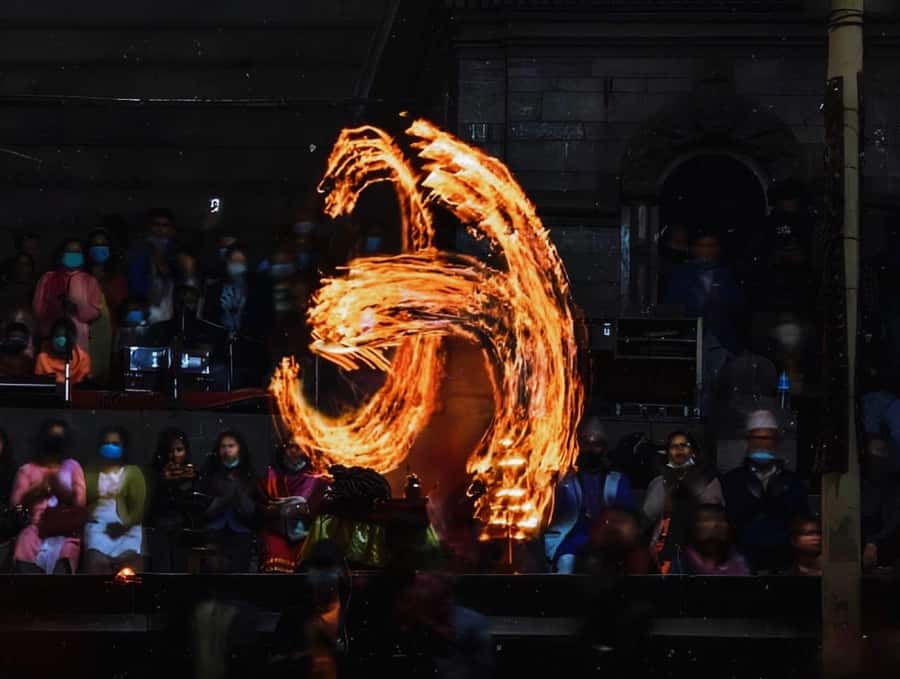
Then the schedule includes a traditional dance show. Depending on how the evening program runs, you may spend a good chunk of time there, so it helps if you like cultural performance as part of your night out in Kathmandu.
The Aarti ceremony at night: what you will see and how to handle it
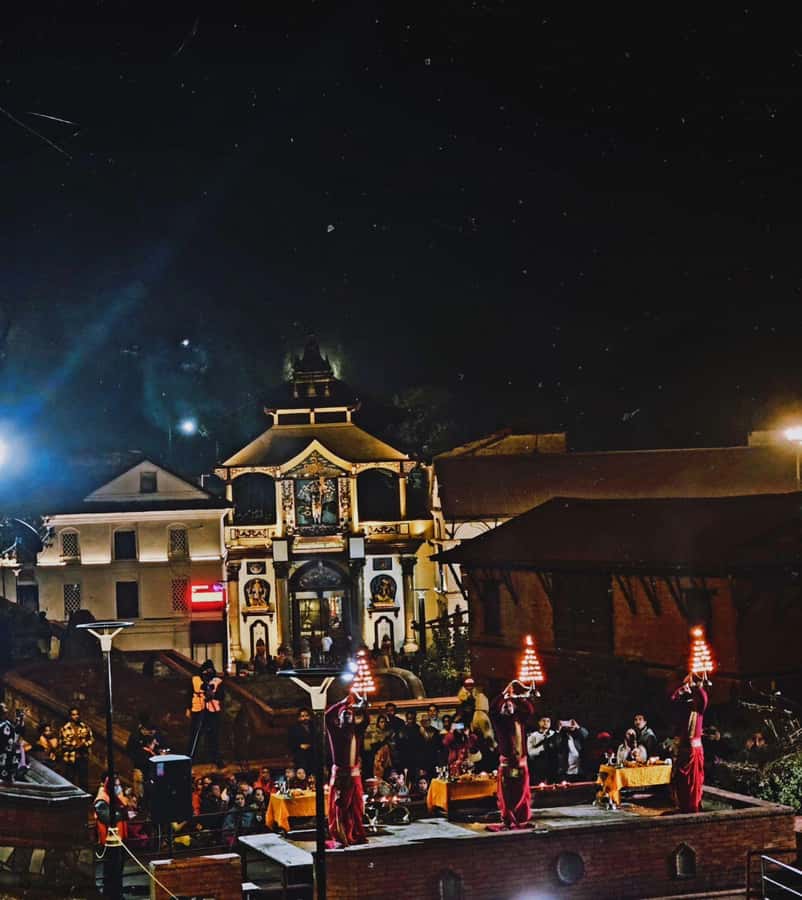
The Aarti at Pashupatinath is the highlight for many people, and this tour is built around seeing it in the evening. The ceremony features chanting priests, lamps, and incense-filled air. The result is a very concentrated moment, like the temple energy turns up right after sunset.
Here is the key value of going with a guide during the Aarti window. Temple etiquette can be confusing if you do not know what is expected. With an English-speaking guide, you get help on what to do, where to stand, and how to keep the experience respectful. In one past tour, Santosh was specifically praised for guidance that made it easier to show the right respect for other cultures. That is the kind of support you want when you are in a sacred space.
Also, rules are not optional here:
- Dress modestly, with shoulders and knees covered.
- No flash photography.
- No smoking.
If you come prepared, you will spend less time worrying about what is allowed and more time absorbing the atmosphere.
More to compare around Kathmandu
- Kathmandu: 7 UNESCO Sites with Lunch
★ 4.8 · 744 reviews - Everest Base Camp Helicopter Tour landing at Everest View Hotel
★ 5.0 · 668 reviews - Kathmandu: Local Women-Led Nepali Cooking & Momo Class
★ 4.9 · 360 reviews - Manaslu Circuit Trek
★ 5.0 · 292 reviews
A quick practical tip for the Aarti moment
Bring your camera, but plan for low-light settings. Since flash is not allowed, you will likely rely on natural light and your camera’s ability to handle it. Comfortable shoes help too, because your feet may be standing more than you expect in a crowded sacred setting.
Open-air cremation viewing: honest expectations and respectful behavior
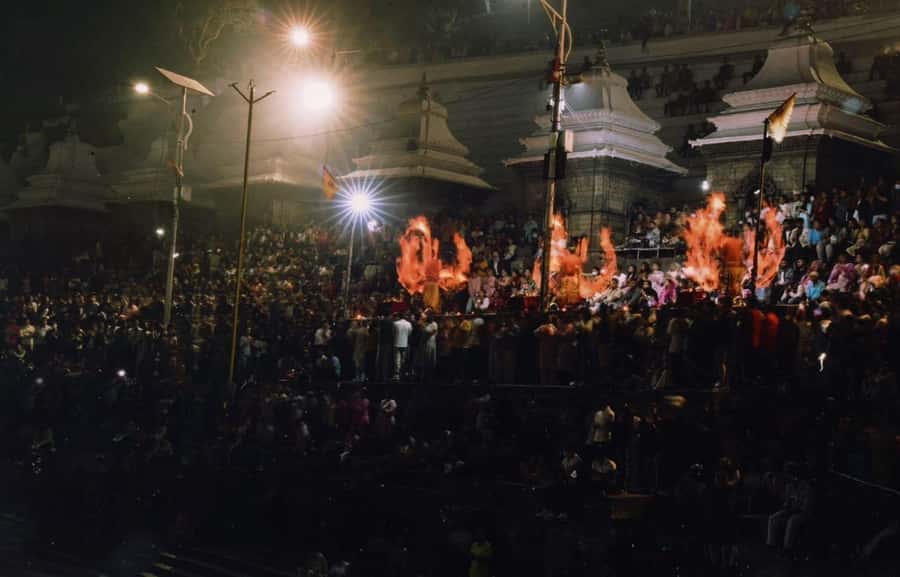
This tour includes open-air human cremation viewing in the evening. That is the reality check. The scene can feel intense, and you may not be ready for the combination of ritual chanting and the physical nature of what is happening outdoors.
You do not need to pretend you are fine with it. If you feel overwhelmed, it is completely okay to step back during the moment, focus on staying calm, or focus on your guide’s explanations instead of staring. The goal is to witness with respect, not to treat it like a spectacle.
What you can do to prepare is mainly mindset and clothing:
- Wear warm clothing if the evening is cool. This is not a quick, bright daytime walk.
- Wear comfortable shoes, because you may need to move carefully around crowds.
- Keep your behavior respectful and quiet. Sacred doesn’t mean silent all the time, but it does mean you should avoid acting like this is a show.
Because the cremation process is outdoors, the atmosphere can be emotionally heavy. This is a tour for people who want cultural truth, not just sightseeing.
Exploring the UNESCO site: architecture, riverfront views, and small cultural stops
Pashupatinath is not just one building. It is a sacred complex on the Bagmati River, and the guided portion helps you understand why it is so important in Hindu practice. You will hear about the temple’s history and religious importance, and you will likely get a better feel for the everyday rhythm of how the sacred site works.
You can also expect:
- A photo stop and sightseeing time
- A self-guided window for slower looking
- An aerial view chance (timing and exact viewpoint can vary with the evening program)
- A stop at an arts and crafts market, where you can browse local items without turning the entire evening into shopping
Then there is the traditional dance show. If you like seeing how performance connects to cultural beliefs and community life, that part can make the night feel more complete. If you are only interested in the temple rituals, you might wish for more unbroken time around the riverfront during the Aarti. Still, the combination makes sense if you want a broader Kathmandu cultural snapshot, not just one moment.
What the 3-hour format really means for you
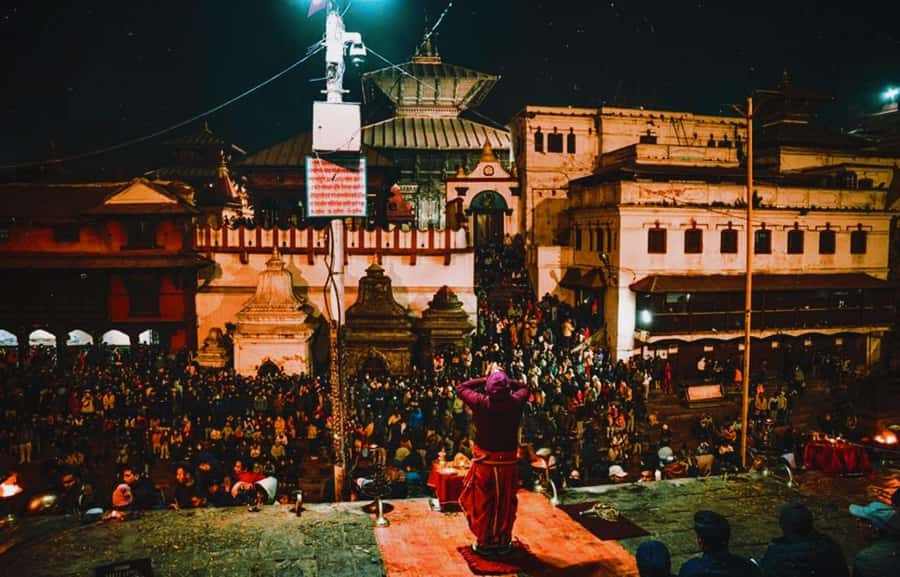
The tour is about 3 hours, which is a sweet spot for a night plan. Long enough to see the Aarti timing and still cover the major parts of the evening experience. Short enough that you are not exhausted for the rest of the night.
That said, you should plan for an active evening. There is pickup, travel, a guided portion, free time, sightseeing, and then ceremony time. Your energy will matter, so wear shoes you can stand in and bring warm layers.
Also, starting times can vary, so check availability for the schedule. The entire point is to line up with evening atmosphere, so you do not want to show up thinking this is flexible like a daytime museum visit.
Price and value: what $59 buys in Kathmandu
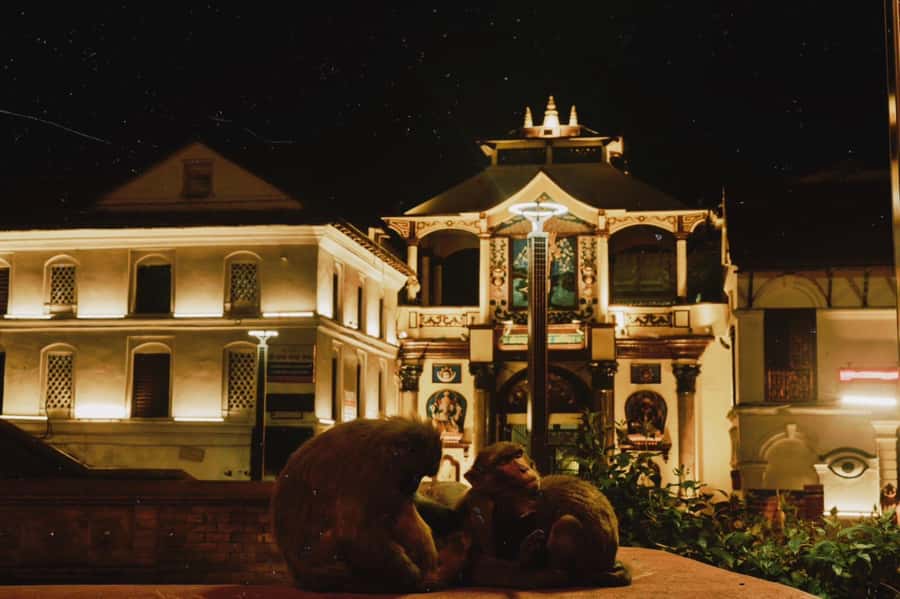
At $59 per person for a roughly 3-hour private tour, you are paying for a few things that add up fast in Kathmandu:
- Private round-trip transport (so you avoid complicated evening navigation)
- A professional English-speaking guide (huge for etiquette and context)
- Entrance fees to Pashupatinath
- Bottled water
If you were to do this on your own, the biggest costs are not just money. It is time and stress, especially at night when streets and timing get tricky. This tour turns that into a guided plan where the Aarti timing is built in and the logistics are handled.
The value is strongest if you care about doing the respectful thing and want explanations. If you just want to wander and take photos without guidance, you could probably piece together your own route. But if you want a coherent evening where someone helps you understand what you are seeing, the guide and entrance fees make the price feel reasonable.
Who this tour suits best, and who should reconsider
This experience is a great fit for:
- Spiritual and cultural seekers who want to see a major Hindu site in the evening
- Travelers who prefer a guide when etiquette matters
- People who handle emotionally intense cultural realities with respect
It is not a good fit if:
- You get strongly upset by death-related rituals
- You want a relaxed, purely scenic evening
- You need wheelchair access, because access is limited due to the ancient structure
Even if you do not have mobility issues, it helps to know that this is an older, sacred environment, not a modern flat attraction. You will likely walk and stand more than you expect.
Small rules that make a big difference on site
These aren’t just technicalities. They affect whether your visit feels smooth or awkward.
You should plan for:
- Modest clothing covering shoulders and knees
- Comfortable shoes for standing and walking
- Warm clothing for evening chill
- Camera, with the understanding that flash photography is not allowed
- No smoking
If you want to feel confident on arrival, pack light layers you can add or remove quickly. Also, keep your phone charged if pickup depends on confirming the exact location for hotels on narrow streets.
FAQ
FAQ
How long is the Pashupatinath Aarati & Cremation Evening Tour?
The tour lasts about 3 hours.
What does the tour include?
It includes private round-trip transportation, a professional English-speaking guide, entrance fees to Pashupatinath Temple, and bottled water.
Do I need to pay entrance fees myself?
No. Entrance fees to Pashupatinath Temple are included.
Is pickup from my hotel guaranteed?
Pickup is included. If your hotel is in a narrow or inaccessible street, the pickup will be arranged from the nearest accessible location, and you will be notified in advance.
What language is the guide?
The guide is available in English and Hindi.
Are meals included?
Meals are not included. Dinner can be arranged upon request.
What should I wear and bring?
Bring comfortable shoes, warm clothing, and a camera. Dress modestly, with shoulders and knees covered.
Are flash photos or smoking allowed?
Flash photography is not allowed, and smoking is not allowed.
Is the tour wheelchair friendly?
Wheelchair access is limited due to the ancient structure of the temple, so it is not suitable for wheelchair users.
Should you book this Kathmandu Pashupatinath night tour?
I think you should book it if you want more than a quick temple stop. The evening Aarti timing, the guide-led explanations, and the respectful way the tour handles etiquette make this a strong cultural choice. The open-air cremation viewing also means this is honest and real, not sanitized.
Skip it if you know you will struggle emotionally with cremation rites or if you want a carefree, casual evening. If you go in with warm layers, modest clothing, and an open, respectful mindset, this kind of night at Pashupatinath can be one of Kathmandu’s most unforgettable experiences.
Latest Kathmandu write-ups
- 16 Days Island Peak Climbing With Everest Base Camp Private Trip★ 5.0 · 3 reviews
- 15 Days Round Annapurna Trek with Poon Hill from Pokhara★ 5.0 · 5 reviews
- Private Nepal round trip including Ghorepani Poonhill trek★ 5.0 · 3 reviews
- Everest Base Camp Trekking 16 Days★ 4.0 · 7 reviews
- 14 Days Luxury Annapurna Base Camp Trek★ 5.0 · 6 reviews
- Everest Base Camp Trek★ 5.0 · 32 reviews
- Everest Base Camp Trek★ 5.0 · 87 reviews
- 14 Days Annapurna Base Camp Trekking | Best trek for visit Nepal 2020★ 5.0 · 19 reviews
Pashupatinath Temple, compared.
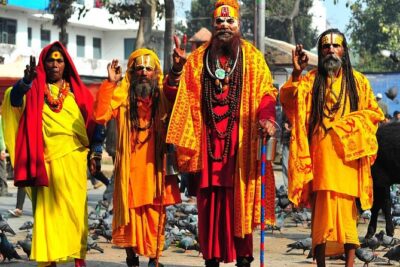
Kathmandu Spiritual Sites: Bodhnath & Pashupatinath Tour
Read our review →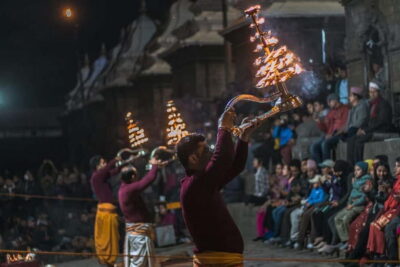
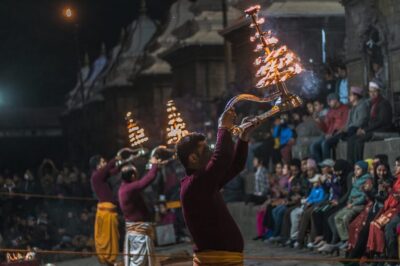
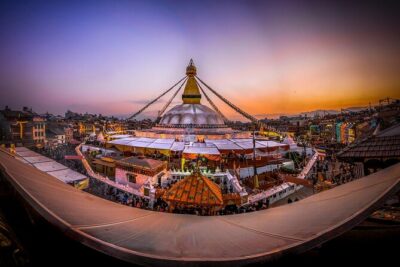
PashupatiNath and BoudhaNath – Private/Small Group
Read our review →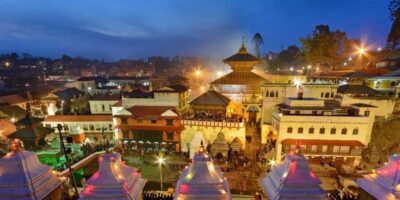
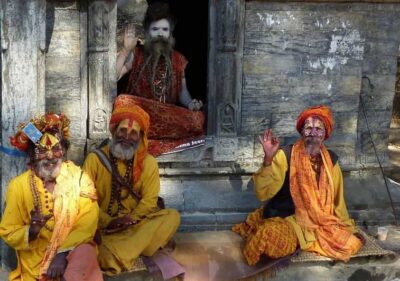
Pashupatinath: Evening tour of temple and Aarati ceremony
Read our review →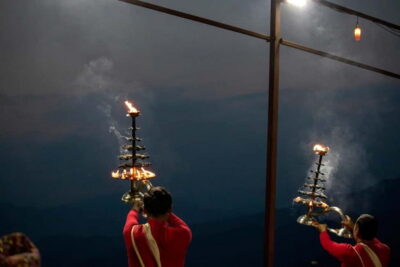
Browse the lists this tour appears in