
Reviewed · PASHUPATINATH TEMPLE
Kathmandu: Pashupatinath Temple Aarti Night Tour
A night visit to Pashupatinath Temple is interesting because you see Hindu ritual in real time, not as a photo stop. I like that the tour focuses on the Aarti ceremony at one of Kathmandu’s most important sacred sites, and I also like that you get a licensed English guide who can explain what you are looking at as the lights come on.
You will be walking through a working religious complex, which means it is not always calm or staged. A fair consideration: timing can be sensitive, and if your pickup runs late, you might miss the start of the ceremony.
Key things to know before you go
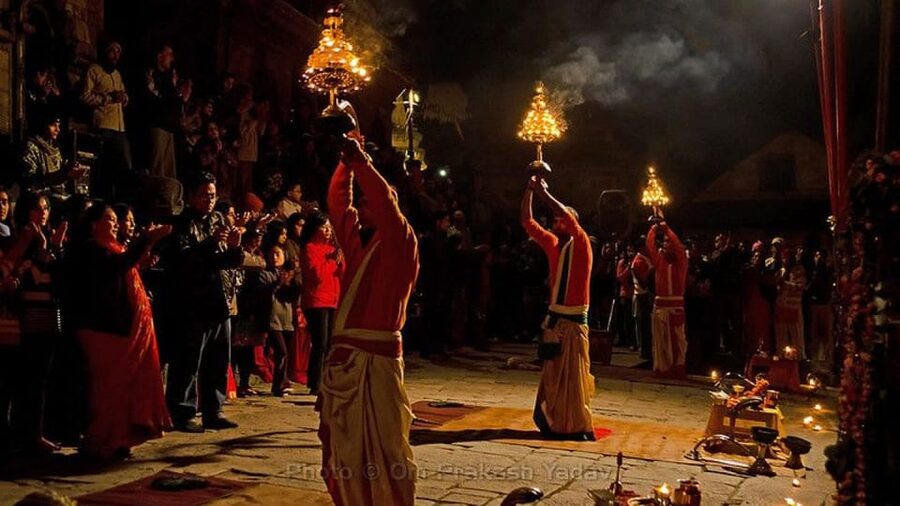
- Aarti at a UNESCO site: Watch the ritual at Pashupatinath, a major Hindu pilgrimage destination on the Bagmati River.
- Golden roof and carved doors: The main temple stands out with a gold roof and intricate silver doorwork.
- Arya Ghat is part of the story: You may see cremation rituals at the river-side ghat, which calls for extra respect and a steady stomach.
- A guide who explains what matters: A guide named Madhu is highlighted for historical stories and an enthusiastic approach.
- Private-group comfort with pickup: Hotel pickup and drop-off keeps the logistics simple in Kathmandu traffic.
- Food is not included: Plan to eat before or after, since this is a short, focused 3-hour outing.
Why Pashupatinath at Night Feels Different Than Daytime
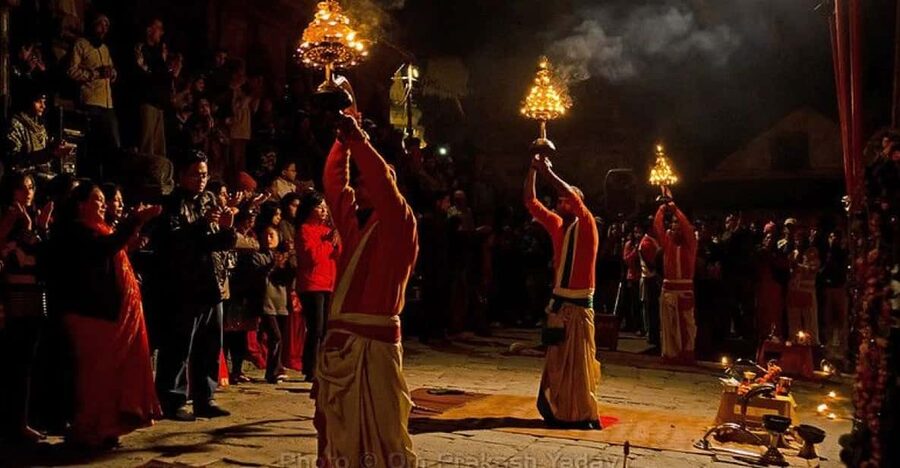
Pashupatinath is one of the most significant Hindu temples in Kathmandu, dedicated to Lord Pashupatinath, an incarnation of Shiva. During the day, it can feel busy and visual, with crowds moving in every direction. At night, the mood changes. The main thing I love about a night tour is that you get the rhythm of devotion, guided by the cadence of the ceremony rather than just the sights.
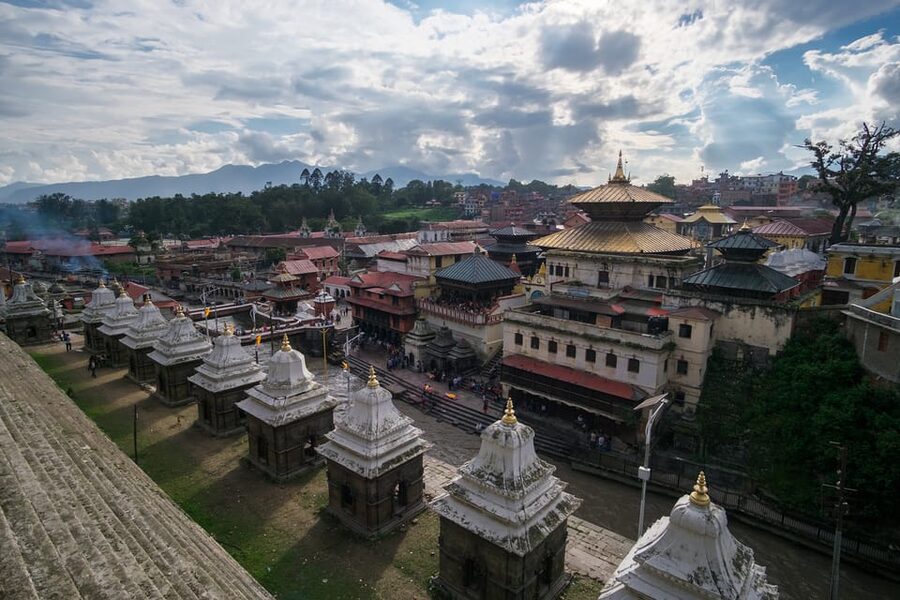
This complex stretches along both banks of the Bagmati River. That matters because the river is not just scenery. In Hindu belief and practice, riverside places often carry spiritual weight, and Pashupatinath functions as a living religious landscape, not a museum.
If your goal is to experience Nepal’s faith, not just landmarks, this kind of timing makes sense. You are also more likely to notice small details of ritual timing, light, and chanting that are easier to take in when you are not fighting peak daytime crowds.
More at Pashupatinath:
- Kathmandu Spiritual Sites: Bodhnath & Pashupatinath Tour
★ 5.0 · 185 reviews - Kathmandu: Pashupatinath Temple Evening Aarati Tour
★ 5.0 · 36 reviews - PashupatiNath and BoudhaNath – Private/Small Group
★ 5.0 · 18 reviews
Golden Roof, Silver Doors, and the Temple Details You Should Look For
The main temple at Pashupatinath is pagoda-style, with a golden roof and intricately carved silver doors. Even from a distance, these features help you orient yourself fast. At night, the lighting makes the gold feel brighter and the carvings stand out more, especially when the light catches the metalwork.
Here is another helpful point: while people often say the temple has roots in the 5th century, the current structure dates to the 17th century after multiple reconstructions. When your English-speaking guide explains this, it gives you a clearer sense of why the site feels both ancient and continually rebuilt. Sacred sites are not static. They evolve with the community that practices there.
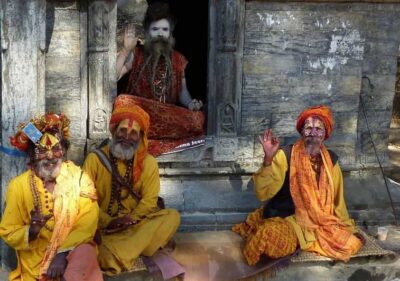
Within the larger complex, you will also find smaller temples and ashrams. This is not one building and done. Pashupatinath is an entire sacred neighborhood, and even in a short tour you should expect to notice multiple areas of worship.
What to keep in mind: dress codes and respectful behavior are part of visiting. You do not need to treat this like a costume party. You want to blend in and follow the flow of worship.
The Aarti Ceremony: What You Are Really Watching
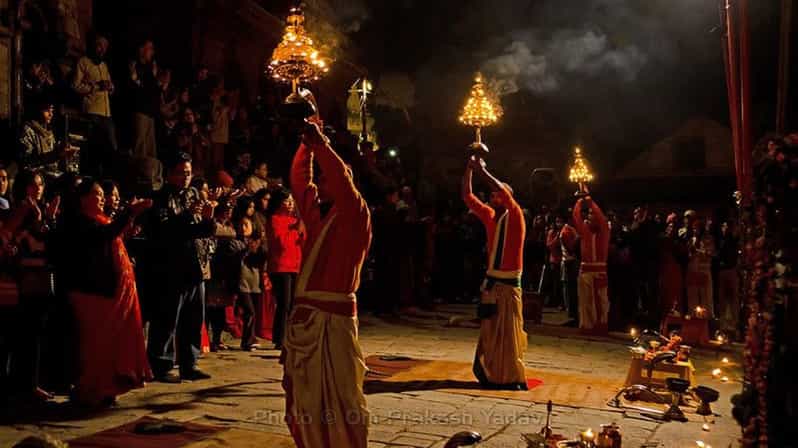
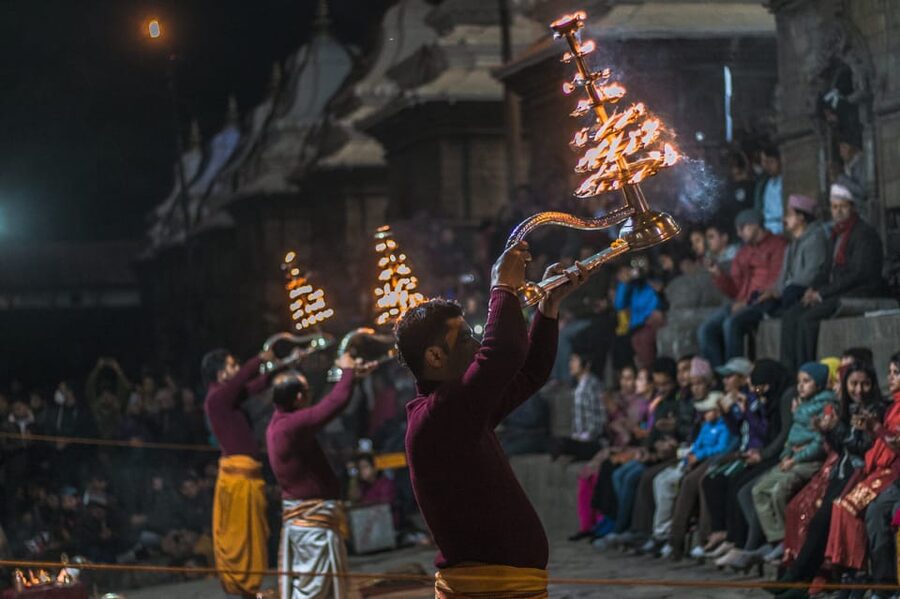
The heart of this outing is the special Aarti ceremony. Aarti, in simple terms, is an offering made through light, movement, and devotion. At Pashupatinath, that ritual is tied to Shiva worship, and it fits the sacred space in a way that feels more meaningful than generic temple sightseeing.
In practical terms, plan for the ceremony to be the peak moment of your 3 hours. If your hotel pickup is late or traffic slows you down, you may end up seeing the ritual after it has started. One real-life caution from this kind of tour: missing the beginning can happen, and the upside is that the rest of the experience can still be excellent. You just need to understand that timing affects what part of the ritual you catch.
If you have never watched Aarti before, come with a simple mindset: you are there to observe and understand, not to interrupt. When your guide explains what is happening, it helps you connect the actions to the beliefs behind them. That turns the event from spectacle into something you can actually read.
Arya Ghat on the Bagmati River: Respect, Reality, and a Hard-to-Forget Moment
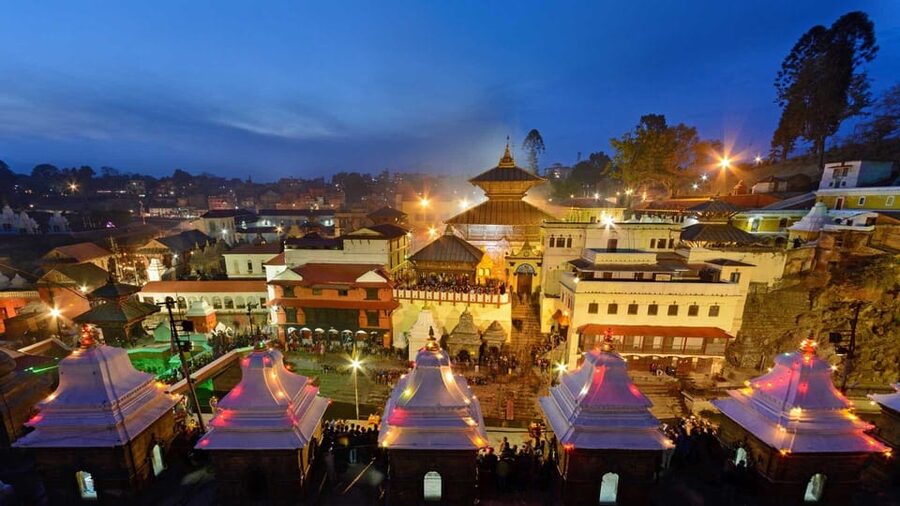
Pashupatinath is not only about worship. The complex includes Arya Ghat, the river-side cremation site used for Hindu cremations. Arya Ghat matters because it is believed that cremation there supports moksha, liberation from the cycle of rebirth.
I need to say this plainly: seeing a cremation ritual is emotionally heavy for many people. Even if your guide helps frame what you are seeing, you should assume the scene will feel intense. If you are sensitive around death-related rituals, this may not be the easiest night out.
The benefit is that it is also the reality of how the site functions. Pashupatinath is a working spiritual center. You are not just visiting a pretty temple. You are witnessing how faith, life, and death link together in Nepal’s Hindu practice.
A helpful tip: keep your behavior quiet and your camera use respectful. If your guide tells you where to stand or when to avoid filming, follow that guidance. This is a place where people are there for reasons that matter to them.
More to compare around Kathmandu
- Kathmandu: 7 UNESCO Sites with Lunch
★ 4.8 · 744 reviews - Everest Base Camp Helicopter Tour landing at Everest View Hotel
★ 5.0 · 668 reviews - Kathmandu: Local Women-Led Nepali Cooking & Momo Class
★ 4.9 · 360 reviews - Manaslu Circuit Trek
★ 5.0 · 292 reviews
A Short 3-Hour Plan That Still Gives You Time to Feel Oriented
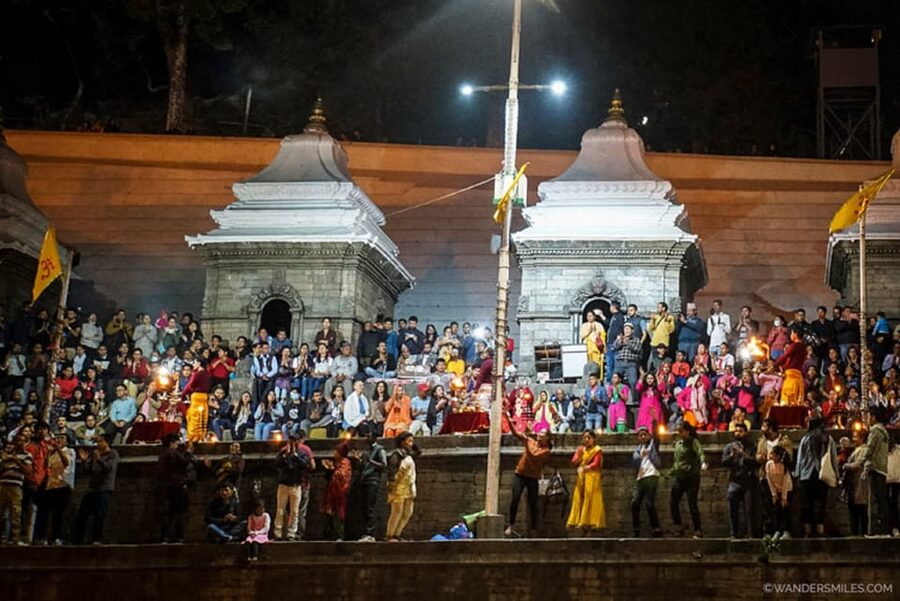
This tour runs about 3 hours. That is a sweet spot for a night activity in Kathmandu. You get picked up, you drive to Pashupatinath, you attend the Aarti experience, and you return to your hotel. For many people, that structure is exactly what you want, because it saves you from figuring out night transport and timing on your own.
You should also expect a mix of walking and standing. The complex is spread along the Bagmati River area, and you will likely move between viewpoints and temple sections. A good guide helps you not feel lost.
One of the most practical advantages here is the guide does more than recite facts. When your guide is enthusiastic, the whole visit feels smoother. A name you may encounter with this provider is Madhu, who is described as energetic and strong on historical stories, while also making sure you understand the temple areas you are passing.
Also, this is a private group. That matters in a place with religious crowds. Private grouping means you are less likely to be rushed by a larger bus-style schedule, and your guide can adjust pacing to your questions.
Pickup, Transport, and Safety in Kathmandu Traffic
Hotel pickup and drop-off is included, and you are asked to wait in the hotel lobby about 15 minutes before the tour starts. That one detail sounds small, but it reduces stress. You are not hunting for the meeting point at night.
Transportation is another big value piece. This tour uses highly rated transport, and that is not a minor thing in Kathmandu, where traffic can be unpredictable. A comfortable car helps you arrive with the energy to pay attention during the ceremony.
Safety is also part of the real-world experience. If you are traveling solo, you will likely appreciate that the tour stays organized: pickup, a guide, and a return back to your hotel. That structure helps you focus on the temple rather than logistics.
Price and Value: What $71 Really Buys You
At about $71 per person for a 3-hour private night tour, you are paying for organization, a guide, and access, not just a location. The included items matter:
- hotel pickup and drop-off
- transportation to and from Pashupatinath
- a licensed English-speaking guide
- entry ticket to Pashupatinath
- all taxes
Food and drinks are not included. That is common for short cultural tours, but you should plan around it. Eat beforehand, or plan a simple post-tour meal near your hotel so you do not scramble later.
Where this feels like good value is in what you avoid. You do not have to arrange your own night transport, figure out entry, or risk a guide who cannot explain the ritual. A good English guide changes everything when you are standing inside a religious space where gestures and symbols carry meaning.
If you compare this to DIY costs, the guide plus transport usually wins, especially at night when finding reliable logistics can be tiring.
What to Bring, What to Wear, and How to Get the Best View
You should bring a passport, and a copy is accepted. Keep it handy in case it is needed at entry.
For clothing, think respectful and practical. This is a temple environment and you will be moving around. Choose something comfortable for walking, and avoid anything that feels too casual or too revealing. If you are unsure, your guide can advise once you arrive at the complex.
A night tour also means temperatures can change. Kathmandu nights can feel cooler than daytime. Bring something light you can layer, especially if you run cold.
One more practical note: because this is a night Aarti focus, you should arrive ready to watch and listen. If you spend the first 30 minutes checking your phone or trying to find your bearings, you lose the best moment of the evening.
Who This Night Aarti Tour Suits Best
This tour is a strong match if you want:
- a guided way to experience Pashupatinath as a living sacred site
- a short night outing that does not require planning transport yourself
- a better understanding of what Aarti and the cremation ghat represent in Hindu practice
- private-group attention from an English-speaking guide
It is also a good fit for people who like history plus ritual. Your guide will likely connect what you see now to the temple’s longer timeline, including the shift from older roots to the 17th-century structure after reconstructions.
If you dislike emotional scenes or are uncomfortable with death-related rituals, you should think carefully before booking. The possibility of seeing Arya Ghat activity is part of what makes the visit powerful and, for some, challenging.
Should You Book This Pashupatinath Aarti Night Tour?
Book it if you want a structured, respectful way to see one of Kathmandu’s most important spiritual places after dark, with a guide who can explain the meaning behind the ceremony. I especially think it is worth considering for first-time visitors who do not want to wrestle with night logistics or miss key cultural context.
Skip it or choose a different option if you are easily overwhelmed by cremation rituals or you are worried you will not handle an intense, sacred moment with care. Also, if you are very timing-sensitive, keep in mind that traffic can affect when you arrive, which can shift how much of the Aarti you catch.
FAQ
How long is the Pashupatinath Temple Aarti Night Tour in Kathmandu?
The tour lasts about 3 hours.
Does the tour include hotel pickup and drop-off?
Yes. You are picked up from your hotel, and you will be dropped back after the tour. You should wait in the hotel lobby 15 minutes before pickup.
Is the guide English speaking, and is it a private group?
Yes. The tour includes a licensed English speaking guide, and it is offered as a private group.
What is included in the price, and is food provided?
The price includes transportation to and from Pashupatinath, hotel pickup and drop-off, an entry ticket, the English guide, and all taxes. Food and drinks are not included.
Do I need a passport for this tour?
Yes, you should bring your passport. A copy is accepted.
Is this tour wheelchair accessible?
Yes. The tour is wheelchair accessible.
Latest Kathmandu write-ups
- 16 Days Island Peak Climbing With Everest Base Camp Private Trip★ 5.0 · 3 reviews
- 15 Days Round Annapurna Trek with Poon Hill from Pokhara★ 5.0 · 5 reviews
- Private Nepal round trip including Ghorepani Poonhill trek★ 5.0 · 3 reviews
- Everest Base Camp Trekking 16 Days★ 4.0 · 7 reviews
- 14 Days Luxury Annapurna Base Camp Trek★ 5.0 · 6 reviews
- Everest Base Camp Trek★ 5.0 · 32 reviews
- Everest Base Camp Trek★ 5.0 · 87 reviews
- Everest Base Camp Trek★ 5.0 · 97 reviews
Pashupatinath Temple, compared.
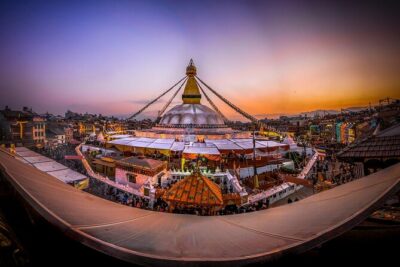
Kathmandu Spiritual Sites: Bodhnath & Pashupatinath Tour
Read our review →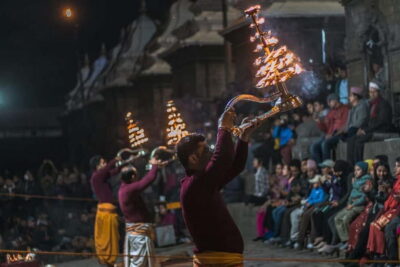
PashupatiNath and BoudhaNath – Private/Small Group
Read our review →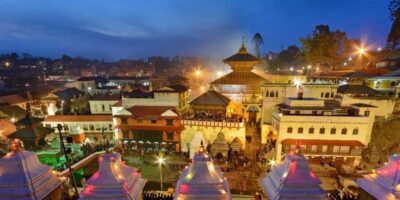
Pashupatinath: Evening tour of temple and Aarati ceremony
Read our review →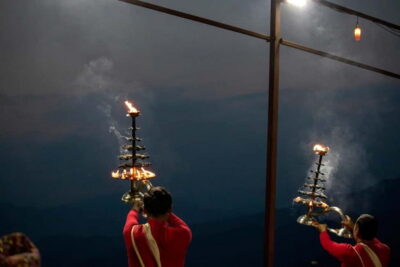
Browse the lists this tour appears in