
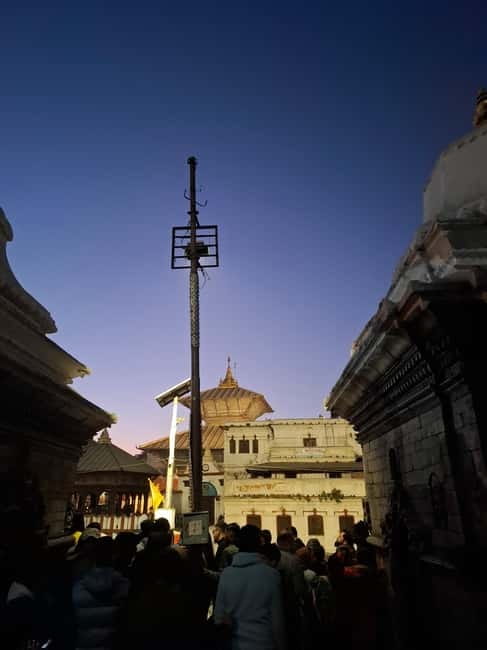
Reviewed · PASHUPATINATH TEMPLE
Katmandu: Pashupatinath Open Cremation & Evening Aarati
Pashupatinath in Kathmandu is one of those places that makes faith, grief, and everyday devotion all feel real. The combination of open cremations along the Bagmati River and the evening Shiva Aarati is intense, human, and deeply spiritual all at once.
What I like most is how the timing gives you context, early rituals by the river followed by worship as night falls, with chants and oil lamps taking over. The possible drawback is that you will walk to the cremation area and this tour is not a good fit if you have mobility limits or health concerns.
Key things to know before you go
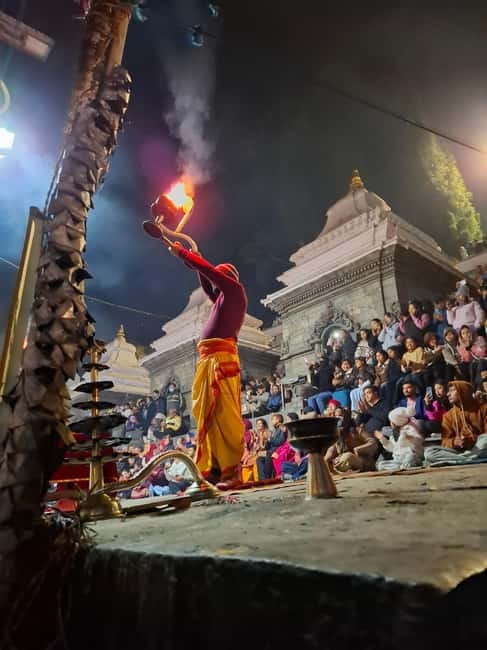
- You’ll see open cremation rites at Arya Ghat as part of Hindu funerary tradition along the Bagmati River
- The Aarati timing matters, arrive by about 5:30 PM to get a better viewing spot
- Lord Shiva is the focus of the evening worship with chants, music, and oil lamps
- You’ll be outside and on your feet, so comfortable shoes and modest clothing are not optional
- Vehicle and language can vary, so confirm your pickup details and what kind of help you’ll have on the ground
Why Pashupatinath’s open cremations and Shiva Aarati hit so hard
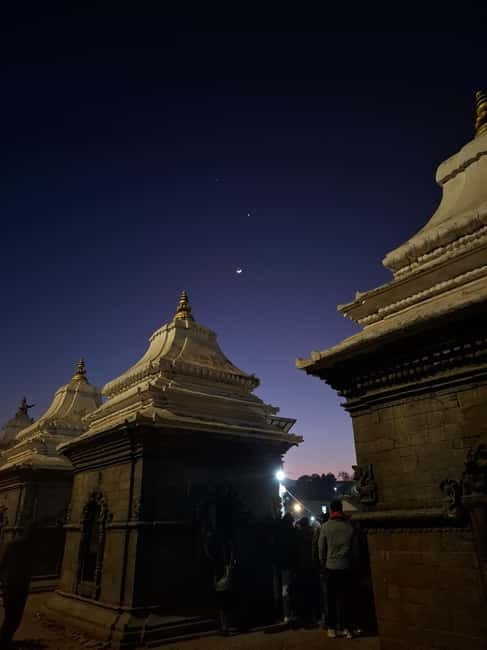
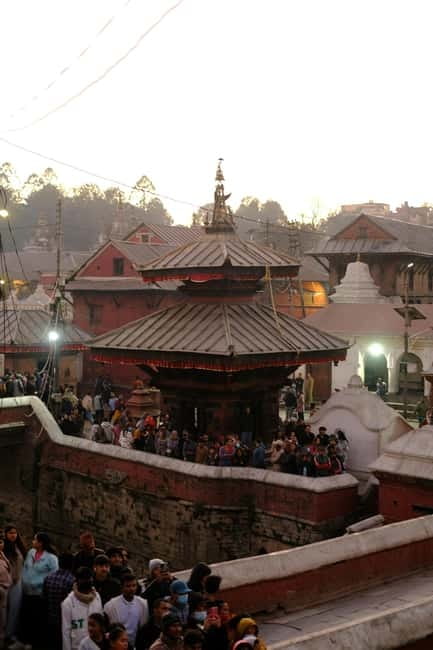
This is not a polite, packaged sightseeing stop. You are watching a sacred process that Hindus believe helps the departed on their journey, and you’re doing it in a real public setting where ceremony and daily life sit side by side.
The reason it works so well, even if it’s emotional, is contrast. You start with the solemnity of cremation rites by the river. Then, as evening comes on, the atmosphere shifts toward devotion, with oil lamps glowing and rhythmic chanting calling people into worship of Lord Shiva.
More at Pashupatinath:
- Kathmandu Spiritual Sites: Bodhnath & Pashupatinath Tour
★ 5.0 · 185 reviews - Kathmandu: Pashupatinath Temple Evening Aarati Tour
★ 5.0 · 36 reviews - Kathmandu: Pashupatinath Temple Aarti Night Tour
★ 4.8 · 29 reviews
How the timing works, from Kathmandu pickup to the 6:00 PM Aarati
This trip is built around the evening ritual, with a practical flow that keeps you from rushing at the last minute. You get pickup in a private air-conditioned vehicle, and the schedule is designed so you can reach the temple complex and the cremation area with time to settle in.
Plan on arriving early. You’re advised to be at the Aarati viewing area by about 5:30 PM, because spots fill up and you’ll want to stand or sit comfortably enough to watch. The Aarati itself starts around 6:00 PM to 6:30 PM, depending on the exact timing on the night.
Even though the listed duration is 3 hours, your actual time on the ground can run closer to 3 or 4 hours based on where you’re picked up and traffic. That’s normal in Kathmandu, and it’s one reason I like doing this as a guided convenience style tour rather than trying to coordinate everything yourself.
Arriving at Pashupatinath Temple and getting oriented quickly
When you reach the main entrance of the Pashupatinath temple complex, you’ll get a short briefing on do’s and don’ts. That matters here. This is an active religious site, so small behavior choices, like where you stand and how you move, can keep you respectful and out of the way.
You’ll have time for what you might call temple complex time: walking, viewing, and some shopping opportunities. Even if you just use this stretch to orient yourself, it helps a lot. You’ll understand which direction you’re heading next, and you won’t feel like you’re chasing people when the afternoon light fades.
Walking toward Arya Ghat on the Bagmati River
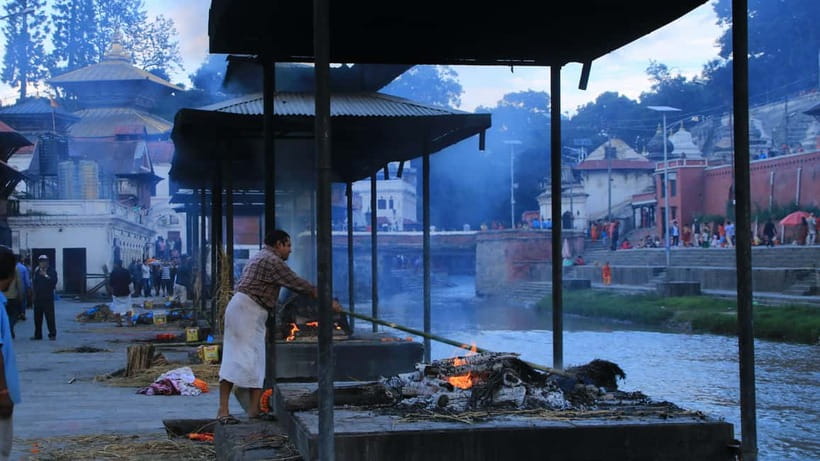
The heart of the experience is the walk toward Arya Ghat, the sacred open cremation area. This is not a quick photo stop. You’ll be on foot, and you may be sharing space with families, priests, and onlookers.
Wear shoes you trust. You’re advised to use comfortable footwear because you will walk to the cremation area, and the ground can be uneven and crowded in places. If you’re thinking about heels or new sneakers, don’t. This is the kind of night where comfort keeps you focused on what you came to see.
Also, be prepared for outdoor conditions. Bring a light jacket if the air gets cool as evening sets in. You’ll likely be standing for at least part of the Aarati viewing window, so you want to be warm enough to stay present.
More to compare around Kathmandu
- Kathmandu: 7 UNESCO Sites with Lunch
★ 4.8 · 744 reviews - Everest Base Camp Helicopter Tour landing at Everest View Hotel
★ 5.0 · 668 reviews - Kathmandu: Local Women-Led Nepali Cooking & Momo Class
★ 4.9 · 360 reviews - Manaslu Circuit Trek
★ 5.0 · 292 reviews
Watching open cremation rites, and what the tradition believes
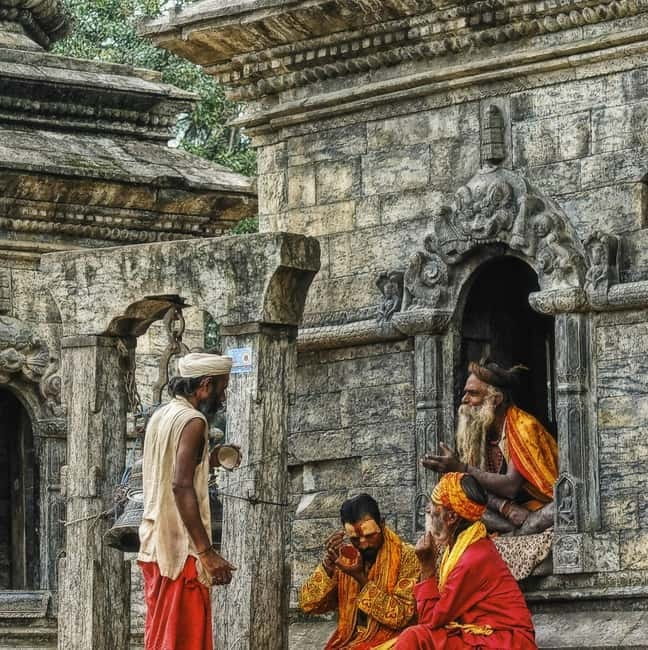
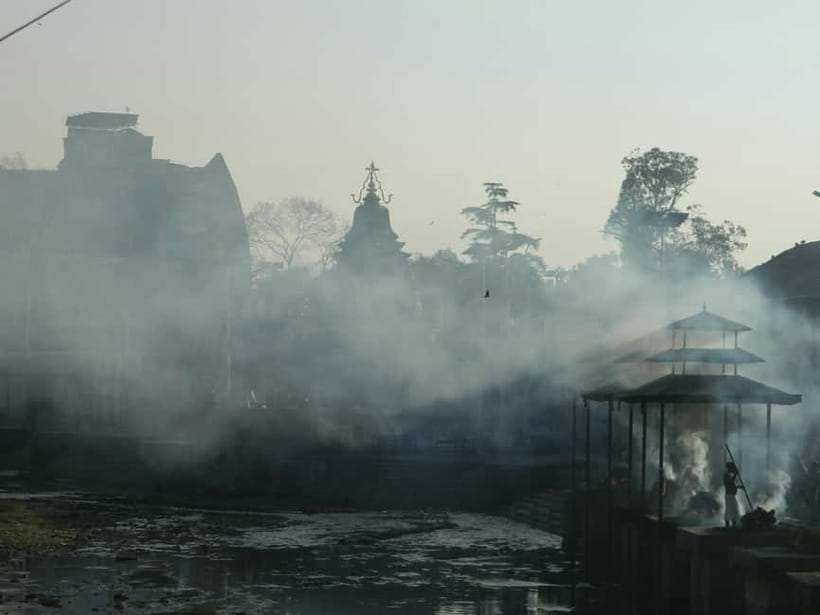
At Arya Ghat, you’ll observe Hindu funeral rites along the Bagmati River. The tradition here is linked to a belief that cremation at this holy site can help the soul find moksha, often described as liberation.
Here’s how I suggest you approach it mentally. Don’t treat it like a spectacle. Think of it as a spiritual system in motion, where ritual, belief, and community support are all part of how the living handle loss.
You will likely notice that the solemn cremation activity doesn’t fully stop when the evening worship begins. During the Aarati period, cremation rituals can continue in the background, so the evening isn’t just pretty lights and chanting. It’s the coexistence of life, death, and devotion in the same space.
If you’re sensitive to sights of fire and ritual bodies, this is the moment you should think about your comfort level before you commit. There’s no shame in stepping back or choosing a different kind of evening tour if you know you’ll be overwhelmed.
The Pashupatinath Aarati: chanting, oil lamps, and Shiva devotion
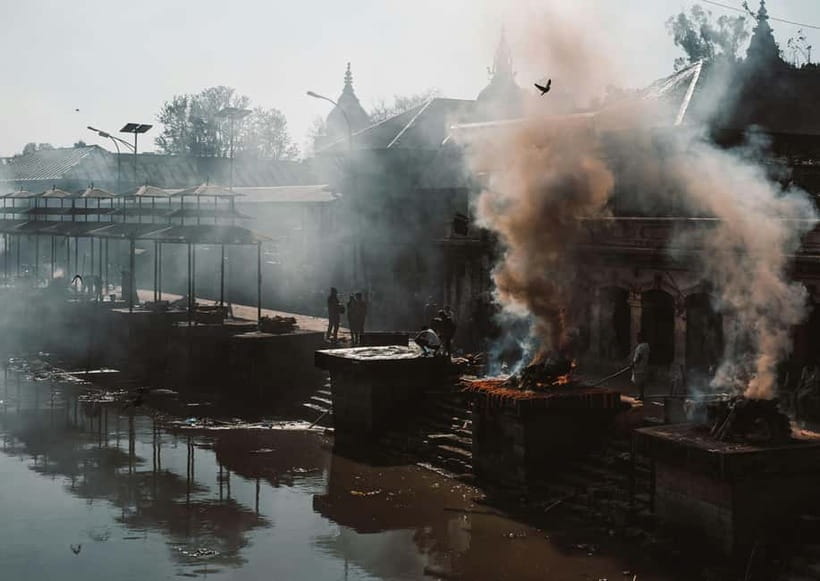
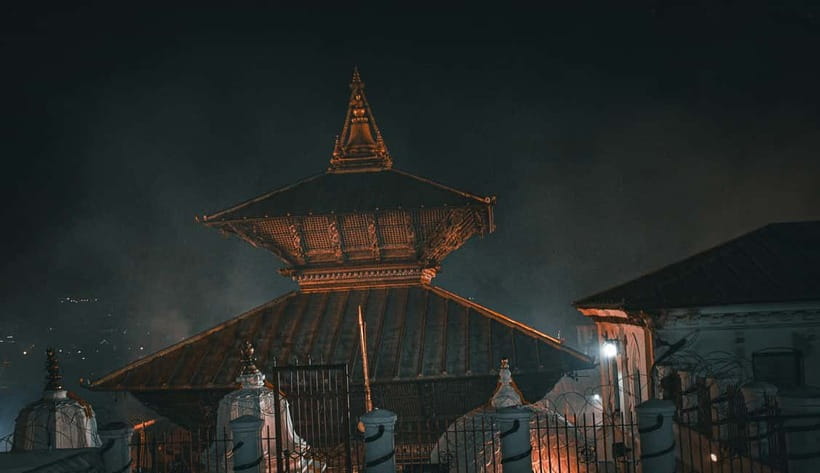
As evening falls, you shift from watching rites by the river to experiencing the communal worship called Aarati. This ceremony is dedicated to Lord Shiva, and it builds energy fast once chants, music, and devotional rhythms start.
What makes it memorable is the sensory stack. You get the glow of oil lamps, the sound of chanting, and the movement of worship activity, often all within your field of view. Even if you don’t catch every word of the prayers, the rhythm communicates purpose, and it’s hard not to feel the collective focus.
This is also where the earlier orientation helps. If you used your temple complex time well, you’ll understand what you’re seeing and why it’s happening in this order. Then, when the lamps come out and chanting rises, the ritual feels less confusing and more meaningful.
Do’s and don’ts, what to wear, and how to take photos without being disruptive
You’ll get a briefing, but I still recommend you plan your behavior like you would in a sacred mosque or temple. Keep your clothing modest. You’re specifically advised to dress modestly because Pashupatinath is a religious site.
Bring essentials that make the evening easier:
- Comfortable shoes for the walk
- Camera (if you plan to capture the moment)
- Passport or ID card
- Cash
- A comfortable outfit that fits the modest dress expectation
On photography, common sense goes a long way. If people are in prayer or actively participating, don’t push forward for a shot. Try to frame around others rather than interrupt them.
If you are worried about handling crowds, arrive early for Aarati viewing. You’re aiming to get a spot where you can watch without elbowing through anyone, which keeps the experience respectful for you and everyone around you.
Price and value for a 3-hour private ride from Kathmandu
At about $27 per person, this is priced like a convenient, time-sensitive cultural night: pickup, transport, water, and drop-off. You’re also paying for the fact that Aarati has a start time, and getting there on time is half the battle in Kathmandu.
The tradeoff is what’s not included. Entry tickets are not included, and meals are not included. Also, the package lists tour guide as not included, even though some experiences include explanation support from your driver or an on-site helper. If you want deep interpretation of the rituals, you may want to ask ahead what kind of English explanation you can expect.
Where the value really shows up is in logistics. You get a private air-conditioned vehicle and door-to-door pickup. That means less stress, fewer navigation hassles, and more energy to actually watch the ceremony at the right time.
Vehicle, language, and comfort considerations before you commit
This tour depends on your driver and the quality of your ride, because you’re coordinating timing in the evening. Based on mixed experience reports, I would treat this as a “confirm and check” situation.
When the vehicle arrives:
- Check that the car is comfortable enough for the evening ride
- Confirm that seatbelts are present and usable if available in the vehicle
- If you want English explanations, ask how much help you’ll get beyond driving assistance
If you’re the type who likes clear explanations and a confident English-speaking guide, don’t assume it will be automatic. I’d rather you ask one extra question by message than spend the evening feeling shut out from the meaning behind the rituals.
Who should book this Kathmandu evening tour, and who should skip
This experience is powerful and not for everyone. It may be especially meaningful if you want a direct view of Nepal’s spiritual traditions, and you’re comfortable watching religious ceremonies that connect life and death through ritual.
It may not be suitable if:
- You have mobility impairments or wheelchair use
- You have back problems
- You have pre-existing medical conditions
- You have young children (the tour is not suitable for children under 9)
- You know you’ll be overwhelmed by open cremation rituals
If you are generally healthy but nervous about crowds, plan your body for standing and for walking. Comfortable shoes matter more than you think. If you’re unsure, skip the cremation viewing piece by choosing a different type of cultural tour in Kathmandu, because this one is built around seeing the rites.
Should you book this Katmandu Pashupatinath Open Cremation and Evening Aarati tour?
If you want a deeply local evening at one of Nepal’s most significant Shiva sites, and you can handle the emotional weight of open cremation rituals, this is a strong choice. The Aarati timing and the chance to see worship under oil lamp glow, while cremation rites may continue in the background, creates a powerful “real place” experience that you don’t get in sanitized, classroom-style tours.
Book it if:
- You’re okay with solemn subject matter
- You can walk and stand outdoors
- You want a private transport option to make the start time easy
Skip it if:
- You need accessibility support for walking or mobility
- You know fire-and-ritual scenes will be too much
- You’re expecting a full guided narrative in English unless you confirm that support in advance
If you do book, do one simple thing that improves the night a lot: plan to be ready around 5:30 PM so you’re not rushing. Then show up with modest clothes, good shoes, and the willingness to watch something that is not meant to be entertainment.
FAQ
How long is the tour?
The experience is listed as about 3 hours, and it may run around 3 to 4 hours depending on your location and traffic.
Where are you picked up in Kathmandu?
You’re picked up from your location in Kathmandu, and you need to provide the pickup address when booking. If you’re at a hotel, pickup is at the reception area.
When does the Pashupatinath Aarati start?
You’re advised to arrive by about 5:30 PM for the best viewing spot. The Aarati ceremony starts between 6:00 PM and 6:30 PM.
Do you include tickets or meals?
No. Entry tickets and meals are not included.
Is a tour guide included?
The package lists tour guide as not included, but your driver will provide assistance. Some bookings may include explanation support on the ground, so it’s smart to confirm what you’ll get.
What should I wear and bring?
Wear modest clothing and comfortable shoes, since you walk to the cremation area. Bring your passport or ID card, a camera, cash, and comfortable clothes.
Is this tour suitable for people with mobility issues?
No. It is not suitable for wheelchair users, people with mobility impairments, people with back problems, or people with pre-existing medical conditions.
Is it suitable for children?
No. The tour is not suitable for children under 9 years.
What is the cancellation policy?
You can cancel up to 24 hours in advance for a full refund.
Latest Kathmandu write-ups
- 16 Days Island Peak Climbing With Everest Base Camp Private Trip★ 5.0 · 3 reviews
- 15 Days Round Annapurna Trek with Poon Hill from Pokhara★ 5.0 · 5 reviews
- Private Nepal round trip including Ghorepani Poonhill trek★ 5.0 · 3 reviews
- Everest Base Camp Trekking 16 Days★ 4.0 · 7 reviews
- 14 Days Luxury Annapurna Base Camp Trek★ 5.0 · 6 reviews
- Everest Base Camp Trek★ 5.0 · 32 reviews
- Everest Base Camp Trek★ 5.0 · 87 reviews
- Everest Base Camp Trek★ 5.0 · 97 reviews
Pashupatinath Temple, compared.
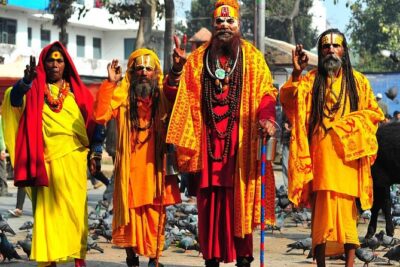
Kathmandu Spiritual Sites: Bodhnath & Pashupatinath Tour
Read our review →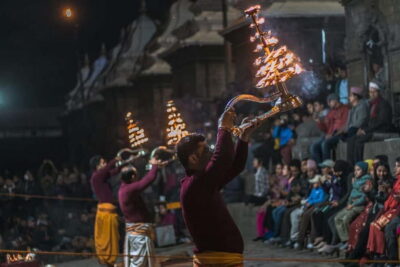
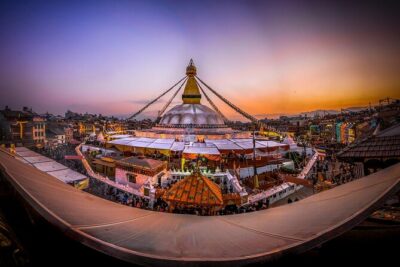
PashupatiNath and BoudhaNath – Private/Small Group
Read our review →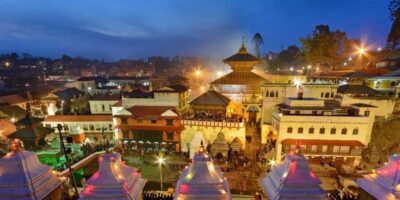
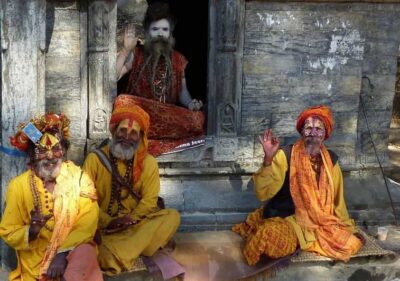
Pashupatinath: Evening tour of temple and Aarati ceremony
Read our review →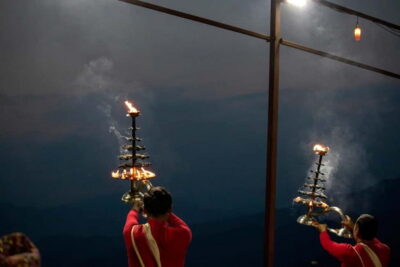
Browse the lists this tour appears in